
The Role of Karma in Jain Philosophy: A Deep Dive into Ancient Beliefs


Welcome to Ancient India History, where we embark on an enlightening journey through the rich tapestry of ancient Indian civilizations! In our featured article, "The Role of Karma in Jain Philosophy: A Deep Dive into Ancient Beliefs," we unravel the intricate connections between Jain philosophy and karma beliefs that have shaped ethical thought and spiritual practices for centuries. Prepare to delve into the profound concepts that define not only a religion but also the moral compass of countless individuals throughout history.
Curiosity piqued? Join us as we explore the timeless wisdom of the Jains and discover how these ancient beliefs continue to resonate in today's world!
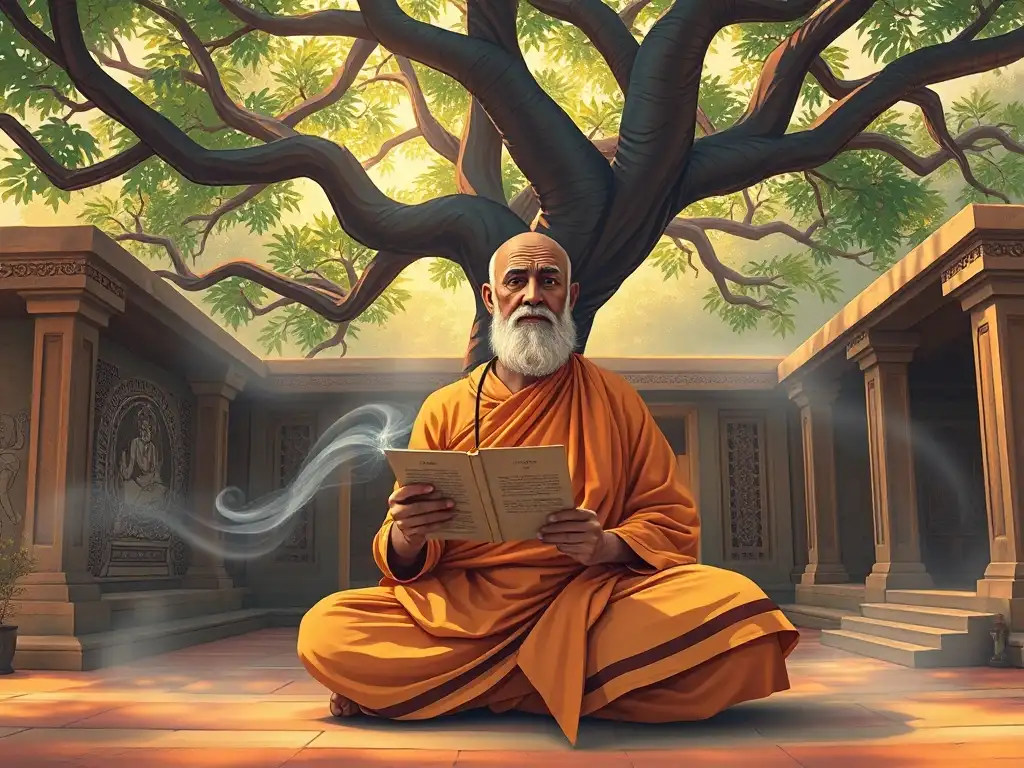
Introduction to Jain Philosophy and Karma Beliefs
Jain philosophy, a profound and intricate system of thought that originated in ancient India, emphasizes the principles of non-violence, truth, and asceticism. One of the core tenets of Jainism is the concept of karma, which plays a pivotal role in shaping the beliefs and practices of its followers.
Understanding the intricacies of karma within Jain philosophy not only illuminates the moral and ethical framework of this ancient religion but also provides insights into how these beliefs influenced the societal structure and spiritual practices of ancient Indian civilizations. This exploration into karma reveals its deep-rooted implications on the life cycle, spiritual liberation, and the essence of human existence as perceived by Jains.
Overview of Jainism and Its Historical Context
Jainism, alongside Hinduism and Buddhism, is one of the three ancient religions that flourished in India. It is believed to have been established by Lord Mahavira in the 6th century BCE, although its origins may trace back to earlier Tirthankaras, spiritual teachers who paved the way for Jain doctrines. The historical context of Jainism is marked by its emergence during a period of significant religious and philosophical evolution in India, characterized by a quest for spiritual truth and ethical living.
Jainism's core philosophy revolves around the concepts of ahimsa (non-violence), anekantavada (non-absolutism), and aparigraha (non-possessiveness). These principles not only guided personal conduct but also influenced social interactions and governance in ancient Indian societies. The Jains made substantial contributions to art, architecture, and literature, leaving a lasting legacy that continues to be celebrated today.
Significance of Karma in Jain Thought
In Jainism, karma is not merely a metaphysical concept but a fundamental principle that governs the moral order of the universe. It is believed that every action, whether mental, verbal, or physical, generates karmic particles that attach to the soul, influencing its journey through the cycle of birth and rebirth (samsara). The accumulation of karma determines the quality of one's future existence, making it imperative for Jains to cultivate good actions and intentions to attain liberation (moksha).
The significance of karma in Jain thought extends beyond individual morality; it shapes the collective ethical framework of Jain communities. By adhering to the principles of karma, Jains strive to maintain harmony with all living beings, fostering a culture of compassion and respect.
Fundamental Concepts of Karma in Jain Philosophy
Definition of Karma in Jainism
In Jain philosophy, karma is defined as a form of matter that binds to the soul as a result of one's actions. Unlike the more commonly known notion of karma in other Indian philosophies, which often emphasizes fate or destiny, Jainism views karma as a tangible substance that can be influenced and altered through conscious effort. The concept is deeply intertwined with the law of cause and effect, illustrating how every deed generates corresponding consequences that affect the soul's spiritual trajectory.
Types of Karma: A Comprehensive Breakdown
Jain philosophy categorizes karma into two primary types: ghati (destructive) and aghati (non-destructive).
- Ghati Karma: This type of karma affects the soul's intrinsic qualities and its ability to achieve liberation. It includes:
- Knowledge-obscuring karma: Blocks the soul's inherent knowledge.
- Perception-obscuring karma: Hinders the soul's ability to perceive truth.
- Feeling-obscuring karma: Distorts emotional experiences.
- Deluding karma: Misleads the soul regarding its true nature.
- Aghati Karma: This type pertains to the material aspects of existence and includes:
- Body-determining karma: Influences the physical form and conditions of existence.
- Status-determining karma: Affects social and economic status in life.
Understanding these distinctions allows for a deeper appreciation of how actions influence both the individual's spiritual journey and their experiences in the material world. Through rigorous adherence to ethical conduct, Jains aim to minimize the accumulation of harmful karma and ultimately attain liberation from the cycle of birth and death.
The Process of Karma Accumulation in Jain Philosophy
In Jain philosophy, karma is a fundamental concept that describes the moral law of cause and effect, which governs the cycle of life, death, and rebirth. The accumulation of karma is viewed as a process influenced by one's actions, thoughts, and intentions. According to Jain beliefs, every action generates a form of karma, which attaches to the soul, affecting its journey through the cycles of birth and rebirth.
The accumulation of karma can be categorized into two types: good karma (punya) and bad karma (papa). Good karma arises from virtuous actions, such as acts of kindness and adherence to dharma, while bad karma is the result of harmful actions, including violence and deceit. Each action contributes to the soul's overall karmic balance, which determines the nature of future existences.
Jains believe that karma is not only an abstract principle but also a tangible substance that can accumulate on the soul. This accumulation is seen as a clouding of the soul's inherent purity. The more karma one accumulates, the more it obstructs the soul's ability to attain liberation (moksha). Thus, understanding the process of karma accumulation is essential for Jains as they navigate their spiritual paths.
How Actions Influence Karma
In Jain philosophy, every action—whether physical, verbal, or mental—has consequences that directly influence one's karmic state. Actions are categorized based on their ethical implications and the intention behind them. Positive actions, such as helping others, practicing compassion, and living in harmony with nature, generate positive karma, while negative actions, such as harming living beings or engaging in deceit, lead to the accumulation of negative karma.
The principle of syādvāda (the doctrine of relativity) further emphasizes that the impact of an action can vary based on context and intention. Jains believe that the ethical quality of an action plays a critical role in shaping the karma it produces. Therefore, actions performed with pure intentions are more likely to yield favorable results compared to those executed with malice or selfishness.
Moreover, Jains practice self-restraint and mindfulness to ensure their actions align with their spiritual goals, recognizing that even seemingly minor actions can have significant karmic repercussions. Through conscious choices and ethical living, individuals can strive to minimize negative karma while enhancing their positive karmic footprint.
The Role of Intent in Shaping Karma
Intent is a cornerstone of Jain philosophy when it comes to understanding karma. It is not merely the action itself that determines karma, but the intention behind the action that shapes its outcome. Jains believe that actions performed with a pure heart and good intentions can lead to the accumulation of positive karma, even if the resultant action does not yield the desired effect.
Conversely, an action taken with harmful intent, regardless of the outcome, can lead to the accumulation of negative karma. This principle emphasizes the importance of mental purity and ethical awareness, as one’s thoughts and motivations are essential in the karmic process.
Jains engage in practices such as meditation and self-reflection to cultivate positive intentions and to develop a deeper awareness of their inner thoughts. By doing so, they aim to align their intentions with their spiritual values, ultimately shaping a more favorable karmic trajectory.
The Cycle of Birth and Rebirth: Karma's Impact on Reincarnation
Karma significantly influences the cycle of birth and rebirth (samsara) in Jain philosophy. The soul, upon accumulating karma, is bound to the cycle of reincarnation, taking on different forms based on its karmic balance. Good karma can result in a more favorable rebirth, possibly in a higher form of existence, while bad karma can lead to rebirth in less desirable circumstances, including lower forms of life.
This cyclical process highlights the Jains' understanding of the interconnectedness of all beings and the importance of ethical living. The goal is to purify the soul by shedding accumulated karma, thereby achieving liberation (moksha).
Jains believe that through disciplined practices, such as ahimsa (non-violence), truthfulness, and asceticism, one can minimize harmful karma and ultimately break free from the cycle of samsara. This liberation is not just an escape from the cycle of birth and rebirth but also a return to the soul's original, pure state.
Ethical Dimensions of Karma in Jainism
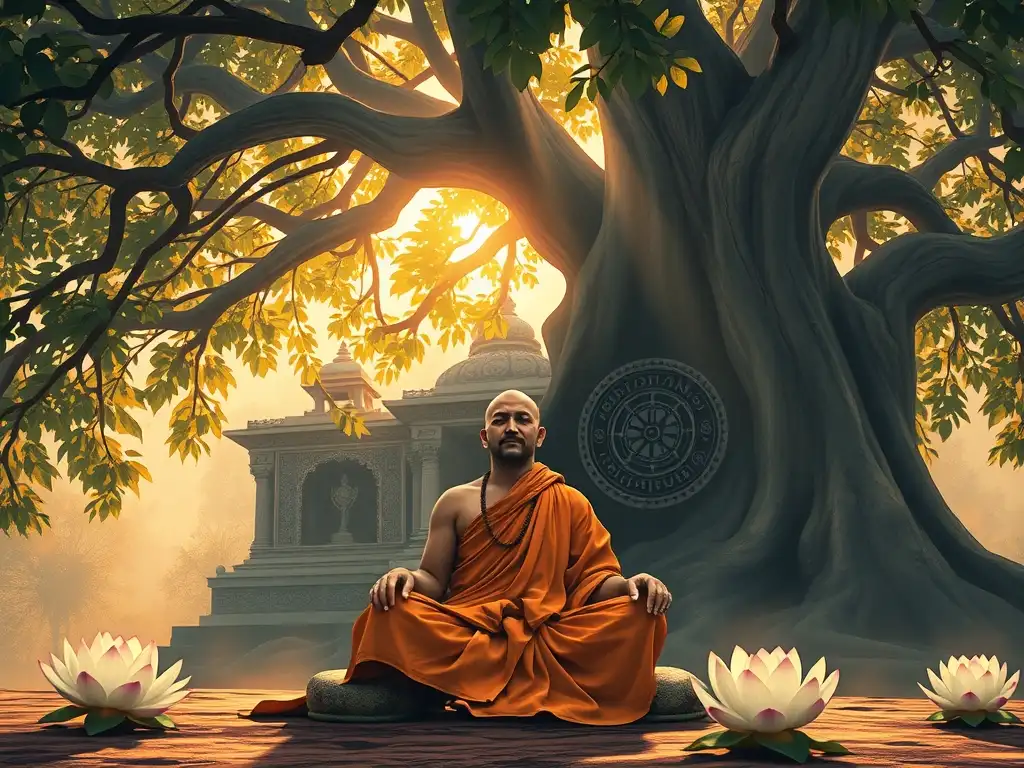
Jainism places a strong emphasis on the ethical implications of karma. The philosophy encourages adherents to lead a life rooted in ethical principles that promote spiritual growth and minimize harm to all living beings. The ethical dimensions of karma are intricately linked to the core tenets of Jainism, including non-violence (ahimsa), truthfulness (satya), and self-discipline (tapa).
The Connection Between Karma and Ahimsa (Non-Violence)
Ahimsa, or non-violence, is perhaps the most significant ethical principle in Jainism, serving as a foundation for all other moral directives. Jains believe that all forms of life are interconnected, and causing harm to any living being results in the accumulation of negative karma.
By practicing ahimsa in thought, word, and deed, Jains strive to purify their karma and promote peace and compassion in their interactions with others. This commitment to non-violence extends beyond human beings to include animals, plants, and even microorganisms. Such a comprehensive approach to ahimsa underscores the ethical dimension of karma, as it emphasizes the responsibility individuals have to act with kindness and consideration for all forms of life.
The Practice of Right Conduct and Its Effect on Karma
The practice of right conduct (samyak charitra) encompasses the ethical lifestyle that Jains adopt to ensure their actions contribute positively to their karmic state. This involves adherence to five core vows: non-violence, truthfulness, non-stealing, celibacy, and non-possessiveness.
By embodying these principles, Jains actively work to minimize the accumulation of negative karma while fostering positive karma through virtuous actions. Right conduct is not only about refraining from harmful actions but also about actively engaging in positive behaviors that promote the welfare of others and the environment.
Jains also engage in rituals and community service as expressions of right conduct, reinforcing their commitment to ethical living and their understanding of the karmic consequences of their choices.
Spiritual Purification and Liberation from Karma
Spiritual purification is central to Jainism, as it is the means by which individuals can free themselves from the burdens of accumulated karma. The journey toward liberation (moksha) involves rigorous self-discipline, meditation, and the pursuit of knowledge.
Jains believe that through the practice of asceticism and the observance of ethical principles, one can gradually cleanse the soul of karmic impurities. This purification process involves recognizing and rectifying harmful actions and intentions, cultivating virtues, and deepening one's understanding of the nature of the self.
Ultimately, the goal is to achieve a state of perfect knowledge (kevala jnana) and liberation from the cycle of samsara. In this state, the soul is freed from all karmic attachments, allowing it to exist in its pure essence, unencumbered by the material world. This spiritual journey reflects the profound significance of karma in Jain philosophy and its ethical implications for personal growth and societal well-being.
Historical Development of Karma Beliefs in Jainism
The concept of karma is central to Jain philosophy, deeply rooted in its historical and religious context. Jainism, which emerged around the 6th century BCE, views karma not merely as a moral principle but as a fundamental aspect of the universe that influences the soul's journey toward liberation. The evolution of karma beliefs in Jainism can be traced through various stages marked by philosophical developments and doctrinal clarifications.
In the early days of Jainism, karma was primarily understood as a physical substance that attaches to the soul, influencing its state and experiences. This perspective emphasized the importance of ethical conduct and ascetic practices to prevent the accumulation of negative karma.
Over time, Jains began to articulate a more nuanced understanding of karma, correlating it with the notions of intention (sankalp) and action (karman). The teachings of Mahavira, the 24th Tirthankara, significantly shaped these beliefs, emphasizing that the purity of the soul can be achieved through rigorous self-discipline and adherence to the five great vows: non-violence, truthfulness, non-stealing, celibacy, and non-possessiveness.
The historical development of karma in Jainism is also marked by the influence of various sects, including the Digambaras and Svetambaras, which interpret and emphasize aspects of karma differently. The Digambaras, for instance, maintain a stricter asceticism, believing that liberation can only be achieved through renunciation of all material possessions, thereby minimizing karmic attachments. In contrast, the Svetambaras incorporate a broader interpretation of karma that includes lay participation in spiritual practices.
Ancient Texts and Scriptures Addressing Karma
Jain philosophical teachings on karma are extensively documented in several ancient texts and scriptures, which serve as vital sources for understanding this complex concept. The most prominent texts include the Tattvartha Sutra, authored by Umaswati, which is considered the foundational scripture of Jain philosophy. This text outlines the nature of reality, the role of karma, and the path to liberation, presenting karma as a crucial element affecting the soul's journey.
Another essential scripture is the Samayasara, written by Acharya Kundakunda, which explores the relationship between the soul and karma in depth. It emphasizes the importance of self-realization and the need for internal purity to transcend karmic bonds. Additionally, the Acharanga Sutra, one of the earliest texts, discusses the ethical implications of actions and their karmic repercussions, reinforcing the principle of non-violence.
These texts collectively highlight the dual nature of karma in Jainism: as a binding force that affects the soul's state and as a transformative element that can be overcome through right knowledge, right faith, and right conduct. The doctrinal richness found within these scriptures has played a pivotal role in shaping the spiritual practices and ethical values of Jain communities throughout history.
Comparisons with Other Indian Philosophies

The concept of karma is not unique to Jainism; it also appears in other Indian philosophies, particularly Hinduism and Buddhism. However, the interpretation and implications of karma significantly differ across these traditions. Understanding these distinctions provides valuable insights into the unique aspects of Jain philosophy.
Karma in Hinduism vs. Jainism: Key Differences
In Hinduism, karma is closely linked to the concepts of dharma (duty) and samsara (the cycle of birth and rebirth). While Hindus believe that karma influences one's future births, they also emphasize the importance of fulfilling one's societal and familial duties as a way to accumulate good karma. The idea of divine grace and intervention, particularly through the worship of deities, plays a significant role in Hindu beliefs about karma and liberation.
In contrast, Jainism posits that karma is an impersonal force that operates independently of divine will. Jains emphasize the individual responsibility of each soul to act ethically and purify itself from karmic bonds. Unlike Hinduism, where divine grace may alleviate karmic burdens, Jain philosophy asserts that liberation is achievable solely through self-discipline, ascetic practices, and the elimination of karmic attachments. This fundamental difference highlights Jainism's focus on personal agency and ethical conduct over reliance on divine intervention.
The Buddhist Perspective on Karma and Its Contrasts with Jainism
Buddhism also shares the concept of karma, but its interpretation diverges from both Jainism and Hinduism. In Buddhist philosophy, karma is understood primarily as intentional actions that lead to consequences, emphasizing the mental states behind actions rather than the actions themselves. This perspective aligns with the Buddhist focus on mindfulness and the development of awareness.
A significant contrast between Buddhism and Jainism lies in the treatment of karma as a substance. While Jainism views karma as a physical entity that binds the soul, Buddhism regards it as a process of cause and effect, without attributing any physicality to karmic residues. Furthermore, Buddhists believe in the potential for immediate change through mindfulness and ethical conduct, whereas Jains stress the long-term process of purifying the soul from accumulated karma.
While karma plays a crucial role across Jainism, Hinduism, and Buddhism, the interpretations and implications reveal profound philosophical differences. Jainism's unique approach underscores the significance of personal responsibility in the quest for liberation, setting it apart from the other Indian philosophical traditions.
Modern Interpretations and Relevance of Jain Karma Beliefs
Jain philosophy's intricate interpretations of karma continue to resonate within contemporary contexts, transcending the boundaries of ancient texts. Modern interpretations often focus on the ethical implications of karma, emphasizing personal responsibility and the consequences of one's actions. This perspective aligns with global movements towards mindfulness, self-awareness, and ethical living. The core idea that every action, whether good or bad, generates consequences that affect not only the individual but also the collective consciousness is increasingly relevant in today's world.
Moreover, scholars and practitioners are exploring how Jain karma beliefs can inform dialogues on environmental sustainability and social justice. The principle of ahimsa (non-violence) inherent in Jainism prompts adherents to consider the broader impact of their actions on the planet and its inhabitants. This modern application showcases how ancient beliefs can be reinterpreted to address contemporary issues, ensuring that the principles of Jainism remain vital and applicable.
Contemporary Applications of Karma Principles
In contemporary society, the principles of karma from Jain philosophy find expression in various forms. For instance, in personal development and self-help movements, the idea that one's choices shape their future resonates deeply with individuals seeking to improve their lives. Workshops, seminars, and literature often draw upon the concept of karma to encourage individuals to reflect on their actions and their potential repercussions.
Additionally, therapists and counselors sometimes incorporate karma principles into their practices, guiding clients to understand how their past behaviors influence their present realities. This therapeutic approach can empower individuals to make conscious choices, fostering a sense of agency and accountability in their lives.
Moreover, in the realm of social activism, many modern movements echo the Jain emphasis on ethical living. Activists advocating for animal rights, environmental sustainability, and social equity utilize the karma framework to highlight the interconnectedness of actions and their broader implications. This engagement illustrates how Jain karma beliefs can inspire meaningful contributions to society.
The Influence of Jain Karma Beliefs on Modern Spiritual Practices
The impact of Jain karma beliefs extends into modern spiritual practices across various traditions. Many spiritual seekers today are adopting principles of karma and ahimsa, integrating them into their daily lives regardless of their religious affiliation. Meditation and mindfulness practices often emphasize the importance of intention behind actions, mirroring Jain teachings.
In addition, yoga communities frequently incorporate elements of Jain philosophy, particularly the focus on non-violence and ethical living. The understanding that every thought and action contributes to one's karmic journey encourages practitioners to lead lives that are not only physically healthy but also spiritually enriching.
Furthermore, the resurgence of interest in ancient wisdom traditions has led to a broader exploration of how Jain karma beliefs can interact with other philosophical systems. This cross-pollination fosters a deeper understanding of universal truths that resonate across cultures, reinforcing the relevance of Jain philosophy in diverse spiritual contexts.
Conclusion: The Enduring Legacy of Jain Philosophy and Karma Beliefs
Jain philosophy, with its profound insights into the nature of karma, continues to hold significant relevance in both ancient and modern contexts. The intricate understanding of karma as a system of moral cause and effect underscores the importance of ethical conduct in everyday life. As society grapples with complex challenges, these teachings provide valuable guidance for navigating moral dilemmas and promoting a more harmonious existence.
Summary of Key Insights on Karma in Jainism
The key insights surrounding karma in Jainism revolve around the concepts of individual responsibility, the moral weight of actions, and the interconnectedness of all beings. The belief that every action generates a corresponding reaction serves as a powerful motivator for ethical behavior, encouraging individuals to cultivate virtues such as compassion, truthfulness, and non-violence. Additionally, the idea that karmic consequences can be altered through right conduct and spiritual practices empowers adherents to take charge of their destinies.
Final Thoughts on the Impact of Jain Philosophy in Ancient and Modern Contexts
The impact of Jain philosophy and its karma beliefs extends beyond the confines of ancient texts and rituals. The teachings remain a guiding light for individuals seeking to lead ethical lives while navigating the complexities of modern existence. As we delve deeper into the wisdom of Jainism, we uncover timeless principles that advocate for compassion, mindfulness, and responsible living—values that are crucial in fostering a just and harmonious world today. The enduring legacy of Jain philosophy continues to inspire countless individuals, demonstrating that ancient beliefs can illuminate paths towards a better future.
- Introduction to Jain Philosophy and Karma Beliefs
- Fundamental Concepts of Karma in Jain Philosophy
- The Process of Karma Accumulation in Jain Philosophy
- Ethical Dimensions of Karma in Jainism
- Historical Development of Karma Beliefs in Jainism
- Ancient Texts and Scriptures Addressing Karma
- Comparisons with Other Indian Philosophies
- Modern Interpretations and Relevance of Jain Karma Beliefs
- Conclusion: The Enduring Legacy of Jain Philosophy and Karma Beliefs
- What is the significance of karma in Jain philosophy?
- How does Jainism differ from other religions in its view of karma?
- What practices do Jains follow to manage their karma?
- How did ancient Indian civilizations contribute to the understanding of karma?
- What role does karma play in the Jain path to liberation?
Frequently Asked Questions
What is the significance of karma in Jain philosophy?
Karma in Jain philosophy is a fundamental concept that explains the moral law of cause and effect. It influences the soul's journey through cycles of birth and rebirth, emphasizing the importance of ethical living.
How does Jainism differ from other religions in its view of karma?
Unlike many religions, Jainism views karma as a physical substance that attaches to the soul. This unique perspective highlights the need for detachment and purification to achieve liberation.
What practices do Jains follow to manage their karma?
Jains adhere to strict ethical practices, such as ahimsa (non-violence) and truthfulness, to avoid accumulating negative karma. These practices are essential for attaining spiritual purity.
How did ancient Indian civilizations contribute to the understanding of karma?
Ancient Indian civilizations, particularly through texts like the Tattvartha Sutra, elaborated on karma, influencing various philosophical schools. This contributed to a broader understanding of moral responsibility and spiritual growth.
What role does karma play in the Jain path to liberation?
In Jainism, karma directly impacts the soul's progress toward moksha (liberation). By purifying the soul from karma, practitioners aim to break free from the cycle of birth and death, achieving ultimate freedom.
Final Reflection: Embracing the Wisdom of Karma in Jain Philosophy
In exploring the intricate relationship between karma and Jain philosophy, we uncover a timeless framework that resonates profoundly in today's world. The principles of karma, which emphasize the consequences of our actions, are not merely ancient beliefs but rather a guiding light for ethical living in contemporary society. As we navigate the complexities of modern life, the teachings of Jain philosophy remind us that our choices hold significant weight, shaping not only our destinies but also the world around us.
The influence of karma in Jain philosophy extends beyond spiritual teachings; it permeates our cultural and social landscapes, fostering a deeper understanding of interconnectedness and responsibility. This philosophy encourages us to reflect on our actions and their ripple effects. As Mahatma Gandhi once said, "> The best way to find yourself is to lose yourself in the service of others."
This profound observation highlights the essence of karma, urging us to engage in selfless acts that contribute positively to our communities and the environment. The enduring relevance of these beliefs serves as a reminder that our actions today can create a more compassionate and harmonious world tomorrow.
As we conclude this exploration, I invite you to reflect on the role of karma in your own life. Consider how your daily choices align with the principles of Jain philosophy and how you can embody these teachings in your interactions with others. Let the wisdom of karma inspire you to act with intention and mindfulness, fostering a legacy of kindness and understanding. By embracing these ancient beliefs, we can cultivate a brighter future for ourselves and generations to come.
Embrace the Wisdom of Karma Today!
Thank you for exploring the profound concepts of karma in Jain philosophy with us! You’ve gained valuable insights into how this ancient belief shapes ethical living and personal growth. Now, it’s time to put these insights into action!
- Take a moment to reflect: Journal about how the principles of karma can influence your daily decisions. Consider what changes you can make to align more closely with these teachings.
- Share your thoughts: Discuss your reflections on karma with friends or family. Engaging in meaningful conversations can deepen your understanding and inspire those around you.
- Join our community: Connect with fellow enthusiasts of ancient Indian philosophies. Share your experiences and learn from one another in our vibrant online forum!
How will embracing the practice of karma transform your life and positively impact those around you? Let's dive into this discussion!