
Traditional Indian Music and Dance: Art Forms that Echo History

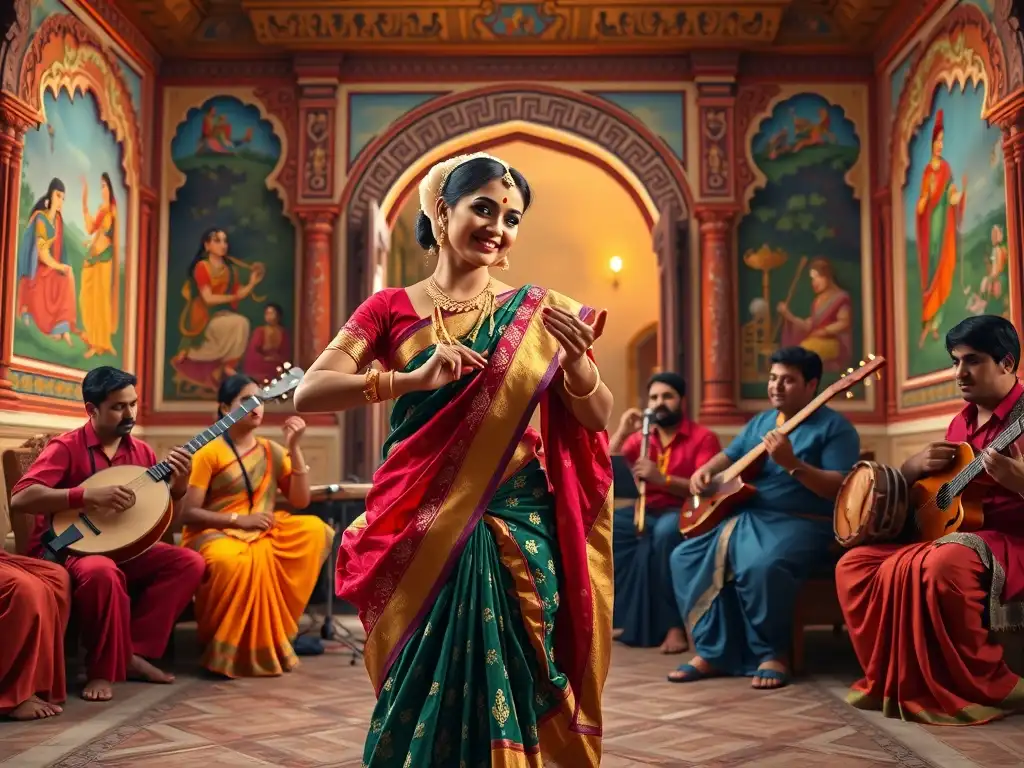
Welcome to Ancient India History, where we embark on a captivating journey through the rich tapestry of India's past! Delve into the Traditional Indian Music History, an art form that not only resonates with the rhythms of time but also reflects the profound cultural heritage of ancient civilizations. From the enchanting melodies of the Indus Valley to the vibrant performances of the Gupta Empire, each note and dance tells a story waiting to be uncovered.
Join us as we explore how these art forms echo the history of a civilization that has shaped the world in countless ways. Your adventure into the heart of Indian culture begins here—read on to discover the fascinating connections between music, dance, and history!
Introduction to Traditional Indian Music History
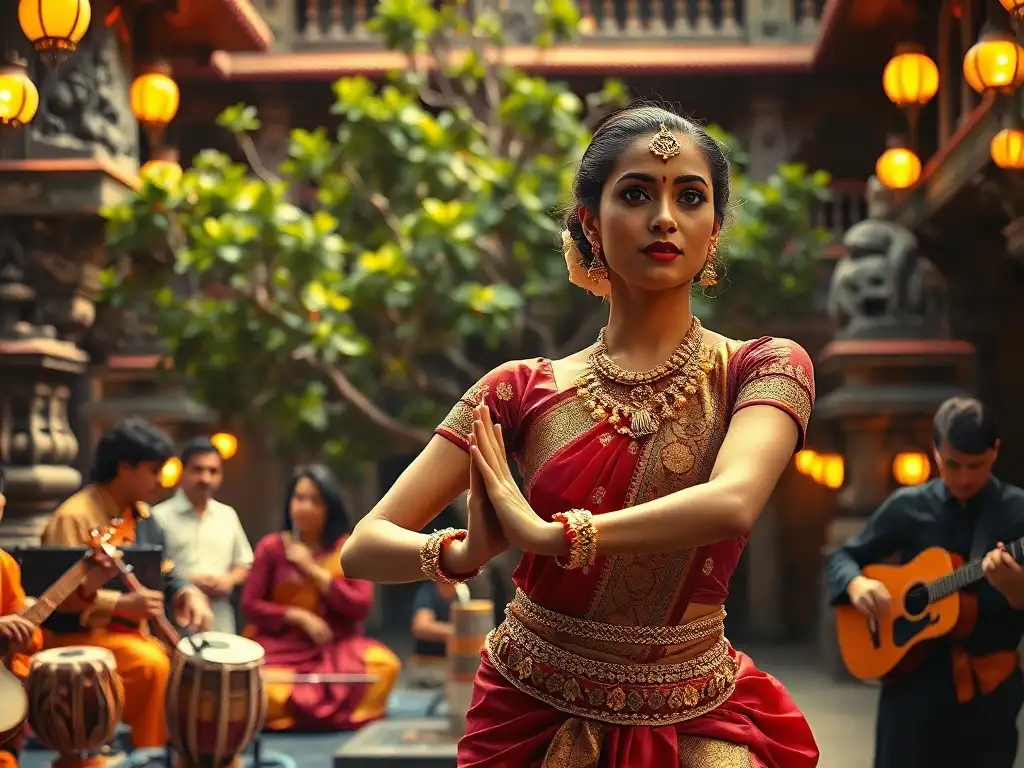
Traditional Indian music and dance serve as vibrant expressions of the rich tapestry of India's cultural heritage. These art forms not only provide entertainment but also reflect the philosophical, spiritual, and social fabric of ancient Indian civilizations. From the rhythmic beats of the tabla to the graceful movements of classical dance forms like Bharatanatyam and Kathak, these traditions have evolved over centuries, echoing the historical narratives and values of their time. Understanding the history of traditional Indian music is essential to appreciate its significance in the broader context of Indian culture and identity.
Overview of Indian Music and Dance Heritage
The heritage of Indian music and dance is as diverse as the country's myriad cultures. It encompasses a wide spectrum of styles, instruments, and genres, each with its own unique characteristics. Key elements include:
- Classical Music: Divided into two major traditions—Hindustani (North Indian) and Carnatic (South Indian).
- Folk Music: Localized forms reflecting the traditions and stories of various communities.
- Dance Forms: Classical styles like Odissi, Kathakali, and Manipuri, as well as various folk dances.
The interplay between these forms has created a dynamic cultural landscape, showcasing India's artistic ingenuity and the interconnection of its regional identities.
Importance of Traditional Art Forms in Indian Culture
Traditional music and dance play a pivotal role in Indian culture by:
- Preserving History: They serve as oral histories, passing down stories and traditions through generations.
- Fostering Community: These art forms bring people together during festivals, rituals, and celebrations, reinforcing social bonds.
- Spiritual Connection: Many performances are infused with religious significance, often aimed at invoking divine blessings or conveying spiritual narratives.
Through these functions, traditional Indian music and dance contribute to a collective identity and a sense of belonging among diverse communities.
Historical Context of Traditional Indian Music
Understanding the historical context of traditional Indian music involves exploring its origins, evolution, and the influences that shaped it over time.
The Roots of Traditional Indian Music: Ancient Origins
The origins of traditional Indian music can be traced back to the Vedic period, approximately 1500 BCE, where it was intertwined with religious practices. The Samaveda, one of the four Vedas, contains melodies intended for chanting during rituals, laying the groundwork for musical theory and practice in India. Key characteristics of this early music include:
- Use of Ragas: Melodic frameworks that guide compositions and improvisations.
- Rhythmic Patterns: The use of tala, which defines the timing and structure of musical phrases.
These foundational elements are still prevalent in modern Indian classical music, highlighting the continuity of tradition over millennia.
Evolution of Music in Ancient Indian Civilizations
As ancient Indian civilizations flourished, music evolved in response to cultural, social, and political changes. Notable developments include:
- Influence of Empires: The Maurya and Gupta Empires (circa 322 BCE - 550 CE) saw a patronage of the arts, leading to the refinement of musical forms and the emergence of new instruments.
- Integration of Regional Styles: Music began to absorb local influences, resulting in a rich diversity of regional variations.
This period marked significant advancements in both the theoretical understanding of music and its practical applications, setting the stage for the classical traditions that followed.
Influence of Religion and Philosophy on Music
The interplay between religion and philosophy has profoundly influenced traditional Indian music throughout history. Key aspects include:
- Spiritual Themes: Many compositions are rooted in devotional practices, focusing on themes of love, devotion, and the divine.
- Philosophical Texts: The Natya Shastra, an ancient treatise on performing arts, codified the principles of music and dance, intertwining them with the spiritual and philosophical ethos of the time.
This deep connection between music, spirituality, and philosophy continues to resonate in contemporary Indian music practices, illustrating its enduring legacy in shaping cultural identity.
Key Elements of Traditional Indian Music
Traditional Indian music is characterized by its rich complexity and diversity, deeply rooted in the cultural and historical contexts of the subcontinent. The key elements of this music include melody (raga), rhythm (tala), and improvisation.
- Raga refers to a melodic framework for improvisation and composition, comprising a specific set of notes and a distinct mood or emotion. Each raga is associated with particular times of the day and seasons, creating a profound connection between music, nature, and time.
- Tala serves as the rhythmic foundation, consisting of a cycle of beats that structures the music. Different talas convey varied emotions and are integral to the performance, providing a backdrop against which the raga unfolds.
- Improvisation is another hallmark of traditional Indian music, allowing artists to express their creativity and personal interpretation within the established frameworks of raga and tala. This dynamic quality makes each performance unique.
- Additionally, ornamentation (gamak), dynamics, and emotion (bhava) play crucial roles in conveying the essence of a piece, making traditional Indian music a deeply expressive art form.
Instruments in Traditional Indian Music
Traditional Indian music employs a wide array of instruments, each contributing its unique sound and character.
- String Instruments:
- Sitar: Known for its resonant sound, it is central to Hindustani classical music.
- Veena: A prominent instrument in Carnatic music, known for its complex tonal qualities.
- Percussion Instruments:
- Tabla: A pair of hand-played drums that provide intricate rhythmic patterns.
- Mridangam: A barrel-shaped drum used primarily in South Indian classical music.
- Wind Instruments:
- Bansuri: A bamboo flute that produces a soothing, melodic sound.
- Shehnai: A double-reeded instrument often played at weddings and festive occasions.
- Other Instruments:
- Harmonium: A keyboard instrument that adds a rich texture to vocal performances.
- Tanpura: A drone instrument that supports the raga by providing a harmonic background.
Each instrument is not only a tool for sound but also a bearer of cultural traditions, often passed down through generations.
Vocal Styles and Genres in Indian Music
Vocal music is a cornerstone of traditional Indian music, with various styles and genres reflecting the rich tapestry of cultural influences.
- Hindustani Classical Music: This genre encompasses a range of vocal styles, including Dhrupad, known for its solemnity, and Thumri, which is more expressive and romantic.
- Carnatic Classical Music: Primarily from South India, it features Kriti compositions, which are lyrical and devotional, and Varnam, which serves as a foundational piece for learning.
- Folk Music: Each region boasts its unique folk traditions, such as Bhangra from Punjab and Lavani from Maharashtra, often reflecting local stories, festivals, and daily life through music and song.
These vocal styles not only showcase the technical prowess of the singers but also their ability to convey emotions and stories, making them an integral part of India's musical heritage.
The Role of Ragas and Talas in Traditional Music
Ragas and talas are foundational to the structure and experience of traditional Indian music.
- Ragas: Each raga is a specific arrangement of notes that creates a unique mood or emotion. The performer explores the raga through improvisation, allowing for personal expression while adhering to traditional rules. There are hundreds of ragas, each with its distinct character, often tied to times of day or seasons.
- Talas: The rhythmic aspect of music is defined by talas, which consist of cyclical patterns of beats. Talas govern the timing of the music, providing a framework for the performers to interact with one another. Common talas include Teentaal (16 beats) and Ektaal (12 beats).
Together, ragas and talas form a symbiotic relationship, where the melody dances within the bounds set by rhythm. This interplay creates an intricate and engaging musical experience, deeply valued in Indian culture.
Traditional Indian Dance Forms: A Historical Overview
Traditional Indian dance is not merely a performance art; it is a narrative form that embodies the history and spirituality of the nation. Each dance form carries historical significance, often rooted in ancient texts and rituals.
- Cultural Narratives: Many dance forms tell stories from epics like the Mahabharata and Ramayana, preserving these tales through movement and expression.
- Religious Influences: Dance in India is often intertwined with spirituality, serving as a form of worship in temples and during festivals, reflecting the deep-seated connection between art and religion.
- Regional Diversity: Each region has developed its distinctive dance styles, influenced by local traditions, languages, and cultures, showcasing India's diversity.
Classical Dance Forms: Bharatanatyam, Kathak, Odissi
The classical dance forms of India are rich in tradition, symbolism, and storytelling.
- Bharatanatyam: Originating from Tamil Nadu, this dance form is characterized by its grace, intricate footwork, and expressive hand gestures (mudras). It often conveys themes of devotion and mythology.
- Kathak: Hailing from North India, Kathak is known for its storytelling through intricate footwork and spins. It combines elements of both classical music and dance, often depicting tales from Hindu mythology.
- Odissi: As one of the oldest dance forms, Odissi is from Odisha and is noted for its fluid movements and sculpturesque poses. It emphasizes the lyrical aspect of music and often involves expressive facial gestures.
Each of these classical forms is not only a means of artistic expression but also a celebration of Indian heritage and spirituality.
Folk Dance Traditions Across India
Folk dances in India are vibrant expressions of local culture, reflecting the customs, rituals, and lifestyle of various communities.
- Bhangra: Originating from Punjab, Bhangra is a lively dance that celebrates the harvest season, characterized by energetic movements and joyous music.
- Garba: A traditional dance from Gujarat, Garba involves circular dancing accompanied by vibrant music, often performed during the Navaratri festival.
- Lavani: Popular in Maharashtra, Lavani is known for its powerful rhythm and lively beats, often performed by women to tell tales of love and life.
- Kathakali: A traditional dance-drama from Kerala, Kathakali combines dance, music, and acting to depict mythological stories, involving elaborate costumes and makeup.
These folk dance traditions not only entertain but also serve as a medium for preserving cultural heritage and community bonding.
The Relationship Between Music and Dance in Indian Culture
Music and dance in Indian culture are inextricably linked, with each art form enhancing the other.
- Complementary Expressions: Dance often serves as a visual manifestation of music, where the rhythm and melody inform the movements, creating a holistic artistic experience.
- Storytelling Medium: Both music and dance are used to narrate stories, with lyrics and movements working together to convey deeper meanings and emotions.
- Cultural Rituals: In many cultural and religious rituals, music and dance coexist, reinforcing community ties and shared cultural identities. Festivals often feature both art forms, showcasing their integral role in social gatherings.
This symbiotic relationship between music and dance not only enriches the artistic landscape of India but also reinforces the cultural fabric that connects its diverse communities.
The Impact of Historical Events on Traditional Indian Music and Dance
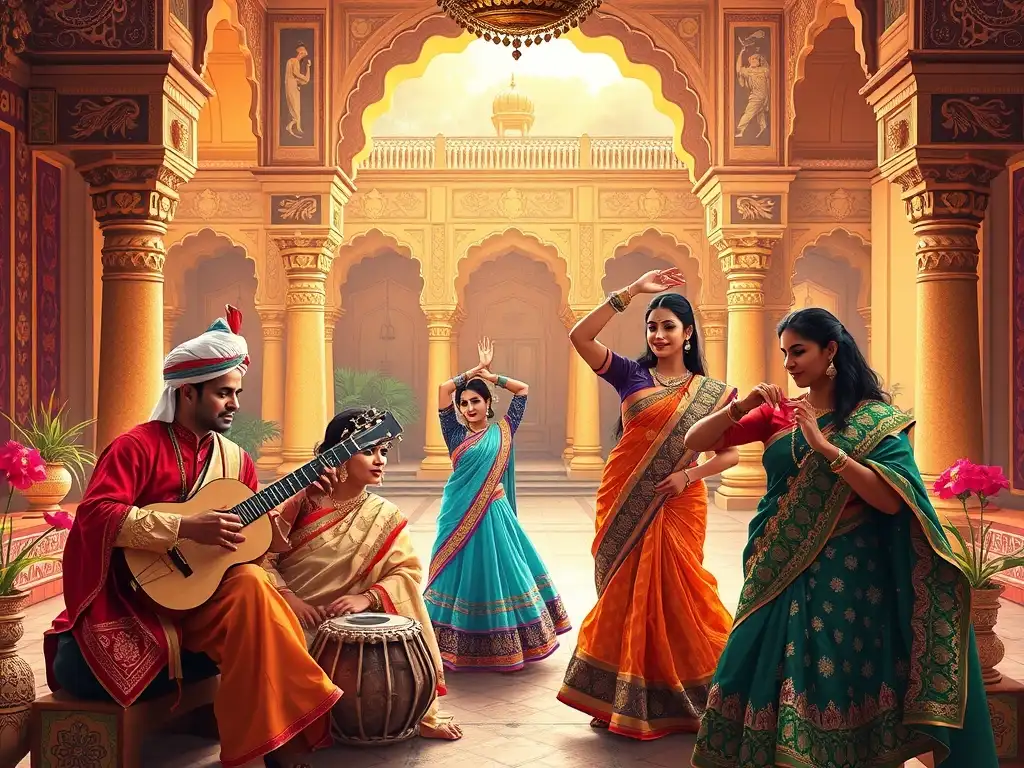
The historical events of India have left a profound impact on its traditional music and dance forms, shaping them into rich expressions of cultural identity. From ancient times, various dynasties and empires have influenced these art forms, leading to their evolution and adaptation. The interplay between different cultures brought about by invasions, trade, and migrations resulted in a dynamic cultural tapestry. This section explores significant historical influences, particularly focusing on the Mughal era, colonialism, and the revival movements of the 20th century.
Influence of Mughal Era on Indian Music
The Mughal era (1526-1857) marked a golden age for Indian music, characterized by the fusion of Persian and Indian musical traditions. The arrival of Persian influences introduced new instruments, such as the sitar and tabla, and enriched the existing classical music forms. Prominent figures like Tansen, a musician in the court of Emperor Akbar, exemplified this blend, creating a style that incorporated both Hindustani and Persian elements.
The Mughal courts became centers for artistic patronage, leading to the development of khayal and dhrupad, two prominent genres in Hindustani classical music. Dance forms such as Kathak also flourished during this period, evolving from temple dances to courtly performances. The intricate footwork and expressive storytelling in Kathak were influenced by the Mughal aesthetics, resulting in a unique style that is celebrated today.
The Role of Colonialism in Shaping Music and Dance
Colonialism significantly impacted traditional Indian music and dance, as British rule introduced new social dynamics and cultural exchanges. The British established institutions like the Royal Indian Music Society, which aimed to codify and document Indian music, leading to a greater awareness and appreciation of these art forms. However, this also resulted in the marginalization of indigenous practices, as Western styles began to dominate public performances.
During the late 19th and early 20th centuries, a resurgence of interest in traditional arts emerged as a response to colonial rule. Artists and intellectuals sought to reclaim their cultural heritage, which led to the revival of classical music and dance forms. This period saw the establishment of many music schools and academies, focusing on the preservation and promotion of traditional art forms.
Revival Movements in the 20th Century
The 20th century witnessed several revival movements aimed at revitalizing traditional Indian music and dance. Pioneers like Ustad Ali Akbar Khan and Pandit Ravi Shankar played crucial roles in popularizing Hindustani classical music both in India and internationally. Their efforts helped bridge the gap between traditional forms and modern audiences.
In dance, the resurgence of classical styles such as Bharatanatyam, Odissi, and Kathak was notable. Dancers like Rukmini Devi Arundale and Birju Maharaj worked tirelessly to elevate these art forms, presenting them in new contexts and reforming their presentation to appeal to contemporary audiences. This revival not only preserved traditional techniques but also adapted them to modern sensibilities, ensuring their continued relevance.
Contemporary Significance of Traditional Indian Music and Dance
Traditional Indian music and dance continue to hold significant cultural value in contemporary society. They serve as vital expressions of identity, heritage, and community, while also adapting to the changing dynamics of modern life. This section delves into the preservation efforts, the fusion of styles, and the role of cultural events in promoting these art forms.
Preservation of Traditional Music in Modern Times
In modern times, various initiatives have emerged to preserve traditional Indian music. Organizations, cultural institutions, and individual artists are actively documenting and teaching classical music to new generations. Online platforms and social media have also become powerful tools for reaching wider audiences, enabling artists to share their performances and teachings globally.
Workshops, seminars, and festivals dedicated to traditional music foster community engagement and encourage younger generations to appreciate their cultural roots. Additionally, collaborations between traditional musicians and contemporary artists have sparked renewed interest and innovation, ensuring that traditional music remains a living, evolving art form.
Fusion of Traditional and Contemporary Styles
The fusion of traditional and contemporary styles has become a hallmark of modern Indian music and dance. Artists are experimenting with blending classical techniques with genres like jazz, rock, and electronic music, creating unique and innovative expressions. This synthesis not only attracts a younger audience but also showcases the versatility of traditional forms.
Collaborative projects, such as those between classical dancers and contemporary choreographers, exemplify this trend. By incorporating elements from various dance styles, artists can create performances that resonate with diverse audiences while retaining the essence of traditional art forms.
The Role of Festivals and Cultural Events in Promoting Traditional Art Forms
Festivals and cultural events play a crucial role in promoting traditional Indian music and dance. Events such as the Sawai Gandharva Bhimsen Festival and the Khajuraho Dance Festival showcase classical performances, attracting both national and international audiences. These platforms not only celebrate traditional art forms but also provide opportunities for artists to gain visibility and recognition.
Moreover, cultural events often include workshops and interactive sessions, encouraging audience participation and fostering a deeper connection with the art forms. These gatherings serve as vital spaces for the transmission of knowledge, ensuring that traditional music and dance continue to thrive in contemporary society.
Conclusion: The Legacy of Traditional Indian Music and Dance
Traditional Indian music and dance have woven an intricate tapestry that reflects the diverse cultural fabric of the subcontinent. These art forms not only serve as a means of entertainment but also embody the spiritual, social, and historical narratives of ancient India. From the rhythmic beats of classical dance to the soulful melodies of ragas, they continue to resonate with audiences both in India and across the globe.
The legacy of traditional Indian music and dance is characterized by its adaptability and resilience. While rooted in ancient practices, these art forms have evolved over centuries, assimilating influences from various cultures and regions. This evolution has ensured their relevance in contemporary society, allowing them to thrive in a modern context while preserving their historical essence. The continued patronage and appreciation of these art forms highlight their significance as cultural treasures that reflect the values and beliefs of past civilizations.
The Continuing Influence of Traditional Art Forms on Modern Culture
The influence of traditional Indian music and dance on modern culture is profound and multifaceted. Many contemporary artists draw inspiration from classical forms, blending traditional elements with modern genres to create innovative expressions. This fusion can be seen in various musical styles, including pop, rock, and electronic music, where classical ragas and rhythms are incorporated to enrich the auditory experience.
Moreover, traditional dance forms such as Bharatanatyam, Kathak, and Odissi have found their way into mainstream performances, theater, and even global dance festivals. These art forms serve as a bridge, connecting the past with the present and fostering a deeper understanding of India's rich cultural heritage. Institutions and schools dedicated to teaching these traditional forms ensure that the knowledge is passed down through generations, ensuring that the art forms remain dynamic and relevant.
Future Prospects for Traditional Indian Music History
The future of traditional Indian music history appears promising, as there is a growing recognition of its value in a rapidly globalizing world. With increased access to digital platforms, there is a significant opportunity for traditional artists to reach wider audiences beyond geographical boundaries. Online streaming services, social media, and digital collaborations have opened new avenues for traditional music to coexist with contemporary trends.
Additionally, educational initiatives aimed at reviving and promoting traditional art forms are crucial for their sustainability. Workshops, festivals, and cultural exchanges play an essential role in cultivating interest among younger generations. As global awareness of Indian culture continues to grow, traditional music and dance are likely to gain prominence on international stages, fostering appreciation and understanding of their historical significance.
References
Suggested Reading on Traditional Indian Music and Dance
- "Indian Classical Dance: Tradition in Transition" by Ananya Chatterjea
- "The Music of India" by David Courtney
- "Dance as a Cultural Heritage: The Case of Bharatanatyam" by K. R. Srinivasa Iyengar
Notable Artists and Scholars in the Field
- Ustad Zakir Hussain: Renowned tabla player and composer known for his contributions to Indian classical music.
- Pandit Ravi Shankar: A legendary sitar virtuoso who played a pivotal role in popularizing Indian classical music worldwide.
- Smt. Kumudini Lakhia: A celebrated Kathak dancer and choreographer known for her innovative approach to dance.
- Introduction to Traditional Indian Music History
- Historical Context of Traditional Indian Music
- Key Elements of Traditional Indian Music
- Traditional Indian Dance Forms: A Historical Overview
- The Impact of Historical Events on Traditional Indian Music and Dance
- Contemporary Significance of Traditional Indian Music and Dance
- Conclusion: The Legacy of Traditional Indian Music and Dance
- References
Frequently Asked Questions
What are the origins of traditional Indian music?
Traditional Indian music has its roots in the Vedic texts, dating back over 3,000 years, where music was integral to rituals and ceremonies.
How does classical music differ from other forms in India?
Classical music in India is divided into Hindustani (North Indian) and Carnatic (South Indian) styles, each with its own unique ragas and talas.
What role does dance play in Indian music?
Dance is often intertwined with music in Indian culture, serving as a visual expression of the themes and emotions conveyed in musical compositions.
Can you name some influential figures in traditional Indian music history?
Prominent figures include Tansen, a legendary musician of the Mughal court, and Bhimsen Joshi, known for his contribution to Hindustani music and khayal singing.
How has traditional Indian music evolved over time?
Over the centuries, traditional Indian music has absorbed various influences, leading to the emergence of fusion genres and contemporary interpretations while still honoring its rich heritage.
Final Reflection: The Resonance of Traditional Indian Music and Dance Through History
Traditional Indian music and dance are not just art forms; they are vibrant narratives that encapsulate the rich tapestry of history and culture. Today, as we navigate a rapidly changing world, the significance of these traditions becomes even more pronounced. They serve as a bridge connecting us to our roots, reminding us of the values, stories, and emotions that have shaped our collective identity. In a time where globalization often overshadows local cultures, the preservation and appreciation of traditional Indian music and dance stand as a testament to the resilience of human expression.
Cultural heritage is a living entity, continuously influencing our social landscape and personal identities. The rhythms and movements of traditional Indian art forms resonate deeply within communities, fostering a sense of belonging and continuity. As we witness a resurgence of interest in these practices, it becomes clear that they are not relics of the past but dynamic expressions that evolve with each generation. Art is the most beautiful of all lies,
said Claude Debussy, and indeed, the beauty of traditional Indian music and dance lies in their ability to tell stories that transcend time, inviting us to reflect on our shared humanity.
As you consider the themes explored in this article, I invite you to reflect on your own relationship with cultural heritage. How can you engage with and celebrate the traditions that resonate with you? Whether through learning a dance form, attending a performance, or simply listening to the melodies of traditional Indian music, each action contributes to the preservation of these art forms. Let us honor the echoes of history that traditional Indian music and dance embody, and in doing so, ensure that their stories continue to inspire future generations.
Unveil the Richness of Indian Heritage!
Thank you for immersing yourself in the vibrant world of Traditional Indian Music and Dance! You’ve uncovered the echoes of history that resonate through these magnificent art forms. Now, it’s time to take the next step and enrich your experience even further.
Here’s how you can dive deeper into this captivating journey:
- Explore local performances: Attend community events or festivals that celebrate Indian music and dance to witness these art forms in action.
- Share your insights: Discuss your experiences with friends or on social media to inspire others to appreciate this rich cultural heritage.
- Try a new rhythm or dance: Enroll in a local class to learn a traditional instrument or dance style—step into the rhythm of history!
What aspect of Traditional Indian Music or Dance resonates with you the most, and how do you plan to incorporate it into your life?