
How Ancient Indian Architecture Reflected Social Hierarchies

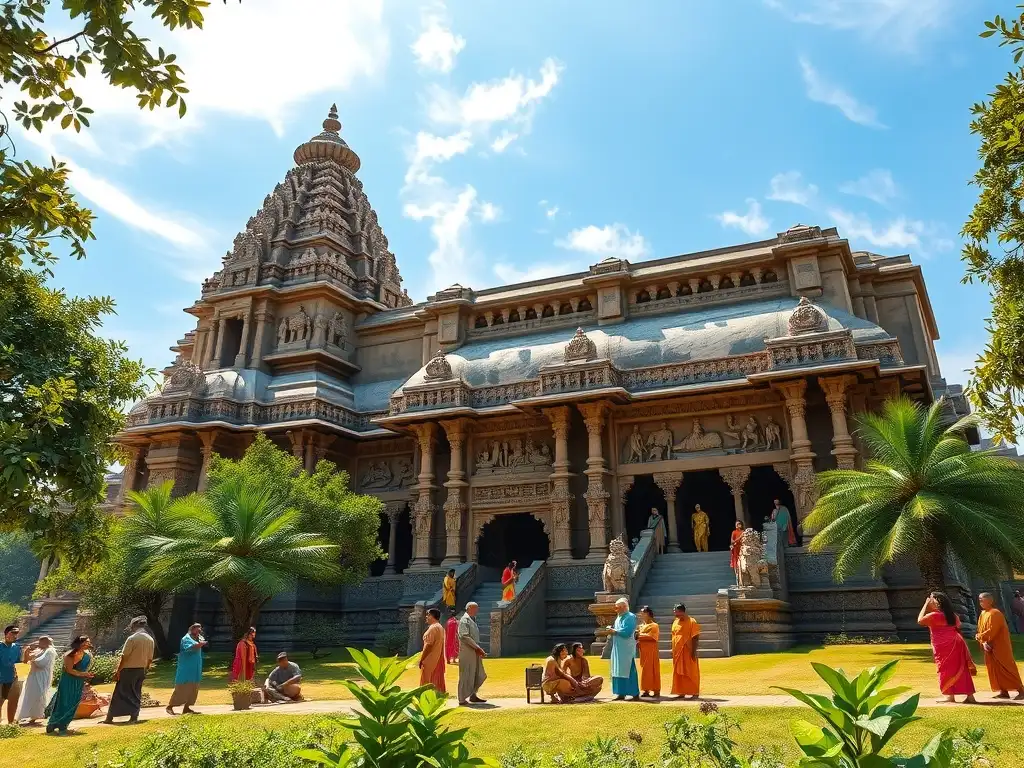
Welcome to Ancient India History, where we invite you to embark on a fascinating journey through the rich tapestry of ancient Indian civilizations. Here, we delve deep into how ancient Indian architecture not only showcases stunning artistry but also serves as a mirror to the social hierarchies that shaped these vibrant cultures.
As you explore our main article, "How Ancient Indian Architecture Reflected Social Hierarchies," prepare to uncover the intricate connections between design, status, and society that defined an era. Join us as we unravel the stories etched in stone, inviting you to discover the profound significance behind every arch and pillar.
- Introduction to Ancient Indian Architecture and Social Hierarchies
- The Foundations of Ancient Indian Architecture
- Social Hierarchies and Their Impact on Architectural Design
- Case Studies of Prominent Architectural Sites
- Architectural Techniques and Materials Reflecting Social Classes
- The Evolution of Social Hierarchies and Architecture Over Time
- Conclusion: The Lasting Legacy of Ancient Indian Architecture and Social Hierarchies
- References and Further Reading
-
Frequently Asked Questions
- What role did ancient Indian architecture play in reflecting social hierarchies?
- How did the Indus Valley Civilization influence early architectural designs?
- What are some examples of architectural styles that illustrate social hierarchies in ancient India?
- How did religion intersect with architecture and social hierarchies in ancient India?
- Can we see the impact of social hierarchies in the layout of ancient Indian cities?
- Final Reflection: The Enduring Legacy of Ancient Indian Architecture and Social Hierarchies
- Unveil the Hidden Histories of Ancient Indian Architecture!
Ancient Indian architecture is a magnificent testament to the rich and diverse civilizations that flourished on the Indian subcontinent. Spanning from the sophisticated urban planning of the Indus Valley Civilization to the grand temples of the Gupta Empire, this architectural heritage reflects not only artistic innovation but also the intricate social hierarchies that defined ancient Indian society.
The way structures were designed, built, and adorned often mirrored the stratification of social classes, religious beliefs, and political power, offering insights into the values and priorities of ancient communities. Understanding how ancient Indian architecture encapsulated these social structures is essential for grasping the complex interplay between art, culture, and societal organization during this period.
Overview of Ancient Indian Architecture
Ancient Indian architecture is characterized by a variety of styles and forms, each reflecting the unique cultural influences of different epochs. Key examples include:
- Indus Valley Civilization (c. 3300–1300 BCE): Known for its urban planning, drainage systems, and standardized brick sizes. Cities like Mohenjo-Daro showcased advanced infrastructure that highlighted the importance of organization and governance.
- Mauryan Empire (c. 322–185 BCE): Marked by monumental structures such as the Ashoka Pillars and stupas, which emphasized Buddhist ideals and the emperor’s role as a moral leader.
- Gupta Empire (c. 240–550 CE): Renowned for temple architecture, characterized by intricate carvings and elaborate sculptures, reflecting the religious and cultural flourishing of the time.
These periods reveal a progressive evolution in architectural practices, where each style builds upon the legacies of its predecessors while also introducing innovative elements that serve both functional and symbolic purposes.
Social hierarchies played a crucial role in shaping various aspects of life in ancient India, including architecture. The caste system, religious affiliations, and political structures influenced architectural designs in significant ways:
- Caste System: Structures often catered to different social classes, with palaces and temples reserved for the elite, while common people had simpler dwellings. The grandeur of a building could signify the status of its owner or its intended users.
- Religious Influence: Temples and religious sites were designed to reflect the beliefs and practices of various sects, often with elaborate ornamentation to convey spiritual significance. For instance, the layout of a Hindu temple is often hierarchical, with the sanctum sanctorum being the most sacred space, accessible primarily to priests.
- Political Power: The architecture of forts and palaces served as symbols of authority and control, showcasing the power dynamics of rulers. The design and scale of these structures often reinforced the ruler's status and their connection to divine authority.
Understanding these hierarchies is vital as they not only provide context for the architectural styles but also reveal the underlying social and cultural fabric of ancient India.
Purpose of the Article
This article aims to delve into the intricate relationship between ancient Indian architecture and social hierarchies, exploring how architectural forms and structures served as reflections of the societal stratifications of the time. By examining key examples and case studies, we will uncover the ways in which architecture communicated social status, religious devotion, and political power. Through this exploration, readers will gain a deeper appreciation for the architectural marvels of ancient India and the complex social systems that shaped them, ultimately enhancing our understanding of this rich historical tapestry.
The Foundations of Ancient Indian Architecture
Historical Context of Architectural Development
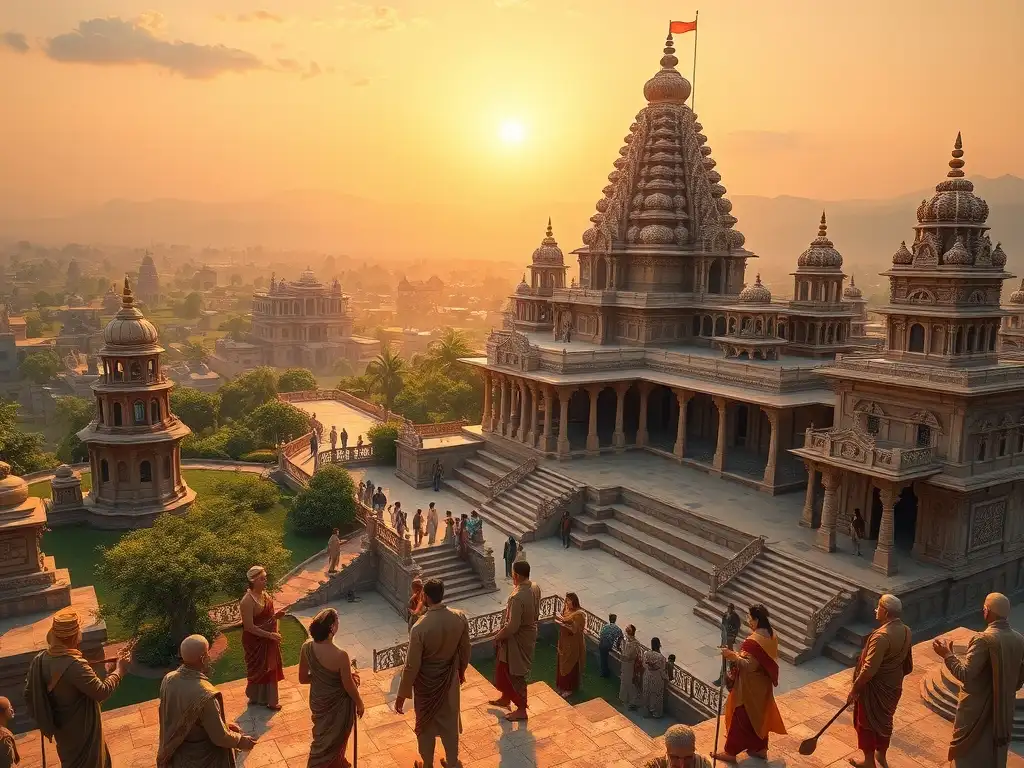
Ancient Indian architecture emerged from a confluence of diverse cultural influences, evolving over millennia. The roots can be traced back to the Indus Valley Civilization (circa 3300–1300 BCE), where urban planning and architectural sophistication set a precedent. Cities like Mohenjo-Daro and Harappa featured grid layouts, advanced drainage systems, and standardized baked bricks, reflecting an organized society with clear social hierarchies.
As the Vedic period (circa 1500–500 BCE) unfolded, architecture transitioned towards more religious and ceremonial structures, predominantly focused on wooden temples and sacrificial altars. The emergence of Buddhism and Jainism in the 6th century BCE further revolutionized architectural practices, introducing rock-cut caves and stupas. These structures not only served religious purposes but also indicated the increasing importance of spiritual leaders in society.
The Mauryan Empire (circa 321–185 BCE) saw significant developments with the construction of grand edifices like the Ashoka Pillars, which combined artistry with political propaganda, symbolizing the emperor's authority and the state's power. By the time of the Gupta Empire (circa 320–550 CE), architecture flourished, characterized by intricate temple designs that reflected both aesthetic beauty and social stratification, as the temples became the centers of community life.
Key Features of Ancient Indian Architectural Styles
Ancient Indian architecture is marked by several distinctive features that not only highlight artistry but also reflect the social hierarchies prevalent during the respective eras. Some notable features include:
- Religious Symbolism: Temples, stupas, and monasteries often embodied the cosmological beliefs of the time. The architectural layouts were not just functional but served to reflect the societal values and spiritual ideologies.
- Materials and Techniques: Different regions employed various materials based on local resources. For example, sandstone and limestone were favored in northern India, while southern India utilized granite. The techniques evolved from simple to complex, showcasing the craftsmanship of the era.
- Ornamentation: Elaborate carvings and sculptures adorned many structures, depicting deities, mythological narratives, and social life. These artistic expressions often conveyed the status of patrons, indicating their wealth and influence within the societal hierarchy.
- Plan and Layout: Temples typically followed a standardized plan, with a garbhagriha (sanctum sanctorum) at the center, surrounded by mandapas (halls) and courtyards. This layout symbolically represented the universe and the hierarchical structure of society, where the divine was at the apex.
Influence of Geography on Architectural Practices
The geographical diversity of ancient India played a crucial role in shaping architectural practices. Each region developed its unique style influenced by local conditions, resources, and cultural interactions.
- North India: The availability of sandstone and limestone facilitated the construction of grand temples and palaces, often adorned with intricate carvings. The climate, ranging from the Himalayas to the plains, also influenced the architectural forms, with cooler regions favoring robust fortifications and elaborate temples.
- South India: The extensive use of granite in southern temples contributed to their durability and monumental scale. The Dravidian architectural style, characterized by towering gopurams (gateway towers) and intricate sculptures, reflects the local cultural ethos and the centrality of temple worship in social life.
- Eastern and Western India: In the eastern regions, the influence of water bodies led to the construction of lakeside temples and monasteries, whereas western India showcased a blend of indigenous styles and foreign influences, particularly during trade interactions. The Elora Caves and Ajanta Caves exemplify this blend, featuring rock-cut architecture that served both religious and social purposes.
The intricate relationship between geography and architecture in ancient India not only fueled creativity but also highlighted social hierarchies, as different regions prioritized varying aspects of architectural design to reflect their unique cultural identities.

Ancient Indian society was characterized by a complex social structure, often referred to as the Varna system. This system categorized individuals into four primary groups:
- Brahmins (priests and scholars)
- Kshatriyas (warriors and rulers)
- Vaishyas (traders and agriculturists)
- Shudras (laborers and service providers)
These classes dictated not only the roles individuals played in society but also their rights, privileges, and access to resources. The caste system, which evolved later, further refined these categories, leading to a more rigid social stratification.
The impact of these hierarchies on architecture was profound. Buildings were not merely functional; they were symbolic representations of power, status, and religious beliefs. For instance, temples dedicated to deities were often constructed with elaborate designs to signify the divine connection of the ruling class, while the living quarters of lower castes were simpler and less ornate.
Reflection of Class Structure in Architectural Layouts
The layout of ancient Indian cities and structures reveals much about the social hierarchies of the time. Key aspects include:
- Urban Planning: Cities like Harappa and Mohenjo-Daro showcased a planned structure, with larger, more sophisticated homes often belonging to the elite. Streets were laid out in a grid, but the size and materials of the houses varied significantly depending on the occupants' social status.
- Temple Complexes: In cities during the Gupta period, temples were central to urban life. The placement of a temple could signify the authority of the ruling class, as seen in the Kandariya Mahadeva Temple in Khajuraho, which was not only a place of worship but also a monument to the power and wealth of its patrons.
- Public Spaces: The layout of public spaces, such as markets and assembly areas, often reflected the importance of social stratification. Higher classes had designated areas for commerce, showcasing their wealth and influence, while lower classes were relegated to less favorable locations.
Certain architectural elements in ancient Indian structures vividly illustrate the social hierarchies of the time:
- Material Use: The choice of materials was often indicative of social status. For instance, the use of red sandstone in the Red Fort of Agra symbolized the power of the Mughal emperors, while simpler mud structures were typical for lower castes.
- Intricate Carvings: Temples like the Brihadeeswarar Temple in Thanjavur feature intricate carvings depicting deities, celestial beings, and mythological scenes. These carvings were not just artistic expressions; they served to reinforce the divine right of the rulers and their close ties to the gods.
- Scale and Proportion: The grandeur of structures, such as the Ajanta and Ellora Caves, reflects the dedication of resources by the elite to create monumental architecture. The scale of these sites was designed to evoke awe and establish a sense of hierarchy between the divine and the mortal realms.
Ancient Indian architecture serves as a tangible representation of social hierarchies, with design choices reflecting the values, beliefs, and power dynamics of the time. The interplay between architecture and social structure provides valuable insights into the complexities of ancient Indian civilization.
Case Studies of Prominent Architectural Sites
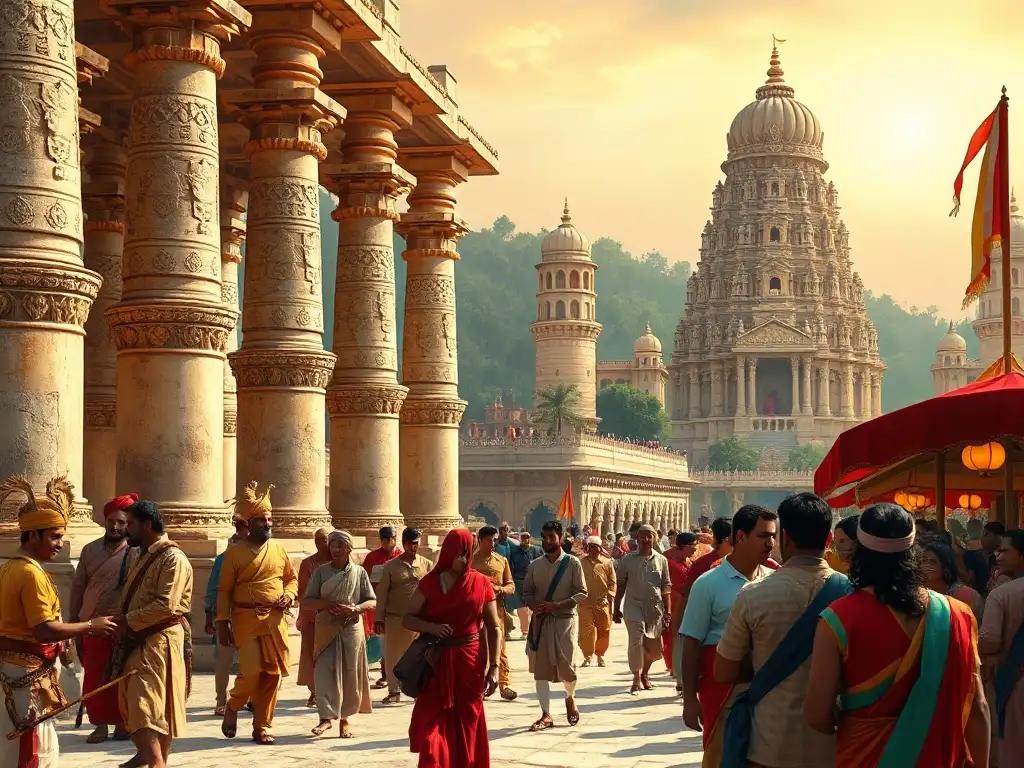
The Indus Valley Civilization (IVC), flourishing between 2600 and 1900 BCE, is renowned for its advanced urban planning which reflects intricate social hierarchies. The cities of Harappa and Mohenjo-Daro were meticulously designed, featuring a grid pattern, sophisticated drainage systems, and standardized fired-brick buildings. This level of urban organization indicates a highly centralized authority that governed the distribution of resources and urban space.
The layout of these cities suggests a clear division of labor and social stratification. For instance, the presence of larger, more elaborately constructed homes indicates a wealthier class, while smaller, simpler dwellings were likely inhabited by lower-status individuals. The city's infrastructure, including public baths and granaries, further illustrates the communal aspects of life and the role of elite classes in maintaining these facilities, thereby enhancing their social standing.
Mohenjo-Daro: A Model of Social Hierarchy
Mohenjo-Daro serves as a quintessential example of how ancient Indian architecture encapsulated social hierarchies. The Great Bath, a large public water tank, symbolizes the importance of ritual purity and community gatherings, indicating a society that valued both cleanliness and social cohesion. The architecture surrounding this area, with its larger-scale constructions, signifies a hierarchical structure where the elite had access to communal spaces that reinforced their status.
Moreover, the city's residential areas reveal a stratified society. The larger homes, likely belonging to the ruling classes or wealthy merchants, were equipped with amenities that were absent in the smaller houses of laborers and craftsmen. This architectural disparity not only provided insight into living conditions but also reflected the socio-economic divide prevalent at the time. In essence, the design and layout of Mohenjo-Daro illustrate a complex interplay between architecture and social hierarchy, where physical space was a manifestation of societal structure.
Ancient Indian temples are not only architectural marvels but also significant indicators of social hierarchies within society. Their construction often involved substantial resources and labor, reflecting the status of the patron or ruling class that commissioned them. Temples served as focal points for community life, intertwining spirituality with social order.
The grandeur of temple architecture often mirrored the affluence of the society that built them. Elaborate carvings, towering spires, and intricate sculptures not only showcased artistic prowess but also represented the devotion and wealth of the community. As such, temples became symbols of power, where the elite could display their wealth and piety, further solidifying their social standing.
The Brihadeeswarar Temple: Architectural Grandeur and Social Significance
The Brihadeeswarar Temple, located in Thanjavur and completed in the 11th century CE during the reign of the Chola dynasty, exemplifies how ancient Indian architecture embodied social hierarchies. This UNESCO World Heritage Site showcases an enormous vimana (tower) and exquisite carvings that signify the temple's importance not only as a place of worship but also as a statement of political power.
The temple's construction was commissioned by Raja Raja Chola I, who aimed to establish his dynasty's supremacy. The sheer scale and intricate design of the temple reflect the socio-political aspirations of the Chola rulers. Additionally, the temple served as a hub for various activities, including rituals and festivals that reinforced the social order, allowing the elite to engage with the masses in a controlled environment.
The Brihadeeswarar Temple also highlights the intersection of spirituality and governance. The temple's grandeur was a visual representation of divine authority, linking the ruling class with the divine. This connection fortified their legitimacy and status within society, illustrating how architecture played a pivotal role in establishing and maintaining social hierarchies in ancient India.
The exploration of ancient Indian architecture reveals a profound connection between physical structures and the social hierarchies that defined those civilizations. From the urban planning of the Indus Valley Civilization to the grandeur of temples like the Brihadeeswarar Temple, architecture serves as a testament to the complexities of social stratification and the cultural values of ancient Indian societies.
Forts and Palaces: Symbols of Power and Status
Ancient Indian architecture, particularly in the realm of forts and palaces, serves as a vivid representation of social hierarchies and political power within various civilizations. These monumental structures were not merely functional; they were designed to project authority, influence, and the cultural values of the ruling elite.
Forts, such as those found in Rajasthan, were built not only for defense but also as a statement of the king's prowess. The massive walls, intricate carvings, and strategically located watchtowers symbolized military strength and control over the territory. For instance, the impressive Mehrangarh Fort in Jodhpur stands tall over the city, showcasing the might of the Rathore dynasty. Its vast courtyards and opulent palaces within reflect the wealth and status of its rulers.
Similarly, palaces served as residences for kings and their families, often featuring exquisite architecture that blended functionality with aesthetic appeal. The elaborate designs of these palaces included lush gardens, intricate frescoes, and grand halls that displayed the artistic and cultural advancements of their time. The City Palace in Jaipur, with its stunning combination of Rajasthani and Mughal architecture, exemplifies how these structures were utilized to showcase the royal lineage and affluence.
Overall, forts and palaces in ancient India were not just architectural feats; they were integral to the social fabric, embodying the class distinctions and power dynamics that governed society. The grandeur of these sites continues to attract scholars and tourists alike, offering a glimpse into the hierarchical structures that defined the ancient Indian world.
The Fatehpur Sikri: Architectural Reflection of Mughal Hierarchies
Fatehpur Sikri, constructed during the late 16th century by Emperor Akbar, stands as a remarkable example of Mughal architecture that embodies the socio-political hierarchies of its time. This city was not only a capital for a brief period but also a showcase of Akbar's vision of a harmonious society where different cultures coexisted.
The design of Fatehpur Sikri is a clear reflection of Akbar's authority and his innovative governance. The layout of the city, with its grand palaces, mosques, and administrative buildings, was meticulously planned to symbolize the emperor's power. The most notable structure, the Buland Darwaza (the Great Gate), serves as a monumental entrance to the city, signifying the triumph of Akbar’s reign and the elevation of Islamic architecture in India.
Within this architectural marvel, the Jami Masjid exemplifies the religious tolerance that Akbar practiced, featuring influences from Persian and Indian styles. It is not only a place of worship but also a representation of the socio-religious hierarchy, with its spacious courtyard accommodating thousands of devotees, thus reflecting the emperor's desire for unity among diverse religious communities.
Moreover, the architecture of the palaces within Fatehpur Sikri, such as the Panch Mahal, illustrates the status of the royal family. The multi-storied structure is designed to offer a cool retreat for the emperor and his queens, emphasizing the luxury associated with royalty. Each level of the palace signifies different social standings, with the higher tiers reserved for the emperor, thus reinforcing the hierarchical structure of the Mughal court.
Fatehpur Sikri stands as a testament to how ancient Indian architecture not only served functional purposes but also acted as a canvas for expressing social hierarchies. The city's design and structure encapsulate the intricate relationship between power, culture, and society during the Mughal era, making it an essential case study in understanding ancient Indian architecture and its reflection of social hierarchies.

The architectural landscape of ancient India provides a vivid reflection of the social hierarchies that existed within its civilizations. The materials used and the techniques employed in construction not only catered to aesthetic and functional needs but also served as a powerful indicator of status and class divisions. From the grandeur of royal palaces to the simplicity of rural dwellings, the choices made in architecture reveal much about the societal structures of the time.
Use of Materials Based on Status
In ancient Indian architecture, the selection of materials was often closely associated with social standing.
- Royal and Elite Structures: Wealthy patrons commissioned structures built from high-quality materials such as marble, red sandstone, and granite. For instance, the use of marble in the construction of the Taj Mahal symbolizes not only the grandeur of Mughal architecture but also the immense wealth of Emperor Shah Jahan.
- Commoners' Dwellings: In contrast, the homes of the lower classes were often constructed from locally available materials such as mud, thatched roofs, and bamboo. This disparity in materials highlighted the vast economic divide.
- Regional Variations: Different regions showcased their unique resources, leading to variations in architectural styles. For example, in coastal areas, laterite stone was commonly used due to its abundance, while in the northern plains, brick became a preferred choice.
The choice of materials was not merely practical; it was a statement of identity and class.
Construction Techniques and Labor Division
The construction techniques employed in ancient Indian architecture also reflect the social hierarchies of the time.
- Skilled Craftsmen vs. Laborers: The creation of intricate sculptures and detailed carvings required skilled artisans who were often part of higher social strata. They were respected for their craftsmanship and frequently worked on monumental projects commissioned by the elite. For example, the Khajuraho Temples exemplify advanced stone-carving techniques that required a high level of skill and artistry.
- Labor Division: On the other hand, the labor force responsible for the heavy lifting and basic construction tasks often belonged to lower social classes. This division of labor created a system where the skilled workers were viewed as part of a different social class compared to their unskilled counterparts.
- Community Involvement: In some cases, community participation in the construction of local temples and public buildings was common, fostering a sense of collective identity. However, the involvement was often dictated by social class, with higher castes typically overseeing the projects while lower castes provided manual labor.
The interplay of skilled labor and social hierarchy is evident in the architectural achievements of ancient India, where the built environment serves as a testament to the societal structure.
Iconography and Symbolism in Ancient Indian Architecture
Ancient Indian architecture is rich with iconography and symbolism, representing the social hierarchies of its time.
- Religious Temples: Many temples were built to honor deities and often included elaborate sculptures that depicted the lives of gods and goddesses, reflecting the religious beliefs of the elite. The intricate carvings on the Brihadeeswarar Temple in Thanjavur, for example, showcase not only devotion but also the affluence of the Chola dynasty.
- Symbolic Structures: Certain architectural forms, such as the stupa, served dual purposes. They were not only places of worship but also symbols of Buddhist cosmology, reflecting the spiritual and social aspirations of the community.
- Hierarchy in Design: The layout of structures often indicated hierarchy; for example, the positioning of the king's quarters in palatial complexes demonstrated power and authority, physically elevating the ruler above his subjects.
- Cultural Narratives: Architectural embellishments often told stories of social values and norms, reinforcing the roles and expectations of different classes within society.
Ancient Indian architecture acts as a profound mirror to the social hierarchies of its time. The choice of materials, construction techniques, and symbolic representations collectively highlight the complexities and stratifications of ancient Indian society, making it an essential field of study for understanding the interplay between architecture and social structures.
Transition from Early to Later Periods
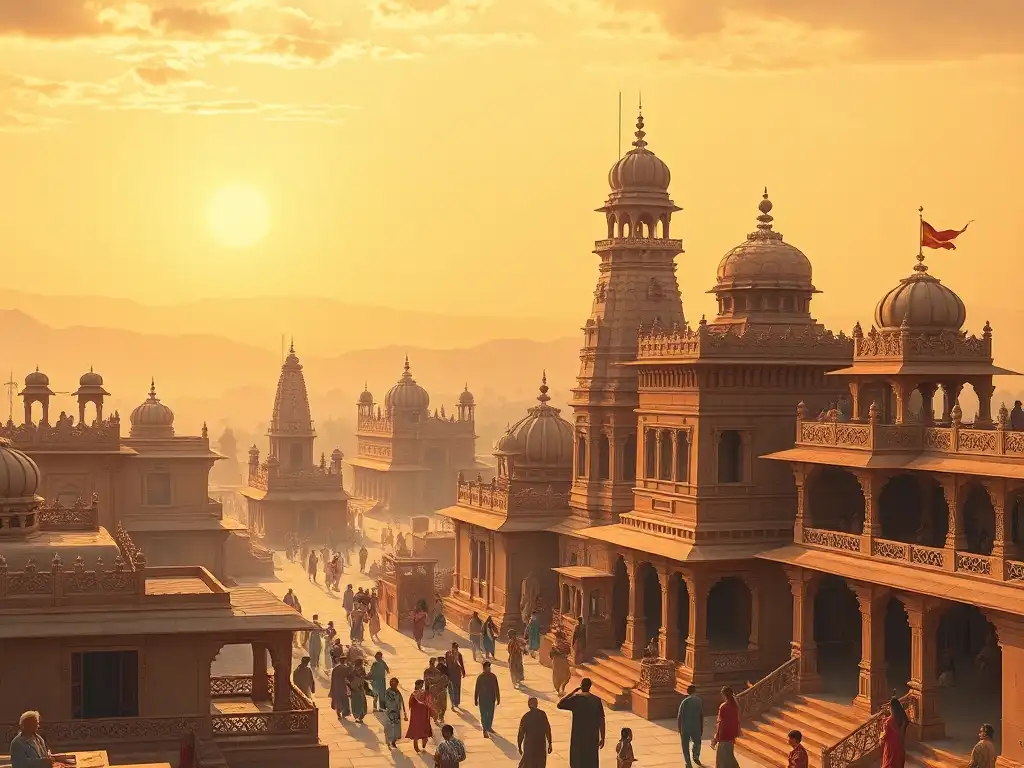
The architectural landscape of ancient India underwent significant transformations that mirrored the evolving social hierarchies throughout different historical periods. Early structures, particularly those from the Indus Valley Civilization (circa 2500-1900 BCE), showcased a highly organized urban planning system. Cities like Mohenjo-Daro and Harappa featured grid patterns, advanced drainage systems, and standardized bricks, indicating a centralized authority and a sophisticated societal structure.
As we transition to the Vedic period (circa 1500-500 BCE), architectural development began to reflect the emerging caste system. Wooden structures, often temporary, were prevalent during this time, and the architecture was primarily functional, serving the needs of agrarian communities. The construction of altars and fire pits for rituals illustrated the increasing significance of religious and social practices tied to the stratification of society.
With the rise of the Mauryan Empire (circa 322-185 BCE), monumental architecture began to emerge, signaling a shift in social hierarchies. The construction of stupas and rock-cut caves, such as those seen in Sanchi and Ajanta, communicated the power of the ruling elite and the growing influence of Buddhism. These structures were not only religious in nature but also served as symbols of the emperor's authority and the state's commitment to spirituality, reflecting a complex interplay between governance and social structure.
As social hierarchies evolved, so did the architectural styles that represented these changes. The post-Mauryan period (circa 185 BCE-300 CE) saw the introduction of intricate carvings and decorative elements, particularly in the sculptures adorning stupas and temples. These embellishments indicated a burgeoning artisan class and the increased patronage of art by the elite, showcasing their status and wealth.
The rise of regional kingdoms during the early centuries CE led to distinctive architectural styles that reflected local traditions and social hierarchies. For example, the Dravidian style in Southern India emphasized towering temple structures (vimanas) adorned with elaborate sculptures, while the Nagara style in Northern India showcased shikhara-style temples. These variations were not merely aesthetic but symbolized the political and social power of local rulers, often competing for dominance through grand architectural projects.
Furthermore, the integration of religious themes into public architecture during this period highlighted the role of spirituality in cementing social hierarchies. Temples became central to community life, serving as both religious and social hubs where the elite could display their patronage, thus reinforcing their status within the societal framework.
The Gupta Empire: A New Era of Architectural Expression
The Gupta Empire (circa 320-550 CE) is often regarded as a golden age in ancient Indian architecture. This period marked a significant transformation in architectural expression, reflecting both the height of cultural achievements and the complexities of social hierarchies. The emergence of temple architecture, characterized by intricate design and sophisticated engineering, became a hallmark of this era.
Gupta temples, such as those found in Sarnath and Ujjain, showcased a shift towards more permanent structures with elaborate stone carvings and sculptures. The use of sandstone and the introduction of the shikhara (tower) over sanctum sanctorums illustrated not only artistic innovation but also the consolidation of religious authority. Temples served as a means for the Gupta rulers to assert their power and legitimacy, intertwining politics with spirituality.
Moreover, the Gupta period saw the expanding role of the merchant and artisan classes, as evidenced by the construction of complex urban settlements. The flourishing of trade routes during this time facilitated the exchange of ideas and styles, leading to a hybridization of architectural forms that reflected diverse influences while maintaining local significance.
The architectural innovations of the Gupta Empire also mirrored the stratification within society, as temples and public spaces were often designed to accommodate various social classes, while simultaneously reinforcing the power dynamics between them. The grandeur of these structures served as a visual narrative of the empire's prosperity and the hierarchies that defined its social fabric.
Ancient Indian architecture serves as a profound reflection of the social hierarchies that shaped its evolution. From the planned cities of the Indus Valley to the ornate temples of the Gupta Empire, each architectural style and structure narrates a story of the society that built it, illustrating the intricate relationship between architecture and social hierarchy throughout ancient Indian history.
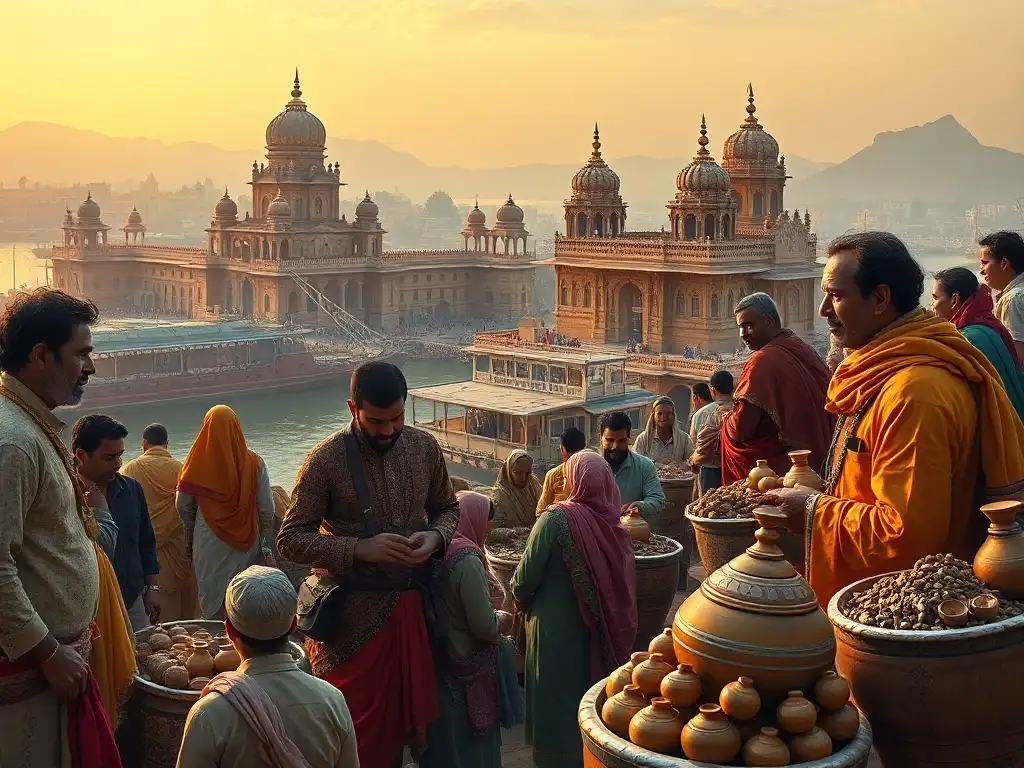
Summary of Key Points
Ancient Indian architecture stands as a testament to the complex social hierarchies that characterized the various civilizations that flourished on the subcontinent. From the meticulously planned cities of the Indus Valley Civilization to the grand temples and palaces of the Gupta Empire, architectural styles and structures were heavily influenced by the prevailing social order. Key points to consider include:
- Indus Valley Civilization: The urban planning and drainage systems reflect a sophisticated societal structure, indicating the presence of an organized government and social stratification.
- Buddhist Architecture: The stupas and monasteries served not only as religious sites but also as reflections of the patronage system, where wealthy supporters influenced architectural design and location.
- Hindu Temples: These structures often showcased the power of the ruling elite, with elaborate carvings and vast complexes symbolizing devotion and authority.
- Islamic Influence: The introduction of Mughal architecture brought new styles and techniques, merging with indigenous traditions and demonstrating the dynamic nature of social hierarchies.
The Influence of Ancient Indian Architecture on Modern Society
The architectural marvels of ancient India have left an indelible mark on modern society, influencing contemporary architectural practices and cultural identity. Today, many urban planners and architects draw inspiration from the principles of ancient Indian architecture, particularly in the areas of:
- Sustainability: The ancient emphasis on using local materials and designs suited to the climate continues to inform eco-friendly architectural practices.
- Cultural Significance: Many modern structures incorporate traditional motifs and styles, fostering a sense of cultural continuity and pride.
- Urban Planning: The grid layouts and water management systems of ancient cities are echoed in contemporary urban planning, promoting efficiency and sustainability.
The intricate relationship between ancient Indian architecture and social hierarchies reveals much about the values, beliefs, and power dynamics of the time. The physical structures not only served functional purposes but also acted as symbols of status and authority. As we explore the remnants of these architectural wonders, we gain insight into the social fabric of ancient Indian civilizations.
Understanding this connection enriches our appreciation of the past and highlights the importance of architecture as a reflection of human society. The legacy of ancient Indian architecture continues to inspire and inform our understanding of social hierarchies, making it a crucial area of study for historians, architects, and cultural enthusiasts alike.
References and Further Reading
Suggested Books and Articles on Ancient Indian Architecture
To gain a deeper understanding of ancient Indian architecture and its reflection of social hierarchies, the following books and articles are invaluable resources:
- The Art and Architecture of India: Buddhist, Hindu, Jain by Benjamin Rowland Jr.
- This comprehensive book explores the diverse architectural styles across different periods in Indian history, with a focus on how these structures represent social and religious hierarchies.
- Indian Architecture: Buddhist and Hindu Periods by Satish Grover
- Grover's work delves into the architectural advancements of ancient India, emphasizing how monastic and temple architecture serve as reflections of societal values and structures.
- A History of Ancient and Early Medieval India: From the Stone Age to the 12th Century by Upinder Singh
- This book provides a historical context for the development of architecture in India, illustrating the interplay between societal organization and architectural innovation.
- Architectural Heritage of India by Shonaleeka Kaul
- Kaul discusses various architectural marvels in India, shedding light on how these structures signify the power dynamics and social stratification of their times.
- Articles in the Journal of the Society of Architectural Historians
- Various articles within this journal provide peer-reviewed insights into specific architectural sites and their societal implications, making it a valuable resource for scholars and enthusiasts alike.
The following online platforms offer rich materials for those interested in delving deeper into ancient Indian architecture and its connection to social hierarchies:
- Digital South Asia Library (DSAL)
- A vast resource that houses various texts and images related to South Asian history, including architectural studies.
- Archnet
- This online resource focuses on architecture in the Muslim world, including historical contexts of ancient Indian architecture, providing a comparative analysis of social influences.
- Cultural India
- This website offers articles, images, and discussions about the cultural heritage of India, including a section dedicated to architecture that reflects social structures.
- The Archaeological Survey of India (ASI)
- The ASI's site features detailed reports and photographs of archaeological sites across India, showcasing how these sites reveal the social hierarchies of ancient civilizations.
- Khan Academy
- Featuring free courses and resources on art history, this platform includes segments on Indian art and architecture, helping users understand the socio-political context behind architectural styles.
By exploring these resources, readers can gain comprehensive insights into how ancient Indian architecture not only serves aesthetic purposes but also embodies the complex social hierarchies of its time.
Frequently Asked Questions
Ancient Indian architecture served as a visual representation of social stratification, with structures like temples and palaces indicating the status of their builders and users.
How did the Indus Valley Civilization influence early architectural designs?
The Indus Valley Civilization showcased advanced urban planning, with grid layouts and sophisticated drainage systems, influencing later architectural developments in ancient India.
Examples include the grand temples of the Gupta Empire, which were designed to celebrate deities and reflect the wealth of the priestly class, contrasting with simpler structures for commoners.
Religious beliefs heavily influenced architectural styles, with temples serving not only as places of worship but also as symbolic representations of the power and status of the ruling class.
Yes, cities were often organized with elite neighborhoods featuring luxurious homes and public spaces, while lower classes lived in more crowded and less elaborate areas, reflecting the underlying social structure.
The intricate designs and structures of ancient Indian architecture serve as a profound testament to the social hierarchies that shaped their creation. Today, as we navigate a world still influenced by historical power dynamics, understanding these architectural marvels allows us to appreciate the complexities of our own societal structures. The way these ancient edifices were constructed not only reflects the aesthetic values of their time but also the stratified social systems that governed everyday life.
The impact of ancient Indian architecture on contemporary culture is significant, as it continues to inspire modern design and social discourse. The remnants of these structures remind us of the past's influence on our present, urging us to reflect on the societal norms that persist today. Architecture is the thoughtful making of space.
— Louis Kahn. This quote resonates deeply, as it encapsulates how the spaces we inhabit are shaped by the values and hierarchies of our predecessors, influencing how we interact with each other and our environment.
As we ponder the lessons embedded in the stones and carvings of ancient Indian architecture, I invite you to reflect on your own surroundings and the social hierarchies that may still exist within them. Consider how you can contribute to a more equitable society by recognizing and challenging the structures that dictate our interactions. Let the legacy of these architectural wonders inspire you to create spaces—both physical and social—that foster inclusivity and understanding, ensuring that the lessons of the past guide us toward a more harmonious future.
Thank you for joining us on this enlightening journey through the fascinating link between architecture and social hierarchies in ancient India. Your curiosity and engagement help keep these stories alive! Now, let’s take a step further and explore how you can connect with this captivating history.
Here are a few specific actions you can take:
- Dive deeper into the world of architectural wonders by visiting a local museum or archaeological site that showcases the rich heritage of ancient Indian architecture.
- Join online forums or social media groups dedicated to ancient history to share insights and learn from fellow enthusiasts.
- Consider volunteering for archaeological digs or heritage projects to gain hands-on experience and contribute to preserving these important narratives.
What aspect of ancient Indian architecture fascinates you the most, and how do you think it reflects the social structures of its time? Share your thoughts below!