
CrossCultural Dialogues: How Indian and Chinese Scholars Shared Ideas

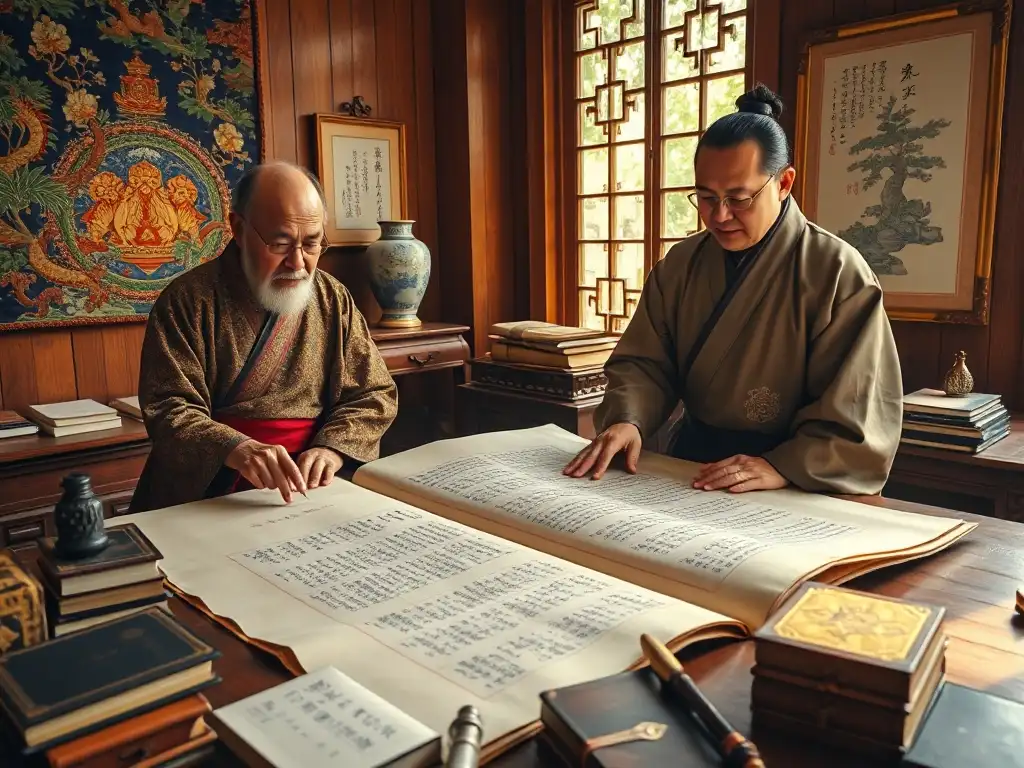
Welcome to Ancient India History, where we delve into the fascinating tapestry of India's rich and diverse heritage. Are you ready to uncover the profound connections that shaped not just India, but the world? In our featured article, "CrossCultural Dialogues: How Indian and Chinese Scholars Shared Ideas," we explore the intriguing dynamics of Indian Chinese scholarly exchange—a pivotal interaction that fostered innovation and cultural growth across civilizations. Join us on this enlightening journey as we unravel how these ancient dialogues continue to resonate today, and discover the hidden gems of knowledge waiting to be explored!
- Introduction to Indian Chinese Scholarly Exchange
- Historical Context of Indian Chinese Scholarly Exchange
- Notable Scholars in Indian Chinese Exchanges
- Areas of Scholarly Exchange
- Mechanisms of Indian Chinese Scholarly Exchange
- Challenges and Barriers in Scholarly Exchange
- Legacy of Indian Chinese Scholarly Exchange
- Conclusion
- References
-
Frequently Asked Questions
- What is the significance of Indian Chinese scholarly exchange in ancient times?
- How did the Silk Road contribute to this exchange?
- What were some key subjects discussed in these dialogues?
- Who were some notable figures involved in the Indian Chinese scholarly exchange?
- How did these exchanges influence later developments in both cultures?
- Final Reflection: Embracing the Legacy of Indian-Chinese Scholarly Exchange
- Ignite a New Wave of Cultural Exchange!
Introduction to Indian Chinese Scholarly Exchange
The exchange of ideas between India and China stands as a remarkable testament to the rich tapestry of ancient civilizations. The scholarly dialogue that occurred between these two cultures not only fostered mutual understanding but also significantly influenced their respective philosophies, sciences, and arts.
This article delves into the intricate web of Indian Chinese scholarly exchange, highlighting the pivotal moments when knowledge transcended borders, and exploring how these interactions shaped the intellectual landscapes of both nations. By examining historical texts, notable scholars, and significant contributions, we aim to enrich our understanding of this profound relationship that has left an indelible mark on the annals of history.
Overview of Indian and Chinese Civilizations
The civilizations of India and China, each with their unique cultural heritage, have existed for millennia, showcasing remarkable achievements in a variety of fields.
- Indian Civilization:
- Originating around 2500 BCE with the Indus Valley Civilization, India has a rich legacy of philosophy, mathematics, and literature.
- Key texts such as the Vedas and Upanishads laid the foundation for spiritual thought, while the contributions of scholars like Aryabhata in mathematics and astronomy were groundbreaking.
- Chinese Civilization:
- Similarly, Chinese civilization boasts an extensive history dating back to the Xia and Shang dynasties.
- The teachings of Confucius and Laozi have shaped Chinese ethics and governance, while advancements in inventions like papermaking and the compass have had lasting impacts.
Both civilizations, despite their geographical separation, exhibited profound similarities in their quest for knowledge and understanding of the cosmos. This foundational context set the stage for the enriching dialogues that would follow.
Importance of Cross-Cultural Dialogues in Ancient History
Cross-cultural dialogues are vital in understanding the interconnectedness of ancient societies. The scholarly exchanges between Indian and Chinese thinkers facilitated:
- Intellectual Growth:
- Ideas on philosophy, mathematics, and medicine were shared and adapted, leading to significant advancements. For instance, the dissemination of Buddhist texts from India to China profoundly affected Chinese spiritual thought.
- Cultural Exchange:
- The interactions fostered a blend of cultural practices, artistic expressions, and scientific knowledge, enriching both societies. Festivals, art forms, and rituals often reflected these shared influences.
- Diplomatic Relations:
- These exchanges were not merely intellectual but also served as a means of diplomacy, fostering peaceful relations and trade between the two regions.
- Legacy of Collaboration:
- The collaborative spirit that emerged from these dialogues laid the groundwork for future interactions, influencing generations of scholars and thinkers.
The cross-cultural exchanges between Indian and Chinese scholars were instrumental in shaping the intellectual heritage of both civilizations, underscoring the importance of collaboration in the pursuit of knowledge. As we explore this rich history, we uncover the profound impacts that these dialogues had on the world stage, highlighting the timeless value of intercultural communication.
Historical Context of Indian Chinese Scholarly Exchange
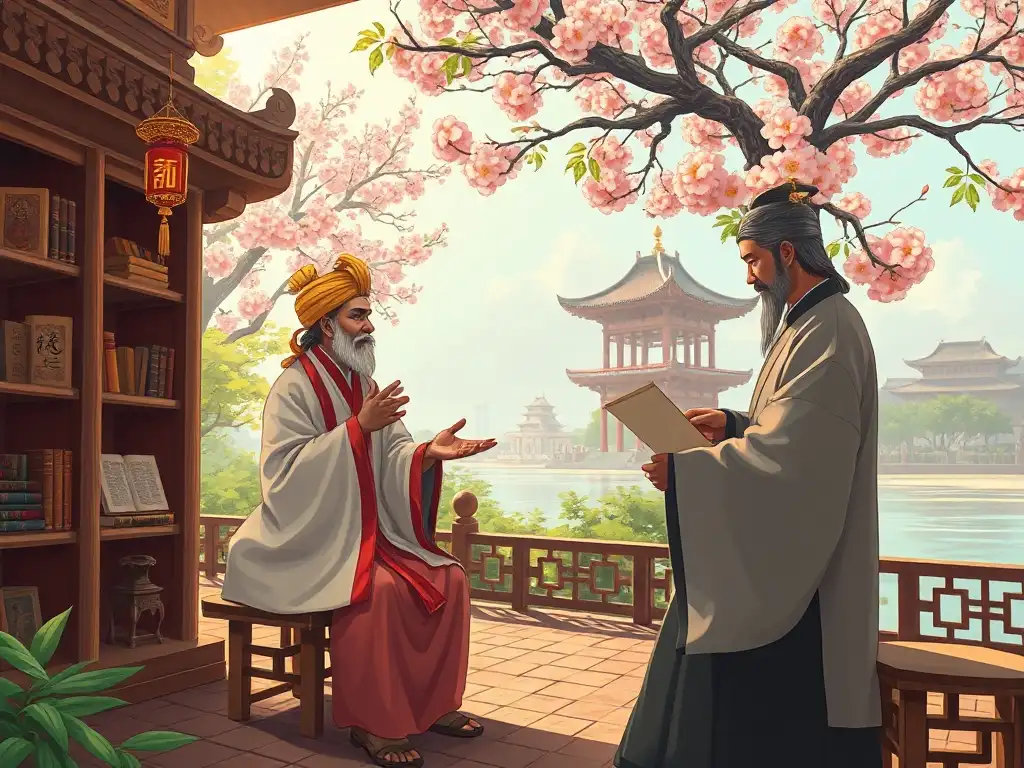
The historical context of Indian-Chinese scholarly exchange is rooted in centuries of interaction between these two ancient civilizations. This exchange was characterized by a rich tapestry of trade, culture, and philosophy, which fostered an environment where ideas could flow freely across borders. It is essential to understand the geographical, political, and economic landscapes that facilitated these interactions.
The geographic proximity of India and China, along with their respective advancements in trade routes, played a pivotal role in enabling scholarly exchange. As early as the 3rd century BCE, trade routes like the Silk Road began to emerge, connecting the two regions and allowing not just goods but also ideas and knowledge to traverse vast distances. The exchange was not merely transactional; rather, it evolved into a vibrant dialogue that influenced various fields such as philosophy, medicine, mathematics, and art.
Early Interactions Between India and China
The initial interactions between India and China can be traced back to the early centuries of the Common Era. Buddhist missionaries and traders were among the first to establish contact, leading to a significant cultural and religious exchange.
- Buddhism's Role: Indian scholars, particularly Buddhist monks, traveled to China to spread Buddhist teachings. Notably, the monk Fa Xian (399-414 CE) journeyed to India, where he collected texts and returned to China, enriching Chinese thought with Indian philosophies.
- Trade Relations: Trade was a crucial factor in fostering these early interactions. Goods such as silk, spices, and precious stones were exchanged, paving the way for cultural and intellectual exchanges. Indian merchants and scholars often interacted with Chinese counterparts, sharing knowledge about various subjects.
This early phase of interaction set a foundation for more profound exchanges that would occur in subsequent centuries.
Key Historical Periods of Exchange
Several key historical periods mark the evolution of Indian-Chinese scholarly exchange. Each era brought unique contributions and developments, enhancing the depth of interaction between these two civilizations.
The Silk Road and Its Role in Knowledge Transfer
The Silk Road was not merely a trade route but a complex network of pathways that facilitated the exchange of ideas, technology, and culture between the East and the West.
- Cultural Exchange: Scholars and travelers often mingled at various points along the Silk Road, leading to a cross-pollination of ideas. For instance, innovations in mathematics from India, such as the concept of zero, found their way to China, where they were absorbed and adapted into Chinese mathematical practices.
- Philosophical Dialogues: The transmission of philosophical texts, particularly those related to Buddhism and later Hinduism, had a profound impact on Chinese thought. Texts such as the Lotus Sutra and Heart Sutra became pivotal in shaping Chinese Buddhist philosophy, showcasing the depth of Indian contributions to scholarly discourse.
The Gupta Empire and Chinese Influence
The Gupta Empire (c. 320-550 CE) represented a golden age of Indian culture and scholarship. During this period, substantial exchanges with China occurred, further solidifying the relationship between the two civilizations.
- Intellectual Exchange: The Gupta period saw an influx of Chinese scholars traveling to India to learn about mathematics, astronomy, and medicine. Notable figures such as Xuanzang (602-664 CE) traveled to India to study and collect Buddhist texts, significantly contributing to the understanding of Indian sciences in China.
- Medical Knowledge: Indian medicinal practices and texts influenced Chinese medicine. The Sushruta Samhita, an ancient Indian text on surgery, was translated and integrated into Chinese medical practices, showcasing the practical implications of their scholarly exchange.
The historical context of Indian-Chinese scholarly exchange reveals a rich tapestry of interactions that spanned centuries, driven by trade, cultural exchanges, and a mutual quest for knowledge. This legacy continues to be a subject of interest for scholars today, as it highlights the interconnectedness of ancient civilizations and their enduring contributions to global history.
Notable Scholars in Indian Chinese Exchanges
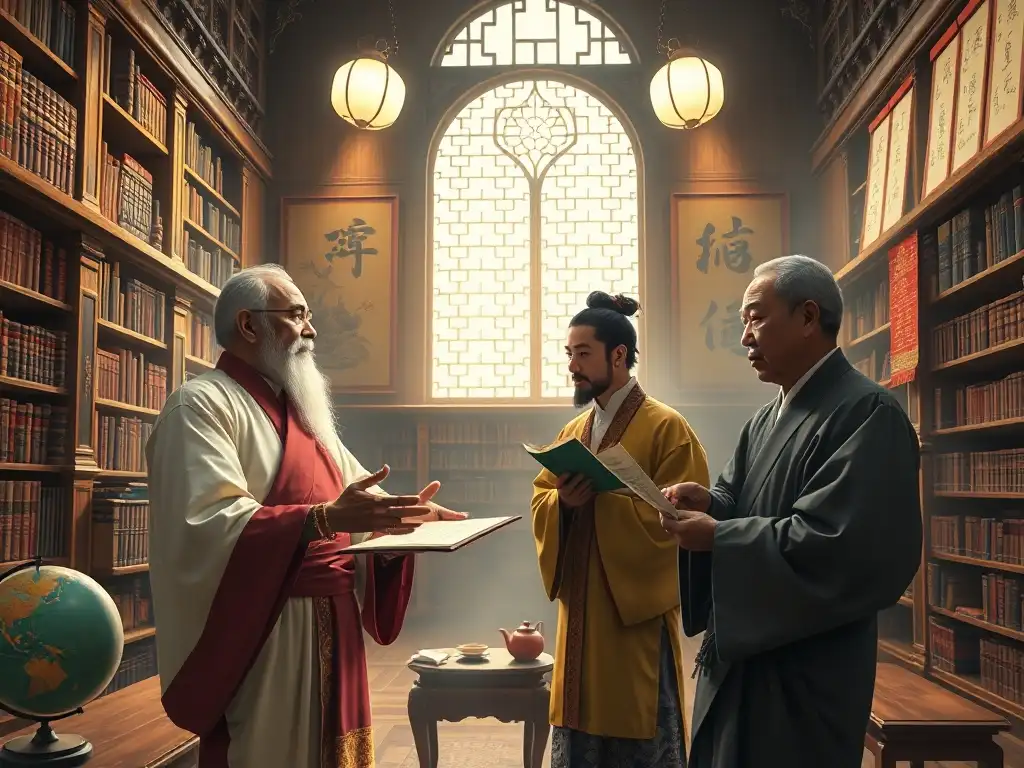
Prominent Indian Scholars and Their Contributions
The Indian-Chinese scholarly exchange is marked by the contributions of several prominent Indian scholars whose works transcended geographical boundaries, influencing Chinese thought, science, and philosophy.
Aryabhata and His Influence on Chinese Mathematics
Aryabhata (476–550 CE) is one of the most celebrated mathematicians and astronomers of ancient India. His seminal work, the Aryabhatiya, introduced concepts that significantly impacted not only Indian mathematics but also Chinese mathematical traditions.
- Key Contributions:
- Place Value System: Aryabhata's use of a decimal place value system made calculations more efficient and laid the groundwork for future mathematical developments in both India and China.
- Trigonometry: He introduced sine functions and methods for calculating the area of a triangle, which were later adopted and adapted by Chinese mathematicians.
- Astronomical Calculations: Aryabhata’s methods for determining the circumference of the Earth and calculating eclipses were influential in Chinese astronomy, as seen in texts such as the Nine Chapters on the Mathematical Art.
The impact of Aryabhata's work is evident in the writings of later Chinese scholars who acknowledged his contributions and integrated them into their own mathematical explorations.
Nagarjuna and His Buddhist Philosophies
Nagarjuna (circa 150–250 CE) was a prominent Indian philosopher and a key figure in the development of Mahayana Buddhism. His writings, particularly the Mulamadhyamakakarika, brought forth the concept of sunyata (emptiness) and challenged the rigid distinctions between existence and non-existence.
- Key Contributions:
- Philosophical Dialogues: Nagarjuna’s dialectical method influenced Chinese Buddhist thought, particularly in the development of the Madhyamaka school of philosophy.
- Buddhist Logic: His ideas on logic and reasoning were instrumental in shaping the philosophical discourse in China, leading to a richer understanding of Buddhist teachings.
- Cultural Exchange: Through the transmission of his texts, Nagarjuna’s philosophies facilitated dialogues between Indian and Chinese scholars, enriching both traditions.
His influence can be traced in the writings of Chinese Buddhists such as Xuanzang, who sought to reconcile Nagarjuna’s ideas with Chinese thought.
Renowned Chinese Scholars and Their Contributions
The exchange of ideas was not a one-way street; Chinese scholars made significant contributions that shaped Indian intellectual landscapes. Their journeys and translations helped bridge the two cultures.
Xuanzang and His Journey to India
Xuanzang (602–664 CE) was a Chinese Buddhist monk, scholar, and translator who undertook a legendary pilgrimage to India in search of authentic Buddhist texts. His journey was pivotal in fostering Indian-Chinese scholarly exchange.
- Key Contributions:
- Translation of Texts: Xuanzang translated numerous Buddhist scriptures from Sanskrit to Chinese, making critical Indian philosophies accessible to Chinese scholars and practitioners.
- Cultural Insights: His accounts of Indian society, culture, and religion provided valuable insights into the practices and beliefs of the time, enriching the Chinese understanding of Buddhism.
- Establishment of Institutions: Upon his return, he established the Da Ci'en Temple in Chang'an, which became a center for Buddhist studies and attracted scholars from across Asia.
Xuanzang’s extensive writings and translations played a crucial role in the Sinicization of Buddhism, allowing for a profound exchange of ideas between India and China.
Confucian Thought and Its Reception in India
Confucianism, with its emphasis on ethics, governance, and social harmony, also found a place in the Indian intellectual environment. While the exchange was less pronounced than Buddhism, it nonetheless left an imprint.
- Key Contributions:
- Philosophical Dialogues: Indian scholars engaged with Confucian thought, particularly during the Tang dynasty, where ideas about governance and moral philosophy were explored in relation to Indian texts.
- Influence on Governance: Some Indian rulers noted the administrative philosophies of Confucianism, integrating aspects of these ideas into their own governance practices.
- Cultural Exchange: The writings of Confucius were introduced to Indian scholars through translations and discussions, fostering a mutual interest in ethical governance and social virtues.
The reception of Confucian thought in India illustrates the depth and complexity of Indian-Chinese scholarly exchanges, highlighting the interconnectedness of their civilizations.
Through the contributions of these notable scholars, the Indian-Chinese scholarly exchange flourished, demonstrating the richness of cultural dialogues that shaped ancient civilizations.
Areas of Scholarly Exchange
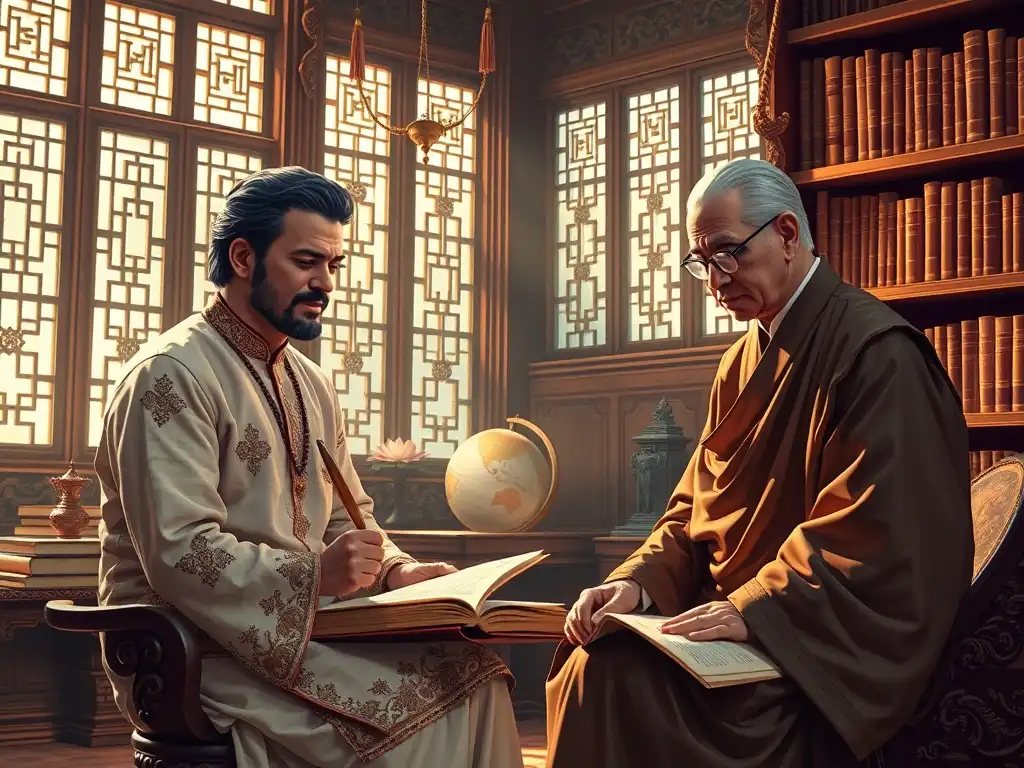
The scholarly exchanges between India and China have significantly shaped the intellectual landscape of both civilizations. This cross-cultural dialogue fostered the transmission of religious, philosophical, scientific, and mathematical ideas, leading to profound impacts on societies across Asia. Below, we explore key areas of this exchange.
Religious and Philosophical Ideas
The interaction between Indian and Chinese scholars was marked by the dissemination and adaptation of religious and philosophical concepts that enriched both cultures.
Buddhism's Journey from India to China
Buddhism, originating in India around the 5th century BCE, embarked on a transformative journey into China during the 1st century CE. This migration was facilitated by:
- Silk Road Trade: The Silk Road served as a crucial conduit for the movement of monks, traders, and texts, enabling the spread of Buddhist teachings.
- Translation Efforts: Early translators, such as Kumarajiva, played a pivotal role in rendering Sanskrit texts into Chinese. Their work made Buddhist philosophy accessible to Chinese scholars and laypeople alike.
The integration of Buddhism into Chinese thought was not merely a transfer of ideas; it also led to the emergence of unique schools of thought, such as Chan (Zen) Buddhism, which blended Indian metaphysical concepts with Chinese cultural elements.
The Impact of Confucianism on Indian Thought
While Buddhism traveled from India to China, Confucianism emerged as a dominant philosophical system in China, influencing various aspects of governance, ethics, and social relationships. Its impact on Indian thought can be traced through:
- Diplomatic Missions: Indian scholars and emissaries often engaged with Confucian ideas during diplomatic missions to China, fostering a dialogue on governance and ethics.
- Textual Exchanges: The translation of Confucian texts into Sanskrit and other Indian languages facilitated an exchange of ideas related to morality, duty, and governance.
This cross-pollination led to a richer understanding of ethical governance in both traditions, emphasizing the importance of moral leadership and societal harmony.
Scientific and Mathematical Exchanges
The scientific and mathematical exchanges between Indian and Chinese scholars represent another vital area of intellectual collaboration.
Contributions to Mathematics and Astronomy
Indian scholars made significant contributions to mathematics and astronomy that were transmitted to China, including:
- The Concept of Zero: Indian mathematicians introduced the concept of zero, which revolutionized mathematical calculations and was later adopted by Chinese scholars.
- Astronomical Texts: Works like Aryabhata's Aryabhatiya provided insights into astronomy and mathematics, influencing Chinese astronomical calculations and calendar systems.
The collaboration between Indian and Chinese astronomers led to advancements in celestial navigation and the development of more accurate calendars, showcasing the profound impact of shared mathematical knowledge.
Innovations in Medicine and Herbal Knowledge
The exchange of medical practices and herbal knowledge between Indian and Chinese scholars played a crucial role in shaping traditional medicine in both cultures. Key aspects include:
- Ayurvedic Medicine: Indian Ayurvedic texts detailing herbal remedies and surgical techniques influenced Chinese herbal practices. The incorporation of Indian medicinal knowledge enhanced the effectiveness of traditional Chinese medicine.
- Translational Efforts: The translation of medical texts, such as the Charaka Samhita, into Chinese facilitated the adoption of various treatments and diagnostic methods, enriching the medical landscape in China.
These exchanges underscored the importance of cross-cultural collaboration in advancing medical knowledge, ultimately benefiting both civilizations.
The Indian Chinese scholarly exchange during these periods not only enhanced individual disciplines but also fostered a deeper understanding of cultural and intellectual diversity, laying the groundwork for future dialogues between the two great civilizations.
Mechanisms of Indian Chinese Scholarly Exchange
Trade Routes as Channels of Knowledge
The ancient trade routes between India and China played a crucial role in facilitating the exchange of scholarly ideas and cultural practices. These routes, primarily through the Silk Road, were not just conduits for goods but also for the movement of knowledge, philosophies, and technologies. Scholars and merchants traveling along these paths often engaged in discussions that contributed to a rich tapestry of intellectual exchange.
-
Silk Road and Maritime Routes:
The Silk Road was a vast network of trade routes that connected the East and West, allowing for the flow of not only silk but also spices, textiles, and ideas. Maritime routes, such as those through the South China Sea, also enabled Indian scholars to reach Chinese ports, further enhancing the Indian Chinese scholarly exchange.
-
Buddhism as a Bridge:
One of the most significant aspects of this exchange was the spread of Buddhism from India to China. Indian scholars like Bodhidharma traveled to China to share Buddhist teachings, which were then integrated into Chinese culture. This not only enriched Chinese spirituality but also fostered a dialogue that influenced philosophical thought in both civilizations.
-
Language and Textual Exchange:
The interaction facilitated the translation of texts from one language to another. Notable translations include the Pali Canon and various Sanskrit texts into Chinese. These translations became foundational texts for future scholars in both regions, establishing a legacy of shared intellectual heritage.
Cultural Diplomacy and Its Impact on Intellectual Dialogues
Cultural diplomacy between ancient India and China significantly influenced the nature of scholarly exchanges. Through various diplomatic missions and state-sponsored initiatives, intellectuals from both civilizations engaged in dialogues that transcended borders and contributed to their respective cultural landscapes.
-
Envoys and Scholars:
The sending of envoys, such as those from the Han Dynasty to the Indian subcontinent, facilitated direct interaction between Chinese and Indian scholars. These missions often included learned individuals who exchanged knowledge on governance, science, and philosophy, laying the groundwork for future intellectual collaborations.
-
Royal Patronage:
Indian and Chinese rulers often granted patronage to scholars from each other's cultures, fostering an environment where ideas could flourish. For instance, during the Tang Dynasty, scholars were encouraged to study Indian philosophy, which influenced the development of Confucian thought and its adaptation in Chinese society.
-
Festivals and Cultural Exchanges:
Cultural festivals and academic gatherings served as platforms for scholars to present their ideas and findings. These events not only celebrated cultural diversity but also encouraged the sharing of scientific knowledge, such as advancements in mathematics and astronomy, which were pivotal in the development of both civilizations.
-
Legacy of Intellectual Exchange:
The impact of Indian-Chinese scholarly exchange can be seen in various fields, including medicine, mathematics, and astronomy. For instance, the Indian numeral system influenced Chinese mathematics, while Chinese herbal medicine found its way into Indian practices. This cross-pollination of ideas has left a lasting legacy that continues to influence modern scholarship.
The mechanisms of Indian Chinese scholarly exchange were multifaceted, encompassing trade routes, cultural diplomacy, and intellectual dialogues that not only enriched the civilizations involved but also shaped the course of history in Asia.
Challenges and Barriers in Scholarly Exchange
Linguistic and Cultural Differences
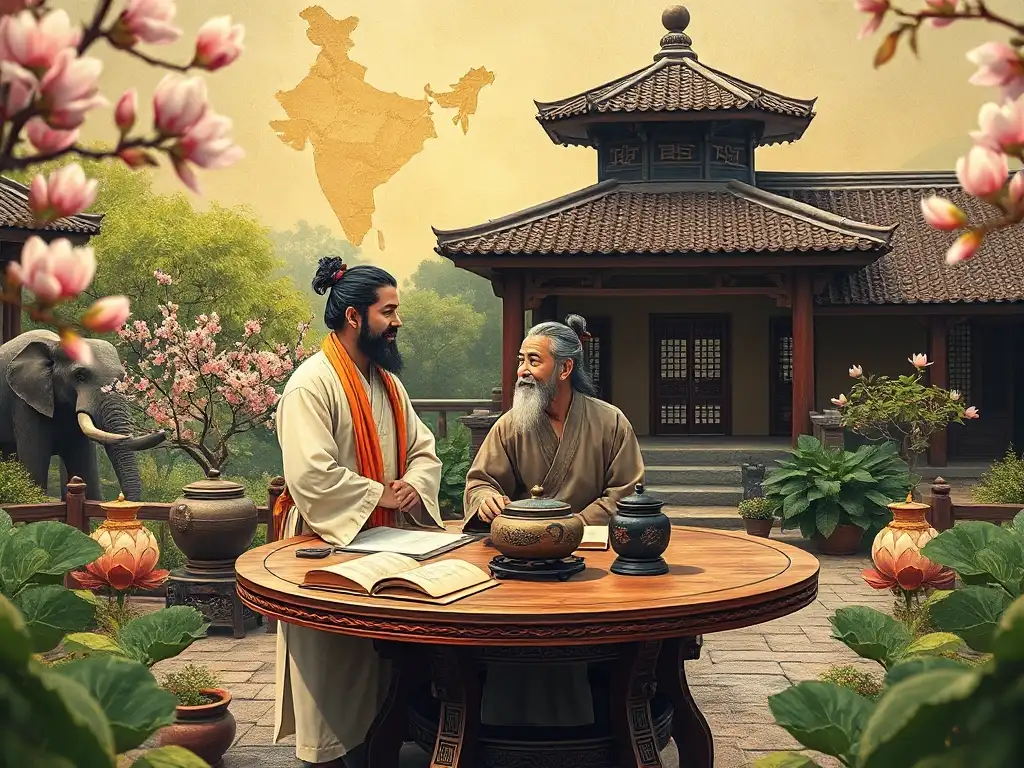
The exchange of scholarly ideas between India and China was significantly influenced by linguistic and cultural differences. Language barriers posed a substantial challenge, as the primary languages spoken—Sanskrit in India and Classical Chinese in China—were not only linguistically distinct but also culturally embedded. Scholars often faced difficulties in translating texts accurately, which led to misinterpretations and misunderstandings of concepts.
- Translation Issues: The nuances of philosophical terminology, religious beliefs, and scientific concepts often did not have direct equivalents in the other language. For instance, the term "Dharma" in Indian philosophy encompasses ethical, moral, and social duties, which lacks a precise counterpart in Chinese thought. This complexity necessitated careful consideration during translation efforts.
- Cultural Contexts: The cultural frameworks within which Indian and Chinese scholars operated were also vastly different. Indian scholarship emphasized metaphysical inquiries and spiritual practices, while Chinese scholarship often prioritized pragmatic governance and moral philosophy. This divergence influenced how ideas were received and adapted in each culture.
To facilitate better understanding, scholars on both sides attempted to create glossaries and commentaries that could bridge these gaps. However, the deep-rooted cultural and philosophical disparities continued to hinder seamless exchanges.
The political landscape of ancient India and China also played a critical role in shaping scholarly exchanges. Various factors contributed to the interruptions and limitations in the flow of ideas between these two great civilizations.
- Dynastic Changes: The rise and fall of dynasties in China, such as the Han, Tang, and Song, often led to shifts in policy regarding foreign relations and intellectual exchanges. During times of political instability, focus on internal matters frequently overshadowed international scholarly pursuits.
- Nationalism and Identity: As both civilizations developed a strong sense of national identity, there was a growing tendency to prioritize domestic achievements over foreign influences. This nationalism sometimes manifested in resistance to ideas originating from outside their cultural sphere, creating an atmosphere of skepticism and reluctance towards accepting external knowledge.
- Trade Routes and Accessibility: While the Silk Road facilitated trade and cultural exchange, the accessibility of these routes was not consistent. Political strife, natural disasters, and military conflicts often disrupted the flow of scholars and ideas. For example, during the period of the Gupta Empire in India, the political stability allowed for more robust exchanges, while the turbulence of the later Tang dynasty in China posed challenges.
While the Indian-Chinese scholarly exchange had the potential to flourish, it was frequently hampered by linguistic, cultural, political, and social obstacles. Understanding these challenges is essential for appreciating the complexities of the intellectual dialogues that did occur between these two ancient civilizations.
Legacy of Indian Chinese Scholarly Exchange
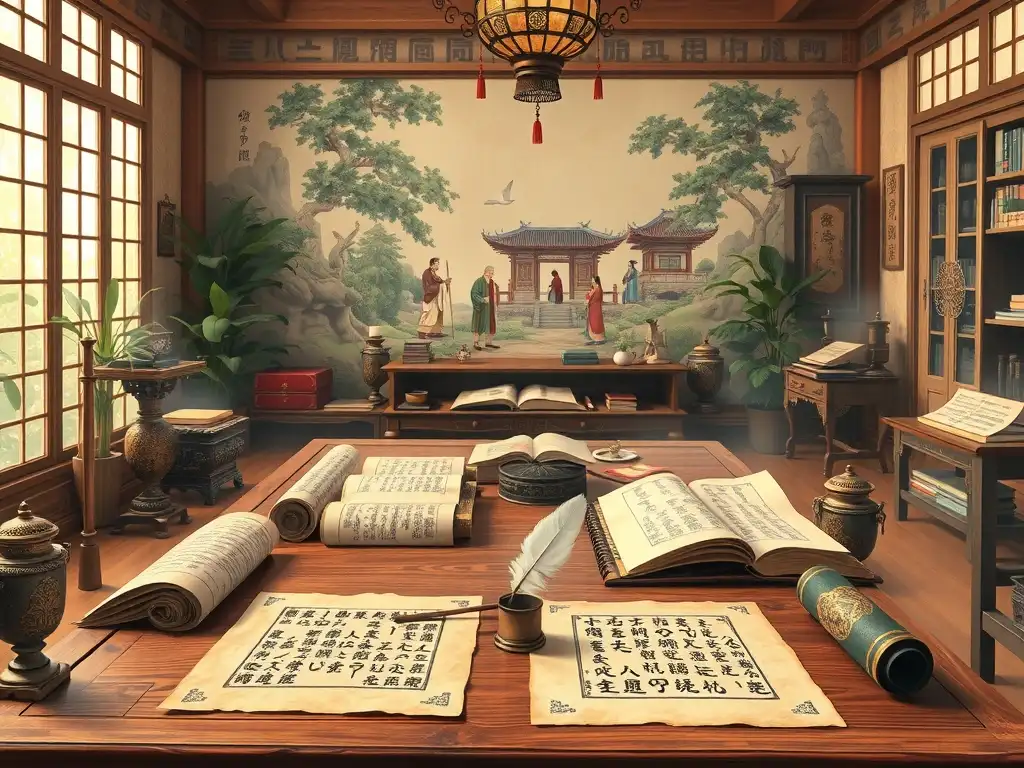
The legacy of Indian-Chinese scholarly exchange is profound, characterized by a rich tapestry of ideas, philosophies, and knowledge shared between two of the world's oldest civilizations. This exchange not only shaped the intellectual landscape of ancient Asia but also laid the groundwork for various fields such as mathematics, astronomy, medicine, and philosophy.
Lasting Impact on Contemporary Thought
The intellectual dialogue between Indian and Chinese scholars has left an indelible mark on contemporary thought. One of the most significant contributions was the transmission of Buddhist philosophy from India to China, which profoundly influenced Chinese culture, religion, and ethics. The establishment of the Silk Road facilitated this exchange, allowing for the movement of texts and ideas across vast distances.
Key Contributions:
- Buddhism: Indian monks, such as Bodhidharma, played a crucial role in introducing Buddhist concepts to China, which contributed to the development of Zen Buddhism.
- Mathematics: The introduction of the decimal system and concepts such as zero from Indian scholars significantly impacted Chinese mathematical practices. The work of Aryabhata and other Indian mathematicians provided a foundation for Chinese advancements.
- Medicine: Indian texts on Ayurveda influenced Chinese medicine, leading to a synthesis of medicinal practices that are still prevalent today.
The interplay of ideas led to a deep engagement with concepts of morality, ethics, and metaphysics, fostering a culture of philosophical inquiry that remains relevant in modern discussions around spirituality and ethics.
The Role of Indian Chinese Exchange in Global History
The role of Indian-Chinese scholarly exchange in global history is pivotal, marking a period of collaboration that transcended cultural boundaries. This exchange not only enriched both civilizations but also contributed to a broader understanding of human knowledge.
Significant Points of Exchange:
- Translation Movements: The translation of Indian texts into Chinese during the Han and Tang dynasties facilitated the spread of knowledge. Notable translators like Xuanzang traveled to India to study Buddhist texts, bringing back invaluable manuscripts that shaped Chinese thought.
- Cultural Syncretism: The integration of Indian ideas into Chinese philosophy and vice versa resulted in a unique syncretism, leading to the emergence of hybrid philosophies that enriched both traditions. This is particularly evident in the blending of Confucian and Buddhist ideas during the Tang dynasty.
- Trade and Diplomacy: Diplomatic missions between Indian and Chinese empires, such as those during the reign of Emperor Ashoka and the Tang dynasty, fostered not only trade but also intellectual exchange. These interactions laid a foundation for future cultural exchanges across Asia.
In a global context, the Indian-Chinese exchange exemplifies how interconnected civilizations can shape the trajectory of human thought and progress. The shared ideas from these two rich cultures continue to influence various disciplines, proving that the legacy of their scholarly exchange is a cornerstone of global intellectual heritage.
Conclusion
Summary of Key Points on Indian Chinese Scholarly Exchange
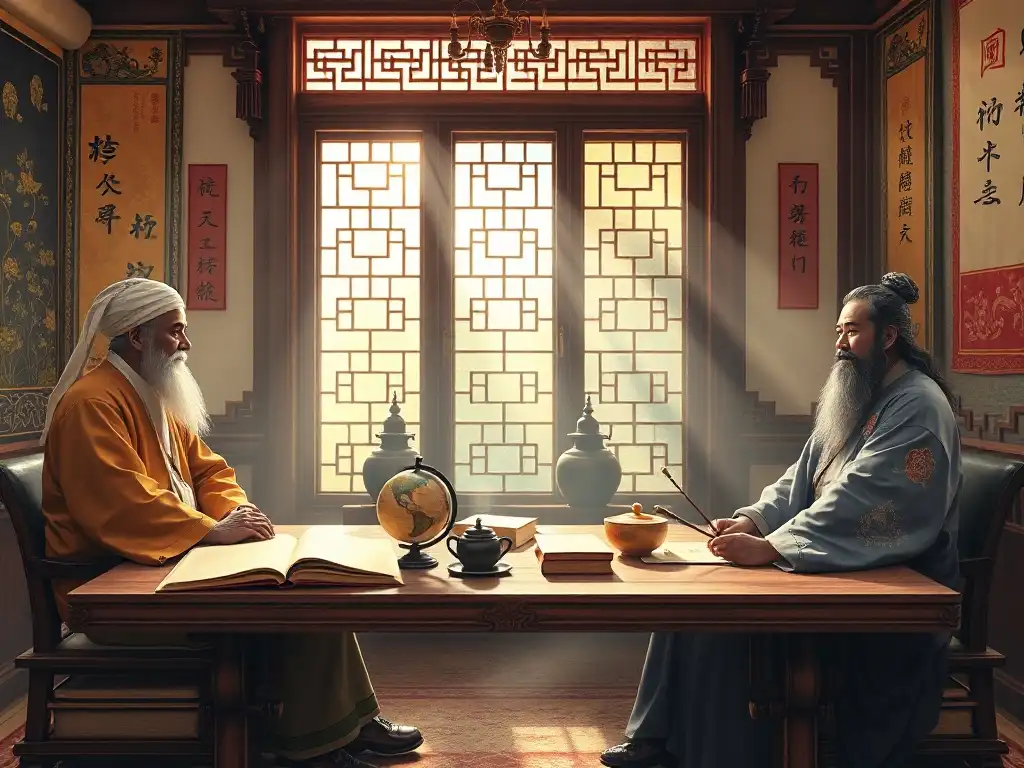
The Indian-Chinese scholarly exchange represents a fascinating chapter in the history of cross-cultural interaction, illustrating how two of the world's oldest civilizations contributed to each other’s intellectual and cultural development. Here are the key points summarizing this exchange:
- Historical Context: The scholarly exchange between India and China dates back to ancient times, particularly during the early centuries of the Common Era. This period witnessed significant interactions facilitated by trade routes, such as the Silk Road, which allowed for the flow of not only goods but also ideas.
- Buddhism as a Catalyst: One of the most significant conduits for scholarly exchange was Buddhism. Indian monks, including the notable traveler Xuanzang (Hiuen Tsang), journeyed to China, bringing with them Buddhist texts and philosophical concepts that enriched Chinese thought. This mutual interest in Buddhism fostered deeper intellectual ties between the two civilizations.
- Translation Movements: The translation of texts played a crucial role in the Indian-Chinese scholarly exchange. Indian texts were translated into Chinese, and vice versa, allowing both cultures to access each other's knowledge bases. Notably, the translation of the Pali Canon and other Sanskrit texts into Chinese significantly impacted Chinese philosophy and religious practices.
- Mathematics and Science: The exchange also extended into the realms of mathematics and science. Indian numerals and concepts, particularly the concept of zero, profoundly influenced Chinese mathematical methods. Conversely, Chinese advancements in astronomy and calendar systems found their way into Indian scholarship.
- Philosophical Dialogues: Indian and Chinese philosophers engaged in dialogues that led to the synthesis of ideas. The teachings of Confucianism were sometimes compared and contrasted with those of Indian philosophies like Vedanta and Buddhism, leading to a richer understanding of ethics and governance in both cultures.
Future Implications for Understanding Cultural Interactions
The implications of the Indian-Chinese scholarly exchange are far-reaching and continue to resonate in contemporary discussions about cultural interactions. Understanding this historical dialogue can provide insights into:
- Globalization of Ideas: The exchange underscores the importance of cross-cultural dialogue in the globalization of knowledge, demonstrating how civilizations can learn from one another to foster growth and innovation.
- Interdisciplinary Studies: The convergence of ideas from different disciplines—philosophy, science, religion—highlights the value of interdisciplinary studies in comprehending complex historical narratives. This approach can inspire modern scholars to explore connections between seemingly disparate fields.
- Cultural Diplomacy: Learning from the past can inform current cultural diplomacy strategies. By recognizing the mutual benefits of scholarly exchange, nations can cultivate cooperative relationships that transcend political boundaries.
- Preservation of Knowledge: Emphasizing the historical exchange encourages efforts to preserve ancient texts and artifacts, ensuring that future generations can access and learn from the rich intellectual heritage of both India and China.
The Indian-Chinese scholarly exchange serves as a testament to the power of collaboration across cultures, illustrating how shared ideas can lead to profound advancements in knowledge and understanding. This historical perspective is essential for navigating today's complex intercultural landscape.
References
Key Texts and Sources on Indian Chinese Exchanges
The historical interactions between Indian and Chinese scholars are documented in various texts, which highlight the profound exchanges of ideas and knowledge that shaped both civilizations. Some key sources include:
- The Travels of Xuanzang (Hiuen Tsang) - This 7th-century account details the journey of the Chinese monk Xuanzang to India, where he studied Buddhism and gathered texts. His observations provide valuable insights into the cultural and intellectual exchanges of the time.
- The Buddhist Sutras - Translations of Indian Buddhist texts into Chinese, especially during the Han and Tang dynasties, facilitated the spread of Buddhist philosophy. Notable translations include the Lotus Sutra and Heart Sutra, which became central to Chinese Buddhism.
- The Records of the Grand Historian (Shiji) - Written by Sima Qian, this historical text from the 2nd century BCE includes references to Indian envoys and the Silk Road, illustrating the political and cultural interactions between the two regions.
- The Book of Wei - This text from the 3rd century CE contains important information about Indian scholars who traveled to China and contributed to the exchange of knowledge, particularly in astronomy and mathematics.
- The Dialogue between Buddhism and Confucianism - This body of work discusses how Indian philosophical thought influenced Chinese intellectual traditions, showcasing the synthesis of ideas through scholarly discourse.
Suggested Further Reading on Ancient Cultural Interactions
For those interested in delving deeper into the complexities and nuances of Indian-Chinese scholarly exchanges, the following texts are recommended:
- "India and China: An Ancient Dialogue" by John Keay: - This book explores the historical interactions between India and China, focusing on trade, culture, and the flow of ideas over centuries.
- "The Silk Roads: A New History of the World" by Peter Frankopan: - While primarily focused on the broader history of the Silk Roads, this work emphasizes the interconnectedness of cultures, including Indian and Chinese civilizations, and their shared intellectual heritage.
- "Buddhism and Taoism Face to Face: Scripture, Ritual, and Iconographic Exchange in Medieval China" by Stephen F. Teiser and John Omohundro: - This book provides insights into the exchange of religious ideas and practices between Indian Buddhism and Chinese Taoism.
- "The Cultural History of India and China" by K. R. Tiwari - This comprehensive analysis highlights the cultural exchanges, mutual influences, and intellectual dialogues that shaped both regions.
- "Cross-Cultural Trade in World History" by Peter Wood - This text examines the role of trade in facilitating cultural exchanges, including those between India and China, highlighting how commerce influenced scholarly interactions.
By exploring these texts, readers can gain a deeper understanding of the rich tapestry of interactions that defined the relationship between Indian and Chinese scholars throughout history.
Frequently Asked Questions
What is the significance of Indian Chinese scholarly exchange in ancient times?
The Indian Chinese scholarly exchange facilitated the sharing of ideas, philosophies, and cultural practices between two great civilizations, enhancing their intellectual landscapes.
How did the Silk Road contribute to this exchange?
The Silk Road served as a vital trade route that not only allowed for the exchange of goods but also enabled the movement of scholars and ideas, fostering collaboration between Indian and Chinese thinkers.
What were some key subjects discussed in these dialogues?
Topics such as Buddhism, science, and philosophy were central to the discussions, with both cultures contributing unique perspectives and enriching each other's intellectual traditions.
Who were some notable figures involved in the Indian Chinese scholarly exchange?
Prominent figures like Xuanzang, a Chinese monk, and Aryabhata, an Indian mathematician, played crucial roles in bridging the cultural divide and enhancing mutual understanding through their travels and writings.
How did these exchanges influence later developments in both cultures?
The scholarly dialogues led to significant advancements in fields like mathematics, astronomy, and medicine, shaping the future of both civilizations and leaving a lasting legacy that can still be seen today.
Final Reflection: Embracing the Legacy of Indian-Chinese Scholarly Exchange
The rich tapestry of Indian and Chinese scholarly exchange continues to resonate in today's global landscape, highlighting the profound impact of cross-cultural dialogues. In an era where collaboration and understanding are more crucial than ever, the historical interactions between these two great civilizations serve as a reminder of the power of shared knowledge and mutual respect. The lessons learned from their exchanges are not just relics of the past; they are essential blueprints for fostering contemporary intellectual and cultural connections.
The enduring influence of Indian-Chinese scholarly exchange is evident in various fields, from philosophy to science, shaping the cultural and social fabric of both nations. This exchange has not only enriched the academic discourse but has also laid the groundwork for a deeper appreciation of diversity and interconnectedness. As noted by the philosopher and historian, “The greatest gift of knowledge is the ability to share it.” > This sentiment encapsulates the essence of the collaborative spirit that has flourished between Indian and Chinese scholars throughout history, encouraging us to continue this legacy in our modern context.
As we reflect on the importance of these historical dialogues, let us take a moment to consider how we can contribute to this ongoing exchange of ideas in our own lives. I invite you to engage with diverse perspectives, seek out cross-cultural collaborations, and embrace the richness that comes from learning from one another. By doing so, we not only honor the legacy of Indian and Chinese scholarly exchange but also pave the way for a more harmonious and enlightened future.
Ignite a New Wave of Cultural Exchange!
Thank you for immersing yourself in the rich tapestry of ideas shared between Indian and Chinese scholars! We hope this exploration has deepened your appreciation for the intricate connections woven through history and inspired you to continue this journey of knowledge.
Now it’s time for you to take action! Here are a few practical ways to further engage with this fascinating topic:
- Join a discussion group or forum dedicated to cross-cultural dialogues. Connect with individuals who share your passion for cultural exchange.
- Share this article with friends or on social media to spark conversations about the influences that shape our understanding of different cultures.
- Explore related texts and documentaries about ancient Indian and Chinese philosophies to broaden your perspective and foster an even deeper appreciation.
What are your thoughts on the importance of cross-cultural exchanges in our globalized world? We invite you to share your insights below!