
How Puranas Address Universal Human Experiences

Welcome to Ancient India History, where we embark on a captivating journey through the rich tapestry of ancient Indian civilizations! Here, we delve into the Puranas and human experiences, exploring how these timeless texts resonate with universal themes that continue to speak to our lives today. What secrets do these ancient narratives hold about love, duty, and the human condition?
Join us as we uncover the profound insights and cultural contributions woven into the fabric of history that shaped a civilization. Prepare to be intrigued and inspired as you discover the literature beyond epics, starting with our enlightening article on how the Puranas address these universal human experiences!
- Introduction to Puranas and Human Experiences
- Historical Context of Puranas
- Key Themes in Puranas Addressing Human Experiences
- Puranas and Universal Human Emotions
- The Impact of Puranas on Modern Understanding of Human Experiences
- Conclusion: The Enduring Legacy of Puranas on Human Experiences
-
Frequently Asked Questions
- What are the Puranas in the context of ancient Indian literature?
- How do the Puranas reflect universal human experiences?
- What role do the Puranas play in understanding ancient Indian civilizations?
- Can the teachings of the Puranas be applied to modern life?
- What is the significance of the Puranas in the study of Indian history?
- Final Reflection: The Timeless Relevance of Puranas in Understanding Human Experiences
- Unlock the Wisdom of Puranas Today!
Introduction to Puranas and Human Experiences
The Puranas, a genre of ancient Indian literature, serve as a vital bridge connecting the rich tapestry of mythology, philosophy, and human experience that characterizes Indian civilization. These texts, composed over centuries, not only narrate the histories of gods, goddesses, and legendary heroes but also delve into the intricate emotions, moral dilemmas, and existential questions that resonate with humanity across time.
By exploring the Puranas and human experiences, we uncover the timeless themes that continue to influence modern thought, culture, and spirituality. This article will illuminate the essence of the Puranas, their narratives, and how they address universal human experiences, thereby enriching our understanding of ancient Indian literature and its relevance today.
Overview of Puranas
The Puranas are a vast body of work, traditionally classified into eighteen major texts, with each offering unique insights into various aspects of life, cosmology, and ethics. These texts encompass a variety of narratives, including:
- Cosmology: The creation and structure of the universe.
- Mythology: Tales of gods, goddesses, and celestial beings.
- History: Accounts of ancient kings, dynasties, and significant events.
- Philosophy: Reflections on existence, morality, and the nature of reality.
Notable Puranas such as the Bhagavata Purana, Vishnu Purana, and Skanda Purana provide a rich reservoir of stories that explore themes of duty, devotion, and the human condition. The narratives often intertwine with the concept of dharma (righteousness), highlighting the moral and ethical dilemmas faced by individuals in their quests for meaning and fulfillment.
Significance of Human Experiences in Ancient Texts
The significance of human experiences in the Puranas cannot be overstated. These texts were not merely historical or mythological records; they served as reflections of the human psyche and the societal norms of their time. The Puranas address universal themes such as:
- Love and Relationships: Explored through the stories of divine couples and their earthly counterparts, showcasing the complexities of affection and attachment.
- Suffering and Redemption: Narratives often depict characters grappling with loss, betrayal, and the quest for forgiveness, resonating with the struggles of human life.
- Search for Knowledge: The pursuit of wisdom, whether through spiritual practices or philosophical inquiry, is a recurring motif that encourages readers to seek deeper truths.
By engaging with these themes, the Puranas offer insights into the human experience that remain relevant across cultures and eras, emphasizing the shared journey of humanity in the face of life's challenges. The exploration of these texts not only enhances our understanding of ancient Indian civilization but also invites contemporary readers to reflect on their own experiences and the timeless nature of human emotions.
Historical Context of Puranas
The Puranas are a genre of ancient Indian literature that hold significant historical and cultural value. These texts, composed between 300 CE and 1500 CE, serve as a bridge connecting the spiritual, social, and moral fabric of ancient Indian civilization. They encompass a vast array of topics, including mythology, cosmology, geography, and the genealogies of gods, heroes, and sages. Understanding the historical context of the Puranas is crucial to appreciating their role in shaping human experiences across generations.
Origin and Development of Puranic Literature
The origins of Puranic literature can be traced back to the Vedic texts, which laid the foundation for many philosophical and theological concepts. However, the Puranas emerged as a distinct literary form, often categorized into eighteen major Puranas and numerous minor ones. Each Purana varies in its focus but collectively addresses universal themes relevant to human existence.
- Early Composition:
- The early Puranas, such as the Vishnu Purana and Shiva Purana, were likely composed during the Gupta period when Hinduism was being redefined and consolidated.
- They reflect the socio-political landscape of the time, intertwining local legends with broader philosophical ideas.
- Literary Features:
- Puranas utilize a narrative style that combines prose and poetry, making them accessible to a wider audience.
- The use of allegory and metaphor is prevalent, providing layers of meaning that resonate with various human experiences.
- Transmission and Preservation:
- The oral tradition played a significant role in the transmission of Puranic texts before they were eventually written down.
- Manuscripts were copied and preserved in temples and monasteries, underscoring their importance in religious and cultural education.
Influence of Ancient Indian Civilization on Puranas
The Puranas are deeply intertwined with the historical and cultural developments of ancient Indian civilization. They not only reflect the values and beliefs of their time but also actively shaped societal norms and practices.
- Cultural Reflection:
- The Puranas encapsulate the diversity of ancient Indian society, addressing various cultural practices, festivals, and rituals. For instance, the celebration of festivals like Diwali and Holi can be traced back to Puranic narratives, illustrating their influence on contemporary practices.
- They provide insight into the roles of various social classes, including the duties and responsibilities of sages, kings, and commoners, thus reflecting the socio-political hierarchy.
- Philosophical Contributions:
- The Puranas introduce philosophical concepts such as Dharma (duty/righteousness), Karma (action and consequence), and Moksha (liberation), which remain central to Indian thought.
- Through narratives, they explore the complexities of human experiences, such as love, loss, and redemption, making them relatable across ages.
- Religious Impact:
- The Puranas played a crucial role in the promotion of devotional practices (Bhakti) towards deities like Vishnu, Shiva, and Devi, fostering a sense of personal connection and emotional engagement with the divine.
- This influenced the development of sects and schools of thought within Hinduism, contributing to the religion's rich tapestry.
The Puranas are not merely historical texts; they are profound reflections of human experiences that have evolved alongside ancient Indian civilization. By addressing universal themes, they continue to resonate with readers, providing insights into the human condition that remain relevant today. The exploration of "Puranas and human experiences" unveils the timeless wisdom embedded within these texts, offering a lens through which we can understand both the past and the present.
Key Themes in Puranas Addressing Human Experiences
The Puranas, ancient Indian texts, serve as a repository of wisdom, reflecting the intricate tapestry of human experiences. They encompass various themes that resonate with the universal human condition, offering insights into love, struggles, and the moral framework that governs human life. This section will explore three pivotal themes found within the Puranas and their profound implications on human experiences.
Love and Relationships in Puranas
Love and relationships are central to many narratives within the Puranas, illustrating the complexity and beauty of human connections. The tales often depict various forms of love, including romantic, familial, and divine love.
- Romantic Love: The stories of deities, like that of Radha and Krishna, exemplify the ideal of divine love, representing passion, devotion, and the profound bond between lovers. Their relationship transcends the earthly realm, symbolizing spiritual unity and the yearning of the soul for the divine.
- Familial Bonds: The Puranas also delve into familial relationships, showcasing the dynamics between parents and children. For example, the tale of Vishnu and his avatars often emphasizes the duty of children to honor and protect their parents, highlighting the significance of family loyalty and respect.
- Divine Love: The concept of bhakti (devotion) is prevalent throughout the Puranas, underscoring the relationship between humans and the divine. This theme encourages individuals to cultivate love and devotion towards God, fostering a sense of spiritual fulfillment.
Struggles and Triumphs: The Human Condition
Human experiences are inherently marked by struggles and triumphs, a theme that is deeply embedded in the Puranic narratives. These texts often depict characters facing adversities, showcasing the resilience of the human spirit.
- Trials of Heroes: Many Puranic stories revolve around heroic figures, such as Prahlada, who faces immense challenges due to his unwavering devotion to Vishnu. His trials symbolize the struggle between good and evil, illustrating that true strength lies in maintaining one's principles amidst adversity.
- Moral Dilemmas: The Puranas frequently present characters who encounter moral and ethical dilemmas, prompting readers to reflect on their own choices. The story of King Harishchandra, who sacrifices everything for truth, epitomizes the human struggle for integrity in a world fraught with challenges.
- Transformation through Struggle: The process of overcoming obstacles is often depicted as a path to personal growth and enlightenment. This theme reinforces the idea that struggles are an integral part of the human experience, ultimately leading to triumph and self-realization.
The Role of Dharma in Human Life
Dharma, or righteousness, plays a crucial role in guiding human actions and decisions within the Puranas. The concept of dharma is multifaceted, encompassing duty, morality, and ethical conduct.
- Guiding Principles: The Puranas provide narratives that illustrate the importance of adhering to one's dharma, urging individuals to fulfill their responsibilities towards family, society, and the universe. For instance, the story of Yudhishthira in the Mahabharata emphasizes the challenges of maintaining dharma in the face of conflicting duties.
- Consequences of Actions: The texts often highlight the consequences of neglecting dharma. Characters who stray from their moral path, such as Ravana, face dire repercussions, reinforcing the belief that righteousness ultimately leads to peace and harmony.
- Universal Relevance: The teachings of dharma in the Puranas resonate with people across cultures and time periods, illustrating the universal nature of moral dilemmas and the pursuit of ethical living. This theme encourages readers to reflect on their own lives and the impact of their choices on the greater community.
The Puranas provide profound insights into universal human experiences through their exploration of love, struggles, and the principles of dharma. These texts not only serve as historical records but also as timeless guides for navigating the complexities of human life.
Puranas and Universal Human Emotions
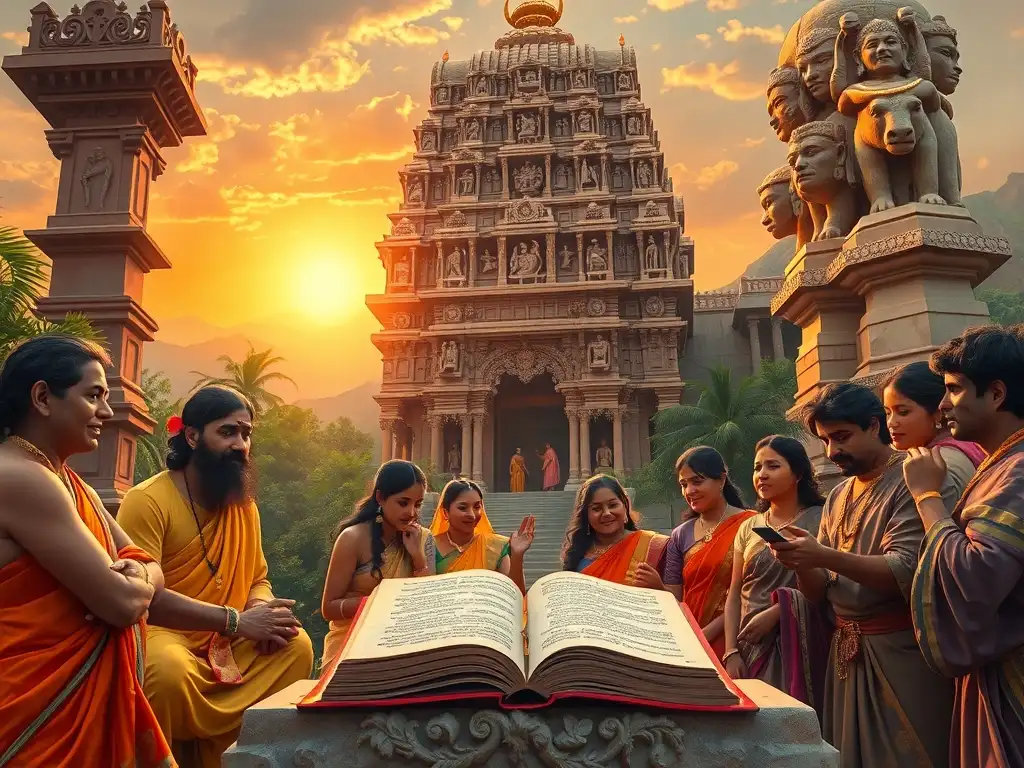
The Puranas, a genre of ancient Indian literature, are not merely historical texts or mythological accounts; they delve deeply into the universal human experiences that resonate across cultures and epochs. These texts encapsulate the emotional spectrum of humanity, providing insights into how various feelings and situations are perceived and dealt with in the context of divine narratives. By exploring themes such as anger, joy, hope, and despair, the Puranas illuminate pathways for understanding and navigating the human condition.
Anger and Forgiveness in Puranic Narratives
Anger, a potent emotion, is often depicted in the Puranas as both a destructive force and a catalyst for change. Characters such as Ravana in the Vishnu Purana and Duryodhana in the Mahabharata reveal how unchecked anger can lead to downfall and chaos. These narratives serve as cautionary tales, demonstrating the adverse effects of wrath when it overshadows reason and compassion.
On the other hand, the Puranas also emphasize forgiveness as a transformative power. The story of Shiva and Parvati illustrates this beautifully. Shiva's initial anger at the destruction of his abode by the demon Andhaka leads to a cycle of violence. However, through Parvati's intervention and her embodiment of compassion, forgiveness prevails, leading to reconciliation and harmony. This duality presents a profound exploration of how anger can be reconciled through understanding and forgiveness.
In the face of anger, the true challenge lies not in the emotion itself but in the choice to forgive.
Joy and Sorrow: Duality of Human Experience
The interplay of joy and sorrow is a recurring theme throughout the Puranic texts. For instance, the life of Lord Krishna, as narrated in the Bhagavata Purana, encapsulates this duality vividly. His playful childhood brings immense joy to the inhabitants of Vrindavan, yet the eventual sorrow of separation from loved ones, especially during the Mahabharata, showcases the transient nature of happiness.
Similarly, the story of Sita in the Ramayana reflects this duality. Her joyous marriage to Rama is juxtaposed with profound sorrow during her exile. The Puranas convey that joy and sorrow are interwoven threads in the fabric of existence, encouraging readers to embrace both experiences as integral to the human journey.
To illustrate this further, consider the following table summarizing key emotions and their representations in Puranic stories:
| Emotion | Example | Puranic Text |
|---|---|---|
| Joy | Krishna's childhood antics | Bhagavata Purana |
| Sorrow | Sita's exile | Ramayana |
| Anger | Ravana's wrath | Vishnu Purana |
| Forgiveness | Shiva and Parvati's reconciliation | Shiva Purana |
Hope and Despair: Lessons from Puranas
The themes of hope and despair are poignantly portrayed in the Puranas, offering valuable lessons on resilience and faith. In the face of adversity, characters often embody hope, illustrating the human spirit's capacity to endure. For example, the story of Prahlada in the Vishnu Purana depicts a young devotee's unwavering faith in Lord Vishnu despite his father's tyranny. His hope ultimately leads to divine intervention and triumph over despair.
Conversely, despair is vividly illustrated in the tales of characters who succumb to their circumstances. The plight of Kunti, who faces abandonment and hardship, serves as a reminder of the darker sides of existence. Yet, her eventual rise as the mother of the Pandavas underscores the importance of maintaining hope amid despair.
Despair may cloud the heart, but hope lights the path forward.
The Puranas offer rich narratives that address universal human experiences, weaving together themes of anger, joy, hope, and despair. Through these stories, we gain insights into the complexities of human emotions, learning that they are not merely to be felt, but understood and embraced as part of the journey of life.
The Impact of Puranas on Modern Understanding of Human Experiences
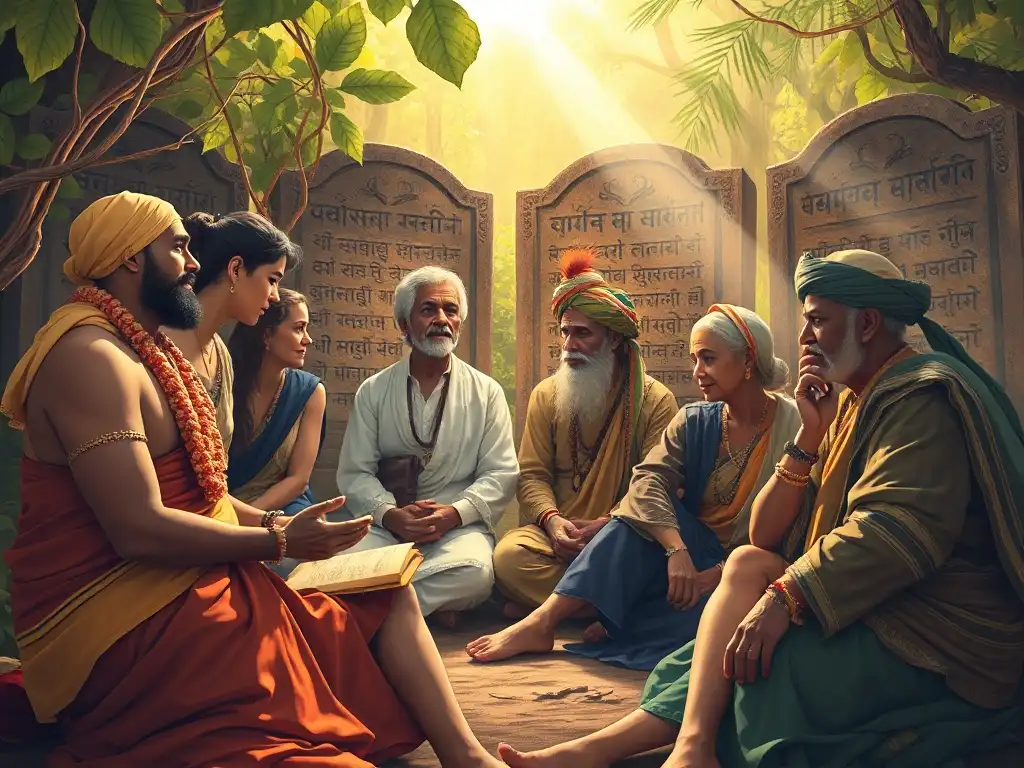
The Puranas, ancient texts that serve as a bridge between mythology and history, have significantly impacted the modern understanding of universal human experiences. These texts, composed between 300 CE and 1500 CE, encompass a wide range of topics including cosmology, mythology, philosophy, and moral lessons. By addressing themes such as creation, morality, and the human condition, the Puranas resonate with contemporary audiences, offering insights that remain relevant across time.
Relevance of Puranic Lessons in Contemporary Society
The teachings of the Puranas often delve into the complexities of human emotions and societal roles, providing timeless lessons that can be applied in today's world. For instance, the Puranas emphasize the importance of dharma (righteousness) in guiding individual behavior. This concept is particularly relevant in contemporary discussions about ethics and moral dilemmas.
Key themes from the Puranas include:
- The Cycle of Life and Death: The Puranas discuss the concept of samsara (the cycle of birth, life, death, and rebirth), which can help individuals understand the transient nature of life and the importance of living in accordance with one's values.
- Interpersonal Relationships: Stories of deities and humans in the Puranas illustrate various relationship dynamics, offering lessons on love, sacrifice, and loyalty. For example, the tale of Savitri and Satyavan emphasizes the power of determination and love in overcoming fate.
- Crisis and Conflict Resolution: Many narratives within the Puranas depict characters facing moral dilemmas and conflicts, providing frameworks for resolving issues through wisdom and compassion. The character of Lord Vishnu, who takes various avatars to restore cosmic order, exemplifies the need to adapt to circumstances while remaining true to one’s principles.
Through these lessons, the Puranas encourage individuals to reflect on their own experiences and to find guidance in navigating the complexities of modern life.
Comparative Analysis: Puranas and Other Literary Traditions
When comparing the Puranas to other literary traditions, such as Greek mythology or the Biblical narratives, several similarities and differences emerge.
| Aspect | Puranas | Greek Mythology | Biblical Narratives |
|---|---|---|---|
| Nature of Deities | Polytheistic, with human-like traits | Polytheistic, anthropomorphic gods | Monotheistic, God as an omnipotent entity |
| Themes | Dharma, cosmic cycles, moral lessons | Heroism, fate, hubris | Redemption, sin, morality |
| Cultural Context | Indian society, spiritual growth | Ancient Greek values, humanism | Semitic cultures, ethical foundations |
| Narrative Style | Storytelling with moral teachings | Epic poetry and tragedy | Historical narrative, parables |
The Puranas stand out for their emphasis on cyclical time and the interconnectedness of all beings. In contrast, Greek mythology often focuses on individual heroism and the consequences of hubris, while Biblical narratives highlight a linear progression towards redemption.
In essence, the Puranas not only reflect the cultural ethos of ancient India but also offer a lens through which to explore universal human experiences that transcend geographical and temporal boundaries. By studying these texts, readers can gain a deeper understanding of human emotions, ethical dilemmas, and societal roles, making the Puranas a valuable resource in the exploration of human experiences across cultures.
Conclusion: The Enduring Legacy of Puranas on Human Experiences
Summary of Key Insights
The Puranas stand as a testament to the intricate tapestry of ancient Indian thought, weaving together myth, history, and moral lessons that resonate with universal human experiences. Some of the key insights include:
- Cultural Reflection: The Puranas encapsulate the values, beliefs, and traditions of ancient Indian society, reflecting how these elements shape human experiences. They serve as a cultural mirror, allowing readers to connect with their own lives through the stories of gods, sages, and mortals.
- Moral and Ethical Lessons: Each Purana conveys moral dilemmas and ethical teachings that are relevant across ages. For instance, the stories of karma and dharma provide profound insights into personal responsibility and the consequences of one's actions, guiding individuals in their own life choices.
- Mythological Narratives: Through mythological tales, the Puranas address fundamental human emotions and experiences such as love, loss, jealousy, and redemption. These narratives transcend time, as they explore themes that remain deeply relatable, allowing readers to find meaning and solace.
- Spiritual Guidance: The Puranas also provide spiritual wisdom, offering pathways to understanding life's mysteries and the nature of existence. They encourage introspection and self-discovery, inviting individuals to explore their spiritual journeys in light of the teachings contained within.
Final Thoughts on Puranas and Human Experiences
The Puranas, with their rich narratives and profound teachings, continue to be a vital part of the discourse on human experiences. They not only preserve the cultural heritage of ancient India but also offer timeless insights into the human condition. As we explore the connections between the Puranas and human experiences, it becomes evident that these texts serve as a bridge, linking past wisdom with contemporary challenges.
In understanding the Puranas and human experiences, we recognize their potential to inspire individuals today. The lessons derived from these ancient texts encourage us to reflect on our actions, to seek deeper meaning in our experiences, and to foster a sense of community through shared narratives. As we delve into the Puranas, we uncover not just stories of gods and heroes, but also the universal truths that bind us all in our quest for understanding and fulfillment.
Frequently Asked Questions
What are the Puranas in the context of ancient Indian literature?
The Puranas are a genre of ancient Indian texts that encompass mythology, history, and cosmology, providing valuable insights into the cultural and religious practices of the time.
How do the Puranas reflect universal human experiences?
The Puranas address universal human experiences such as love, conflict, morality, and spirituality, making them relevant across different cultures and eras.
What role do the Puranas play in understanding ancient Indian civilizations?
The Puranas serve as an essential resource for understanding the socio-political dynamics, cultural practices, and religious beliefs of ancient Indian civilizations.
Can the teachings of the Puranas be applied to modern life?
Yes, the lessons and moral dilemmas presented in the Puranas continue to resonate today, offering valuable perspectives on ethical living and human relationships.
What is the significance of the Puranas in the study of Indian history?
The Puranas provide a historical context that enriches our understanding of ancient Indian history, including the evolution of social structures and cultural norms.
Final Reflection: The Timeless Relevance of Puranas in Understanding Human Experiences
In exploring how Puranas address universal human experiences, we uncover a profound connection between ancient wisdom and contemporary life. These texts, rich in narratives and moral teachings, resonate with our modern struggles, joys, and aspirations. The timeless themes of love, loss, conflict, and redemption found in the Puranas remind us that despite the passage of time, the essence of what it means to be human remains unchanged. As we navigate the complexities of today's world, the insights offered by these ancient scriptures provide a guiding light, illuminating paths to understanding and empathy.
The influence of the Puranas extends far beyond their historical context; they continue to shape our cultural and social landscapes. Their narratives serve as mirrors reflecting our own experiences, allowing us to find solace and wisdom in shared stories. The teachings embedded in these texts encourage us to confront our fears, embrace our vulnerabilities, and celebrate our triumphs. As Mahatma Gandhi once said, "> The best way to find yourself is to lose yourself in the service of others." This sentiment echoes the Puranic ethos, urging us to connect with one another through our shared human experiences.
As we conclude this exploration, I invite you to reflect on the lessons of the Puranas and how they can enrich your own life. Consider how the themes of these ancient texts resonate with your personal journey and the experiences of those around you. Let the wisdom of the Puranas inspire you to cultivate compassion, understanding, and resilience in your daily interactions. By embracing the teachings of the past, we can create a more harmonious future, one that honors our shared humanity and the universal experiences that bind us all.
Unlock the Wisdom of Puranas Today!
Thank you for diving into the profound insights that the Puranas offer regarding our universal human experiences. You've already taken a step toward enriching your understanding and appreciation of these ancient texts. Now, let’s take it further!
Here are some actionable steps you can take to deepen your engagement with the teachings of the Puranas:
- Explore a new Purana each week: Dedicate time to read and reflect on one Purana weekly. Allow its lessons to resonate in your life and share your reflections with friends or family.
- Join an online discussion group: Connect with like-minded individuals who share your interest in ancient texts. Engaging in conversations can spark new insights and enhance your understanding.
- Try journaling your thoughts: After reading a chapter or passage, jot down how it relates to your personal experiences. This practice can illuminate the timeless wisdom contained in these scriptures.
How will you incorporate the teachings of the Puranas into your everyday life? **Share your thoughts and let’s explore this enriching journey together! **