
The Maurya Empire and Its Naval Power: Key Figures in Maritime History

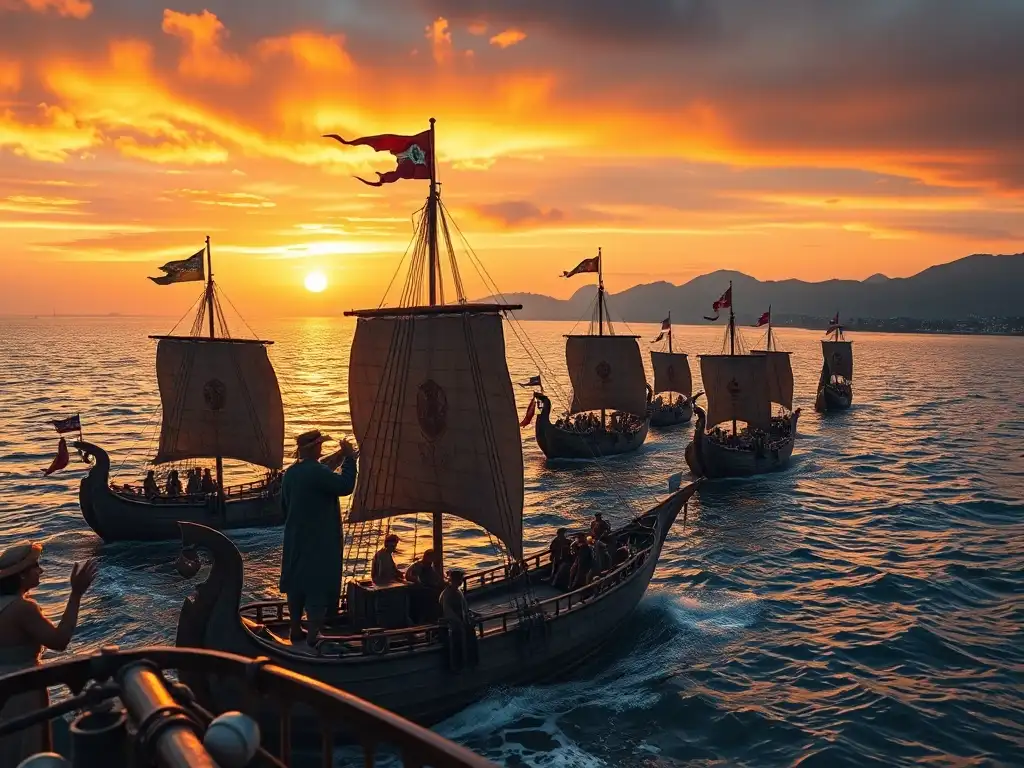
Welcome to Ancient India History, where we embark on a captivating journey through the remarkable tapestry of ancient Indian civilizations. Here, you’ll uncover the richness and diversity of the past, from the enigmatic Indus Valley to the illustrious Gupta Empire. Dive into our featured article on the Maurya Empire naval power history, where we unravel the fascinating stories of key figures who shaped maritime history in ancient India. What secrets lay beneath the waves of time? Join us as we explore these intriguing narratives and more, igniting your curiosity about a world that continues to inspire and enlighten.
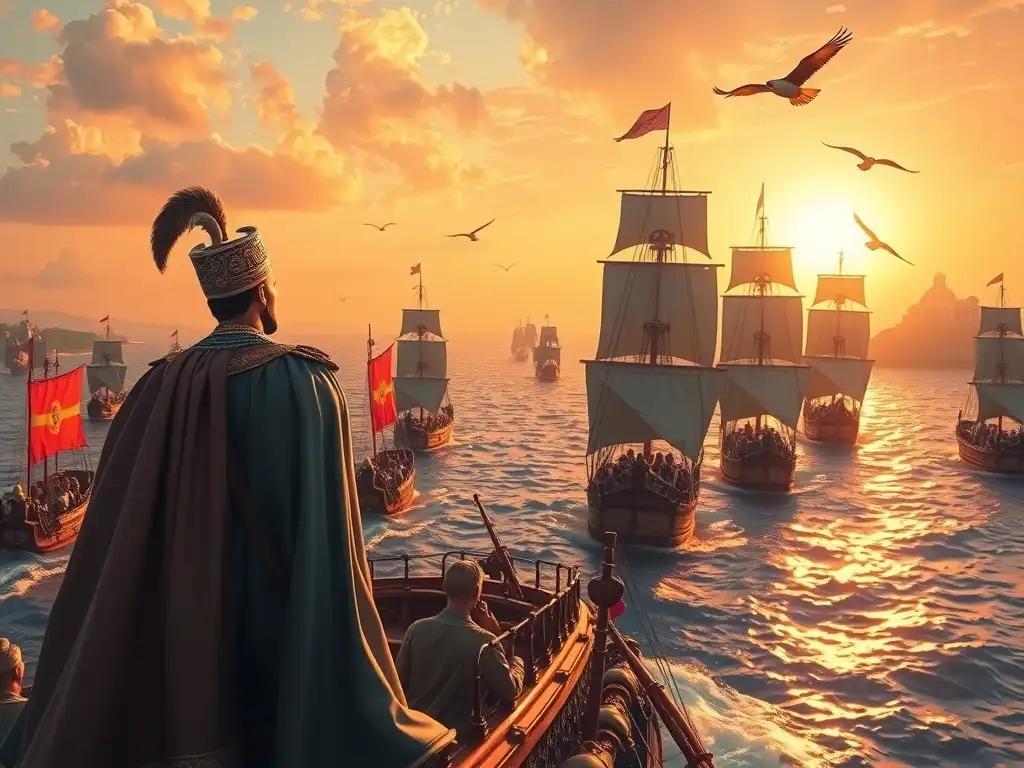
The Maurya Empire, one of the most influential and expansive empires in ancient India, thrived from approximately 322 BCE to 185 BCE. Renowned for its remarkable political and military achievements, the empire also made significant strides in maritime history, particularly in naval power.
This aspect of the Maurya Empire is often overlooked, yet it played a crucial role in establishing trade networks and enhancing the empire's influence across the Indian Ocean and beyond. Understanding the maritime capabilities of the Maurya Empire reveals not only the sophistication of its naval strategies but also highlights key figures who were instrumental in shaping its naval history.
Overview of the Maurya Empire
The Maurya Empire was founded by Chandragupta Maurya, who united a large part of the Indian subcontinent after the fall of the Nanda dynasty. His grandson, Ashoka the Great, is perhaps the most celebrated ruler of this empire, known for his spread of Buddhism and commitment to non-violence. The empire was characterized by its strong centralized government and a complex administrative structure, which allowed it to maintain control over vast territories.
- Key Features of the Maurya Empire:
- Territorial Expansion: At its height, the empire spanned from present-day Afghanistan to India, encompassing diverse cultures and peoples.
- Cultural Flourishing: The Maurya period saw advancements in art, architecture, and philosophy, with the construction of monumental stupas and the spread of Buddhist teachings.
- Military Organization: The Mauryan military was well-equipped and strategically organized, which included a formidable naval force.
Significance of Naval Power in Ancient India
In ancient India, naval power was not merely about warfare; it was crucial for trade, cultural exchange, and territorial expansion. The Maurya Empire recognized the importance of a strong navy to protect its trade routes and assert dominance over maritime territories.
- Reasons for Naval Power Significance:
- Protection of Trade Routes: A robust naval presence ensured the safety of merchants traveling along crucial maritime routes.
- Cultural Exchange: Naval expeditions facilitated the exchange of ideas, goods, and culture between the Indian subcontinent and other civilizations.
- Economic Prosperity: Control over sea routes contributed to the wealth of the empire, enabling it to fund public works and military campaigns.
The Role of Maritime Trade in the Maurya Empire
Maritime trade was a cornerstone of the Maurya Empire's economy, linking it to distant regions and facilitating the exchange of commodities such as spices, textiles, and precious metals. The empire’s strategic position along crucial trade routes bolstered its economic strength.
Key Trade Routes and Their Importance
The Maurya Empire's trade routes were vital for connecting it to various regions, including Southeast Asia, the Middle East, and Africa. These routes played a significant role in the empire's economic and cultural exchanges.
- Prominent Trade Routes:
- The Silk Route: Although primarily overland, maritime connections complemented this route by facilitating trade with western civilizations.
- Indian Ocean Trade: This network enabled the exchange of goods with traders from Arabia, Persia, and beyond, helping to establish the Maurya Empire as a dominant economic player.
Influence of Naval Power on Trade Expansion
The Mauryan navy was critical in expanding and securing trade routes, thereby enhancing the empire's economic prowess. The naval capabilities allowed the Maurya Empire to engage with foreign traders more effectively, fostering a vibrant economic environment.
- Impact of Naval Power on Trade:
- Increased Trade Volume: A strong navy reduced piracy and ensured safer passage for merchant vessels.
- Cultural Integration: The interactions between traders and local populations led to a rich blend of cultures, further enriching the Mauryan heritage.
- Political Alliances: Naval strength often translated into political leverage, allowing the empire to forge beneficial agreements with other maritime powers.
By exploring the naval power of the Maurya Empire, we uncover a dynamic aspect of its history that significantly influenced its economic and cultural landscape, paving the way for future maritime endeavors in the Indian subcontinent.
The Maurya Empire, one of the largest and most powerful empires in ancient India, was not only notable for its land-based conquests but also for its significant naval capabilities. The empire's maritime power was essential for trade, defense, and the expansion of influence across neighboring regions. Several key figures emerged during this period, shaping the naval history of the Maurya Empire and contributing to its dominance over the seas.
Chandragupta Maurya: The Founder and His Naval Strategy
Chandragupta Maurya, the founder of the Maurya Empire, is often credited with laying the groundwork for its naval power. Recognizing the strategic importance of maritime routes for trade and military purposes, Chandragupta implemented a comprehensive naval strategy. He established a fleet to protect the empire's coastal regions and safeguard trade routes from pirate attacks and foreign invasions.
Under his leadership, the Maurya Empire expanded its influence across the Indian subcontinent and into regions like Southeast Asia. Chandragupta's focus on building a strong navy allowed for the effective transport of troops and resources, which was critical during military campaigns. His partnership with notable figures like Chanakya, who served as his advisor, further solidified his approach to naval affairs, emphasizing the need for a robust maritime presence.
Ashoka the Great: Contributions to Maritime Dominance
Ashoka the Great, Chandragupta's grandson, is renowned for his contributions to the Maurya Empire's maritime power, particularly during the peak of its influence. After his conversion to Buddhism, Ashoka sought to promote peace and trade, which led to an increased focus on naval expansion.
Under Ashoka's reign, the Maurya navy was instrumental in establishing trade routes with distant lands, including regions in the Mediterranean and East Africa. His policies encouraged maritime trade, allowing for the exchange of goods, culture, and ideas. Additionally, Ashoka's commitment to environmental conservation led to innovations in shipbuilding and the enhancement of navigation techniques, ensuring that the empire's naval resources were sustainable and effective.
Notable Admirals and Naval Leaders of the Maurya Empire
Several admirals and naval leaders played pivotal roles in the Maurya Empire's maritime history, shaping its naval strategies and operations. Among them, important figures like Admiral Kautilya, who was instrumental in military planning, helped coordinate naval logistics and oversee the training of sailors. His expertise in naval warfare and strategy contributed to the Maurya Empire's ability to project power across the seas.
Another notable figure was Admiral Vijaya, known for his successful expeditions against maritime rivals. His leadership in naval battles secured the empire's dominance over critical trade routes and fortified its presence in coastal territories.
These leaders, along with others, were essential in developing a naval culture within the Maurya Empire, promoting skilled seamanship and fostering innovations in naval tactics that would influence maritime practices for generations to come.
The Maurya Empire was characterized by significant advancements in naval technology and innovations that enhanced its maritime capabilities. These developments were crucial in establishing the empire's dominance over sea trade and military operations.
Shipbuilding Techniques of the Maurya Era
Shipbuilding during the Maurya era was a sophisticated endeavor that incorporated advanced techniques for its time. The Mauryan shipbuilders utilized a variety of materials, including wood sourced from local forests, to construct vessels capable of navigating both coastal and open waters. The designs of these ships were diverse, ranging from smaller fishing boats to larger merchant vessels, which allowed for flexible use depending on the purpose.
Innovative features included the use of multiple sails to harness wind power effectively, enhanced hull designs for stability, and compartments for cargo storage. These advancements not only improved the efficiency of trade but also fortified the empire's naval defenses against potential threats.
Navigation Methods Used by Mauryan Mariners
Mauryan mariners employed several navigation methods that were crucial for their maritime operations. They relied on a combination of celestial navigation, utilizing the stars for direction, and landmarks along the coastline for coastal navigation. This dual approach enabled sailors to traverse vast distances with a relative degree of accuracy.
Additionally, the Mauryans developed tools such as compasses and rudimentary maps that assisted in charting courses and understanding ocean currents. The integration of these navigation techniques facilitated the expansion of trade networks and contributed to the empire’s ability to engage with distant civilizations, thereby enhancing its maritime power and influence.
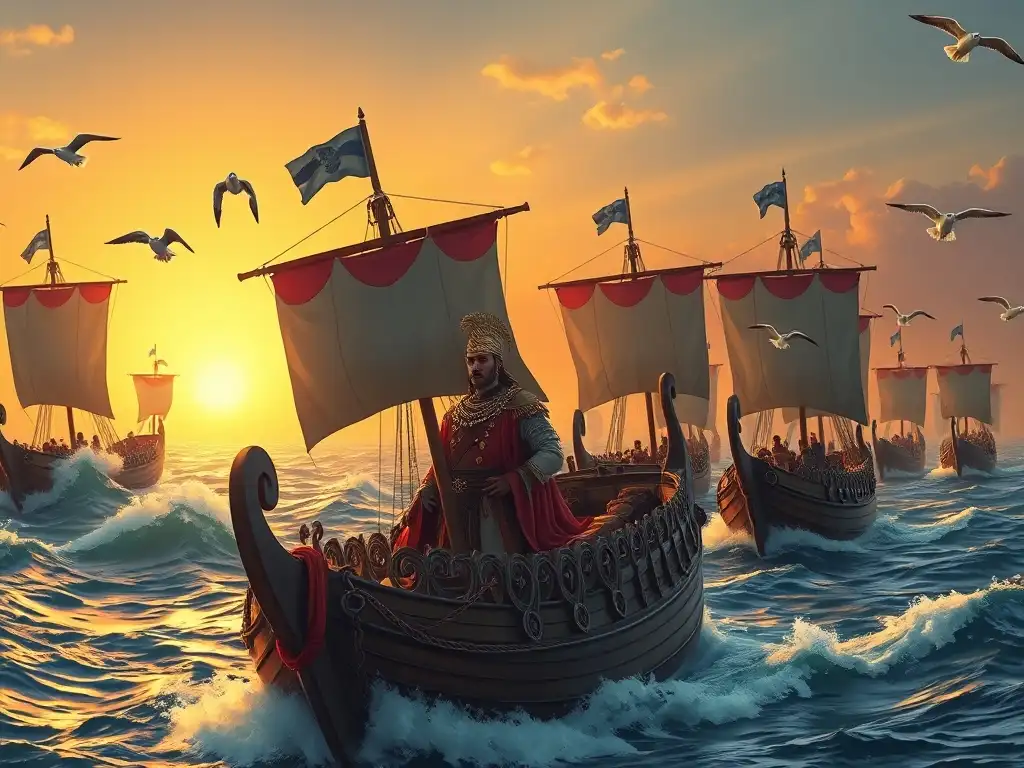
The Maurya Empire, which thrived from 322 to 185 BCE, is often remembered for its extensive land-based military strength and its vast territorial conquests. However, it also developed a formidable naval power that played a crucial role in its military strategies and trade. The empire's navy was instrumental in ensuring control over maritime routes, facilitating trade, and defending against potential invasions from rival powers across the seas.
The Mauryan navy was primarily composed of large warships, which were equipped with both oars and sails, allowing for greater maneuverability and speed. These vessels were manned by skilled sailors and complemented by a well-organized fleet hierarchy. The navy operated primarily in the Indian Ocean, where it engaged in both commerce and warfare, establishing dominance over vital trade routes connecting India to distant lands, such as the Mediterranean and the Arabian Peninsula.
Moreover, the naval power of the Maurya Empire served as a strategic deterrent against piracy and rival naval forces. This was particularly significant for the protection of merchant ships that traversed the waters, ensuring the safety of trade and the economic prosperity of the empire. The naval forces also supported ground troops in coastal campaigns, demonstrating the integration of maritime and land military strategies.
Key Naval Battles and Their Outcomes
Several naval battles marked the Maurya Empire's history, showcasing its naval prowess and strategic significance. One notable engagement was the battle against the forces of the Nanda Dynasty, which preceded the Mauryan rule. This battle illustrated the effectiveness of the Mauryan navy in overcoming its adversaries and establishing control over maritime routes.
Additionally, during the reign of Chandragupta Maurya, the navy played a pivotal role in the campaign against the Seleucid Empire. The Mauryan fleet engaged in naval confrontations that helped secure territories along the western coast of India, enhancing trade opportunities and expanding the empire's influence. The outcomes of these naval battles not only reinforced the Maurya Empire's military dominance but also facilitated diplomatic relations and trade agreements with neighboring regions.
Strategies Employed by Mauryan Naval Forces
The Mauryan naval forces employed various strategies to maintain their dominance at sea. One key tactic was the use of intelligence and reconnaissance to gather information about enemy movements and maritime threats. This allowed the Mauryan fleet to execute surprise attacks and counter enemy actions effectively.
The Mauryans also focused on the construction of a diverse fleet, incorporating different types of ships tailored for specific purposes, such as patrol, transport, and direct combat. By diversifying their naval capabilities, they could adapt to various maritime challenges and threats.
Furthermore, the integration of naval operations with land forces was a hallmark of Mauryan strategy. Coordinated attacks involving both naval and terrestrial troops allowed for multi-faceted assaults on enemy positions, providing a significant advantage during warfare.
Despite its initial strength, the naval power of the Maurya Empire began to wane towards the end of its reign. Several factors contributed to this decline, impacting the empire's ability to maintain its maritime dominance.
Factors Leading to the Decline
One of the primary factors leading to the decline of Mauryan naval power was the internal strife and political turmoil that emerged after the death of Emperor Ashoka. The empire faced challenges from regional rulers and a weakening central authority, which diminished the resources and focus allocated to maintaining a strong naval force.
Additionally, the rise of rival powers in the Indian subcontinent, such as the Shunga Dynasty, resulted in increased competition for control over trade routes and coastal territories. These external pressures further strained the Mauryan navy, as it struggled to defend against encroaching threats while managing declining internal stability.
Impact on Maritime Trade and Security
The decline of the Mauryan navy had significant repercussions for maritime trade and security. As naval power diminished, so did the ability to protect merchant vessels from piracy and hostile forces. This vulnerability disrupted trade routes and led to increased costs for merchants, ultimately affecting the empire's economy.
Moreover, the loss of naval dominance allowed rival powers to gain control over key maritime routes, leading to a shift in trade dynamics in the region. The once-thriving commerce that flourished under Mauryan rule faced disruptions, contributing to the overall decline of the empire's influence and power.
While the Maurya Empire's naval power was a critical aspect of its military and economic strategy, the eventual decline of this power marked a significant turning point in its history, with lasting implications for trade and regional security.
Conclusion
The Maurya Empire stands as a pivotal chapter in the history of ancient Indian civilizations, particularly in the realm of naval power. While often overshadowed by its land-based military might, the contributions of the Mauryan navy played a significant role in expanding trade routes, enhancing diplomatic relations, and facilitating cultural exchanges across the Indian Ocean and beyond. Leaders such as Chandragupta Maurya and his grandson Ashoka not only laid the groundwork for a powerful state but also recognized the strategic importance of naval strength in maintaining and expanding their empire.
Through their naval advancements, the Maurya Empire was able to secure key trade routes and establish maritime dominance, which, in turn, fostered economic prosperity and cultural exchange. The legacy of their naval power continues to resonate in the historical narrative of India and serves as an essential study in the broader context of ancient maritime history.
Summary of the Maurya Empire's Impact on Naval Power History
The Maurya Empire's impact on naval power history can be encapsulated in several key aspects:
- Strategic Naval Expansion: The Mauryans recognized the importance of a strong navy for both defense and trade. Their ships were crucial for protecting trade routes against piracy and maintaining economic stability.
- Facilitation of Trade: By establishing and safeguarding maritime trade routes, the Maurya Empire enabled the exchange of goods such as spices, textiles, and precious stones, which were highly sought after across the Mediterranean and Southeast Asia.
- Cultural Exchange: The naval activities of the Maurya Empire facilitated interactions with various cultures, leading to a rich exchange of ideas, religions, and technologies. This cultural diffusion was essential in shaping the sociopolitical landscape of the region.
- Diplomatic Relations: The Mauryan navy also played a role in diplomacy, allowing the empire to form alliances and exert influence over neighboring territories through maritime presence.
The Legacy of Mauryan Naval Achievements in Ancient India
The legacy of Mauryan naval achievements is multifaceted and enduring:
- Influence on Subsequent Empires: The naval strategies and technologies developed during the Maurya Empire were foundational for subsequent Indian empires. They set a precedent for the importance of naval power in securing trade and political dominance.
- Cultural Integration: The maritime activities initiated by the Maurya Empire contributed to a broader understanding of the Indian Ocean as a hub of commerce and culture, influencing later maritime powers in the region.
- Historical Scholarship: Modern historians and archaeologists continue to uncover evidence of Mauryan naval prowess, leading to a reevaluation of its significance in ancient Indian history. This ongoing research helps highlight the complexity and sophistication of Mauryan maritime activities.
Further Reading and Resources
For those interested in delving deeper into the naval history of the Maurya Empire and its broader context within ancient Indian civilizations, several resources are available.
Recommended Books on Maurya Empire Naval History
- "The Mauryan Empire: A History": by Romila Thapar
- "Naval Warfare in Ancient India" by K. S. Shukla
- "Trade, Politics, and Society in Ancient India" by R. S. Sharma
- "The Indian Ocean and the World: Maritime History in the Global Context": by Sanjay Subrahmanyam
Online Resources for Further Exploration of Ancient Indian Civilizations
- Digital South Asia Library: A comprehensive resource for ancient Indian history, offering access to primary sources and scholarly articles.
- Ancient History Encyclopedia: An extensive collection of articles covering various aspects of the Maurya Empire and its naval history.
- The British Museum: Features online exhibitions and collections related to ancient India, including artifacts from the Maurya period.
- National Geographic's Ancient India: Provides insights into the cultural and historical significance of ancient Indian civilizations, including the naval power of the Maurya Empire.
These resources will enhance your understanding of the Maurya Empire's naval power and its lasting impact on maritime history within ancient India.
- Introduction to the Maurya Empire Naval Power History
- The Role of Maritime Trade in the Maurya Empire
- Key Figures in the Maurya Empire's Naval Power History
- Naval Technology and Innovations in the Maurya Empire
- The Maurya Empire's Naval Power in Warfare
- The Decline of Mauryan Naval Power
- Conclusion
- Further Reading and Resources
- What was the significance of the Maurya Empire's naval power?
- Who were the key figures in the naval history of the Maurya Empire?
- How did the Maurya Empire influence maritime trade in ancient India?
- What were the technological advancements in naval power during the Maurya Empire?
- Did the Maurya Empire have any conflicts related to naval power?
Frequently Asked Questions
The Maurya Empire's naval power was crucial for trade, defense, and expansion. It facilitated maritime routes that connected various regions, enhancing economic prosperity.
Key figures include Chandragupta Maurya, who established the empire, and Ashoka, known for his contributions to maritime trade and diplomatic relations with other kingdoms.
How did the Maurya Empire influence maritime trade in ancient India?
The Maurya Empire improved trade networks by utilizing its naval strength, leading to increased commerce and cultural exchanges with other civilizations across the seas.
The Maurya Empire saw advancements in shipbuilding techniques and navigation, which allowed for larger vessels and improved maritime safety and efficiency.
Yes, the Maurya Empire engaged in conflicts to protect its maritime interests, particularly against pirates and rival kingdoms, showcasing the importance of naval strength in its defense strategy.
The exploration of the Maurya Empire's naval power reveals a profound connection between historical maritime prowess and contemporary global dynamics. As we navigate the complexities of modern trade and international relations, the strategic significance of naval strength remains ever relevant. The Maurya Empire, with its remarkable leaders and innovative maritime strategies, serves as a testament to how naval power can shape the course of history.
The influence of the Maurya Empire's naval capabilities extends beyond its time, echoing in today's geopolitical landscape. The empire's ability to control trade routes and project power across the seas laid a foundation for understanding the importance of maritime dominance in fostering economic prosperity and cultural exchange. As historian Romila Thapar aptly stated, The sea was not just a barrier; it was a bridge connecting civilizations.
This perspective underscores the ongoing relevance of naval power in fostering connections and shaping societies throughout history.
As we reflect on the lessons from the Maurya Empire, I invite you to consider the role of naval power in your own life and community. How can we harness the principles of strategic thinking and collaboration exemplified by the Maurya Empire to navigate our modern challenges? Whether through fostering international partnerships or advocating for sustainable maritime practices, each of us has a role to play in shaping a future where the lessons of the past guide our actions. Let us honor the legacy of the Maurya Empire by embracing our own potential to influence the tides of history.
Unveil the Secrets of Maritime Mastery!
Thank you for diving into the intriguing world of the Maurya Empire and its naval prowess with us! Your exploration of this fascinating history not only deepens your understanding but also uncovers the remarkable achievements of ancient maritime figures. Now, it’s time to take that knowledge and transform it into action!
Here are a few ways you can engage further:
- Dive deeper: Research an influential leader from the Maurya Empire’s maritime history and share your findings on social media to spark engaging conversations.
- Join the conversation: Participate in our community forum to discuss how the naval strategies of the past can inspire modern maritime tactics.
- Explore further: Read articles about ancient naval powers to discover more about their impact on maritime influence throughout history.
What unique insights do you think the strategies of the Maurya Empire can offer us in today’s world of maritime navigation and power dynamics?