
The Spice Route: Follow India’s Culinary Heritage Through These Tours

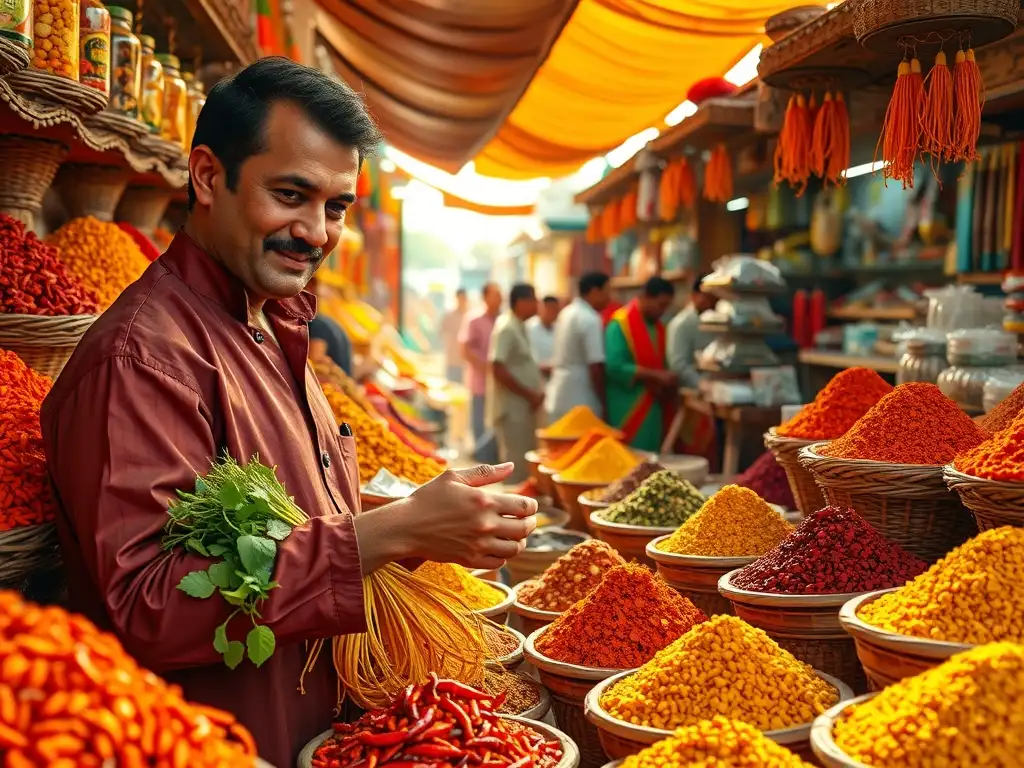
Welcome to Ancient India History, where we embark on a fascinating journey through the rich tapestry of India's past. In this exploration, we delve into the culinary heritage that has shaped the subcontinent's identity, with a special focus on "India culinary heritage tours." Discover how the spices and flavors of ancient civilizations have influenced modern cuisine and left an indelible mark on the culture.
Are you ready to uncover the secrets of the Spice Route and savor the stories behind each dish? Join us as we take you on a delightful adventure that promises to tantalize your taste buds and ignite your curiosity!
- Introduction to India's Culinary Heritage Tours
- The Spice Route: A Historical Perspective
- Top Culinary Heritage Tours in India
- Culinary Experiences: Cooking Classes and Workshops
- Cultural Significance of Food in Indian Heritage
- Tips for Choosing the Right India Culinary Heritage Tour
- Conclusion: Embracing India’s Culinary Heritage Through Tours
- Frequently Asked Questions
- Final Reflection: Embracing the Essence of India’s Culinary Heritage
- Embark on a Flavorful Journey Today!
Introduction to India's Culinary Heritage Tours
India's culinary heritage is a vibrant tapestry woven from centuries of history, culture, and tradition. From the aromatic spices of the Indus Valley to the refined flavors of the Gupta Empire, every region of India offers a unique culinary experience that reflects its historical influences and cultural diversity.
Culinary heritage tours in India allow travelers to immerse themselves in this rich gastronomic landscape, exploring not just the food, but the stories, rituals, and traditions that have shaped Indian cuisine over millennia. These tours provide a unique opportunity to engage with local communities, learn traditional cooking techniques, and savor authentic dishes, making them an essential part of understanding India's cultural identity.
Understanding the Importance of Culinary Heritage in India
Culinary heritage in India is more than just the food on our plates; it is a reflection of the country's history, geography, and social fabric. Each dish tells a story, often rooted in ancient practices and influenced by various civilizations that have passed through or settled in the region. Here are a few key aspects that highlight the importance of India's culinary heritage:
- Cultural Significance: Food in India is deeply intertwined with festivals, rituals, and community gatherings. Traditional dishes are often prepared during celebrations, carrying symbolic meanings and fostering social bonds.
- Historical Influence: The spice trade, colonialism, and regional migrations have all contributed to the evolution of Indian cuisine. Ingredients and cooking methods have been exchanged and adapted, resulting in diverse culinary practices across the country.
- Sustainability and Local Practices: Many culinary traditions emphasize the use of local, seasonal ingredients, promoting sustainable practices that respect the environment and support local economies.
Understanding these elements enriches the experience of culinary heritage tours, as participants gain insights into the cultural narratives that accompany each meal.
Overview of Culinary Tours in India: A Journey Through Time
Culinary tours in India offer an exhaustive exploration of the country's diverse food landscape, often guided by local chefs and food historians who share their knowledge and passion. These tours can vary widely, from street food expeditions in bustling cities to cooking classes in rural villages. Here’s an overview of what you can expect on these culinary journeys:
- Regional Specialties: Each tour often focuses on a specific region, showcasing its unique culinary traditions. For instance:
- North India: Experience the rich flavors of Mughlai cuisine, famous for its kebabs and biryanis.
- South India: Discover the subtleties of dosa and sambar, along with the use of coconut and rice in daily cooking.
- West India: Enjoy the diverse cuisines from Gujarat's vegetarian delights to Maharashtra's seafood specialties.
- East India: Taste the sweetness of Bengali desserts and the spicy curries of Odisha.
- Hands-On Experiences: Many tours include interactive cooking sessions where participants can learn to prepare traditional dishes under the guidance of experienced chefs.
- Cultural Immersion: Culinary tours often incorporate visits to local markets, farms, and cultural sites, allowing participants to engage with the community and understand the context behind the food.
In summary, India culinary heritage tours offer a unique lens through which to explore the country's intricate relationship with food. By experiencing this rich culinary landscape firsthand, travelers not only indulge their palates but also connect with the history and culture that make India's cuisine truly exceptional.
The Spice Route: A Historical Perspective
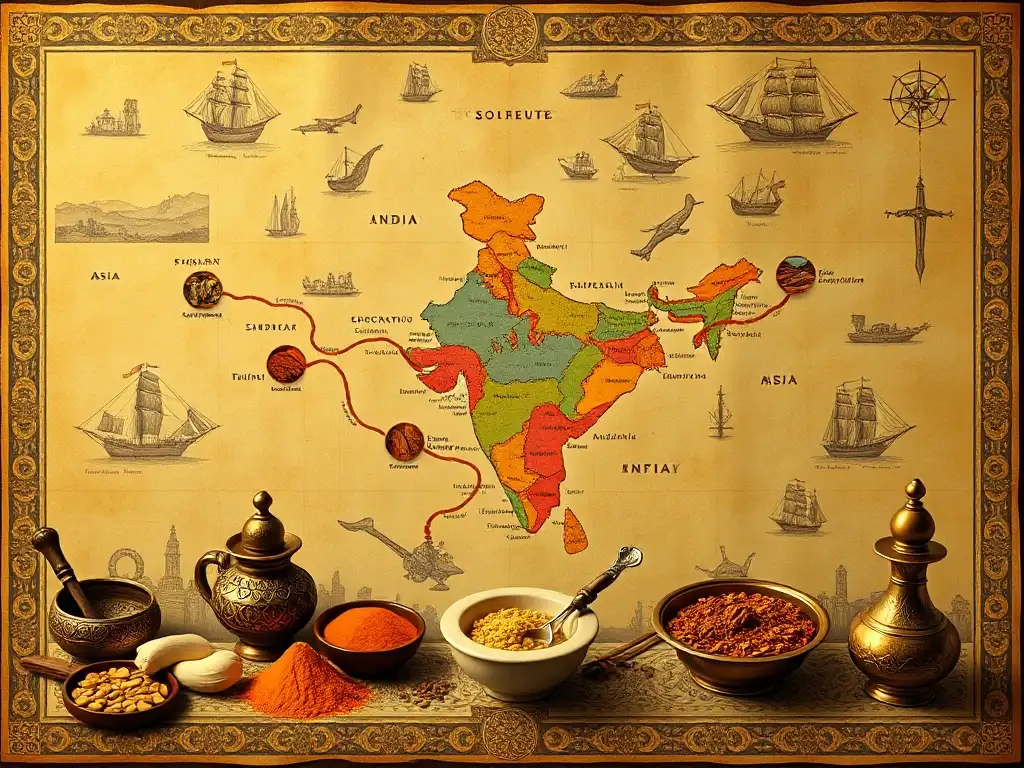
The Spice Route, a crucial network of trade routes, played an instrumental role in shaping the culinary heritage of India. This ancient pathway facilitated the exchange of spices, not only enriching Indian cuisine but also influencing global culinary practices. The Spice Route was not merely a means of trade; it was a cultural conduit through which ideas, traditions, and flavors traveled, making India a focal point in the history of gastronomy.
Throughout the centuries, the Spice Route connected India to various parts of the world, including the Middle East, Europe, and Southeast Asia. This interconnection fostered a complex tapestry of culinary traditions, where Indian spices became coveted commodities that transformed cuisines beyond the subcontinent. The historical significance of the Spice Route lies in its ability to place India at the heart of global trade, with its spices becoming symbols of luxury and wealth.
The Origins of the Spice Route in Ancient India
The origins of the Spice Route can be traced back to the early civilizations of India, particularly during the time of the Indus Valley Civilization (circa 3300–1300 BCE). Archaeological excavations in this region reveal evidence of the use and trade of various spices, including turmeric and black pepper. The strategic location of India, with its diverse climatic conditions, allowed for the cultivation of a wide variety of spices, which naturally attracted traders from distant lands.
By the time of the Mauryan Empire (circa 322–185 BCE), the Spice Route had evolved into a complex network of land and sea routes. The famous Mauryan emperor Ashoka played a significant role in promoting trade, establishing diplomatic relations with other nations, and enhancing the exchange of spices. The routes expanded further during the Gupta Empire (circa 320–550 CE), where Indian merchants engaged in extensive trade with Roman and Persian empires.
Furthermore, the spice trade flourished during the medieval period as Arab traders navigated the seas and established trade links between India and Europe. The introduction of spices like cardamom, cinnamon, and cloves transformed culinary practices in Europe, leading to a surge in demand that would shape the course of history.
Key Spices and Their Historical Significance in Indian Cuisine
India's culinary landscape is characterized by a rich variety of spices, each holding historical significance in both domestic and international culinary practices. Here are some of the key spices that have defined Indian cuisine and their historical importance:
- Black Pepper (Piper nigrum)
- Known as the "King of Spices," black pepper was one of the first spices to be traded globally. Its demand led to the establishment of trade routes to India, significantly impacting European culinary traditions.
- Turmeric (Curcuma longa)
- Revered not only for its flavor but also for its medicinal properties, turmeric has been used in Indian cooking for centuries. Its vibrant color and health benefits made it a staple in Indian households and a sought-after spice in international markets.
- Cinnamon (Cinnamomum verum)
- This aromatic spice has historical ties to ancient trade routes, with its use documented in ancient texts. Cinnamon was highly prized in Europe and Asia, often referred to as "the spice of kings."
- Cardamom (Elettaria cardamomum)
- Known as the "Queen of Spices," cardamom has been a part of Indian cuisine since ancient times. Its unique flavor profile made it popular not only in India but also in the Middle East and Europe, where it was used in both savory and sweet dishes.
- Cloves (Syzygium aromaticum)
- Cloves were highly valued for their aromatic and medicinal properties. Their use in Indian cooking dates back to ancient times, and they played a significant role in the spice trade, influencing global culinary practices.
- Saffron (Crocus sativus)
- Considered the most expensive spice in the world, saffron has been cultivated in India for over a thousand years. Its distinct flavor and color have made it a luxurious addition to many Indian dishes, symbolizing wealth and prosperity.
The Spice Route not only facilitated the exchange of spices but also served as a bridge for cultural interactions that enriched India's culinary heritage. The historical significance of key spices continues to influence modern culinary tourism, as travelers embark on India culinary heritage tours to explore the origins and stories behind these treasured ingredients.
Top Culinary Heritage Tours in India
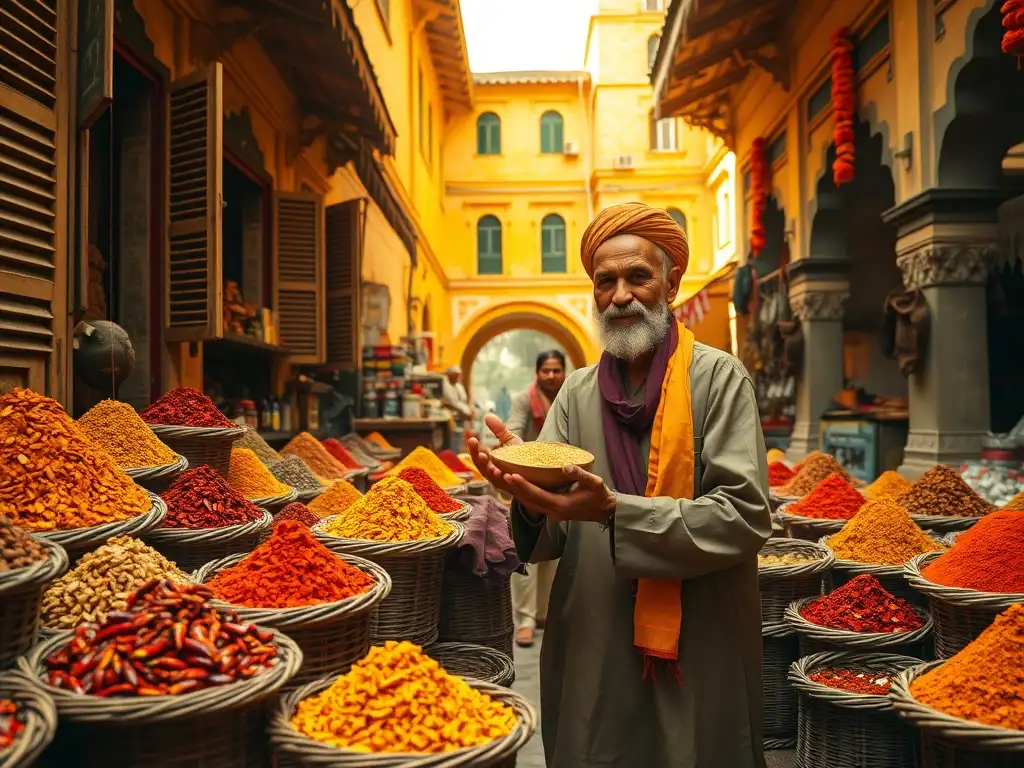
India's rich culinary heritage is deeply intertwined with its history, culture, and geography. The ancient trade routes, particularly the Spice Route, facilitated the exchange of not only spices but also culinary techniques that have shaped Indian cuisine over centuries. Here, we explore some of the top culinary heritage tours in India that offer a unique glimpse into this flavorful journey.
1. Rajasthan Culinary Tour: A Taste of Royalty
The Rajasthan Culinary Tour is a gastronomic adventure that immerses travelers in the royal flavors of this vibrant region. Known for its majestic palaces and rich heritage, Rajasthan also boasts a unique culinary tradition that reflects its history and the royal families that once ruled the land.
Highlights of the Rajasthan Culinary Experience
- Royal Recipes: Experience cooking classes that teach traditional Rajasthani dishes like Dal Baati Churma, Gatte ki Sabzi, and Laal Maas. These recipes have been passed down through generations and are integral to the region's culinary identity.
- Heritage Dining: Dine in heritage havelis and palaces, where meals are served in royal style. Some tours include sumptuous feasts featuring locally sourced ingredients and spices, providing a true taste of Rajasthani royalty.
- Local Markets and Spice Tours: Visit bustling local markets where spices, grains, and handicrafts are sold. Guided tours can introduce travelers to the art of selecting spices and understanding their significance in Rajasthani cuisine.
- Cultural Experiences: Engage in cultural activities such as folk music performances and traditional dance, which complement the culinary experience by showcasing the rich tapestry of Rajasthani culture.
Recommended Tour Operators: Rajasthan Tours and Culinary Adventures India
Several tour operators specialize in Rajasthan culinary experiences, providing tailored itineraries that suit diverse interests and budgets. Rajasthan Tours and Culinary Adventures India are among the top choices, offering comprehensive packages that include:
- Culinary Workshops: Hands-on cooking sessions with local chefs.
- Guided Tours: Visits to historical sites paired with culinary explorations.
- Accommodation: Options range from luxury hotels to heritage havelis, ensuring a comfortable stay.
2. Kerala Spice Plantation Tour: Exploring Flavors
The Kerala Spice Plantation Tour offers an immersive experience into one of the world's most renowned spice-growing regions. Kerala's lush landscapes and favorable climate have made it a hub for spices like cardamom, pepper, and cinnamon, which play a significant role in Indian cuisine.
Discovering the Spice Plantations of Kerala
- Plantation Visits: Explore sprawling spice plantations where visitors can learn about the cultivation and harvesting of spices. Guided tours often include tastings and cooking demonstrations, showcasing how spices are integral to Kerala's culinary heritage.
- Traditional Cooking Classes: Participate in cooking classes that focus on Kerala's famous dishes, such as Sadhya (a traditional feast), Kerala-style fish curry, and appams. These classes highlight the use of local spices and ingredients, providing insight into the region's flavors.
- Nature and Ayurveda: Many tours also incorporate elements of Kerala's natural beauty and Ayurvedic practices, emphasizing the holistic approach to health and wellness that is prevalent in the region.
Tour Packages: Kerala Spice Trails and Backwater Culinary Experience
Several tour operators offer comprehensive packages that combine culinary experiences with the natural beauty of Kerala. Notable options include:
- Kerala Spice Trails: Focused on spice plantation visits, traditional meals, and cooking classes.
- Backwater Culinary Experience: Combines a houseboat cruise through Kerala's backwaters with culinary workshops, allowing travelers to enjoy the serene landscape while learning about local cuisine.
These tours not only provide a deep dive into Kerala's culinary heritage but also allow travelers to appreciate the region's stunning landscapes, making for an unforgettable experience.
3. Punjab Food Trail: Authentic Flavors of the North
Punjab, the land of five rivers, is renowned for its rich culinary heritage that reflects its vibrant culture and hospitality. The Punjab food trail offers a unique opportunity to explore traditional recipes that have been passed down through generations. The cuisine is characterized by its bold flavors, generous use of spices, and emphasis on fresh ingredients. The warmth of Punjabi hospitality is evident in its food, making every meal a celebration of life.
Walking through the bustling markets and quaint villages of Punjab, visitors will encounter a variety of dishes that are not only delicious but also tell a story of the region's history and agricultural bounty. The food trail often includes visits to local farms, where travelers can learn about the ingredients that make Punjabi cuisine so distinctive, such as mustard greens, lentils, and dairy products.
Key Dishes to Experience in Punjab
- Butter Chicken: This iconic dish, known for its creamy tomato-based sauce, is a staple in Punjabi households and has gained international fame.
- Sarson da Saag and Makki di Roti: A traditional winter dish made with mustard greens and served with corn flatbread, offering a taste of rural Punjab.
- Chole Bhature: A delicious combination of spicy chickpeas and fluffy fried bread that is a favorite for breakfast or lunch.
- Lassi: This refreshing yogurt-based drink is often flavored with fruits or spices, making it a perfect accompaniment to spicy meals.
- Paneer Tikka: Marinated paneer grilled to perfection, showcasing the region's affinity for dairy products.
These dishes are just a glimpse into the rich culinary tapestry of Punjab, each offering unique flavors and ingredients.
Best Culinary Tours: Punjab Culinary Journey and Taste of Punjab
- Punjab Culinary Journey: This tour immerses travelers in the heart of Punjabi cuisine, allowing them to participate in cooking classes, visit traditional markets, and enjoy meals prepared by local families. Participants can learn to make dishes like butter chicken and sarson da saag, gaining hands-on experience with authentic recipes.
- Taste of Punjab: This tour focuses on street food and local delicacies, guiding visitors through the vibrant food scene of cities like Amritsar and Ludhiana. From sampling the famous Amritsari kulcha to enjoying sweet treats like jalebi, this tour offers a true taste of Punjab’s culinary delights.
4. Mumbai Street Food Tour: A Culinary Adventure
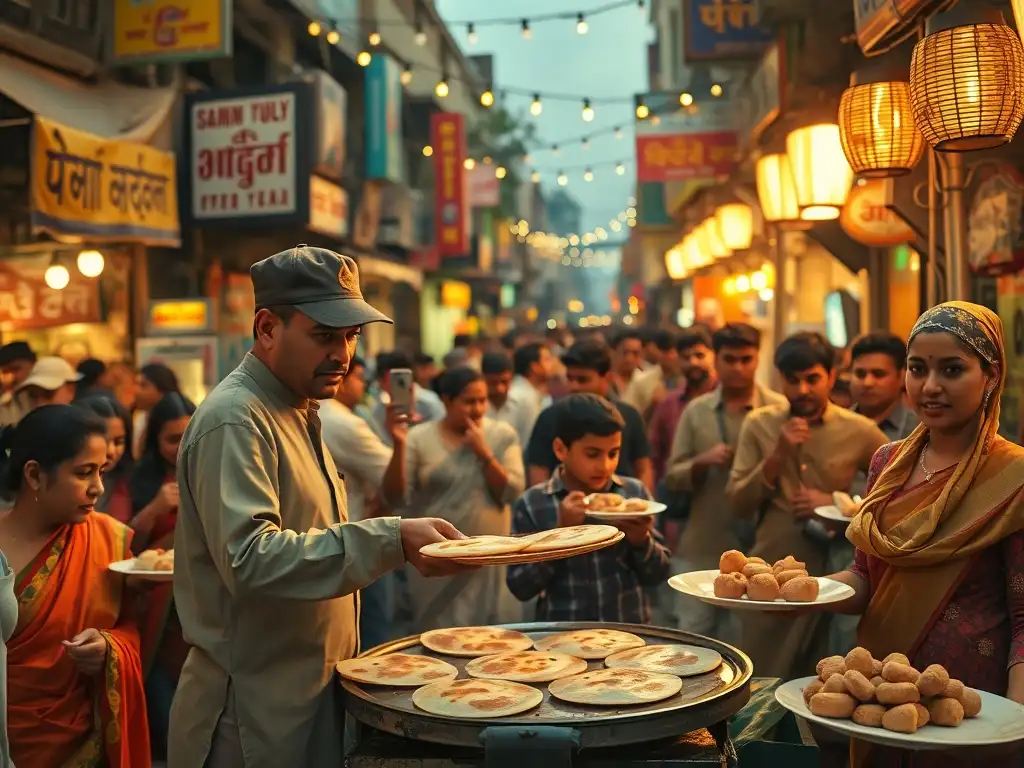
Mumbai, a bustling metropolis, is famous for its diverse and flavorful street food that reflects the city's multicultural heritage. The Mumbai street food tour is a culinary adventure that invites food lovers to explore the myriad flavors and aromas that fill the streets. Vendors and food stalls line the bustling thoroughfares, serving up quick bites that are as delicious as they are affordable. The vibrant energy of the city adds to the experience, making each bite a memorable one.
This tour not only highlights the food but also delves into the history and culture behind each dish, providing insights into how Mumbai's culinary scene evolved. From savory snacks to sweet indulgences, the street food of Mumbai offers an array of flavors that cater to all palates.
Popular Street Foods of Mumbai and Their Origins
- Pani Puri: A popular snack made of hollow puris filled with spicy tamarind water and chickpeas, believed to have originated from the Maghadi region.
- Vada Pav: Often referred to as Mumbai’s burger, it consists of a spicy potato filling sandwiched between bread, a creation that symbolizes the city’s fast-paced lifestyle.
- Bhel Puri: A tangy and crunchy mixture of puffed rice, vegetables, and tamarind chutney, originating from the beaches of Mumbai.
- Pav Bhaji: A spiced vegetable mash served with buttered bread, this dish has roots in the working-class neighborhoods of Mumbai.
- Kebabs: Reflecting the city's Mughal influence, various types of kebabs can be found, showcasing rich flavors and grilling techniques.
These street foods not only tantalize the taste buds but also tell the story of Mumbai's diverse community and culinary evolution.
Tour Recommendations: Mumbai Street Food Experience and Flavors of Mumbai
- Mumbai Street Food Experience: This tour takes participants through iconic street food hotspots like Juhu Beach and Chowpatty, sampling a variety of dishes while learning about their origins. Guides often share personal anecdotes and tips on how to navigate the vibrant street food scene.
- Flavors of Mumbai: A comprehensive culinary journey through the city's neighborhoods, this tour includes visits to hidden gems and popular eateries. Participants can enjoy cooking demonstrations, taste local specialties, and even participate in a food challenge, making it a fun and immersive experience.
These tours not only satisfy hunger but also provide a deep understanding of Mumbai’s culinary landscape, making them a must for any food enthusiast.
5. South Indian Cuisine Tour: A Journey Through Traditions
South Indian cuisine is a vibrant mosaic of flavors, textures, and aromas, deeply rooted in the region's cultural and historical context. A culinary tour through South India offers travelers an opportunity to experience the rich traditions that shape its food landscape. From the coastal delicacies of Kerala to the tangy dishes of Tamil Nadu, this journey reveals the intricate connections between the land, its people, and their culinary practices.
The diversity in South Indian culinary traditions is astonishing, with each state showcasing its unique heritage through local ingredients and cooking styles. The use of rice, lentils, coconut, and a variety of spices forms the backbone of many dishes, while the emphasis on vegetarianism in many communities reflects the region's cultural practices.
Exploring Unique Ingredients and Cooking Techniques
The foundation of South Indian cuisine lies in its unique ingredients and cooking techniques that have been passed down through generations.
- Staple Ingredients: Rice is the primary staple, often accompanied by a variety of lentils (like toor dal or urad dal), coconut, and a plethora of vegetables. Spices such as mustard seeds, curry leaves, and dried red chilies are essential, adding depth and flavor to dishes.
- Cooking Methods: Traditional cooking methods include steaming, slow cooking, and tempering. For instance, dishes like idli and dosa are made using fermented rice and lentil batter, steamed or cooked on a griddle, showcasing the region's ingenuity in utilizing fermentation for flavor and texture.
- Regional Specialties: Each state has its signature dishes, such as the spicy sambar from Tamil Nadu, the tangy rasam from Karnataka, and the rich coconut curries from Kerala. These specialties often tell stories of the local culture and history, making them an integral part of the culinary experience.
Noteworthy Tours: South Indian Culinary Odyssey and Taste of South India
Several culinary tours offer immersive experiences into the rich tapestry of South Indian cuisine. Here are two noteworthy options:
- South Indian Culinary Odyssey:
- This tour takes participants through the heart of South India, exploring local markets, cooking classes, and traditional kitchens. Travelers learn to prepare authentic dishes under the guidance of local chefs, gaining insights into the cultural significance of each ingredient. Highlights include visits to spice plantations, tasting street food, and enjoying meals in traditional homes.
- Taste of South India:
- This tour focuses on the culinary diversity of the region, with stops in major cities like Chennai, Bangalore, and Kochi. Participants indulge in food tastings, attend workshops on traditional cooking techniques, and explore local food festivals. The itinerary often includes visits to historical sites, providing context to the culinary heritage experienced during the tour.
Both tours not only celebrate the flavors of South India but also promote sustainable tourism by supporting local economies and preserving culinary traditions. Through these experiences, travelers can connect with the rich cultural narratives that shape India’s culinary heritage, making for an unforgettable journey into the heart of South Indian cuisine.
Culinary Experiences: Cooking Classes and Workshops
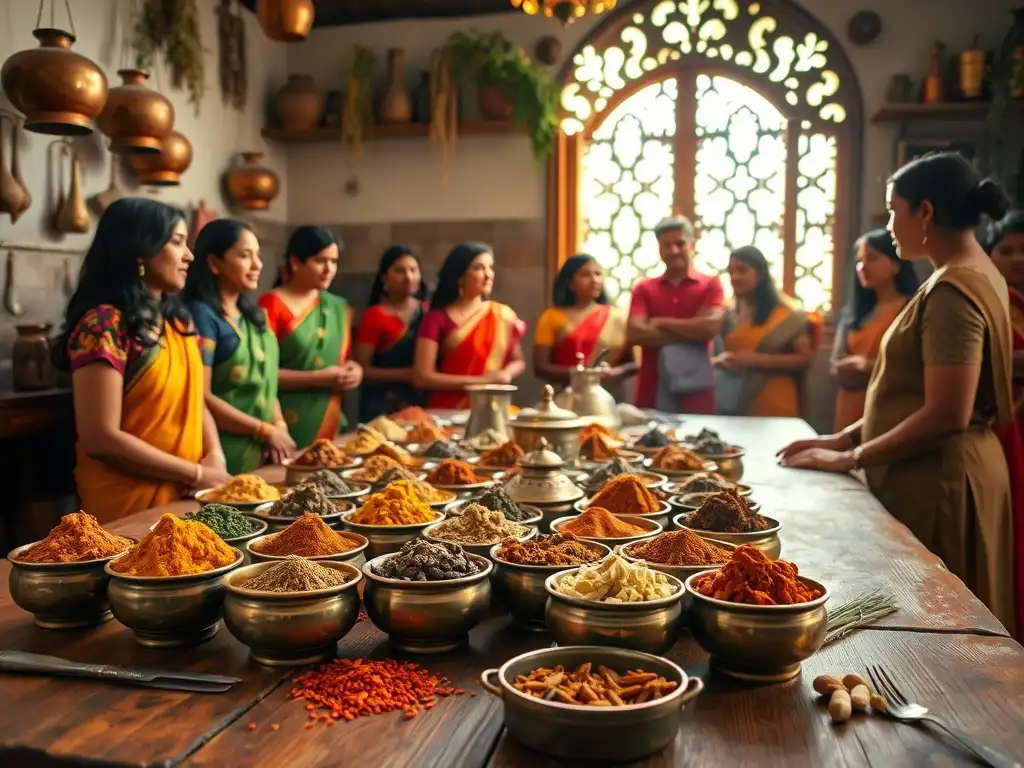
Culinary experiences in India offer travelers a unique opportunity to dive deep into the country's rich and diverse culinary heritage. Engaging in cooking classes and workshops not only allows participants to learn about traditional Indian cooking techniques but also provides insights into the cultural significance of various ingredients and dishes. These experiences are carefully crafted to cater to both novice cooks and seasoned chefs, making them an integral part of India culinary heritage tours.
Interactive Cooking Classes: Learn from the Experts
Interactive cooking classes in India are designed to create a hands-on experience where participants can learn directly from skilled chefs and local home cooks. These classes often take place in vibrant kitchens, filled with the aromas of spices and fresh ingredients, setting the stage for a memorable culinary journey.
Key Features of Interactive Cooking Classes:
- Personalized Instruction: Classes usually accommodate small groups, ensuring personalized attention and guidance from the instructors.
- Local Ingredients: Participants often use local produce, spices, and herbs, providing an authentic taste and understanding of regional cuisines.
- Cultural Insights: Beyond cooking, these classes often include discussions on the historical and cultural contexts of the dishes being prepared.
Best Cooking Class Providers: Saffron Palate and Cooking with Shireen
Two notable providers of cooking classes that exemplify the essence of India’s culinary heritage are Saffron Palate and Cooking with Shireen.
- Saffron Palate: This organization offers immersive cooking classes in various cities, focusing on traditional recipes that have been passed down through generations. Participants not only learn to cook but also explore the stories behind each dish, enhancing their appreciation for Indian cuisine.
- Cooking with Shireen: Known for her engaging teaching style, Shireen provides a range of classes that cover different Indian regions. Her workshops often include a market tour, where participants learn about selecting fresh ingredients, followed by a hands-on cooking experience.
Unique Culinary Workshops: Cultural Immersion Through Food
Unique culinary workshops in India provide a chance for travelers to immerse themselves in the local culture through food. These workshops often emphasize traditional cooking methods, regional specialties, and the significance of various culinary practices in Indian society.
Benefits of Culinary Workshops:
- Cultural Exchange: Participants interact with local chefs and communities, fostering a deeper understanding of India's diverse culinary landscape.
- Hands-On Experience: Workshops typically include preparing multiple dishes, enabling participants to gain a well-rounded understanding of the cuisine.
- Recipe Takeaways: Attendees receive detailed recipes to recreate their culinary experiences at home, allowing them to share their newfound knowledge with friends and family.
Examples of Workshops: Traditional Indian Cooking and Regional Flavors Workshop
Two exemplary workshops that stand out for their immersive experiences are:
- Traditional Indian Cooking: This workshop focuses on classic recipes from various Indian regions, teaching participants about the use of spices, cooking techniques, and the cultural significance of each dish. Participants might prepare dishes like Biryani, Dal Makhani, and Roti while learning about the stories behind them.
- Regional Flavors Workshop: This workshop dives into the specific culinary traditions of different Indian states, such as Punjabi, South Indian, or Bengali cuisines. Participants learn to prepare iconic dishes from each region, gaining insights into local ingredients and cooking styles.
Participating in cooking classes and workshops is an enriching way to experience India's culinary heritage. Not only do these experiences allow travelers to master traditional recipes, but they also foster a deeper appreciation for the cultural narratives that shape Indian cuisine.
Cultural Significance of Food in Indian Heritage
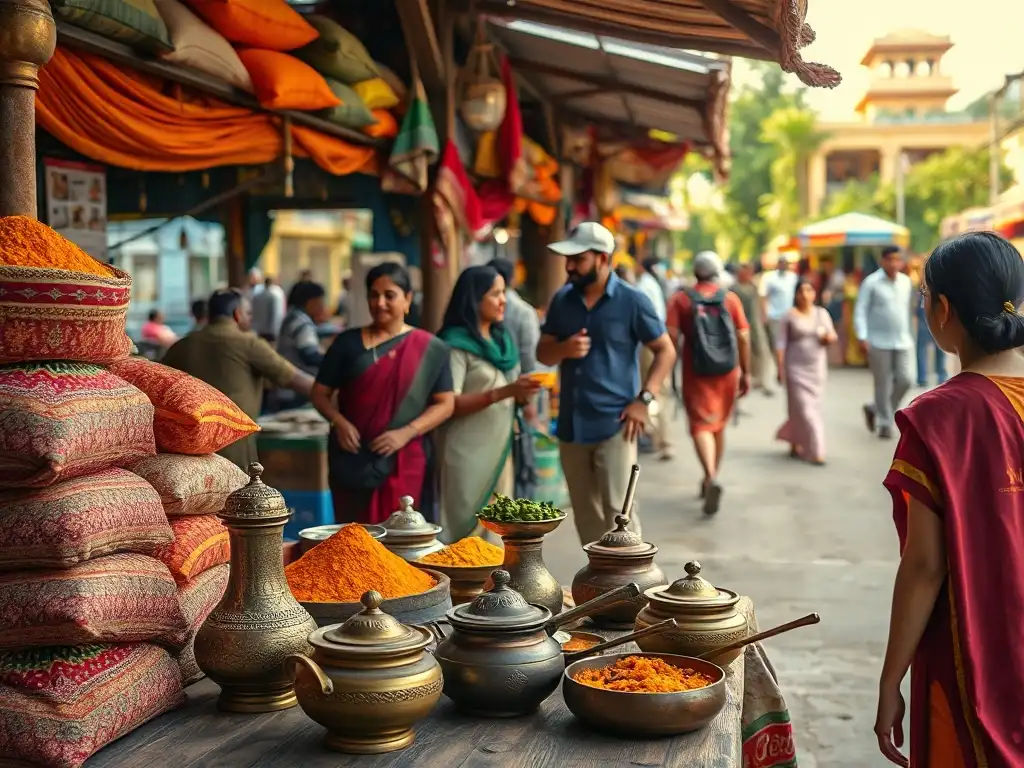
Food in India is not merely a means of sustenance; it embodies the country’s cultural diversity, traditions, and social values. Each region has its unique culinary practices that reflect its history, climate, and the influence of various civilizations. The interplay of flavors, ingredients, and cooking techniques tells a story that connects generations and signifies the importance of community and family.
Festivals and Their Culinary Traditions
Indian festivals are celebrated with much fervor and are often accompanied by specific culinary traditions that vary from region to region. These celebrations highlight the significance of food in social and religious contexts.
- Diwali: The festival of lights is celebrated with a feast that includes sweets like Gulab Jamun and Barfi, alongside savory snacks such as Samosas and Pakoras. Families prepare these dishes together, reinforcing bonds and creating a sense of community.
- Holi: Known as the festival of colors, Holi is marked by the preparation of Gujiya, a sweet dumpling filled with khoya and dry fruits. The playful nature of this festival is complemented by vibrant and colorful food, symbolizing joy and festivity.
- Eid: The festival of Eid al-Fitr features a culinary spread that includes Biryani and Sheer Khurma. These dishes embody the spirit of sharing and generosity, as families invite friends and neighbors to partake in the feast.
- Pongal: Celebrated in Tamil Nadu, Pongal is a harvest festival where the dish Pongal, made from rice and lentils, is cooked as an offering to the Sun God. This dish signifies gratitude and the abundance of harvest.
The culinary traditions associated with these festivals serve not only to satisfy hunger but also to strengthen communal ties, nurture family relationships, and celebrate cultural identity.
The Role of Food in Indian Hospitality: A Cultural Exploration
Food plays a pivotal role in Indian hospitality, reflecting the adage "Atithi Devo Bhava," meaning "The guest is God." This philosophy emphasizes the importance of treating guests with utmost respect and generosity, often through elaborate meals.
- Traditional Meals: When guests arrive, it is customary to serve a full-course meal that showcases regional specialties. For instance, a traditional Rajasthani meal may include Dal Baati Churma, while a South Indian meal might feature Sambar and Rasam. Each dish is prepared with care and attention to detail, embodying the essence of hospitality.
- Thali Culture: The concept of a Thali, a platter with various dishes, is a significant aspect of Indian dining. It allows guests to sample multiple flavors and textures, making the dining experience memorable. Each component of the Thali has its own significance and is usually prepared to highlight the region's culinary heritage.
- Ceremonial Feasts: Special occasions like weddings often feature grand feasts that include a plethora of dishes, showcasing the diversity of Indian cuisine. These feasts are meticulously planned and are a way to express love and respect for the guests.
- Food as a Connector: Sharing food is a universal language of connection in India. Whether it’s at a family gathering, a community event, or a simple meal shared with friends, food acts as a means of bringing people together, fostering relationships, and creating lasting memories.
The cultural significance of food in Indian heritage is profound and multifaceted. From festival celebrations to the art of hospitality, food acts as a bridge connecting individuals, families, and communities, making it an integral part of the country’s identity and cultural legacy.
Tips for Choosing the Right India Culinary Heritage Tour
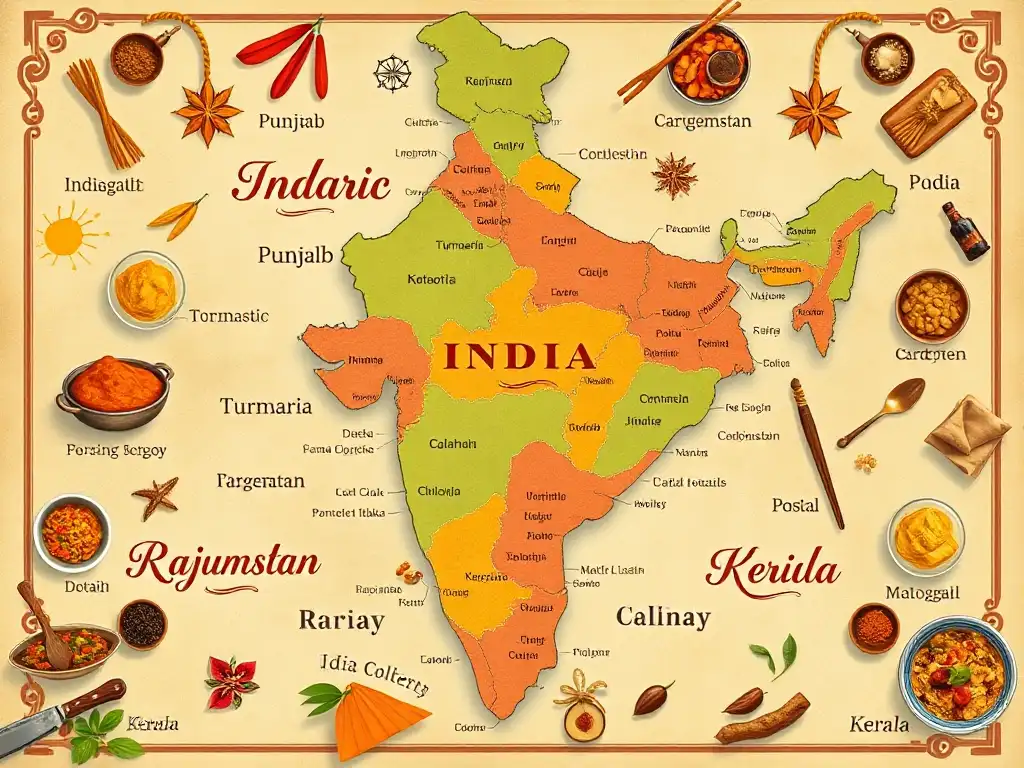
Embarking on an India culinary heritage tour offers a unique opportunity to explore the rich tapestry of flavors, traditions, and regional cuisines that define this vibrant country. However, with so many options available, choosing the right tour can be daunting. Here are some essential tips to guide your selection process.
Factors to Consider When Selecting a Culinary Tour
When selecting an India culinary heritage tour, several factors play a crucial role in ensuring that you have a fulfilling experience. Here are some key considerations:
- Tour Focus:
- Determine whether you prefer a specific regional cuisine (e.g., Punjabi, South Indian, Bengali).
- Look for tours that emphasize hands-on cooking classes or market visits for a more immersive experience.
- Group Size:
- Smaller groups often allow for more personalized attention and interaction with local chefs and hosts.
- Consider private tours if you seek a more tailored experience.
- Duration and Itinerary:
- Evaluate how long the tour lasts and what experiences are included.
- Look for itineraries that balance culinary activities with cultural explorations, such as visits to historical sites.
- Local Guides and Chefs:
- Research the qualifications and backgrounds of the tour guides and chefs. Knowledgeable locals can provide invaluable insights into the culinary traditions of their region.
- Reviews and Recommendations:
- Check online reviews and testimonials from previous travelers to gauge the quality and authenticity of the tour.
- Seek recommendations from culinary blogs or social media groups focused on Indian cuisine.
Budgeting for Your Culinary Experience in India
Budgeting is an essential aspect of planning your culinary journey through India. Here are some tips to help you manage your financial expectations:
- Tour Costs:
- Standard Tours: Prices can vary widely based on inclusions, ranging from $100 to $1,000 per person for multi-day experiences.
- Luxury Tours: Upscale options may offer gourmet dining, exclusive chef experiences, and luxury accommodations, potentially exceeding $2,000.
- Additional Expenses:
- Meals: While many tours include meals, factor in additional dining experiences outside the itinerary.
- Transportation: Consider costs for local transportation, airport transfers, and any additional excursions.
- Tips and Gratuities: It is customary to tip guides and drivers, so budget accordingly.
- Value for Money:
- Assess what is included in the tour package, such as accommodation, cooking classes, and cultural visits, to ensure you receive good value for your investment.
By thoughtfully considering these factors and budgeting wisely, you can select an India culinary heritage tour that aligns with your interests and provides an unforgettable culinary journey through India's diverse cultural landscape.
Conclusion: Embracing India’s Culinary Heritage Through Tours
India’s culinary heritage is a tapestry woven from centuries of history, culture, and tradition. The spice route, a historical network of trade routes that facilitated the exchange of spices, not only shaped global cuisine but also enriched Indian culinary practices. Engaging in India culinary heritage tours allows travelers to delve deep into this rich legacy, exploring regional flavors, cooking techniques, and the stories behind iconic dishes.
By participating in these tours, visitors can experience firsthand the diverse culinary landscape of India, from the aromatic spices of the South to the robust flavors of the North. Each dish and ingredient tells a story, reflecting the history and culture of the region it hails from. Moreover, culinary tours often include interactions with local chefs and home cooks, providing an intimate look at traditional cooking methods and rituals.
The Lasting Impact of Culinary Tours on Understanding Indian Culture
Culinary tours have a profound impact on understanding and appreciating Indian culture in several ways:
- Cultural Exchange: These tours serve as a bridge for cultural exchange, allowing travelers to connect with local communities and understand their culinary practices and lifestyles. Engaging with local families during cooking classes or market visits fosters a sense of connection and respect for the traditions that shape Indian cuisine.
- Historical Context: Many culinary heritage tours incorporate historical narratives that explain the origins of particular dishes, the significance of spices, and the evolution of cooking styles over centuries. This context enriches the travel experience, enabling participants to appreciate how historical events influenced culinary practices.
- Support for Local Economies: Culinary tours often emphasize local ingredients and traditional recipes, which helps sustain local farmers and artisans. By participating in these tours, travelers contribute to the preservation of culinary traditions and support the communities that keep them alive.
- Promoting Sustainable Practices: Many tours focus on sustainable farming and cooking practices, educating participants on the importance of environmental stewardship in the culinary world. This awareness fosters a deeper appreciation for the resources that contribute to culinary heritage.
- Culinary Skills Development: Participants not only taste authentic dishes but also learn to prepare them, gaining skills that they can take home. This hands-on experience creates lasting memories and a personal connection to the food, enriching their understanding of Indian culinary artistry.
Call to Action: Book Your Culinary Heritage Tour Today!
Are you ready to embark on a flavorful journey through India’s culinary landscape? Don’t miss the opportunity to experience the profound essence of India culinary heritage tours. Whether you’re a food enthusiast, a history buff, or simply looking to explore new cultures, these tours promise an unforgettable experience.
- Explore Regional Flavors: Discover the unique spices and cooking techniques that define different regions.
- Engage with Local Communities: Meet passionate chefs and local families who share their culinary secrets.
- Learn and Taste: Participate in cooking classes and savor authentic dishes that tell the story of India’s rich heritage.
Ready to start your adventure?
Book your culinary heritage tour today and immerse yourself in the vibrant tapestry of India’s food culture! Experience the spices, stories, and traditions that make Indian cuisine a world-renowned treasure.
Frequently Asked Questions
What are India culinary heritage tours?
India culinary heritage tours are specialized travel experiences that focus on exploring the rich culinary traditions of India, showcasing local ingredients, cooking techniques, and cultural significance.
How do these tours contribute to understanding India’s culture?
These tours provide insight into the diverse cultures and historical influences that shape Indian cuisine, allowing travelers to appreciate the interconnectedness of food and culture throughout ancient and modern times.
What regions in India are best for culinary heritage tours?
Regions like Punjab, Rajasthan, and Kerala are renowned for their unique culinary practices and historic recipes, making them ideal destinations for those interested in culinary heritage.
Can these tours include cooking classes?
Yes, many India culinary heritage tours offer hands-on cooking classes, allowing participants to learn traditional recipes and techniques directly from local chefs and families, enhancing their culinary skills.
What is the significance of the Spice Route in these tours?
The Spice Route highlights the historical trade of spices that shaped India’s culinary landscape, influencing both domestic cuisine and global culinary practices, making it a key theme in many culinary heritage tours.
Final Reflection: Embracing the Essence of India’s Culinary Heritage
The exploration of India’s culinary heritage through dedicated tours is not just a journey through flavors; it is a profound connection to the culture, history, and traditions that shape this vibrant nation. In today’s fast-paced world, where globalization often overshadows local customs, these culinary tours serve as a vital reminder of the richness and diversity that India has to offer. They invite us to savor not just the food, but the stories and legacies behind each dish, making every bite a celebration of heritage.
Culinary heritage is a living testament to the evolution of a society, reflecting its values, struggles, and triumphs. The impact of these tours extends beyond mere gastronomy; they foster an appreciation for the artisans, farmers, and chefs who dedicate their lives to preserving these age-old practices. As noted by culinary historian Pritha Sen, > “Food is the most intimate expression of culture, and through it, we can understand the soul of a nation.” This ongoing dialogue between past and present enriches our understanding of identity and community, making these experiences invaluable in our increasingly homogenized world.
As you reflect on the insights gained from exploring India’s culinary heritage, consider how you can incorporate this appreciation into your own life. Challenge yourself to seek out local flavors, support traditional artisans, and share the stories behind the food you enjoy. By doing so, you not only honor the rich tapestry of culinary traditions but also contribute to their preservation for future generations. Let each meal be an opportunity to connect with the past, celebrate the present, and inspire a future where cultural heritage is cherished and celebrated.
Embark on a Flavorful Journey Today!
Thank you for taking the time to explore the vibrant tapestry of India’s culinary heritage through the Spice Route. We hope you feel inspired to delve deeper into this rich history and discover the remarkable flavors that have shaped Indian cuisine.
Now, it's time to bring that inspiration to life! Here are a few ways you can connect with this culinary adventure:
- Join a local cooking class to learn authentic Indian recipes and techniques from expert chefs.
- Plan your culinary journey to savor the diverse flavors of India’s regions—each bite tells a story!
- Share your culinary experiences on social media with friends and fellow food enthusiasts to spark interest and discussions.
What dish or spice from your exploration are you most excited to try in your own kitchen?