
The Ritual of Cooking in Ancient India: Recipes and Their Cultural Significance

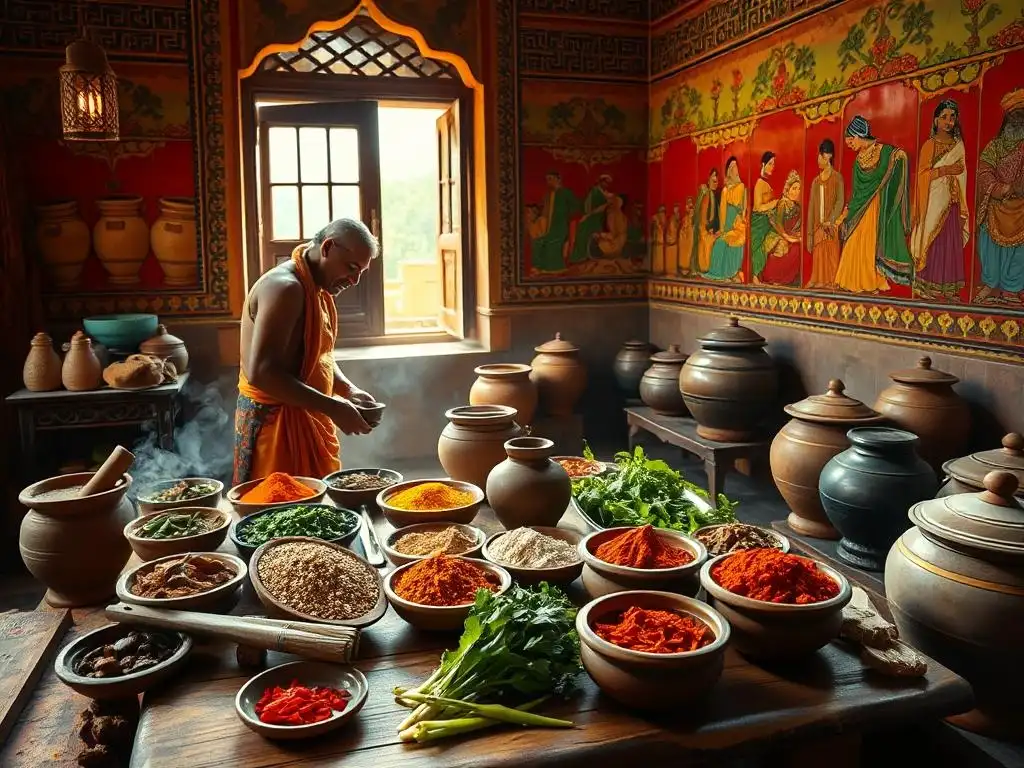
Welcome to Ancient India History, where we embark on a fascinating journey through the vibrant tapestry of India's past! Here, we delve into the intricate world of ancient Indian cooking rituals, uncovering not just the recipes but the deep cultural significance that accompanied them. From the sacred practices of the Indus Valley to the culinary traditions of the Gupta Empire, each dish tells a story steeped in history and heritage. Are you ready to explore how these rituals shaped the very essence of Indian cuisine? Dive in and discover the flavors and traditions that have endured through the ages!
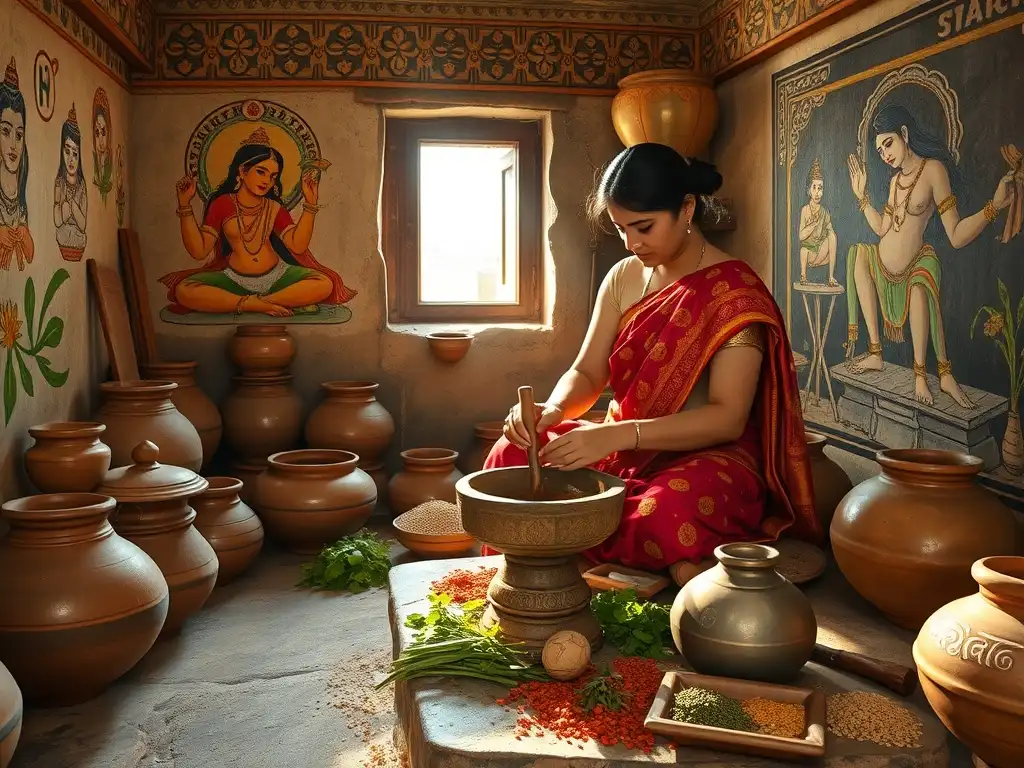
Ancient Indian cooking rituals are a fascinating exploration into the vibrant tapestry of cultural practices that have defined the subcontinent's culinary heritage. From the meticulously prepared meals of the Indus Valley Civilization to the elaborate feasts of the Gupta Empire, cooking has always been more than mere sustenance; it is a profound reflection of social, spiritual, and cultural values.
This article delves into the rich traditions surrounding ancient Indian cooking rituals, examining how recipes were not only methods of food preparation but also integral to various ceremonies, festivals, and daily life. By understanding these rituals, we gain insight into the profound significance of food in ancient Indian societies and how these practices continue to influence modern Indian cuisine.
Understanding Ancient Indian Cooking Rituals
Ancient Indian cooking rituals were deeply intertwined with the spiritual and social fabric of society. These rituals often involved elaborate processes that transcended mere cooking, incorporating elements of worship, community bonding, and the transmission of cultural values.
The Role of Food in Ancient Indian Cultures
Food in ancient India was viewed as a sacred element, essential for both physical nourishment and spiritual fulfillment. Meals were often prepared with great care and offered to deities as part of religious ceremonies. The concept of 'Prasad', food that has been blessed, highlights the reverence associated with cooking and eating. It signifies the belief that sharing food fosters community and strengthens interpersonal bonds.
Overview of Ancient Indian Cooking Practices
Cooking practices varied significantly across different regions of ancient India, influenced by local ingredients, climate, and cultural traditions. Common methods included roasting, boiling, and steaming, with a focus on preserving the nutritional qualities of ingredients. Techniques such as 'dum' (slow cooking with steam) and 'tandoor' (clay oven cooking) exemplify the diversity and sophistication of ancient culinary methods.
Significance of Rituals in Culinary Traditions
Rituals played a crucial role in the culinary tradition of ancient India. They were often connected to specific festivals, life events, and seasonal changes. For instance, the preparation of 'Pongal' during the harvest festival is not only about the dish itself but also a celebration of abundance and gratitude. These rituals were a way to connect with the divine, commemorate life events, and foster a sense of belonging within communities.
Ingredients and Their Symbolic Meanings in Ancient Indian Cooking
The ingredients used in ancient Indian cooking were often rich in symbolism, representing various aspects of life, spirituality, and health.
Common Ingredients Used in Ancient Indian Recipes
Common ingredients like rice, lentils, and various grains formed the backbone of ancient Indian diets. Each ingredient held specific significance; for example, rice is often associated with prosperity and fertility. Additionally, food items such as ghee (clarified butter) and jaggery (unrefined sugar) not only contributed flavor but also symbolized purity and sweetness in life.
Herbs and Spices: Their Cultural Importance and Uses
Herbs and spices were not merely for flavor enhancement; they were integral to health and medicinal practices. Ingredients like turmeric and cumin were prized not only for their culinary uses but also for their healing properties. The significance of spices is highlighted in ancient texts, where they are often linked to rituals aimed at purification and protection.
The Role of Seasonal Ingredients in Cooking Rituals
Seasonal ingredients were essential in ancient Indian cooking, reflecting the agricultural cycles and the connection to nature. The use of fresh vegetables and fruits during specific festivals showcased the relationship between food and the changing seasons. For example, mangoes were celebrated during summer festivals, while pumpkins and squash were associated with autumn harvests. This seasonal approach to ingredients reinforced the idea of balance and harmony with the environment.
By exploring these facets of ancient Indian cooking rituals, we not only celebrate a rich culinary heritage but also recognize the enduring cultural significance that continues to resonate in contemporary Indian cuisine.
Traditional Cooking Methods in Ancient India
The culinary landscape of ancient India was shaped by a rich tapestry of traditional cooking methods that not only defined the taste but also the cultural ethos of the time. Among the most prominent techniques were:
- Fire Cooking: The use of open flames and clay ovens (tandoors) was prevalent, allowing for a variety of roasting and baking techniques. This method was instrumental in preparing dishes that required slow cooking, enhancing flavors and textures.
- Steaming: Steaming was a common practice, particularly in southern India, where dishes like idli and dhokla were created. This method preserved nutrients and offered a healthier alternative to frying.
- Grain Grinding: The grinding of grains using stone mortars and pestles was essential not just for flour but also for creating spice blends that formed the backbone of ancient Indian flavor profiles.
These methods were not merely about cooking; they were imbued with ritual significance, often accompanied by prayers and offerings to deities, reflecting the intersection of culinary art and spirituality in ancient Indian culture.
Cooking Techniques Used in Ancient Indian Cuisine
Ancient Indian cuisine featured a plethora of cooking techniques that varied across regions and communities. Some noteworthy methods included:
- Tempering (Tadka): This involved frying spices in hot oil or ghee to release their essential oils and flavors before adding them to a dish. It was a crucial step in many recipes, enhancing the overall aroma and taste.
- Boiling and Simmering: Common for preparing lentils, vegetables, and grains, this technique allowed for the melding of flavors and textures, resulting in dishes that were both hearty and wholesome.
- Fermentation: Techniques such as fermenting rice and lentils to make dosa and idli not only added unique flavors but also improved digestibility, showcasing the ancient understanding of nutrition.
Each of these techniques contributed to a diverse culinary repertoire that was celebrated in festivals, daily meals, and special occasions, highlighting the importance of cooking in communal and family bonding.
Ritualistic Cooking: The Importance of Techniques in Festivities
In ancient India, cooking was often a ritualistic affair, especially during festivals and religious ceremonies. The techniques employed in these contexts were laden with significance:
- Purity and Cleanliness: Rituals emphasized the importance of purity in cooking, where specific techniques were adopted to ensure cleanliness, such as using earthen pots and fresh ingredients.
- Offerings to Deities: Certain cooking methods were reserved for preparing offerings (prasad) for gods, underscoring the belief that food prepared with devotion and care would be accepted by divine entities.
- Community Involvement: Cooking was a communal activity during festivals, where families and communities came together to prepare traditional dishes, reinforcing social bonds and cultural identity.
These aspects underscore how ancient Indian cooking rituals were not just about sustenance but were deeply connected to spirituality, community, and tradition.
Iconic Ancient Indian Recipes and Their Cultural Significance
Ancient Indian recipes often carried profound cultural significance, with each dish telling a story of tradition, beliefs, and community. Here, we explore three iconic recipes that have stood the test of time.
Recipe 1: Khichdi - The Comfort Food of Ancient India
Khichdi is often regarded as the quintessential comfort food of ancient India. Made from a combination of rice and lentils, it is a dish that signifies simplicity and nourishment. Traditionally prepared during times of illness, it embodies the essence of wellness and care.
- Cultural Significance: In many households, khichdi is considered a staple during festivals like Makar Sankranti, symbolizing abundance and prosperity. It is often served as prasad during religious ceremonies, highlighting its spiritual connection.
Recipe 2: Puran Poli - A Festival Delight
Puran Poli, a sweet flatbread stuffed with a mixture of jaggery and split yellow gram, is a festive favorite particularly in Maharashtra. This dish is a testament to the celebratory spirit of ancient Indian festivals.
- Cultural Significance: It is traditionally prepared during festivals like Holi and Ganesh Chaturthi, representing joy, togetherness, and the celebration of life's blessings. The making of puran poli often involves family gatherings, reinforcing communal ties.
Recipe 3: Sweets and Offerings - The Symbol of Prosperity
Sweets, particularly those made from milk and jaggery, have held a sacred place in ancient Indian cooking. Dishes like laddoos, barfis, and halwas are not just indulgent treats but are also integral to religious offerings.
- Cultural Significance: These sweets symbolize prosperity and are often presented during auspicious occasions and ceremonies. Their preparation is viewed as a labor of love, reflecting devotion and gratitude, further enhancing their cultural importance.
These iconic recipes not only nourish the body but also serve as vessels of tradition, spirituality, and connection to ancient Indian culture. Each dish tells a story, weaving together the threads of history, belief, and community.
The Influence of Ancient Indian Cooking Rituals on Modern Cuisine
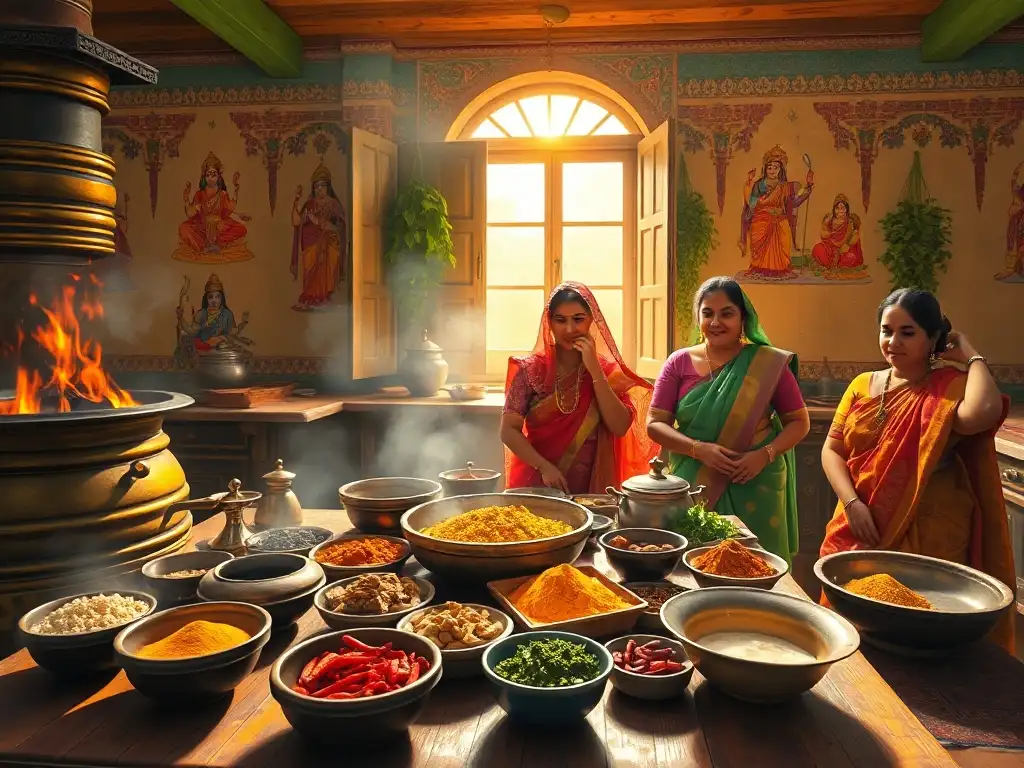
The culinary landscape of modern India is deeply rooted in the cooking rituals of ancient times. These age-old practices not only shaped the flavors and ingredients used in Indian cuisine but also influenced the methods of cooking that are prevalent today. Ancient Indian cooking rituals often incorporated elements of spirituality and community, emphasizing the importance of food in forging social bonds and cultural identities.
For instance, the practice of offering food to deities during religious rituals has led to a rich tradition of vegetarian dishes that are now staples in many Indian households. The use of spices, which was guided by ancient texts like the "Charaka Samhita," continues to play a pivotal role in defining the taste profiles of modern Indian dishes. Furthermore, the communal cooking practices seen in ancient kitchens, where families and communities would gather to prepare meals together, persist in various forms today, fostering a sense of togetherness in Indian dining experiences.
Evolution of Cooking Practices from Ancient to Modern India
The transition from ancient to modern cooking practices in India can be traced through several key developments. In ancient times, cooking was largely based on seasonal availability and regional ingredients, with an emphasis on health and wellness, as reflected in Ayurvedic principles. This approach laid the foundation for the diverse regional cuisines found in India today, each characterized by its unique ingredients and cooking techniques.
With the passage of time, the introduction of new ingredients via trade routes and invasions brought about significant changes. For instance, the arrival of tomatoes, potatoes, and chilies from the Americas in the 16th century transformed Indian cooking. Despite these changes, many ancient practices remain integral, such as the use of specific cooking methods like steaming or slow cooking, which are still prevalent in contemporary kitchens. The interplay of tradition and innovation continues to shape the evolution of Indian culinary practices, ensuring that the essence of ancient cooking rituals remains alive.
How Ancient Rituals Shape Contemporary Indian Culinary Tourism
Ancient cooking rituals have become a focal point in India’s culinary tourism, attracting food enthusiasts from around the globe. Tourists are increasingly seeking authentic experiences that allow them to connect with India's rich culinary heritage. Culinary tours often highlight traditional cooking methods, emphasizing the cultural significance of rituals such as the preparation of sacred meals or the communal aspect of cooking.
These experiences not only educate visitors about the historical context of Indian dishes but also promote the preservation of ancient cooking techniques. Culinary festivals and workshops that showcase traditional recipes are becoming popular, allowing participants to engage with the food culture of ancient India. This blend of culture, history, and gastronomy is vital in fostering a deeper appreciation for the diverse culinary landscape of India.
Preserving Culinary Heritage: Importance for Future Generations
The preservation of ancient Indian cooking rituals is crucial for sustaining the nation's rich culinary heritage. As globalization influences food practices and the rise of fast food trends poses a threat to traditional cooking, it is essential to ensure that these ancient practices are documented and passed down to future generations.
Educational initiatives, such as cooking classes that focus on ancient recipes and techniques, can play a significant role in this preservation effort. Additionally, community-based projects that involve local chefs and home cooks can help revive interest in traditional methods and ingredients, encouraging younger generations to embrace their culinary heritage. By safeguarding these practices, we not only honor the past but also enrich the future of Indian cuisine, ensuring that it remains a vibrant part of the cultural identity.
Tools and Utensils Used in Ancient Indian Cooking
The tools and utensils utilized in ancient Indian cooking were integral to the preparation of food and often had cultural significance as well. These implements varied by region, reflecting local resources and culinary traditions. Understanding these ancient tools provides valuable insight into the cooking practices of the time and their influence on modern methods.
Traditional Cooking Utensils: A Look at Historical Tools
Ancient Indian kitchens were equipped with a variety of tools that were crafted from locally available materials. Some of the most common utensils included:
- Chakla and Belan: The rolling board and rolling pin used for making flatbreads.
- Kadhai: A deep, circular pot used for frying and cooking a variety of dishes.
- Tawa: A flat skillet used for cooking bread and pancakes.
- Mortar and Pestle (Silbatta): Essential for grinding spices and herbs, showcasing the importance of fresh ingredients in cooking.
Each of these tools not only served a functional purpose but also symbolized the craftsmanship and culinary traditions of ancient India.
Importance of Earthenware and Metal Utensils in Rituals
Earthenware and metal utensils held significant ritualistic value in ancient Indian cooking. Earthen pots were often used for cooking and serving food during religious ceremonies, as they were believed to enhance the flavor and nutritional value of the food. Additionally, the porous nature of clay allows for even heat distribution, which is ideal for slow cooking.
Metal utensils, such as bronze and copper, were also prevalent, especially in royal kitchens. These materials were preferred for their durability and conductivity, making them suitable for various cooking techniques. The choice of utensils often reflected the social status of the household, with intricate designs and craftsmanship being a source of pride.
Essential Tools for Recreating Ancient Recipes at Home
To recreate traditional ancient Indian recipes at home, certain tools are essential. Here’s a list of must-have utensils for an authentic cooking experience:
- Heavy-bottomed Kadhai: Ideal for frying and slow cooking.
- Tawa: For making various types of bread, ensuring even cooking.
- Mortar and Pestle: For grinding spices to release their essential oils, enhancing flavors.
- Clay Pots: For slow-cooked dishes, imparting a unique flavor profile.
Utilizing these tools not only connects home cooks to ancient practices but also enhances the authenticity of the dishes prepared, allowing for a deeper appreciation of India's culinary heritage.
Incorporating Ancient Indian Cooking Rituals Today
Incorporating ancient Indian cooking rituals into modern culinary practices offers a unique way to reconnect with the rich heritage of Indian cuisine. Today, many chefs and home cooks are rediscovering the significance of these rituals, often blending them with contemporary techniques. For instance, cooking with traditional earthenware pots, or matkas, not only enhances the flavor of dishes but also honors the age-old practices that emphasize the use of natural materials.
Furthermore, the concept of puja or offering food to deities before consumption remains a profound aspect of many households. This ritual underscores gratitude and respect for nature and the ingredients used in cooking. By integrating these practices into daily cooking, individuals can foster a deeper appreciation for the food they consume, acknowledging the cultural narratives embedded in each dish.
To further embrace these ancient rituals, many families are beginning to explore meal preparation as a communal activity, reminiscent of festivals where cooking is a collective endeavor. This practice not only nurtures family bonds but also serves as a means of passing down culinary knowledge and traditions to younger generations.
How to Recreate Ancient Recipes at Home
Recreating ancient Indian recipes at home involves more than just following a set of instructions; it requires an understanding of the historical context and cultural significance behind each dish. To start, one can explore traditional cookbooks that focus on ancient Indian cuisine. These books often include recipes that date back centuries, utilizing ingredients that were commonly used in ancient kitchens, such as grains like jowar and bajra, and spices like asafoetida and turmeric.
Here’s a simple guide to help you recreate an ancient Indian recipe:
- Choose an Ancient Recipe: Begin with a dish that resonates with you, such as khichdi, which is a staple comfort food made from rice and lentils.
- Gather Authentic Ingredients: Seek out organic and locally sourced ingredients whenever possible to maintain the authenticity of the dish.
- Follow Traditional Cooking Techniques: Emphasize slow cooking methods, such as simmering over a wood fire, to replicate the flavors achieved in ancient times.
- Incorporate Rituals: Consider starting your cooking session with a brief moment of gratitude or a small puja to honor the food you are about to prepare.
By engaging with these steps, you can create a meal that not only nourishes the body but also connects you to the culinary traditions of ancient India.
Resources for Learning Ancient Recipes and Techniques
To delve deeper into the world of ancient Indian cooking, several resources can provide invaluable insights and guidance:
- Books: Look for titles on traditional Indian cuisine that focus on historical recipes, such as "The Indian Cooking Course" by Monisha Bharadwaj or "Culinary Traditions of India" by S. S. Khemani.
- Online Courses: Websites like Coursera and Udemy offer courses on Indian cooking which often cover ancient techniques and recipes.
- Documentaries and Cooking Shows: Many documentaries explore the history of Indian cuisine, showcasing ancient cooking practices and recipes, such as "The Spice Trail."
- Culinary Workshops: Participating in workshops led by chefs specializing in traditional Indian cooking can provide hands-on experience and a deeper understanding of the rituals involved.
By utilizing these resources, you can enhance your knowledge of ancient culinary practices and learn how to incorporate them into your cooking.
Conclusion: The Enduring Legacy of Ancient Indian Cooking Rituals
The enduring legacy of ancient Indian cooking rituals is a testament to the rich cultural tapestry of India. These rituals not only shaped the culinary landscape but also fostered a sense of community and identity among those who practiced them. The intricate preparation methods, the use of locally sourced ingredients, and the rituals associated with food preparation and consumption continue to influence modern Indian cooking.
Reflection on the Cultural Significance of Cooking in Ancient India
Cooking in ancient India transcended mere sustenance; it was a profound cultural act imbued with spirituality and social significance. Each meal prepared was often accompanied by rituals that honored the earth’s bounty and the divine, creating a deep connection between the cook, the food, and the community. This reflection on cultural significance highlights how food was not only a source of nourishment but also a medium of expressing love, respect, and social values.
The Importance of Preserving Culinary Traditions for Future Generations
As globalization continues to influence culinary trends, the importance of preserving ancient Indian cooking rituals cannot be overstated. These traditions are vital for maintaining cultural identity and fostering a sense of belonging. By teaching future generations about the significance of these rituals and the stories behind ancient recipes, we ensure that the rich heritage of Indian cuisine endures.
Efforts to document and share these culinary practices through community events, cooking classes, and online platforms can play a crucial role in keeping these traditions alive. As guardians of this culinary legacy, we bear the responsibility of ensuring that the wisdom of ancient Indian cooking rituals is not lost to time but rather celebrated and passed down to future generations.
- Understanding Ancient Indian Cooking Rituals
- Ingredients and Their Symbolic Meanings in Ancient Indian Cooking
- Traditional Cooking Methods in Ancient India
- Iconic Ancient Indian Recipes and Their Cultural Significance
- The Influence of Ancient Indian Cooking Rituals on Modern Cuisine
- Tools and Utensils Used in Ancient Indian Cooking
- Incorporating Ancient Indian Cooking Rituals Today
- Conclusion: The Enduring Legacy of Ancient Indian Cooking Rituals
- What were some common cooking rituals in ancient India?
- How did cooking rituals vary across different ancient Indian civilizations?
- What is the significance of recipes in ancient Indian cooking rituals?
- How did the Gupta Empire influence ancient Indian cooking?
- Are there any surviving ancient texts on cooking rituals?
Frequently Asked Questions
What were some common cooking rituals in ancient India?
Ancient Indian cooking rituals often involved ceremonial practices, prayers, and offerings to deities, highlighting the spiritual significance of food preparation.
How did cooking rituals vary across different ancient Indian civilizations?
Cooking rituals varied significantly, with each region incorporating local ingredients and cultural beliefs, reflecting the diversity of ancient Indian civilizations.
What is the significance of recipes in ancient Indian cooking rituals?
Recipes not only served as a guide for preparing meals but also carried cultural meanings and were often tied to festivals and religious ceremonies.
How did the Gupta Empire influence ancient Indian cooking?
The Gupta Empire saw the flourishing of culinary arts, with an emphasis on regional flavors and the integration of new ingredients, shaping the evolution of cooking rituals.
Are there any surviving ancient texts on cooking rituals?
Yes, texts like the Manasollasa and Sushruta Samhita provide insights into ancient Indian cooking rituals, detailing recipes, techniques, and their cultural contexts.
Final Reflection: The Enduring Legacy of Ancient Indian Cooking Rituals
The exploration of ancient Indian cooking rituals reveals a profound connection between food, culture, and spirituality that remains relevant today. In a world increasingly dominated by fast food and convenience, the rituals surrounding cooking in ancient India remind us of the significance of mindfulness and intention in our culinary practices. These traditions are not merely historical artifacts; they are vibrant threads woven into the fabric of contemporary life, urging us to reconnect with our roots and appreciate the deeper meanings behind the meals we prepare and share.
Cooking rituals from ancient India have shaped not only the culinary landscape but also the social and cultural dynamics of communities. The act of cooking was often imbued with spiritual significance, fostering a sense of unity and belonging among families and communities. As we navigate the complexities of modern life, these rituals offer a blueprint for cultivating connection and harmony. Food is symbolic of love when words are inadequate.
– Alan D. Wolfelt. This quote encapsulates the essence of cooking as a means of expressing care and fostering relationships, a sentiment that transcends time and culture.
As you reflect on the themes presented in this article, consider how you can incorporate the wisdom of ancient Indian cooking rituals into your own life. Embrace the act of cooking as a sacred ritual, a time to connect with yourself, your loved ones, and the ingredients that nourish you. Whether it's preparing a family recipe or experimenting with new flavors, let each meal be an opportunity to honor tradition, celebrate culture, and create lasting memories. In doing so, you not only enrich your own life but also contribute to the preservation of these invaluable practices for future generations.
Embrace the Culinary Legacy of Ancient India!
Thank you for diving into the rich world of ancient Indian cooking with us! You've explored not just recipes, but the profound cultural significance behind each dish. Now, it's time to actively connect with this culinary heritage.
Here are some ways you can celebrate and enrich your journey:
- Recreate a traditional recipe from our collection in your kitchen this week and share your experience with friends or family.
- Join a local cooking class that focuses on Indian cuisine to deepen your understanding and skills.
- Connect with online communities or social media groups dedicated to ancient Indian cooking to exchange ideas, recipes, and insights.
What dish will you try to bring a piece of ancient India into your home, and how do you think it reflects the rich cultural stories of the past?