
The Role of Art and Architecture in Conveying Mauryan Political Power

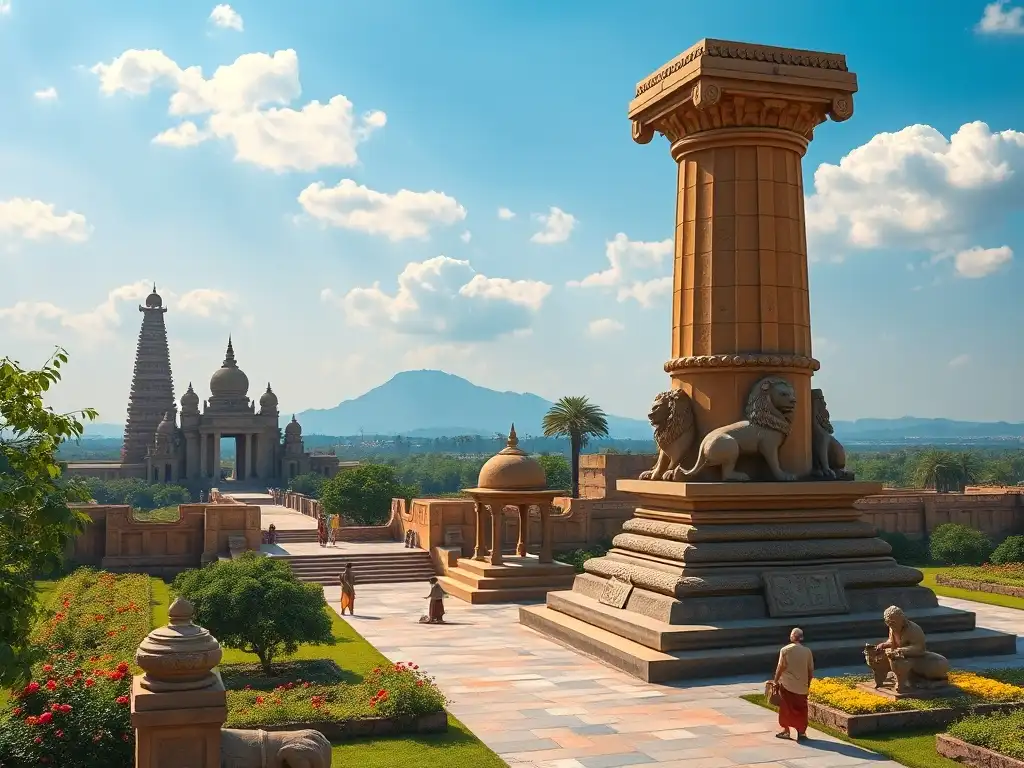
Welcome to Ancient India History, where we embark on a fascinating journey through the vibrant tapestry of ancient Indian civilizations. Dive deep into the Art and Architecture of the Mauryan Empire, a captivating exploration of how these creative expressions served as a powerful medium for conveying political might and cultural richness. What secrets do the enduring structures and intricate artworks reveal about the era's rulers and their ambitions? Join us as we unravel the layers of history, culture, and innovation that defined one of the most significant periods in Indian history. Your adventure into the past awaits!
Introduction to the Art and Architecture of Mauryan Empire
The Art and Architecture of the Mauryan Empire represent a pivotal chapter in the history of ancient India, reflecting the grandeur and sophistication of a civilization that thrived from the 4th to the 2nd century BCE. This period, marked by the reign of notable emperors such as Chandragupta Maurya and his grandson Ashoka, is distinguished not only by its political advancements but also by its remarkable contributions to art and architecture.
The structures and artistic expressions of this period serve as a testament to the Mauryan rulers' ambitions and ideologies, effectively communicating their political power and philosophical beliefs. Through an examination of the intricate designs of stupas, pillars, and sculptures, we gain insight into how these artistic endeavors were employed to legitimize authority, promote Buddhism, and unify a diverse empire.
The Political Power of the Mauryan Empire
Understanding the Mauryan Political Structure
The Mauryan Empire was characterized by a highly centralized political structure, which was crucial for maintaining control over its vast territories. At the helm was the emperor, who wielded significant power and was considered both a political and spiritual leader. The empire was divided into provinces, each governed by royal family members or trusted officials, ensuring that the emperor's influence extended throughout the realm. This centralized governance allowed for efficient administration and the implementation of policies that promoted economic growth and cultural development.
- Key Features of Mauryan Political Structure:
- Centralized power under the emperor.
- Provinces managed by appointed officials.
- Bureaucracy that facilitated communication and governance.
- Emphasis on law and order through the establishment of a formal legal system.
Key Figures in Mauryan Leadership and Their Influence on Art
The impact of prominent figures within the Mauryan leadership cannot be overstated when discussing the role of art and architecture in conveying political power. Ashoka, in particular, stands out as a transformative leader whose patronage of Buddhism led to the proliferation of artistic expressions that embodied his ideals of peace and moral governance. His edicts, inscribed on pillars and rocks throughout the empire, serve as a powerful reminder of his commitment to dharma (righteousness) and the welfare of his subjects.
- Influential Leaders and Their Contributions:
- Chandragupta Maurya: Established the foundation of the empire and commissioned the construction of significant structures.
- Ashoka the Great: Promoted Buddhism, leading to the creation of stupas like the Sanchi Stupa and the famous Ashoka Pillars.
- Other Notable Figures: Various governors and local rulers who contributed to regional art and architecture.
Through their leadership, the Mauryan emperors utilized art and architecture not merely as functional structures but as a means to project their authority and foster a shared identity among the diverse populations of their empire. The intricate carvings, grand stupas, and imposing pillars collectively narrate the story of a civilization that valued both political power and cultural expression.
Architectural Marvels of the Mauryan Empire
The Mauryan Empire, which thrived from 322 to 185 BCE, is renowned for its remarkable contributions to art and architecture, which were pivotal in conveying the political power and authority of the empire. This period is characterized by grand structures that not only served functional purposes but also symbolized the might and ideology of the Mauryan rulers. Architectural feats such as stupas, pillars, and palaces were meticulously crafted, reflecting both the aesthetic sensibilities and the political ambitions of the time.
Major Structures: Stupas, Pillars, and Palaces
The Mauryan Empire is distinguished by its monumental architecture, with stupas and pillars being among the most significant structures.
- Stupas: These dome-shaped structures served as reliquaries, housing sacred relics and serving as pilgrimage sites. The Great Stupa at Sanchi is a prime example, showcasing intricate carvings and a harmonious architectural style that illustrates the empire’s dedication to Buddhism and its teachings.
- Pillars: The Ashoka Pillars, crafted from sandstone, are another hallmark of Mauryan architecture. Each pillar is adorned with intricate carvings and inscriptions, often featuring edicts that communicate Ashoka’s policies and Buddhist principles. The pillars not only served as markers of important sites but also as tools for political propaganda.
- Palaces: The palatial architecture of the Mauryan Empire was equally impressive. The capital city of Pataliputra featured grand palaces that showcased the wealth and power of the Mauryan rulers. These structures were designed with elaborate gardens and intricate layouts, symbolizing the prosperity of the empire.
The Great Stupa at Sanchi: Symbol of Political Authority
The Great Stupa at Sanchi stands as one of the most significant monuments of the Mauryan Empire and a potent symbol of political authority. Commissioned by Emperor Ashoka in the 3rd century BCE, this stupa is an architectural marvel that encapsulates both religious and political significance.
- Architectural Features: The stupa's massive dome is surrounded by a circular path for circumambulation, while the four ornate gateways (toranas) depict various scenes from the life of Buddha. These gateways are adorned with intricate carvings that not only tell religious stories but also demonstrate the artistic prowess of the era.
- Political Significance: The construction of the Great Stupa was not merely a religious act but also a strategic political move. By promoting Buddhism and its values, Ashoka sought to unify his diverse empire under a common faith, thereby solidifying his rule. The stupa served as a center for pilgrimage, drawing followers and enhancing Ashoka's legitimacy as a ruler who cared for the spiritual welfare of his subjects.
Ashoka's Pillars: Architectural Innovations and Political Messaging
Ashoka's Pillars represent a significant advancement in Mauryan architecture and serve as powerful examples of political messaging. These pillars, often towering over 40 feet in height, are characterized by their polished finish and intricate carvings.
- Innovative Design: The pillars are notable for their unique cylindrical shape and the use of monolithic stones, showcasing advanced engineering techniques of the time. Each pillar features a capital, often adorned with animal motifs such as lions or elephants, which symbolize strength and power.
- Political Messaging: The inscriptions on the pillars convey Ashoka’s edicts, promoting moral governance and non-violence. These messages were strategically placed in various locations throughout the empire, serving as reminders of the emperor’s benevolence and commitment to the welfare of his people. The pillars not only marked significant sites but also acted as instruments of statecraft, reinforcing Ashoka's political ideologies.
Artistic Expression in Mauryan Era
The artistic expression during the Mauryan era is characterized by a distinct style that reflects the socio-political and religious dynamics of the time. Art and architecture flourished as mediums for conveying messages of power and authority, deeply intertwined with the empire's political narrative.
Sculpture and Relief Work: Depicting Power and Authority
Sculpture and relief work during the Mauryan period were integral in embodying the power and authority of the rulers.
- Sculptural Techniques: The artists employed advanced techniques to create lifelike representations, often depicting figures in dynamic poses. The use of polished stone and careful detailing emphasized the skill of Mauryan craftsmen.
- Themes of Authority: Many sculptures were commissioned to depict deities, royal figures, and significant historical events. For instance, the lion capital of the Ashoka Pillar symbolizes strength and sovereignty, while reliefs on stupas narrate the stories of Buddha's life, linking the divine to the emperor’s authority.
The Role of Symbolism in Mauryan Art
Symbolism played a crucial role in Mauryan art, serving as a vehicle for conveying complex ideas and values associated with power, religion, and culture.
- Iconography: Common symbols included the lotus, which represented purity and spiritual awakening, and the wheel (Dharmachakra), symbolizing the cycle of life and the importance of Dharma. These symbols were carefully integrated into architectural and artistic works to communicate the ideological stance of the rulers.
- Political Messaging: The use of symbolism also served as a subtle means of political messaging. By associating themselves with divine symbols, Mauryan emperors reinforced their authority and legitimacy, positioning themselves as both political leaders and spiritual guides.
Influence of Religion on Mauryan Artistic Styles
Religion significantly influenced the artistic styles of the Mauryan Empire, particularly Buddhism, which became a dominant force following Ashoka's conversion.
- Buddhist Themes: Artistic expressions during this period often revolved around Buddhist themes, with many sculptures and reliefs depicting scenes from the life of Buddha, Jataka tales, and various bodhisattvas. This focus on Buddhism not only reflected the spiritual beliefs of the time but also served to unify the empire under a shared religious narrative.
- Integration of Styles: The Mauryan era saw the amalgamation of various local styles and traditions, resulting in a unique artistic language that transcended regional boundaries. This integration helped to promote cultural exchange and fostered a cohesive identity across the diverse populations within the empire, reinforcing the political structure and stability of the Mauryan rule.
The Function of Art and Architecture in Political Propaganda
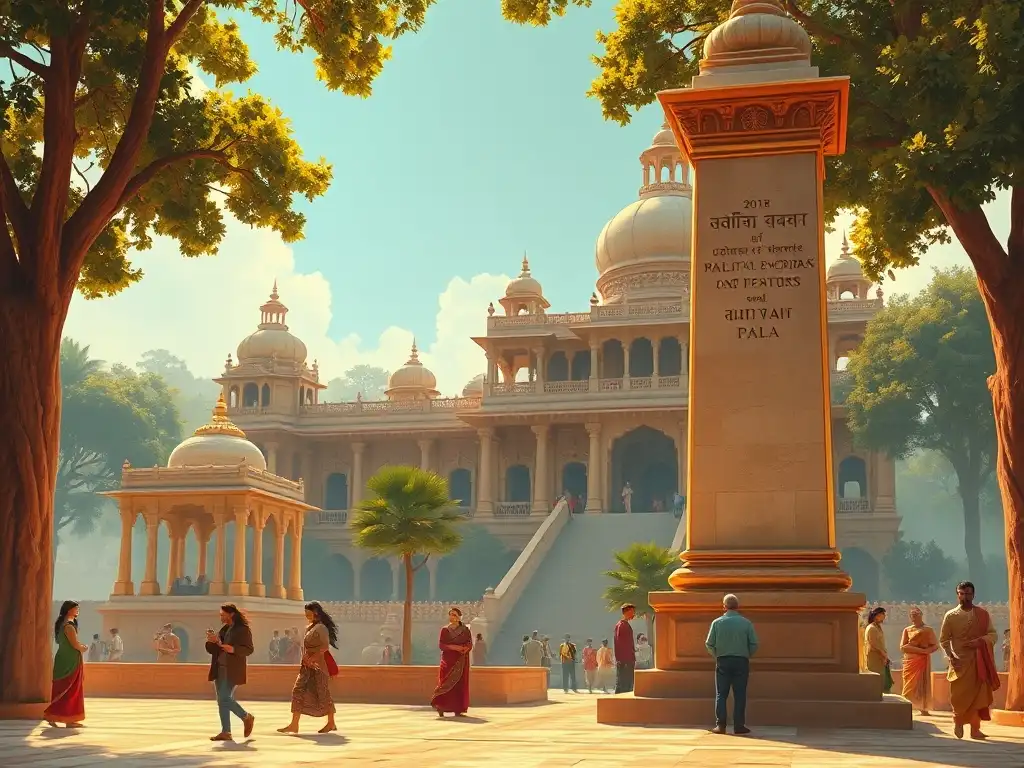
Art and architecture played a pivotal role in the political landscape of the Mauryan Empire, serving as essential tools for propaganda and the expression of political power. The Mauryan rulers understood that monumental structures and artistic representations could convey messages of authority, stability, and legitimacy to their subjects. Through carefully designed art and architecture, they crafted a visual narrative that reinforced their status and ideals.
The monumental scale of Mauryan architecture, such as stupas and palaces, was not merely for aesthetic purposes; it was a deliberate strategy to create awe and reverence among the populace. The grand designs of these structures communicated the might of the empire and the divine right of its rulers to govern. In addition, the use of public art, including sculptures and inscriptions, became a means to disseminate the rulers’ philosophies and achievements, thus aligning public perception with the state’s interests.
How Art Communicated Authority and Legitimacy
Art in the Mauryan Empire was intricately tied to the concepts of authority and legitimacy. Rulers like Ashoka utilized motifs and symbols that were rich in meaning, often drawing from religious iconography, to communicate their divine connection and rightful claim to the throne. For instance, the use of lions, which symbolize power and protection, was prevalent in sculptures and emblems associated with the royal family.
The portrayal of the ruler in art was also significant. Statues and reliefs depicted rulers in a manner that emphasized their strength, wisdom, and benevolence. This artistic representation not only served to elevate the ruler’s status but also created a visual connection between the ruler and the ideals of dharma, or moral order, which was central to Mauryan governance. By embedding these ideals into public art, the Mauryan leaders effectively reinforced their legitimacy in the eyes of the people.
Architectural Projects as Tools for Political Unity
The Mauryan Empire undertook extensive architectural projects that were instrumental in fostering political unity across its vast territories. One notable example is the construction of the grand Ashoka Pillars, which were strategically placed throughout the empire. These pillars, often inscribed with edicts, served as physical reminders of the emperor’s authority and as a means to communicate laws and governance principles to diverse populations.
Moreover, the establishment of stupas, such as the Sanchi Stupa, played a significant role in unifying the empire’s followers of Buddhism and promoting a sense of shared identity. These architectural marvels became pilgrimage sites, drawing people from various regions and reinforcing the central authority of the Mauryan state. By creating spaces that encouraged collective participation in religious and cultural practices, the Mauryan rulers effectively used architecture as a tool to cultivate loyalty and cohesion among their subjects.
Case Studies: Specific Examples of Art and Architecture Reflecting Power
The Lion Capital of Ashoka: A National Symbol
The Lion Capital of Ashoka, which features four lions standing back-to-back, is one of the most significant examples of Mauryan art that symbolizes power and authority. Originally placed atop the Ashoka Pillar at Sarnath, this emblem not only represents the emperor's might but has also become a national symbol of India. The lions are depicted in a regal posture, exuding strength and vigilance, while the base includes intricate carvings of animals and the Dharma Chakra (Wheel of Law), which underscores the importance of justice and moral governance in Ashoka’s rule.
This capital serves as a testament to the artistic sophistication of the Mauryan period and reflects Ashoka’s vision of a unified state grounded in Buddhist principles. Its adoption as the national emblem of India in modern times further highlights its lasting significance as a symbol of authority and national identity.
Rock Edicts: The Intersection of Art and Governance
The Rock Edicts of Ashoka are another compelling example of how art and architecture intersected with governance in the Mauryan Empire. These edicts, carved into natural rock formations across the empire, communicate Ashoka’s policies and ethical directives to his subjects. They encompass a range of topics, including moral conduct, social welfare, and religious tolerance, reflecting Ashoka’s commitment to the principles of dharma.
Artistically, the rock edicts represent a blend of practicality and artistic expression, as they were designed not only to convey messages but also to endure the test of time. The use of standardized scripts and clear language ensured that these edicts were accessible to a broad audience, reinforcing the emperor's message of governance and ethical leadership. The sheer scale and visibility of these edicts further solidified Ashoka’s presence throughout the empire, making them powerful instruments of political communication.
Conclusion: Legacy of Mauryan Art and Architecture in Political Context
The Mauryan Empire, known for its remarkable art and architecture, played a crucial role in the political narrative of ancient India. The grand structures and intricate sculptures not only showcased the empire's wealth and power but also served as mediums for communicating ideological and political messages. The legacy of Mauryan art and architecture extends far beyond their time, influencing both contemporary and future dynasties in India.
In essence, the political significance of Mauryan art is evident in its capacity to unify diverse cultures and populations under a single imperial identity. The visual representations of power, such as the famous Ashoka Pillars, exemplify how art was employed to legitimize authority and promote the emperor's edicts across vast territories. This integration of visual culture into the political framework set a precedent for subsequent empires, establishing a model for how art could be utilized to convey governance and ideology.
Lasting Impact on Subsequent Indian Dynasties
The influence of Mauryan art and architecture is palpable in the subsequent Indian dynasties, particularly during the post-Mauryan period. The Sunga and Kanva dynasties, for instance, adopted and adapted many artistic elements from the Mauryan era. They continued to use stone as a primary medium for constructing monumental structures, emphasizing the importance of durability and grandeur in their architectural endeavors.
Moreover, the emergence of Buddhist art and architecture during this period, heavily inspired by Mauryan techniques, showcased the continuity of artistic practices. The stupas, chaityas, and viharas that developed later drew from the aesthetic principles established by the Mauryans, emphasizing the power of visual representation in conveying spiritual and political authority.
In addition, the Gupta Empire, often referred to as the Golden Age of India, inherited the artistic traditions of the Mauryan Empire. The intricate sculptures and architectural advancements seen during the Gupta period can be traced back to the foundations laid by the Mauryans. This lineage highlights not only the stylistic evolution of Indian art but also the enduring nature of political symbolism in architecture.
Reflection on the Importance of Art in Political Narratives
Art serves as a powerful vehicle for political narratives, especially in the context of the Mauryan Empire. The use of visual elements to communicate authority, legitimacy, and ideology underscores the importance of art in shaping public perception. The intricate carvings and grand architectural designs were not mere embellishments but deliberate choices that reflected the political climate and aspirations of the time.
Art and architecture functioned as tools of propaganda, reinforcing the ruler's message and ensuring its dissemination among the populace. For instance, the inscriptions on the Ashoka Pillars not only proclaimed the emperor's edicts but also illustrated his commitment to dharma, thus intertwining governance with moral authority. This strategic use of art effectively created a narrative that resonated with the society, fostering a sense of unity and shared identity among diverse groups.
The art and architecture of the Mauryan Empire were instrumental in conveying political power and shaping the cultural landscape of ancient India. Their legacy is a testament to the profound impact that art can have on political narratives, influencing not just the immediate context but also the future trajectories of Indian civilization. The Mauryan era remains a pivotal reference point for understanding the intricate relationship between art, architecture, and political power in the broader context of ancient Indian history.
- Introduction to the Art and Architecture of Mauryan Empire
- The Political Power of the Mauryan Empire
- Architectural Marvels of the Mauryan Empire
- Artistic Expression in Mauryan Era
- The Function of Art and Architecture in Political Propaganda
- Case Studies: Specific Examples of Art and Architecture Reflecting Power
- Conclusion: Legacy of Mauryan Art and Architecture in Political Context
- What was the significance of art and architecture in the Mauryan Empire?
- How did the Mauryan Empire influence Indian architecture?
- What are some examples of Mauryan architectural achievements?
- How did Buddhism impact Mauryan art and architecture?
- In what ways did Mauryan art reflect the political ideology of the time?
Frequently Asked Questions
What was the significance of art and architecture in the Mauryan Empire?
Art and architecture served as powerful tools for the Mauryan rulers to convey their political authority and promote their ideological messages to the public.
How did the Mauryan Empire influence Indian architecture?
The Mauryan Empire introduced innovative architectural techniques and styles, including the use of stone pillars and rock-cut caves, which set a precedent for future Indian architecture.
What are some examples of Mauryan architectural achievements?
Notable achievements include the Ashoka Pillars, the Sanchi Stupa, and the Buddhist rock-cut caves, which exemplify the artistic mastery and religious devotion of the time.
How did Buddhism impact Mauryan art and architecture?
Buddhism greatly influenced Mauryan art through the creation of stupas and relief carvings, which served to spread Buddhist teachings and reinforce the cultural identity of the empire.
In what ways did Mauryan art reflect the political ideology of the time?
Mauryan art often depicted the imperial power of the rulers and their commitment to social welfare, reinforcing their rule through symbolic imagery and monumental structures.
Final Reflection: The Enduring Legacy of Mauryan Art and Architecture
The exploration of the Art and Architecture of the Mauryan Empire reveals not only the grandeur of a bygone era but also its profound relevance in today's world. As we navigate a landscape increasingly defined by political narratives and cultural expression, the lessons from the Mauryan period remind us that art and architecture are powerful tools for conveying authority and identity. The intricate designs and monumental structures of the Mauryan Empire serve as a testament to how creativity can shape and reflect the values of a society, leaving an indelible mark on history.
The influence of Mauryan art and architecture continues to resonate in contemporary discussions about cultural heritage and national identity. The remnants of this ancient civilization inspire modern architects and artists, urging us to consider how our own creations can communicate our values and aspirations. As noted by art historian John Onians, Art is a reflection of the society that creates it; it is both a mirror and a mold.
This observation underscores the ongoing dialogue between past and present, highlighting the importance of understanding historical contexts in shaping our cultural narratives today.
As we reflect on the lessons of the Mauryan Empire, let us embrace the call to recognize the power of art and architecture in our own lives. Consider how your surroundings, whether in your home, community, or workplace, can be infused with meaning and purpose. By engaging with the artistic expressions around us and fostering creativity, we can contribute to a richer cultural tapestry that honors the past while inspiring future generations. Take a moment to reflect on how you can use art and architecture as a means of expression and connection, shaping your own narrative in the world.
Unleash the Power of Art and Architecture!
Thank you for taking the time to explore how art and architecture conveyed political power during the Mauryan Empire. Understanding this rich history not only enhances your knowledge but also deepens your appreciation for the intricate ways culture and politics intertwine.
Now, let’s take action on what you’ve learned! Here are some ways you can make an impact or expand your exploration:
- Visit a local museum or historical site featuring ancient art and architecture; immerse yourself in the stories they tell.
- Join an online forum or community dedicated to ancient cultures—share your thoughts on the influences of the Mauryan Empire and learn from others.
- Consider writing a blog post or starting a discussion on social media about a specific work of Mauryan art that inspires you and discuss its significance.
What artwork or architectural feature from the Mauryan era resonates with you the most, and how does it reflect the political power of its time? We would love to hear your thoughts below!