
The Influence of Sangam Literature on South Indian Art and Culture

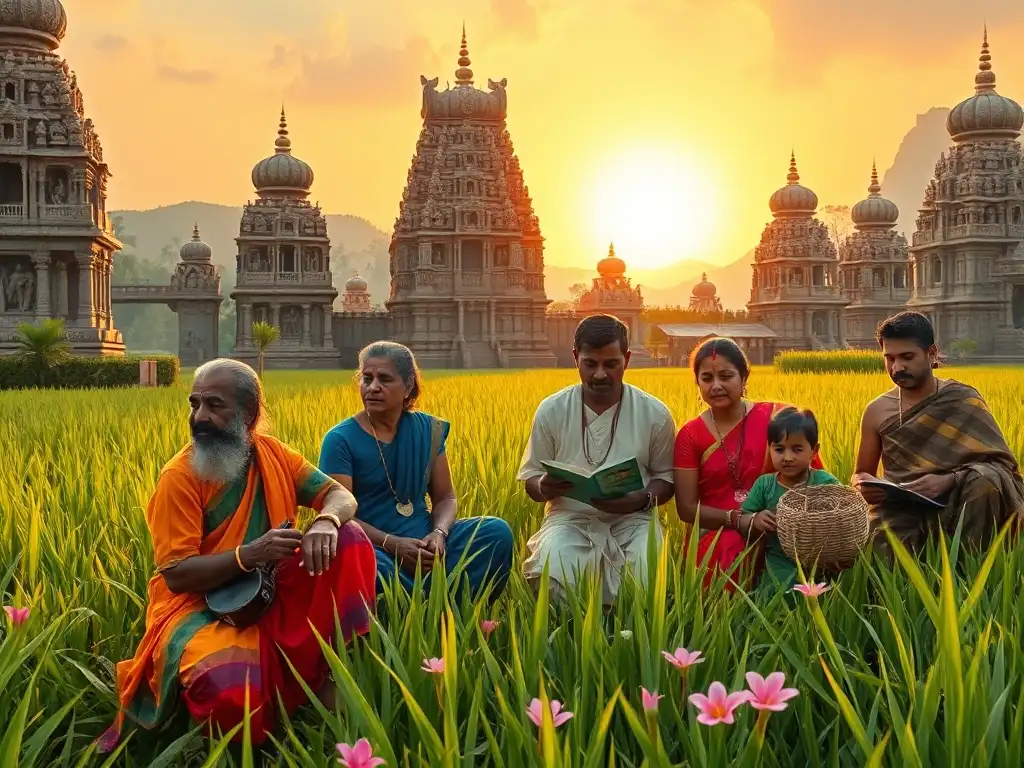
Welcome to Ancient India History, where we embark on an enlightening journey through the profound tapestry of ancient Indian civilizations. Today, we delve into the fascinating realm of Sangam literature, a cornerstone of South Indian culture that has shaped art and societal norms for centuries. Discover how these timeless poetic works continue to influence the vibrant heritage of South India and ignite curiosity about its literary brilliance. Ready to unravel the impact of Sangam literature on art and culture? Dive in and explore the rich connections that await!
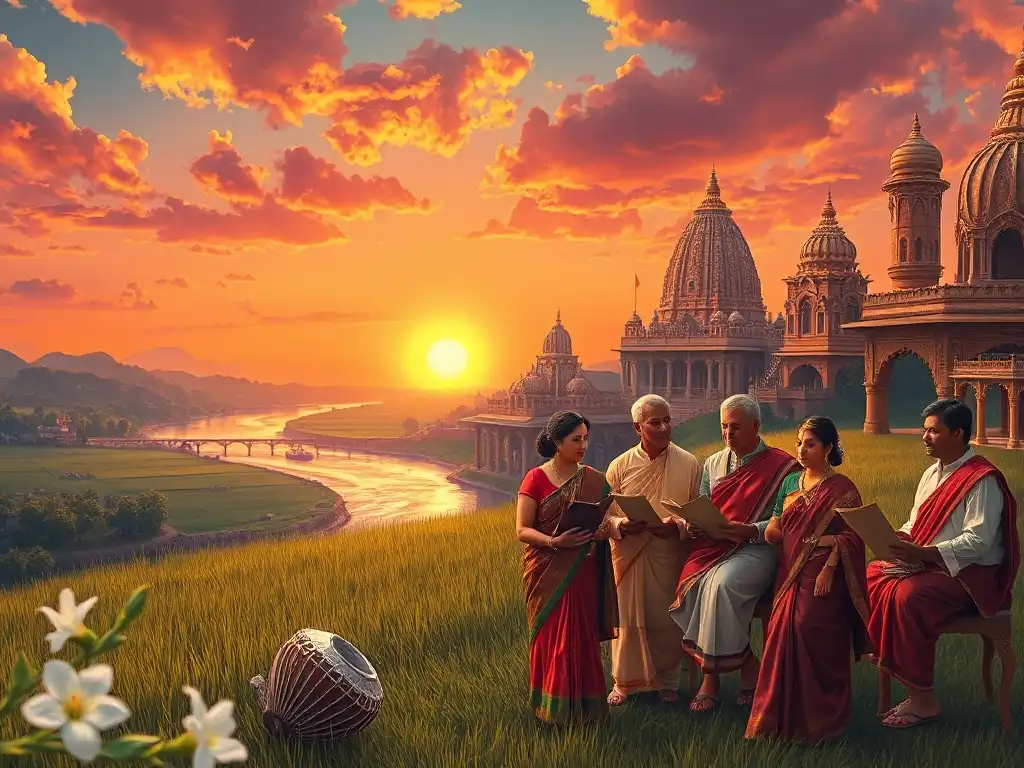
Sangam literature, a remarkable body of ancient Tamil texts, stands as a testament to the rich cultural and intellectual heritage of South India. Dating back to between 300 BCE and 300 CE, this literature reflects the values, beliefs, and social structures of the time, profoundly shaping the region's art and culture.
The Sangam period, characterized by a flourishing of poetry and prose, not only celebrated the intricacies of human emotions and relationships but also provided insights into the natural world, heroism, and philosophical thought. This article explores the lasting influence of Sangam literature on South Indian art and culture, revealing how its themes, styles, and ideologies resonate in various artistic expressions and cultural practices today.
Introduction to Sangam Literature
Overview of Sangam Literature
Sangam literature encompasses a vast collection of works composed by various poets, known collectively as the Sangam poets. This literature is primarily divided into two categories: Aham and Puram. Aham focuses on love and personal relationships, while Puram discusses valor, ethics, and communal life. The texts are characterized by their use of metaphors, imagery, and emotional depth, which have significantly influenced Tamil culture and its artistic forms, including music, dance, and visual arts.
Historical Context of Sangam Period
The Sangam period was a time of considerable social and political development in South India, particularly in the Tamil regions. It was marked by the rise of Tamil kingdoms, such as the Chola, Pandya, and Cheras, which fostered a vibrant literary culture. The patronage of these kings and chieftains enabled poets to compose works that not only celebrated the glory of their rulers but also delved into the human experience. The socio-political landscape of this era created an environment where literature flourished, leaving a lasting imprint on South Indian identity.
Significance of Sangam Literature in South India
The significance of Sangam literature extends beyond mere historical interest; it serves as a cultural cornerstone for the Tamil-speaking population. It has laid the groundwork for Tamil language development and has influenced various aspects of life, including moral philosophy, social customs, and artistic expressions. The themes explored in Sangam literature continue to resonate today, promoting a sense of identity and belonging among Tamils, while inspiring contemporary artists and writers to draw from this rich legacy.
Key Themes in Sangam Literature
Love and Nature in Sangam Poems
Love, often depicted through the lens of nature, is a central theme in Sangam poetry. The poets used the changing seasons and natural landscapes to mirror the emotional states of their characters. For instance, the monsoon rains frequently symbolize longing and desire, while the blooming flowers represent beauty and passion. This intricate relationship between love and nature not only enhances the aesthetic appeal of the poems but also highlights the deep connection between humans and their environment.
Heroism and Valor in Sangam Texts
Heroism and valor are prominently celebrated in the Puram category of Sangam literature. Poets recount tales of warriors, kings, and their conquests, emphasizing the virtues of bravery, loyalty, and honor. These narratives serve to inspire and instill pride within the community, serving as an essential component of South Indian cultural identity. The valor depicted in these texts is often idealized, embodying the qualities that society cherishes and aspires to uphold.
Spirituality and Philosophy in Sangam Works
Sangam literature also delves into spiritual and philosophical themes, reflecting the complexities of human existence. The poets explore existential questions, ethical dilemmas, and the pursuit of knowledge, often drawing from Hindu and Buddhist philosophies. This intellectual discourse not only enriches the literary tradition but also encourages a deeper exploration of life's meaning, contributing to the spiritual landscape of South India.
Sangam literature's multifaceted influence on South Indian art and culture is profound and enduring. By examining its themes, historical context, and significance, we gain insight into how this ancient body of work continues to shape contemporary artistic expressions and cultural practices in the region.
Impact of Sangam Literature on South Indian Art
Sangam literature, composed between approximately 300 BCE and 300 CE, is a treasure trove of poetry that reflects the ethos, values, and aesthetics of ancient South Indian society. Its influence extends far beyond the written word, permeating various forms of art and culture throughout South India. The themes explored in these texts, such as love, valor, nature, and the social fabric of Tamil society, have found expression in visual arts, architecture, and performing arts, creating a rich cultural tapestry that resonates to this day.
Visual Arts: Painting and Sculpture Influences
The visual arts of South India have been deeply informed by the themes and imagery found in Sangam literature. Many paintings and sculptures depict scenes from the poems, illustrating the beauty of nature, the intricacies of human emotions, and the grandeur of heroic tales. The vibrant landscapes and emotional depth described in the literature have inspired artists to create works that embody the essence of Tamil culture.
For instance, the Tanjore paintings, known for their rich colors and intricate details, often portray characters and narratives from Sangam poetry, capturing the essence of its lyrical beauty. Sculptures found in ancient temples frequently depict figures and motifs referenced in these texts, reflecting the cultural and spiritual significance of Sangam literature. The interplay between literature and visual arts has fostered a unique artistic language that continues to thrive in contemporary South Indian art.
Architecture: Temples Inspired by Sangam Themes
The architectural landscape of South India has also been significantly shaped by the themes present in Sangam literature. Temples constructed during and after the Sangam period often embody the spiritual and cultural ideals expressed in the texts. These architectural marvels serve not only as places of worship but also as cultural hubs that celebrate the narratives and values of Tamil society.
Temples such as the Brihadeeswarar Temple in Thanjavur showcase intricate carvings and sculptures that depict stories and characters from Sangam poetry. The layouts and designs of these temples reflect the poetic themes of devotion, love, and valor, creating a harmonious blend of faith and art. The architectural innovations introduced during this period have left a lasting legacy, influencing subsequent generations of builders and artists.
Performing Arts: Dance and Music in Sangam Culture
The performing arts in South India, particularly dance and music, have been profoundly influenced by Sangam literature. The themes of love, heroism, and nature are not only central to the poetry but also find expression in various traditional dance forms and musical compositions.
Dance styles like Bharatanatyam and Kathakali often incorporate narratives from Sangam poems, allowing performers to express the emotional depth and complexity of the characters. Similarly, folk music and classical compositions draw inspiration from the lyrical beauty of Sangam literature, creating a rich auditory experience that resonates with audiences. The rhythmic patterns and poetic forms found in the literature have shaped the structure of songs and performances, ensuring that the legacy of Sangam literature continues to thrive in the performing arts.
Sangam Literature's Role in Shaping South Indian Culture
Sangam literature has played a pivotal role in shaping the cultural identity of South India. Its influence extends to language, folklore, festivals, and rituals, reflecting the values and social norms of the Tamil people. By intertwining with everyday life, these texts have fostered a sense of community and continuity, preserving the unique cultural heritage of the region.
Influence on Language and Linguistics in South India
The linguistic contributions of Sangam literature are profound, as it established the foundations for the Tamil language. The rich vocabulary, idiomatic expressions, and poetic forms developed during this period have significantly influenced modern Tamil. The use of metaphors and similes in Sangam poetry has enriched the language, allowing for nuanced expressions of thought and emotion.
Furthermore, the literary conventions established in Sangam texts have paved the way for future generations of poets and writers, fostering a deep appreciation for Tamil literature and its linguistic heritage. The preservation and evolution of the Tamil language owe much to the enduring legacy of Sangam literature, which continues to inspire writers and linguists today.
Contribution to Folklore and Oral Traditions
Sangam literature has greatly contributed to the rich tapestry of folklore and oral traditions in South India. Many tales and stories derived from Sangam texts have been passed down through generations, enriching local folklore and community narratives. These stories often embody moral lessons, cultural values, and historical events, serving as a medium for preserving the collective memory of the Tamil people.
The oral transmission of these narratives has fostered a vibrant tradition of storytelling, where local artists and performers recount the tales of heroes, lovers, and the beauty of nature, ensuring that the essence of Sangam literature remains alive in the hearts of the people.
Festivals and Rituals Inspired by Sangam Texts
Many festivals and rituals celebrated in South India today have their roots in the themes and stories found in Sangam literature. These celebrations often reflect the agricultural cycles, seasonal changes, and community values depicted in the texts. Festivals such as Pongal, which celebrates the harvest, are deeply intertwined with the agrarian themes present in Sangam poetry, highlighting the connection between nature and human life.
Rituals performed during these festivals often include recitations of Sangam poetry, music, and dance, further solidifying the link between the literature and cultural practices. This integration of Sangam literature into everyday life not only enriches the celebrations but also serves as a reminder of the timeless relevance of these ancient texts in contemporary South Indian culture.
Comparison of Sangam Literature with Other Literary Traditions
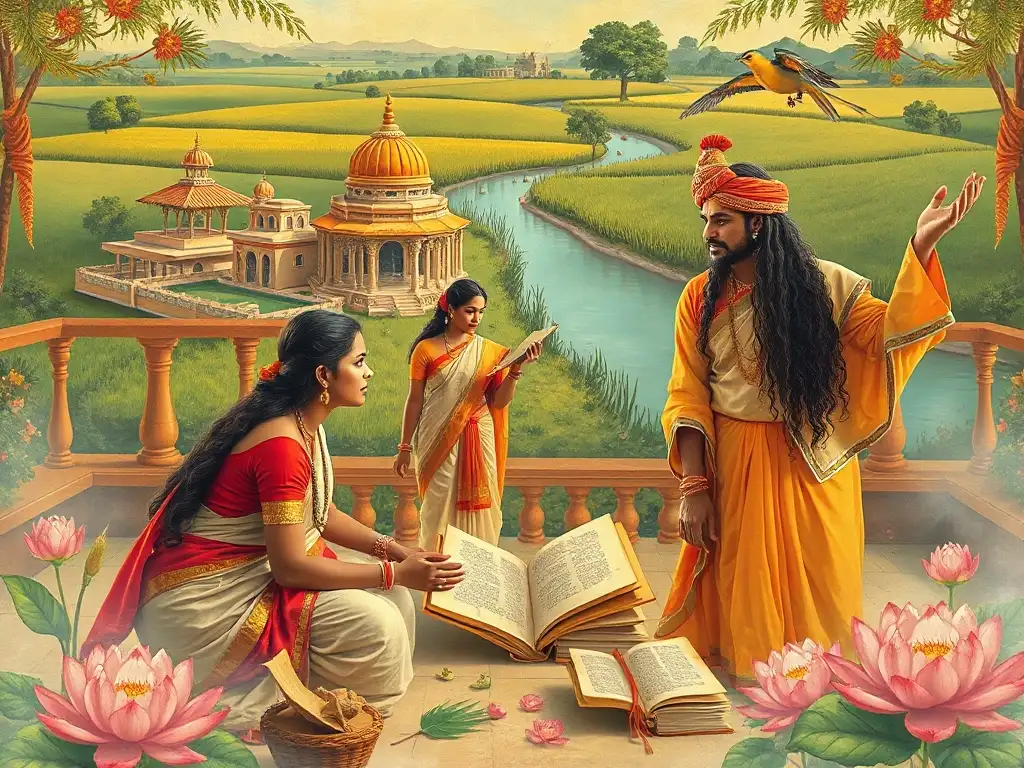
Sangam literature, a cornerstone of Tamil culture, exhibits unique characteristics that set it apart from other literary traditions in India. Unlike the Vedic texts, which are primarily religious and philosophical in nature, Sangam literature is deeply rooted in the social and emotional aspects of life. It encompasses a wide range of themes, including love, valor, and the beauty of nature, reflecting the everyday experiences of its people. This literature also emphasizes personal expression and local identity, contrasting with the broader, universal themes often found in other Indian literary forms.
Sangam Literature vs. Vedic Literature
Sangam literature and Vedic literature serve different purposes and reflect distinct cultural contexts. Vedic texts, dating back to around 1500 BCE, are foundational to Hindu philosophy and spirituality, characterized by their hymns, rituals, and philosophical discourses. In contrast, Sangam literature, composed between 300 BCE and 300 CE, focuses on the lived experiences of individuals and communities in ancient Tamil Nadu.
The poetic forms of Sangam literature, such as "Ettuthokai" and "Pathupattu," delve into love (akam) and valor (puram), illustrating the societal norms and values of the time. This difference underscores the regional diversity within India's literary heritage and highlights the unique contributions of Tamil literature to the broader narrative of Indian civilization.
Influence of Sangam Literature on Tamil Folk Traditions
Sangam literature has significantly influenced Tamil folk traditions, serving as a wellspring of inspiration for folk songs, dance, and storytelling. The themes and motifs found in Sangam poetry resonate deeply with the oral traditions of Tamil culture, enriching the narratives passed down through generations. Folk artists often draw upon the emotional and natural imagery in Sangam texts to create performances that reflect both historical and contemporary social contexts. This interplay has helped preserve the essence of Sangam literature while adapting its themes to modern expressions, ensuring its relevance in the cultural landscape of South India.
Cross-Influences with Other Regional Literatures
The influence of Sangam literature extends beyond Tamil Nadu, fostering cross-cultural exchanges with other regional literatures in India. Scholars have noted parallels between Sangam texts and the literary traditions of neighboring regions, such as Kannada and Telugu literature. These interactions have led to the sharing of themes, stylistic elements, and narrative structures, showcasing the interconnectedness of South Indian cultures.
For instance, the portrayal of heroic figures and romantic themes can be observed across different literary works, indicating a shared cultural ethos that transcends linguistic boundaries. Such cross-influences have enriched the literary tapestry of South India, establishing Sangam literature as a crucial link in the broader narrative of regional literary development.
Preservation and Revival of Sangam Literature
The preservation and revival of Sangam literature have been pivotal in maintaining Tamil cultural heritage. Efforts to document and study these ancient texts have gained momentum in recent decades, reflecting a renewed interest in their significance and relevance. Various initiatives, including academic research and cultural festivals, aim to celebrate and propagate the teachings and beauty of Sangam poetry.
Efforts in Documenting Sangam Texts
Numerous scholars and institutions have dedicated themselves to documenting Sangam literature, ensuring its survival for future generations. Many of the Sangam texts have been carefully transcribed, translated, and annotated to facilitate broader understanding. Organizations such as the Tamil Nadu Archaeological Department and various universities are actively involved in these efforts, hosting seminars and workshops to promote research on Sangam literature. This meticulous documentation not only aids in preserving the texts but also encourages a deeper appreciation of their historical and cultural significance.
Contemporary Adaptations of Sangam Literature
Contemporary adaptations of Sangam literature reflect its enduring appeal and relevance in modern times. Writers, filmmakers, and artists have drawn inspiration from Sangam texts to create new works that resonate with today's audiences. For instance, contemporary Tamil cinema often incorporates themes from Sangam poetry, exploring the complexities of love and valor while infusing modern narratives with traditional wisdom. Additionally, literature that reinterprets Sangam themes through a modern lens has emerged, allowing for a dialogue between the past and present, thus ensuring that these ancient voices continue to inspire and engage contemporary society.
The Role of Educational Institutions in Promoting Sangam Heritage
Educational institutions play a crucial role in promoting the heritage of Sangam literature, serving as platforms for research, discussion, and dissemination of knowledge. Universities in Tamil Nadu have established dedicated departments focusing on Tamil studies, where Sangam literature is a central component of the curriculum. These institutions organize conferences, lectures, and cultural events to raise awareness and foster appreciation for Sangam texts. By integrating Sangam literature into educational programs, these institutions not only preserve the literary heritage but also cultivate a new generation of scholars and practitioners committed to keeping this rich tradition alive.
Conclusion
The influence of Sangam literature on South Indian art and culture is profound and multifaceted. This body of work, emerging from the Tamil-speaking regions between 300 BCE and 300 CE, not only serves as a literary treasure but also as a cultural foundation that has shaped various aspects of South Indian identity. Through poetry, themes, and philosophical insights, Sangam literature has left an indelible mark on artistic expression, societal values, and cultural practices that continue to resonate in contemporary South India.
Summary of Sangam Literature's Influence on South India
Sangam literature has significantly influenced South Indian art and culture in several key ways:
- Artistic Expression: The vivid imagery and themes found in Sangam poetry have inspired countless artists, musicians, and performers throughout the centuries. Traditional dance forms, such as Bharatanatyam and Kathakali, often draw upon the narratives and emotions expressed in these ancient texts, showcasing the seamless blend of literature and performance.
- Cultural Identity: The themes of love, valor, and nature depicted in Sangam literature have contributed to a unique cultural identity among Tamil speakers. These works often emphasized the beauty of the Tamil landscape and the intricacies of human relationships, fostering a sense of pride and belonging among the people.
- Philosophical Insights: The moral and ethical teachings embedded within the poems have shaped societal values and norms in South Indian communities. The emphasis on virtues such as honesty, courage, and compassion can be traced back to the philosophical underpinnings of Sangam literature, influencing various aspects of daily life.
As such, the literary heritage of Sangam literature serves as a cornerstone for understanding the evolution of South Indian art and culture.
Future Implications for South Indian Art and Culture
Looking ahead, the continued exploration and revival of Sangam literature are likely to yield significant implications for the future of South Indian art and culture:
- Revitalization of Traditional Arts: By integrating themes and stories from Sangam literature into contemporary art forms, artists can create a dynamic dialogue between the past and present. This revival can lead to innovative interpretations that resonate with modern audiences while preserving traditional aesthetics.
- Cultural Education: Increased focus on Sangam literature in educational curricula can foster a deeper appreciation for Tamil culture among younger generations. By understanding the historical context and literary significance, students can develop a stronger connection to their heritage.
- Cross-Cultural Collaborations: As global interest in ancient texts grows, opportunities for cross-cultural exchanges can arise. Collaborations between artists, scholars, and performers from different backgrounds can lead to new interpretations and fusion art forms, enriching the cultural landscape of South India.
These emerging trends highlight the ongoing relevance of Sangam literature and its potential to inspire future generations.
Call to Explore Sangam Literature Further
To fully appreciate the richness of South Indian art and culture, it is essential to delve deeper into Sangam literature. Engaging with these texts offers insights into the historical and cultural fabric of the region, revealing the timeless themes that continue to influence modern society.
- Read Original Texts: Dive into translations of Sangam poetry to experience the beauty and depth of its language and imagery.
- Attend Cultural Events: Participate in performances and exhibitions that celebrate Sangam literature and its artistic interpretations.
- Join Discussions: Engage with scholars and enthusiasts through forums, workshops, and lectures that explore the significance of Sangam literature in contemporary contexts.
By exploring Sangam literature further, you can uncover the profound connections it holds with the past and its continuing impact on the vibrant tapestry of South Indian culture.
- Introduction to Sangam Literature
- Key Themes in Sangam Literature
- Impact of Sangam Literature on South Indian Art
- Sangam Literature's Role in Shaping South Indian Culture
- Comparison of Sangam Literature with Other Literary Traditions
- Preservation and Revival of Sangam Literature
- Conclusion
Frequently Asked Questions
What is Sangam literature?
Sangam literature refers to a collection of ancient Tamil texts composed between 300 BCE and 300 CE, which include poems, songs, and epics that reflect the cultural and social life of early South India.
How did Sangam literature influence South Indian art?
The influence of Sangam literature on South Indian art is profound, as it inspired various art forms, including sculpture, dance, and music, by portraying themes of love, valor, and nature.
In what ways did Sangam literature shape South Indian culture?
Sangam literature played a crucial role in shaping South Indian culture by promoting the Tamil language, fostering a sense of identity, and influencing social norms and values through its rich narratives.
What are some key themes found in Sangam literature?
Key themes in Sangam literature include heroism, love, nature, and the importance of community, which reflect the values and aspirations of ancient Tamil society.
How does Sangam literature continue to impact contemporary South Indian society?
Today, Sangam literature continues to impact South Indian society by influencing modern literature, cinema, and music, ensuring that its rich heritage remains alive and relevant in contemporary culture.
Final Reflection: The Enduring Legacy of Sangam Literature in South Indian Culture
The influence of Sangam literature on South India is not just a historical fact; it is a vibrant thread woven into the fabric of contemporary art and culture. As we navigate through a rapidly changing world, the timeless themes of love, valor, and nature found in Sangam poetry resonate more than ever, reminding us of our shared humanity. This literary tradition continues to inspire artists, musicians, and writers, fostering a cultural renaissance that honors its roots while embracing modernity.
The impact of Sangam literature extends beyond mere words; it shapes identities and nurtures communities. The verses of ancient poets echo in the rhythms of today’s music, the strokes of contemporary paintings, and the narratives of modern literature. As we reflect on this profound connection, we are reminded of the words of the renowned poet Subramania Bharati: The past is not dead; it is not even past.
This sentiment encapsulates how Sangam literature remains a living force, influencing not only artistic expressions but also the values and philosophies that guide our lives in South India today.
As you ponder the insights shared in this article, I invite you to explore how the essence of Sangam literature can inspire your own creative endeavors and personal growth. Consider how the themes of unity, love, and resilience can be applied in your life and community. Let the wisdom of these ancient poets guide you in your journey, encouraging you to contribute to the rich tapestry of South Indian culture and to keep the spirit of Sangam literature alive for future generations.
Unveil the Legacy of Sangam Literature: Take Action Today!
Thank you for diving into the profound world of Sangam literature and its impact on South Indian art and culture! We hope you’ve uncovered valuable insights that inspire you to explore this extraordinary legacy further. Are you ready to take the next step?
Here are some actionable ways you can deepen your connection to Sangam literature:
- Discover a Sangam poet: Select a poet from the Sangam era and immerse yourself in their works; this exploration can reveal a new dimension of cultural understanding!
- Visit a local museum or library: Look for exhibitions or texts related to Sangam literature to experience its art and culture in person.
- Share your learning: Engage with friends or online communities—initiate a discussion about how Sangam literature has influenced contemporary art and society.
What aspect of Sangam literature resonates with you the most, and how do you think it shapes today’s artistic expressions?