
The Importance of the Second Buddhist Council: Key Figures and Their Debates

Welcome to Ancient India History, where we embark on a fascinating journey through the rich tapestry of ancient Indian civilizations. In today’s exploration, we delve into the significance of the Second Buddhist Council, a pivotal event that shaped the trajectory of Buddhist thought and practice. Prepare to uncover the key figures and debates that emerged during this transformative period, sparking curiosity about the profound impact it had on ancient Indian religions. Join us as we unravel the layers of history, culture, and philosophy that continue to resonate today. Dive in and discover the stories that await!
Introduction to the Second Buddhist Council
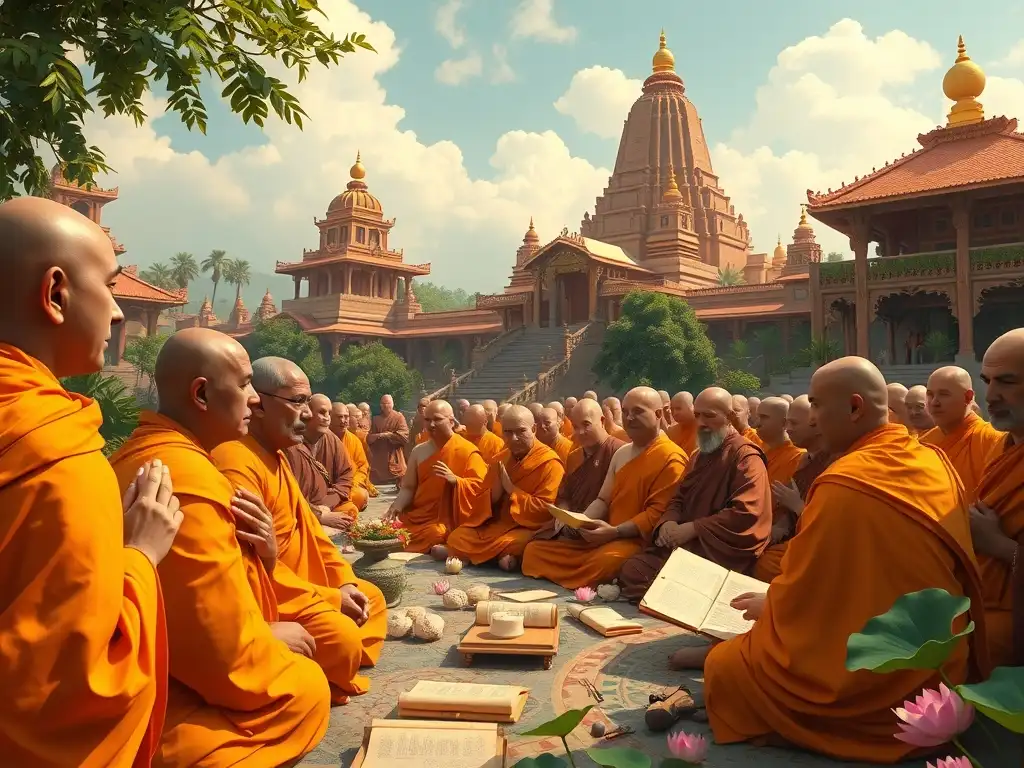
The Second Buddhist Council, convened around 383 BCE, stands as a pivotal moment in the history of Buddhism, reflecting the diverse interpretations and practices that emerged following the death of the Buddha. This council was primarily called to address the growing concerns regarding the monastic discipline and the authenticity of certain teachings that were proliferating among the Buddhist community.
As Buddhism began to spread beyond its geographical origins, the need for a unified understanding of the Dharma became increasingly pressing. This article delves into the Second Buddhist Council significance, highlighting the key figures involved, their debates, and the overarching implications for the Buddhist tradition.
Overview of the Second Buddhist Council
The Second Buddhist Council is recognized for its critical role in shaping the early Buddhist community. It was held in Vaishali and attended by a significant number of monks, including some of the most influential figures in early Buddhism. The council aimed to reaffirm the original teachings of the Buddha and to resolve disputes that had emerged regarding monastic rules and practices. The discussions led to the establishment of clearer guidelines, which were essential for maintaining the integrity of the Buddhist path as it expanded into new regions.
Historical Context of the Council
To fully grasp the significance of the Second Buddhist Council, one must understand the historical backdrop against which it occurred. Following the Buddha's death, the Buddhist community experienced a period of fragmentation, with various sects interpreting the teachings in diverse ways. This fragmentation was exacerbated by the geographic spread of Buddhism, leading to questions of doctrine and practice among monks who were influenced by local customs and beliefs. The council sought to address these issues, aiming to preserve the core tenets of Buddhism while fostering unity among its followers.
Importance of the Second Buddhist Council in Buddhism
The Second Buddhist Council is considered a milestone in Buddhist history for several reasons:
- Clarification of Doctrines: The council played a crucial role in clarifying disputes regarding the Vinaya (monastic rules) and the Sutta (teachings of the Buddha).
- Unity in Diversity: By addressing differing interpretations, the council helped to maintain a sense of unity within the rapidly growing Buddhist community.
- Foundation for Future Councils: The discussions and resolutions from this council set the stage for future councils, including the Third Buddhist Council, which further solidified the teachings and practices of Buddhism.
Key Figures of the Second Buddhist Council
The Second Buddhist Council was marked by the presence of several key figures whose contributions were instrumental in the debates and decisions made during this pivotal gathering.
An Overview of Prominent Monks and Leaders
Among the monks and leaders who attended the Second Buddhist Council, two figures stand out for their significant contributions: Upali and Mahādeva. Each of these individuals brought unique perspectives and insights that shaped the council's discussions and outcomes. Their debates not only reflected their personal beliefs but also resonated with the broader issues facing the Buddhist community at the time.
Role of Upali in the Council
Upali, a former barber who became a prominent monk, played a critical role in the Second Buddhist Council. He was well-respected for his knowledge of the Vinaya, the set of rules governing monastic life. His arguments during the council were focused on the importance of adhering strictly to these rules to preserve the integrity of the monastic community. Upali's influence helped to reinforce the necessity of discipline and ethical conduct among monks, ensuring that the essence of the Buddha's teachings remained intact.
Contributions of Mahādeva to the Debates
Mahādeva, another significant figure at the council, was known for his unique interpretations of Buddhist doctrine. He engaged in extensive debates concerning the nature of the teachings and the implications of certain practices. Mahādeva's contributions were pivotal in highlighting the need for a balanced approach to the Dharma, one that emphasized both adherence to tradition and the application of wisdom in practice. His perspectives challenged the status quo and encouraged a more profound exploration of the teachings.
Influence of Other Notable Figures
In addition to Upali and Mahādeva, various other monks and leaders participated in the council, each contributing to the rich tapestry of discussions that defined this gathering. Their diverse viewpoints reflected the complexities of early Buddhism and underscored the significance of dialogue in resolving doctrinal disputes. Through their debates, these figures helped to shape the future direction of Buddhism, ensuring that it could adapt and evolve while remaining true to its foundational teachings.
Debates and Discussions at the Second Buddhist Council
The Second Buddhist Council, held around 383 BCE at Vaisali, was a pivotal moment in the history of Buddhism. This council brought together a significant number of monks to address various concerns that had arisen regarding the interpretation of the Buddha's teachings and the practices within the monastic community. The debates and discussions were marked by passionate exchanges between proponents of different views, reflecting the diversity of thought within early Buddhism.
The council aimed to reaffirm the core teachings of the Buddha and address deviations that had begun to emerge. The participating monks engaged in rigorous discussions focusing on the authenticity of the Vinaya, or monastic rules, and doctrinal adherence. These debates not only highlighted the differences in understanding among the monks but also showcased their commitment to preserving the integrity of the Buddha's message.
Major Topics Discussed During the Council
Several major topics were the focal points of discussion during the Second Buddhist Council, significantly influencing the subsequent development of Buddhist doctrine:
- Vinaya Adherence: The primary concern was the adherence to the monastic code, with arguments regarding the interpretation and implementation of specific rules.
- Buddha's Teachings: Debates centered around the accurate representation of the Buddha’s teachings and the need for consistency in their application.
- Monastic Conduct: Issues related to the behavior and moral conduct of monks were thoroughly examined to ensure that the community lived up to the ideals set forth by the Buddha.
- Schismatic Views: The council addressed schismatic views that had begun to surface, aiming to clarify the accepted interpretations of Buddhist doctrine.
These discussions were crucial in shaping the future of Buddhism, as they set the parameters for what would be considered orthodoxy in the monastic community.
The Issue of Vinaya: Monastic Discipline
The issue of Vinaya, or monastic discipline, was at the forefront of debates during the Second Buddhist Council. The Vinaya consists of rules and regulations that govern the conduct of monks and nuns, aimed at maintaining a harmonious monastic community. Disagreements arose regarding the interpretation of these rules, with some monks advocating for a more lenient approach while others insisted on strict adherence.
The council sought to resolve these differences by reaffirming the original Vinaya as taught by the Buddha. This reinforcement was crucial, as the monastic community's integrity was believed to hinge on the strict observance of these rules. The discussions emphasized that any deviation from the Vinaya could lead to the deterioration of the community's moral fabric and its spiritual objectives.
The resolution of the Vinaya issues during the council helped to solidify a standard that would be followed by future generations of monks, ensuring a unified approach to monastic life across different regions.
Doctrinal Disputes and Their Significance
In addition to discussions on Vinaya, the Second Buddhist Council also addressed several doctrinal disputes that had arisen within the Buddhist community. These disputes highlighted the varying interpretations of key Buddhist concepts such as anatta (non-self), dukkha (suffering), and dependent origination.
The significance of these doctrinal debates cannot be overstated. They not only clarified the foundational teachings of Buddhism but also set the stage for future theological development. By confronting and resolving these disputes, the council aimed to maintain the integrity of the Buddha's teachings and prevent the emergence of sectarian divisions.
The outcomes of these discussions would later influence the formation of different Buddhist schools, each interpreting the Buddha's teachings through its own lens while still adhering to the core principles established by the council.
The Impact of the Debates on Buddhist Teachings
The debates held during the Second Buddhist Council had a lasting impact on Buddhist teachings and practices. By addressing contentious issues, the council played a crucial role in delineating orthodox beliefs from heterodox views, thereby preserving the core tenets of Buddhism.
The discussions fostered a deeper understanding of the Buddha's teachings among the monastic community, encouraging scholars and practitioners alike to engage in critical analysis of doctrine. This intellectual rigor not only strengthened the faith of the followers but also enhanced the tradition's adaptability to different cultural contexts as Buddhism spread across Asia.
Moreover, the council's outcomes laid the groundwork for the establishment of various Buddhist schools, each contributing to the rich tapestry of Buddhist philosophy and practice over the centuries.
The Outcomes of the Second Buddhist Council
The Second Buddhist Council resulted in significant outcomes that shaped the trajectory of Buddhism in the centuries that followed. These outcomes were not merely administrative but also profoundly theological, influencing the beliefs and practices of the Buddhist community.
Decisions Made and Their Significance
During the council, key decisions were made regarding the authenticity of monastic rules and the acceptance of certain interpretations of the Buddha's teachings. These decisions were instrumental in reaffirming the authority of the original Vinaya and ensuring that the monastic community adhered to a shared set of practices.
The significance of these decisions lay in their ability to unify the diverse factions within Buddhism at the time. By establishing clear guidelines and reaffirming core doctrines, the council helped to mitigate potential schisms, thereby preserving the integrity of the tradition.
The decisions made during this council also served as a reference point for future councils and discussions, further solidifying the foundation of Buddhist practice.
The Formation of Different Buddhist Schools
One of the most notable outcomes of the Second Buddhist Council was the eventual formation of different Buddhist schools. The debates and decisions made during the council highlighted various interpretations of key teachings, which led to the emergence of distinct schools of thought.
These schools, such as the Theravada and Mahayana traditions, each offered unique perspectives on the Buddha's teachings and practices. The diversity of thought enriched the Buddhist tradition, allowing it to adapt and thrive in various cultural contexts.
The formation of different schools also encouraged dialogue and debate within the Buddhist community, fostering an environment of intellectual growth and spiritual exploration.
Long-term Effects on Buddhist Practices and Beliefs
The long-term effects of the Second Buddhist Council on Buddhist practices and beliefs are profound and far-reaching. By addressing critical issues related to monastic discipline and doctrinal disputes, the council laid the groundwork for a cohesive and structured approach to Buddhism.
The emphasis on the Vinaya and adherence to the original teachings ensured that future generations of monks and lay followers could engage with Buddhism in a manner consistent with its foundational principles. This adherence to a unified doctrine helped maintain the integrity of Buddhism as it spread across different regions.
Moreover, the debates fostered a culture of critical inquiry within Buddhism, encouraging practitioners to explore and interpret the teachings actively. This intellectual engagement not only enriched the faith but also allowed Buddhism to evolve, addressing the spiritual needs of diverse communities over time.
The Second Buddhist Council was a landmark event that significantly shaped the trajectory of Buddhism, influencing its teachings, practices, and the formation of various schools that would define the tradition for centuries to come.
Historical Significance of the Second Buddhist Council
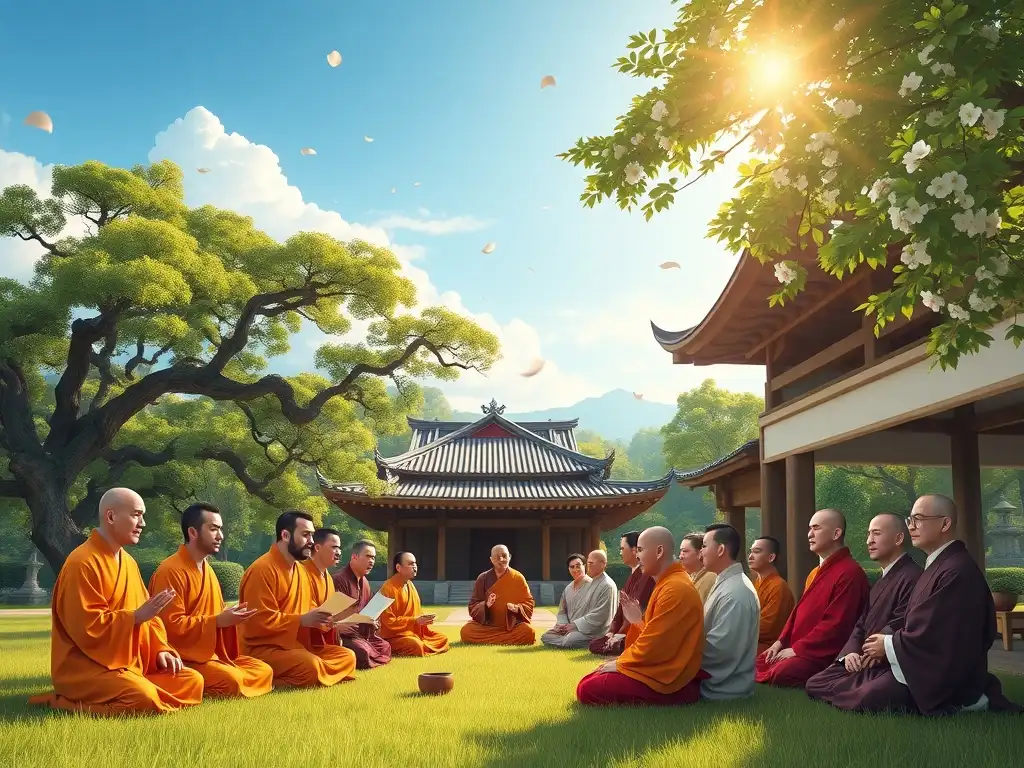
The Second Buddhist Council, convened around 383 BCE in Vaishali, holds immense historical significance in the context of Buddhist development. This council was primarily organized to address the growing concerns over the interpretation and practice of the Buddha's teachings. It featured around 700 monks, who engaged in significant debates regarding the Vinaya, the monastic code. The council played a pivotal role in affirming the orthodox interpretations of Buddhist doctrine and practices, thus establishing a clearer distinction between the Theravada and emerging sects of Buddhism.
This council also marked the first major schism in the Buddhist community, with the monks led by the elder monk, Yasodhara, opposing the more liberal interpretations that had begun to surface. The decisions made during this council not only helped to clarify doctrinal issues but also reinforced the importance of adhering to the original teachings of the Buddha, which would shape the future of the religion.
How the Council Influenced Later Councils
The outcomes of the Second Buddhist Council had a profound influence on subsequent councils, particularly the Third Buddhist Council, which took place under the reign of Emperor Ashoka in the 3rd century BCE. The Second Council's emphasis on orthodoxy laid the groundwork for Ashoka's efforts to unify the Buddhist community and spread the faith across his empire.
The debates and resolutions from the Second Council also served as a reference point for later councils, which further addressed doctrinal disputes and ethical issues within the growing Buddhist community. These subsequent gatherings were crucial in maintaining the integrity of the teachings passed down from the Buddha, ensuring that future generations of Buddhists would adhere to a unified set of beliefs.
The Second Buddhist Council's Role in Preserving Teachings
The Second Buddhist Council played a vital role in the preservation of the Buddha's teachings by codifying the Vinaya and settling disputes regarding monastic discipline. The council's focus on the original teachings fostered a sense of unity among monks, which was essential for the continuation of Buddhist practices.
As a result, the council not only safeguarded the authentic teachings but also established a framework for future generations to follow. This preservation was particularly important as Buddhism began to spread beyond its birthplace, facing the challenges of varying cultural interpretations and practices.
The Council's Impact on the Spread of Buddhism
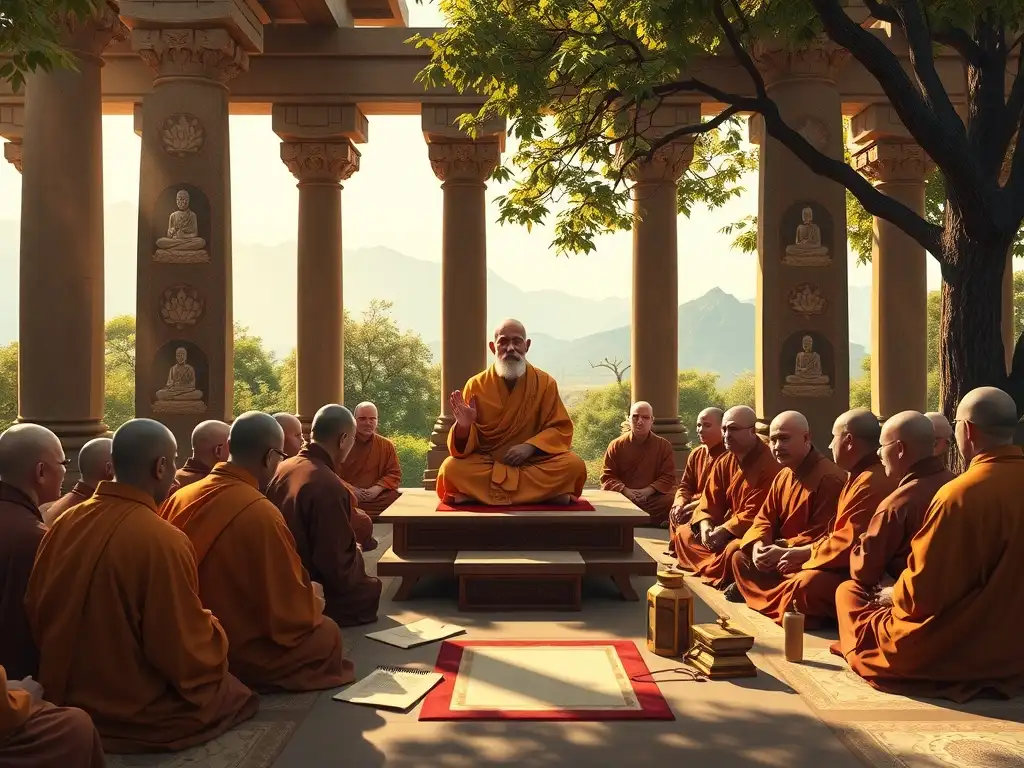
The Second Buddhist Council significantly impacted the spread of Buddhism beyond India. By solidifying the teachings and practices of the faith, the council provided a strong foundation for Buddhist missionaries and monks who ventured into new territories. The emphasis on adherence to established doctrines ensured that as Buddhism spread, it did so with a sense of coherence and integrity, attracting converts and establishing monasteries.
Furthermore, the success of the Second Council emphasized the necessity of organized leadership within the Buddhist community, paving the way for the establishment of monastic orders that would facilitate the religion's expansion into regions such as Central Asia, Southeast Asia, and beyond.
Conclusion
Recap of the Second Buddhist Council Significance
The Second Buddhist Council was a landmark event in the history of Buddhism, marking a critical juncture in the preservation of the Buddha's teachings and the establishment of monastic discipline. Its resolutions and debates set the stage for subsequent councils, ensured the integrity of Buddhist teachings, and played a crucial role in the religion's expansion beyond the Indian subcontinent.
Final Thoughts on Key Figures and Their Contributions
Reflecting on the key figures involved in the Second Buddhist Council, such as Yasodhara and other prominent monks, their contributions were instrumental in shaping the trajectory of Buddhism. Their commitment to preserving the Buddha's teachings and engaging in meaningful debates not only defined the council's outcomes but also laid the groundwork for the rich tapestry of Buddhist thought and practice that continues to resonate through the ages. The legacy of these figures reminds us of the importance of dialogue and unity in the pursuit of spiritual understanding.
Further Reading on the Second Buddhist Council
The Second Buddhist Council, which took place approximately 100 years after the Buddha's death, is a pivotal moment in Buddhist history. For those interested in exploring the significance and implications of this council, a variety of resources are available that delve into its key figures, debates, and historical context. Below are some recommended readings and online resources that provide further insights into this important event.
Recommended Books and Articles
-
"The History of Buddhism in India and Tibet" by R. C. Hazra
This comprehensive text offers an in-depth exploration of the evolution of Buddhism, including the Second Buddhist Council's role in shaping Buddhist doctrine and practice.
-
"Buddhism: A Very Short Introduction" by Damien Keown
This concise book covers the essential aspects of Buddhism, with a section dedicated to the councils, including the Second Buddhist Council, its significance, and the debates surrounding it.
-
"The Buddha and His Dhamma" by B.R. Ambedkar
Ambedkar's work provides a critical perspective on the teachings of the Buddha and includes a discussion on the councils and their implications for the development of Buddhist thought.
-
"The Second Buddhist Council: A Historical Perspective" by Bhikkhu Sujato
An academic article that analyzes the events and decisions made during the Second Buddhist Council, offering insights into its historical significance.
-
"Buddhism and Its Impact on Indian Society" by A. L. Basham
This book explores the broader impact of Buddhism on Indian society, including the significance of the Second Buddhist Council in the context of its cultural and philosophical developments.
Online Resources for Deeper Understanding
- Buddhanet.net: This website offers a wealth of resources on Buddhist history, including articles and discussions about the Second Buddhist Council. It features insights from various scholars that can help broaden understanding.
- The Internet Encyclopedia of Philosophy: This online resource provides an overview of Buddhist philosophy and includes sections that detail the historical councils, their debates, and their significance within the Buddhist tradition.
- Academia.edu: A platform where scholars publish their papers, you can find numerous research articles concerning the Second Buddhist Council by searching for relevant keywords. This resource is particularly useful for accessing the latest academic discussions and findings.
- The Buddhist Publication Society: This organization offers various publications and newsletters that often touch upon significant historical events in Buddhism, including the Second Council. Their resources aim to make Buddhist teachings accessible to the global community.
Engaging with these resources will not only enhance your understanding of the Second Buddhist Council but also provide a broader context of its significance in the landscape of ancient Indian religions and the evolution of Buddhist thought.
- Introduction to the Second Buddhist Council
- Key Figures of the Second Buddhist Council
- Debates and Discussions at the Second Buddhist Council
- The Outcomes of the Second Buddhist Council
- Historical Significance of the Second Buddhist Council
- How the Council Influenced Later Councils
- The Second Buddhist Council's Role in Preserving Teachings
- The Council's Impact on the Spread of Buddhism
- Conclusion
- Further Reading on the Second Buddhist Council
- What was the Second Buddhist Council?
- Why is the Second Buddhist Council considered significant?
- Who were the key figures involved in the Second Buddhist Council?
- What were the main debates or issues discussed during the council?
- How did the Second Buddhist Council influence later Buddhist traditions?
Frequently Asked Questions
What was the Second Buddhist Council?
The Second Buddhist Council was a pivotal event in Buddhist history that took place around 383 BCE in Vaishali, aimed at resolving disputes over monastic rules and practices.
Why is the Second Buddhist Council considered significant?
The Second Buddhist Council is significant because it marked the formal split between the Sthavira and Mahayana traditions, leading to the diversification of Buddhist practices and teachings.
Who were the key figures involved in the Second Buddhist Council?
Prominent figures included Mahakasyapa, a leading monk who presided over the council, and various disciples who debated the interpretations of Buddhist doctrine and monastic rules.
What were the main debates or issues discussed during the council?
The council primarily focused on issues of discipline, including the validity of certain monastic practices and whether they aligned with the original teachings of the Buddha.
How did the Second Buddhist Council influence later Buddhist traditions?
The council's outcomes influenced the development of various Buddhist schools, shaping their doctrinal foundations and leading to a more structured approach to Buddhist teachings and practices.
Final Reflection: The Enduring Significance of the Second Buddhist Council
The Second Buddhist Council stands as a pivotal moment in the history of Buddhism, illustrating the profound impact of doctrinal debates on the evolution of this spiritual tradition. Today, as we navigate a world increasingly characterized by diverse beliefs and practices, the significance of this council resonates deeply, reminding us that the pursuit of understanding and unity is as crucial now as it was then. The debates that unfolded during this council not only shaped the path of Buddhism but also laid the groundwork for the rich tapestry of thought that continues to influence millions around the globe.
The discussions and disagreements among key figures during the Second Buddhist Council reflect the ongoing struggle within religious communities to balance tradition with interpretation. This council serves as a reminder of the importance of dialogue in fostering understanding and respect among differing perspectives. As the scholar Bhikkhu Bodhi eloquently stated, The essence of Buddhism is not to cling to dogma but to engage in a process of inquiry and understanding.
This sentiment underscores the relevance of the council's debates in our contemporary society, where the need for open conversations about beliefs and values remains paramount.
As we reflect on the lessons of the Second Buddhist Council, let us embrace the spirit of inquiry and dialogue in our own lives. Consider how you can engage with differing viewpoints and foster understanding within your community. By applying the principles of compassion and open-mindedness exemplified by the council's key figures, we can contribute to a more harmonious world, where the richness of diverse beliefs is celebrated rather than feared. The legacy of the Second Buddhist Council invites us all to be active participants in the ongoing journey of understanding, compassion, and unity.
Unveil the Legacy of the Second Buddhist Council!
Thank you for diving into the intriguing dynamics of the Second Buddhist Council! You’ve explored pivotal debates and influential figures that shaped Buddhist thought. Now, it's time to take that newfound knowledge and make it a part of your personal journey.
Here are some action steps to deepen your understanding and engage with the community:
- Join a local meditation group or participate in an online forum to discuss the teachings and principles that emerged from this council.
- Share your insights with friends or on social media to spark conversations about how these foundational debates influence contemporary Buddhism.
- Explore further! Look for additional resources or books on Buddhist history to continue expanding your knowledge.
What aspect of the Second Buddhist Council has inspired you the most, and how do you plan to incorporate its teachings into your daily life?