
The Role of the Vedas in Shaping Hindu Rituals and Practices

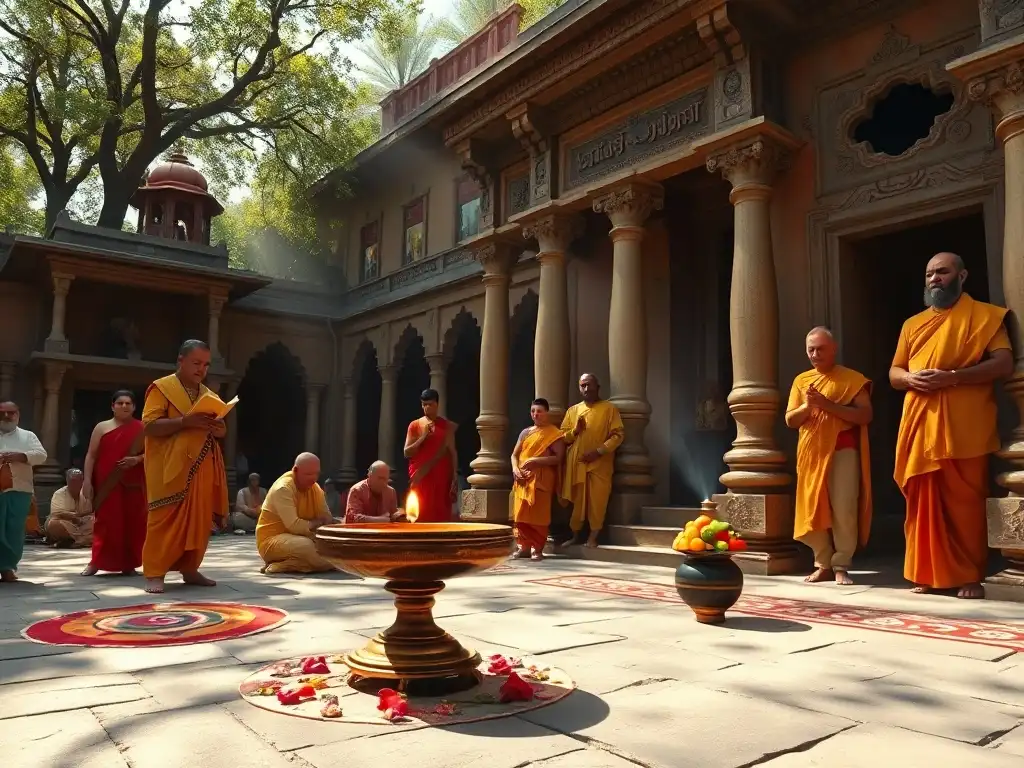
Welcome to Ancient India History, where we embark on a captivating journey through the rich tapestry of ancient Indian civilizations. From the enigmatic Indus Valley to the magnificent Gupta Empire, our exploration unveils the profound influence of the Vedas on Hindu rituals and practices. Discover how these ancient texts have shaped spiritual traditions that resonate to this day. Are you ready to uncover the secrets of the Vedas and their timeless impact on the rituals that define Hindu culture? Dive in and let your curiosity guide you through this fascinating chapter of history!
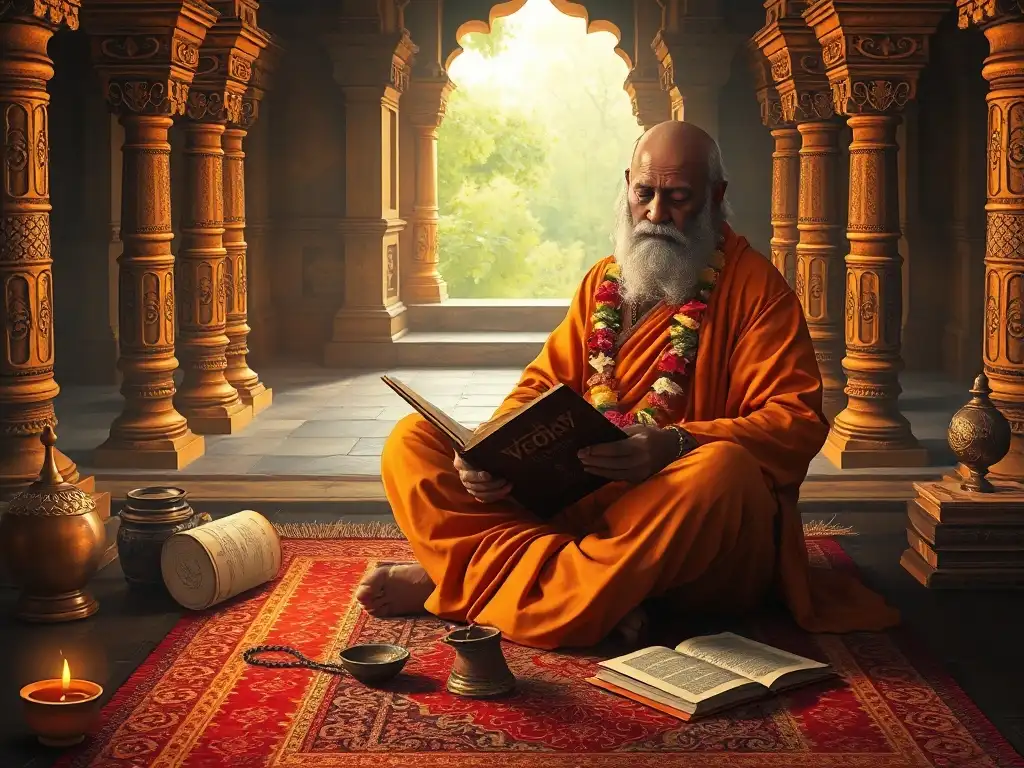
Introduction to the Vedas and Hindu Rituals
The Vedas, a collection of ancient Indian scriptures, serve as foundational texts not only for Hindu philosophy but also for the rich tapestry of rituals and practices that define Hinduism. Composed in Sanskrit, these texts encapsulate spiritual knowledge, hymns, and guidance that have influenced countless generations. Understanding the Vedas influence on Hindu rituals is pivotal in comprehending how these scriptures have shaped religious ceremonies, traditions, and societal norms throughout history. This article will delve into the intricate relationship between the Vedas and Hindu rituals, illuminating their significance in ancient Indian culture and beyond.
Overview of the Vedas
The Vedas consist of four primary texts:
- Rigveda - The oldest and most revered, containing hymns dedicated to various deities.
- Samaveda - Focused on melodies and chants, primarily used in rituals.
- Yajurveda - A prose text that includes instructions for rituals and sacrifices.
- Atharvaveda - Contains hymns and spells, addressing daily life and practical concerns.
These scriptures are not merely religious texts; they represent an extensive body of knowledge encompassing philosophy, cosmology, and ethics. The teachings encapsulated within the Vedas form the bedrock of Hindu thought, influencing everything from core beliefs to societal structure.
Significance of Hindu Rituals in Ancient India
Rituals in ancient India played a crucial role in the daily lives of individuals and communities. These practices aimed to:
- Invoke divine blessings - Rituals were performed to seek favor from gods and ensure prosperity.
- Preserve social order - They reinforced societal roles and hierarchies, maintaining harmony within communities.
- Facilitate spiritual growth - Engaging in rituals was seen as a means to attain spiritual enlightenment and connection with the divine.
The significance of these rituals cannot be overstated, as they fostered a sense of belonging and continuity within the culture, shaping the moral and ethical framework of society.
The Interconnection Between Vedas and Ritual Practices
The interrelationship between the Vedas and Hindu rituals is profound. The Vedas provide the philosophical underpinnings and guidelines for performing rituals, ensuring they are conducted with the correct intent and methodology. Key aspects include:
- Mantras and Chants: The Vedas contain specific verses that are recited during rituals, believed to invoke divine presence and blessings.
- Sacrificial Practices: Many Vedic rituals involve Yajna (sacred fire offerings), which are outlined in the Yajurveda, emphasizing the importance of sacrifice in spiritual practice.
- Ritualistic Calendar: The Vedas also outline seasonal and life-cycle rituals, creating a calendar of sacred observances that align with agricultural and cosmic cycles.
This interconnection not only highlights the Vedas' role in establishing ritual practices but also underscores their importance in the spiritual and cultural identity of ancient India.
Historical Context of the Vedas
Origin and Compilation of the Vedas
The origins of the Vedas can be traced back to the early Vedic period, around 1500 BCE. Scholars believe these texts were transmitted orally for centuries before being compiled into written form. This oral tradition allowed for the preservation and transmission of knowledge across generations, ensuring that the Vedic teachings remained integral to Hindu culture.
The Vedic Period and Its Influence on Hindu Society
The Vedic period, lasting from approximately 1500 BCE to 500 BCE, was characterized by the establishment of various social structures and religious practices based on Vedic teachings. This era saw the emergence of:
- Varna System: A class hierarchy that divided society into four main categories—Brahmins, Kshatriyas, Vaishyas, and Shudras—each with specific roles and responsibilities.
- Development of Rituals: Rituals became formalized, with priests (Brahmins) playing a crucial role in conducting ceremonies and safeguarding Vedic knowledge.
The Vedas' influence during this period laid the groundwork for future philosophical and spiritual developments in Hinduism.
Evolution of Ritual Practices in Ancient India
As Hindu society evolved, so did the rituals influenced by the Vedas. Over the centuries, various adaptations and new practices emerged, reflecting changes in social values, political structures, and cultural interactions. Key points include:
- Integration of Local Traditions: As different regions adopted Vedic rituals, local customs and beliefs were often harmonized, leading to a diverse array of practices.
- Philosophical Developments: The emergence of Upanishads and later texts began to shift focus from ritualistic actions to meditative and philosophical pursuits, influencing the evolution of Hindu thought.
Understanding this evolution is essential in appreciating how the Vedas continue to inform contemporary Hindu practices and beliefs, maintaining their relevance in a modern context.
Key Vedic Texts and Their Influence on Hindu Rituals
The Vedas, comprising four primary texts, are the cornerstone of Hindu scripture and play a crucial role in forming the religious and ritualistic framework of Hinduism. Each Vedic text serves distinct functions and offers unique insights into the practices that have shaped Hindu rituals over millennia. The influence of the Vedas on Hindu rituals is profound, establishing guidelines for ceremonies, the use of mantras, and the significance of various offerings.
- Rigveda
- Samaveda
- Yajurveda
- Atharvaveda
These texts have collectively contributed to a rich tapestry of rituals that integrate philosophy, spirituality, and social practices.
Rigveda: The Foundation of Ritualistic Practices
The Rigveda, the oldest of the Vedic texts, is often regarded as the foundation of Hindu ritualistic practices. Composed of hymns dedicated to various deities, the Rigveda outlines the significance of rituals in establishing a connection between humans and the divine.
Its verses emphasize the importance of sacrifice (yajna), which is central to Vedic rituals. The hymns articulate the need for offerings to gods to ensure harmony and prosperity in the universe. Through well-defined rituals, practitioners can invoke divine blessings, emphasizing that the act of worship is as much about intention and devotion as it is about the rituals themselves. The Sama Veda later builds upon these principles, integrating the musical aspects of worship.
Samaveda: Music and Chanting in Worship
The Samaveda is particularly significant for its focus on the musical aspects of rituals. It consists mainly of melodies and chants that are to be sung during sacrifices. The Samaveda transforms the ritual experience by incorporating sound and rhythm, which enhances the spiritual atmosphere of worship.
The chanting of Saman verses from the Samaveda is believed to invoke a deeper connection with the divine, facilitating an immersive experience for the worshippers. This text highlights the idea that music not only elevates the ritual but also serves to unify the community in devotion, reinforcing the social aspects of worship.
Yajurveda: The Manual of Sacrificial Rituals
The Yajurveda serves as a practical guide for conducting rituals, particularly sacrifices. It is divided into two parts: the Shukla Yajurveda (white) and the Krishna Yajurveda (black), each providing instructions on the performance of yajnas.
The Yajurveda outlines the procedures, mantras, and offerings required during rituals, making it an essential text for priests and practitioners. The emphasis on precise execution and adherence to ritual protocols highlights the importance of discipline in spiritual practice. The text also elaborates on the philosophical underpinnings of sacrifice, linking it to cosmic order and the maintenance of dharma in society.
Atharvaveda: Domestic and Healing Rituals
The Atharvaveda diverges from the other three Vedic texts by focusing on domestic life and practical matters. It contains hymns for healing, protection, and domestic rituals, addressing the everyday concerns of individuals and families.
This Veda emphasizes rituals that promote well-being, including prayers for health, prosperity, and peace. The Atharvaveda reflects a more personal relationship with the divine, showing that spiritual practices extend beyond formal worship to encompass the everyday lives of devotees. Its rituals often involve the use of herbs, charms, and incantations, showcasing the integration of spirituality into daily life.
Vedic Rituals and Their Components
Vedic rituals are characterized by a structured framework that encompasses various components, each with its specific significance and purpose. These rituals are designed to facilitate communication with the divine and maintain the cosmic order.
Types of Vedic Rituals
Vedic rituals can be classified into several categories:
- Yajnas (Sacrifices): Central to Vedic practice, these are offerings made to gods, usually involving fire.
- Soma Rituals: These involve the preparation and offering of the soma plant, believed to confer immortality and divine insight.
- Homas: Similar to yajnas, these are fire rituals that include offerings of ghee, grains, and herbs.
- Domestic Rituals: These are performed in personal spaces, focusing on family well-being, such as childbirth and housewarming.
Each type of ritual serves to reinforce the relationship between the individual, community, and the divine.
Symbolism and Meaning behind Vedic Rituals
Vedic rituals are rich in symbolism, with each component representing deeper spiritual truths. For example:
- Fire (Agni): Symbolizes the divine presence and serves as a mediator between humans and gods.
- Offerings (Havis): Represent the surrender of material desires to achieve spiritual growth.
- Mantras: Sacred sounds believed to have inherent power, invoking specific energies and deities.
The intricate symbolism embedded in Vedic rituals reflects the interconnectedness of all aspects of life and the cosmos, illustrating the holistic nature of Hindu practice. Through these rituals, practitioners seek harmony, balance, and divine blessings, reinforcing the Vedas' enduring influence on Hindu rituals.
The Influence of Vedic Philosophy on Hindu Practices
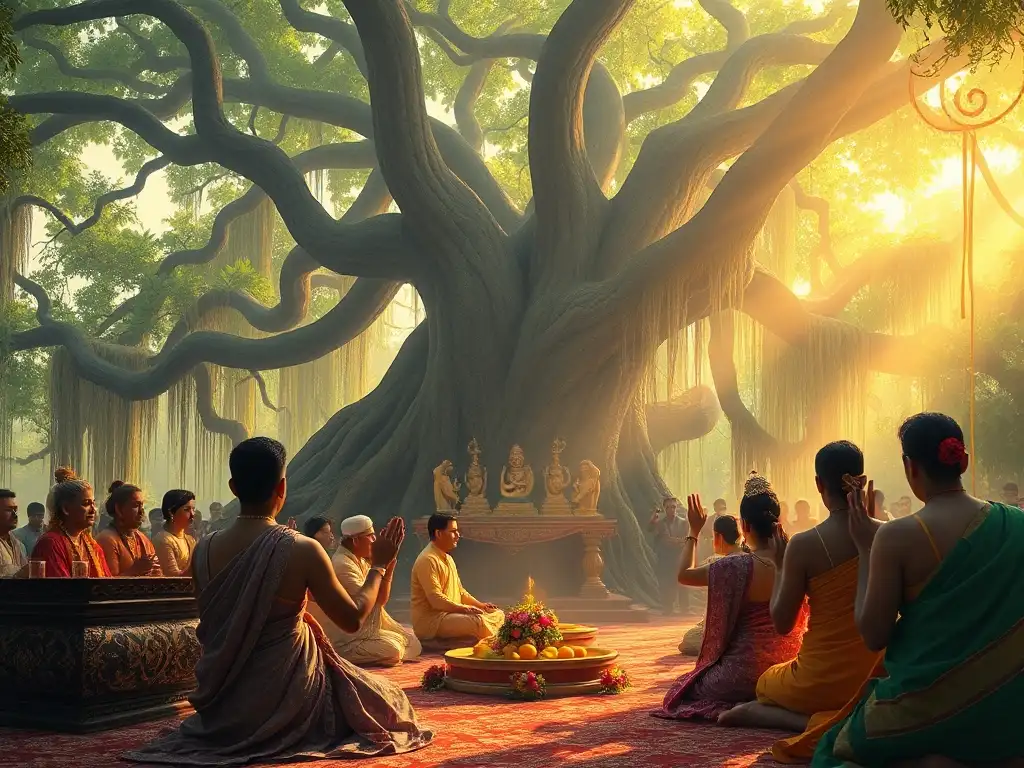
The Vedas, as the foundational texts of Hinduism, have profoundly influenced the religious and cultural practices within the tradition. Their philosophical teachings delve into the nature of existence, the divine, and the moral laws governing human behavior. This philosophical framework has laid the groundwork for various Hindu practices and rituals, emphasizing the interconnectedness of life and the cosmos.
One of the key aspects of Vedic philosophy is the concept of Brahman, the ultimate reality. This idea has permeated into various rituals, emphasizing that every act is an offering to the divine. The Atman, or the individual soul, is seen as a reflection of Brahman, reinforcing the importance of spiritual practices aimed at realizing this unity. Such beliefs are manifest in rituals that seek to honor the divine presence, making the performance of these rites a means to achieve spiritual enlightenment and societal harmony.
Moreover, the Vedas articulate the principles of Rta, the cosmic order, which underscores the importance of adhering to one's duty (dharma) during rituals. This connection between Vedic philosophy and practice ensures that rituals are performed with a sense of purpose and alignment with the greater cosmic order, thereby enhancing their significance in Hindu worship.
Concepts of Dharma and Karma in Rituals
In the Vedic tradition, the concepts of Dharma and Karma play a crucial role in shaping rituals and practices. Dharma, representing duty and righteousness, emphasizes that every individual has specific responsibilities based on their societal role, age, and personal circumstances. Rituals are often designed around these duties, reinforcing the importance of performing one's obligations to maintain balance and order both in society and the cosmos.
Karma, the law of cause and effect, further intertwines with the performance of rituals. It is believed that the actions performed during these rites generate positive or negative consequences, which can influence an individual's future experiences. This belief encourages practitioners to engage in rituals not merely as formalities but as sacred acts that can alter their karmic trajectory. Consequently, the performance of Vedic rituals is imbued with moral significance, guiding individuals toward actions that align with their dharma.
The Vedas also delineate specific rituals, such as yajnas (sacrificial ceremonies), that serve to reinforce these concepts. These rituals are not only acts of devotion but also opportunities for practitioners to fulfill their dharma while generating good karma, thereby fostering spiritual growth and communal harmony.
The Role of Mantras and Chants in Hindu Worship
Mantras, the sacred sounds or phrases derived from the Vedas, hold a pivotal role in Hindu worship and rituals. These chants are believed to carry vibrational energy that can connect the practitioner with the divine. Each mantra is imbued with specific meanings and intentions, aimed at invoking particular deities or cosmic principles during rituals.
The use of mantras is deeply rooted in Vedic tradition, where pronunciation and intonation are considered vital for the effectiveness of the chant. The power of these mantras lies not only in their linguistic composition but also in their rhythmic and melodic qualities, which can elevate the spiritual experience for practitioners.
In addition to enhancing personal worship, mantras serve as collective prayers during communal rituals, fostering a sense of unity among participants. The recitation of mantras during significant ceremonies, such as weddings, rites of passage, and festivals, underscores their importance in marking sacred moments in the lives of individuals and communities.
Meditation and Spiritual Practices Derived from Vedic Teachings
Meditation, as a practice deeply rooted in Vedic teachings, plays an essential role in Hindu spirituality. The Vedas outline various meditative techniques that aim to cultivate concentration, awareness, and inner peace. These practices are designed to transcend the mind's distractions, allowing practitioners to connect with their true selves and the divine presence.
One of the prominent forms of meditation derived from the Vedic tradition is Dhyana, which focuses on the contemplation of a chosen deity or concept. This meditative practice encourages the practitioner to still the mind and immerse themselves in the experience of the divine, fostering a deeper spiritual connection.
Furthermore, the Vedic texts emphasize the importance of Yoga as a means to achieve spiritual realization. The various paths of yoga, including Bhakti (devotion), Jnana (knowledge), and Karma (action), reflect the diverse ways individuals can engage with the divine and their own spirituality. These practices have been integral in shaping contemporary Hindu rituals, where meditation often accompanies worship, enhancing the overall spiritual experience.
The Continuity and Adaptation of Vedic Rituals in Modern Hinduism
Vedic rituals have not only endured through the ages but have also adapted to contemporary societal contexts, ensuring their relevance in modern Hinduism. This continuity reflects the dynamic nature of Hindu practices, allowing them to evolve while retaining their foundational principles.
Preservation of Vedic Practices in Contemporary Society
The preservation of Vedic practices is evident in the continued performance of traditional rituals, rites of passage, and festivals across various communities. Many Hindu families uphold these customs, often integrating them into daily life, thereby ensuring the transmission of Vedic teachings to future generations.
Modern technology has also aided in the preservation efforts, with online resources and virtual platforms facilitating access to Vedic texts and teachings. Additionally, organizations dedicated to Vedic scholarship have emerged, promoting awareness and understanding of these ancient scripts and their relevance today.
Adaptation of Vedic Rituals in Different Hindu Traditions
As Hinduism is not monolithic, different traditions interpret and adapt Vedic rituals to align with their unique beliefs and practices. For instance, while the Shaivite tradition emphasizes rituals centered on Lord Shiva, the Vaishnavite tradition focuses on those honoring Lord Vishnu.
Furthermore, regional variations exist where local customs and deities are integrated into the Vedic framework, resulting in diverse expressions of worship. This adaptability ensures that Vedic rituals resonate with practitioners on a personal and cultural level, allowing them to engage meaningfully with their heritage.
The Role of Gurus and Scholars in Vedic Rituals Today
Gurus and scholars play a vital role in the transmission and interpretation of Vedic rituals in contemporary society. These spiritual leaders serve as custodians of Vedic knowledge, guiding devotees in the performance of rituals and the understanding of their significance.
Their teachings often bridge the ancient wisdom of the Vedas with modern sensibilities, making Vedic practices accessible and relevant. Through workshops, classes, and public discourses, gurus and scholars foster a renewed interest in Vedic rituals, encouraging individuals to explore their spiritual heritage and engage in practices that resonate with their personal beliefs.
The ongoing engagement of these figures ensures that Vedic rituals not only survive but flourish, adapting to the changing dynamics of Hindu society while retaining their core essence.
Conclusion: The Lasting Impact of Vedas on Hindu Rituals
The Vedas, as the foundational texts of Hinduism, have played a pivotal role in shaping the rituals and practices that define the religion. Their influence extends beyond mere ceremonial acts; they encapsulate a comprehensive worldview that integrates philosophy, spirituality, and ethics. The rituals prescribed in the Vedas serve not only as expressions of devotion but also as means for individuals to connect with the divine and the cosmos. As Hindu practices continue to evolve, the Vedas remain a vital reference point, ensuring that the core principles of dharma, karma, and spiritual enlightenment are preserved.
The lasting impact of the Vedas on Hindu rituals is evident in their ability to adapt to contemporary practices while retaining their original significance. They provide a framework that encourages individuals to participate in rituals that foster community, uphold moral values, and promote spiritual growth. Through the ongoing reverence for the Vedas, Hindu rituals remain vibrant and relevant, illustrating the timeless nature of these ancient texts.
Summary of Key Points on Vedas and Rituals
- Foundation of Hindu Practices: The Vedas establish the framework for various rituals that are integral to Hindu worship and societal norms.
- Diverse Ritual Forms: The rituals outlined in the Vedas range from daily worship (puja) to elaborate sacrifices (yajnas), each with specific guidelines and purposes.
- Philosophical Underpinnings: Many rituals are rooted in philosophical concepts found in the Vedas, emphasizing the connection between the material and spiritual realms.
- Cultural Integration: The Vedic influence is evident in various cultural practices across India, showcasing a blend of tradition and spirituality.
- Adaptation and Evolution: While the core teachings of the Vedas remain influential, Hindu rituals have adapted over time, reflecting the dynamic nature of the religion.
The Vedas as a Source of Knowledge and Spirituality in Hinduism
The Vedas are not merely religious texts; they are revered as profound sources of knowledge and spirituality. Composed of four main texts—Rigveda, Samaveda, Yajurveda, and Atharvaveda—the Vedas encompass a wide range of subjects, including philosophy, cosmology, ethics, and rituals. Each Veda contributes uniquely to the understanding of the universe and the place of humanity within it.
The spiritual teachings found in the Vedas encourage followers to seek enlightenment and truth. Concepts such as Brahman (the ultimate reality) and Atman (the self) are explored within their verses, guiding practitioners in their spiritual journeys. By articulating the importance of knowledge ( jnana) and wisdom ( vidya), the Vedas lay the groundwork for various schools of thought within Hindu philosophy, influencing not only rituals but also ethical conduct and daily life.
Future Perspectives on Vedic Influence in Hindu Practices
As the world progresses and cultural landscapes shift, the relevance of the Vedas in contemporary Hindu practices continues to spark interest and discussion. Future perspectives on Vedic influence may include:
- Modern Interpretations: Scholars and practitioners are increasingly exploring the Vedas through modern lenses, seeking to apply their teachings to contemporary issues such as environmentalism, social justice, and mental health.
- Interfaith Dialogues: The universal themes present in the Vedas may foster dialogues across different religious traditions, promoting a broader understanding of spirituality and rituals.
- Technological Integration: With the rise of digital media, the dissemination of Vedic knowledge is more accessible than ever, allowing for new forms of ritual practice and community engagement.
- Preservation of Tradition: There is a growing movement to preserve traditional practices rooted in Vedic teachings, ensuring that they remain vibrant and relevant in a rapidly changing world.
The Vedas continue to be a cornerstone of Hindu rituals, shaping practices both traditional and innovative, while their teachings remain a beacon of knowledge and spirituality for future generations.
- Introduction to the Vedas and Hindu Rituals
- Historical Context of the Vedas
- Key Vedic Texts and Their Influence on Hindu Rituals
- Vedic Rituals and Their Components
- The Influence of Vedic Philosophy on Hindu Practices
- The Continuity and Adaptation of Vedic Rituals in Modern Hinduism
- Conclusion: The Lasting Impact of Vedas on Hindu Rituals
Frequently Asked Questions
What are the Vedas and their significance in Hinduism?
The Vedas are the oldest sacred texts of Hinduism, composed in ancient Sanskrit. They are considered the foundation of Hindu rituals and practices, guiding spiritual and cultural aspects of life.
How do the Vedas influence Hindu rituals?
The Vedas influence Hindu rituals by providing detailed instructions on sacrifices, hymns, and ceremonies, establishing the framework for various religious practices that are still observed today.
What are the main types of Vedic texts?
The main types of Vedic texts include the Samhitas (hymns), Brahmanas (ritual manuals), Aranyakas (forest treatises), and Upanishads (philosophical texts), each contributing to the understanding of Hindu rituals.
Can you name some specific rituals derived from the Vedas?
Specific rituals derived from the Vedas include the Agnihotra (fire sacrifice), Soma rituals, and various samskaras (sacraments) such as upanayana (sacred thread ceremony), which are integral to Hindu life.
How have the Vedas evolved over time in their application to Hindu practices?
Over time, the interpretation of the Vedas has evolved, leading to diverse practices and adaptations in rituals, while maintaining their core teachings and significance within the ever-changing landscape of Hinduism.
Final Reflection: The Enduring Influence of the Vedas on Hindu Rituals
The Vedas influence on Hindu rituals is a profound testament to the power of ancient texts in shaping contemporary spiritual practices. As we navigate a world increasingly disconnected from its roots, the teachings of the Vedas remind us of the significance of tradition in our lives. These sacred scriptures not only provide a framework for rituals but also serve as a bridge connecting generations, ensuring that the essence of Hindu spirituality remains vibrant and relevant in today's society.
The impact of the Vedas extends far beyond mere rituals; they have woven themselves into the very fabric of cultural identity and social norms within Hindu communities. As we engage with these texts, we uncover layers of meaning that resonate deeply with our personal and collective experiences. The Vedas encourage us to reflect on our place in the universe and our responsibilities towards one another. As Mahatma Gandhi once said, The Vedas are the foundation of our culture, and their teachings are the guiding light for our actions.
This enduring wisdom continues to inspire countless individuals seeking a deeper understanding of their faith and the world around them.
As we conclude our exploration of the Vedas and their influence on Hindu rituals, I invite you to take a moment for introspection. Consider how the principles embedded in these ancient texts can enrich your own life and spiritual journey. Embrace the opportunity to engage with your traditions, reflect on their meanings, and apply their teachings in your daily practices. By doing so, you not only honor the legacy of the Vedas but also contribute to the living tapestry of Hindu culture, ensuring its relevance for future generations.
Embrace the Wisdom of the Vedas Today!
Thank you for diving deep into the fascinating role the Vedas play in shaping Hindu rituals and practices. Your interest in this rich heritage is the first step towards a more profound understanding of ancient traditions that still influence lives today. Now, it’s your turn to take meaningful action!
- Immerse yourself in Vedic literature: Start by reading a passage from a Veda that resonates with you—allow its wisdom to enrich your daily life.
- Join a community or workshop: Engage with local groups or online forums that explore Vedic knowledge—sharing insights can deepen your understanding and foster connections with others.
- Practice a ritual: Choose a simple ritual inspired by Vedic teachings and incorporate it into your routine—experience firsthand how these ancient practices can enhance your life.
What aspect of Vedic wisdom are you most inspired to explore in your own life? Share your thoughts below!