
The Intersection of Science: Joint Discoveries by Indian and Chinese Scholars


Welcome to Ancient India History! Here, we invite you to embark on a fascinating journey through the rich tapestry of ancient Indian civilizations and their remarkable contributions to the world. In our featured article, “The Intersection of Science: Joint Discoveries by Indian and Chinese Scholars,” we delve into the intriguing interplay between Indian and Chinese scientific advancements. Discover how these two great civilizations collaborated and exchanged knowledge, shaping the foundations of science as we know it today. Curious about the groundbreaking discoveries that emerged from this cultural interaction? Let’s explore together!
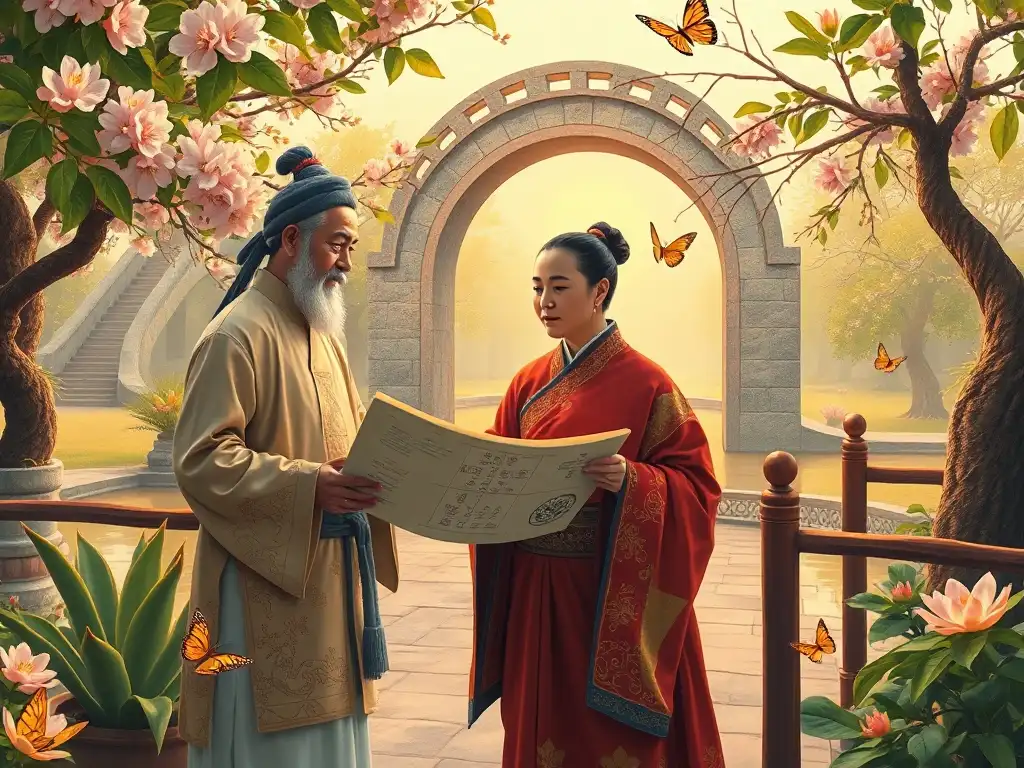
The collaboration between Indian and Chinese scholars has played a pivotal role in the evolution of scientific thought and practice in ancient civilizations. This article delves into the remarkable contributions made by these two cultures, illustrating how their joint discoveries have shaped fields such as mathematics, astronomy, and medicine.
By examining the historical context and the importance of collaboration, we can appreciate the rich tapestry of knowledge that emerged from the intersection of Indian and Chinese scientific endeavors. Understanding this synergy not only highlights the advancements in ancient science but also emphasizes the cultural exchanges that have significantly influenced the development of human civilization.
Introduction to Indian and Chinese Scientific Discoveries
Overview of the Historical Context
The historical backdrop of Indian and Chinese scientific discoveries is rich and complex. Both civilizations, with their unique philosophies and methodologies, flourished during overlapping periods, particularly during the early centuries of the Common Era. The Silk Road, a key trade route, facilitated not just the exchange of goods but also the sharing of ideas and knowledge. Scholars from both regions engaged in dialogue, allowing for the cross-pollination of scientific theories and practices.
For instance, the introduction of Indian numeral systems to China during the Han Dynasty exemplifies how these exchanges were instrumental in developing mathematical concepts. This historical interplay set the stage for significant advancements in various scientific disciplines, as scholars collaborated to solve problems and innovate.
Importance of Collaboration in Ancient Science
Collaboration between Indian and Chinese scholars was crucial in advancing scientific knowledge. The synthesis of ideas from diverse cultural backgrounds led to a more holistic understanding of the natural world. Scholars often traveled between regions, sharing discoveries and methodologies that transcended geographical boundaries.
- Mutual Influence: The influence of Indian astronomy on Chinese calendars and vice versa demonstrates how mutual respect and curiosity fostered innovation.
- Knowledge Preservation: Collaborative efforts also ensured the preservation of valuable texts and practices, which would otherwise have been lost to time.
Through such collaborations, both civilizations not only advanced their own scientific pursuits but also enriched the global repository of knowledge, laying foundations for future generations.
Key Areas of Joint Scientific Endeavors
Mathematics: Contributions from Indian and Chinese Scholars
Mathematics serves as a prime example of the fruitful collaboration between Indian and Chinese scholars. The concept of zero, attributed to Indian mathematicians, found its way into Chinese mathematics, revolutionizing calculations and the representation of numbers.
- Indian Contributions:
- The decimal system and positional value, which provided a framework for complex calculations.
- Chinese Innovations:
- The development of the Nine Chapters on the Mathematical Art, which integrated Indian mathematical principles and provided practical applications in agriculture and trade.
This cross-cultural exchange not only enhanced mathematical understanding but also fostered advancements in commerce and science.
Astronomy: Shared Knowledge and Discoveries
The field of astronomy was another significant area of joint endeavor. Indian and Chinese astronomers shared insights that led to remarkable discoveries about celestial bodies and phenomena.
- Indian Influence: The Indian astronomer Aryabhata contributed theories on the rotation of the Earth and lunar eclipses, which were later studied and refined by Chinese scholars.
- Chinese Contributions: The compilation of astronomical records by Chinese astronomers helped document and predict celestial events, demonstrating how both cultures benefited from each other's observations.
Together, these contributions enriched the understanding of the cosmos and laid the groundwork for future astronomical studies.
Medicine: Traditional Practices and Innovations
The intersection of Indian and Chinese medical practices further illustrates their collaborative spirit. Both civilizations had advanced medical systems that eventually influenced one another.
- Ayurveda and Traditional Chinese Medicine (TCM): While Ayurveda emphasized holistic health, TCM focused on balance and harmony in the body. The integration of techniques from both systems led to innovative approaches to health and healing.
- Shared Texts: Medical texts and knowledge exchanged along trade routes contributed to a more comprehensive understanding of human anatomy and diseases.
This collaboration not only enhanced medical practice in both cultures but also established a rich tradition of healing that influences practices even today.
The joint scientific discoveries between Indian and Chinese scholars underscore the profound impact of cultural exchanges in shaping the course of human knowledge. Through mathematics, astronomy, and medicine, we see how collaboration transcended boundaries, fostering innovation and understanding that resonates through history.
Notable Indian and Chinese Scholars in Science
The history of scientific discoveries in ancient India and China is marked by the brilliance of numerous scholars whose contributions laid the groundwork for various fields of study. These scholars not only advanced their own civilizations but also fostered a spirit of collaboration that transcended borders, leading to significant joint discoveries.
Influential Indian Scientists and Their Contributions
Indian scholars such as Aryabhata, Brahmagupta, and Sushruta made pioneering contributions in mathematics, astronomy, and medicine.
- Aryabhata (476–550 CE) is renowned for his work in mathematics and astronomy. His seminal text, the Aryabhatiya, introduced concepts such as the approximation of π (pi) and the place-value system, which were crucial for later mathematical developments.
- Brahmagupta (598–668 CE) furthered the field of mathematics, particularly in algebra and number theory. He is credited with the earliest known formulation of rules for arithmetic operations involving zero.
- Sushruta (c. 600 BCE) is often referred to as the 'father of surgery'. His work, the Sushruta Samhita, detailed surgical techniques and instruments, emphasizing the importance of anatomy and patient care.
These scholars not only advanced their respective fields but also inspired their contemporaries and successors in China, fostering a rich exchange of knowledge.
Prominent Chinese Scholars and Their Discoveries
Similarly, China boasts notable scholars who made significant strides in various scientific disciplines.
- Zhang Heng (78–139 CE) was an astronomer, mathematician, and inventor known for creating the first seismometer to detect earthquakes. His work laid foundational concepts in both astronomy and geophysics.
- Li Shizhen (1518–1593 CE) is celebrated for his contributions to herbal medicine and pharmacology. His comprehensive work, the Bencao Gangmu (Compendium of Materia Medica), cataloged thousands of medicinal substances and their uses, establishing a foundation for traditional Chinese medicine.
- Xuanzang (602–664 CE), while primarily known as a Buddhist monk and traveler, also contributed to the translation of texts and sharing of scientific knowledge between India and China, particularly in the fields of mathematics and astronomy.
These scholars exemplify the rich tradition of scientific inquiry in ancient China, which often intersected with Indian scholarship through cultural and intellectual exchanges.
Collaborative Efforts and Exchanges Between Scholars
The collaborative spirit between Indian and Chinese scholars was notably characterized by the sharing of texts, ideas, and innovations. Scholars traveled between the two civilizations, bringing with them knowledge that facilitated joint discoveries.
- Translation Movements: The translation of texts from Sanskrit to Chinese and vice versa enabled the cross-pollination of ideas. For instance, Buddhist texts translated by Indian monks often included scientific concepts that influenced Chinese thought.
- Academic Conferences: Informal gatherings of scholars allowed for discussions and debates on scientific theories and practices. These interactions led to the enhancement of knowledge in fields like astronomy and medicine.
- Joint Research Projects: Some scholars engaged in collaborative research, particularly in astronomy, where observations of celestial phenomena were shared to refine calendars and navigation techniques.
The synergy between these scholars not only advanced their respective fields but also enriched the cultural tapestry of both civilizations.
Historical Events that Fostered Scientific Collaboration
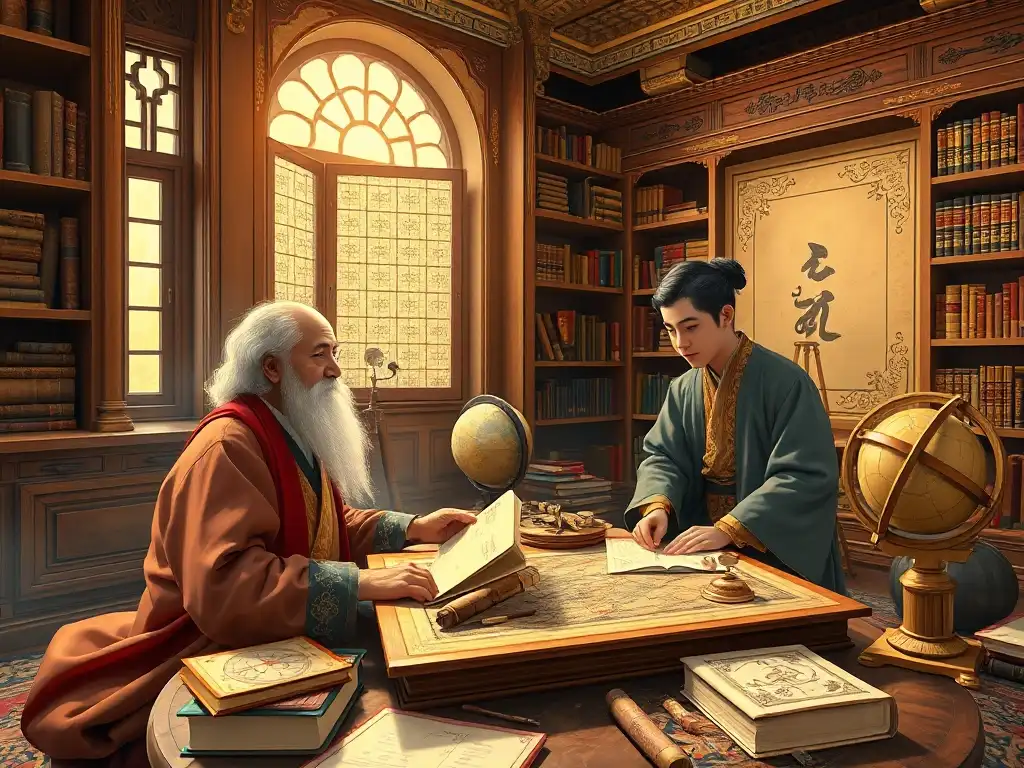
Several historical events significantly fostered collaboration between Indian and Chinese scholars, paving the way for scientific discoveries that benefited both cultures.
Trade Routes and Cultural Exchanges
The establishment of trade routes, such as the Silk Road, played a pivotal role in connecting India and China, facilitating the exchange of goods, ideas, and knowledge.
- Silk Road: This ancient network of trade routes enabled not just the exchange of silk and spices, but also the sharing of scientific knowledge. Merchants, travelers, and scholars traversed these routes, carrying texts and innovations that influenced both societies.
- Maritime Trade: In addition to overland routes, maritime trade networks facilitated cultural exchanges between coastal regions of India and China. This interaction contributed to the sharing of astronomical knowledge and navigational techniques vital for seafaring.
These exchanges not only enhanced economic ties but also established a conduit for scientific discourse.
The Role of Empires in Scientific Development
The political structures of powerful empires significantly influenced the flourishing of scientific endeavors.
- Maurya and Gupta Empires: In India, the Maurya (322–185 BCE) and Gupta (c. 320–550 CE) Empires supported scholars through patronage and established centers of learning, such as Nalanda University, attracting intellects from various regions, including China.
- Tang and Song Dynasties: In China, the Tang (618–907 CE) and Song (960–1279 CE) Dynasties were periods of immense cultural and scientific advancement, with state-sponsored initiatives that encouraged research in astronomy, mathematics, and medicine.
These empires created conducive environments for scholars to collaborate and innovate, leading to joint discoveries that would have lasting impacts.
Key Texts and Manuscripts Facilitating Joint Discoveries
Numerous key texts and manuscripts served as bridges between Indian and Chinese scientific knowledge.
- The Aryabhatiya: This foundational mathematical text not only influenced Indian scholars but was also translated and studied by Chinese mathematicians, facilitating exchanges in mathematical concepts.
- Buddhist Texts: Many Buddhist scriptures contained references to astronomy and medicine, which were translated into Chinese and adapted by scholars such as Xuanzang, enriching both traditions.
- Medical Treatises: Works like the Sushruta Samhita found their way into Chinese medicine, influencing practices and leading to advancements in surgical techniques.
These texts were instrumental in ensuring that the scientific discoveries of one culture were recognized and built upon by the other, fostering a rich legacy of collaboration.
The Impact of Indian and Chinese Scientific Discoveries on the World
The collaborative scientific endeavors between Indian and Chinese scholars have left an indelible mark on global science and technology. Their discoveries not only advanced their respective civilizations but also laid the groundwork for future innovations across the world. By integrating knowledge from mathematics, astronomy, medicine, and technology, these ancient scholars fostered a rich exchange of ideas that transcended regional boundaries. This intersection of knowledge played a pivotal role in shaping scientific thought and practices that would ripple through time, influencing not only neighboring cultures but also the development of Western science.
Influence on Global Scientific Thought and Practices
The scientific advancements made by Indian and Chinese scholars significantly influenced global scientific thought. For instance, the concept of zero, developed in India, revolutionized mathematics and computation, becoming foundational for modern arithmetic. Simultaneously, Chinese innovations in the field of astronomy—such as the creation of the star map—were crucial in understanding celestial movements, significantly affecting navigation and timekeeping.
Indian medicine, particularly Ayurveda, and Chinese traditional medicine contributed greatly to holistic health practices worldwide. The sharing of herbal knowledge and medical techniques between these civilizations created a rich tapestry of medical understanding that has endured through centuries. This collaborative spirit cultivated a comprehensive approach to science, emphasizing empirical observation and experimentation, which would later be pivotal during the Renaissance and the Scientific Revolution.
The Legacy of Joint Discoveries in Modern Science
The legacy of Indian and Chinese scientific discoveries is still evident in contemporary science. Many foundational theories in mathematics, such as the decimal system and algebra, owe much to the contributions of Indian mathematicians like Aryabhata and Brahmagupta. In parallel, Chinese innovations in fields such as optics and mechanics laid the groundwork for future scientific exploration.
Moreover, the ancient texts and manuscripts that emerged from this collaboration, including translations and commentaries, continue to be reference points for modern researchers. The Silk Road not only facilitated trade but also acted as a conduit for scientific knowledge, ensuring that the fruits of Indian and Chinese intellect were disseminated and built upon by later scholars across the globe.
Lessons from Historical Collaboration for Contemporary Science
The historical collaboration between Indian and Chinese scholars offers valuable lessons for contemporary science. The importance of interdisciplinary approaches, mutual respect, and the sharing of knowledge can enhance current scientific endeavors in an increasingly globalized world. By fostering an environment of cooperation rather than competition, modern scientists can tackle global challenges—such as climate change and public health crises—more effectively.
Additionally, recognizing the significance of cultural heritage in scientific development encourages a more inclusive narrative of science history. This perspective not only honors the contributions of diverse civilizations but also inspires current and future generations of scientists to explore collaborative frameworks in their research.
Conclusion: The Lasting Significance of Indian and Chinese Scientific Partnerships
The scientific partnerships between Indian and Chinese scholars underscore the lasting significance of cross-cultural exchange in the advancement of human knowledge. These collaborations were not merely one-time events; they represented a continuous dialogue that enriched both civilizations, allowing them to thrive and innovate through shared insights.
Reflection on the Importance of Cross-Cultural Scientific Exchange
Reflecting on the historical context, it becomes clear that the cross-cultural scientific exchange between India and China was vital for the growth of knowledge. These interactions fostered skepticism and inquiry, essential elements of the scientific method. By understanding different perspectives, scholars were able to refine their theories and broaden their horizons, creating a robust intellectual environment that valued diverse contributions.
Future Directions for Research in Ancient Scientific Collaborations
Moving forward, future research into ancient Indian and Chinese scientific collaborations should focus on uncovering lesser-known exchanges and exploring their implications on modern scientific practices. By delving deeper into texts, artifacts, and archaeological findings, scholars can illuminate the nuances of these partnerships and their long-lasting impacts. Additionally, embracing modern technologies, such as digital humanities, can aid in reconstructing the narratives of these ancient interactions, providing a richer understanding of how these civilizations shaped each other's scientific landscapes.
- Introduction to Indian and Chinese Scientific Discoveries
- Key Areas of Joint Scientific Endeavors
- Notable Indian and Chinese Scholars in Science
- Historical Events that Fostered Scientific Collaboration
- The Impact of Indian and Chinese Scientific Discoveries on the World
- Conclusion: The Lasting Significance of Indian and Chinese Scientific Partnerships
- What are some key scientific discoveries shared between Indian and Chinese scholars?
- How did cultural exchange between India and China impact scientific progress?
- What role did the Silk Road play in the exchange of scientific knowledge?
- Can you give examples of joint discoveries in medicine by Indian and Chinese scholars?
- How did the Gupta Empire contribute to Indian scientific achievements?
Frequently Asked Questions
Both Indian and Chinese scholars made significant contributions in fields such as mathematics, astronomy, and medicine. Notably, concepts like zero and the decimal system in India influenced Chinese mathematics.
How did cultural exchange between India and China impact scientific progress?
The cultural exchange facilitated the transfer of knowledge, leading to advancements in various disciplines. This interaction helped in the sharing of techniques and ideas, enriching both civilizations.
What role did the Silk Road play in the exchange of scientific knowledge?
The Silk Road served as a crucial trade route, enabling scholars from India and China to collaborate and exchange ideas, which significantly advanced their scientific understanding and practices.
Can you give examples of joint discoveries in medicine by Indian and Chinese scholars?
Indian and Chinese scholars collaborated on herbal medicine and treatment methods, leading to the development of Ayurveda in India and Traditional Chinese Medicine practices, both of which emphasize holistic health.
How did the Gupta Empire contribute to Indian scientific achievements?
The Gupta Empire is known as a golden age for Indian science, where advancements in mathematics, astronomy, and medicine flourished, influencing Chinese scholars who adopted and adapted these scientific principles.
Final Reflection: Bridging Cultures Through Joint Scientific Discoveries
The collaboration between Indian and Chinese scholars in scientific discoveries is not just a historical footnote; it is a testament to the power of unity in the face of global challenges. As we navigate an increasingly interconnected world, the joint efforts of these two nations highlight the importance of collaboration over competition. This partnership not only fosters innovation but also serves as a reminder that the greatest advancements often arise from shared knowledge and mutual respect.
The influence of Indian and Chinese scientific discoveries extends far beyond the borders of their respective countries; it shapes the very fabric of our global society. In fields ranging from medicine to technology, the contributions of these scholars have paved the way for groundbreaking advancements that benefit humanity as a whole. As the renowned physicist Albert Einstein once said, The important thing is not to stop questioning. Curiosity has its own reason for existence.
This curiosity drives the ongoing collaboration between Indian and Chinese researchers, inspiring future generations to seek knowledge and understanding across cultural divides.
As we reflect on the significance of these joint discoveries, I invite you to consider how you can contribute to a culture of collaboration in your own life. Embrace the spirit of inquiry and openness to new ideas, and seek opportunities to learn from others, regardless of their background. By fostering connections and sharing knowledge, we can all play a part in advancing science and enriching our communities. Let us honor the legacy of Indian and Chinese scholars by continuing to build bridges that lead to a brighter, more innovative future for all.
Unveil the Future of Collaboration in Science!
Thank you for exploring the fascinating world of scientific synergy between Indian and Chinese scholars! Your interest in this topic enhances our understanding of how collaboration can lead to groundbreaking discoveries.
Now it's your turn to take action! Here are some powerful steps you can embrace:
- Join a local science club or online community dedicated to cross-cultural scientific discussions to explore innovative collaborative ideas.
- Share this article with friends or on social media to ignite conversations about the significance of collaborative discoveries in science.
- Consider volunteering for initiatives or organizations that foster intercultural scientific exchanges and collaborative research projects.
How do you envision the future of scientific collaboration impacting our world? We invite you to share your thoughts in the comments below!