
Architectural Preservation: Challenges Facing Ancient Indian Structures Today

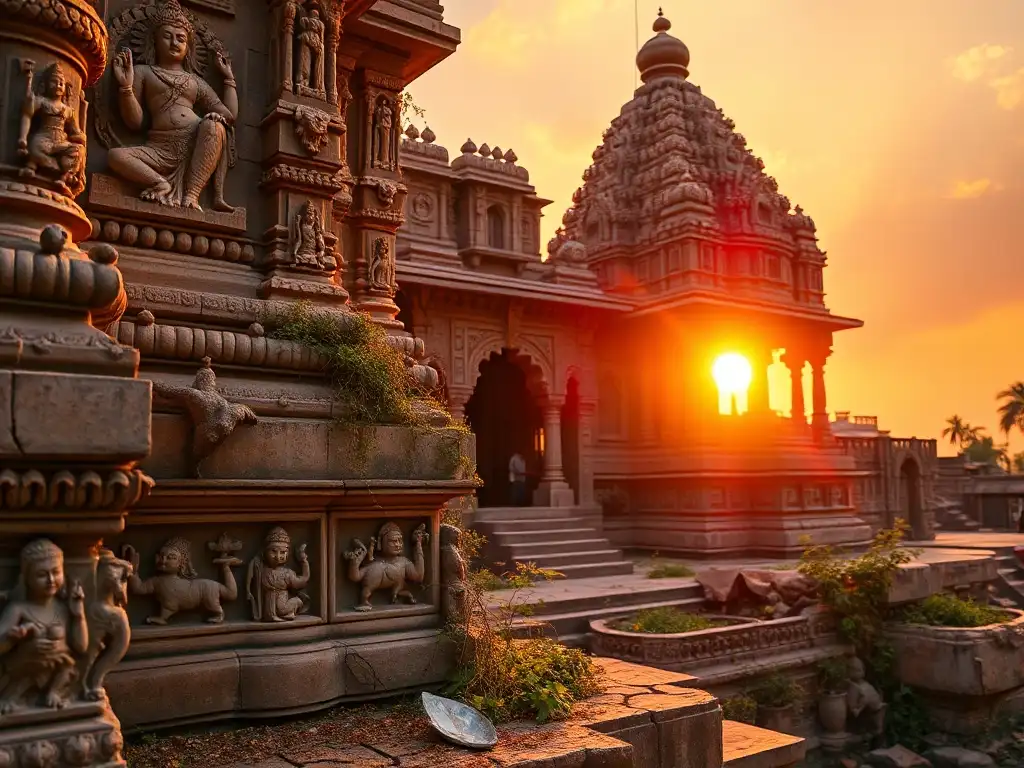
Welcome to Ancient India History, where we embark on a captivating journey through the rich tapestry of India's past. As we delve into the article on "Preserving Ancient Indian Architecture," you'll uncover the intricate challenges that confront the majestic structures of yesteryear. From the stunning remnants of the Indus Valley to the grandeur of the Gupta Empire, our exploration reveals not just the beauty of these architectural wonders but also the vital efforts needed to safeguard them for future generations.
Are you ready to discover how the echoes of history can inform our present and preserve our shared cultural heritage? Dive in!
- Introduction to Architectural Preservation in Ancient India
- Historical Context of Ancient Indian Architecture
- Evolution of Architectural Styles in India
- Key Features of Ancient Indian Architectural Marvels
- Current Challenges in Preserving Ancient Indian Architecture
- Government Policies and Initiatives for Preservation
- Role of NGOs and Community Involvement in Preservation
- Technological Advances in Preservation Techniques
- Future Directions for Preserving Ancient Indian Architecture
- Conclusion: The Imperative of Preserving Ancient Indian Architecture
-
Frequently Asked Questions
- What is the significance of preserving ancient Indian architecture?
- What are the main challenges in preserving ancient Indian structures?
- How does modernization impact ancient Indian architecture?
- What role do government policies play in architectural preservation?
- How can the public contribute to preserving ancient Indian architecture?
- Final Reflection: The Urgency of Preserving Ancient Indian Architecture
- Preserve Our Heritage: Take Action Today!
Introduction to Architectural Preservation in Ancient India
The architectural heritage of ancient India is a testament to the ingenuity, artistic prowess, and cultural depth of its civilizations. From the meticulously planned cities of the Indus Valley to the monumental temples and palaces of the Gupta Empire, these structures embody the evolution of architectural styles and techniques over millennia.
As we delve into the topic of preserving ancient Indian architecture, it becomes crucial to understand not only the historical significance of these edifices but also the myriad challenges they face in the modern era. This article aims to explore the intricacies of architectural preservation, highlighting its importance, the unique characteristics of ancient structures, and the pressing issues that threaten their longevity.
Significance of Preserving Ancient Indian Architecture
Preserving ancient Indian architecture is vital for several reasons:
- Cultural Heritage: Ancient structures serve as physical representations of the diverse cultures, religions, and traditions that have flourished in India. They offer insight into the social, political, and spiritual lives of the people who built and inhabited them.
- Historical Knowledge: These architectural marvels provide invaluable information about historical events, trade routes, and technological advancements. They act as primary sources for historians and archaeologists studying ancient Indian societies.
- Tourism and Economy: Preserved sites attract millions of tourists each year, contributing significantly to the local and national economy. They promote cultural tourism and create job opportunities in various sectors, including hospitality and crafts.
- Educational Value: Ancient architecture serves as a tool for education, inspiring future generations about their heritage and the importance of conservation. Educational programs centered around these structures can foster a sense of pride and responsibility among local communities.
Overview of Ancient Indian Structures
Ancient Indian architecture encompasses a wide range of styles and structures, each reflecting the unique cultural and historical context of its time. Here’s a glimpse of some notable categories:
- Indus Valley Civilization: Known for its advanced urban planning, this civilization featured well-organized cities like Mohenjo-Daro and Harappa, characterized by grid layouts, sophisticated drainage systems, and public baths.
- Buddhist Architecture: The stupas and monastic complexes, such as those at Sanchi and Ajanta, showcase the influence of Buddhism on architectural design, emphasizing harmony with nature and spiritual symbolism.
- Hindu Temples: From the intricate carvings of the Khajuraho temples to the towering shikharas of South Indian temples, these structures illustrate the significance of religion in architectural expression and community life.
- Islamic Architecture: The arrival of Islamic rule introduced new styles, evident in the grandeur of the Red Fort and the intricate designs of the Mughal gardens, blending Persian influences with Indian traditions.
- Fortresses and Palaces: Structures like the forts of Rajasthan and the palaces of the Deccan reflect the region's historical conflicts and royal legacies, with their imposing walls and ornate interiors.
Understanding these diverse architectural forms is essential in addressing the challenges of preservation, ensuring that future generations can appreciate and learn from these magnificent legacies.
Historical Context of Ancient Indian Architecture

Ancient Indian architecture has a profound historical context that reflects the diverse cultural, religious, and social dynamics of the subcontinent. Spanning from the Indus Valley Civilization (c. 2500–1900 BCE) to the Gupta Empire (c. 320–550 CE), this architectural journey captures the evolution of techniques, materials, and artistic expressions unique to its time.
The architectural heritage of India is marked by its regional variations, influenced by geography, climate, and the availability of resources. For instance, the urban planning of the Indus Valley cities, such as Mohenjo-Daro and Harappa, showcased advanced drainage systems, grid layouts, and standardized baked bricks. This indicates a sophisticated understanding of urban planning and civil engineering.
As we move through time, the Mauryan Empire (c. 322–185 BCE) introduced monumental structures such as the Ashoka Pillars, which were not only functional but also carried inscriptions that reflected political and moral philosophies. This period set the groundwork for later developments, where architecture began to intertwine more deeply with spiritual and religious beliefs.
The medieval period saw the rise of temple architecture, with the Dravidian and Nagara styles emerging, each characterized by distinct features and forms. The Chola and Gupta periods were particularly notable for their grand temples, which served as centers for both worship and community gatherings, illustrating architecture's role in societal cohesion.
Evolution of Architectural Styles in India
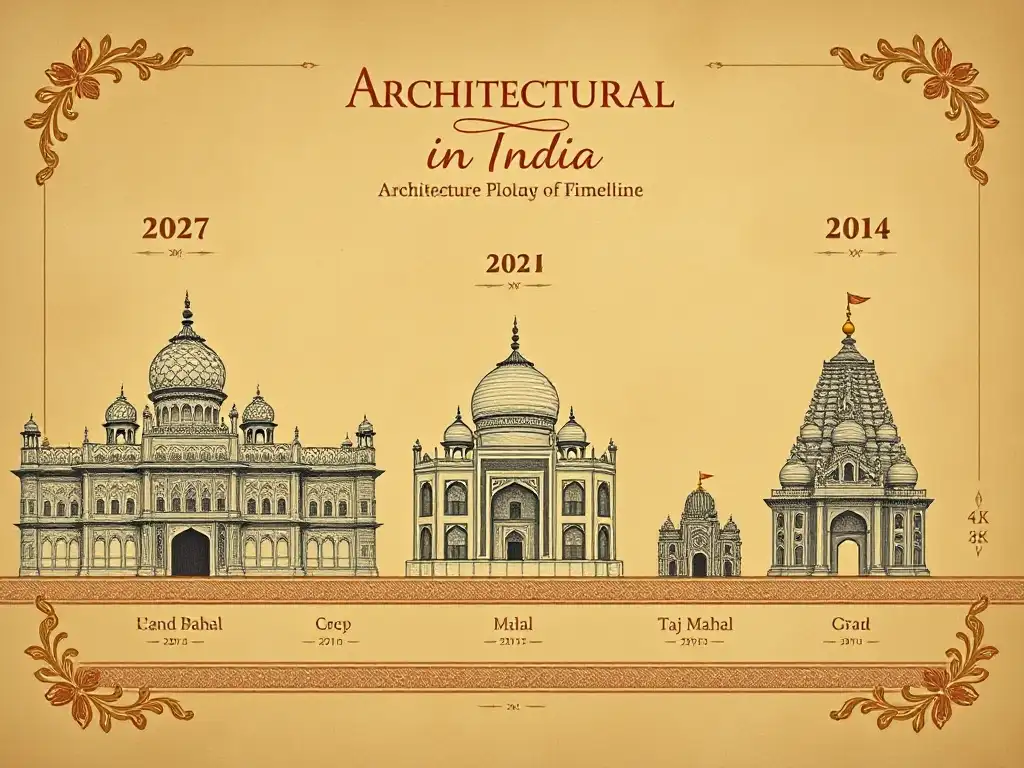
The evolution of architectural styles in India is marked by a continuous dialogue between indigenous practices and external influences. This blending is evident from the earliest stone constructions to the intricate designs of later periods.
Early Stone Architecture
- Indus Valley Civilization: Characterized by uniformity and advanced urban planning.
- Mauryan Architecture: Notable for its use of stone and the introduction of pillars with intricate carvings.
Classical Period
- Gupta Architecture: Renowned for the development of Hindu temple architecture, featuring intricate sculptures and ornate designs.
- Buddhist Architecture: Marked by stupas and rock-cut caves, such as those at Ajanta and Ellora, which reflect the spiritual essence of their time.
Medieval and Islamic Influences
- Sultanate Architecture: Introduced new styles, including the use of arches and domes, visible in structures like the Qutub Minar.
- Mughal Architecture: A synthesis of Persian and Indian styles, exemplified by the Taj Mahal and Fatehpur Sikri, showcasing grandeur and symmetry.
Regional Variations
- South Indian Temples: Dravidian style characterized by towering gopurams (gateway towers) and elaborate carvings.
- North Indian Temples: Nagara style noted for shikhara (spire) and intricate artwork.
This evolution highlights how preserving ancient Indian architecture is crucial, as these structures narrate the story of cultural amalgamation and technological advancement over centuries.
Key Features of Ancient Indian Architectural Marvels
Ancient Indian architectural marvels are distinguished by several key features, reflecting the ingenuity and artistry of their creators. Understanding these features is essential for appreciating the complexities involved in preserving ancient Indian architecture today.
Use of Materials
- Stone and Clay: Predominantly used in various forms, from bricks in the Indus Valley to granite and sandstone in later temples.
- Decorative Elements: Intricate carvings, frescoes, and sculptures often depicted religious narratives and daily life.
Architectural Techniques
- Masonry and Carpentry: Advanced techniques allowed for the construction of stable structures, including vaulted ceilings and elaborate arches.
- Water Management Systems: Ingenious aqueducts and drainage systems, particularly in urban settlements like Harappa.
Symbolism and Iconography
- Religious Significance: Temples were designed to reflect cosmic principles, with layouts symbolizing the universe.
- Sculptural Narratives: Walls adorned with carvings that conveyed religious stories and cultural values, linking architecture to spiritual beliefs.
Integration with Landscape
- Natural Harmony: Structures were often built in accordance with their environment, utilizing local materials and aligning with natural features.
- Spatial Planning: Emphasis on sacred geometry and orientation, especially in temple complexes and urban layouts.
The unique blend of these features not only exemplifies the artistic mastery of ancient Indian civilizations but also underscores the importance of initiatives aimed at preserving ancient Indian architecture for future generations. Each structure serves as a testament to the cultural richness of its time, deserving recognition and protection.
Current Challenges in Preserving Ancient Indian Architecture
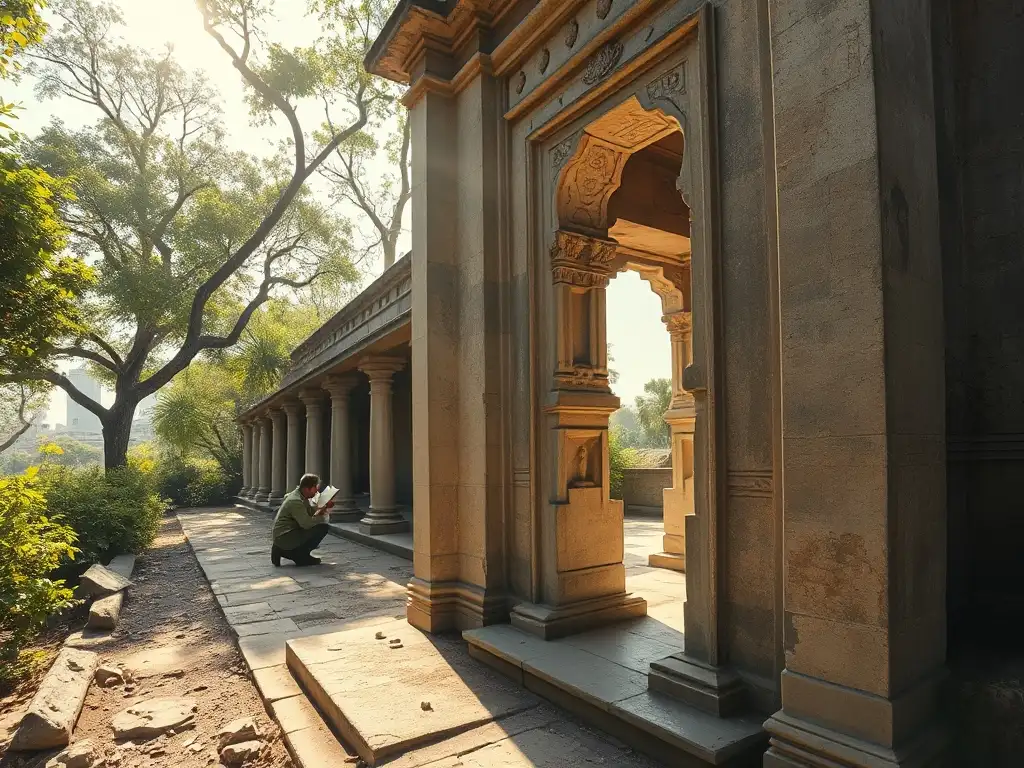
Preserving ancient Indian architecture is a multifaceted endeavor that faces numerous challenges. These challenges stem from various factors, including environmental conditions, urban development, and societal awareness. To effectively safeguard the architectural heritage of ancient India, it is crucial to understand these challenges in depth.
Environmental Factors Affecting Ancient Structures
The preservation of ancient Indian architecture is significantly impacted by environmental factors. Key elements include:
- Climate Change: Fluctuating weather patterns and rising temperatures can lead to the deterioration of ancient materials. For instance, increased rainfall can cause water damage and erosion, weakening the structural integrity of monuments.
- Natural Disasters: Earthquakes, floods, and other natural calamities pose a severe threat to ancient structures. For example, the 2001 Gujarat earthquake severely damaged several ancient temples, highlighting the vulnerability of these sites.
- Pollution: Air and water pollution contribute to the degradation of stone and other materials used in ancient constructions. Acid rain, for instance, can lead to chemical reactions that erode stone surfaces, compromising their aesthetic and structural value.
- Vegetation Growth: Over time, unchecked vegetation can cause significant damage. Roots of trees and plants can penetrate structures, leading to cracks and structural failures.
Urbanization and Its Impact on Historical Sites
Urbanization brings about significant changes that often clash with the preservation of ancient architecture:
- Development Pressure: Rapid urban expansion frequently results in the encroachment of historical sites. New constructions may overshadow or even demolish ancient structures, as seen in many metropolitan areas where modern buildings replace historical ones.
- Infrastructure Projects: Roads, bridges, and public transport projects often require land that includes historical sites. Excavation and construction can lead to the accidental damage of ancient artifacts and structures.
- Tourism vs. Preservation: While tourism can create awareness and funding for preservation, excessive tourist traffic can lead to wear and tear. For example, the Ajanta and Ellora Caves face challenges due to the high volume of visitors, necessitating a balance between tourism and conservation efforts.
Lack of Awareness and Education on Architectural Preservation
A significant barrier to preserving ancient Indian architecture is the lack of awareness and education among the public and policymakers:
- Limited Public Engagement: Many people are unaware of the historical significance and the cultural value of ancient structures. Without this understanding, there is little motivation to support preservation efforts.
- Insufficient Educational Programs: Schools and universities often do not emphasize the importance of heritage conservation in their curricula. This gap in education prevents future generations from valuing and actively participating in preservation efforts.
- Policy Gaps: There is often a lack of robust policies and regulations governing the protection of ancient architecture. While laws exist, enforcement is frequently inadequate, allowing for neglect and deterioration.
Addressing these challenges requires a multifaceted approach that combines community engagement, policy reform, and sustainable practices. By recognizing and confronting these issues, stakeholders can work towards effectively preserving ancient Indian architecture for future generations.
Government Policies and Initiatives for Preservation
The preservation of ancient Indian architecture is a critical endeavor that requires robust governmental support and effective policies. These efforts are essential not only for maintaining the structural integrity of historical sites but also for safeguarding the cultural heritage they embody. In India, a country rich in architectural marvels, the government has established various policies and initiatives aimed at preserving ancient structures.
Overview of Current Preservation Laws in India
India has a comprehensive legislative framework that addresses the preservation of its architectural heritage. Some of the key laws and policies include:
- Ancient Monuments and Archaeological Sites and Remains Act, 1958: This act provides for the preservation of ancient monuments and archaeological sites. It prohibits unauthorized excavation and construction near protected sites and ensures that any alterations to these sites are undertaken with prior approval from the Archaeological Survey of India (ASI).
- Heritage Conservation Regulations: Various states have implemented their own heritage conservation regulations that complement national laws. These regulations define conservation zones, outline permission procedures for construction, and establish guidelines for restoring heritage structures.
- National Policy on Archaeological Research: This policy aims to promote archaeological research and conservation practices while also safeguarding cultural heritage. It encourages collaboration between government bodies, NGOs, and local communities in preservation efforts.
- Intangible Cultural Heritage: Recognizing that architecture is often tied to the cultural practices of a community, the government has also endorsed the preservation of intangible cultural heritage associated with architectural sites, ensuring that traditions and practices are maintained alongside physical structures.
These laws collectively facilitate a structured approach to preserving ancient Indian architecture, yet challenges remain in enforcement and public awareness.
Role of Government Agencies in Protecting Architectural Heritage
Government agencies play a pivotal role in the protection and preservation of ancient architecture in India. Their functions can be categorized into several key areas:
- Archaeological Survey of India (ASI): The ASI is the primary agency responsible for archaeological research and the preservation of ancient monuments. They conduct assessments, implement restoration projects, and manage numerous protected sites across the country. The ASI also works to raise public awareness about the importance of preserving heritage.
- State Archaeology Departments: Each state in India has its own archaeology department that collaborates with the ASI to safeguard local heritage sites. These departments are responsible for overseeing state-level preservation initiatives and ensuring compliance with relevant laws.
- Ministry of Culture: This federal ministry oversees policies related to heritage conservation and promotes initiatives aimed at protecting cultural artifacts and historical sites. It also allocates funding for preservation projects and supports various awareness campaigns.
- Local Government Bodies: Municipalities and local government institutions are increasingly involved in heritage conservation, especially in urban areas. They are tasked with implementing preservation laws at the local level and can play a significant role in the protection of heritage sites through zoning laws and urban planning.
- Public-Private Partnerships (PPP): The government has begun to explore partnerships with private entities and non-governmental organizations to enhance preservation efforts. These collaborations can provide additional resources and expertise in conservation techniques.
While considerable progress has been made in the preservation of ancient Indian architecture through various laws and initiatives, ongoing challenges such as funding, awareness, and community involvement must be addressed. By strengthening the roles of governmental agencies and fostering collaborations, India can ensure the lasting integrity of its architectural heritage for future generations.
Role of NGOs and Community Involvement in Preservation
In the realm of preserving ancient Indian architecture, non-governmental organizations (NGOs) and community involvement play a crucial role. These entities not only raise awareness about the significance of architectural heritage but also mobilize resources and volunteers to undertake preservation efforts. NGOs often act as intermediaries between government bodies and local communities, facilitating communication and collaboration for effective conservation strategies.
Case Studies of Successful Preservation Projects
- The Archaeological Survey of India (ASI) and INTACH Collaboration
- Project Overview: The Indian National Trust for Art and Cultural Heritage (INTACH) has partnered with the ASI to restore several ancient temples in Karnataka.
- Outcome: This collaboration has led to the successful restoration of intricate carvings and structural integrity of temples, significantly enhancing tourism and local pride.
- Community-Led Restoration in Hampi
- Project Overview: Local community groups in Hampi initiated a restoration project focusing on the ancient ruins of the Vijayanagara Empire.
- Outcome: Community engagement led to increased awareness and volunteers actively participating in cleaning and maintaining the site, showcasing a model of sustainable preservation.
- Heritage Walks in Jaipur
- Project Overview: The NGO Jaipur Heritage Walks organizes guided tours that educate participants about the city's architectural marvels.
- Outcome: These walks not only promote the historical significance of the structures but also raise funds that contribute to their maintenance and preservation.
Importance of Community Engagement in Architectural Conservation
Community engagement is pivotal in the preserving ancient Indian architecture for several reasons:
- Local Knowledge and Expertise: Community members often possess invaluable knowledge about the history and cultural significance of local structures. Their involvement ensures that preservation efforts are sensitive to the original intent and context of the architecture.
- Sustained Commitment: When communities are actively involved in preservation projects, they are more likely to develop a sense of ownership and responsibility towards their heritage. This sustained commitment can lead to long-term maintenance and care.
- Educational Opportunities: Engaging the community in preservation initiatives serves as a platform for education. It fosters appreciation for local history and encourages younger generations to participate actively in conservation efforts.
- Resource Mobilization: Local communities can often provide resources, whether in terms of manpower, funding, or materials. This grassroots support is essential in complementing government and NGO efforts.
- Cultural Identity: Preservation projects that involve community participation reinforce cultural identity and pride. This not only enhances the local economy through tourism but also strengthens the social fabric of the community.
The collaboration between NGOs and local communities is fundamental in preserving ancient Indian architecture. Through successful case studies and active community engagement, these efforts contribute significantly to safeguarding India's rich architectural legacy for future generations.
Technological Advances in Preservation Techniques
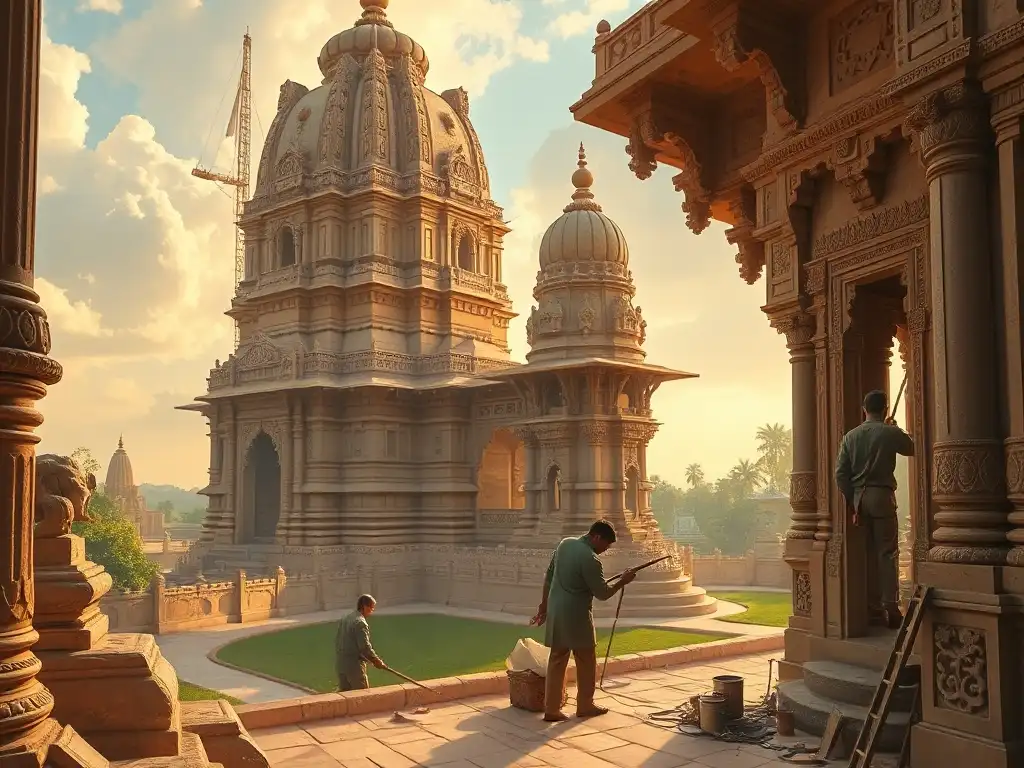
The preservation of ancient Indian architecture is a multifaceted endeavor that increasingly relies on technological advances. These innovations are crucial in addressing the challenges associated with preserving ancient structures, which often face threats from environmental factors, urbanization, and neglect. By integrating modern technology into preservation practices, we can ensure that the rich architectural heritage of ancient India is not only maintained but also appreciated by future generations.
Use of Modern Technology in Restoring Ancient Structures
Modern technology offers a range of tools and methods that enhance the restoration and preservation of ancient structures. Some significant techniques include:
- 3D Scanning and Modeling:
- Accurate Documentation: This technology allows for precise measurements and documentation of existing structures, capturing intricate details that may be overlooked in traditional methods.
- Virtual Restoration: Through 3D modeling, restorers can visualize the structure’s original state, enabling informed decisions during restoration efforts.
- Drones and Aerial Photography:
- Access to Difficult Locations: Drones can easily survey hard-to-reach areas, providing comprehensive overviews of large sites without the need for scaffolding.
- Monitoring Structural Integrity: Regular aerial assessments can help identify potential structural issues before they become severe, ensuring timely interventions.
- Chemical Analysis and Material Science:
- Material Preservation: Advanced chemical techniques can identify the composition of building materials, allowing for the development of compatible restoration materials that do not compromise the original structure.
- Environmental Impact Studies: Understanding the effects of pollutants and climate change on ancient materials aids in developing effective conservation strategies.
By utilizing these modern technologies, archaeologists and preservationists can create a more effective approach to preserving ancient Indian architecture, ensuring that these cultural treasures endure the test of time.
Benefits of Digital Documentation for Preservation Efforts
Digital documentation plays a vital role in the preservation of ancient Indian architecture, providing a range of benefits that enhance conservation efforts:
- Enhanced Accessibility:
- Global Reach: Digital archives make it possible for scholars, students, and the public to access information about ancient structures from anywhere in the world, fostering a greater appreciation of India’s architectural heritage.
- Interactive Learning: Digital platforms can offer virtual tours and interactive content that engage audiences in learning about historical sites.
- Preservation of Knowledge:
- Comprehensive Records: Digital documentation ensures that detailed information about architectural styles, construction techniques, and historical context is preserved for future generations.
- Disaster Recovery: In the event of a natural disaster or structural failure, digital records can serve as a baseline for reconstructing lost elements of the architecture.
- Collaboration and Research:
- Interdisciplinary Partnerships: Digital tools facilitate collaboration among historians, architects, and conservationists, leading to innovative preservation strategies.
- Data Sharing: The availability of digital resources promotes the sharing of findings and methodologies, enhancing the overall effectiveness of preservation efforts.
The integration of modern technology and digital documentation into the preservation of ancient Indian architecture is essential for safeguarding these historical treasures. As techniques continue to evolve, the potential to preserve ancient structures for future generations becomes increasingly promising, ensuring that the rich tapestry of India's architectural heritage endures.
Future Directions for Preserving Ancient Indian Architecture

As we look to the future, the preservation of ancient Indian architecture must evolve to meet the challenges posed by urbanization, climate change, and socio-economic factors. Emphasizing a holistic approach that integrates modern technology with traditional methods will be essential in ensuring that these architectural marvels endure for future generations.
Strategies for Sustainable Preservation Practices
- Integration of Modern Technology
- Digital Documentation: Utilizing 3D scanning and photogrammetry to create detailed digital records of structures can aid in monitoring deterioration and planning restoration efforts.
- Smart Monitoring Systems: Implementing sensors to track environmental conditions can help in understanding how weather and pollution affect ancient structures. This data can guide maintenance strategies.
- Community Involvement
- Local Workshops: Engaging local communities through workshops that teach traditional building techniques can foster a sense of ownership and responsibility towards preservation efforts.
- Volunteer Programs: Establishing programs that allow volunteers to participate in restoration projects provides both manpower and raises awareness about the importance of preserving ancient architecture.
- Sustainable Materials
- Use of Eco-Friendly Materials: When undertaking restoration, opting for sustainable materials that mimic the original construction can help maintain authenticity while being environmentally responsible.
- Recycling and Upcycling: Encouraging the use of reclaimed materials in renovation projects not only preserves the architectural integrity but also minimizes waste.
- Policy and Funding Initiatives
- Government Incentives: Advocating for policies that provide financial incentives for preservation projects can significantly increase the number of successful restorations.
- Public-Private Partnerships: Collaborations between the government and private sector can lead to innovative funding solutions for large-scale preservation projects.
Importance of Education and Advocacy in Architectural Preservation
Education and advocacy play pivotal roles in the preservation of ancient Indian architecture. They serve to raise awareness, cultivate appreciation, and drive action among various stakeholders.
- Raising Awareness
- Curriculum Integration: Incorporating lessons on ancient Indian architecture into school curriculums can foster interest from a young age, ensuring that future generations value and respect their heritage.
- Public Campaigns: Organizing campaigns that highlight the significance of ancient structures can increase public engagement and support for preservation initiatives.
- Training and Skill Development
- Specialized Training Programs: Establishing programs focused on conservation techniques for architects, historians, and artisans can ensure that traditional knowledge is preserved and passed on.
- Workshops and Seminars: Hosting events that bring together experts in fields related to architecture, archaeology, and heritage conservation can facilitate knowledge sharing and collaboration.
- Advocacy Groups
- Formation of NGOs: Non-Governmental Organizations dedicated to heritage preservation can mobilize resources, raise funds, and advocate for policies that protect ancient structures.
- Community Advocacy: Empowering local communities to voice their concerns regarding the preservation of nearby monuments can lead to more effective conservation strategies that reflect local needs and values.
- Global Collaboration
- International Partnerships: Collaborating with global organizations focused on heritage preservation can bring in expertise, funding, and innovative practices that can be adapted for local contexts.
- Cultural Exchange Programs: Engaging with international students and professionals through exchange programs can enhance skills and create a network of advocates for ancient architecture preservation.
The future of preserving ancient Indian architecture hinges on a multifaceted approach that combines technology, community involvement, sustainable practices, education, and advocacy. By prioritizing these strategies, we can ensure that the rich architectural heritage of India continues to inspire generations to come.
Conclusion: The Imperative of Preserving Ancient Indian Architecture
Preserving ancient Indian architecture is not merely an aesthetic endeavor; it is a vital act of safeguarding our cultural heritage. The structures from various periods, including temples, forts, and palaces, serve as tangible links to our past, embodying the artistry, skill, and spiritual beliefs of ancient civilizations. As we face modern challenges such as urbanization, pollution, and climate change, the urgency to conserve these architectural marvels becomes increasingly critical.
Call to Action for Continued Preservation Efforts
The responsibility for preserving ancient Indian architecture extends beyond government initiatives; it encompasses the active participation of communities, historians, conservationists, and tourists alike. Here are some actionable steps that individuals and organizations can take:
- Awareness Campaigns: Organize workshops and seminars to educate the public about the importance of architectural preservation.
- Financial Support: Encourage donations and funding for restoration projects through crowdfunding platforms and sponsorships.
- Volunteering: Engage local communities in preservation efforts by organizing volunteer days for clean-up and maintenance of historical sites.
- Advocacy: Lobby for stronger legislative measures to protect ancient structures from encroachment and neglect.
By fostering a collaborative effort, we can ensure that these magnificent structures continue to inspire future generations.
Final Thoughts on the Cultural Significance of Ancient Structures
The ancient architectures of India are not just buildings; they are repositories of history, culture, and identity. Each monument tells a story, reflecting the values and aspirations of the people who built them. For instance, the intricate carvings of Khajuraho temples convey tales of love and spirituality, while the robust walls of the Red Fort symbolize the strength and resilience of empires.
Preserving ancient Indian architecture is crucial for maintaining our cultural narrative. As we acknowledge the craftsmanship and ingenuity of past civilizations, we also recognize the need to pass down this legacy. By preserving these structures, we honor our ancestors and create a shared sense of belonging for future generations. In doing so, we ensure that the history of ancient India remains a vibrant part of our collective consciousness.
Frequently Asked Questions
What is the significance of preserving ancient Indian architecture?
Preserving ancient Indian architecture is crucial for maintaining cultural heritage and understanding the historical context of these magnificent structures, which reflect the rich diversity of Indian civilization.
What are the main challenges in preserving ancient Indian structures?
The main challenges include environmental degradation, urbanization, and a lack of funding for restoration projects. These factors threaten the integrity and longevity of these historical sites.
How does modernization impact ancient Indian architecture?
Modernization often leads to neglect or destruction of ancient structures, as urban development prioritizes new construction over the maintenance of historical sites, compromising their cultural value.
What role do government policies play in architectural preservation?
Government policies can provide funding, establish regulatory frameworks, and promote public awareness about the importance of preserving ancient architecture, aiding in the protection of these sites.
How can the public contribute to preserving ancient Indian architecture?
The public can contribute by engaging in awareness campaigns, volunteering for restoration projects, and advocating for policies that support the preservation of these invaluable cultural assets.
Final Reflection: The Urgency of Preserving Ancient Indian Architecture
The preservation of ancient Indian architecture is not merely a matter of maintaining structures; it is a vital link to our cultural heritage and identity. In today's rapidly changing world, where modernity often overshadows tradition, the challenges we face in preserving these architectural marvels are more pressing than ever. As we navigate the complexities of urban development and globalization, we must recognize that these ancient structures are not just relics of the past, but living testimonies of our history and artistry that deserve our utmost care and attention.
The ongoing struggle to protect and restore these architectural wonders reflects a broader cultural and social narrative that resonates deeply within our communities. The stories embedded in these structures connect us to our ancestors and inspire future generations. As we witness the erosion of cultural heritage due to neglect and modernization, we are reminded of the words of Mahatma Gandhi: A nation's greatness is measured by how it treats its weakest members.
This sentiment extends to our architectural heritage, urging us to safeguard the legacies that define our identity and enrich our collective experience.
As you reflect on the importance of preserving ancient Indian architecture, consider how you can contribute to this vital cause. Engage with your local heritage, advocate for preservation efforts, and educate others about the significance of these structures. Every small action counts in the fight against cultural erosion. Let us all take a moment to appreciate the beauty and history around us, and commit to ensuring that these architectural treasures continue to inspire and educate for generations to come.
Preserve Our Heritage: Take Action Today!
Thank you for exploring the challenges of architectural preservation in ancient India! Your commitment to safeguarding these remarkable structures is essential to our cultural legacy. Now, let's transform that curiosity into meaningful actions that can truly make a difference.
Here are some practical steps you can take today to support architectural preservation:
- Join a local preservation society or volunteer at historical sites to directly contribute to their maintenance.
- Share your newfound knowledge on social media to raise awareness about the significance of preserving our heritage.
- Explore ways to fund or advocate for preservation projects through community initiatives or crowdfunding efforts.
What innovative methods can you think of to engage others in the mission of protecting our ancient structures? We would love to hear your ideas!