
The Interplay Between Art and Philosophy in Ancient Indian Texts

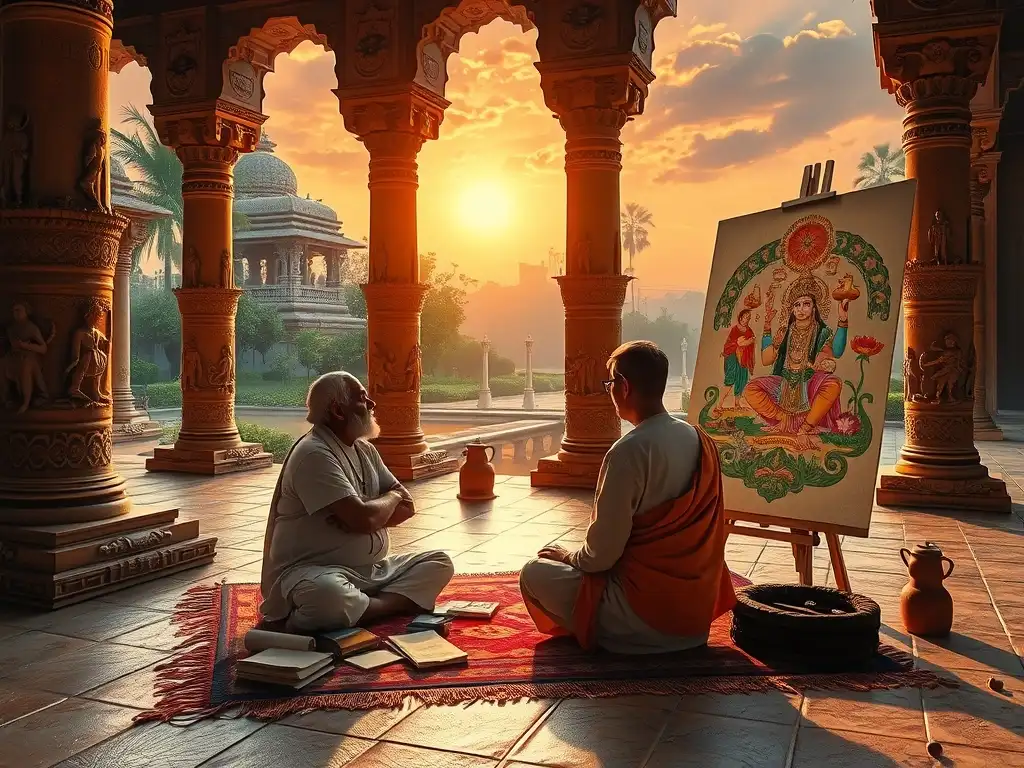
Welcome to Ancient India History! Immerse yourself in the fascinating world of art and philosophy in ancient India, where creativity and contemplation wove the fabric of a civilization that thrived for millennia. In our featured article, "The Interplay Between Art and Philosophy in Ancient Indian Texts," we delve into how these two powerful forces influenced each other, shaping cultural expressions and intellectual thought. Prepare to unlock the secrets of ancient wisdom and artistry that continue to inspire generations. Join us on this enlightening journey and discover the profound connections that define the essence of Ancient India.
Introduction to Art and Philosophy in Ancient India
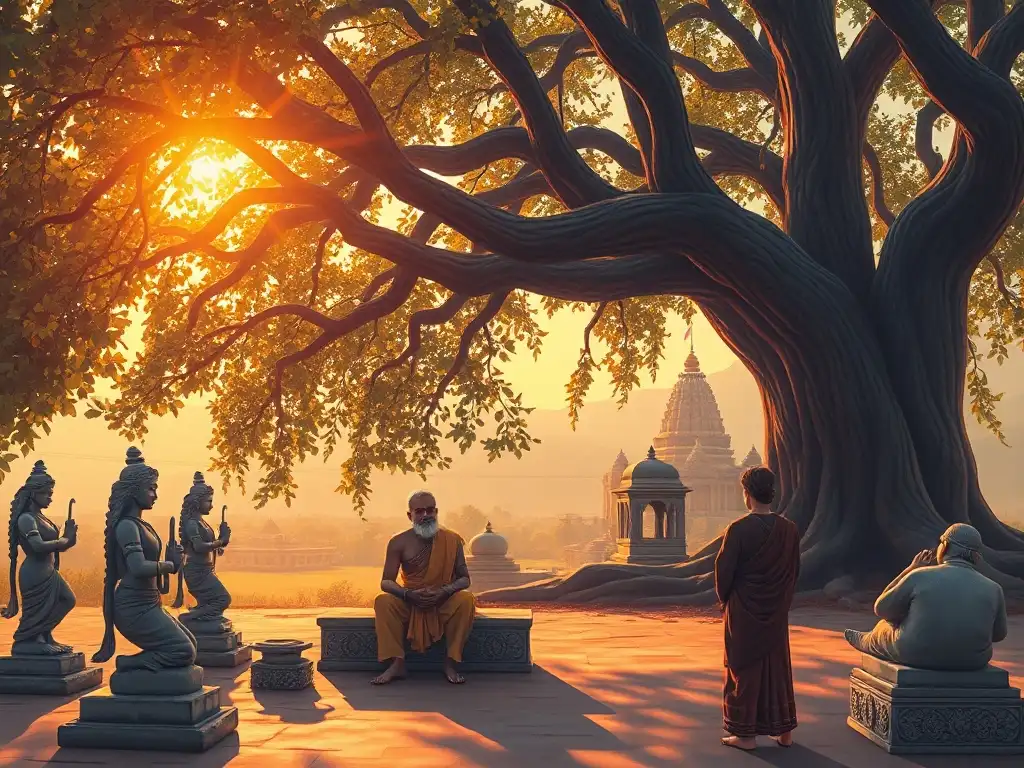
The relationship between art and philosophy in ancient India is a profound and intricate one, reflecting the rich tapestry of thought and creativity that characterized the subcontinent's early civilizations. From the intricate sculptures and vibrant frescoes of the Indus Valley to the profound philosophical discourses of the Gupta Empire, art served not just as a medium of expression but also as a vehicle for philosophical exploration.
This interplay reveals how artistic endeavors were deeply intertwined with spiritual and intellectual pursuits, shaping the cultural landscape of ancient India. By examining this relationship, we gain insights into how ancient Indian thinkers and artists collaborated to convey complex ideas through visual and performative arts, ultimately enriching the cultural heritage of the region.
The Significance of Art and Philosophy in Ancient Indian Culture
Art and philosophy in ancient India were not merely separate domains but rather interwoven elements that informed and enhanced one another. The significance of this interplay can be observed in various aspects:
- Spiritual Expression: Many art forms, including sculpture, painting, and dance, were rooted in spiritual beliefs and philosophical concepts, aimed at conveying deeper truths about existence and the cosmos.
- Cultural Identity: Artistic creations were often reflections of societal values, norms, and philosophical ideologies, helping to solidify a sense of identity among diverse communities.
- Didactic Purpose: Art served as a means of instruction, with visual narratives and performances illustrating philosophical teachings, making complex ideas accessible to the masses.
This multifaceted significance highlights how art and philosophy coalesced to form a cohesive cultural narrative in ancient India.
Overview of Ancient Indian Texts and Their Influence on Art
Ancient Indian texts, such as the Vedas, Upanishads, and epics like the Mahabharata and Ramayana, played a crucial role in shaping the artistic expressions of the time. These texts not only provided themes and motifs for artists but also offered philosophical frameworks that influenced their work. Key aspects include:
- Mythological Inspirations: Many artworks drew directly from the rich mythological stories found in these texts, illustrating deities, heroic deeds, and moral teachings.
- Philosophical Concepts: The exploration of concepts such as Dharma (duty), Karma (action), and Moksha (liberation) found their way into artistic representations, allowing viewers to engage with these profound ideas visually.
- Cultural Transmission: The preservation and propagation of philosophical ideas through art ensured that they transcended generations, becoming integral to the cultural fabric of ancient India.
The synergy between ancient texts and art forms resulted in a dynamic exchange that enriched both philosophy and artistic expression.
Historical Context of Art and Philosophy in Ancient India
Understanding the historical context is essential to appreciate the interplay between art and philosophy in ancient India. Various periods, from the pre-Vedic era through the Maurya and Gupta periods, witnessed significant developments in both fields, reflecting the changing socio-political landscapes and intellectual currents.
The Evolution of Art Forms in Ancient Indian Civilization
The evolution of art forms in ancient India can be traced through distinct periods, each contributing unique styles and techniques:
- Indus Valley Civilization: Characterized by intricate seals and figurines, early art forms emphasized naturalism and craftsmanship.
- Maurya Period: The emergence of monumental architecture, such as the Ashoka Pillars, marked a shift towards grand artistic expressions that conveyed political and spiritual messages.
- Gupta Empire: Often regarded as the golden age of Indian art, this period saw the flourishing of classical dance, sculpture, and painting, deeply influenced by philosophical thought.
Each phase reveals how art adapted and evolved, reflecting the philosophical underpinnings of its time while also responding to the societal needs and aspirations of the people.
Philosophical Schools and Their Impact on Artistic Expression
The diverse philosophical schools that emerged in ancient India, such as Buddhism, Jainism, and Hinduism, significantly impacted artistic expression. Each tradition brought forth unique perspectives that influenced the way art was created and perceived:
- Buddhism: Promoted artistic themes centered around enlightenment and the nature of suffering, giving rise to iconic representations of the Buddha and Jataka tales.
- Jainism: Focused on themes of non-violence and spiritual purity, leading to detailed and ornate depictions of Tirthankaras (spiritual teachers).
- Hinduism: Its rich pantheon of gods and elaborate rituals inspired a plethora of artistic forms, from temple architecture to dance, encapsulating the myriad facets of life and spirituality.
The interplay between these philosophical traditions and art forms illustrates how deeply philosophical thought permeated the cultural practices of ancient India, leaving a lasting legacy that continues to influence contemporary art and philosophy.
Key Texts Exploring Art and Philosophy in Ancient India
The exploration of art and philosophy in ancient India is deeply rooted in various classical texts that provide insights into the cultural and intellectual milieu of the time. These texts not only reflect the artistic expressions of the era but also reveal the philosophical underpinnings that shaped them.
Key works like the Vedas, Upanishads, and epics such as the Mahabharata and Ramayana serve as vital sources for understanding how art and philosophy intertwined in ancient Indian thought. Each of these texts encapsulates themes of spirituality, aesthetics, and ethics, demonstrating how art served as a medium for philosophical exploration and expression.
The Vedas: Foundations of Art and Philosophy
The Vedas, the oldest sacred texts of Hinduism, lay the groundwork for both art and philosophy in ancient India. Composed between 1500 and 500 BCE, these texts encompass hymns, rituals, and philosophical discourses. The Rigveda, for instance, contains rich poetic imagery that reflects the early understanding of the cosmos and the divine. The rituals described in the Yajurveda highlight the aesthetic elements of performance, as they intertwine music, dance, and visual offerings, emphasizing the sacredness of art as a pathway to understanding spiritual truths.
Philosophically, the Vedas introduce concepts such as Dharma (righteousness), Karma (action), and Moksha (liberation), which have significant implications for artistic expression. The idea that art can serve a higher purpose aligns with the Vedic worldview, where aesthetic endeavors are viewed as a means to connect with the divine and fulfill one’s duty in the cosmos.
The Upanishads: Spirituality and Artistic Inspiration
Following the Vedas, the Upanishads (circa 800-400 BCE) delve deeper into metaphysical inquiries and the nature of existence. These texts are characterized by their philosophical dialogues, exploring concepts such as Brahman (the ultimate reality) and Atman (the self). The Upanishads emphasize a spiritual approach to life, suggesting that true knowledge comes from introspection and self-realization.
Art, in this context, is seen as a reflection of the inner self and the universe. The symbolism found in various art forms, including sculpture and painting, often draws inspiration from the themes presented in the Upanishads. For example, representations of deities and cosmic events in art serve to illustrate the interconnectedness of all beings, echoing the philosophical tenet that the individual soul is part of a greater whole. This relationship between spirituality and artistic creation fosters a rich tradition where artists seek to express profound truths through their work.
The Mahabharata and Ramayana: Epic Narratives of Art and Philosophy
The Mahabharata and Ramayana, two monumental epics composed between 400 BCE and 400 CE, serve as crucial texts that intertwine art and philosophy through narrative storytelling. These epics not only recount heroic tales and moral dilemmas but also delve into complex philosophical discussions about duty, righteousness, and the nature of reality.
Artistic expressions inspired by these narratives include dance, drama, and visual arts that depict iconic characters, events, and moral lessons. The portrayal of figures such as Krishna in the Mahabharata and Rama in the Ramayana reflects philosophical ideals of heroism and virtue. These epics also explore the concept of Dharma in its multifaceted forms, offering a philosophical framework that artists draw upon to communicate ethical and moral teachings through their work.
Major Themes in the Interplay of Art and Philosophy
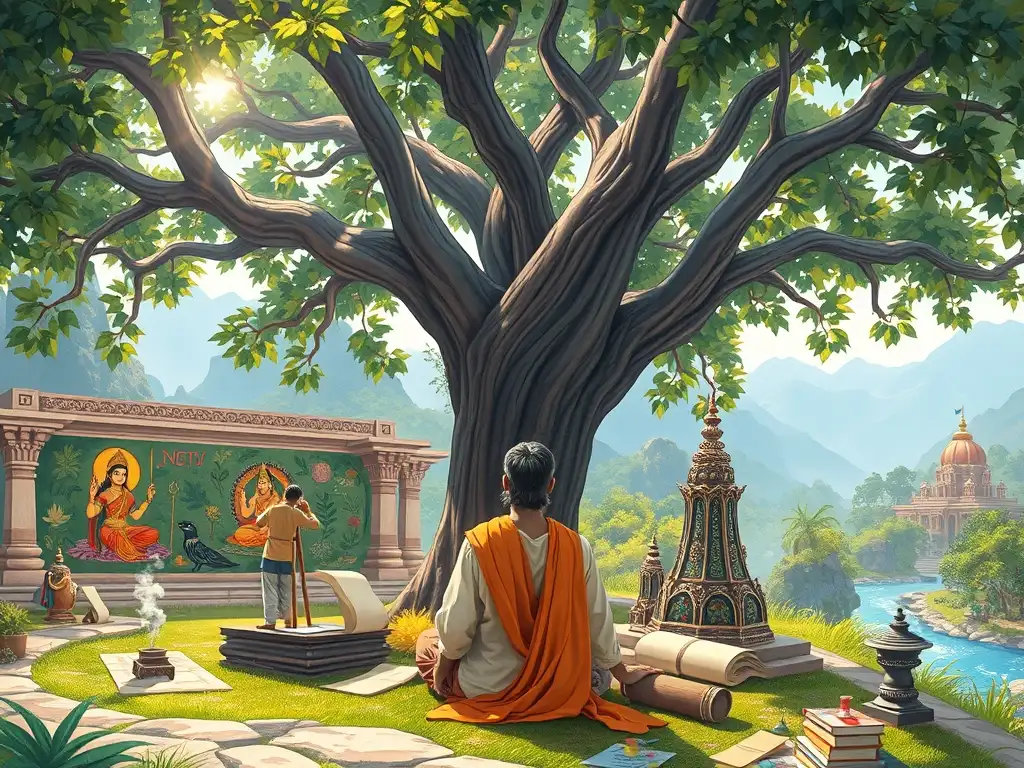
The interplay between art and philosophy in ancient India manifests through several major themes that resonate across various texts and artistic expressions. These themes encapsulate the spiritual, aesthetic, and ethical dimensions of Indian culture, highlighting how philosophical ideas inspired artistic creativity and vice versa.
Symbolism in Ancient Indian Art: Philosophical Meanings
Symbolism is a fundamental aspect of ancient Indian art, where every element often carries profound philosophical meanings. From the lotus representing purity and spiritual awakening to the mandala symbolizing the universe, artists employed these symbols to convey deeper truths. This rich use of symbolism allows viewers to engage with art on multiple levels, inviting contemplation and reflection on the human experience and the cosmos.
Moreover, the integration of mythological narratives into visual arts illustrates how philosophical concepts were made accessible to the masses. Temples adorned with intricate carvings and murals serve as a visual narrative, reinforcing philosophical teachings and making them part of the cultural consciousness.
The Concept of Aesthetics: Rasa and Its Philosophical Implications
Aesthetics in ancient India is closely linked to the concept of Rasa, which denotes the essence or flavor of an artistic experience. The Natya Shastra, an ancient treatise on performing arts, elaborates on the nine Rasas—such as Shringara (love), Veera (valor), and Bhayanaka (fear)—that evoke emotional responses in audiences. This concept not only influences performing arts but also extends to literature and visual arts, where the emotional experience becomes a vehicle for philosophical exploration.
The philosophical implications of Rasa extend to the understanding of human emotions and their connection to the divine. By experiencing various Rasas, individuals can achieve a greater understanding of themselves and their place in the universe, illustrating how aesthetics and philosophy are intertwined in the pursuit of knowledge and experience.
Spirituality and Art: The Role of Devotion in Artistic Creation
Spirituality plays a crucial role in the creation of art in ancient India, where artistic endeavors are often seen as acts of devotion. Artists, whether sculptors, painters, or musicians, frequently imbue their work with a sense of reverence for the divine. This devotional aspect can be seen in temple architecture, where intricate designs and iconography serve not only aesthetic purposes but also enhance the spiritual experience of worshippers.
The practice of Bhakti, or devotion to a personal god, further highlights the connection between spirituality and art. Through devotional songs, dances, and paintings, artists express their love and surrender to the divine, creating a rich tapestry of artistic expression that resonates with philosophical ideals of love, surrender, and the quest for union with the divine. Thus, the role of devotion in artistic creation underscores the profound interplay of spirituality and philosophy in the artistic traditions of ancient India.
Artistic Representations of Philosophical Concepts
In ancient India, art and philosophy were deeply intertwined, with artistic expressions often serving as a medium for conveying complex philosophical ideas. Artists utilized various forms, including sculpture, painting, and architecture, to embody and communicate the spiritual and philosophical tenets that permeated society. This interplay is evident in the detailed representations of deities, narratives from sacred texts, and the symbolic architecture of temples. Each art form not only served aesthetic purposes but also acted as a vehicle for philosophical exploration, bridging the gap between the tangible and the intangible.
Sculpture and Philosophy: Depictions of Deities and Ideas
Sculpture in ancient India is perhaps one of the most profound means of expressing philosophical concepts. Temples and public spaces were adorned with intricate carvings and statues that depicted deities, each embodying specific philosophical ideas. For instance, the sculptures of Vishnu, Shiva, and Durga not only represented the divine but also illustrated the principles of dharma (duty), karma (action), and moksha (liberation).
These sculptures often conveyed narratives from epics such as the Mahabharata and Ramayana, representing moral dilemmas and the complexities of human existence. The expression of emotion and the dynamism captured in these sculptures allowed viewers to engage with philosophical concepts on a visceral level, making abstract ideas more accessible. Furthermore, the use of mudras (hand gestures) in these sculptures often conveyed deeper meanings related to particular philosophical teachings, enriching the viewer’s understanding of the underlying messages.
Painting and Philosophy: Visual Narratives of Spiritual Teachings
Similar to sculpture, painting in ancient India was an influential medium for depicting philosophical narratives. The exquisite murals found in caves such as Ajanta and Ellora illustrate scenes from Buddhist texts, conveying teachings on compassion, impermanence, and enlightenment. These visual narratives served not just decorative purposes but also acted as a form of storytelling, allowing viewers to reflect on spiritual teachings and their implications in daily life.
Miniature paintings, particularly from the Mughal era, often incorporated philosophical themes, merging the aesthetic beauty of art with profound concepts from various schools of thought. The vibrant colors and intricate details of these paintings invited contemplation, providing a visual representation of philosophical ideas that encouraged viewers to explore their spiritual journeys.
Architecture as a Philosophical Expression: Temples and Sacred Spaces
Architecture in ancient India transcended mere construction, embodying philosophical principles and serving as a physical manifestation of spiritual beliefs. Temples were designed not only as places of worship but also as symbols of the cosmos, mirroring the universe's structure and reflecting the relationship between the divine and the earthly.
The layout of a temple, with its sanctum sanctorum (garbhagriha) at the center, represents the ultimate goal of spiritual pursuit—reunion with the divine. Architectural elements such as the shikhara (spire) and mandapa (pillared hall) were thoughtfully designed to elevate the spiritual experience of the devotees, guiding them through a journey of introspection and connection with higher philosophical concepts. Such spaces were meticulously constructed to evoke a sense of the sacred, reinforcing the belief that philosophy and art are intertwined paths toward understanding the universe.
The Influence of Indian Philosophy on Artistic Movements
The philosophical traditions of ancient India significantly influenced various artistic movements, shaping not only the techniques employed by artists but also the themes explored in their works. As philosophical ideas evolved, so too did the artistic expressions that reflected those changes, leading to a rich tapestry of cultural and aesthetic developments throughout history.
The Impact of Buddhism on Art and Philosophy
Buddhism had a profound impact on Indian art and philosophy, fostering a unique artistic language that transcended regional boundaries. The depiction of the Buddha, often in meditative poses, became a central theme in various art forms, embodying the core tenets of Buddhist philosophy, such as mindfulness and the pursuit of enlightenment.
Artworks often illustrated key moments from the Buddha's life, serving as visual aids for meditation and contemplation, which were pivotal in disseminating Buddhist teachings. The use of symbolism, such as the lotus flower, represented purity and spiritual awakening, reinforcing the philosophical messages embedded within the art. The evolution of Buddhist art also inspired cross-cultural exchanges, influencing art movements across Asia, thereby amplifying its philosophical underpinnings.
Jainism and Its Artistic Contributions to Philosophy
Jainism’s emphasis on non-violence (ahimsa) and truth (satya) significantly shaped its artistic contributions, which are characterized by their intricate detail and reverence for life. Jain art often features depictions of Tirthankaras (spiritual teachers), showcasing their virtues and embodying the philosophical principles of the faith.
The craftsmanship seen in Jain temples, with their elaborate carvings and serene sculptures, reflects the deep philosophical commitment to the ideals of asceticism and spiritual purity. These artistic expressions not only serve as devotional objects but also as reminders of the philosophical teachings that guide Jain practitioners toward liberation from the cycle of birth and death.
The Role of Hindu Philosophy in Shaping Artistic Traditions
Hindu philosophy has been a cornerstone in shaping the artistic traditions of ancient India, deeply influencing literature, sculpture, and architecture. The concepts of dharma, karma, and moksha are frequently explored through various art forms, providing a rich narrative framework that resonates with the cultural consciousness.
The portrayal of Hindu deities in art often embodies complex philosophical ideas, inviting viewers to engage with the multifaceted nature of existence. Temples dedicated to various deities are designed to reflect specific philosophical principles, creating a harmonious relationship between architecture and spiritual thought. This intricate relationship between art and philosophy not only enriched the cultural landscape of ancient India but also laid the foundation for ongoing artistic traditions that continue to thrive today.
Conclusion: The Enduring Legacy of Art and Philosophy in Ancient India
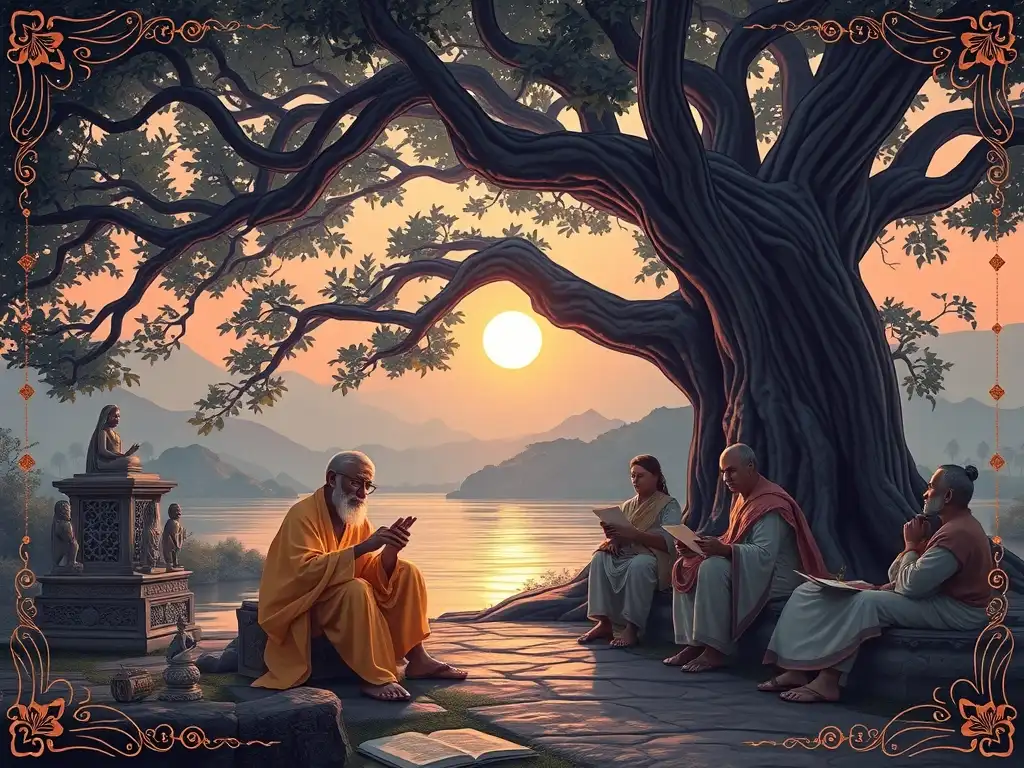
The rich tapestry of art and philosophy in ancient India has left an indelible mark on both the cultural and intellectual landscapes of the region and beyond. As we reflect on the interplay between these two domains, it becomes evident that they are not merely separate entities but are intricately woven together, influencing one another across centuries. Ancient Indian texts, through their profound philosophical insights and artistic expressions, have fostered a unique worldview that continues to inspire and shape contemporary thought.
The legacy of ancient Indian art and philosophy is evident in various forms of modern expression, from literature and film to visual arts and spiritual practices. The principles articulated in texts like the Vedas, Upanishads, and classical epics resonate in today's discussions on ethics, aesthetics, and the nature of existence. Furthermore, the rich symbolism found in ancient Indian art serves as a source of inspiration for artists and thinkers alike, demonstrating the timeless nature of these cultural treasures.
The Lasting Influence of Ancient Indian Art and Philosophy on Modern Culture
Ancient Indian art and philosophy have significantly influenced modern culture, both in India and globally. This influence can be seen in several key areas:
- Literature and Storytelling: The narrative styles and themes found in ancient texts, such as the Mahabharata and Ramayana, continue to inspire contemporary authors and filmmakers. The exploration of moral dilemmas, heroism, and the human condition remains relevant, allowing these stories to transcend time.
- Spiritual Practices: Concepts such as yoga and meditation, rooted in ancient Indian philosophy, have gained worldwide popularity. These practices emphasize the importance of self-awareness and inner peace, reflecting the philosophical traditions that seek to understand the self and the universe.
- Visual Arts: The intricate designs and symbolic representations in ancient Indian art forms—like sculpture, painting, and textiles—continue to influence modern artists. Techniques and motifs from ancient traditions are often revived and reinterpreted, bridging the gap between past and present.
- Philosophical Discourse: The dialogues initiated by ancient Indian philosophers on ethics, metaphysics, and epistemology have contributed to global philosophical thought. Modern scholars frequently revisit these discussions, examining their relevance in contemporary contexts.
Future Directions for Research on Art and Philosophy in Ancient Indian Texts
As the study of art and philosophy in ancient Indian texts evolves, several promising directions for future research emerge:
- Interdisciplinary Approaches: Combining insights from art history, philosophy, anthropology, and religious studies can yield a more holistic understanding of the interplay between these domains. Researchers can explore how artistic expressions reflect philosophical ideas and vice versa.
- Comparative Studies: Investigating parallels between ancient Indian art and philosophy with those from other cultures can provide a broader context for understanding these concepts. Such comparative studies may reveal shared themes and divergent interpretations that enrich our global understanding of art and philosophy.
- Digital Humanities: Utilizing digital tools and methodologies can enhance research capabilities. Projects that digitize ancient texts and artworks can facilitate better accessibility and analysis, allowing for new interpretations and insights.
- Fieldwork and Ethnography: Engaging with contemporary practitioners of traditional art forms and philosophies can illuminate the ongoing relevance of ancient ideas. This approach allows scholars to document living traditions and their connections to historical texts.
The exploration of art and philosophy in ancient Indian texts is a vibrant field that promises to uncover new insights and foster a deeper appreciation of the rich cultural heritage of India. By continuing to investigate these connections, scholars can contribute to a greater understanding of how ancient wisdom continues to inform and inspire modern thought and artistic expression.
- Introduction to Art and Philosophy in Ancient India
- Historical Context of Art and Philosophy in Ancient India
- Key Texts Exploring Art and Philosophy in Ancient India
- Major Themes in the Interplay of Art and Philosophy
- Artistic Representations of Philosophical Concepts
- The Influence of Indian Philosophy on Artistic Movements
- Conclusion: The Enduring Legacy of Art and Philosophy in Ancient India
- The Lasting Influence of Ancient Indian Art and Philosophy on Modern Culture
- Future Directions for Research on Art and Philosophy in Ancient Indian Texts
- What is the significance of art and philosophy in ancient India?
- How did philosophical ideas shape ancient Indian art?
- What are some key ancient texts that discuss art and philosophy?
- Can you provide examples of artistic styles influenced by philosophy?
- How did the Gupta Empire contribute to the relationship between art and philosophy?
Frequently Asked Questions
What is the significance of art and philosophy in ancient India?
The interplay between art and philosophy in ancient India reflects the civilization's rich cultural heritage, showcasing how these elements influenced each other and contributed to social and spiritual life.
How did philosophical ideas shape ancient Indian art?
Philosophical ideas served as a foundation for artistic expression, often depicted in temples, sculptures, and paintings, reflecting concepts of dharma, karma, and moksha.
What are some key ancient texts that discuss art and philosophy?
Key ancient texts such as the Vedas, Upanishads, and the Mahabharata explore themes of aesthetics, spirituality, and the moral implications of artistic creation.
Can you provide examples of artistic styles influenced by philosophy?
The Ajanta and Ellora caves are prime examples where Buddhist and Hindu philosophies shaped the intricate carvings and murals, illustrating mythological narratives and spiritual ideals.
How did the Gupta Empire contribute to the relationship between art and philosophy?
The Gupta Empire is known for its golden age of art, where philosophical concepts were blended into various art forms, leading to advancements in sculpture, literature, and architecture that embodied the spiritual essence of the time.
Final Reflection: The Timeless Dance of Art and Philosophy in Ancient India
The interplay between art and philosophy in ancient India remains profoundly relevant today, as it invites us to explore the depths of human experience and understanding. In a world increasingly driven by technology and rapid change, the wisdom encapsulated in ancient texts reminds us of the enduring power of creativity and thought. The intricate relationship between these two realms not only shaped the cultural landscape of ancient India but continues to inspire contemporary discourse on the essence of existence and the nature of beauty.
Cultural narratives and philosophical inquiries from ancient India have left an indelible mark on our collective consciousness. The teachings of thinkers like Adi Shankaracharya and the artistic expressions found in the sculptures of Khajuraho exemplify how art and philosophy can converge to illuminate profound truths about life and the universe. Art is the most beautiful of all lies.
This quote resonates deeply, as it encapsulates the idea that art, while a representation of reality, also serves as a philosophical exploration of deeper meanings and emotions.
As we reflect on the lessons drawn from the rich tapestry of art and philosophy in ancient India, I invite you to consider how these insights can be woven into your own life. Take a moment to explore your creative impulses and philosophical inquiries; allow them to guide you toward a deeper understanding of yourself and the world around you. Embrace the timeless wisdom of the ancients and let it inspire you to cultivate a harmonious balance between thought and expression, enriching your journey through life.
Unveil the Rich Tapestry of Art and Philosophy!
Thank you for diving into the fascinating interplay between art and philosophy in ancient Indian texts! Your curiosity has opened doors to understanding how these disciplines reflect the profound cultural insights of the time. Now, let’s take the journey a step further and explore how you can engage with this rich history.
- Reflect on an ancient text that resonates with you. Write a short piece on how it connects to contemporary art or philosophical ideas and share it with friends or your online community.
- Visit your local museum or gallery to see examples of Indian art, considering how they embody the philosophies we've discussed. Take notes and share your experience with us!
- Join a discussion group focused on art and philosophy. Engaging in conversation around these themes will deepen your understanding and inspire those around you!
How do you see the interaction between art and philosophy impacting your perspective today?