
Ashoka the Great: The Emperor Who Propagated Buddhism Across India


Welcome to Ancient India History, where we embark on a fascinating journey through the vibrant tapestry of India's past. Today, we delve into the life and legacy of Ashoka the Great, a pivotal figure who not only transformed an empire but also championed the teachings of Buddhism across the subcontinent. What drove this mighty emperor to embrace a path of peace and enlightenment?
Join us as we uncover the profound impact of Ashoka's reign and explore how his commitment to Buddhism shaped the cultural and spiritual landscape of ancient India. Prepare to be inspired and intrigued as you explore the depths of a civilization that continues to resonate through history!
Introduction to Ashoka the Great
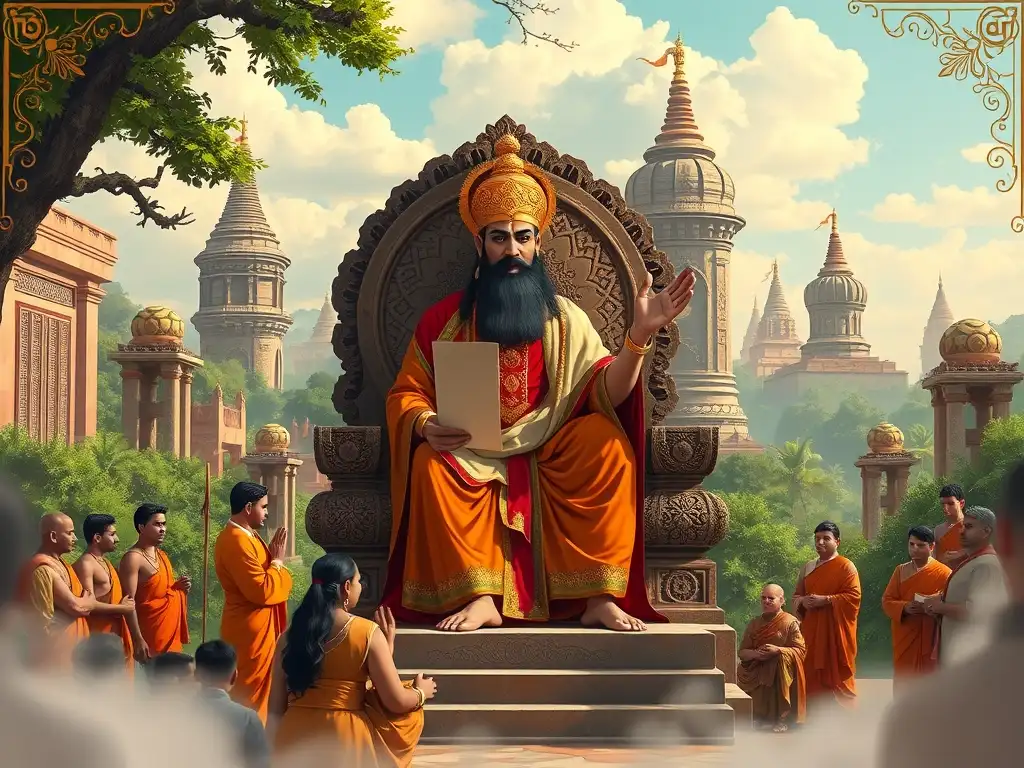
Ashoka the Great, one of the most prominent emperors in ancient Indian history, is renowned for his transformative role in the propagation of Buddhism across the Indian subcontinent. Reigning during the Mauryan Empire from 268 to 232 BCE, Ashoka's legacy extends far beyond his military conquests; it is characterized by a profound commitment to peace and moral governance.
Following a significant turning point in his life, the Kalinga War, Ashoka embraced Buddhism and dedicated his reign to the principles of non-violence, compassion, and tolerance. This article delves into the life and achievements of Ashoka the Great, focusing particularly on his influence in promoting Buddhism and its core teachings throughout India.
Overview of Ashoka's Reign
Ashoka's reign marked a pivotal period in ancient Indian history, as it represented both territorial expansion and a cultural renaissance. Under his leadership, the Mauryan Empire became one of the largest empires in the Indian subcontinent, stretching from present-day Afghanistan to Bangladesh. Ashoka's administrative prowess facilitated the establishment of a vast and efficient bureaucracy that supported economic growth and stability.
Key aspects of Ashoka's reign include:
- Administrative Reforms: Ashoka implemented various reforms that aimed to enhance governance and justice.
- Promotion of Trade: His policies encouraged trade and commerce, leading to economic prosperity.
- Cultural Flourishing: Ashoka's patronage of the arts and architecture gave rise to monumental structures, including stupas and rock edicts.
Despite these achievements, it was Ashoka's transition from a warlike ruler to a compassionate leader that defined his legacy.
Significance of Ashoka in Ancient Indian History
Ashoka's significance transcends his contributions to the Mauryan Empire; he is often regarded as a pivotal figure in the spread of Buddhism. His conversion to Buddhism not only altered the course of his reign but also had lasting impacts on the religion's development and dissemination. Key points of significance include:
- Buddhism's Promotion: Ashoka actively promoted Buddhism, sending missionaries across India and beyond, including regions like Sri Lanka and Central Asia.
- Edicts of Ashoka: His rock edicts, inscribed on pillars and caves, conveyed messages of moral and ethical conduct and laid the foundation for Buddhist principles.
- Legacy of Peace: Ashoka's commitment to non-violence influenced subsequent rulers and established a model for governance based on ethical principles.
The Rise of Ashoka: From Warrior to Buddhist Emperor
Early Life and Ascension to the Throne
Ashoka was born into the Mauryan dynasty around 304 BCE, the son of Emperor Bindusara. His early life was marked by the complexities of royal politics, including rivalry among siblings. After the death of his father, Ashoka ascended to the throne and initially embraced the warrior ethos, engaging in military campaigns to expand the empire.
Key aspects of his early life include:
- Training in Warfare: Ashoka received extensive military training, equipping him with skills that later aided in his rise to power.
- Political Intrigue: The power struggles within the royal family shaped Ashoka's character and ambitions.
- Cultural Influences: Exposure to various philosophies and religions during his youth laid the groundwork for his eventual conversion to Buddhism.
The Kalinga War: A Turning Point in Ashoka's Life
The Kalinga War, fought around 261 BCE, was a monumental event that radically transformed Ashoka's perspective on life and governance. This brutal conflict resulted in significant loss of life and suffering, profoundly impacting Ashoka.
Key elements of this turning point include:
- Devastating Consequences: Historical accounts suggest that the war led to the deaths of over 100,000 soldiers and civilians, leaving a lasting scar on Ashoka.
- Moral Reflection: Witnessing the aftermath of the war incited a deep moral crisis, prompting Ashoka to reevaluate his approach to leadership.
- Embrace of Buddhism: Following the war, Ashoka converted to Buddhism, adopting its principles of compassion and non-violence, which he then sought to implement across his empire.
Through these pivotal moments, Ashoka the Great transitioned from a fierce warrior to a benevolent ruler, leaving behind a legacy that continues to inspire millions today.
Embracing Buddhism: The Transformation of Ashoka
Ashoka the Great, one of the most illustrious emperors of ancient India, underwent a profound transformation that would not only shape his reign but also leave an indelible mark on the history of Buddhism. Initially, Ashoka was known for his military prowess and expansionist ambitions, which culminated in the bloody conquest of Kalinga around 261 BCE. The immense loss of life and suffering caused by this war led Ashoka to reflect deeply on the consequences of violence and imperialism.
The Role of Buddhism in Ashoka's Life
Buddhism played a pivotal role in Ashoka's personal and political life. After witnessing the aftermath of the Kalinga War, he encountered the teachings of the Buddha, which emphasized compassion, non-violence (ahimsa), and the path to enlightenment. This encounter prompted a significant shift in his values; he embraced the principles of Buddhism as a guiding philosophy for his rule. Ashoka's newfound dedication to Buddhism not only influenced his personal beliefs but also redefined his approach to governance, prioritizing the welfare of his subjects over territorial expansion.
Ashoka's Conversion and Its Impact on His Rule
Ashoka's conversion to Buddhism was not merely a personal transformation; it had far-reaching implications for his administration and the society at large. Following his conversion, he implemented policies that reflected Buddhist ethics, such as the promotion of moral conduct, the establishment of social welfare initiatives, and the encouragement of religious tolerance.
His edicts, inscribed on pillars and rocks throughout his empire, communicated his commitment to dharma (righteous living) and the importance of compassion towards all living beings. This approach not only endeared him to his subjects but also fostered a sense of unity and cultural identity across the diverse regions of his vast empire.
Promoting Buddhism Across India
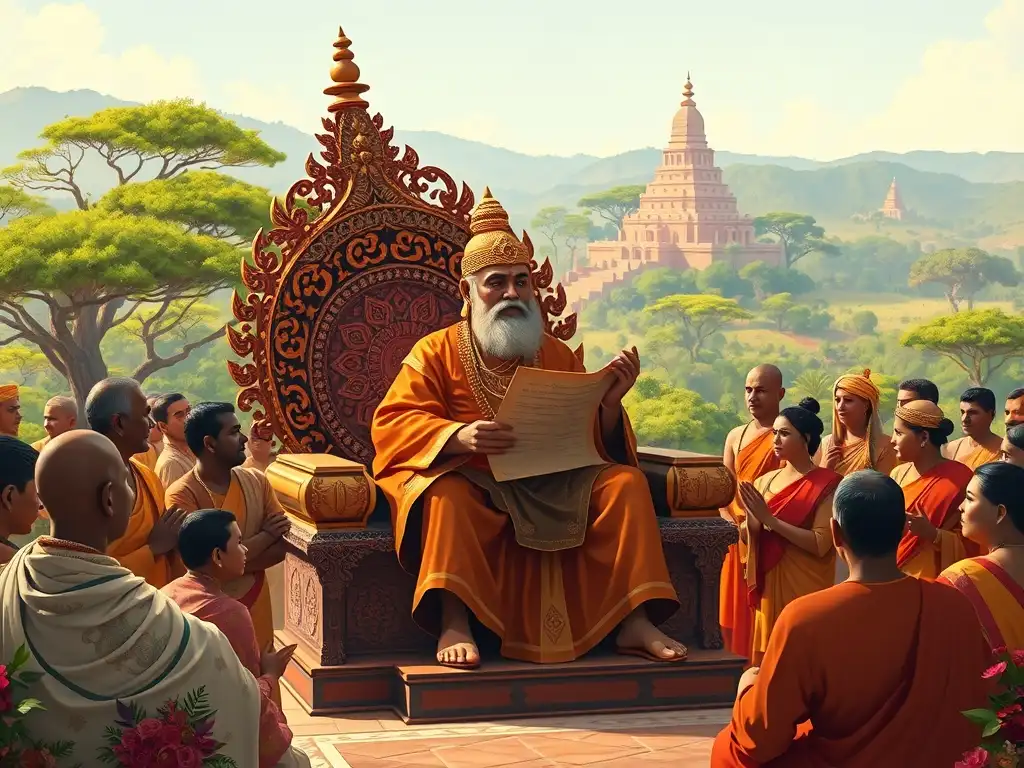
Under Ashoka’s reign, Buddhism flourished as a major religion in India, thanks to his relentless efforts to promote its teachings and practices. His commitment to spreading Buddhism was not limited to his kingdom; it extended beyond borders, influencing regions as far as Sri Lanka and Central Asia.
Establishment of Buddhist Monasteries and Stupas
One of the most significant contributions of Ashoka to Buddhism was the establishment of numerous monasteries and stupas. He constructed magnificent stupas, such as the Sanchi Stupa, which served as centers for Buddhist worship and pilgrimage. These structures not only housed relics of the Buddha but also became focal points for the community, facilitating the growth of monastic life and the dissemination of Buddhist teachings. Ashoka’s patronage ensured that these institutions thrived, providing education and spiritual guidance to countless followers.
The Spread of Buddhist Teachings and Practices
In addition to building physical structures, Ashoka actively promoted the spread of Buddhist teachings throughout his empire. He sent missionaries, including his own son Mahinda and daughter Sanghamitra, to various regions to teach the Dharma. These missions were instrumental in disseminating Buddhist philosophy and practices, leading to a significant increase in the number of adherents.
The establishment of the Third Buddhist Council during Ashoka's reign further solidified the doctrines of Buddhism and ensured a cohesive approach to teaching. Through these efforts, Ashoka not only transformed his empire into a bastion of Buddhism but also laid the groundwork for its enduring legacy across Asia.
Ashoka's Edicts: A Testament to His Commitment to Buddhism
Ashoka the Great, the third Mauryan Emperor, is renowned for his profound commitment to Buddhism, which is vividly illustrated through his edicts. These inscriptions, carved on rocks and pillars throughout his empire, serve as a significant testament to his dedication to the principles of Dharma and the propagation of Buddhist values. His edicts not only reflect his personal beliefs but also his intention to guide his subjects towards ethical living and moral conduct. By promoting the teachings of Buddhism, Ashoka aimed to foster a more compassionate and just society, transcending mere political governance.
The edicts are a rich source of information about Ashoka's reign, his policies, and his views on morality, justice, and social responsibility. They demonstrate a unique blend of governance and spirituality, as Ashoka sought to align the administrative duties of the state with the ethical tenets of Buddhism. This integration of political authority and religious doctrine marked a significant shift in the historical trajectory of ancient Indian society, making Ashoka a pivotal figure in the spread of Buddhism.
The Rock Edicts: Content and Significance
The Rock Edicts of Ashoka are one of the earliest and most significant records of his reign. Carved between 258 and 256 BCE, these inscriptions were strategically placed in various locations across the empire, including present-day India, Nepal, and Pakistan. They consist of 14 major edicts, each addressing various aspects of moral and ethical conduct, emphasizing non-violence, compassion, and respect for all living beings.
The content of the Rock Edicts focuses on several key themes:
- Ahimsa (Non-violence): Ashoka emphasizes the importance of non-violence towards all creatures, promoting a message of peace and coexistence.
- Compassion: The edicts encourage kindness towards others, reflecting Buddhist values of empathy and benevolence.
- Moral Conduct: Ashoka instructs his subjects to adhere to high moral standards, urging them to engage in righteous actions.
The significance of these edicts lies not only in their content but also in their role as a unifying force across Ashoka's diverse empire. By disseminating these messages, Ashoka sought to cultivate a shared ethical framework that transcended regional and cultural differences, thus reinforcing his authority and fostering social cohesion.
The Pillar Edicts: Promoting Dharma and Ethical Governance
In addition to the Rock Edicts, Ashoka also commissioned the Pillar Edicts, which were inscribed on tall stone pillars erected in key locations across his empire. These pillars served as monumental representations of his commitment to promoting Dharma and ethical governance. The Pillar Edicts, numbering around 7, further elaborated on the principles outlined in the Rock Edicts, with a focus on the responsibilities of rulers and the importance of just governance.
Key aspects of the Pillar Edicts include:
- Promotion of Dharma: Each edict calls for the promotion of Dharma, which encompasses moral law and ethical living, encouraging citizens to adhere to virtuous conduct in their daily lives.
- Social Welfare: Ashoka's edicts advocate for the welfare of all subjects, emphasizing the ruler's responsibility to ensure the well-being of the populace.
- Tolerance and Acceptance: The Pillar Edicts reflect Ashoka's belief in the importance of religious tolerance, urging respect for all faiths and promoting harmony among various communities.
By embedding these principles within the governance of his empire, Ashoka not only solidified his role as a benevolent ruler but also played a crucial role in the establishment of Buddhism as a guiding philosophy for ethical governance in ancient India.
Ashoka and the Evolution of Buddhism in Ancient India
Ashoka's reign marked a pivotal moment in the evolution of Buddhism, transforming it from a relatively localized religion into a prominent spiritual force across India and beyond. His influence extended not only through his personal patronage of the faith but also through his contributions to its institutional development and dissemination. The impact of Ashoka's policies and practices significantly shaped the trajectory of Buddhism, ensuring its survival and propagation for centuries to come.
Influence on Buddhist Philosophy and Practices
Ashoka's commitment to Buddhism had a profound influence on the philosophy and practices of the religion. His promotion of the core tenets of Buddhism, such as compassion, non-attachment, and mindfulness, helped to solidify these principles within the broader cultural and spiritual landscape of ancient India. The edicts served as a means to articulate these teachings, making them accessible to a wider audience.
Furthermore, Ashoka's support for the Buddhist community facilitated the establishment of monastic institutions, which became centers of learning and spiritual practice. This institutional framework allowed for the formalization of Buddhist teachings and the spread of various schools of thought, contributing to the richness and diversity of Buddhist philosophy. Ashoka's reign thus played a critical role in shaping the evolution of Buddhism, fostering an environment in which the religion could flourish and adapt to changing societal contexts.
Ashoka's Role in the Third Buddhist Council
Ashoka's dedication to Buddhism culminated in his pivotal role in convening the Third Buddhist Council around 250 BCE. This council aimed to address doctrinal disputes and promote the purity of Buddhist teachings in the wake of increasing sectarian divisions. Held in Pataliputra (modern-day Patna), the council was attended by prominent monks, including the leading figure, Monk Moggaliputta Tissa.
Key outcomes of the Third Buddhist Council included:
- Standardization of Doctrines: The council sought to clarify and standardize Buddhist teachings, ensuring a unified understanding of core concepts and practices among followers.
- Missionary Activities: Ashoka encouraged the spread of Buddhism beyond India, sending missionaries to various regions, including Sri Lanka and Central Asia, to propagate the teachings of the Buddha.
- Support for Monastic Communities: The council reinforced the importance of monastic communities, providing them with the necessary support to continue their spiritual work and teachings.
Through these efforts, Ashoka not only solidified his legacy as a patron of Buddhism but also played a crucial role in its expansion and establishment as a major world religion. His influence continues to resonate within Buddhist communities worldwide, as his commitment to peace, compassion, and ethical governance remains a guiding principle for many.
Legacy of Ashoka the Great and His Impact on Buddhism
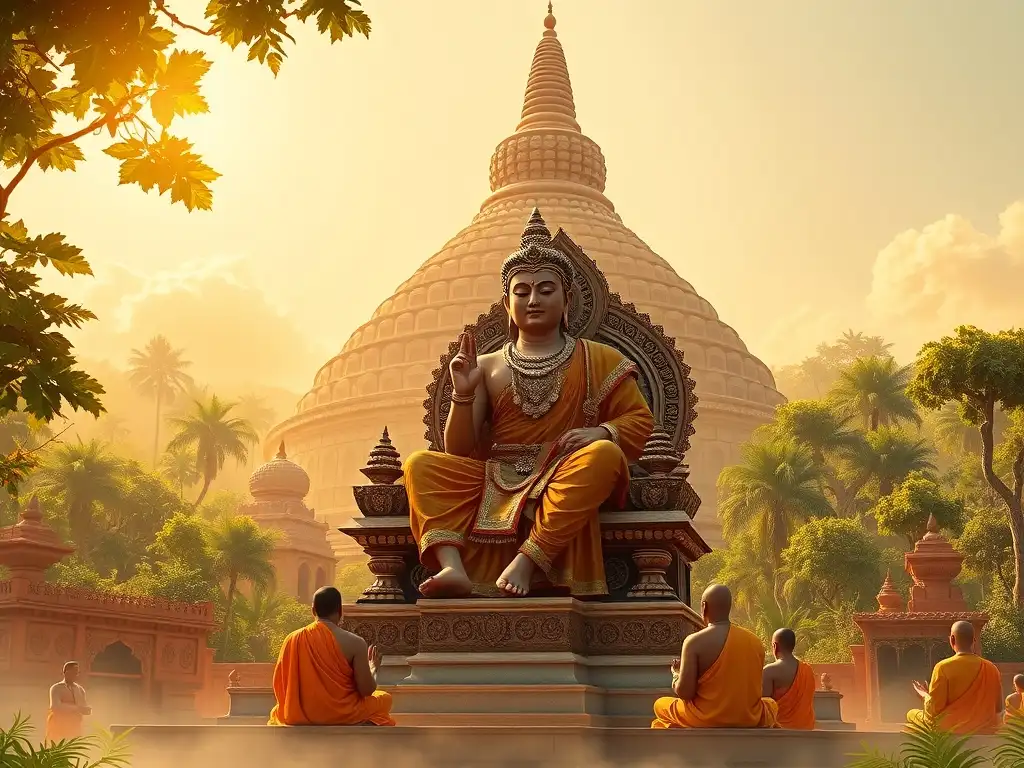
Ashoka the Great, the third Mauryan emperor who reigned from 268 to 232 BCE, is often credited with the significant spread and institutionalization of Buddhism across India and beyond. His legacy is multifaceted, intertwining his personal transformation, religious policies, and the extensive propagation of Buddhist teachings.
One of the most notable aspects of Ashoka's legacy is the propagation of the moral and ethical principles of Buddhism, which he integrated into the administration of his vast empire. This transformation was not merely a personal endeavor; it was a state-sponsored initiative that sought to unify diverse populations under a shared ethical framework rooted in Buddhist teachings.
Ashoka's edicts, inscribed on pillars and rocks throughout his empire, serve as historical testimonies to his commitment to dharma—an ethical code of conduct that emphasizes non-violence, compassion, and respect for all living beings. Through these edicts, Ashoka encouraged his subjects to engage in virtuous living and to adopt Buddhist values, which helped to forge a strong cultural identity that transcended local traditions. His efforts led to Buddhism's elevation from a regional faith to a major world religion, influencing not just India but also neighboring regions, where Ashoka sent missionaries to spread the teachings of the Buddha.
Ashoka's Influence on Future Buddhist Leaders
Ashoka's reign left an indelible mark on future Buddhist leaders and movements, establishing a template for how rulers could govern with compassion and ethical principles derived from Buddhism. The emphasis on non-violence—symbolized by Ashoka's abandonment of conquest in favor of spreading dharma—has inspired countless Buddhist leaders throughout history. Figures such as Emperor Kanishka of the Kushan Empire and King Parakramabahu of Sri Lanka drew upon Ashoka's model to promote Buddhism as a state religion, integrating its teachings into their governance.
Moreover, Ashoka's commitment to education and the establishment of monasteries laid the groundwork for future Buddhist educational institutions. His support for the Sangha (the community of monks) helped cultivate a lineage of monastic leaders who would further disseminate Buddhist teachings. As a result, Ashoka's influence can be traced through various Buddhist schools and traditions that emerged in the centuries following his reign, emphasizing the importance of moral governance and the role of leaders in promoting spiritual values.
The Lasting Legacy of Ashoka in Indian Culture
The cultural impact of Ashoka's legacy is profound and pervasive in Indian society. His promotion of Buddhism contributed to the development of a rich cultural heritage that includes art, architecture, and literature. The stupas, such as the Sanchi Stupa, which were built to house relics, are testaments to his architectural patronage, becoming iconic symbols of Buddhist devotion.
Beyond physical structures, Ashoka's commitment to ethical governance and compassion has woven itself into the fabric of Indian cultural values. His edicts, advocating for the welfare of all beings, resonate with principles found in contemporary Indian society, emphasizing the importance of non-violence (ahimsa) and tolerance. The celebration of Ashoka's principles can be seen in various cultural practices, festivals, and narratives that uphold the virtues he championed, thereby ensuring that his legacy endures in the collective consciousness of the Indian populace.
Conclusion: Ashoka the Great’s Enduring Influence on Buddhism
Ashoka the Great's influence on Buddhism is a testament to the power of leadership guided by ethical values and compassion. His efforts not only transformed the religious landscape of ancient India but also set a precedent for how rulers could use their power for the greater good. By actively promoting the teachings of the Buddha and establishing a framework for ethical governance, Ashoka established a legacy that resonated through time, influencing both historical and contemporary contexts.
Reflection on Ashoka's Contributions to Ancient Indian Religions
Ashoka's contributions to ancient Indian religions extend beyond Buddhism; they encompass a broader ethos of tolerance and coexistence among various faiths. His edicts reflect an understanding of the importance of pluralism, advocating for respect towards all religious traditions. This inclusive approach has influenced not only Buddhism but also Hinduism, Jainism, and other religious practices present in India during his time. Ashoka’s role in fostering dialogue among different religions laid a foundation for a culturally rich and diverse society that continues to thrive.
The Relevance of Ashoka's Principles in Contemporary Buddhism
In contemporary Buddhism, Ashoka's principles of compassion, non-violence, and moral governance remain highly relevant. Modern Buddhist leaders often invoke Ashoka's legacy as a source of inspiration for ethical leadership and social responsibility. The principles he championed resonate in contemporary discussions about peace, conflict resolution, and environmental stewardship within Buddhist communities. As societies grapple with issues of violence and injustice, Ashoka's teachings remind us of the potential for compassion to create lasting change, encouraging a return to the core values that can unify and uplift humanity.
References
Understanding Ashoka the Great's role in propagating Buddhism involves examining various historical texts, archaeological findings, and scholarly interpretations. Below is a curated list of key sources and suggested readings that provide in-depth insights into Ashoka's life, his contributions to Buddhism, and the broader context of ancient Indian history.
Key Sources on Ashoka the Great and Buddhism
-
Ashoka: The Search for India's Lost Emperor by Charles Allen
This book delves into Ashoka's life, exploring his transformation from a warrior king to a promoter of peace and Buddhism. Allen combines historical narratives with archaeological evidence, making it accessible for both scholars and general readers.
-
The Edicts of Ashoka
A collection of inscriptions created by Ashoka, these edicts provide direct insights into his policies and his commitment to Buddhism. They cover various themes, including moral governance, non-violence, and the promotion of dharma.
-
Ashoka and the Decline of the Mauryas by Romila Thapar
Thapar's scholarly work offers a critical analysis of Ashoka's reign and the socio-political changes during and after his time. It provides context on how Ashoka's promotion of Buddhism influenced Indian society.
-
Buddhism: A Very Short Introduction by Damien Keown
This concise guide offers an overview of Buddhist teachings, including the impact of historical figures like Ashoka. It serves as a good primer for understanding Buddhism's evolution in ancient India.
-
The Mauryan Empire by R. S. Sharma
This work details the political and cultural landscape of the Mauryan Empire, focusing on Ashoka’s governance and the integration of Buddhist principles in statecraft.
Suggested Further Reading on Ancient Indian History
-
A History of Ancient India: From the Earliest Times to the Twelfth Century by Romila Thapar
Thapar provides a comprehensive overview of ancient Indian history, placing Ashoka within the broader narrative of Indian civilization's development.
-
India: A History by John Keay
Keay's book offers a sweeping history of India, including a section dedicated to Ashoka and his significant role in spreading Buddhism.
-
The Rise and Fall of the Mauryan Empire by Nitin Sinha
This text examines the factors that contributed to the rise of the Mauryan Empire and its eventual decline, with a focus on Ashoka's policies and their long-term effects on Indian society.
-
Buddhism in India: Challenging Brahmanical Hegemony by G. C. Pande
Pande explores the historical context of Buddhism in India, particularly how figures like Ashoka challenged existing social norms and religious practices.
-
The Art of the Maurya Period by Vidya Dehejia
This book highlights the artistic achievements during Ashoka's reign, emphasizing how art and architecture were influenced by Buddhist themes and principles.
These sources provide a solid foundation for understanding Ashoka the Great's pivotal role in the propagation of Buddhism and the historical context of ancient India.
- Introduction to Ashoka the Great
- The Rise of Ashoka: From Warrior to Buddhist Emperor
- Embracing Buddhism: The Transformation of Ashoka
- Promoting Buddhism Across India
- Ashoka's Edicts: A Testament to His Commitment to Buddhism
- Ashoka and the Evolution of Buddhism in Ancient India
- Legacy of Ashoka the Great and His Impact on Buddhism
- Conclusion: Ashoka the Great’s Enduring Influence on Buddhism
- References
Frequently Asked Questions
What was the significance of Ashoka the Great in Buddhism?
Ashoka the Great played a crucial role in the spread of Buddhism throughout India after his conversion following the Kalinga War. His efforts included building stupas and supporting monastic communities.
How did Ashoka promote Buddhist values?
Ashoka promoted Buddhist values through the Edicts of Ashoka, which emphasized non-violence, compassion, and moral governance. He encouraged the practice of Dharma among his subjects.
What were the key contributions of Ashoka to Indian society?
Ashoka's contributions included the establishment of hospitals, roads, and educational institutions. His reign marked a period of peace and prosperity, fostering cultural and religious growth.
How did Ashoka's policies impact the spread of Buddhism outside India?
Ashoka sent Buddhist missionaries to various regions, including Sri Lanka, facilitating the international spread of Buddhism. This helped establish Buddhism as a major world religion.
What legacy did Ashoka leave behind in modern India?
Ashoka's legacy is evident in the Ashoka Chakra, featured on the Indian national flag, symbolizing peace and progress. His commitment to Buddhist principles continues to inspire people globally.
Final Reflection: Ashoka's Enduring Legacy in Buddhism
The story of Ashoka the Great is not just a historical account; it is a powerful reminder of how one individual's transformation can lead to profound societal change. In an era marked by conflict and strife, Ashoka's embrace of Buddhism and his commitment to non-violence and compassion resonate deeply in today's world, where the need for peace and understanding is more critical than ever. His journey from a fierce conqueror to a benevolent ruler illustrates the potential for personal growth and the impact it can have on a nation's ethos.
Clearly, Ashoka's influence extends beyond the confines of history, shaping the cultural and spiritual landscape of India and beyond. His promotion of Buddhism not only helped to spread its teachings but also fostered a sense of unity and moral responsibility among his subjects. As we navigate the complexities of modern society, we can draw inspiration from Ashoka's principles of tolerance and empathy. The greatest victory is the victory over oneself.
This quote encapsulates the essence of Ashoka's legacy, reminding us that true leadership begins with self-awareness and compassion.
As we reflect on Ashoka's remarkable journey, let us consider how we can embody his values in our own lives. Take a moment to think about how you can promote peace, understanding, and kindness in your daily interactions. Whether through small acts of compassion or larger commitments to social justice, each of us has the power to contribute to a more harmonious world. Embrace the lessons of Ashoka the Great and let them guide you in your quest to make a positive impact on those around you.
Embrace Ashoka's Legacy and Transform Your Understanding!
Thank you for diving into the fascinating journey of Ashoka the Great! By exploring his life and the profound impact he had on Buddhism across India, you’ve unlocked insights that can inspire you personally and spiritually. Now, it’s time to take action and deepen your connection to this incredible history.
Here’s how you can continue your exploration:
- Join a local or online discussion group focused on Buddhism or ancient Indian history to connect with like-minded enthusiasts.
- Read more about other influential historical figures who shaped religion and culture—consider picking up a biography or watching a documentary.
- Volunteer for or support organizations that promote cultural heritage or education about Buddhism and its teachings.
What aspect of Ashoka’s philosophy resonated with you the most, and how will you incorporate it into your daily life? We’d love to hear your thoughts in the comments!