
The Concept of Divine Play (Lila) in Hindu Philosophical Thought

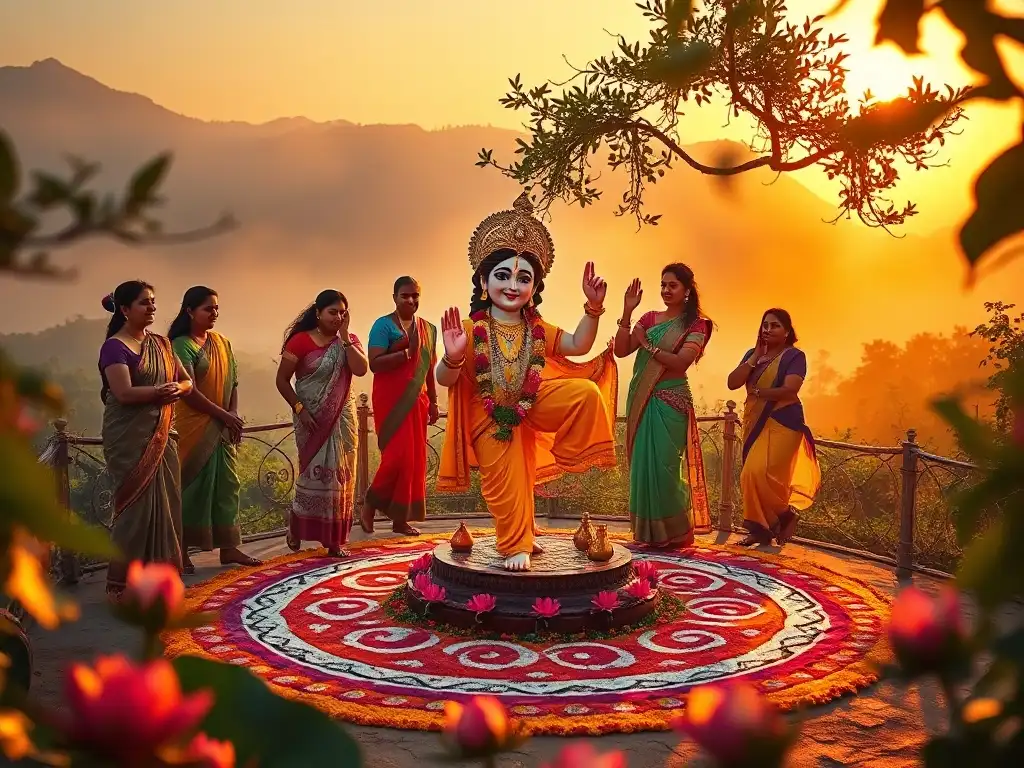
Welcome to Ancient India History, where we embark on an extraordinary journey through the lush tapestry of ancient Indian civilizations. Here, we delve into the intriguing concept of Divine Play (Lila) in Hindu Philosophical Thought, a profound idea that intertwines spirituality and creativity, reflecting the vibrant essence of Hinduism. As you explore the layers of this captivating theme, you'll uncover how this concept shapes our understanding of existence, divinity, and the cosmos.
Prepare to be enlightened as we unveil the mysteries of ancient beliefs and their timeless relevance in today's world. Dive in to discover the enchanting narratives that await you!
Introduction to Divine Play in Hinduism
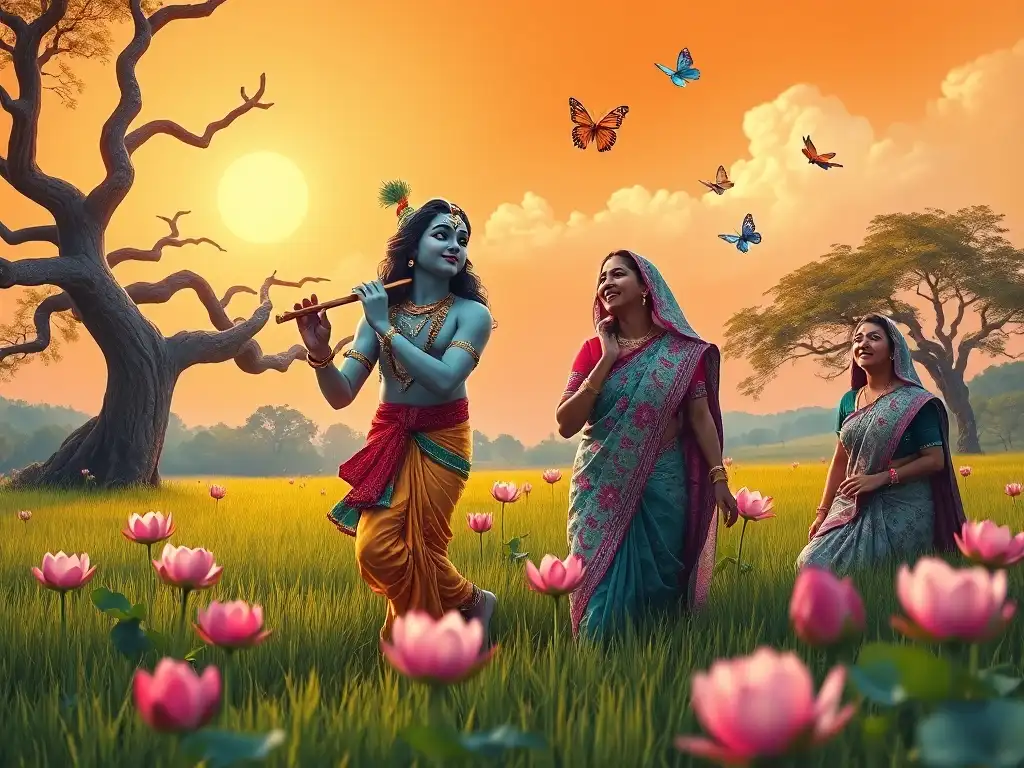
The concept of Divine Play, known as Lila in Hinduism, represents a profound and intricate dimension of Hindu philosophical thought. This idea encapsulates the belief that the universe and all its phenomena are expressions of a playful divine consciousness. In this framework, the divine engages in a cosmic game, where creation, maintenance, and dissolution are not merely mechanical processes but are imbued with the joy and spontaneity of divine play. This perspective not only enriches our understanding of the divine nature but also deepens our appreciation of life itself as an interplay of the sacred and the mundane.
The exploration of Lila is essential for grasping the broader philosophical discourse within Hinduism. It unveils how ancient thinkers articulated the relationship between the divine and the cosmos, offering insights into the nature of existence, purpose, and the ultimate reality. By examining this concept, we can uncover the layers of meaning that have influenced Hindu thought through the ages.
Definition of Lila in Hindu Philosophy
In Hindu philosophy, Lila is often defined as the playful and spontaneous activity of the divine. It suggests that the creation and functioning of the universe are not driven solely by a sense of duty or necessity but are instead a joyful expression of the divine will. This concept challenges conventional notions of a serious, detached deity, proposing instead a God who delights in the act of creation.
The term Lila can be broken down into several facets:
- Playfulness: It denotes a light-hearted engagement with the world, where the divine interacts freely and joyfully with creation.
- Creativity: Lila embodies the creative force that manifests in diverse forms and experiences within the universe.
- Transcendence and Immanence: While Lila reflects the divine's transcendence over the material world, it also highlights its immanence, as the divine pervades every aspect of existence.
This multifaceted definition illustrates how Lila serves as a pivotal concept in understanding the nature of divinity in Hindu thought.
Importance of the Concept in Ancient Indian Thought
The significance of Lila in ancient Indian thought cannot be overstated. It serves as a cornerstone for various philosophical schools and theological interpretations within Hinduism. Here are some key reasons why the concept is vital:
- Framework for Understanding Existence: Lila provides a lens through which to view life as a dynamic interplay of divine forces, encouraging a perspective that embraces the beauty and complexity of the cosmos.
- Spiritual Practice: The idea of divine play fosters a sense of detachment and joy in spiritual practices, promoting a playful engagement with the divine rather than a strictly reverential approach.
- Cultural Influence: Lila has permeated various aspects of Indian culture, including art, literature, and dance, illustrating the deep-rooted connection between philosophy and cultural expression.
By recognizing the importance of Lila, we can better understand its profound influence on the development of Hindu philosophical thought and its enduring legacy.
Historical Context of Divine Play
Roots of Lila in Vedic Texts
The origins of Lila can be traced back to the Vedic texts, where early concepts of the divine and creation begin to take shape. In these ancient scriptures, the idea of a playful universe is hinted at through various hymns and rituals that depict the gods engaging in creative activities. The Vedas emphasize the interconnectedness of all beings and the divine's role as both creator and participant in the cosmic order.
Key elements from Vedic texts include:
- Creation Myths: Stories that illustrate the divine's playful involvement in the creation of the world.
- Sacrificial Rituals: Practices that reflect the playful interaction between gods and humans, where offerings are made to sustain the divine play.
These foundational ideas set the stage for the more developed concept of Lila in later philosophical discourse.
Evolution of Lila in Upanishadic Philosophy
As Hindu thought progressed, the Upanishads introduced a more nuanced understanding of Lila. This period marked a significant evolution in philosophical inquiry, where the interplay between the individual soul (Atman) and the universal spirit (Brahman) became central.
Key developments during this time include:
- The Concept of Non-Duality: The Upanishads propose that the divine play is an expression of the non-dual nature of reality, where the distinction between the divine and the individual is ultimately transcended.
- Mystical Experiences: The focus shifted towards personal experience of the divine, emphasizing the joy and spontaneity found in spiritual realization, akin to the essence of Lila.
This evolution illustrates how Lila became intertwined with deeper metaphysical inquiries, enriching its philosophical significance.
Lila in Classical Hindu Scriptures
The concept of Lila reached its zenith in classical Hindu scriptures, such as the Bhagavad Gita, the Puranas, and the narratives surrounding deities like Krishna. Here, Lila is vividly illustrated through stories that showcase the playful and loving nature of the divine.
Notable aspects include:
- Krishna's Divine Play: The tales of Krishna's childhood and exploits highlight Lila as both a joyous and profound engagement with the world, emphasizing themes of love, devotion, and cosmic order.
- Philosophical Reflections: Commentators on these texts have explored the implications of Lila for understanding the nature of reality, ethics, and the path to liberation.
The rich tapestry of Lila in these scriptures continues to inspire devotees and philosophers alike, reflecting the enduring relevance of this concept in the fabric of Hindu thought.
The Philosophical Underpinnings of Divine Play
The concept of Divine Play (Lila) is deeply rooted in Hindu philosophical thought, embodying a complex interplay between reality, divinity, and human experience. At its core, Lila signifies the playful nature of the divine, suggesting that the cosmos, in its entirety, is an expression of divine joy and creativity. This notion challenges conventional understandings of existence by proposing that life is not merely a stage for suffering and striving but rather a vibrant tapestry woven with the threads of divine intention and playful engagement.
The Nature of Reality in Hinduism
In Hindu philosophy, the nature of reality is multifaceted, often described through the lenses of Brahman, Atman, and Maya. Brahman, the ultimate reality, is seen as both the source and the essence of all existence. It transcends the limitations of the physical world, embodying infinite consciousness and bliss. Conversely, Atman refers to the individual soul or self, which is fundamentally one with Brahman. This realization of unity is central to many Hindu philosophical schools.
The interplay of Brahman and Atman is crucial to understanding the implications of Lila. Reality, viewed through this lens, is not static but dynamic, where the divine engages in continual creation and recreation. This perspective positions existence as a divine play, where each individual soul participates in the cosmic drama, contributing to the unfolding of divine creativity.
Lila and the Concept of Brahman
The relationship between Lila and Brahman is intricate, as Lila can be seen as the manifestation of Brahman's creative impulse. In this context, the universe is often depicted as a stage where Brahman plays out various roles, embodying the myriad forms of life and consciousness. This playful aspect does not diminish the seriousness of existence; rather, it elevates the experience of life into a divine performance, inviting individuals to engage with their surroundings in a joyful and meaningful manner.
The concept of Lila also emphasizes the notion that the divine does not merely oversee the universe but actively participates in it. This participatory aspect of divinity fosters a sense of intimacy between the divine and the individual, suggesting that every action and experience is imbued with divine significance. The recognition of life as Lila encourages a deeper appreciation for the beauty and complexity of existence, inviting individuals to embrace their role within the cosmic play.
The Role of Maya in Divine Play
Maya, often translated as illusion or deception, plays a pivotal role in the framework of Lila. It is through Maya that the divine manifests the material world, creating the illusion of separateness and duality. This illusion allows individuals to engage with the world and experience the richness of existence, albeit through a veil of ignorance regarding their true nature as Atman.
In the context of Divine Play, Maya serves as both a challenge and a medium for spiritual growth. It invites individuals to recognize the transient nature of worldly experiences while simultaneously engaging with them. The realization that Maya is a divine mechanism rather than an outright deception enables individuals to transcend the limitations of material existence and recognize their participation in the grand cosmic play. Thus, Maya is not merely a hindrance but an essential component of Lila, facilitating engagement with the divine through the various roles and experiences of life.
Interpretations of Divine Play in Different Schools of Hindu Thought
The interpretation of Divine Play varies significantly across different schools of Hindu thought, each offering unique insights into its philosophical implications and spiritual significance.
Advaita Vedanta and Lila
In Advaita Vedanta, a non-dualist school of thought, Lila is understood as the expression of Brahman’s infinite creativity. Here, Lila illustrates the interplay between the absolute reality of Brahman and the relative reality of the phenomenal world. The world of diversity, characterized by Maya, is viewed as a projection of Brahman’s playfulness.
For Advaita Vedanta, realizing the underlying unity of all existence is paramount; thus, engaging with Lila becomes a means to transcend duality and recognize one's true nature as non-different from Brahman. The emphasis on self-inquiry and meditation aids practitioners in experiencing this divine play firsthand, leading to liberation (moksha).
Dvaita and the Active Role of God in Lila
Contrastingly, the Dvaita (dualistic) school emphasizes a distinct separation between the individual soul (Atman) and the supreme Lord (Ishvara). In this interpretation, Lila is understood as the divine play of Ishvara, where God actively engages with creation, guiding and sustaining it.
The narrative of Lila in Dvaita is rich with stories of divine avatars, such as Krishna and Rama, who participate in the world, demonstrating love, compassion, and grace. This active involvement of God in Lila underscores the importance of devotion (bhakti) and the relationship between the devotee and the divine, where engaging with Lila becomes a pathway to experiencing divine love and mercy.
Bhakti Traditions and the Emotional Aspect of Divine Play
In the Bhakti traditions, the concept of Lila takes on a deeply emotional and personal dimension. Here, Lila is celebrated through devotional practices that express love and surrender to the divine. The playful interactions between deities, particularly in the stories of Krishna, are seen as reflections of the intimate relationship between the devotee and God. These narratives often highlight themes of love, longing, and divine grace, inviting devotees to immerse themselves in the joyous and playful aspects of worship.
The emotional resonance of Lila in Bhakti traditions encourages a profound sense of connection and devotion. Through songs, dances, and rituals, devotees engage with the idea of divine play, experiencing the joy and ecstasy that arise from surrendering to the playful nature of the divine. This vibrant engagement transforms the practice of worship into a celebration of life itself, where the boundaries between the divine and the individual dissolve, allowing for a shared experience of love and joy in the cosmic play.
Significance of Divine Play in Hindu Mythology
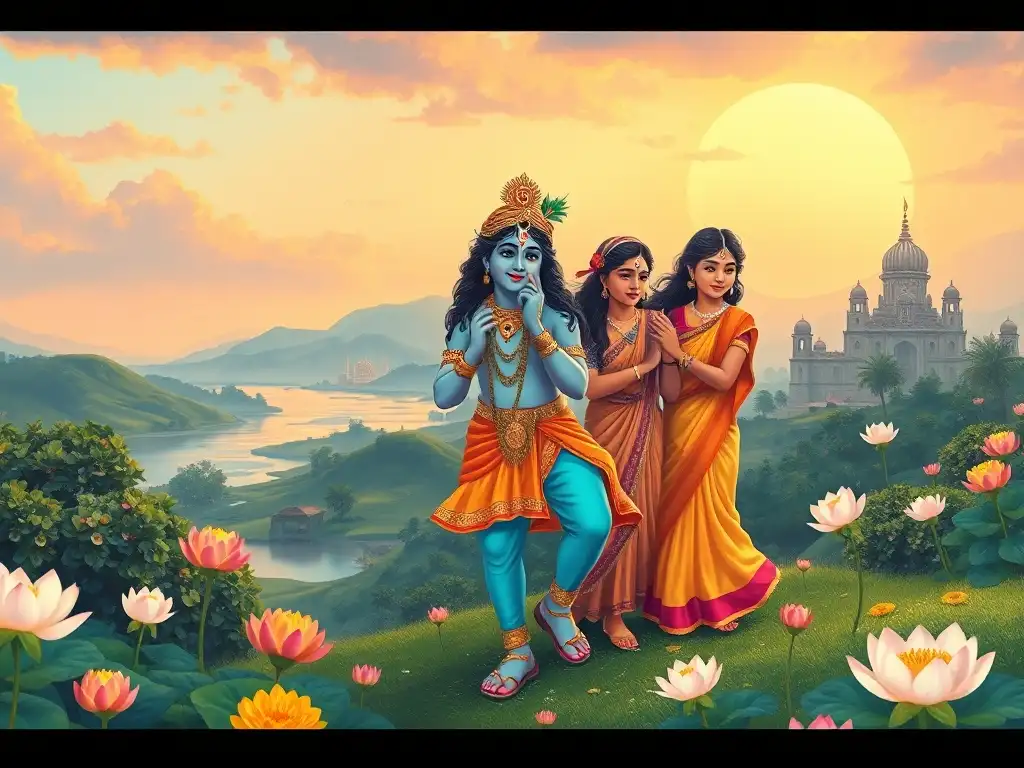
In Hindu mythology, the concept of Divine Play (Lila) serves as a profound lens through which the divine and human realms interact. It reflects the belief that the universe and all its phenomena are manifestations of a playful cosmic force. In this context, Lila is not merely a metaphor but a fundamental principle that enriches various narratives and philosophical discourses, emphasizing the playful nature of deities who engage with the world in a manner that is both joyful and purposeful.
The significance of Lila can be observed through the stories of gods and goddesses who embody this playful energy, inviting devotees to understand life as a drama where the divine orchestrates every event. This perspective fosters a sense of detachment and acceptance among followers, encouraging them to view their challenges and joys as part of a larger cosmic tapestry. The playful interactions of deities illustrate that life is not merely a series of trials but a stage for divine expression, filled with lessons and opportunities for spiritual growth.
Lila in the Life of Lord Krishna
The life of Lord Krishna is often regarded as the quintessential embodiment of Lila. From his enchanting childhood escapades in Vrindavan to his profound philosophies delivered in the Bhagavad Gita, every act of Krishna encapsulates the essence of Divine Play. His playful interactions with the gopis (milkmaids), his mischievous thefts of butter, and his divine leelas (pastimes) serve as vivid illustrations of Lila, where the divine is intimately intertwined with human experience.
Krishna's Lila is also characterized by moments of profound teaching hidden within playful antics. For instance, during the Rasa Lila, Krishna dances with the gopis, symbolizing the union of the individual soul with the divine. This dance is not merely entertainment but a deep spiritual experience that encourages devotees to transcend their limitations and embrace their innate divinity. Thus, Krishna's life exemplifies how Lila invites followers to perceive the divine in every aspect of existence, transforming mundane experiences into opportunities for spiritual awakening.
The Cosmic Dance of Shiva as Lila
The Cosmic Dance of Shiva, known as Nataraja, is another profound representation of Lila in Hinduism. This dance symbolizes the cyclical nature of creation and destruction, illustrating how the divine engages with the universe. Through this dynamic movement, Shiva embodies the rhythm of life, signifying that existence is a continual play of birth, sustenance, and dissolution.
In this context, Shiva’s dance is not merely an act of destruction but an essential aspect of the cosmic order, reflecting the balance of opposing forces. The dance invites devotees to recognize that chaos and harmony are intertwined within the divine play. Understanding Shiva's Lila encourages individuals to embrace the impermanence of life, leading to a deeper appreciation of the transient nature of all things. This recognition fosters resilience and acceptance in the face of life's inevitable changes.
Lila Stories in the Ramayana and Mahabharata
The epic narratives of the Ramayana and Mahabharata are replete with instances of Lila, showcasing the divine playfulness that permeates human actions and decisions. In the Ramayana, the playful banter between Lord Rama and his companions highlights the camaraderie and joy that can exist even amidst conflict. The episodes involving Hanuman’s devotion and his playful exploits are prime examples of how Lila manifests, revealing the deeper spiritual truths hidden within these narratives.
Similarly, the Mahabharata presents numerous instances where Lila unfolds through the actions of characters like Krishna, who plays a pivotal role in guiding the Pandavas. His playful yet strategic interventions during the Kurukshetra War illustrate how divine play operates within the fabric of human affairs, reinforcing the idea that life’s events are orchestrated by a higher intelligence. These stories serve as reminders that every action, whether serious or playful, has a purpose within the divine scheme, urging readers to seek meaning in their own lives.
The Impact of Divine Play on Human Existence

The concept of Divine Play significantly shapes the understanding of human existence in Hindu thought. It encourages individuals to perceive their lives through a lens of joy and spontaneity rather than strict adherence to duty and obligation. This perspective fosters a sense of liberation, allowing individuals to engage with the world in a more playful and creative manner.
Lila also emphasizes the interconnectedness of all beings, suggesting that human experiences are part of a larger cosmic play. This connection invites individuals to reflect on their roles within the universe, inspiring a sense of responsibility and reverence for life. By embracing the idea of Lila, individuals can cultivate a more profound appreciation for the divine presence in everyday experiences, transforming mundane moments into opportunities for connection and growth.
Understanding Suffering Through Lila
One of the most profound implications of Lila is its approach to suffering. In Hindu philosophy, suffering is often viewed as an integral part of the divine play, a necessary component of the human experience that facilitates growth and transformation. Understanding suffering through the lens of Lila allows individuals to see their struggles as part of a larger narrative, where each challenge is imbued with purpose.
This perspective encourages individuals to embrace their suffering with acceptance, recognizing that it is not merely a burden but an opportunity for learning and self-discovery. By viewing life through the prism of Divine Play, followers can cultivate resilience, understanding that every hardship has the potential to lead to deeper insights and eventual liberation.
The Role of Bhakti and Devotion in Experiencing Lila
Bhakti, or devotion, plays a crucial role in experiencing Lila within Hindu thought. Devotees who engage in bhakti practices cultivate a personal relationship with the divine, allowing them to participate in the cosmic play. This devotion fosters a sense of intimacy with the divine, transforming ordinary experiences into sacred moments filled with joy and love.
Through bhakti, individuals can surrender their ego and embrace the playful nature of the divine. This surrender enables them to experience life more fully, recognizing the divine presence in every aspect of existence. The act of devotion becomes a dance of love, where the devotee and the divine engage in a reciprocal relationship, embodying the essence of Lila.
Practical Implications of Lila in Daily Life
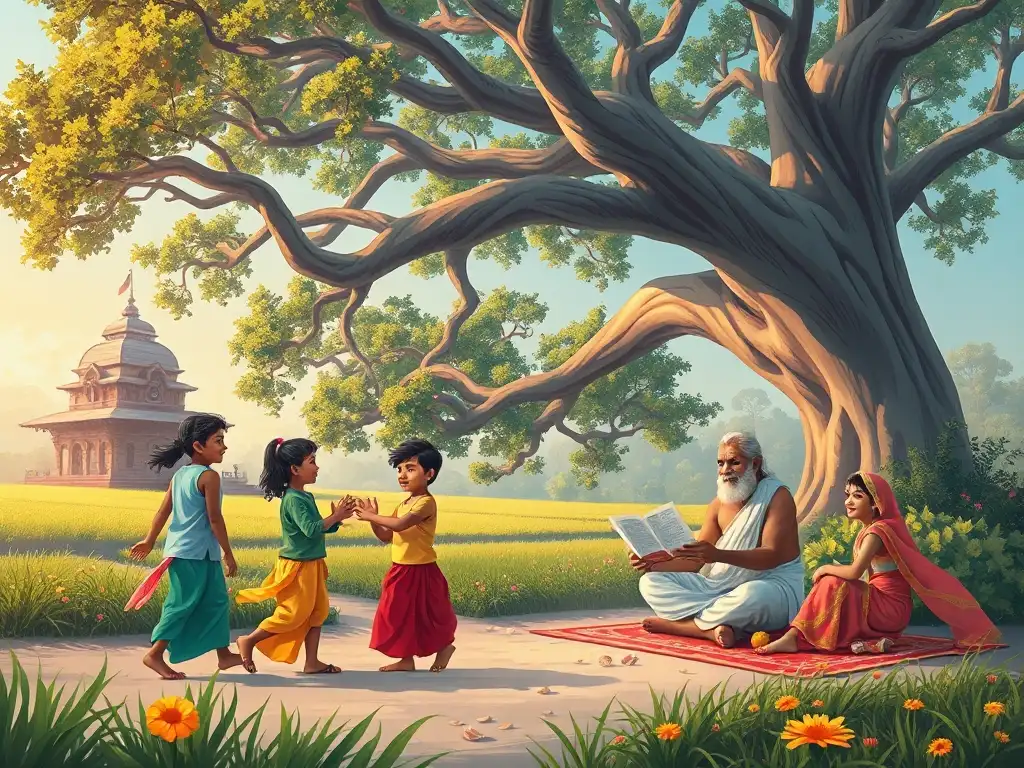
The concept of Lila offers practical implications for daily living, encouraging individuals to adopt a more joyful and playful approach to life. By embracing the principles of Divine Play, one can cultivate a mindset that appreciates the beauty of spontaneity and creativity. This perspective invites individuals to engage with their surroundings with curiosity, transforming mundane tasks into opportunities for joy.
Moreover, understanding Lila can help individuals navigate challenges with grace and resilience. By recognizing that difficulties are part of the divine play, one can approach life's obstacles with a sense of humor and acceptance. This mindset fosters a more profound connection to the present moment, allowing individuals to experience life as a vibrant expression of the divine, rich with meaning and potential.
Contemporary Perspectives on Divine Play
The concept of Divine Play, or Lila, continues to resonate within contemporary Hindu thought. Modern interpretations of Lila often emphasize its metaphorical significance, illustrating the fluidity of existence and the playful nature of the divine. This perspective encourages followers to view life as a stage where the divine engages in playful acts, guiding individuals through their spiritual journeys. Scholars and practitioners alike are increasingly drawn to the idea that life’s challenges and triumphs are part of a larger, playful cosmic drama orchestrated by the divine.
In addition, contemporary philosophers and theologians integrate Lila into broader discussions about the nature of reality, consciousness, and the divine. They argue that recognizing life as a play can foster a sense of detachment and acceptance, allowing individuals to navigate life's adversities with grace. This playful approach serves as a reminder that the universe is not solely a serious endeavor but also a joyous spectacle filled with opportunities for creativity and expression.
Lila in Modern Hindu Thought
In modern Hindu thought, Lila has been interpreted in various ways, often aligning with the teachings of prominent spiritual leaders. For instance, figures like Sri Aurobindo and Swami Vivekananda have highlighted the significance of Lila in understanding the relationship between the individual soul and the divine. They advocate for a synthesis of action and spirituality, where engaging with the world becomes a form of participating in the divine play.
Furthermore, contemporary yoga practices and spiritual retreats often incorporate the concept of Lila, emphasizing the importance of playfulness in spiritual development. Practitioners are encouraged to embrace spontaneity and creativity, reflecting the inherent joy found in Lila. This modern interpretation promotes a balance between discipline and freedom, suggesting that embracing the playful aspects of life can lead to deeper spiritual insights.
Global Influence of the Concept of Divine Play
The concept of Divine Play has transcended geographical and cultural boundaries, influencing various global spiritual traditions. In the West, Lila has found resonance in the works of philosophers and artists who explore themes of creativity and the nature of existence. Writers such as Alan Watts have drawn parallels between Lila and ideas in Western philosophy, emphasizing the interconnectedness of all beings and the playful essence of life.
Moreover, the global spread of yoga has introduced many to the philosophy underlying Lila. Through practices that encourage mindfulness and presence, individuals worldwide are invited to experience their lives as part of a larger divine play. This cross-cultural exchange enriches the understanding of Lila, allowing it to evolve while remaining rooted in its ancient Indian origins.
Lila in Art and Literature
Lila has profoundly influenced art and literature throughout history, serving as a source of inspiration for countless works. In classical Indian art, motifs depicting divine play often illustrate the playful interactions between deities and humans, reflecting the joyous and creative aspects of existence. Paintings and sculptures frequently capture scenes from the lives of gods like Krishna, who embodies Lila through his playful and mischievous nature.
In literature, the concept of Lila is explored in various forms, from ancient epics like the Mahabharata and Ramayana to modern novels and poetry. Authors often utilize Lila to convey deeper philosophical messages, portraying life as a transient play where the ultimate goal is to realize one's divine nature. This literary exploration of Lila not only preserves its significance but also invites readers to engage with the complexities of existence in a playful manner.
Conclusion: The Enduring Legacy of Divine Play in Hinduism
The concept of Divine Play, or Lila, holds a timeless place in Hindu philosophical thought, shaping the spiritual landscape of both ancient and modern India. Its rich tapestry of meanings encourages individuals to view life as a dynamic interplay of joy, creativity, and divine presence.
Summary of Key Insights on Lila
Lila serves as a powerful lens through which to understand the nature of existence in Hinduism. It emphasizes the playful and creative aspects of the divine, inviting practitioners to engage with life as a joyous dance. The modern interpretations of Lila encourage a balance between seriousness and playfulness, fostering resilience in the face of life's challenges. Furthermore, its global influence highlights the universal themes of interconnectedness and creativity that resonate with diverse spiritual traditions.
The Relevance of Divine Play in Today's World
In today's world, the relevance of Divine Play becomes increasingly apparent as individuals seek meaning and connection in their lives. Embracing the concept of Lila encourages a shift in perspective, allowing people to find joy in the mundane and to see life's challenges as part of a larger divine narrative. The playful nature of Lila serves not just as a philosophical idea but as a practical guide for living a fulfilling and engaged life. By recognizing the divine play in our daily experiences, we can cultivate a sense of wonder and appreciation for the richness of existence.
- Introduction to Divine Play in Hinduism
- Historical Context of Divine Play
- The Philosophical Underpinnings of Divine Play
- Interpretations of Divine Play in Different Schools of Hindu Thought
- Significance of Divine Play in Hindu Mythology
- Lila in the Life of Lord Krishna
- The Cosmic Dance of Shiva as Lila
- Lila Stories in the Ramayana and Mahabharata
- The Impact of Divine Play on Human Existence
- Understanding Suffering Through Lila
- The Role of Bhakti and Devotion in Experiencing Lila
- Practical Implications of Lila in Daily Life
- Contemporary Perspectives on Divine Play
- Conclusion: The Enduring Legacy of Divine Play in Hinduism
- What is the concept of Divine Play (Lila) in Hinduism?
- How does Lila relate to the nature of God in Hindu philosophy?
- What role does Lila play in understanding human existence?
- How is the concept of Divine Play reflected in Hindu texts?
- Can the idea of Lila be found in modern interpretations of Hinduism?
Frequently Asked Questions
What is the concept of Divine Play (Lila) in Hinduism?
The concept of Divine Play (Lila) refers to the cosmic activity of the divine, where the universe is seen as a stage for the leela or play of the gods. It emphasizes that creation and destruction are part of a divine game.
How does Lila relate to the nature of God in Hindu philosophy?
In Hindu philosophy, Lila illustrates the transcendental nature of God, suggesting that the divine engages in playful creation rather than being solely focused on duty or obligation. This highlights the joy and freedom inherent in divinity.
What role does Lila play in understanding human existence?
Lila helps explain the ephemeral nature of life, encouraging humans to see their experiences as part of a larger divine narrative. It inspires individuals to embrace life's joys and sorrows as essential aspects of the cosmic game.
How is the concept of Divine Play reflected in Hindu texts?
Many Hindu texts, such as the Bhagavad Gita and Puranas, discuss Lila through stories and metaphors that illustrate how the divine interacts with the world. These texts emphasize the playful and mysterious nature of God.
Can the idea of Lila be found in modern interpretations of Hinduism?
Yes, contemporary interpretations of Hinduism often draw on the idea of Lila to explore themes of creativity, freedom, and spirituality, reflecting its relevance in both ancient and modern contexts.
Final Reflection: Embracing the Essence of Divine Play in Hinduism
The concept of Divine Play, or Lila, resonates profoundly in today's world, reminding us that life is not merely a series of events but a vibrant tapestry woven with joy, creativity, and purpose. As we navigate the complexities of modern existence, the idea that our experiences can be viewed as a playful dance of the divine invites us to embrace a more holistic perspective on our lives. This perspective encourages us to find meaning in the mundane and to recognize the sacredness in every moment.
Cultural and social landscapes are continually shaped by the understanding of Lila, influencing how we perceive our roles within the universe. The notion that the divine engages in play not only elevates our understanding of spirituality but also fosters a sense of interconnectedness among all beings. As we reflect on this, we are reminded of the words of the philosopher Alan Watts, who said, The meaning of life is just to be alive. It is so plain and obvious and so simple.
This simplicity is echoed in the concept of Divine Play, urging us to engage with life more freely and joyfully.
As you contemplate the lessons of Divine Play in your own life, I invite you to consider how you can embrace this playful spirit in your daily interactions and experiences. Let the essence of Lila inspire you to approach challenges with creativity and to celebrate the beauty of existence, recognizing that every moment is an opportunity to dance with the divine. By embodying this philosophy, we can cultivate a deeper connection to ourselves, others, and the universe, transforming our lives into a joyful expression of the divine play at work.
Embrace the Dance of Lila!
Thank you for diving into the captivating world of Lila and its profound impact on Hindu philosophical thought. Your exploration of this concept opens up a realm of understanding about the playful nature of divinity and existence. Now, let’s take your insights to the next level!
Here’s how you can further embrace and apply the concept of Lila in your life and with your community:
- Dive Deeper: Explore various philosophical interpretations of Lila by reading foundational texts like the Bhagavad Gita or the writings of contemporary thinkers. Discover how this playful dance is represented across different cultures!
- Share Your Discoveries: Engage in discussions with friends or join a community group. Sharing insights not only deepens your understanding but also encourages others to appreciate the beauty of divine play.
- Reflect and Practice: Integrate the principles of Lila into your daily life. Seek out moments of joy and playfulness in your routine—how can you turn everyday tasks into a celebration of creativity and laughter?
As you contemplate these actions, consider this thought: How can embracing the idea of divine play reshape your perspective on life’s challenges? We invite you to share your reflections with us!