
The Art of Storytelling in Puranas: Techniques and Traditions

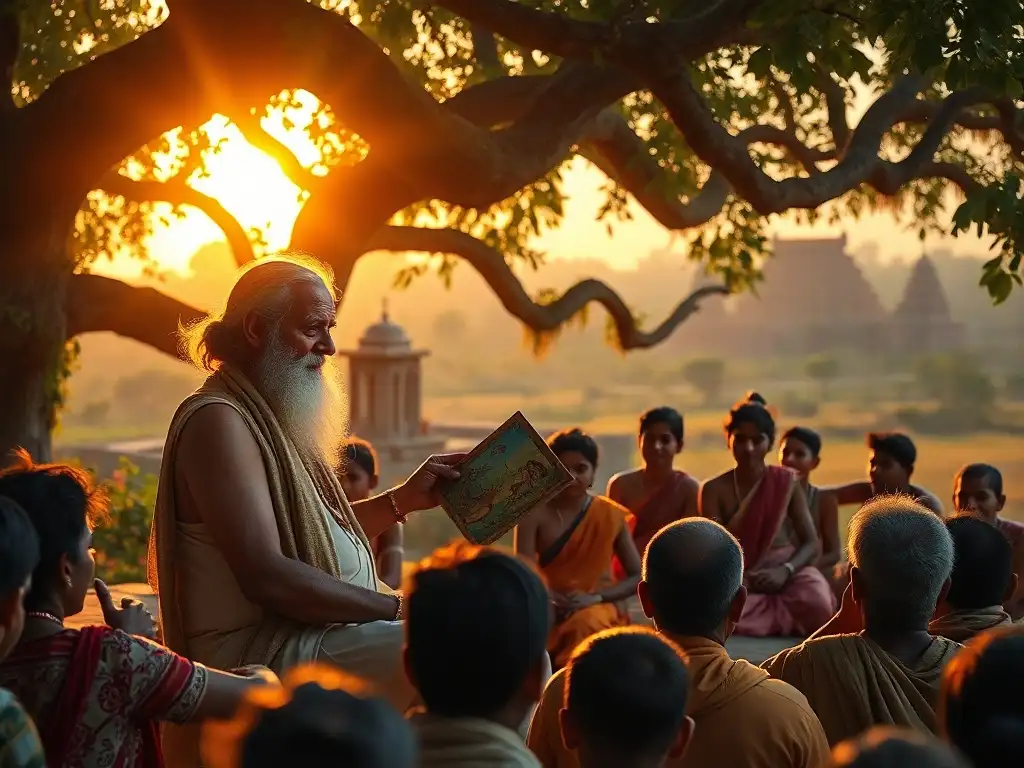
Welcome to Ancient India History, where we embark on a captivating journey through the rich tapestry of India's past. Here, you will uncover the fascinating storytelling techniques in Puranas—an art form that not only preserved ancient wisdom but also shaped the cultural landscape of civilizations from the Indus Valley to the Gupta Empire.
As you delve into our featured article, The Art of Storytelling in Puranas: Techniques and Traditions, prepare to be intrigued by the timeless narratives and profound lessons embedded in these texts. Join us as we explore how these masterful tales continue to resonate through the ages, inviting you to unravel their secrets and significance in the grand narrative of ancient Indian literature.
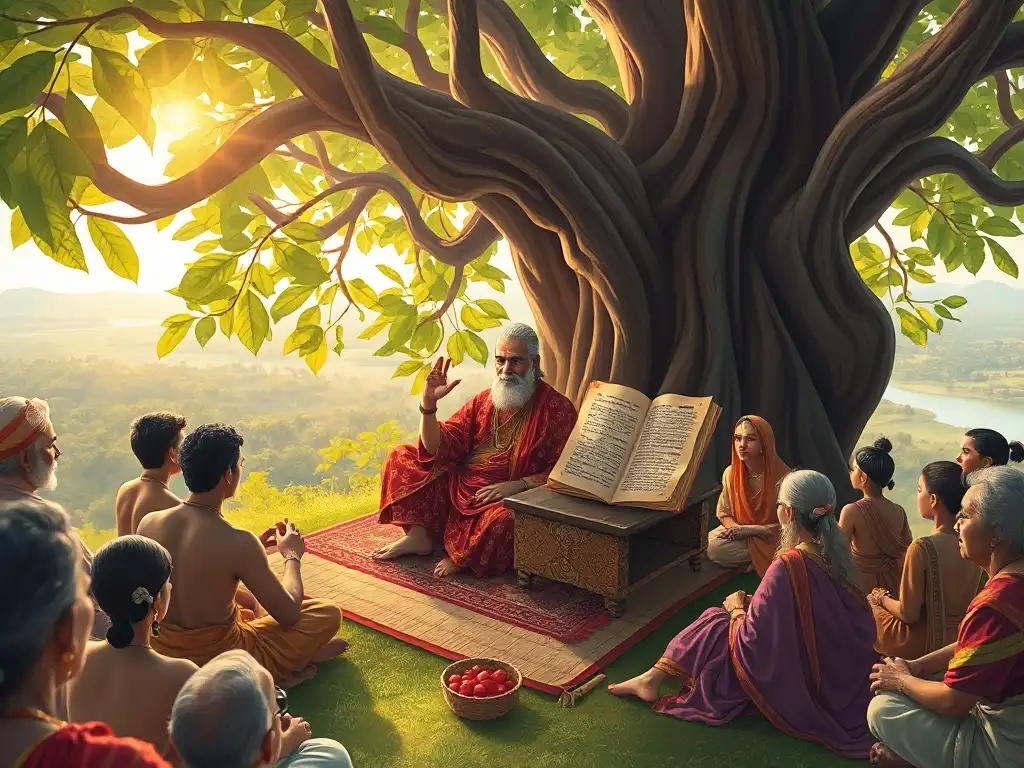
The rich tapestry of ancient Indian literature is woven intricately with the threads of storytelling, particularly within the Puranas. These ancient texts not only narrate myths and legends but also encapsulate profound moral, philosophical, and cultural teachings. The art of storytelling in the Puranas is characterized by unique techniques and traditions that have significantly influenced Indian culture and literature over millennia. In this article, we'll explore the various storytelling techniques in Puranas, highlighting their significance and the ways they contribute to the preservation of ancient Indian heritage.
Introduction to Storytelling in Puranas
The Puranas, a genre of ancient Indian literature, serve as key historical and cultural texts that recount the tales of gods, heroes, and the cosmos. They are not merely stories; they are vessels of knowledge that provide insights into the social, spiritual, and political life of ancient India. Understanding the storytelling techniques used in the Puranas is essential for appreciating their depth and complexity.
Understanding the Importance of Storytelling in Ancient Indian Literature
Storytelling in ancient Indian literature, particularly in the Puranas, is a multifaceted practice that transcends mere entertainment. It serves several critical functions:
- Cultural Preservation: Through oral traditions and written texts, storytelling preserves the values, beliefs, and practices of ancient civilizations.
- Moral Education: Puranic stories often convey moral lessons, providing guidance on ethical behavior and societal norms.
- Spiritual Insights: Many narratives explore philosophical themes and spiritual concepts, encouraging readers to reflect on their own lives and beliefs.
The emphasis on storytelling in this literary tradition illustrates its vital role in shaping identity and community among ancient Indian societies.
Overview of Puranas and Their Cultural Significance
The Puranas, with their diverse narratives, are classified into major groups, including the Mahāpurāṇas and Upapurāṇas. They encompass a wide range of topics, including cosmology, mythology, and history. Key aspects of their cultural significance include:
- Religious Texts: Many Puranas are revered as sacred texts, integral to Hindu worship and rituals.
- Historical Records: They document events, genealogies, and cultural practices, offering a glimpse into ancient Indian life.
- Literary Influence: The storytelling styles and themes found in the Puranas have influenced various forms of literature, art, and performance throughout Indian history.
Key Storytelling Techniques in Puranas
The storytelling techniques employed in the Puranas are diverse and sophisticated, reflecting the richness of ancient Indian narrative traditions. Here, we will delve into some of the key techniques that define Puranic storytelling.
Narrative Structure: The Framework of Puranic Stories
Puranic narratives often follow a distinct structure that enhances their storytelling. Common elements include:
- Chronological Progression: Events are typically presented in a linear fashion, guiding the audience through the narrative arc.
- Interwoven Narratives: Stories within stories (upakhyanas) create layered meanings and connections between characters and events.
- Cyclical Themes: Many narratives reflect cyclical concepts of time and existence, emphasizing the eternal nature of the universe.
This structured approach not only captivates the audience but also facilitates deeper engagement with the themes presented.
Character Development: Archetypes and Their Roles
Characterization in the Puranas employs archetypes that resonate across cultural boundaries. Key roles include:
- Deities and Divine Beings: Central figures often represent various aspects of the divine, embodying virtues and moral dilemmas.
- Heroes and Heroines: These characters frequently undertake quests or challenges, serving as models of bravery, devotion, and righteousness.
- Antagonists: Villains or adversaries provide conflict, highlighting the struggle between good and evil.
The development of these characters enables readers to explore complex human emotions and ethical considerations.
Symbolism and Allegory: Deeper Meanings in Puranic Narratives
The use of symbolism and allegory is prevalent in Puranic storytelling, allowing for multiple interpretations. Common techniques include:
- Mythical Symbols: Objects, animals, and landscapes often carry deeper meanings, representing spiritual truths or moral lessons.
- Allegorical Characters: Characters may symbolize broader concepts, such as ignorance, knowledge, or redemption, enriching the narrative's impact.
This layer of meaning invites readers to engage in critical reflection and interpretation.
Oral Tradition: The Role of Recitation in Storytelling
The oral tradition is a cornerstone of storytelling in the Puranas, emphasizing the importance of recitation. Key aspects include:
- Community Engagement: Oral storytelling fosters communal bonds, as tales are shared in rituals, festivals, and gatherings.
- Dynamic Interpretation: Each recitation can vary, allowing storytellers to adapt narratives to contemporary contexts and audiences.
- Memory Preservation: The oral tradition ensures the transmission of stories across generations, keeping cultural heritage alive.
Through these techniques, the art of storytelling in the Puranas remains a vibrant and essential element of ancient Indian culture, continuing to inspire and educate audiences today.
Traditions of Storytelling in Puranic Context
The Puranas are a treasure trove of storytelling traditions that reflect the cultural and spiritual ethos of ancient India. These texts, composed in Sanskrit, serve not only as religious scriptures but also as repositories of knowledge, history, and philosophy. The storytelling techniques used in the Puranas are deeply rooted in oral traditions, where narratives were transmitted through generations, often in a rhythmic and poetic form. This oral tradition allowed for a more engaging delivery, where storytellers would use varied tones, gestures, and expressions to captivate their audience.
In the Puranic context, stories often revolve around divine figures, sages, and historical events, employing allegorical and metaphorical methods to convey moral lessons. The blend of myth and reality in these narratives creates a rich tapestry that enables listeners to connect with the characters on multiple levels. The art of storytelling in the Puranas is not merely about entertainment; it is a means of imparting wisdom and instilling values that resonate with the audience's everyday life.
Regional Variations in Puranic Storytelling Techniques
The diverse cultural landscape of India has led to distinct regional variations in Puranic storytelling techniques. Each region has a unique approach to narrating these ancient tales, influenced by local languages, customs, and artistic expressions. For instance, in the southern states, storytelling is often accompanied by traditional music and dance, making the narratives more dynamic and immersive. The use of puppetry and folk theater forms, such as Yakshagana, serves to animate the stories, creating a vibrant connection between the audience and the performers.
Conversely, in northern India, storytelling might incorporate elements of classical music and elaborate costumes, enhancing the overall experience. The integration of local folklore and historical figures into the Puranic narratives allows for a more relatable context, making the stories resonate with the local populace. This regional diversity not only enriches the storytelling tradition but also ensures the continued relevance of the Puranas across generations.
Influence of Performance Arts on Puranic Narratives
Performance arts play a crucial role in the storytelling techniques found in the Puranas. The narratives often transition from written text to live performance, where actors embody the characters, bringing them to life through dramatic interpretation. This theatrical approach enhances the emotional impact of the stories, allowing the audience to experience the trials and triumphs of the characters viscerally.
Dance forms, such as Bharatanatyam and Kathak, frequently incorporate Puranic themes, further blending storytelling with visual art. The choreography, expressions, and movements are crafted to convey the essence of the narratives, making them accessible and engaging for the audience. Additionally, the use of music, whether instrumental or vocal, provides a rhythmic backdrop that elevates the storytelling experience, reinforcing key moments in the narrative.
This synergy between Puranic narratives and performance arts has not only preserved these ancient stories but has also ensured their dynamic evolution, allowing them to adapt to contemporary sensibilities while maintaining their foundational values.
Integration of Mythology and History in Storytelling
One of the defining features of storytelling in the Puranas is the seamless integration of mythology and history. The narratives often blend historical events with mythological elements, creating a unique framework where divine intervention and human actions coexist. This integration serves multiple purposes: it provides a context for understanding moral and ethical dilemmas while also situating mythological figures within a historical timeline.
For example, the exploits of deities like Vishnu and Shiva are often linked to specific historical events or geographical locations, enhancing the cultural significance of both the myth and the history. This technique not only enlivens the stories but also invites listeners to reflect on the timeless lessons embedded within them. By intertwining mythology with history, the Puranas create a rich narrative landscape that fosters a deeper understanding of ancient Indian civilization and its values.
The Impact of Storytelling Techniques on Ancient Indian Culture
The storytelling techniques employed in the Puranas have had a profound impact on ancient Indian culture, shaping societal norms, values, and beliefs. These narratives functioned as a medium for transmitting knowledge, embodying cultural heritage, and fostering community identity. The Puranas emphasize the importance of dharma (righteousness) and karma (action), instilling moral principles that guided individual conduct and societal interactions.
Moreover, the stories often reflect the socio-political dynamics of their time, providing insights into ancient governance, justice, and societal roles. The oral tradition of storytelling, coupled with its performance aspects, ensured that these teachings were accessible to all strata of society, transcending barriers of literacy and education. As a result, the Puranas played a vital role in shaping collective consciousness and cultural continuity in ancient India.
Preservation of Knowledge and Values through Puranas
The Puranas serve as a vital instrument for the preservation of knowledge and cultural values in ancient India. By encapsulating moral teachings, philosophical concepts, and historical accounts within engaging narratives, they fostered a sense of identity and continuity among communities. The storytelling techniques used in the Puranas, such as repetition, allegory, and vivid imagery, not only made the stories memorable but also ensured that the underlying values were effectively communicated.
These texts functioned as educational tools, imparting lessons on ethics, devotion, and the significance of performing one's duties. The Puranic stories often feature exemplary characters whose virtues serve as role models for the audience, reinforcing the importance of integrity and righteousness in personal and social contexts. Through the oral tradition, these teachings were passed down through generations, ensuring that the core values remained intact within the fabric of society.
Influence of Puranic Stories on Later Literary Works
The storytelling techniques and themes explored in the Puranas have had a lasting influence on subsequent literary works in India. Many later authors and poets drew inspiration from Puranic narratives, incorporating their motifs, characters, and moral lessons into new literary creations. This intertextuality allowed for a rich dialogue between ancient and contemporary literature, where the foundational stories of the Puranas continued to resonate with audiences.
The impact of Puranic storytelling can be seen in various forms of literature, including poetry, drama, and prose. Notable works, such as Kalidasa’s plays and Tulsidas's "Ramcharitmanas," reflect the enduring legacy of Puranic themes and techniques. The ability to adapt and reinterpret these ancient stories has not only enriched Indian literature but has also ensured that the values and teachings of the Puranas remain relevant in modern contexts.
The Role of Storytelling in Spiritual and Moral Education
Storytelling in the Puranas plays a crucial role in spiritual and moral education, serving as a vehicle for imparting profound philosophical concepts and ethical guidelines. The narratives are imbued with spiritual wisdom, often illustrating the paths to enlightenment and the importance of devotion to the divine. Through the lives of legendary figures, the Puranas convey essential teachings about the nature of existence, the relationship between the individual and the cosmos, and the pursuit of ultimate truth.
Moreover, the moral lessons embedded in these stories encourage listeners to reflect on their actions and make choices aligned with dharma. The use of parables and allegories makes complex philosophical ideas more accessible, allowing individuals from various backgrounds to engage with these teachings. As a result, storytelling in the Puranas not only entertains but also educates, guiding individuals on their spiritual journeys and fostering a sense of ethical responsibility within the community.
Case Studies: Notable Puranic Stories and Their Techniques
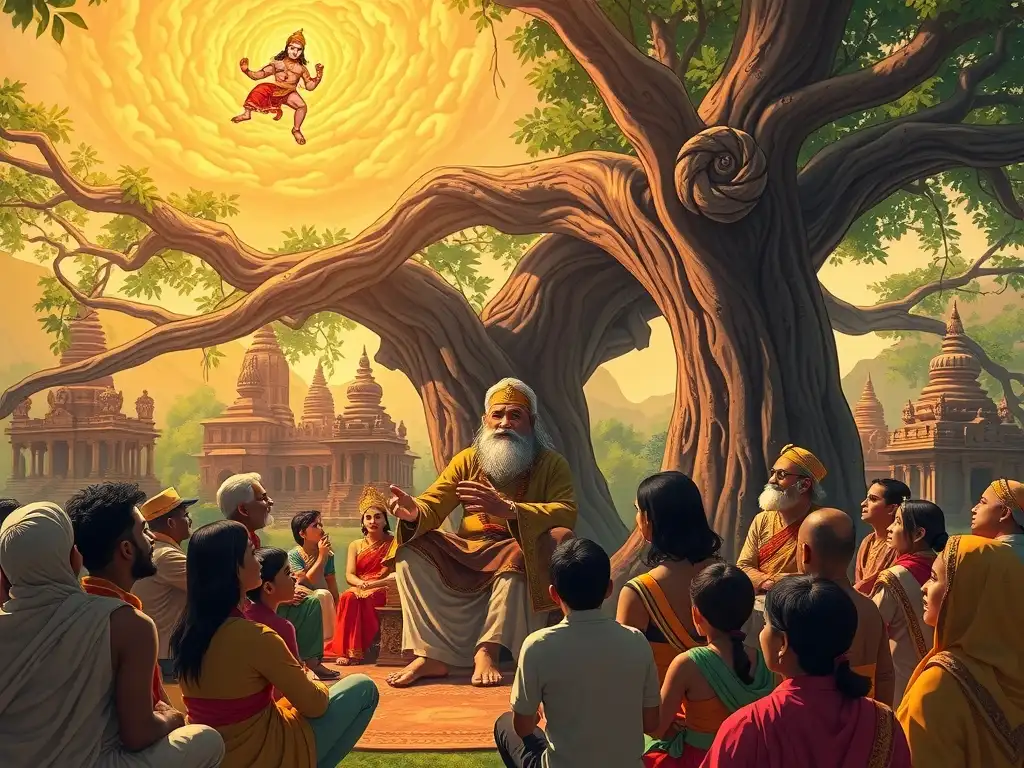
The Puranas, a vast genre of ancient Indian literature, are rich repositories of mythology, philosophy, and historical narratives. Their storytelling techniques are diverse and multifaceted, serving to convey moral lessons, cultural values, and philosophical insights. By examining notable stories within the Puranas, we can uncover the various techniques employed by ancient storytellers to engage their audiences and impart wisdom.
The Story of Vishnu: Techniques Used in the Bhagavata Purana
The Bhagavata Purana, one of the most revered texts in Hindu literature, intricately weaves the tales of Lord Vishnu and his incarnations. This Purana employs several notable storytelling techniques:
- Narrative Structure: The Bhagavata Purana is structured around a series of episodic narratives that highlight different avatars of Vishnu, such as Rama and Krishna. Each episode is self-contained yet contributes to a larger thematic tapestry, illustrating divine intervention in human affairs.
- Dialogue and Monologue: The use of dialogue between characters, particularly between Krishna and his devotees, creates an engaging narrative flow. These exchanges often contain philosophical discussions, which deepen the audience's understanding of dharma (duty) and bhakti (devotion).
- Symbolism and Allegory: The stories are rich in symbolism, with each avatar representing different aspects of the divine and human experience. For instance, Krishna's childhood exploits symbolize innocence and joy, while his role in the Mahabharata illustrates the complexities of righteousness and duty.
- Moral Lessons: Each tale within the Bhagavata Purana concludes with a moral or philosophical lesson, reinforcing the importance of ethical living and devotion to God. This didactic approach ensures that the stories resonate with the audience on multiple levels.
Devi and the Shakti: Storytelling Approaches in the Markandeya Purana
The Markandeya Purana is notable for its rich narratives surrounding the divine feminine, particularly the goddess Durga. Its storytelling techniques include:
- Mythological Framework: The stories often draw on a rich mythological framework that situates the goddess as a central figure in the cosmic battle against evil. This framework not only presents a thrilling narrative but also emphasizes the power and agency of the feminine.
- Cyclic Narratives: The cyclical nature of time in Hindu cosmology is reflected in the stories, where the goddess manifests in various forms to restore order. This technique allows for a deeper exploration of themes such as creation, preservation, and destruction.
- Imagery and Description: Vivid imagery and detailed descriptions of the goddess's forms and her battles against demons create an immersive experience for the reader. The use of sensory language evokes emotions and enhances the dramatic impact of the narratives.
- Devotional Aspects: The storytelling often includes prayers and hymns dedicated to the goddess, inviting readers to participate in the devotional aspect of the narrative. This technique fosters a connection between the audience and the divine.
Ramayana and Mahabharata: Intersections with Puranic Narratives
The Ramayana and Mahabharata, while primarily epic texts, intersect significantly with Puranic narratives, enriching the storytelling techniques found within them. These intersections highlight:
- Character Development: Characters from the epics, such as Rama and Arjuna, are often referenced in the Puranas, where their stories are expanded upon. This technique allows for a deeper exploration of their motivations, struggles, and virtues.
- Thematic Continuity: Themes of duty, ethics, and cosmic order are prevalent in both the epics and Puranas. The Puranas often serve to contextualize and elaborate on these themes, providing a more comprehensive understanding of Hindu philosophy.
- Cultural Resonance: The integration of epic characters and stories within the Puranic framework reflects the cultural significance of these narratives. They serve to reinforce communal identity and shared values across generations.
- Narrative Techniques: The blending of oral traditions, poetic forms, and dramatic elements in both Puranas and epics creates a rich tapestry of storytelling that captivates audiences and preserves ancient wisdom.
Conclusion: The Enduring Legacy of Storytelling in Puranas
The storytelling techniques employed in the Puranas are not merely artistic choices; they serve as vital tools for cultural transmission and moral education. Through their rich narratives, these texts have preserved the philosophies and values of ancient India, ensuring that they remain relevant to contemporary audiences.
Reflection on the Relevance of Puranic Techniques Today
The techniques used in Puranic storytelling, such as moral lessons, symbolism, and immersive imagery, continue to resonate in modern narratives. In a world increasingly characterized by technological distractions, these ancient methods provide a blueprint for storytelling that emphasizes connection, engagement, and ethical reflection. Understanding these techniques can enhance the appreciation of contemporary storytelling, fostering a deeper connection to our cultural heritage.
The Future of Storytelling in Preserving Ancient Wisdom
As society evolves, the challenge lies in keeping the wisdom of the Puranas alive. Embracing modern mediums—such as digital storytelling, visual arts, and performance—can help bridge the gap between ancient narratives and contemporary audiences. By adapting Puranic techniques to modern forms, we can ensure that the rich tapestry of India’s storytelling tradition continues to inspire and educate future generations.
Further Reading and Resources on Storytelling Techniques in Puranas
The Puranas are not just texts; they are a treasure trove of storytelling techniques that reflect the richness of ancient Indian culture. For those interested in delving deeper into the art of storytelling as encapsulated in the Puranas, a variety of resources are available. These resources range from scholarly texts and commentaries to online platforms that offer insights into the narrative structures, themes, and techniques used in these ancient scriptures.
Recommended Texts and Commentaries on Puranas
-
The Puranas: A Comprehensive Overview
This book offers a detailed examination of various Puranas, highlighting their narrative styles and the storytelling techniques employed by ancient sages. It provides context and interpretation that are crucial for understanding the intricacies of these texts.
-
Puranic Narrative: A Study of Storytelling Techniques
This scholarly work analyzes the storytelling frameworks within the Puranas, focusing on character development, plot structure, and the use of metaphor. The author delves into how these techniques serve to convey moral and philosophical lessons.
-
The Vishnu Purana: A Translation and Commentary
A pivotal text for understanding one of the major Puranas, this translation not only provides the original Sanskrit verses but also includes commentary that elucidates narrative techniques and thematic elements.
-
The Bhagavata Purana: Stories of the Divine
This book examines the Bhagavata Purana, known for its rich storytelling and devotional themes. It discusses how storytelling techniques enhance the emotional and spiritual impact of the narratives.
-
Commentaries by Renowned Scholars
Various scholars have written extensive commentaries on specific Puranas. Notable names include A.C. Bhaktivedanta Swami Prabhupada, whose works on the Bhagavata Purana are widely referenced, and R.C. Hazra's studies on the Matsya Purana.
Online Resources for Exploring Puranic Literature
-
Digital Libraries
Websites such as the Internet Archive and Project Gutenberg host digital versions of several Puranas. These platforms allow for free access to original texts, translations, and commentaries.
-
Academic Journals and Articles
Online journals focusing on South Asian studies often feature articles on Puranic literature and storytelling techniques. JSTOR and ResearchGate are excellent platforms for accessing scholarly papers that delve into the narrative methods used in the Puranas.
-
Webinars and Online Courses
Institutions and universities occasionally offer online courses or webinars that explore ancient Indian literature, including the Puranas. These programs often include discussions on storytelling techniques and their cultural significance.
-
YouTube Channels and Podcasts
Various educational YouTube channels and podcasts focus on Indian mythology and literature. These resources can provide engaging insights into the storytelling traditions within the Puranas, often featuring expert discussions and analyses.
-
Discussion Forums and Social Media Groups
Platforms like Reddit and Facebook have dedicated groups where enthusiasts and scholars discuss the Puranas. Engaging in these communities can provide valuable resources and insights into the storytelling techniques present in these texts.
By utilizing these texts and online resources, readers can gain a deeper understanding of the storytelling techniques in Puranas, enriching their appreciation of this ancient literary form.
- Introduction to Storytelling in Puranas
- Key Storytelling Techniques in Puranas
- Traditions of Storytelling in Puranic Context
- The Impact of Storytelling Techniques on Ancient Indian Culture
- Case Studies: Notable Puranic Stories and Their Techniques
- Conclusion: The Enduring Legacy of Storytelling in Puranas
- Further Reading and Resources on Storytelling Techniques in Puranas
Frequently Asked Questions
What are the Puranas?
The Puranas are ancient Indian texts that contain myths, legends, and historical narratives. They serve as important sources for understanding Hindu traditions, cosmology, and cultural practices.
What storytelling techniques are used in the Puranas?
The Puranas employ various storytelling techniques such as frame narratives, dialogues, and allegories. These methods enrich the tales and enhance their moral and philosophical lessons.
How do the Puranas reflect ancient Indian culture?
The Puranas provide insights into social norms, values, and religious beliefs of ancient Indian society. They document the evolution of cultural identities and traditions over time.
Why are the Puranas significant to Indian literature?
The Puranas are significant as they showcase the diversity and richness of Indian literature. They have influenced countless literary works and continue to be a vital part of storytelling traditions in India.
How have the storytelling techniques in the Puranas evolved over time?
Over time, storytelling techniques in the Puranas have evolved through oral traditions and adaptations in various art forms, such as dance and theater, helping to preserve their relevance in contemporary culture.
Final Reflection: The Enduring Legacy of Storytelling Techniques in Puranas
The art of storytelling, particularly as seen in the Puranas, remains profoundly relevant in today's fast-paced world. In an era dominated by digital media and fleeting attention spans, the timeless techniques of narrative woven through these ancient texts remind us of the power of stories to convey wisdom, culture, and moral values. As we navigate our modern lives, it becomes increasingly clear that the essence of storytelling transcends generations, serving as a bridge between the past and the present.
The storytelling techniques found in the Puranas have not only shaped cultural narratives but continue to influence contemporary storytelling across various mediums. From literature to film, the rich tapestry of characters, moral dilemmas, and cosmic battles found in these texts resonates deeply with audiences today. As Joseph Campbell famously stated, A hero is someone who has given his or her life to something bigger than oneself.
This notion echoes through the Puranas, where heroes and divine beings embody the struggles and triumphs that reflect our own journeys.
As you reflect on the themes presented in this article, consider how the storytelling techniques in the Puranas can inspire your own narrative journey. Embrace the lessons of these ancient tales, whether in your personal life or creative endeavors. Let the rich traditions of storytelling guide you in crafting your own stories that resonate with truth, beauty, and purpose. The art of storytelling is not merely a relic of the past; it is a vibrant and essential part of our shared human experience, waiting for you to explore and express.
Unveil the Magic of Storytelling!
Thank you for exploring the rich art of storytelling in the Puranas with us! Your curiosity has equipped you with unique insights into ancient traditions and techniques. Now, let’s take that inspiration and transform it into action!
Here’s how you can continue your storytelling journey:
- Dive Deeper: Read a Purana that captivates you. Choose a specific story and immerse yourself in its narrative style and cultural significance.
- Share Your Insights: Engage in discussions with friends or on social media. Sharing your discoveries helps keep the art of storytelling alive!
- Create Your Own Story: Write a modern tale inspired by themes from the Puranas. Channel your creativity to weave ancient wisdom into contemporary narratives.
Which story from the Puranas resonates with you the most, and how would you retell it in your own words?