
The Hidden Messages in Puranic Texts: Wisdom from Ancient India

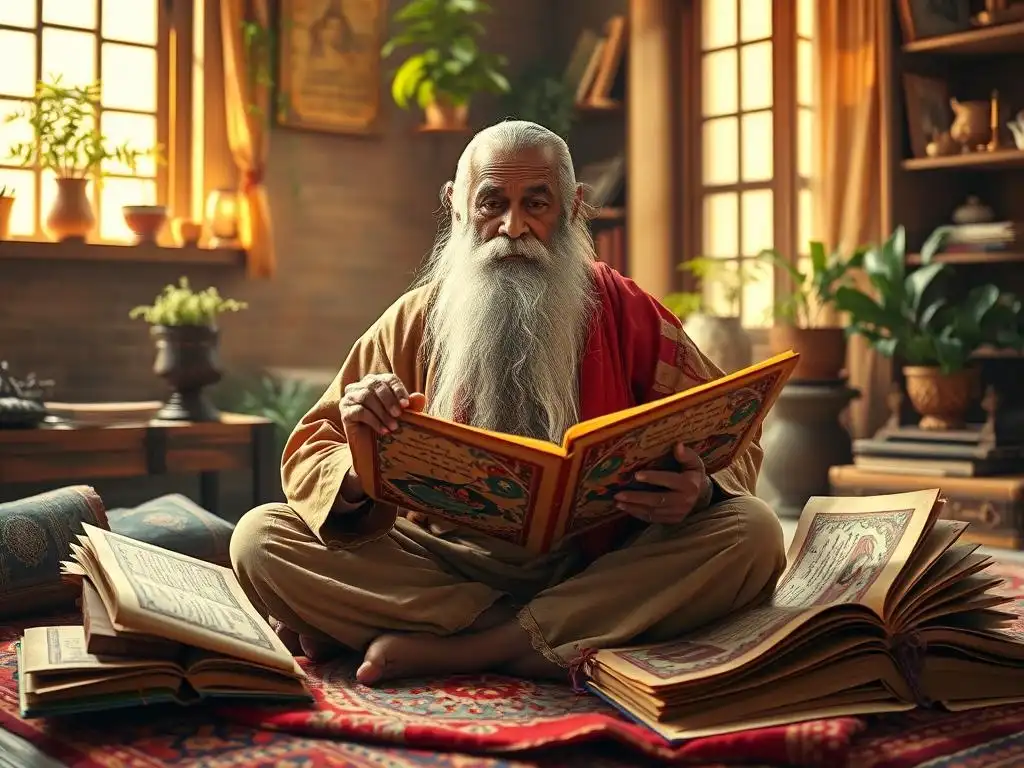
Welcome to Ancient India History, where the tapestry of time unfolds to reveal the profound insights of a civilization that has shaped the world. In our featured article, "The Hidden Messages in Puranic Texts: Wisdom from Ancient India," we delve into the enigmatic depths of Puranic literature, inviting you to uncover the timeless wisdom that continues to resonate today.
What secrets lie within these ancient texts, and how do they connect to the broader narrative of India's illustrious past? Join us on this captivating journey as we explore the literary treasures that extend far beyond the epic tales, sparking your curiosity and enriching your understanding of a remarkable heritage.
Introduction to Puranic Texts
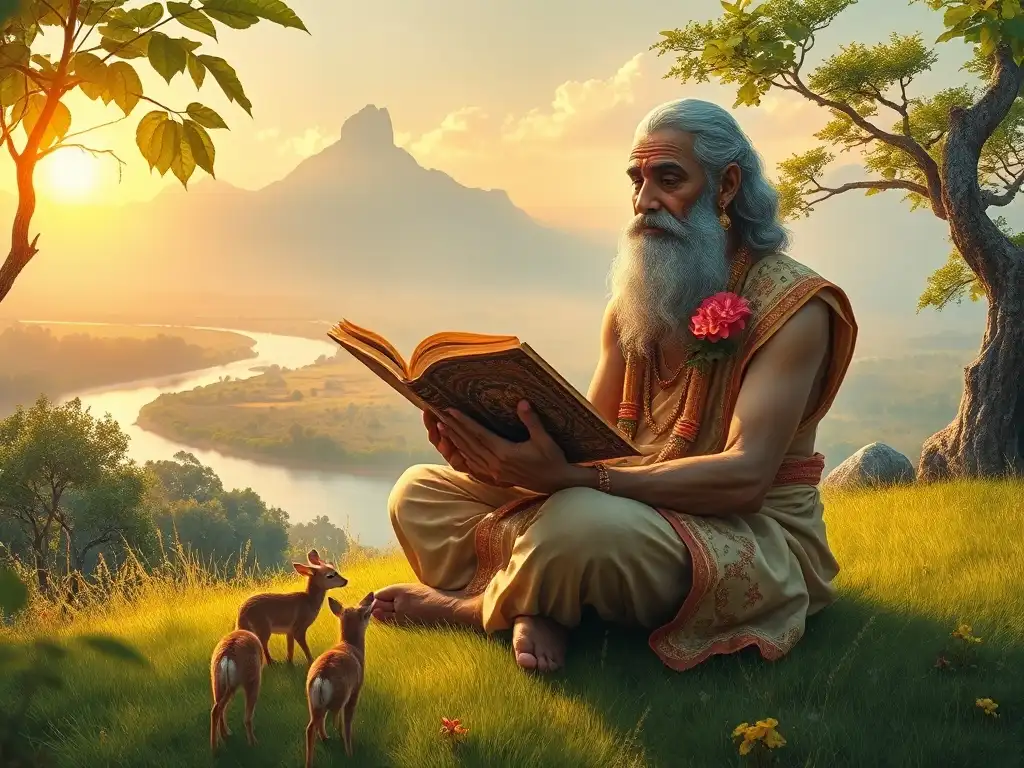
The Puranic texts are a treasure trove of ancient Indian wisdom, encapsulating not only mythological narratives but also profound philosophical teachings that continue to resonate in contemporary society. These texts, often overshadowed by the more widely recognized epics like the Mahabharata and Ramayana, offer a unique lens through which we can explore the intricate tapestry of ancient Indian thought and culture. As we delve into the hidden messages within these sacred scriptures, we uncover layers of moral, ethical, and existential insights that have guided generations.
Overview of Puranic Literature
Puranic literature consists of a vast collection of texts written in Sanskrit, traditionally attributed to sage Vyasa. These texts, which number in the dozens, vary in size and content but typically include mythological tales, cosmology, genealogies, and religious teachings. The most notable among them are the Vishnu Purana, Shiva Purana, and Bhagavata Purana, each serving a distinct purpose yet collectively enriching the spiritual landscape of ancient India.
- Key Characteristics of Puranas:
- Narrative Style: Engaging storytelling that conveys deeper truths.
- Diversity of Content: Covers a wide range of topics from cosmology to mythology.
- Religious Significance: Functions as both scripture and a guide for worship and daily life.
Significance of Puranic Texts in Ancient Indian Culture
The Puranas played a pivotal role in shaping the religious and cultural ethos of ancient India. They served not only as a means of preserving history and mythology but also as a moral compass for society. The teachings encapsulated within these texts influenced various aspects of life, including art, architecture, and social norms. Their significance can be traced through:
- Cultural Identity: Puranic narratives helped forge a sense of identity among diverse communities.
- Religious Practices: They provided the foundation for various worship rituals and festivals.
- Social Teachings: The moral lessons embedded in the stories guided ethical behavior and societal values.
Understanding the Wisdom from Puranic Texts
Diving deeper into the wisdom encapsulated in the Puranic texts reveals a rich tapestry of philosophical insights that are both timeless and relevant.
Definition and Characteristics of Puranas
Puranas are often defined as "ancient stories" and are characterized by their narrative form that intertwines history, mythology, and spirituality. They serve as a bridge connecting the past with the present, offering insights into the human condition and the universe.
- Structure: Typically divided into sections including creation myths, genealogies of gods, and teachings on dharma.
- Inclusivity: Embraces diverse perspectives, making it accessible to people from various walks of life.
Key Themes and Messages in Puranic Texts
The Puranas convey several key themes that reflect the philosophical depth of ancient Indian thought. These include:
- Cycle of Creation and Destruction: The eternal cycle of life, death, and rebirth is a prevalent theme, emphasizing the transient nature of existence.
- Moral Lessons: Each narrative often concludes with a moral, instilling values such as compassion, truth, and righteousness.
- Divine Intervention: Many stories highlight the role of divine beings in guiding humanity towards enlightenment.
How Puranic Texts Convey Moral and Ethical Wisdom
The Puranas are not merely historical accounts; they serve as profound moral guides. The teachings within these texts encourage readers to reflect on their actions and their implications in the broader context of life.
- Didactic Stories: Engaging narratives that teach virtues through characters and their journeys.
- Philosophical Discourses: Dialogues within the texts that explore complex ethical dilemmas and human experiences.
The wisdom from Puranic texts offers invaluable insights that transcend time and culture, making them a vital aspect of ancient Indian literature and philosophy. As we continue to explore these hidden messages, we gain a deeper understanding of the values and beliefs that shaped the ancient Indian worldview.
The Influence of Puranic Wisdom on Indian Society
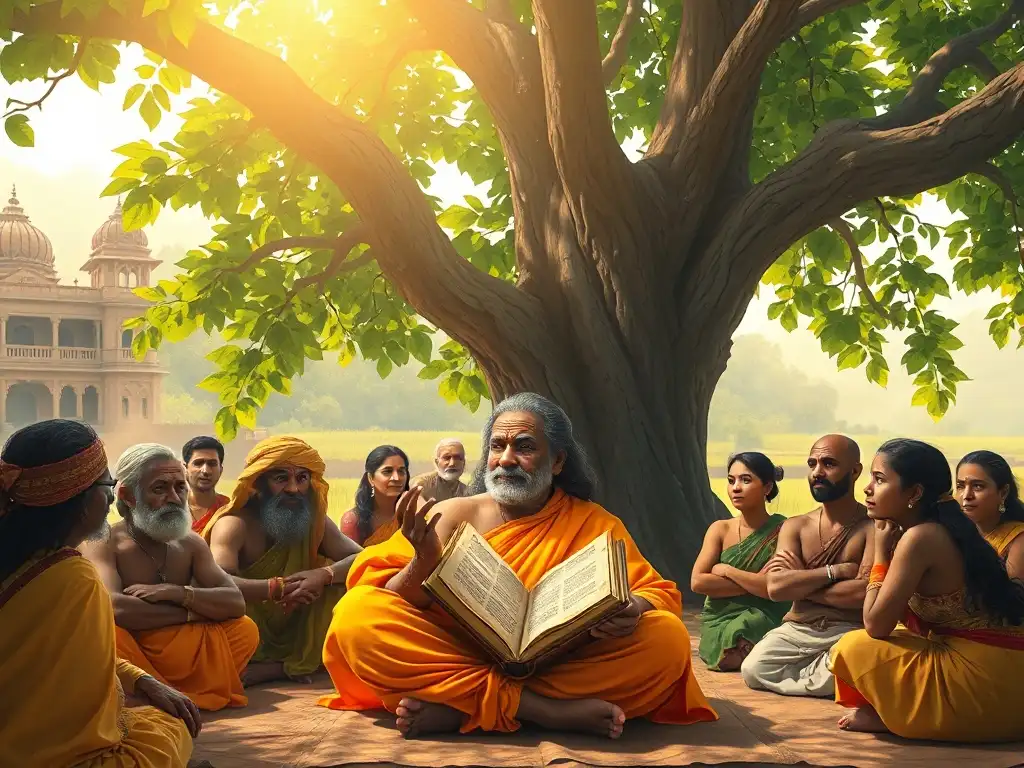
The Puranic texts of ancient India hold a profound significance that extends far beyond their mythological narratives. They serve as repositories of wisdom that have shaped the moral, ethical, and spiritual foundations of Indian society over millennia. These texts encapsulate a diverse range of teachings, philosophies, and cultural practices that continue to influence contemporary life.
They provide insights into the human experience, addressing existential questions and offering guidance on how to navigate the complexities of life. As a result, the wisdom from Puranic texts has fostered a rich tapestry of traditions, rituals, and social norms that define the Indian cultural landscape.
Puranic Texts and Their Role in Shaping Beliefs
Puranic texts, including the Vishnu Purana, Shiva Purana, and Bhagavata Purana, are instrumental in shaping the religious beliefs and practices of millions. They are often considered as sacred scriptures, alongside the Vedas and Upanishads, and are revered for their teachings on cosmology, theology, and ethics. The narratives within these texts convey fundamental truths about the nature of the universe, the divine, and humanity's place within it.
They also emphasize the importance of dharma (righteousness), karma (action and consequence), and devotion to God, which are central to the Hindu belief system. By disseminating these values, the Puranas have fostered a collective identity and a sense of belonging among various communities in India.
The Impact on Social Structures and Norms
The wisdom embodied in Puranic texts has significantly influenced social structures and norms in Indian society. For instance, the concepts of varna (social classes) and ashrama (stages of life) are elaborated in these texts, providing a framework for social organization and individual responsibilities. The teachings promote the idea of fulfilling one's duties according to their caste and life stage, thereby reinforcing social cohesion and stability.
Furthermore, the Puranas advocate for values such as respect for elders, hospitality, and community service, contributing to the moral fabric of society. These teachings have been instrumental in establishing ethical guidelines that govern interpersonal relationships and community dynamics.
Examples of Puranic Wisdom in Everyday Life
Puranic wisdom manifests in various aspects of everyday life in India. Rituals, festivals, and family traditions often draw from the teachings found in these texts. For example, the celebration of festivals like Diwali and Navaratri is deeply rooted in Puranic narratives, celebrating the triumph of good over evil and the divine feminine, respectively.
Moreover, the principles of ahimsa (non-violence) and seva (selfless service) derived from Puranic wisdom inspire individuals to engage in charitable activities and promote social welfare. In many households, recitation of Puranic verses is a common practice, instilling a sense of spirituality and moral responsibility in daily living.
The Puranas are not merely historical accounts; they are laden with profound messages that offer guidance on various aspects of life. Each Purana carries unique teachings that cater to different dimensions of existence, from ethical conduct to spiritual realization.
The Vishnu Purana: Teachings on Dharma and Karma
The Vishnu Purana is particularly rich in teachings related to dharma and karma. It emphasizes the importance of righteous living and the consequences of one's actions. The text outlines various paths to attain moksha (liberation), highlighting that one's duties and responsibilities must be fulfilled with integrity. Through stories of divine incarnations, the Vishnu Purana illustrates how adherence to dharma leads to harmony and prosperity, while neglecting these principles results in chaos and suffering. This emphasis on moral conduct encourages individuals to reflect on their actions, fostering a sense of accountability and ethical living.
The Shiva Purana: Insights on Spirituality and Devotion
The Shiva Purana delves into the themes of spirituality and devotion, portraying Lord Shiva as the ultimate source of truth and consciousness. It emphasizes the significance of surrender and devotion (bhakti) as pathways to spiritual enlightenment. The text illustrates the transformative power of meditation, penance, and devotion, guiding seekers towards inner peace and realization of the self.
The teachings encourage followers to cultivate a deep connection with the divine, fostering a sense of spiritual resilience and purpose in life. Through the allegories of Shiva's divine plays, the text conveys that true understanding comes from a heart filled with devotion and love.
The Bhagavata Purana: Lessons on Love and Compassion
The Bhagavata Purana stands out for its profound lessons on love and compassion. It narrates the life and teachings of Lord Krishna, emphasizing the significance of divine love (prema) and the importance of compassion towards all beings. The stories of Krishna's interactions with the gopis (cowherd girls), the Pandavas, and even his adversaries illustrate the transformative power of love and forgiveness. The text promotes the idea that genuine love transcends boundaries, leading to a harmonious existence. By embodying these virtues, individuals are encouraged to act selflessly and cultivate empathy, thereby enriching their relationships and communities.
The wisdom from Puranic texts offers invaluable insights that resonate through time, enriching the fabric of Indian society and guiding individuals on their spiritual journeys.
Interpretations of Puranic Wisdom
The Puranic texts, revered as significant literary and philosophical works in ancient India, offer a treasure trove of wisdom that transcends mere storytelling. Scholars and practitioners have engaged in various interpretations of these texts, extracting metaphysical insights, ethical guidelines, and profound life lessons.
The wisdom articulated in the Puranas often revolves around concepts of dharma (righteousness), karma (action and its consequences), and moksha (liberation). For instance, the stories of deities and sages serve not only as narratives of divine interventions but also as allegories for human struggles and moral dilemmas. The multifaceted characters within these texts embody virtues and vices, providing readers with a framework to navigate their own lives.
Moreover, the symbolic language of the Puranas invites deeper contemplation. Interpretations can range from literal readings to more esoteric understandings, where each tale is viewed as a metaphor for the spiritual journey. This layered approach to wisdom from Puranic texts encourages individuals to engage with the texts personally, allowing for varied interpretations that resonate with different audiences over time.
Scholarly Perspectives on Puranic Texts
Scholarly engagement with Puranic texts has evolved significantly, revealing a rich tapestry of interpretations from various disciplines, including theology, philosophy, and anthropology. Researchers have examined these ancient texts not only as religious documents but also as cultural artifacts that mirror the societal norms and values of their time.
Prominent scholars have highlighted the Puranas' role in shaping popular Hinduism, emphasizing their influence on rituals, festivals, and moral teachings. The inclusion of narratives that address contemporary issues, such as social injustice and ethical dilemmas, underscores the texts' relevance in both historical and modern contexts.
Additionally, comparative studies have positioned Puranic literature alongside other ancient texts, such as the Bible or the Quran, fostering a broader understanding of the universal themes of morality and human experience. These scholarly perspectives enrich the appreciation of the Puranas, establishing them as dynamic works that contribute significantly to the discourse on ancient wisdom.
Contemporary Relevance of Ancient Wisdom
The wisdom from Puranic texts continues to resonate in contemporary society, as individuals seek guidance on ethical living and personal fulfillment. Many teachings found within these ancient narratives address fundamental human experiences such as love, loss, conflict, and reconciliation.
In recent years, there has been a resurgence of interest in mindfulness and spirituality, with many turning to the Puranas for insights. Concepts such as karma and dharma are increasingly relevant in discussions surrounding personal responsibility and ethical conduct. Workshops, seminars, and literature that explore these themes draw inspiration from the Puranic wisdom, illustrating its adaptability to modern life.
Furthermore, the integration of Puranic teachings into various self-help and motivational discourses emphasizes their timeless nature. As people navigate the complexities of the contemporary world, the ancient wisdom encapsulated in the Puranas provides a moral compass, encouraging reflective practices and a deeper understanding of one's purpose.
Comparative Analysis with Other Ancient Texts
A comparative analysis of Puranic texts with other ancient literature reveals both unique and shared themes that underscore universal human concerns. For instance, similar to the moral tales in the Aesop’s Fables or the ethical teachings in the Analects of Confucius, the Puranas convey lessons about virtue, justice, and the consequences of one’s actions.
Moreover, the narrative structures of the Puranas bear resemblance to the mythologies and epics of other cultures, such as the Greek and Roman traditions. Both sets of texts utilize mythological figures to explore complex human emotions and societal values, demonstrating a common thread of storytelling across civilizations.
Through this comparative lens, one can appreciate the Puranas not only as a product of their cultural milieu but also as part of a broader human narrative that seeks to articulate the essence of existence and ethical living. The shared motifs and lessons across ancient texts serve as a reminder of our interconnectedness and the enduring nature of wisdom.
Conclusion: The Lasting Legacy of Wisdom from Puranic Texts
The Puranic texts stand as pillars of ancient wisdom, offering insights that have shaped spiritual thought and ethical practices for centuries. As we delve into the layers of meaning within these texts, it becomes clear that their teachings are not confined to the past but continue to influence contemporary life.
Recap of Key Insights from Puranic Literature
Key insights from Puranic literature encompass a wide range of themes, including the importance of righteousness, the cycle of life and death, and the pursuit of spiritual knowledge. The narratives emphasize the consequences of actions, the significance of devotion, and the transformative power of love and compassion. These insights serve as guiding principles that remain relevant in today’s ethical discourse.
The Importance of Preserving Ancient Wisdom for Future Generations
Preserving the wisdom from Puranic texts is crucial for future generations, as it fosters a deeper understanding of cultural heritage and moral philosophy. By ensuring that these teachings are not lost, we empower future individuals to draw upon timeless wisdom in their pursuit of knowledge, spirituality, and ethical living.
Educational initiatives, community discussions, and scholarly research play a vital role in keeping the legacy of the Puranas alive. As we engage with these texts, we not only honor the past but also cultivate a richer and more informed society, one that values the profound wisdom embedded in ancient traditions.
- Introduction to Puranic Texts
- Overview of Puranic Literature
- Significance of Puranic Texts in Ancient Indian Culture
- Understanding the Wisdom from Puranic Texts
- The Influence of Puranic Wisdom on Indian Society
- Hidden Messages in Specific Puranas
- Interpretations of Puranic Wisdom
- Conclusion: The Lasting Legacy of Wisdom from Puranic Texts
Frequently Asked Questions
What are Puranic texts?
Puranic texts are ancient Indian scriptures that contain mythological stories, religious teachings, and historical accounts. They serve as a vital source of wisdom and cultural heritage from ancient India.
How do Puranic texts convey wisdom?
Puranic texts convey wisdom through allegorical tales and teachings that reflect moral values, ethics, and spiritual insights, offering guidance for personal and societal conduct.
Why are Puranic texts important in ancient Indian history?
Puranic texts are important because they preserve cultural narratives, religious practices, and historical interpretations that shaped the identity of ancient Indian civilizations, influencing society for centuries.
What themes are commonly found in Puranic texts?
Common themes in Puranic texts include cosmology, creation myths, the lives of deities, and moral lessons, emphasizing the interconnectedness of life and the pursuit of dharma (righteousness).
How can one explore the wisdom from Puranic texts?
To explore the wisdom from Puranic texts, one can study translations and commentaries by scholars, engage in discussions about their meanings, and reflect on their teachings in the context of modern life.
Final Reflection: Unveiling Timeless Wisdom from Puranic Texts
The wisdom from Puranic texts remains profoundly relevant in today's fast-paced world, where the quest for meaning and understanding often feels elusive. As we navigate the complexities of modern life, the ancient teachings embedded within these texts offer a guiding light, reminding us of the enduring truths that transcend time and culture. The insights gleaned from these narratives not only enrich our spiritual lives but also provide practical frameworks for ethical living and personal growth.
Cultural narratives have a powerful influence on our collective consciousness, and the Puranic texts serve as a cornerstone of Indian heritage. These texts encapsulate the essence of human experience, weaving together stories that resonate with our struggles, aspirations, and moral dilemmas. As we reflect on their teachings, we find echoes of our own lives in the tales of gods, sages, and ordinary individuals facing extraordinary challenges. The Puranas are not just historical accounts; they are timeless lessons that guide us in our journey of self-discovery.
As we conclude this exploration of the hidden messages in Puranic texts, I invite you to embrace the wisdom they offer in your daily life. Consider how these ancient teachings can inspire you to cultivate compassion, resilience, and a deeper understanding of your own path.
Let the stories of the past illuminate your present and guide your future, encouraging you to seek wisdom not only in texts but also in the world around you. The journey of self-discovery and growth is ongoing, and the lessons from the Puranas can serve as a compass, leading you toward a more meaningful existence.
Unveil the Wisdom of Ancient Texts
Thank you for diving deep into the world of Puranic texts with us! Your engagement with these ancient narratives not only enriches your knowledge but also connects you to a timeless wisdom that can inspire your life today. Now that you've gained these insights, it's time to put them into action!
- Explore further by reading a selected Puranic text—set aside some quiet time this week to reflect on what resonates with you personally.
- Share your newfound knowledge! Discuss these profound messages with friends or family, and see how their perspectives might enhance your understanding.
- Join our community! Sign up for our newsletter to receive updates and insights on more ancient wisdom and the secrets they hold.
What hidden message have you uncovered from the Puranic texts that you would like to explore more deeply?