
Ancient Indian Agricultural Practices: Bridging Tradition and Modernity

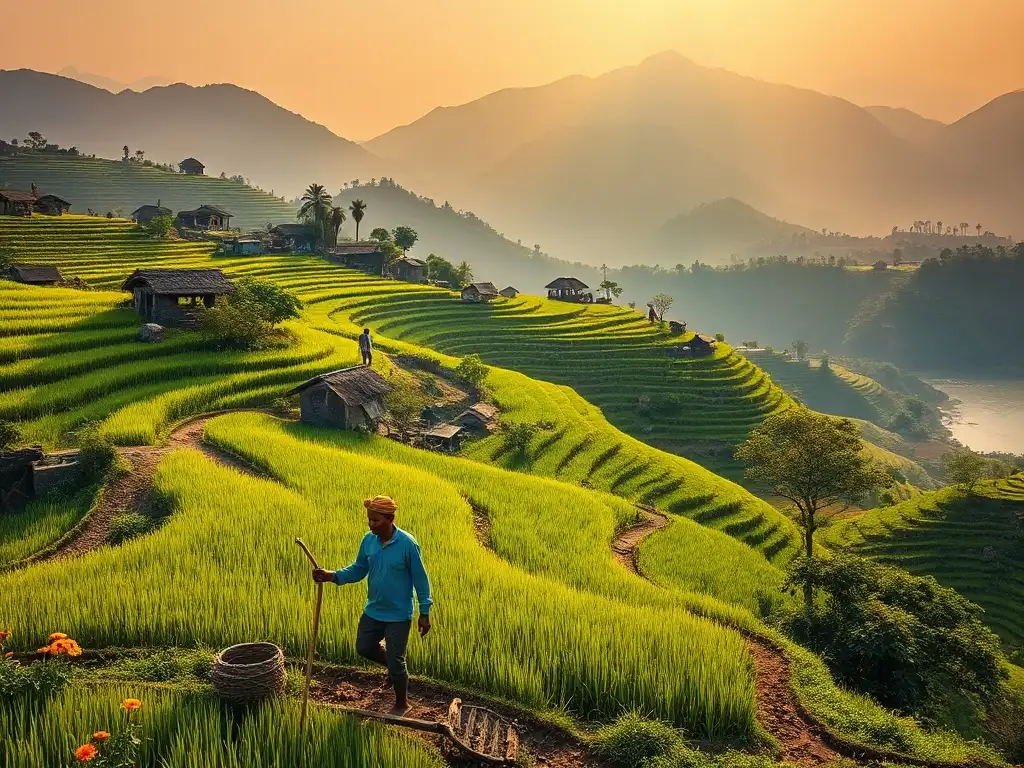
Welcome to Ancient India History, where we embark on a fascinating journey through the rich tapestry of India's past. In our featured article, Ancient Indian Agricultural Practices: Bridging Tradition and Modernity, we delve into the ingenious agricultural techniques that have shaped the subcontinent's economy and culture. From the innovative irrigation methods of the Indus Valley to the sustainable practices of the Gupta Empire, discover how these time-honored traditions continue to influence modern agriculture. Curiosity piqued? Dive deeper with us and uncover the legacy of ancient India's agrarian wisdom!
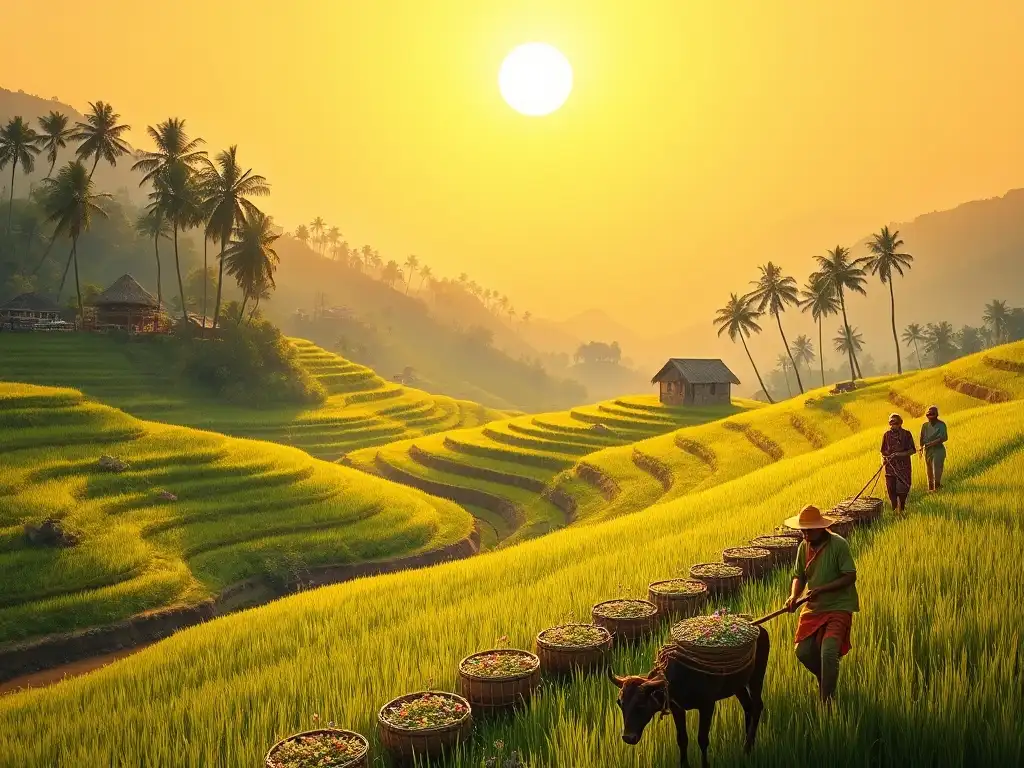
Introduction to Ancient Indian Agricultural Techniques
Agriculture has long been the backbone of Indian civilization, shaping its economy, culture, and society. Ancient Indian agricultural techniques reflect a rich tapestry of practices that evolved over millennia, adapting to diverse geographical landscapes and climatic conditions. From the sophisticated irrigation systems of the Indus Valley to the diverse cropping methods utilized during the Gupta Empire, these techniques not only fed vast populations but also laid the groundwork for future advancements in agriculture. This article delves into the historical evolution of agricultural practices in ancient India, exploring how these traditional techniques continue to influence modern agricultural methods.
Overview of Agriculture in Ancient India
Agriculture in ancient India was marked by a deep understanding of local ecosystems and sustainable practices. The fertile plains of the Ganges, the river valleys of the Deccan, and the arid landscapes of Rajasthan all showcased unique farming methods suited to their environments. Key features included:
- Diverse Cropping Systems: Farmers cultivated a range of crops, including rice, wheat, barley, and pulses, often using mixed cropping techniques to enhance soil fertility and yield.
- Irrigation Techniques: The development of advanced irrigation systems, such as canals and water harvesting, was crucial for maximizing agricultural output, especially in regions with irregular rainfall.
- Crop Rotation: To maintain soil health and productivity, ancient farmers practiced crop rotation, alternating different crops in the same field over seasons.
Importance of Agriculture in Ancient Indian Society
Agriculture was not merely an economic activity; it was a cornerstone of ancient Indian society. Its significance can be seen across various dimensions:
- Cultural Practices: Agriculture influenced religious rituals, festivals, and daily life. Harvest festivals like Makar Sankranti celebrated the agrarian cycle and were integral to social cohesion.
- Economic Stability: A thriving agricultural sector supported trade and commerce, facilitating the growth of urban centers and local markets.
- Social Structure: Agricultural prosperity contributed to the rise of social stratification, with communities organized around land ownership and farming practices.
Historical Context of Ancient Indian Agriculture
An exploration of ancient Indian agricultural practices must begin with an understanding of their historical context, revealing how civilizations built upon and transformed agricultural knowledge over time.
The Indus Valley Civilization: Agricultural Foundations
The Indus Valley Civilization (circa 2500–1900 BCE) is often regarded as one of the earliest examples of organized agriculture. Key attributes included:
- Advanced Irrigation: The civilization developed extensive canals and drainage systems, allowing for effective irrigation in a landscape characterized by seasonal monsoons.
- Crop Diversity: Evidence suggests the cultivation of wheat, barley, peas, and cotton, indicating a sophisticated understanding of crop management.
- Urban Planning: Agricultural surpluses supported urbanization, with cities like Harappa and Mohenjo-Daro showcasing advanced planning and infrastructure.
Agricultural Innovations in the Vedic Period
The Vedic period (circa 1500–500 BCE) brought significant innovations in agricultural practices, influenced by religious and philosophical ideas. Notable developments included:
- Introduction of New Crops: The Vedic texts mention the cultivation of rice and various legumes, expanding the agricultural repertoire.
- Ritualistic Agriculture: Agriculture became intertwined with religious rituals, where farming practices were often associated with divine blessings and seasonal cycles.
- Animal Husbandry: The domestication of cattle not only enhanced farming efficiency but also played a critical role in the agrarian economy.
The Mauryan Empire: Expansion of Agricultural Practices
The Mauryan Empire (circa 322–185 BCE) marked a period of agricultural expansion and innovation that significantly impacted ancient Indian agriculture. Key aspects included:
- State Intervention: The Mauryan administration implemented policies to improve agricultural productivity, including land surveys and irrigation projects.
- Trade Networks: Agricultural surplus facilitated trade across vast networks, enhancing economic interconnectivity and cultural exchange.
- Agricultural Manuals: The emergence of texts like Kautilya's Arthashastra provided insights into agricultural management, emphasizing the importance of sustainable practices.
Through these historical lenses, we can appreciate the profound impact of ancient Indian agricultural techniques on both past and present, revealing a legacy that continues to influence modern agricultural practices today.
Key Ancient Indian Agricultural Techniques
Ancient Indian agricultural techniques laid the foundation for sustainable farming practices that have evolved over millennia. These techniques were not only innovative for their time but also reflected a deep understanding of the local ecosystem. Farmers in ancient India employed practices that ensured efficient land use and maximization of crop yield while preserving soil fertility and environmental health.
Some of the key techniques included:
- Crop Rotation: This practice involved alternating different crops in the same field across seasons to improve soil health and reduce pest infestations.
- Intercropping: Farmers often planted multiple crops together, which enhanced biodiversity and reduced the risk of total crop failure.
- Organic Fertilization: Utilizing cow dung and compost was common, providing essential nutrients to the soil naturally.
These techniques not only improved agricultural productivity but also contributed to the resilience of the farming systems against climatic and environmental changes.
Crop Rotation: Enhancing Soil Fertility
Crop rotation was a vital practice in ancient Indian agriculture aimed at maintaining soil fertility and preventing the depletion of nutrients. By rotating crops, farmers could break the cycle of pests and diseases that often affected specific crops. For instance, legumes, which are known to fix nitrogen in the soil, were frequently planted after cereals. This practice ensured that the soil remained nutrient-rich, reducing the need for artificial fertilizers.
The benefits of crop rotation included:
- Nutrient Management: Different crops absorbed varying nutrients, allowing the soil to recover and maintain a balanced nutrient profile.
- Pest Control: By changing the crops planted in a particular field, farmers could disrupt the life cycles of pests, minimizing infestations.
- Increased Biodiversity: Rotating crops contributed to a diverse ecosystem, which is essential for sustainable agriculture.
Overall, crop rotation was not only an agricultural strategy but also a sustainable approach to land management that ancient Indian farmers mastered.
Sustainable Farming Practices in Ancient India
Sustainability was at the core of ancient Indian agricultural practices, reflecting a harmonious relationship between farming and nature. Farmers utilized methods that preserved the environment while maximizing crop production. These sustainable practices can be summarized as follows:
- Organic Farming: The use of natural fertilizers like compost and green manure helped maintain soil health without resorting to chemical inputs.
- Agroforestry: Integrating trees with crops provided shade, improved soil structure, and created habitats for beneficial insects.
- Water Conservation: Techniques such as bunding and contour farming reduced soil erosion and conserved water.
These practices not only ensured food security but also safeguarded the ecological balance, demonstrating the ancient Indian understanding of sustainable agriculture.
Use of Indigenous Seeds and Plant Varieties
The use of indigenous seeds and plant varieties was a hallmark of ancient Indian agriculture. Farmers valued local biodiversity and cultivated crops that were well-adapted to the regional climate and soil conditions. This approach had several advantages:
- Resilience: Indigenous varieties were often more resistant to local pests, diseases, and climatic stresses, ensuring stable yields.
- Nutritional Diversity: Cultivating a variety of crops contributed to a diverse diet and improved nutrition for communities.
- Cultural Significance: Many indigenous crops held cultural importance, featuring in local cuisines and traditional practices.
By relying on native seeds, ancient Indian farmers not only sustained agricultural productivity but also preserved their cultural heritage.
Irrigation Systems in Ancient India
Irrigation was crucial for agriculture in ancient India, particularly in regions with unpredictable rainfall. The development of sophisticated irrigation systems demonstrated the ingenuity of ancient Indian civilizations in managing water resources. Key aspects of these systems included:
- Canal Systems: Extensive networks of canals were constructed to divert river water to fields, enabling agriculture in otherwise arid regions.
- Wells and Tanks: Farmers dug wells and created water tanks to store rainwater, ensuring a reliable water supply throughout the year.
These irrigation systems were vital for enhancing crop yields and supporting the growing populations of ancient Indian cities.
Traditional Irrigation Techniques: Canals and Wells
The construction of canals and wells was a significant achievement in ancient Indian irrigation. Canals were often dug from rivers to transport water directly to agricultural fields, while wells provided localized water supply. This dual approach allowed farmers to irrigate their crops effectively.
- Canals: Ancient civilizations, such as those in the Indus Valley, built intricate canal systems that facilitated the irrigation of vast areas, contributing to surplus production.
- Wells: The use of hand-dug wells allowed farmers to access groundwater, especially in regions where surface water was scarce.
These traditional techniques not only improved agricultural productivity but also played a role in the social and economic development of ancient communities.
The Role of Monsoons in Ancient Agriculture
Monsoons were a defining climatic factor in ancient Indian agriculture. The seasonal rains brought by the monsoon winds were essential for crop growth, particularly in the predominantly agrarian societies. Farmers relied heavily on the timing and intensity of monsoon rainfall, which influenced their planting and harvesting schedules.
- Rainfed Agriculture: Many regions depended on monsoons for irrigation, making the timing of the rains critical for successful harvests.
- Crop Selection: Monsoon patterns dictated which crops could be cultivated, with rice and millets being common choices due to their adaptability to wet conditions.
Understanding and predicting monsoon cycles enabled ancient farmers to optimize their agricultural practices, leading to enhanced productivity and food security.
Innovations in Water Management: Stepwells and Tanks
Ancient Indians exhibited remarkable ingenuity in water management through the construction of stepwells and tanks. These innovations were critical in arid regions, allowing communities to store and manage water resources effectively.
- Stepwells: These structures featured a series of steps leading down to the water level, providing access to groundwater. They were ingeniously designed to ensure water was available even during dry spells.
- Tanks: Large water tanks were built to collect rainwater, serving as reservoirs for irrigation and drinking water. These tanks facilitated agricultural activities during dry seasons.
Both stepwells and tanks not only improved water accessibility but also played a vital role in supporting agricultural productivity and sustaining communities throughout ancient India.
Cultural Significance of Agriculture in Ancient India
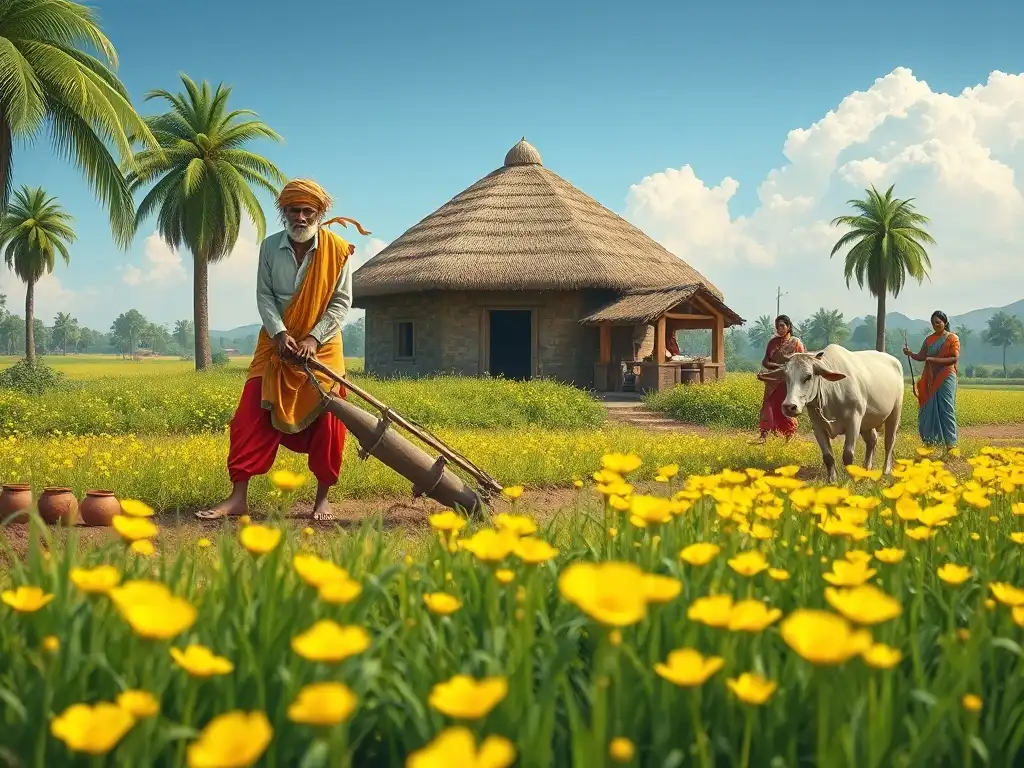
Agriculture in ancient India was not merely an economic activity but a cultural cornerstone that influenced various aspects of daily life. The agrarian lifestyle shaped social structures, religious practices, and even governance. The fertile plains of the Indus Valley and the Ganges River basin were the cradle of one of the earliest agricultural societies, where farming was deeply intertwined with the identity of the community.
Communities celebrated the rhythms of agricultural cycles through rituals and festivals, showcasing the deep reverence for nature and its bounties. The seasonal changes dictated not only agricultural practices but also social gatherings and religious observances. Agriculture was seen as a gift from the divine, emphasizing the connection between humans and nature.
Moreover, the agrarian economy fostered trade and interactions among various regions, leading to cultural exchanges that enriched Indian civilization. As communities thrived on agriculture, they developed intricate irrigation systems, crop rotation practices, and sustainable farming techniques that were vital for survival and prosperity.
Agricultural Festivals and Rituals
Agricultural festivals in ancient India served as vital expressions of gratitude and celebration for the harvest. Festivals such as Pongal in Tamil Nadu and Baisakhi in Punjab are rooted in ancient traditions, celebrating the harvest season with vibrant rituals and communal feasting. These festivals often involved specific rituals dedicated to deities responsible for fertility and abundance, illustrating the spiritual significance of agriculture.
In many cultures, rituals were performed to ensure a good harvest. Farmers would conduct ceremonies to invoke blessings from deities, seeking protection from natural calamities and pests. The Ratha Saptami, for instance, is celebrated to honor the sun god and is linked to the agricultural calendar, marking the onset of the harvest season.
These festivals not only reinforced community bonds but also served as a platform for the transmission of agricultural knowledge, as elders would share wisdom and practices with the younger generation during these celebrations.
The Influence of Agriculture on Ancient Indian Art and Literature
Agriculture has significantly influenced ancient Indian art and literature, reflecting the agrarian lifestyle's importance in shaping cultural narratives. Various art forms, including paintings, sculptures, and textiles, often depicted agricultural scenes, showcasing the significance of farming in daily life. For example, the Ajanta and Ellora caves feature murals that illustrate scenes of harvest and rural life, emphasizing the connection between art and the agrarian economy.
In literature, ancient texts such as the Rigveda and Mahabharata contain references to agricultural practices and the importance of fertility. Poets and playwrights frequently celebrated the beauty of nature and the agricultural cycle, intertwining themes of love and labor with the rhythms of farming life. The agricultural metaphors found in these works highlight the deep-seated respect for land and its produce.
The portrayal of agrarian life in ancient literature and art not only reflects the socio-economic conditions of the time but also serves as a testament to the enduring legacy of agricultural practices in shaping cultural identity.
Bridging Tradition and Modernity in Agriculture
As the world grapples with the challenges of food security and environmental sustainability, ancient Indian agricultural techniques offer valuable insights that can bridge the gap between traditional practices and modern agricultural demands. The wisdom embedded in these ancient practices emphasizes ecological balance and sustainable use of resources, which are critical in today’s context.
Lessons from Ancient Indian Agricultural Techniques
Ancient Indian agricultural techniques, such as mixed cropping and crop rotation, are examples of sustainable practices that have stood the test of time. These methods not only improved soil fertility but also reduced the risk of crop failure due to pests and diseases. The concept of agroforestry, where trees and crops coexist, was also practiced, promoting biodiversity and providing additional sources of income.
Moreover, the utilization of traditional irrigation systems, like step wells and floodwater farming, showcases the ingenuity of ancient farmers in adapting to their environment. These techniques can be revisited and adapted to contemporary challenges, providing innovative solutions for modern agriculture.
Integrating Traditional Practices with Modern Technology
The integration of ancient agricultural practices with modern technology presents a unique opportunity to enhance food production sustainably. Techniques such as precision farming, which uses data analytics and GPS technology, can be combined with traditional knowledge to optimize resource use. For instance, understanding local soil types and crop preferences from ancient practices can inform modern farming techniques, leading to higher yields and reduced chemical inputs.
Additionally, the revival of traditional seed varieties, which are often more resilient to local climatic conditions, can enhance biodiversity and food security. Farmers can benefit from using these seeds alongside modern agricultural advancements, ensuring a more sustainable and resilient agricultural system.
Sustainable Agriculture: A Modern Perspective
The relevance of sustainable agriculture in today's world cannot be overstated. Ancient Indian agricultural techniques embody principles of sustainability that can guide modern practices. The emphasis on ecological balance, community cooperation, and respect for nature aligns with contemporary movements towards sustainable development.
By promoting organic farming, permaculture, and agroecology, modern agriculture can learn from the past, drawing on the wisdom of ancient practices to create systems that not only meet the food demands of the growing population but also protect and restore the environment. Sustainable agriculture is not just about productivity; it is about ensuring that future generations inherit a planet that can support their needs, a lesson that ancient Indian agricultural practices poignantly illustrate.
Conclusion: The Legacy of Ancient Indian Agricultural Practices
The agricultural practices of ancient India have left an indelible mark on the landscape of farming, not only in India but around the world. Spanning thousands of years, these techniques were deeply intertwined with the culture, environment, and technological advancements of the time. The legacy of ancient Indian agricultural practices can be seen in the sustainable methods that prioritize soil health, biodiversity, and water conservation. Techniques like crop rotation, intercropping, and the use of organic fertilizers are rooted in ancient wisdom and continue to influence modern agricultural practices.
The reverence for nature and the understanding of seasonal cycles demonstrated by ancient farmers laid the groundwork for agricultural resilience. Their innovative irrigation systems, such as the use of canals and wells, showcased an advanced understanding of water management that is increasingly relevant in today's era of climate change and water scarcity. As we reflect on these practices, it is clear that they offer valuable lessons for sustainable agriculture and environmental stewardship.
The Relevance of Ancient Techniques in Contemporary Farming
In the face of modern agricultural challenges, including soil degradation, loss of biodiversity, and the effects of climate change, ancient Indian agricultural techniques provide a treasure trove of solutions. Many contemporary farmers are now revisiting these time-tested methods to enhance sustainability and productivity.
- Soil Health: Ancient practices emphasized the use of organic matter, such as compost and green manures, to enrich soil fertility. This holistic approach is gaining traction as organic farming becomes more popular.
- Water Conservation: The innovative irrigation techniques of the ancient Indian agrarians, including rainwater harvesting and the creation of small-scale water bodies, are being adapted to modern contexts, especially in arid regions.
- Crop Diversity: Ancient Indian farmers practiced polyculture, growing multiple crops in the same field to promote biodiversity and resilience. This practice is now recognized for its role in pest control and improving soil health.
- Community-Based Approaches: The focus on community and collective farming methods prevalent in ancient India is being revived to strengthen local food systems and enhance food security.
These techniques are not just echoes of the past; they are relevant methodologies that can help address current agricultural challenges, aligning with the goals of sustainable development.
Future of Agriculture Inspired by Ancient Wisdom
The future of agriculture holds great promise when it draws inspiration from the wisdom of ancient Indian practices. As the global agricultural landscape evolves, the integration of traditional techniques with modern technology may pave the way for innovative farming solutions.
- Agroecology: Emphasizing ecological principles, agroecology leverages ancient practices to create sustainable farming systems that are resilient to climate change. This approach supports biodiversity and fosters healthy ecosystems.
- Technological Integration: Modern technology can complement ancient methods, such as using drones for monitoring crop health while applying traditional knowledge of indigenous plant varieties that are well-suited to local conditions.
- Education and Awareness: Promoting awareness of ancient agricultural techniques among new generations of farmers can revitalize interest in sustainable practices. Initiatives that blend traditional knowledge with contemporary education can empower farmers to make informed decisions.
- Policy and Support: Governments and organizations can play a vital role in preserving and promoting ancient agricultural practices. Support for research, development, and incentives for sustainable practices can create a conducive environment for innovation.
By embracing the lessons of ancient Indian agricultural techniques, the future of agriculture can become a harmonious blend of tradition and modernity. This synergy not only honors the heritage of ancient civilizations but also equips us to face the challenges ahead, ensuring food security and environmental sustainability for generations to come.
- Introduction to Ancient Indian Agricultural Techniques
- Historical Context of Ancient Indian Agriculture
- Key Ancient Indian Agricultural Techniques
- Irrigation Systems in Ancient India
- Cultural Significance of Agriculture in Ancient India
- Bridging Tradition and Modernity in Agriculture
- Conclusion: The Legacy of Ancient Indian Agricultural Practices
- What are some key ancient Indian agricultural techniques?
- How did ancient Indian civilizations contribute to agriculture?
- What role did the Indus Valley Civilization play in agriculture?
- How do ancient techniques influence modern agriculture in India?
- Are there any traditional crops that originated in ancient India?
Frequently Asked Questions
What are some key ancient Indian agricultural techniques?
Ancient Indian agricultural techniques included crop rotation, intercropping, and the use of irrigation systems. These methods enhanced soil fertility and maximized crop yields.
How did ancient Indian civilizations contribute to agriculture?
Ancient Indian civilizations contributed significantly by developing sustainable farming practices and innovative tools, which laid the foundation for modern agricultural techniques still used today.
What role did the Indus Valley Civilization play in agriculture?
The Indus Valley Civilization was notable for its advanced drainage systems and urban planning, which facilitated effective agricultural practices and supported extensive farming.
How do ancient techniques influence modern agriculture in India?
Many ancient agricultural practices are still relevant today, promoting sustainability and biodiversity. Farmers often combine traditional methods with modern technology for better crop productivity.
Are there any traditional crops that originated in ancient India?
Yes, ancient India is known for cultivating several traditional crops such as rice, wheat, and millets. These staples continue to be integral to Indian cuisine and agriculture.
Final Reflection: Embracing Ancient Wisdom for a Sustainable Future
Ancient Indian agricultural techniques are not just relics of the past; they hold profound relevance in today's world grappling with climate change and food security. As we face unprecedented challenges in agriculture, the wisdom embedded in these traditional practices offers innovative solutions that can harmonize with modern methods. The time has come to recognize that the fusion of ancient knowledge and contemporary technology can pave the way for a sustainable agricultural future.
The influence of ancient Indian agricultural practices extends far beyond the fields; it shapes our cultural identity and social fabric. These techniques remind us of our deep-rooted connection to the land and the importance of biodiversity. As we navigate the complexities of modern agriculture, the lessons from our ancestors resonate louder than ever. To forget the past is to lose the future.
This quote encapsulates the essence of how these practices can guide us toward a more sustainable and equitable food system, emphasizing the need to honor our heritage while innovating for tomorrow.
As you reflect on the insights shared in this article, I invite you to consider how you can incorporate the principles of ancient Indian agricultural techniques into your own life or community. Whether it's adopting sustainable practices in your garden, supporting local farmers, or advocating for policies that honor traditional wisdom, every action counts. Together, let us cultivate a future that respects our past and nurtures the earth for generations to come.
Embrace the Wisdom of Ancient Agriculture Today!
Thank you for taking the time to explore the fascinating world of ancient Indian agricultural practices! By delving into this rich heritage, you've unlocked valuable insights that blend traditional wisdom with modern applications. Now, let’s turn knowledge into action!
Here are some powerful steps you can take to enhance your understanding and practice of sustainable agriculture:
- Implement Ancient Techniques: Consider incorporating traditional practices such as crop rotation and organic pest control into your gardening or farming efforts.
- Share and Educate: Engage in discussions about these insights with friends, family, or local farmers to inspire a collective exploration of sustainable methods.
- Join a Community: Connect with organizations that advocate for organic farming or sustainable agriculture—both online and in your local area—to gain support and exchange ideas.
Which ancient practice are you most eager to try in your own life, and how do you envision it influencing modern agricultural practices?