
How Ancient Indian Farmers Adapted to Environmental Challenges

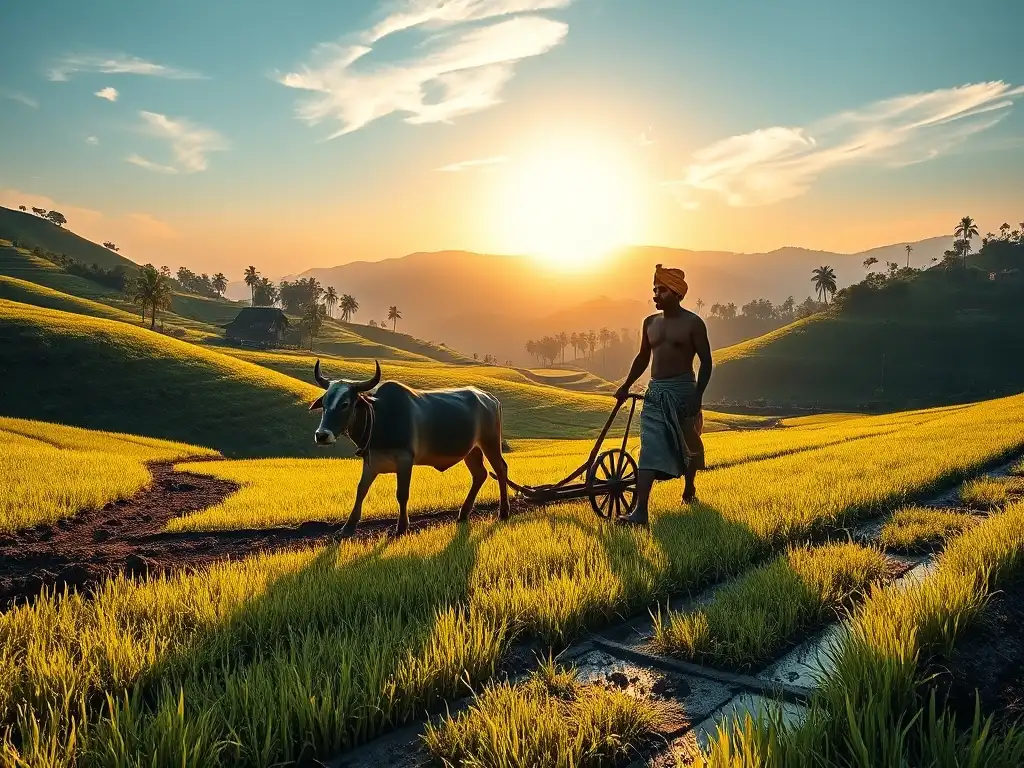
Welcome to Ancient India History, where we invite you to journey through the fascinating tapestry of one of the world's oldest civilizations. In this corner of history, we delve into the remarkable ancient Indian farming techniques that not only shaped the agricultural landscape but also laid the foundation for sustainable practices that resonate even today. Have you ever wondered how ancient farmers adapted to environmental challenges?
Join us as we uncover the innovative strategies that empowered communities from the Indus Valley to the Gupta Empire. Your exploration of this rich heritage begins now—read on to discover the secrets that helped ancient India flourish!
- Introduction to Ancient Indian Farming Techniques
- Historical Context of Ancient Indian Farming
- Environmental Challenges Faced by Ancient Indian Farmers
- Ancient Indian Farming Techniques and Adaptations
- Innovations in Land Use Practices
- Case Studies of Successful Adaptation
- The Legacy of Ancient Indian Farming Techniques
- Conclusion
-
Frequently Asked Questions
- What environmental challenges did ancient Indian farmers face?
- What were some key farming techniques used in ancient India?
- How did the Indus Valley Civilization contribute to farming?
- What role did the monsoon play in ancient Indian agriculture?
- How did ancient Indian farming techniques influence modern agriculture?
- Final Reflection: Embracing Resilience in Ancient Indian Farming Techniques
- Embrace the Wisdom of Ancient Agriculture Today!
Introduction to Ancient Indian Farming Techniques
Ancient Indian farming techniques are a testament to the ingenuity and resilience of early agrarian societies that thrived in the diverse and often challenging environmental landscapes of the Indian subcontinent. From the fertile plains of the Indus Valley to the arid regions of Rajasthan, ancient Indian farmers developed a variety of innovative methods to cultivate crops, manage water resources, and sustain their communities.
Understanding these techniques not only sheds light on the agricultural practices of the time but also reveals how ancient civilizations adapted to environmental challenges, which is crucial for comprehending the broader socio-economic frameworks that supported their growth and stability.
This article aims to explore the rich tapestry of ancient Indian farming practices, focusing on the unique adaptations that enabled farmers to flourish despite the varying climates and geographical obstacles they faced. By examining these historical farming techniques, we can gain insight into the foundational role agriculture played in the development of ancient Indian civilizations.
Overview of Ancient Indian Agriculture
Ancient Indian agriculture was characterized by a deep understanding of the local environment and a rich tradition of farming practices. The primary features of this agricultural system included:
- Diverse Cropping Systems: Farmers in ancient India cultivated a wide range of crops, including cereals like rice, wheat, and barley, as well as pulses, oilseeds, and various fruits and vegetables. This diversity not only ensured food security but also contributed to a balanced diet.
- Irrigation Techniques: To support their agricultural endeavors, ancient Indian farmers employed various irrigation methods, which included:
- Canal Systems: Constructed to divert river water to fields, enhancing crop yields.
- Wells and Stepwells: These were dug to access groundwater, particularly in arid regions, ensuring a reliable water supply even during dry spells.
- Rainwater Harvesting: Techniques such as bunding and the construction of tanks were utilized to capture and store rainwater, which was critical in regions with erratic rainfall patterns.
- Soil Management: Farmers practiced crop rotation and fallowing to maintain soil fertility and prevent nutrient depletion. Organic practices, such as the use of compost and green manure, were also common to enrich the soil.
Importance of Adaptation to Environmental Challenges
The ability of ancient Indian farmers to adapt to environmental challenges was crucial for their survival and prosperity. These adaptations included:
- Climate Resilience: Different regions of India experience varied climates, from monsoons to dry spells. Farmers developed specific techniques tailored to their local conditions, such as planting drought-resistant crops in arid areas or utilizing flood-resistant varieties in low-lying regions.
- Resource Management: Efficient use of natural resources was paramount. Farmers learned to optimize water usage through innovative irrigation practices and developed methods to conserve soil moisture.
- Cultural Practices: Adaptation was not solely technological; it also involved cultural practices that respected and utilized local biodiversity. Traditional knowledge played a significant role in selecting crop varieties that thrived in specific environments.
Understanding ancient Indian farming techniques provides invaluable insights into how these civilizations navigated the complexities of their environments. Their adaptive strategies not only ensured their immediate agricultural success but also laid the groundwork for the sustainable agricultural practices that continue to influence farming in India today.
Historical Context of Ancient Indian Farming
The Evolution of Farming Practices in Ancient India
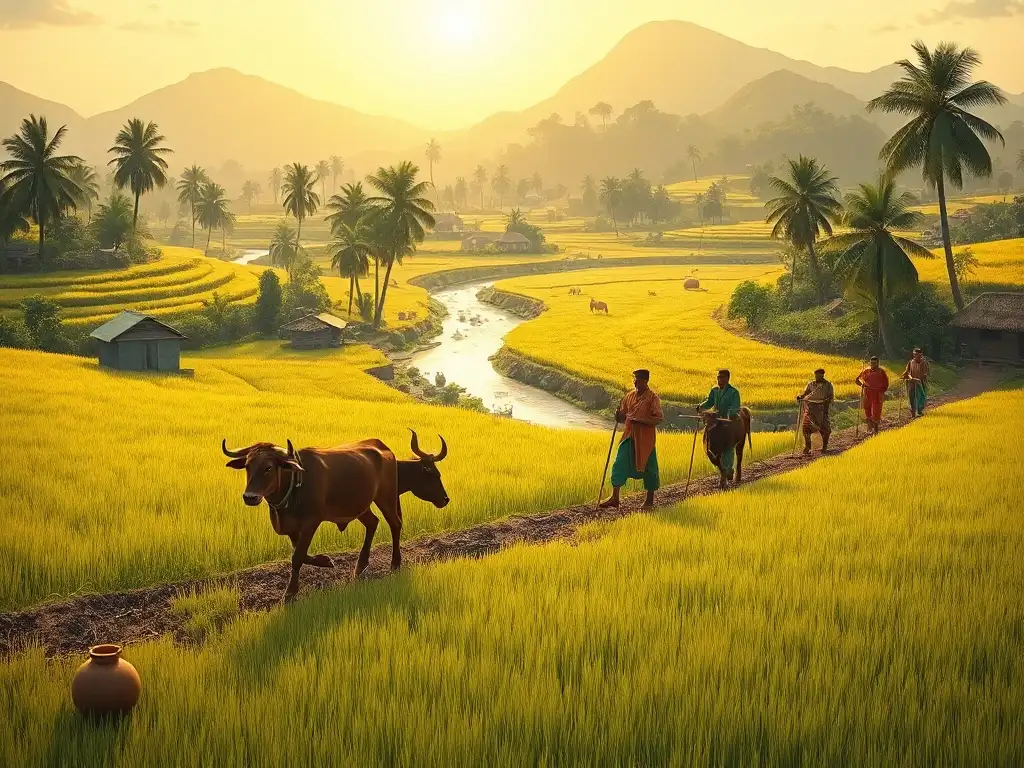
The evolution of farming practices in ancient India is a fascinating journey that illustrates the ingenuity and adaptability of early Indian farmers. Beginning around 7000 BCE, the earliest forms of agriculture are believed to have emerged in the fertile plains of the Indus Valley. Archaeological evidence indicates that the inhabitants practiced a form of subsistence farming, relying primarily on the cultivation of wheat, barley, and pulses.
As environmental conditions varied, so too did the techniques employed by farmers. The monsoon season significantly influenced agricultural patterns, prompting the development of various land use strategies. These included:
- Shifting cultivation: Farmers would clear a patch of forest land, grow crops for a few seasons, and then move to a new area to allow the original plot to regenerate.
- Terracing: In hilly terrains, farmers constructed terraces to create flat land for planting, mitigating soil erosion and maximizing arable land.
Over time, the introduction of new crops and advanced techniques led to a significant transformation in agriculture. The domestication of rice in eastern India around 4000 BCE, for instance, showcased the adaptability of ancient Indian farmers to diverse climatic conditions. The use of plows, which became common around 2000 BCE, further revolutionized farming, allowing for greater efficiency and productivity.
Major Civilizations and Their Agricultural Innovations
Ancient Indian civilizations, notably the Indus Valley Civilization, the Maurya Empire, and the Gupta Empire, made substantial contributions to agricultural practices through innovation and adaptation.
- Indus Valley Civilization (c. 3300–1300 BCE):
- This civilization is often credited with pioneering several irrigation techniques. They constructed sophisticated drainage systems and reservoirs, reflecting an advanced understanding of water management.
- Crops such as cotton and flax were cultivated, indicating the role of agriculture in supporting trade and textile production.
- Maurya Empire (c. 322–185 BCE):
- Under the Mauryan rule, agriculture flourished due to improved governance and infrastructure. The state facilitated the creation of granaries and storage systems to manage surplus produce.
- The introduction of agronomic texts, such as Kautilya's Arthashastra, provided farmers with valuable information on crop rotation, pest control, and soil fertility.
- Gupta Empire (c. 240–550 CE):
- The Gupta period saw significant advancements in farming tools, including the iron plow, which enhanced farming efficiency.
- The establishment of agricultural universities during this time promoted the study of agriculture, leading to the dissemination of knowledge regarding crop diversification and sustainable farming practices.
Through these civilizations, ancient Indian farmers not only adapted to environmental challenges but also laid the groundwork for agricultural practices that have influenced modern farming techniques. The legacy of these ancient Indian farming techniques continues to inspire agricultural practices today, demonstrating the enduring importance of innovation in response to environmental conditions.
Environmental Challenges Faced by Ancient Indian Farmers

Climate Variability and Its Impact on Agriculture
Ancient Indian farmers faced significant challenges due to climate variability, which played a crucial role in shaping their agricultural practices. The Indian subcontinent experienced diverse climatic conditions ranging from monsoon rains to extreme droughts, which had direct implications for crop cultivation.
- Monsoon Dependency: The summer monsoon, vital for agriculture, arrived unpredictably, making it essential for farmers to develop adaptive strategies. For instance, the Kharif season crops such as rice and millet relied heavily on this rainfall. Farmers developed traditional practices like rainwater harvesting to maximize water retention in the soil, thus mitigating the risk associated with erratic monsoon patterns.
- Crop Rotation and Diversification: To combat the risk of crop failure due to adverse weather conditions, ancient Indian farmers employed crop rotation and diversification strategies. By alternating the types of crops planted in a given area, they enhanced soil fertility and reduced the likelihood of total crop loss. This practice not only improved resilience against climatic shocks but also ensured a more stable food supply throughout the year.
- Seasonal Adjustments: Ancient farmers also adjusted their planting and harvesting schedules based on seasonal weather patterns. For example, some communities in Northern India would plant their crops earlier to utilize the first showers of monsoon, while others in Southern India would wait until optimal conditions were assured.
Soil Degradation and Water Scarcity
Soil degradation and water scarcity were significant environmental challenges that ancient Indian farmers had to navigate. These issues were often interlinked and required innovative agricultural techniques to overcome.
- Soil Fertility Management: The ancient Indian agrarian society recognized the importance of maintaining soil health. They employed techniques such as organic composting and the use of green manure, which involved planting specific crops that would later be plowed back into the soil. This not only enriched the soil with nutrients but also improved its structure, making it more resilient to erosion and degradation.
- Irrigation Innovations: Water scarcity, particularly during dry seasons, prompted ancient Indian farmers to develop sophisticated irrigation systems. The construction of canals and step wells allowed for efficient water management. Regions like the Indus Valley Civilization showcased advanced irrigation practices, utilizing a network of canals that diverted river water to fields, ensuring consistent moisture levels for crops.
- Terracing and Contour Farming: In hilly regions, farmers adapted their practices by employing terracing and contour farming, which minimized soil erosion and maximized water retention. These techniques involved creating stepped fields along the contours of the land, thereby reducing runoff and enhancing the efficiency of water usage for crop cultivation.
Through these adaptive strategies, ancient Indian farmers not only addressed the environmental challenges they faced but also laid the groundwork for sustainable agricultural practices that would influence future generations. By understanding and adapting to their environment, they ensured the resilience and longevity of their agricultural systems.
Ancient Indian Farming Techniques and Adaptations
Crop Diversification and Rotation Methods
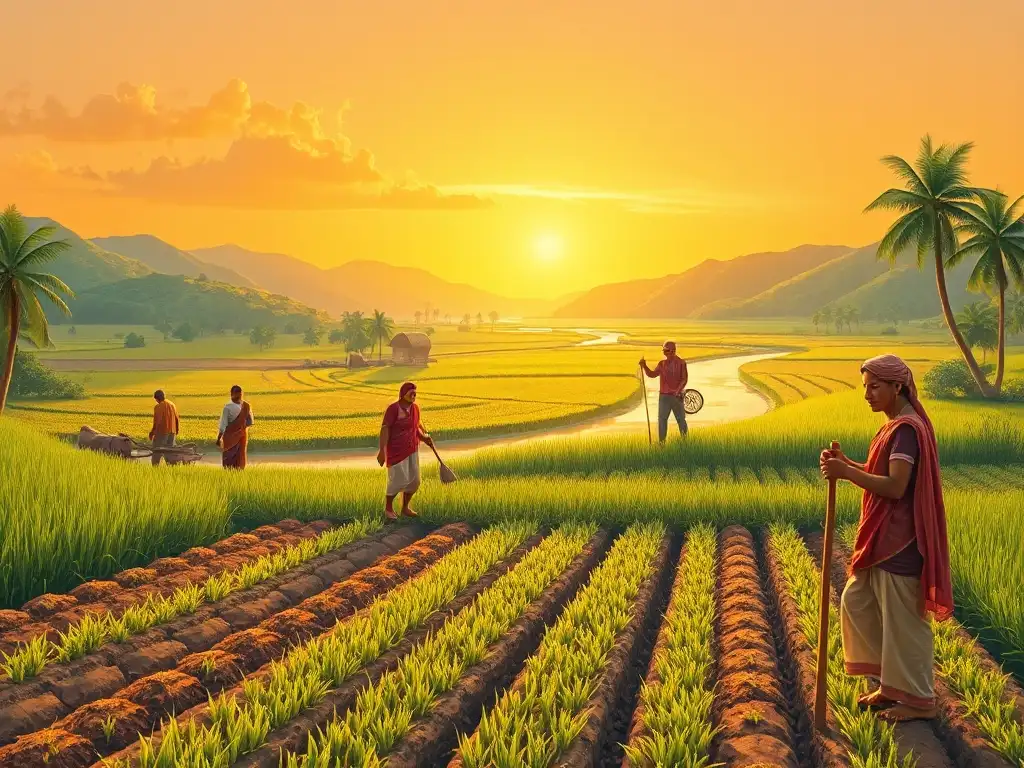
Ancient Indian farmers exhibited remarkable ingenuity in their approach to crop cultivation, particularly through the implementation of crop diversification and rotation methods. These techniques not only enhanced agricultural productivity but also served as a crucial adaptation to varying climatic conditions and soil fertility.
- Diverse Crop Selection: Farmers cultivated a wide range of crops, including cereals (such as rice, wheat, and barley), pulses (like lentils and chickpeas), oilseeds, and spices. This diversity allowed them to mitigate the risks of crop failure due to pests, diseases, or adverse weather conditions. For instance, the intercropping of pulses with cereals improved nitrogen content in the soil, promoting healthier crop yields.
- Seasonal Rotation: The practice of rotating crops based on seasonal cycles was common. For example, rice was often sown during the monsoon season, while wheat was planted in the winter months. This rotation helped in replenishing soil nutrients, breaking pest cycles, and preventing soil degradation, effectively enhancing long-term agricultural sustainability.
- Regional Adaptations: Different regions developed unique crop rotations suited to their specific environmental contexts. In the fertile plains of the Ganges, farmers might rotate between rice and legumes, while in arid regions, they may alternate between drought-resistant crops like millet and barley.
By employing these techniques, ancient Indian farmers not only optimized their agricultural output but also ensured food security for their communities, demonstrating a deep understanding of their environment.
Irrigation Systems: Canals and Wells
The development of sophisticated irrigation systems was crucial for ancient Indian agriculture, as it allowed farmers to harness water resources effectively. Two primary methods were employed: canals and wells.
-
Canal Systems: Ancient civilizations, notably the Indus Valley civilization, constructed extensive canal networks that diverted river water for irrigation purposes. These canals facilitated the systematic distribution of water across vast agricultural lands, reducing dependency on rainfall. The canals were engineered to maintain optimal water levels, which was essential during dry spells.
Feature Description Source of Water Rivers like the Indus, Ganges, and Brahmaputra Construction Earthen and stone-lined canals Benefits Enhanced irrigation efficiency and crop yields -
Well Irrigation: In addition to canals, farmers dug wells to access groundwater. This method proved especially beneficial in arid regions where surface water was scarce. The use of simple tools like the Persian wheel facilitated the extraction of water, enabling farmers to irrigate their fields even during the dry season.
-
Innovative Techniques: The ancient Indian approach to irrigation also included methods such as bunding (creating embankments) to control water flow and prevent soil erosion. The combination of canal and well irrigation showcased the farmers’ engineering prowess and adaptability to their environment.
These irrigation systems were vital for the success of ancient Indian farming techniques, allowing for intensive agricultural practices and supporting large populations.
Use of Organic Fertilizers and Soil Enrichment
The ancient Indian agricultural system was characterized by a profound understanding of soil health and the use of organic fertilizers to enhance fertility. This approach was pivotal in maintaining sustainable farming practices over centuries.
- Organic Fertilizers: Farmers utilized a variety of organic materials to enrich the soil. Commonly used fertilizers included:
- Animal Manure: Cattle dung was a primary source of organic matter, providing essential nutrients and improving soil structure.
- Green Manures: Certain crops, such as legumes, were grown specifically to be plowed back into the soil, adding nitrogen and organic content.
- Composting Practices: The creation of compost from plant residues, kitchen waste, and animal excreta was another strategy employed to boost soil fertility. This not only recycled waste but also provided a slow-release source of nutrients for crops.
- Soil Conservation Techniques: Farmers practiced methods like contour plowing and terracing to prevent soil erosion and improve moisture retention. These techniques ensured that the nutrient-rich topsoil remained intact, further enhancing agricultural productivity.
By integrating organic fertilizers and soil enrichment practices, ancient Indian farmers demonstrated an advanced understanding of sustainable agriculture, which has influenced modern farming techniques and continues to be relevant today.
Innovations in Land Use Practices
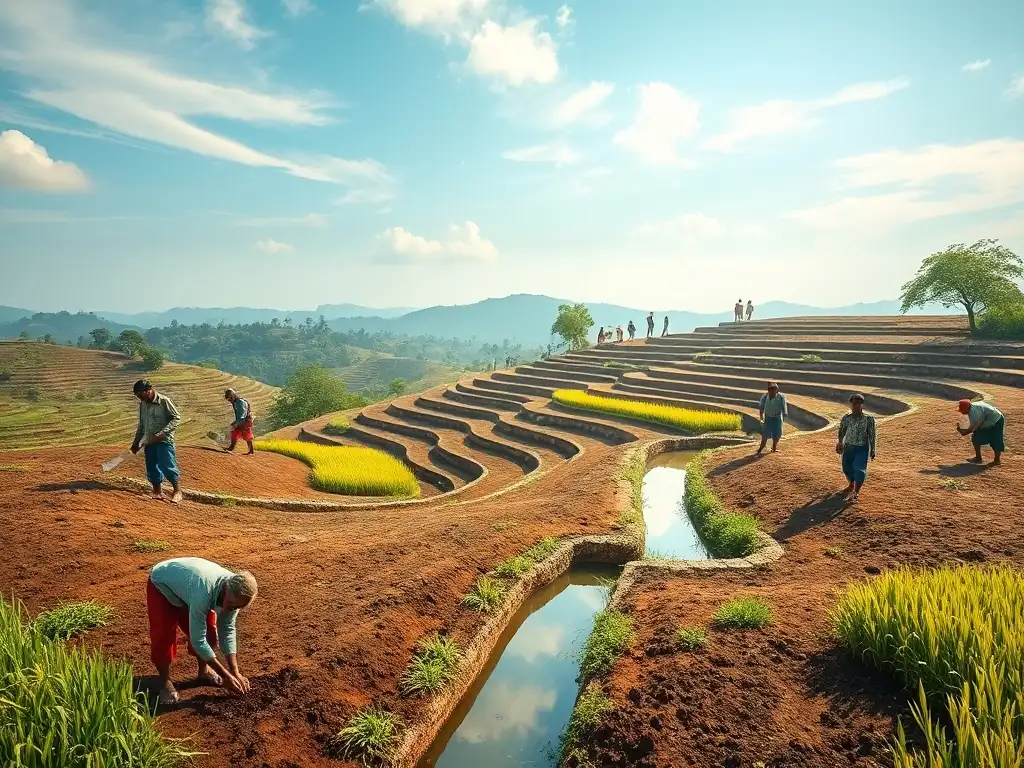
Throughout ancient India, farmers demonstrated remarkable ingenuity in adapting to diverse environmental challenges. The innovations in land use practices they developed not only enhanced agricultural productivity but also contributed to sustainable farming systems. This section explores three significant innovations: terracing and contour farming, agroforestry, and the selection of drought-resistant crops.
Terracing and Contour Farming
Terracing and contour farming were critical practices for ancient Indian farmers, particularly in hilly and mountainous regions. These techniques helped to control soil erosion, retain moisture, and maximize arable land.
- Terracing involves creating stepped levels on sloped terrain, which reduces water runoff and facilitates irrigation. This method is particularly effective in regions like the Western Ghats and the Himalayas, where steep slopes could otherwise lead to soil loss.
- Contour farming, on the other hand, is practiced by plowing along the contours of the land rather than in straight lines. This practice minimizes soil erosion and enhances water retention by following the natural shape of the land.
These techniques not only improved crop yields but also allowed ancient Indian farmers to cultivate diverse crops in challenging terrains, thereby contributing to local food security.
Agroforestry and its Benefits
Agroforestry systems, which integrate trees and shrubs into agricultural landscapes, played a vital role in ancient Indian farming. This practice brought a multitude of benefits:
- Biodiversity Enhancement: The integration of trees into farming systems increased biodiversity, providing habitats for various species and promoting ecological balance.
- Soil Health Improvement: Tree roots contribute to soil structure and fertility, while leaf litter enhances organic matter content. This leads to better nutrient availability for crops.
- Microclimate Regulation: Trees provide shade, which can help reduce soil temperature and moisture evaporation, creating a more favorable environment for crops during hot months.
- Economic Diversification: Farmers could harvest fruits, nuts, and timber from trees, diversifying their income sources and reducing reliance on a single crop.
Overall, agroforestry proved to be a sustainable farming practice that not only provided food security but also preserved the environment.
Selection of Drought-Resistant Crops
In response to fluctuating climatic conditions, ancient Indian farmers developed a keen understanding of selecting drought-resistant crops. Some notable examples include:
- Millets: Crops such as finger millet (ragi) and pearl millet (bajra) are well-suited to arid conditions, requiring less water than traditional cereals like rice and wheat.
- Legumes: Pulses like chickpeas and lentils are drought-tolerant and also improve soil fertility through nitrogen fixation.
By prioritizing these resilient crops, ancient farmers ensured that their communities could withstand periods of drought, thereby maintaining agricultural productivity and food availability.
The innovations in land use practices, including terracing, agroforestry, and the selection of drought-resistant crops, are testament to the adaptability and resourcefulness of ancient Indian farmers. These methods not only addressed immediate environmental challenges but laid the groundwork for sustainable agricultural practices that resonate today.
Case Studies of Successful Adaptation

The Indus Valley Civilization: Advanced Irrigation Techniques
The Indus Valley Civilization, flourishing between 2500 BCE and 1900 BCE, showcased remarkable ingenuity in ancient Indian farming techniques, particularly in irrigation. This civilization, located in present-day Pakistan and northwest India, developed an extensive network of canals and reservoirs that significantly transformed agricultural productivity.
- Canal Systems: Archaeological evidence indicates that the Indus people constructed sophisticated canal systems to divert water from rivers like the Indus and Ghaggar-Hakra. These canals facilitated the irrigation of vast tracts of land, allowing farmers to cultivate crops even in arid conditions.
- Flood Management: The civilization's farmers were adept at managing seasonal flooding. They built raised fields and embankments that prevented waterlogging and soil erosion, ensuring the sustainability of their agricultural practices.
- Crop Diversity: The strategic use of irrigation enabled the cultivation of a variety of crops, including wheat, barley, peas, and cotton. This not only supported a stable food supply but also contributed to the emergence of trade networks, as surplus produce could be exchanged with neighboring regions.
The success of the Indus Valley Civilization in implementing these advanced irrigation techniques laid the groundwork for subsequent agricultural developments in ancient India, illustrating a profound understanding of environmental adaptation.
The Agricultural Practices of the Maurya Empire
The Maurya Empire, existing from 322 BCE to 185 BCE, is known for its centralized administration, which played a crucial role in enhancing agricultural productivity through innovative farming techniques and land use policies.
- State Control and Support: The Mauryan rulers, especially Emperor Ashoka, implemented policies that supported farmers. They established a system of land surveys to assess productivity, ensuring fair taxation and providing incentives for increased production.
- Crop Rotation and Fertilization: Mauryan farmers practiced early forms of crop rotation and utilized organic fertilizers, such as animal dung and compost, to enrich the soil. This practice not only improved yields but also maintained soil health over time.
- Water Management Innovations: The Maurya Empire saw the construction of large irrigation projects, including dams and reservoirs. One notable example is the construction of the Sudarshan Lake, which played a vital role in storing water for agricultural use, particularly during dry seasons.
These agricultural advancements during the Maurya Empire significantly contributed to the empire's economic stability and growth, highlighting the importance of effective governance in promoting ancient Indian farming techniques.
Contributions of Gupta Period to Sustainable Farming
The Gupta Empire, flourishing from approximately 320 CE to 550 CE, is often referred to as a golden age of ancient India, not only for its cultural achievements but also for its advancements in agriculture and sustainable farming practices.
- Scientific Agriculture: During the Gupta period, there was a notable emphasis on scientific approaches to farming. Texts such as "Krishi Parashara" outlined best practices in agriculture, including pest control and soil management, reflecting a growing understanding of ecological balance.
- Introduction of New Crops: The period saw the introduction of new crops, including rice varieties suited for wetland cultivation and pulses that enhanced soil fertility. This diversification helped mitigate risks associated with crop failures, fostering food security.
- Sustainable Practices: The Guptas promoted sustainable farming techniques, emphasizing the importance of maintaining soil health and biodiversity. Practices such as mixed cropping and agroforestry contributed to ecological balance and resilience against climatic fluctuations.
The Gupta Empire's contributions to sustainable farming techniques exemplified a holistic approach to agriculture, ensuring both productivity and environmental stewardship, and setting a precedent for future generations of farmers in ancient India.
The Legacy of Ancient Indian Farming Techniques
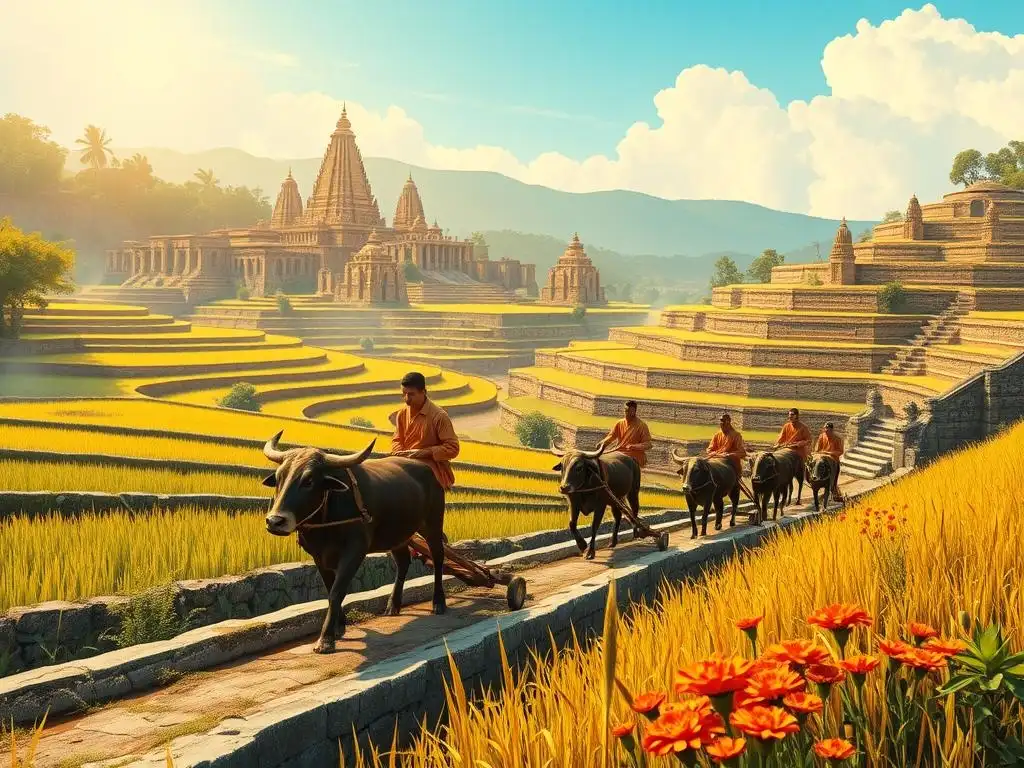
The legacy of ancient Indian farming techniques is a testament to the ingenuity and adaptability of early agricultural communities. These techniques were not only a response to the diverse environmental challenges faced by farmers but also laid the foundation for agricultural practices that continue to influence modern farming.
Ancient Indian farmers developed sophisticated methods of cultivation, irrigation, and land management that were tailored to their local environments. From the fertile plains of the Indus Valley to the terraced fields in the hilly regions, these techniques showcased a deep understanding of soil, climate, and crop requirements.
Influence on Modern Agricultural Practices
The ancient Indian farming techniques have had a lasting impact on contemporary agricultural practices, particularly in the following ways:
- Crop Diversity: Ancient farmers cultivated a wide range of crops, including cereals, pulses, and oilseeds, which has influenced modern practices that emphasize crop rotation and diversity to maintain soil health.
- Irrigation Systems: The development of intricate irrigation systems, such as the stepwells and canals, allowed ancient farmers to maximize water use. Today, similar techniques are revived in areas facing water scarcity, emphasizing sustainable water management.
- Organic Farming: Practices such as composting and the use of natural fertilizers were prevalent among ancient Indian farmers. Modern organic farming draws heavily from these methods, promoting environmentally friendly agricultural practices.
- Agroforestry: The integration of trees and shrubs into farmland was a common practice in ancient times, which is now recognized for its benefits in biodiversity and soil conservation. This approach is being increasingly adopted in modern sustainable agriculture.
- Traditional Seeds: The use of indigenous seeds, which are well-suited to local conditions, is a practice rooted in ancient farming techniques. The resurgence of interest in heirloom varieties reflects a growing appreciation for traditional knowledge in modern agriculture.
Through these influences, ancient Indian farming techniques have proven to be not just relics of the past, but vital components of a sustainable agricultural future.
Preservation of Traditional Knowledge in Agriculture
The preservation of traditional knowledge in agriculture is crucial for maintaining the resilience and sustainability of farming practices. This knowledge encompasses a range of skills and understandings that have been passed down through generations. Here are some key aspects of this preservation:
- Community Engagement: Many farming communities continue to engage in practices rooted in traditional knowledge. Local festivals and gatherings often celebrate agricultural cycles, reinforcing the community's connection to their ancestral farming techniques.
- Documentation and Research: Efforts to document traditional farming practices are increasing, with researchers collaborating with local farmers to record their methods and knowledge. This documentation serves as a valuable resource for future generations and for modern agricultural practices.
- Education and Training: Various NGOs and agricultural institutions are working to integrate traditional farming knowledge into educational programs. By training new farmers in these techniques, they help ensure the survival of this rich heritage.
- Cultural Significance: Traditional farming practices are often intertwined with cultural and spiritual beliefs. Preserving these practices not only safeguards agricultural knowledge but also protects the cultural identity of farming communities.
- Sustainable Practices: The emphasis on sustainability in ancient farming techniques has gained renewed attention in contemporary discussions about agriculture. By preserving these practices, modern farmers can draw inspiration for sustainable methods that respect the environment.
The legacy of ancient Indian farming techniques continues to shape modern agriculture, with their influence evident in various sustainable practices today. The preservation of traditional agricultural knowledge is vital for fostering resilience and sustainability in the face of ongoing environmental challenges, ensuring that these invaluable practices endure for future generations.
Conclusion
Summary of Adaptation Strategies in Ancient Indian Farming
Ancient Indian farmers exhibited remarkable adaptability in the face of diverse environmental challenges, which significantly influenced their agricultural practices. These strategies included:
- Diverse Crop Cultivation: Farmers adopted a variety of crops suited to different climatic zones. For instance, in the arid regions, drought-resistant varieties such as millet were prominent, while in the fertile plains, rice became a staple.
- Innovative Irrigation Techniques: The development of sophisticated irrigation systems was vital. Farmers constructed canals, wells, and stepwells to harness water from rivers and underground sources, ensuring a reliable supply during dry seasons. The Indus Valley Civilization showcased advanced techniques, including the use of reservoirs and drainage systems.
- Soil Management Practices: Ancient agronomists understood the importance of soil health. They practiced crop rotation and mixed cropping to enhance soil fertility, preventing nutrient depletion and pest infestations.
- Use of Organic Fertilizers: Livestock manure and composting were widely used to enrich soil quality. This not only improved crop yields but also maintained ecological balance.
- Seasonal Planning: Farmers developed calendars based on lunar cycles and weather patterns, allowing them to optimize planting and harvesting times. This knowledge was crucial for maximizing productivity and minimizing losses.
These strategies reflect a deep understanding of local ecosystems and demonstrate how ancient Indian farming techniques were both innovative and sustainable.
The Importance of Learning from Ancient Techniques for Future Sustainability
As modern agriculture faces unprecedented challenges, including climate change, soil degradation, and water scarcity, revisiting ancient Indian farming techniques offers valuable insights for contemporary practices. Here are several reasons why these historical strategies are relevant today:
- Sustainable Practices: Ancient methods emphasized sustainability through organic farming and resource conservation. Modern agriculture can benefit from these principles to reduce reliance on chemical fertilizers and pesticides.
- Water Management: The irrigation techniques developed by ancient farmers, such as rainwater harvesting and localized irrigation, can inspire modern solutions to water scarcity. Implementing these methods can promote efficient water use and enhance crop resilience.
- Biodiversity: The diversity in crop selection practiced by ancient farmers encourages biodiversity, which is crucial for ecosystem health. Emphasizing polyculture over monoculture in today's farming can improve resilience against pests and diseases.
- Cultural Heritage: Understanding and preserving these ancient techniques also enriches cultural heritage and fosters a connection between communities and their agricultural roots. It encourages sustainable practices that respect traditional knowledge.
- Climate Adaptation: The adaptability showcased by ancient farmers provides a model for addressing current environmental challenges. Modern farmers can learn to adjust their practices in response to changing climate conditions using insights from historical experiences.
By integrating ancient Indian farming techniques into modern agricultural systems, we can create a more sustainable and resilient food future, ensuring that we learn from the past to enhance our present and future practices.
Frequently Asked Questions
What environmental challenges did ancient Indian farmers face?
Ancient Indian farmers encountered diverse environmental challenges such as floods, droughts, and soil fertility issues. They developed innovative methods to adapt to these conditions.
What were some key farming techniques used in ancient India?
Farmers in ancient India utilized techniques like terracing, crop rotation, and irrigation systems to enhance productivity and manage water resources effectively.
How did the Indus Valley Civilization contribute to farming?
The Indus Valley Civilization is known for its advanced agricultural practices, including the use of drainage systems and granaries, which supported large-scale farming and food storage.
What role did the monsoon play in ancient Indian agriculture?
The monsoon season was crucial for ancient Indian farmers as it brought necessary rainfall for crops. Farmers learned to time their planting to coincide with the onset of the monsoon rains.
How did ancient Indian farming techniques influence modern agriculture?
Many ancient Indian farming techniques, such as organic farming and sustainable practices, laid the groundwork for modern methods, emphasizing the importance of environmental balance and biodiversity.
Final Reflection: Embracing Resilience in Ancient Indian Farming Techniques
The ingenuity of ancient Indian farmers in adapting to environmental challenges is not just a historical curiosity; it is a vital lesson for our contemporary world. As we face unprecedented climate change and environmental degradation, the sustainable practices and innovative techniques employed by these farmers remind us of the importance of resilience and adaptability in agriculture. Their ability to harmonize with nature rather than exploit it offers a striking blueprint for modern farming.
The impact of ancient Indian farming techniques extends far beyond their time, shaping cultural practices and agricultural wisdom that resonate today. These methods, rooted in a deep understanding of local ecosystems, continue to inspire sustainable agricultural practices worldwide. The greatest danger in times of turbulence is not the turbulence; it is to act with yesterday’s logic.
This quote encapsulates the need for us to learn from the past while innovating for the future, ensuring that we honor the legacy of those who came before us.
As we reflect on the lessons from ancient Indian farmers, let us consider how we can incorporate these principles into our own lives and communities. Whether through supporting local agriculture, practicing sustainable gardening, or advocating for environmentally friendly policies, each of us has a role to play in fostering resilience. Embrace the wisdom of the past, and let it guide you toward a more sustainable future—one where we can thrive alongside nature, just as those ancient farmers did.
Embrace the Wisdom of Ancient Agriculture Today!
Thank you for diving into the fascinating world of ancient Indian farmers and their ingenious adaptations to environmental challenges. You've gained valuable insights into sustainable practices that resonate even today. Now, it’s time to put this knowledge into action!
Here are a few steps you can take to connect with this knowledge and make a difference:
- Start your own sustainable garden using methods inspired by ancient techniques. Research traditional practices that suit your environment and begin your journey toward sustainability!
- Explore local community projects that focus on sustainable farming or food systems. Get involved and share your passion for ancient agricultural wisdom with others in your community.
- Share your insights on social media or with friends to inspire them to appreciate the relevance of ancient agricultural practices in addressing modern challenges.
How can you integrate the wisdom of ancient farmers into your own life to create a sustainable future?