
Ancient Indian Agriculture: Techniques That Shaped Civilization

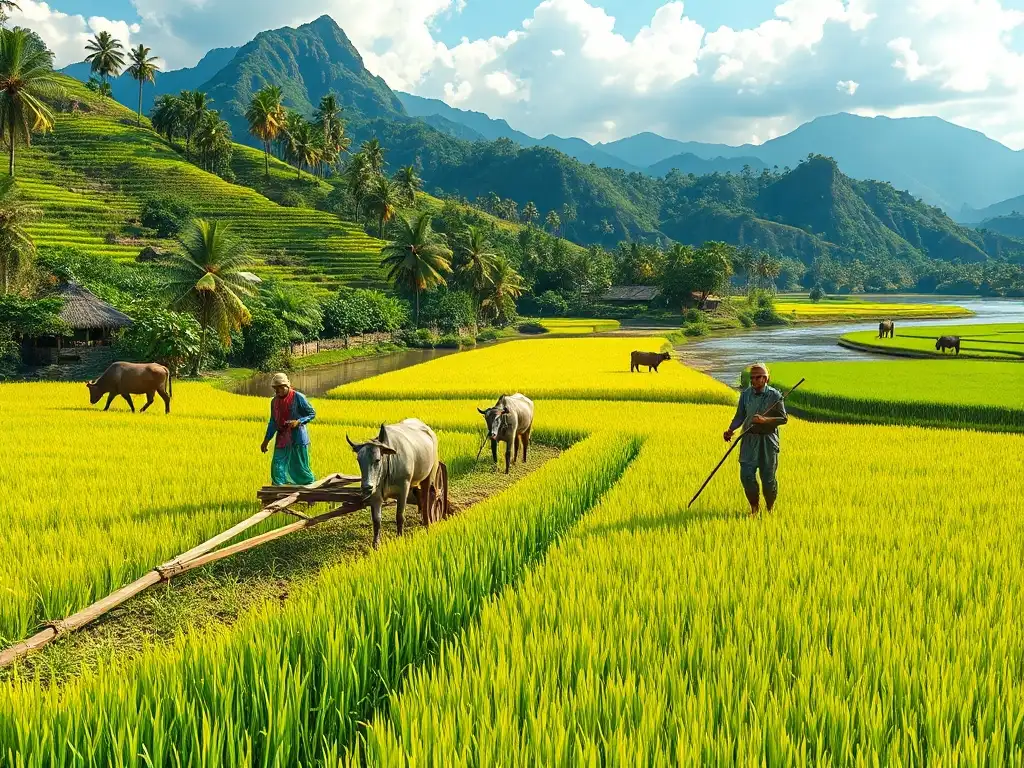
Welcome to Ancient India History, where we invite you to embark on a journey through the remarkable tapestry of ancient Indian civilizations. Discover how the innovative agricultural techniques of the past not only nurtured the land but also laid the foundation for thriving societies that would influence generations to come. In our featured article, "Ancient Indian Agriculture: Techniques That Shaped Civilization," you will uncover the secrets of these practices that transformed the economic landscape and fueled cultural advancements.
Get ready to delve deeper into the fascinating world of ancient Indian agriculture and explore how it continues to resonate in today's modern society. Your adventure into history begins now!

Introduction to Ancient Indian Agricultural Techniques
Agriculture has been a cornerstone of human civilization, and in the context of Ancient India, it laid the foundation for societal development, economic stability, and cultural richness. The ancient Indian agricultural techniques not only revolutionized farming practices but also significantly influenced trade, social structures, and even religious beliefs.
From the sophisticated irrigation systems of the Indus Valley to the crop rotation methods introduced during the Gupta Empire, these techniques played a vital role in shaping the agricultural landscape of India. This article delves into the evolution of agricultural practices in ancient India, highlighting innovations, societal impacts, and the historical context that fostered these advancements.
Overview of Agricultural Practices in Ancient India
Ancient India witnessed a variety of agricultural practices that were adapted to its diverse geography and climate. Farmers cultivated a wide range of crops, including:
- Cereals: Wheat, barley, and rice were staples.
- Pulses: Lentils and chickpeas enriched the diet with protein.
- Oilseeds: Mustard and sesame were grown for oil extraction.
- Fruits and Vegetables: Various fruits and vegetables complemented the agricultural output.
The use of plowing techniques, irrigation systems, and crop rotation were essential components of these agricultural practices. Farmers utilized wooden plows and sickles to increase efficiency and yield, while irrigation methods such as canals and wells ensured a steady water supply.
Importance of Agriculture in Ancient Indian Society
Agriculture was not merely a means of sustenance; it was a vital aspect of ancient Indian society that influenced social hierarchy, economic prosperity, and cultural practices. The significance of agriculture can be summarized as follows:
- Economic Backbone: Agriculture provided livelihoods for the majority, forming the backbone of the economy.
- Social Structure: Land ownership and agricultural production determined social status and power dynamics.
- Cultural Practices: Festivals, rituals, and traditions often revolved around agricultural cycles, celebrating harvests and honoring deities associated with fertility and abundance.
Historical Context of Agriculture in Ancient India
Understanding the historical context of agriculture in ancient India requires an exploration of its pivotal civilizations and the advancements they introduced.
The Indus Valley Civilization: Pioneers of Farming
The Indus Valley Civilization (circa 3300–1300 BCE) is often credited with pioneering agricultural practices in ancient India. This civilization showcased remarkable techniques, including:
- Urban Planning: Well-planned cities like Harappa and Mohenjo-Daro featured advanced drainage systems and granaries for storing surplus crops.
- Irrigation Systems: The use of canals and reservoirs facilitated effective water management, allowing for the cultivation of crops in arid conditions.
The agricultural practices during this time laid the groundwork for future civilizations, demonstrating a sophisticated understanding of farming and resource management.
Agricultural Developments during the Vedic Period
The Vedic Period (circa 1500–500 BCE) marked a significant transition in agricultural practices. Key developments included:
- Crop Diversity: Increased cultivation of new crops such as millet and barley alongside traditional staples.
- Animal Husbandry: The integration of livestock, especially cattle, played a crucial role in farming, providing labor and manure for fertilization.
These advancements contributed to a more sustainable agricultural system that supported a growing population.
Innovations in Agriculture during the Maurya and Gupta Empires
The Maurya (circa 322–185 BCE) and Gupta (circa 320–550 CE) Empires were periods of remarkable agricultural innovation:
- Advanced Tools: The introduction of iron tools improved efficiency in farming practices, allowing for deeper plowing and better crop yields.
- Crop Rotation: The practice of rotating crops to maintain soil fertility became more widespread, enhancing agricultural output.
These innovations not only improved food security but also facilitated trade, as surplus crops could be exchanged for goods and services, further enriching the economy.
The evolution of ancient Indian agricultural techniques was a complex interplay of innovation, culture, and societal needs. These practices not only shaped the agricultural landscape but also laid the foundations for the rich and diverse civilization that emerged in Ancient India. As we explore the various epochs of Indian history, the impact of agriculture remains a pivotal theme, illustrating its enduring legacy in shaping human existence.
Key Ancient Indian Agricultural Techniques
Ancient Indian agricultural techniques have played a pivotal role in shaping the civilization and economy of the region. These methods were not merely about cultivation; they were closely tied to the social and cultural fabric of ancient Indian life. From enhancing soil fertility to the careful management of water resources, the techniques employed by ancient Indian farmers laid the groundwork for sustainable agricultural practices that are still relevant today. Below are some of the key techniques that defined ancient Indian agriculture.
Crop Rotation: Enhancing Soil Fertility
Crop rotation was a fundamental practice in ancient Indian agriculture aimed at improving soil fertility and maximizing yield. Farmers would alternate the cultivation of different crops in the same field across seasons. This method helped in several ways:
- Nutrient Management: Different crops have distinct nutrient requirements and contributions. For example, legumes like lentils and chickpeas, when planted in rotation with cereals, enriched the soil with nitrogen, reducing the need for synthetic fertilizers.
- Pest Control: Rotating crops disrupted the life cycles of pests and diseases that targeted specific plants, thereby reducing the incidence of infestations.
- Soil Structure Improvement: Different root systems from various crops helped maintain soil structure, reducing erosion and compaction.
This technique not only improved agricultural productivity but also played a significant role in sustaining the ecosystem.
Irrigation Techniques: Channels and Wells
Irrigation was crucial for agriculture in ancient India, especially in regions where rainfall was inconsistent. Various sophisticated irrigation techniques were developed, including:
- Canal Systems: Ancient civilizations, such as those in the Indus Valley, constructed extensive canal networks to divert river water to fields. This method ensured a steady supply of water and facilitated year-round farming.
- Wells and Stepwells: The construction of wells allowed farmers to access groundwater. Stepwells, with their multiple levels, were particularly effective in storing water and allowing for irrigation during dry spells.
- Rainwater Harvesting: Techniques such as bunds and check dams were used to conserve rainwater, enhancing soil moisture retention and reducing surface runoff.
These irrigation practices significantly increased agricultural productivity and supported the growth of urban centers.
Use of Organic Fertilizers: Cow Dung and Green Manure
The use of organic fertilizers was a hallmark of ancient Indian agriculture, emphasizing sustainability and ecological balance. Farmers utilized:
- Cow Dung: Rich in nutrients, cow dung was commonly used as a fertilizer. It not only enriched the soil but also helped improve its structure and moisture retention.
- Green Manure: Farmers would often grow specific crops, such as legumes, and plow them back into the soil to enhance its fertility. This practice added organic matter and nutrients, promoting a healthy soil ecosystem.
These organic practices not only contributed to better crop yields but also fostered an environment of sustainability that is crucial in current agricultural discussions.
Plowing Methods: Wooden Plows and Their Impact
Plowing methods were integral to the preparation of soil for cultivation. Ancient Indian farmers primarily used wooden plows, which had a profound impact on agricultural productivity:
- Design and Functionality: Wooden plows, often drawn by oxen, were designed to turn the soil, making it easier to plant seeds. This method ensured better seed-to-soil contact, enhancing germination rates.
- Soil Aeration: The act of plowing aerated the soil, improving its structure and promoting healthy root development.
- Cultural Significance: The plowing process was not just agricultural; it was often accompanied by rituals and celebrations, reflecting the deep connection between farming and cultural identity in ancient India.
These plowing techniques were foundational in transitioning from foraging to settled agricultural societies.
Major Crops Cultivated in Ancient India
The diversity of crops cultivated in ancient India reflected the varied climates and geographies of the region, as well as the agricultural techniques employed. Major crops included cereals, pulses, and an array of spices that became significant in trade.
Cereals: Wheat, Barley, and Rice Cultivation
Cereals formed the backbone of ancient Indian agriculture, with wheat, barley, and rice being the most prominent:
- Wheat: Grown mainly in the northern plains, wheat was a staple food that supported large populations. The cultivation methods evolved over time, leading to the development of high-yield varieties.
- Barley: Often used for both food and fodder, barley thrived in arid regions and was integral to the diet of many ancient communities.
- Rice: In southern and eastern India, rice became the primary crop, cultivated in flooded fields. Its cultivation techniques were highly developed, with methods for transplanting seedlings being refined over generations.
The cultivation of these cereals not only provided sustenance but also contributed to trade and economic stability.
Pulses: The Role of Legumes in Ancient Diets
Pulses were an essential component of the ancient Indian diet, valued for their high protein content and nutritional benefits:
- Diversity of Legumes: Commonly grown pulses included lentils, chickpeas, and peas. These legumes were often intercropped with cereals, enhancing soil fertility and providing a balanced diet.
- Culinary Importance: Pulses were a staple in many traditional dishes, contributing to the dietary diversity and nutritional balance in ancient Indian cuisine.
- Economic Value: The trade of pulses also played a significant role in the economy, with some regions being known for specific varieties, enhancing their market value.
The cultivation of pulses not only supported food security but also enriched cultural practices surrounding food preparation.
Spices and Condiments: A Spice Trade Influence
Ancient India was renowned for its spices, which held immense value both locally and in international trade:
- Variety and Uses: Spices such as black pepper, turmeric, and cardamom were cultivated for their flavor and preservative qualities. They were integral to both culinary practices and traditional medicine.
- Trade Networks: The demand for Indian spices led to the establishment of extensive trade networks. Ancient texts mention trade routes connecting India to the Mediterranean and beyond, establishing India as a hub for spice trade.
- Cultural Significance: Spices were not only commodities but also held cultural and ritual significance, often used in religious ceremonies and traditional practices.
The spice trade significantly influenced ancient Indian economy and culture, highlighting the importance of agriculture in societal development.
The Role of Ancient Indian Agriculture in Economic Development
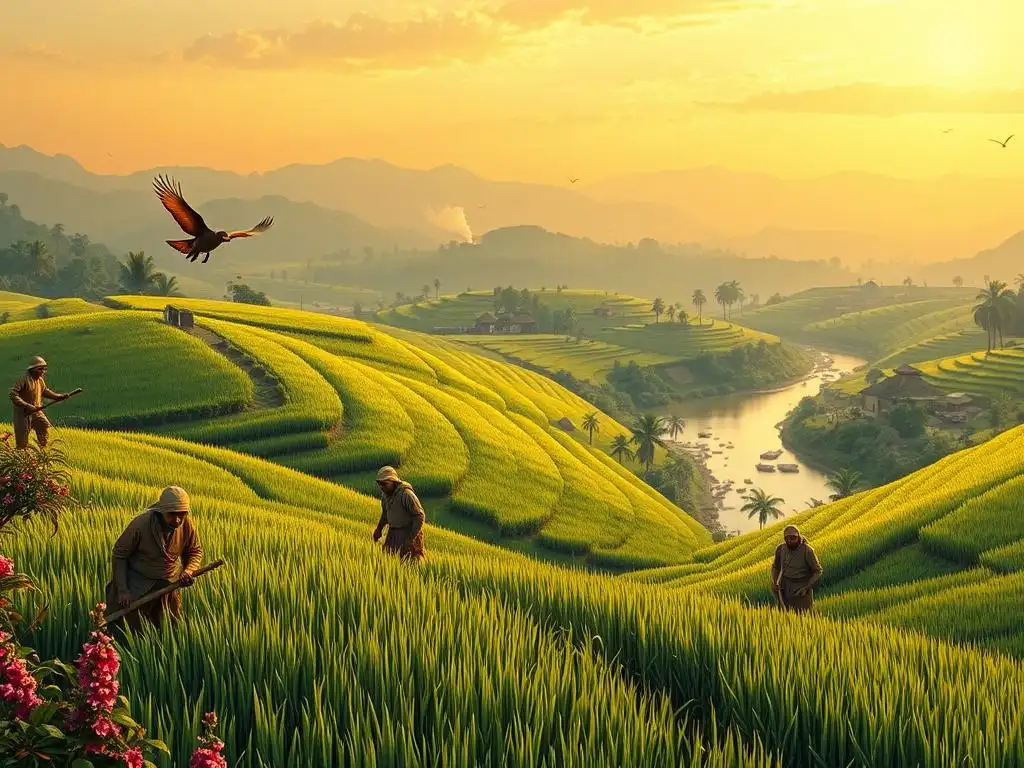
Ancient Indian agriculture played a pivotal role in shaping the economic landscape of the subcontinent. The cultivation of diverse crops such as rice, wheat, barley, and pulses not only supported local communities but also laid the foundation for trade and commerce. The agrarian economy thrived as farmers developed innovative techniques to enhance productivity and sustainability, which were essential for feeding the growing populations.
The integration of various agricultural practices enabled the establishment of surplus production. This allowed for the emergence of specialized trades and crafts, fostering economic diversification. The agricultural sector acted as a catalyst for economic development, providing the necessary resources for urban centers to flourish. As agricultural productivity increased, so did the wealth of the region, leading to advancements in technology, culture, and governance.
Agriculture and Trade: Connecting Regions
The agricultural bounty of ancient India facilitated extensive trade networks that connected various regions. Farmers engaged in the exchange of surplus crops for goods and services, which not only enriched local economies but also promoted cultural interactions. Key trade routes, such as the Grand Trunk Road, were instrumental in linking agricultural hubs with urban centers, enabling the movement of products like grains, spices, textiles, and other commodities.
Trade fairs and markets emerged as vital platforms where farmers and merchants could exchange their goods. For instance, regions like the Deccan Plateau became known for their cotton and spices, attracting traders from distant lands. This exchange fostered economic interdependence, contributing to the prosperity of ancient Indian civilizations and enhancing their global standing.
Agricultural Surplus and Its Impact on Society
The creation of agricultural surpluses had profound effects on ancient Indian society. With food security ensured, larger populations could settle in one place, leading to increased social complexity and the formation of diverse communities. The surplus allowed for the specialization of labor, meaning individuals could pursue various trades and crafts beyond mere subsistence farming.
This transition gave rise to a stratified society where different social classes emerged, including farmers, artisans, merchants, and rulers. Additionally, agricultural surplus supported the establishment of administrative structures and the collection of taxes, which funded public works, religious institutions, and military endeavors. Thus, agriculture was not just a means of sustenance; it was a cornerstone of social organization and cultural development.
The Influence of Agriculture on Urbanization
Ancient Indian agriculture significantly influenced urbanization, as the productivity of the land attracted people to settle in specific areas. This led to the emergence of cities such as Mohenjo-Daro and Harappa in the Indus Valley Civilization, where advanced agricultural techniques enabled dense populations to thrive.
As urban centers grew, they became hubs of economic activity, cultural exchange, and governance. The need for infrastructure to support urban populations—such as irrigation systems, storage facilities, and transport networks—further catalyzed agricultural innovations. Urbanization, in turn, created a demand for diverse agricultural products, which encouraged farmers to adopt new techniques and crops, fostering a cycle of growth and development.
Conclusion: Legacy of Ancient Indian Agricultural Techniques
The legacy of ancient Indian agricultural techniques is still evident in modern practices. The innovations developed during this era, such as crop rotation, intercropping, and advanced irrigation methods, laid the groundwork for sustainable agriculture. These ancient techniques not only enhanced food production but also promoted ecological balance, a lesson that resonates with contemporary agricultural challenges.
Lasting Impacts on Modern Agricultural Practices
Many of the ancient agricultural practices have continued to influence modern farming techniques. For instance, traditional methods of organic farming, which emphasize the use of natural fertilizers and pest control, are gaining renewed interest as sustainable alternatives to chemical agriculture. The principles of biodiversity and crop rotation practiced by ancient farmers are being revisited for their potential to enhance soil health and crop resilience in today’s agricultural systems.
Furthermore, the understanding of local climatic conditions and soil types, which ancient Indian farmers mastered, is crucial for modern agronomists as they seek to develop crops that can withstand climate change and ensure food security.
Reviving Ancient Techniques for Sustainable Agriculture Today
In the face of contemporary challenges such as climate change, soil degradation, and water scarcity, there is a growing movement to revive ancient agricultural techniques. Many researchers and practitioners advocate for the integration of traditional knowledge with modern science to create sustainable practices that honor the wisdom of ancient civilizations.
Efforts to promote community farming, agroecology, and permaculture are examples of how ancient wisdom can inform current practices. By adopting these time-tested methods, societies can work towards a more sustainable future in agriculture, ensuring that the legacy of ancient Indian agricultural techniques continues to benefit generations to come.
References and Further Reading on Ancient Indian Agricultural Techniques
Understanding ancient Indian agricultural techniques is essential for grasping how these methods shaped early civilizations and contributed to India's development. Below is a curated list of suggested books, articles, and online resources that provide in-depth knowledge and insights into this fascinating subject.
Suggested Books and Articles
-
"The Agricultural History of India" by R. A. B. Singh
This comprehensive book traces the evolution of agricultural practices in India from ancient times to the present. It discusses the techniques employed by various civilizations and their impact on society and economy.
-
"Ancient Indian Agriculture: Its Development and Impact" by N. S. Raghavan
Raghavan's work delves into the specific agricultural practices of ancient India, exploring methods of irrigation, crop rotation, and the domestication of plants and animals.
-
"Farming in Ancient India" by R. K. Sharma
This article provides a detailed analysis of ancient agricultural methods, including the tools used and the types of crops cultivated, complemented by archaeological findings.
-
"The Indus Valley Civilization: An Overview of Agricultural Practices" by A. Mishra
This scholarly article highlights the advanced agricultural techniques of the Indus Valley Civilization, including their irrigation systems and crop management strategies.
-
"Agricultural Techniques in Ancient India: A Historical Perspective" by P. K. Banerjee
Banerjee offers a historical overview of agricultural advancements throughout various Indian empires, focusing on the technologies that emerged and their societal implications.
Online Resources for Further Exploration
-
Ancient India Agriculture Archive
This online archive features a variety of resources, including research papers, articles, and presentations about ancient Indian agricultural techniques.
-
The History of Agriculture in India: An Interactive Guide
This interactive website provides timelines, maps, and multimedia content that explore the agricultural practices of ancient India, making it an engaging resource for learners.
-
Digital Library of India
Access a wealth of historical texts and scholarly articles related to ancient Indian agriculture, including early manuscripts and treatises on farming techniques.
-
National Agricultural Innovation Project (NAIP)
While primarily focused on modern techniques, NAIP offers insights into traditional agricultural practices and their evolution, providing a comparative context for ancient methods.
-
YouTube Educational Channels on Ancient Civilizations
Channels dedicated to ancient civilizations often feature detailed documentaries and lectures on ancient Indian agriculture, highlighting techniques and their significance in shaping society.
These references and resources serve as a gateway for anyone interested in delving deeper into the remarkable agricultural advancements that played a crucial role in the development of ancient Indian civilization.
- Introduction to Ancient Indian Agricultural Techniques
- Historical Context of Agriculture in Ancient India
- Key Ancient Indian Agricultural Techniques
- Major Crops Cultivated in Ancient India
- The Role of Ancient Indian Agriculture in Economic Development
- Conclusion: Legacy of Ancient Indian Agricultural Techniques
- References and Further Reading on Ancient Indian Agricultural Techniques
- What were some key ancient Indian agricultural techniques?
- How did agriculture influence ancient Indian civilizations?
- What role did the Indus Valley Civilization play in agriculture?
- How did the Gupta Empire contribute to agricultural advancements?
- Are there any modern practices that stem from ancient Indian agricultural techniques?
Frequently Asked Questions
What were some key ancient Indian agricultural techniques?
Ancient Indian agriculture featured techniques such as crop rotation, plowing with wooden tools, and the use of irrigation systems, which greatly increased crop yields.
How did agriculture influence ancient Indian civilizations?
Agriculture was fundamental in shaping ancient Indian civilizations by providing a stable food supply, leading to the growth of settlements, and promoting trade and cultural exchange.
What role did the Indus Valley Civilization play in agriculture?
The Indus Valley Civilization is known for its advanced drainage systems and urban planning, which facilitated agricultural productivity and supported a sophisticated society.
How did the Gupta Empire contribute to agricultural advancements?
During the Gupta Empire, there were significant improvements in farming tools and practices, as well as the introduction of new crops, which enhanced overall agricultural output.
Are there any modern practices that stem from ancient Indian agricultural techniques?
Yes, many modern Indian farming practices are influenced by ancient techniques, including organic farming methods and crop diversity, which promote sustainable agriculture today.
Final Reflection: The Enduring Legacy of Ancient Indian Agricultural Techniques
The agricultural techniques developed in ancient India not only transformed the landscape of their time but also laid the foundation for sustainable practices that resonate in our modern world. Today, as we face challenges such as climate change and food security, the wisdom embedded in these ancient practices offers invaluable insights. The ingenuity of ancient Indian farmers in harnessing natural resources and adapting to their environment is a testament to human resilience and innovation.
The influence of ancient Indian agricultural techniques extends far beyond their historical context; they continue to shape our cultural and social landscapes today. From organic farming methods to crop rotation and water conservation strategies, these practices remind us of the importance of sustainability. As Mahatma Gandhi once said, "> The earth provides enough to satisfy every man's needs, but not every man's greed." This quote encapsulates the essence of ancient agricultural wisdom, urging us to respect and nurture our environment rather than exploit it.
As we reflect on the lessons from ancient Indian agriculture, I invite you to consider how these principles can be applied in your own life. What sustainable practices can you adopt to contribute to a healthier planet? Whether it's supporting local farmers, practicing mindful consumption, or exploring traditional farming techniques, each small action can lead to significant change. Let us honor the legacy of our ancestors by cultivating a future that values sustainability and harmony with nature.
Unearth the Secrets of Ancient Agriculture Today!
Thank you for exploring the fascinating world of ancient Indian agriculture with us! You've uncovered valuable insights into the techniques that not only shaped civilizations but also laid the groundwork for sustainable farming practices. Now, it's your turn to take the first step in honoring these age-old traditions.
Take Action Now:
- Start your own garden using traditional methods you learned about, such as companion planting or organic composting.
- Share your newfound knowledge with friends and family by organizing a small discussion or workshop on sustainable practices inspired by ancient techniques.
- Join a community group or online forum focused on traditional agriculture and contribute your ideas or experiences.
What ancient agricultural technique are you most excited to implement in your own life, and why? We encourage you to share your thoughts below!