
The Trade of Textiles: Ancient India’s Fabric of Economy

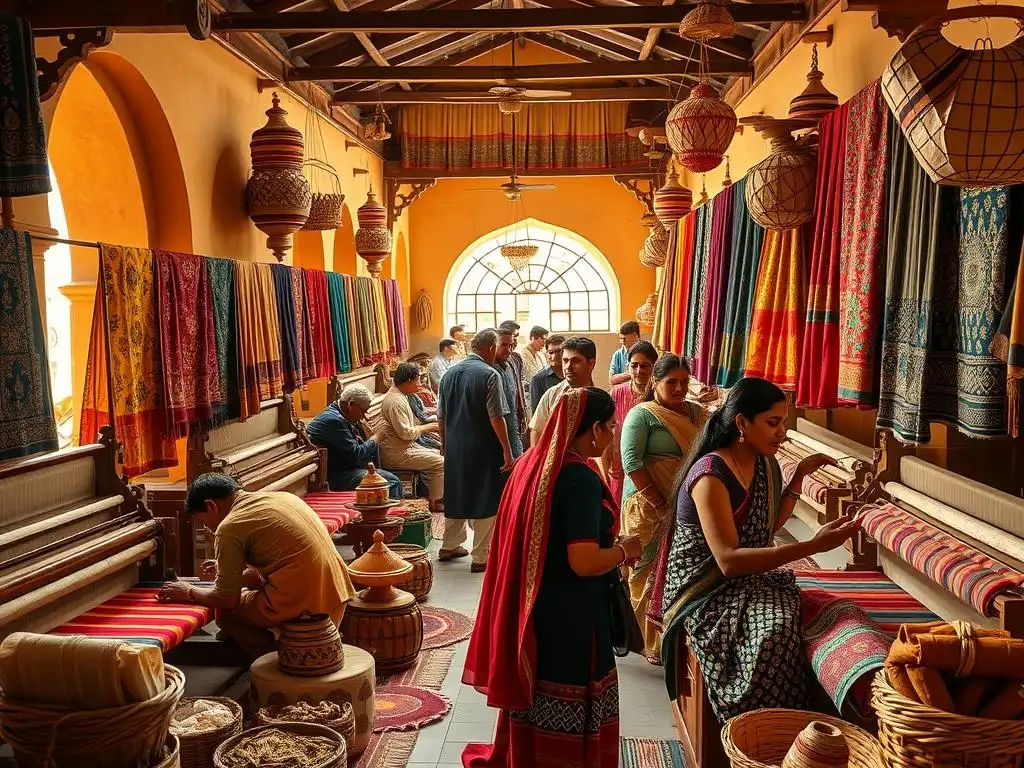
Welcome to Ancient India History, where we embark on a fascinating journey through time to uncover the rich tapestry of India's past. In our spotlight today is the captivating textile trade history, a vibrant thread woven into the fabric of ancient Indian economy. As we delve into the intricate trade routes, innovative techniques, and cultural exchanges that defined this era, you'll discover how these textiles not only adorned the people of ancient India but also connected civilizations across continents. Ready to unravel the story behind the looms and the legacy of craftsmanship? Let’s dive in!
- Introduction to Ancient India Textile Trade History
- Historical Context of Textile Trade in Ancient India
- Major Textiles and Materials in Ancient India
- Trade Routes and Networks
- Economic Impact of Textile Trade
- Challenges Faced in Textile Trade
- Legacy of Ancient India Textile Trade
- Conclusion: The Enduring Significance of Ancient India Textile Trade History
- Frequently Asked Questions
- Final Reflection: Weaving the Threads of History into Our Present
- Uncover the Threads of India’s Textile Legacy!
Introduction to Ancient India Textile Trade History
The history of textile trade in ancient India is a fascinating tapestry woven with threads of culture, economy, and innovation. From the intricate designs of the Indus Valley civilization to the flourishing markets of the Gupta Empire, textiles played a crucial role in shaping the economic landscape of ancient Indian society.
This article delves into the rich history of ancient India's textile trade, exploring how it contributed not only to the economy but also to the cultural exchanges and societal structures of the time. By examining the production techniques, trade routes, and the impact of textiles on local and international economies, we aim to provide a comprehensive understanding of how this vital industry has influenced both ancient and modern India.
Overview of Textiles in Ancient India
Textiles in ancient India were not merely functional; they were a reflection of the civilization's artistic flair, technological advancements, and cultural heritage. The production of textiles can be traced back to the Indus Valley Civilization (circa 3300–1300 BCE), where evidence suggests the use of cotton, linen, and wool.
- Cotton: Ancient Indians were among the first to cultivate cotton, creating lightweight fabrics that were ideal for the region's climate.
- Silk: The establishment of trade routes facilitated the introduction of silk, especially from regions like China, leading to the creation of luxurious garments.
- Wool: While less prevalent, wool was also utilized, especially in cooler regions.
The evolution of textile techniques saw the introduction of various dyeing methods, weaving patterns, and embroidery styles, each region developing its unique identity. Textiles became a medium of expression, showcasing motifs that depicted mythology, nature, and daily life.
Importance of Textile Trade in Economic Practices
The textile trade was a cornerstone of ancient India's economy, significantly contributing to its prosperity and global standing. This trade was underpinned by various factors:
- Trade Routes:
- The Silk Road and Maritime routes facilitated the exchange of textiles with distant lands, enhancing the reach of Indian goods.
- Major ports such as Lothal and Kalyan became bustling centers of trade.
- Economic Impact:
- The textile industry provided employment to a vast workforce, from artisans to traders, boosting local economies.
- Textiles were often used as currency in trade, symbolizing their value in the economic system.
- Cultural Exchange:
- The influx of foreign traders and their goods led to a rich cultural interchange, influencing local textile designs and techniques.
- Festivals and rituals often incorporated textiles, showcasing their significance in societal practices.
The ancient Indian textile trade was not just an economic activity; it was integral to the cultural and social fabric of the civilization. Understanding its history provides valuable insights into the complexities of ancient Indian society and its enduring legacy in the world of textiles.
Historical Context of Textile Trade in Ancient India
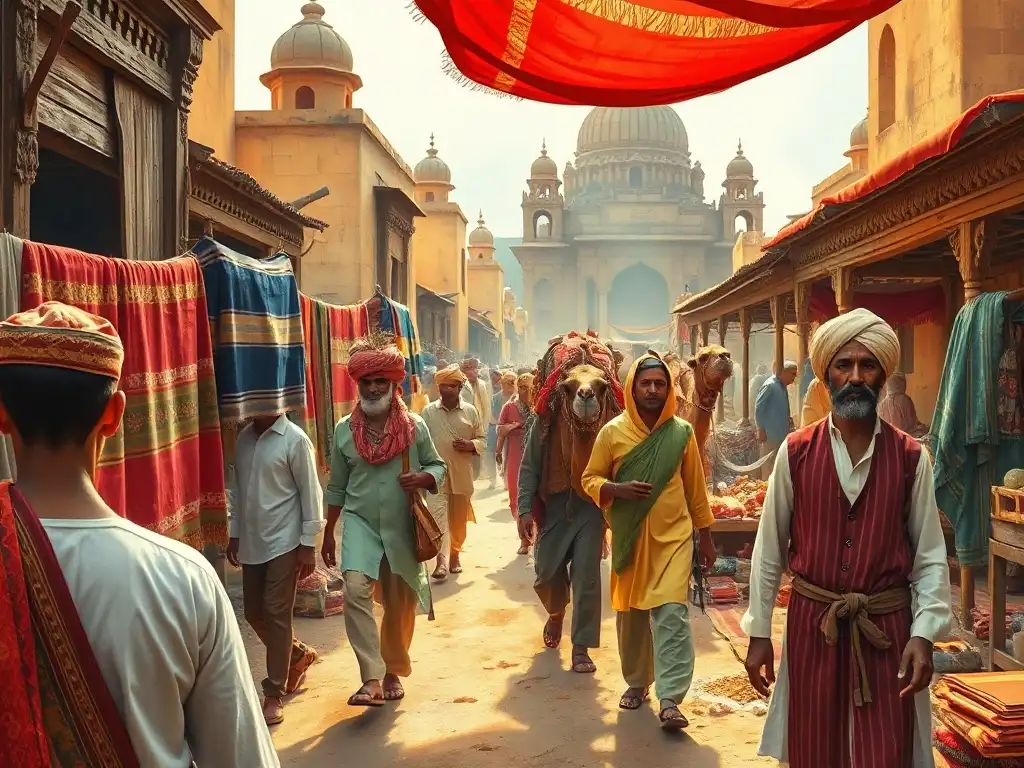
The textile trade in Ancient India has a rich history that traces back thousands of years, intertwining with the economic and cultural fabric of the civilization. The significance of textiles in Ancient India extended beyond mere clothing; they played a pivotal role in trade, craftsmanship, and social identity. As a vital economic practice, the textile trade contributed substantially to the prosperity of various Indian civilizations, influencing both domestic markets and international commerce.
Early Evidence of Textile Production
The earliest indications of textile production in Ancient India can be traced back to the Indus Valley Civilization (circa 3300–1300 BCE). Archaeological findings have revealed advanced techniques in spinning and weaving, with remnants of cotton and linen textiles discovered in sites such as Mohenjo-Daro and Harappa. The presence of spindle whorls and loom weights indicates that textile manufacturing was not only common but also highly developed.
- Cotton Cultivation: Evidence suggests that the cultivation of cotton in the Indus Valley was one of the earliest in the world. The fertile plains facilitated extensive agricultural practices, leading to a surplus that allowed for trade.
- Trade Networks: The Indus Valley civilization engaged in extensive trade with neighboring regions, including Mesopotamia. Textiles became a significant export, showcasing the sophistication of Indian craftsmanship and the demand for Indian fabrics in foreign markets.
Key Civilizations and Their Contributions to Textile Trade
The evolution of textile trade in Ancient India can be attributed to several key civilizations, each contributing unique innovations and practices that enriched the textile industry.
The Indus Valley Civilization
The Indus Valley Civilization is often regarded as the cradle of textile production in Ancient India. Its well-planned cities and advanced social structures facilitated the growth of a robust textile industry.
- Technological Innovations: The use of spinning wheels and weaving looms indicates advanced textile techniques. The production of intricately dyed fabrics and patterned textiles showcased the artisans' skills.
- Global Trade: The Indus Valley traders exported textiles to regions as far as Mesopotamia, which valued Indian cotton and silk. This early form of globalization set the stage for India's prominence in the textile trade.
The Mauryan Empire
During the Mauryan Empire (circa 322–185 BCE), the textile trade reached new heights, benefiting from the empire's vast network and political stability.
- State Control and Regulation: The Mauryan rulers implemented policies to regulate and promote textile production. This included the establishment of state-sponsored workshops that ensured quality and consistency in textile manufacturing.
- Cultural Exchange: The Mauryan period also saw cultural exchanges along trade routes, where Indian textiles influenced other regions and vice versa. The introduction of new dyeing techniques and materials enriched the existing textile repertoire.
The Gupta Empire
The Gupta Empire (circa 240–550 CE) marked a golden age for arts and commerce, including textile trade.
- Technological Advancements: Innovations in dyeing and weaving techniques emerged, resulting in the production of exquisite fabrics such as silk and brocade. The Gupta period is particularly noted for the development of complex patterns and motifs in textile design.
- International Trade Relations: Gupta merchants expanded trade routes, connecting India with Southeast Asia, the Middle East, and beyond. Textiles became one of India's major exports, with silk and cotton fabrics gaining immense popularity in foreign markets.
The history of the textile trade in Ancient India is a testament to the ingenuity and creativity of its civilizations. From the Indus Valley to the Gupta Empire, textiles not only shaped the economy but also played a crucial role in cultural identity and exchange. As we explore the intricate relationships between these ancient societies and their contributions to textile trade, we gain a deeper understanding of the fabric that wove together the tapestry of Ancient India’s economic practices.
Major Textiles and Materials in Ancient India
Cotton and Silk: The Backbone of Textile Trade
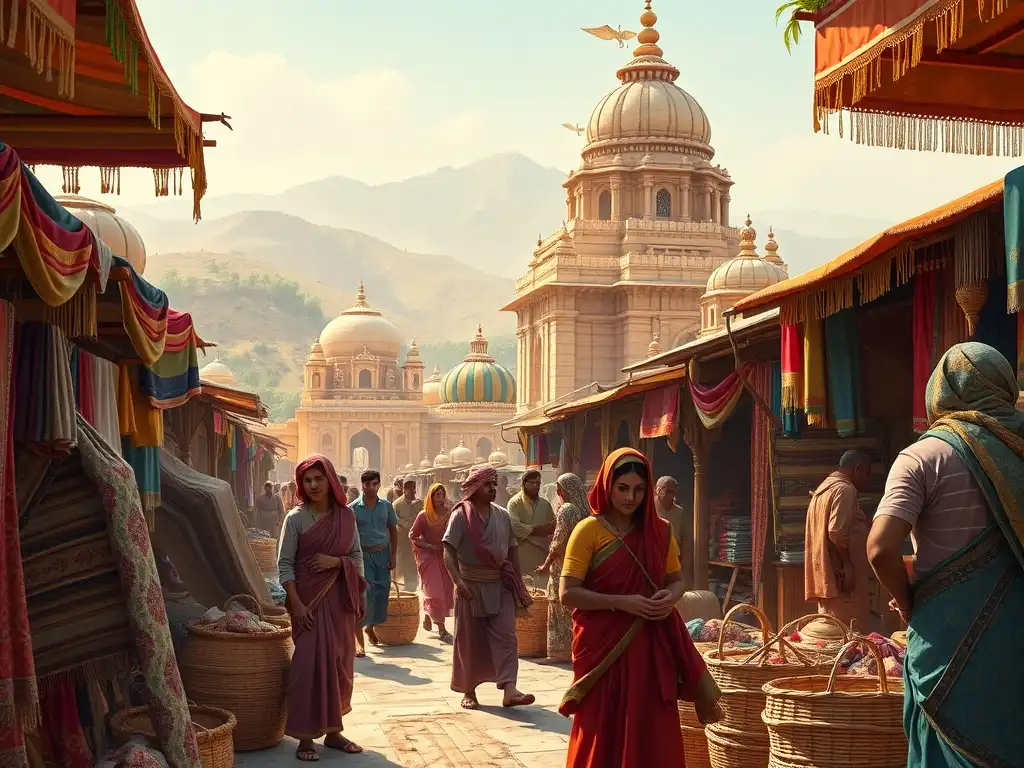
In ancient India, textiles played a pivotal role in the economy, with cotton and silk emerging as the dominant materials driving trade. Cotton, known for its comfort and versatility, was cultivated extensively in regions like Gujarat and the Deccan Plateau. The Indus Valley Civilization (c. 3300–1300 BCE) is often credited with the early production of cotton fabrics, as archaeological evidence shows the use of cotton threads and woven textiles in sites like Mohenjo-Daro and Harappa.
Silk, on the other hand, was primarily produced in the eastern states, notably in Bihar and West Bengal, with the famed silk known as Muga originating from Assam. The production of silk was closely linked to the Sericulture industry, which involved the cultivation of silkworms and the meticulous harvesting of silk fibers. By the time of the Maurya and Gupta Empires, both cotton and silk had become highly sought-after commodities, traded extensively along the Silk Road and within the Indian subcontinent itself.
| Textile Material | Production Regions | Key Features |
|---|---|---|
| Cotton | Gujarat, Deccan Plateau | Soft, breathable, and durable |
| Silk | Bihar, West Bengal, Assam | Luxurious, shiny, and lightweight |
The trade of these textiles not only contributed to economic prosperity but also fostered cultural exchanges across borders, as Indian textiles were admired and sought after in distant lands.
Dyeing Techniques and Their Cultural Significance
The art of dyeing textiles in ancient India was not only a technical skill but also a reflection of cultural identity and social status. Techniques such as natural dyeing used plant-based dyes derived from indigo, madder, and turmeric, which were abundant in the Indian subcontinent. For instance, the indigo plant was especially crucial, yielding vibrant blue hues that became a hallmark of Indian textiles.
Dyeing techniques varied regionally, often associated with specific communities. The Bandhani technique from Gujarat involved tying and dyeing fabric to create intricate patterns, while the Kalamkari art from Andhra Pradesh used hand-painted designs to narrate religious stories. These techniques were not merely aesthetic; they carried significant cultural meanings and were often tied to festivals, rituals, and social gatherings.
Textiles were not just garments; they were stories woven into the fabric of society.
The vibrant colors and patterns of dyed textiles also played a role in trade, as they attracted merchants and consumers both locally and internationally. The demand for these uniquely dyed fabrics contributed to a thriving textile trade that linked various regions of India with global markets.
Influence of Local Resources on Textile Production
Local resources significantly influenced the textile production practices in ancient India. The geographical diversity of the subcontinent provided a rich array of raw materials that shaped the types of textiles produced. For example, the availability of cotton in arid and semi-arid regions led to a thriving cotton industry, while the forested areas of the northeastern states provided the necessary conditions for sericulture.
Additionally, regions rich in minerals and plants contributed to the creation of dyes. The proximity to rivers and lakes facilitated the processing of these resources, allowing for efficient production. This reliance on local materials not only ensured sustainability but also encouraged innovation in textile production techniques.
The interdependence between local resources and textile craftsmanship led to distinct styles and practices that varied from region to region. For instance, the Kanchipuram silk sarees from Tamil Nadu are known for their rich colors and intricate gold zari work, showcasing the local availability of silk and craftsmanship. Similarly, the Chanderi fabrics from Madhya Pradesh reflect the region’s resources and weaving traditions.
The ancient Indian textile trade history thus reveals a dynamic interplay between environment, culture, and economy, with textiles serving as a medium of exchange and cultural expression across the vast tapestry of ancient India.
Trade Routes and Networks
Land and Sea Routes: Connecting Ancient India with the World
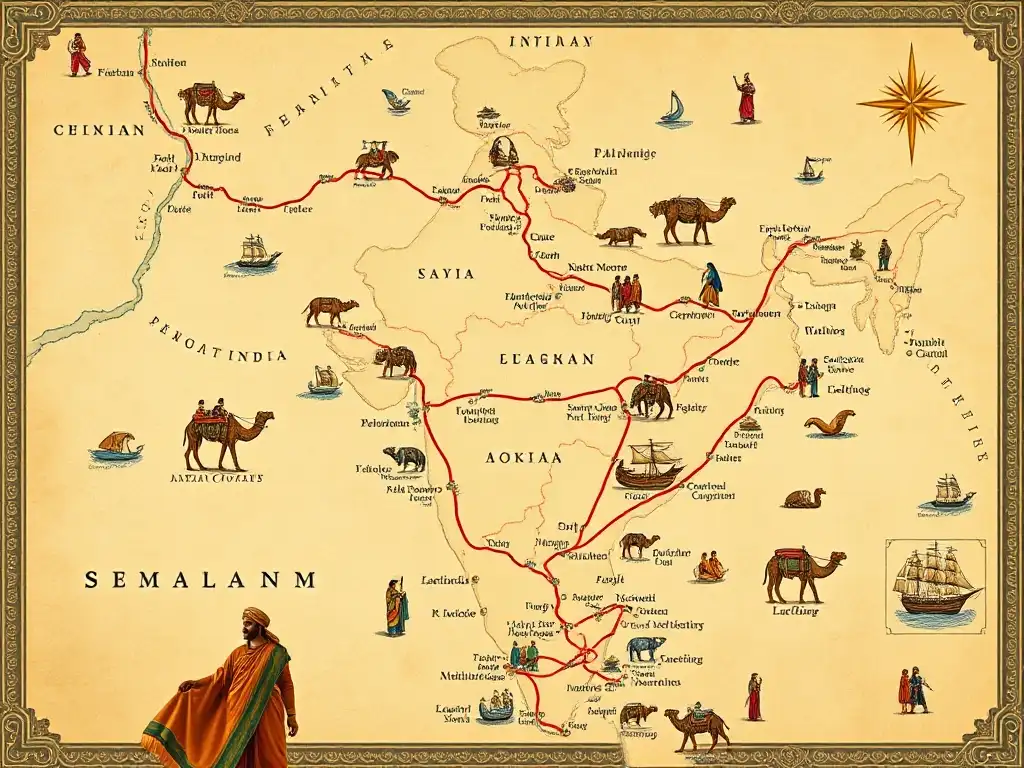
The ancient Indian textile trade history is intricately linked to a vast network of trade routes that facilitated the exchange of goods, ideas, and culture. Ancient India was well-connected through both land and sea routes, allowing for a thriving textile trade that reached far beyond its borders.
Land Routes
The land routes, primarily the Silk Road, played a crucial role in linking India to Central Asia and beyond. This network allowed merchants to transport textiles, particularly silk and cotton, to regions such as Persia, Arabia, and eventually Europe. Key caravanserais along these routes provided shelter and services to traders, enhancing the efficiency of the textile trade.
- Major Land Routes:
- Northwest Route: Connected India with the Persian Empire.
- Northeast Route: Linked India to Tibet and China.
- Southern Route: Provided access to Southeast Asia.
Sea Routes
The maritime trade routes, particularly through the Arabian Sea and the Bay of Bengal, also contributed significantly to the textile trade. Ports such as Lothal and Kolkata became bustling centers for the export of textiles to foreign lands.
- Key Maritime Trade Routes:
- Arabian Sea Trade: Facilitated trade with the Arabian Peninsula and East Africa.
- Bay of Bengal Trade: Linked India with Southeast Asian countries like Indonesia and Malaysia.
The combination of these land and sea routes allowed ancient Indian textiles to flourish, creating a tapestry of cultural exchange and economic prosperity.
Role of Major Cities as Trade Hubs
Ancient Indian cities were not just centers of population; they were vibrant trade hubs that played a pivotal role in the textile trade. These cities served as melting pots of culture, commerce, and innovation, shaping the economic landscape of ancient India.
Taxila: An Ancient Trading Center
Taxila, located at the crossroads of several trade routes, was a prominent trading center in ancient India. Its strategic position allowed it to become a vibrant hub for merchants from various regions, fostering a rich exchange of goods, especially textiles.
- Significance of Taxila:
- Cultural Exchange: Taxila attracted traders from Persia, Greece, and Central Asia, facilitating cultural and technological exchanges.
- Economic Prosperity: The city's markets were filled with a variety of textiles, including wool, silk, and cotton, drawing customers from far and wide.
- Educational Hub: Taxila was not only a trading center but also a seat of learning, contributing to the dissemination of knowledge related to textile production and trade.
Pataliputra: The Economic Heart of the Gupta Empire
Pataliputra, the capital of the Gupta Empire, was another key city that significantly influenced the textile trade in ancient India. It was a hub of political and economic activities, connecting various regions of the empire.
- Key Features of Pataliputra:
- Market Dynamics: The city had a bustling market where textiles from different regions were sold, showcasing the diversity and quality of Indian fabrics.
- Royal Patronage: The Gupta rulers promoted textile production, leading to advancements in techniques and designs, which enhanced the reputation of Indian textiles in foreign markets.
- Trade Relations: Pataliputra established trade relations with countries such as China and Rome, further embedding itself in the global textile trade network.
The cities of Taxila and Pataliputra served as vital nodes in the ancient India textile trade history, contributing to the economic and cultural vibrancy of the region. Through their strategic locations and active markets, these cities played an essential role in the flourishing textile industry of ancient India.
Economic Impact of Textile Trade
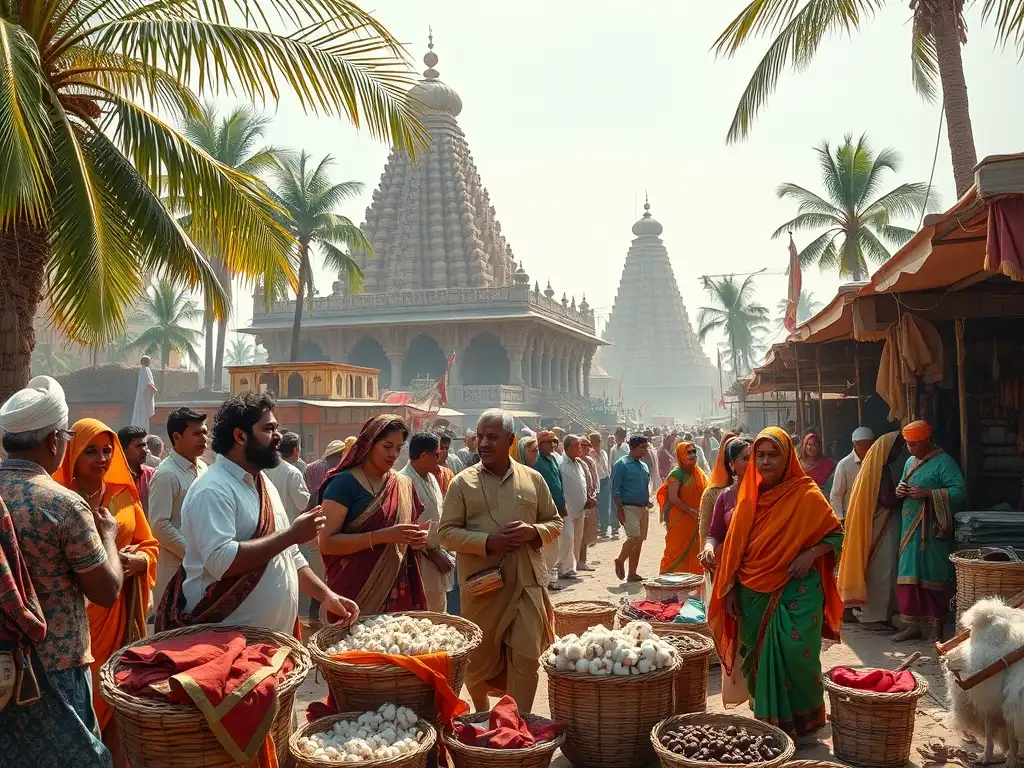
The textile trade in ancient India played a pivotal role in shaping the economy and stimulated growth across various sectors. The production and exchange of textiles not only generated significant revenue but also fostered intricate networks of trade that extended beyond the subcontinent. Understanding the economic impact of this trade reveals the foundational role textiles played in ancient Indian society.
Contribution to the Local and Regional Economies
The textile trade was a cornerstone of local economies in ancient India, particularly in regions renowned for their weaving and dyeing techniques. Cities like Varanasi, Kanchipuram, and Ahmedabad became vibrant trade hubs known for their unique fabrics and craftsmanship.
- Revenue Generation: The textile trade contributed massively to the local economies through taxes and trade tariffs. Merchants and weavers generated income that was reinvested into their communities, leading to improved infrastructure and services.
- Market Dynamics: Local markets thrived as demand for textiles surged, both domestically and internationally. The exchange of goods like spices, precious stones, and metals in return for textiles enriched regional economies and facilitated the growth of urban centers.
- Trade Routes: The establishment of trade routes, both overland (Silk Road) and maritime, was crucial. These routes allowed for a steady flow of textiles to regions such as the Middle East, Africa, and Southeast Asia, enhancing India's position in global trade networks.
Employment and Skilled Labor in Textile Production
The textile industry was a significant source of employment in ancient India, engaging a diverse workforce that included farmers, artisans, and traders.
- Artisans and Weavers: Skilled labor was essential in the production of textiles. Artisans specialized in tasks like spinning, weaving, and dyeing, often passing down their techniques through generations. The art of khadi, for example, became a symbol of local craftsmanship and self-sufficiency.
- Women in Textile Production: Women played a crucial role in the textile industry, both as weavers and in other ancillary roles. Their involvement not only empowered them economically but also emphasized the cultural significance of textiles in domestic life.
- Training and Guilds: Guilds, or shrenis, were established to regulate the production and trade of textiles. These guilds provided training to new artisans, ensuring the continuity of skills and techniques that were integral to maintaining quality and innovation in textile production.
The Role of Textile Trade in Cultural Exchange
Textile trade was not just an economic activity but also a medium of cultural exchange that enriched ancient Indian civilization.
- Cultural Interactions: The trade of textiles facilitated interactions between different cultures, leading to the exchange of ideas, traditions, and artistic influences. For instance, the introduction of Persian motifs into Indian fabrics through trade contributed to a rich tapestry of cultural fusion.
- Religious and Social Significance: Textiles often carried religious and social significance. Fabrics were used in rituals, ceremonies, and as symbols of status. The intricate designs and quality of textiles could signify wealth and power, influencing social hierarchies.
- Global Influence: The popularity of Indian textiles in foreign markets, such as Europe and the Middle East, led to a broader appreciation of Indian culture. The export of items like muslin and silk not only showcased India's craftsmanship but also established cultural ties with other civilizations.
The ancient India textile trade history reflects a multifaceted relationship between commerce and culture. The economic impact of this trade was profound, contributing to local economies, generating employment, and fostering cultural exchanges that shaped the historical narrative of India.
Challenges Faced in Textile Trade
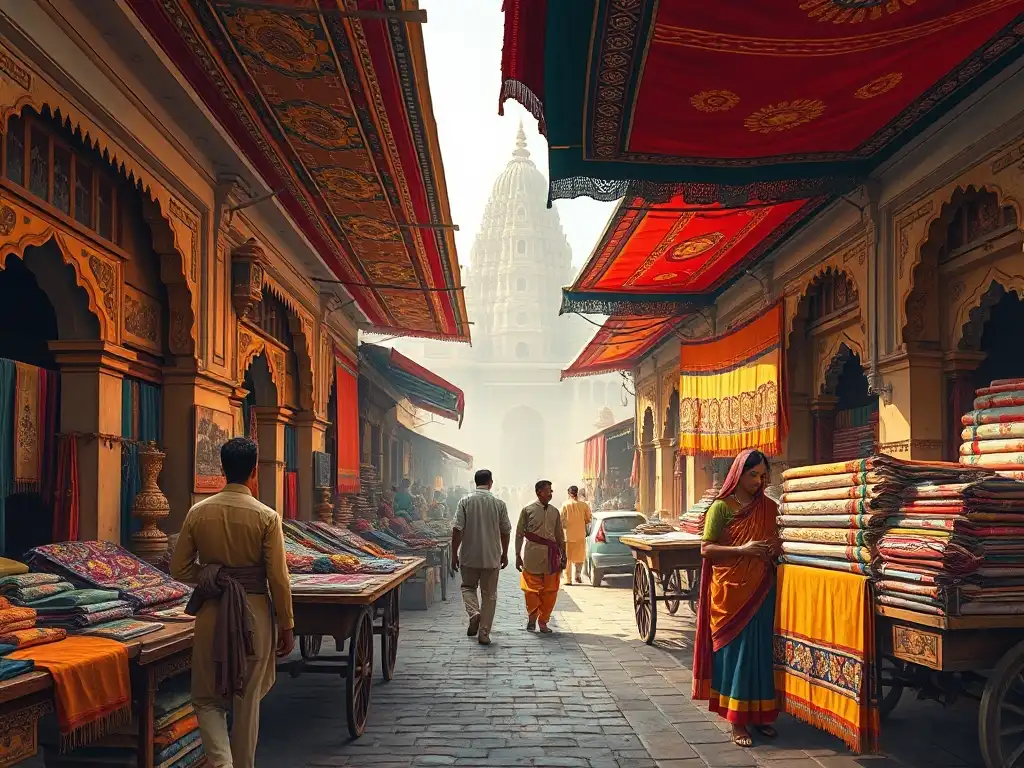
The textile trade in ancient India was not without its challenges, which significantly influenced the overall economy and the prosperity of textile industries. Understanding these obstacles provides insight into how ancient Indian civilizations navigated their economic landscapes and adapted to changing circumstances.
Natural Disasters and Their Effect on Trade
Natural disasters posed a significant threat to the textile trade in ancient India. The region was prone to a variety of environmental challenges, including floods, droughts, and earthquakes, which could disrupt production and transportation.
- Flooding: The monsoon season, while essential for agriculture, often led to severe flooding in river valleys. For instance, the Indus Valley civilization faced devastating floods that affected their settlements and trade routes. This not only damaged the infrastructure needed for textile production but also hindered the movement of goods to markets.
- Droughts: Conversely, prolonged droughts could lead to crop failures, drastically affecting the availability of raw materials such as cotton. The scarcity of cotton would directly impact the supply chain, forcing weavers to either halt production or rely on more expensive imported fibers.
- Earthquakes: Earthquakes contributed to the destruction of textile workshops and storage facilities. For example, archaeological evidence suggests that cities like Harappa experienced seismic activity, which likely disrupted the local economy and trade networks.
The combined effects of these natural disasters meant that textile traders and producers had to develop resilience strategies, such as diversifying their supply sources and establishing contingency plans for their operations.
Political Turmoil and Its Impact on Economic Practices
Political instability significantly affected the textile trade in ancient India. Changes in leadership, invasions, and internal conflicts created an unpredictable economic environment.
- Invasions: Various foreign invasions, such as those by the Persians and later the Greeks, led to shifts in trade dynamics. These invasions often disrupted existing trade routes and markets, forcing local producers to adapt to new political realities. For instance, the Alexander's invasion in the 4th century BCE altered trade patterns, as new routes were established while others became unsafe.
- Dynastic Changes: The rise and fall of dynasties also influenced economic practices. During periods of strong governance, such as under the Maurya or Gupta empires, the textile industry flourished due to state patronage and improved infrastructure. However, during times of weak leadership, local economies suffered, and trade could stagnate.
- Regulatory Challenges: Political entities often imposed taxes and tariffs on trade, which could burden textile merchants. The imposition of high tariffs could discourage trade with distant markets, limiting the potential for profit and growth within the textile sector.
Navigating the complexities of political change required textile traders to develop flexible business strategies, often forming alliances with local rulers to secure their interests.
Competition with Foreign Markets
The ancient Indian textile trade faced substantial competition from foreign markets, which posed a dual challenge and opportunity for growth.
- Innovative Techniques: Other civilizations, such as the Chinese and the Romans, developed their own textile industries, often producing high-quality fabrics that could compete with Indian products. The introduction of silk from China, for example, presented a luxury alternative that appealed to affluent consumers in trade hubs.
- Trade Rivalries: Trade rivalries emerged as merchants from different regions sought to dominate lucrative markets. Indian textiles faced competition from regions such as Persia and the Mediterranean, where distinctive styles and materials attracted buyers. For instance, the popularity of Persian carpets and textiles created a demand that sometimes overshadowed Indian products.
- Adaptation and Innovation: To combat this competition, Indian weavers often adapted their techniques and designs to appeal to foreign markets. Innovations in dyeing, weaving patterns, and fabric blends allowed them to maintain a competitive edge. For example, the introduction of indigo dyeing techniques gave Indian textiles a unique appeal, leading to increased exports.
While ancient India faced numerous challenges in its textile trade, including natural disasters, political turmoil, and competition from foreign markets, the resilience and adaptability of its textile industry played a crucial role in sustaining its economic vitality throughout history.
Legacy of Ancient India Textile Trade
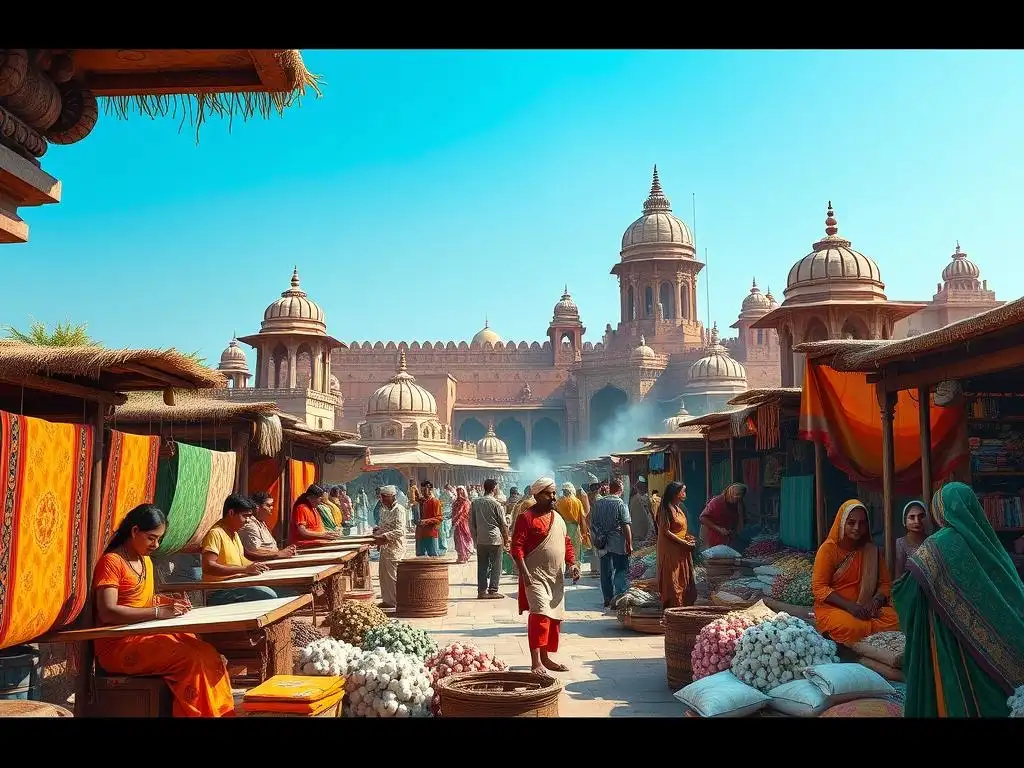
The textile trade in ancient India laid the foundation for a vibrant economy that not only thrived domestically but also made significant contributions to international commerce. From the Indus Valley Civilization, where evidence of cotton cultivation and weaving has been found, to the flourishing trade routes established during the Maurya and Gupta empires, textiles have been a vital part of India’s economic fabric. The skilled craftsmanship and diverse range of materials, including cotton, silk, and wool, created a rich tapestry that attracted traders from around the world.
Ancient Indian textiles were renowned for their quality and artistry, which is evident in historical texts and records. The trade of textiles was not merely a commercial activity; it also served as a cultural exchange that introduced various styles and techniques across borders. Indian textiles influenced fashion and textile production in regions such as the Middle East, Southeast Asia, and even as far as Europe, making it a pivotal part of ancient global trade networks.
Influence on Modern Indian Textile Industry
The legacy of ancient India’s textile trade is profoundly felt in today’s textile industry. Many traditional practices, designs, and materials have been preserved and continue to influence modern production. The following are key aspects of this influence:
- Sustainable Practices: Ancient Indian textiles often employed natural dyes and sustainable materials, a practice that modern manufacturers are increasingly adopting in response to environmental concerns.
- Artisan Techniques: Techniques such as hand-weaving, block printing, and embroidery, which flourished during ancient times, are still prevalent today. Artisans continue to pass down these skills through generations, ensuring the preservation of unique regional styles, such as Madhubani and Bandhani.
- Global Market Presence: Just as ancient Indian textiles were exported to various parts of the world, modern Indian textiles also enjoy global recognition. Brands often highlight the heritage and craftsmanship behind their products, appealing to consumers looking for authenticity and quality.
- Cultural Symbolism: Textiles produced in ancient India often carried cultural significance, reflected in motifs and patterns. Today, this symbolic representation continues to influence fashion designs and textile collections, reinforcing a sense of identity.
Preservation of Traditional Techniques in Contemporary Practices
The preservation of traditional textile techniques is essential for maintaining the cultural heritage of India. Various organizations and initiatives are working to ensure that these age-old methods do not fade away. Here are some significant aspects regarding this preservation:
- Educational Programs: Institutions and NGOs are setting up training programs for artisans to learn traditional techniques, ensuring that knowledge is passed down to younger generations. This not only helps preserve the craft but also empowers local communities economically.
- Government Support: The Indian government has implemented various schemes to promote traditional crafts, including financial assistance and marketing support for artisans. This initiative helps in revitalizing the textile sector and encourages the production of handloom and handicraft textiles.
- Fusion of Old and New: Designers today are blending traditional techniques with modern aesthetics, creating contemporary pieces that appeal to a global audience. This fusion helps keep traditional crafts relevant while providing artisans with new market opportunities.
- Awareness Campaigns: Social media and campaigns promoting ‘Make in India’ and ‘Handmade in India’ are raising awareness about the value of traditional textiles. Such initiatives encourage consumers to choose handmade products, fostering a greater appreciation for the craftsmanship involved.
The ancient India textile trade history not only shaped the economic landscape of its time but also continues to be a vital part of India's cultural identity and economic practices today. Through the preservation and promotion of traditional techniques, the rich heritage of Indian textiles is celebrated and sustained for future generations.
Conclusion: The Enduring Significance of Ancient India Textile Trade History
Summary of Key Points
The textile trade in ancient India was a multifaceted economic practice that played a crucial role in shaping the region's trade dynamics and cultural exchanges. Key points to consider include:
- Diverse Textiles: Ancient India was renowned for its production of various textiles, including cotton, silk, and wool. Each region specialized in different types of fabric, reflecting local resources and craftsmanship.
- Trade Routes: The establishment of extensive trade networks, such as the Silk Road and maritime routes, facilitated the exchange of textiles not only within India but also with distant lands, including Persia, Rome, and Southeast Asia.
- Cultural Exchange: The textile trade was not merely an economic activity; it also served as a conduit for cultural exchange. Artistic influences, techniques, and traditions spread through trade interactions, enriching the cultural tapestry of ancient societies.
- Economic Impact: The textile industry significantly contributed to the economy of ancient India. It created job opportunities, stimulated local economies, and attracted foreign merchants, leading to the growth of urban centers.
- Legacy: The techniques and practices developed during this period laid the foundation for India's continued prominence in the global textile market, influencing modern textile production and trade systems.
Reflection on the Cultural and Economic Heritage of Ancient India
The ancient textile trade history of India reflects a profound blend of cultural richness and economic sophistication. The skills and artistry of Indian weavers and artisans were not only utilitarian but also deeply embedded in the social and cultural identities of various communities.
As we look back on this heritage, it is essential to understand how the practices of ancient Indian civilizations have shaped contemporary textile industries. Techniques such as dyeing, weaving, and embroidery, which were perfected over centuries, continue to resonate in modern craftsmanship.
Moreover, the trade networks established during ancient times exemplify the interconnectedness of civilizations. The exchange of textiles was instrumental in fostering relationships among diverse cultures, promoting peace, and enhancing mutual understanding among traders and communities.
The study of ancient India textile trade history is not just about fabrics; it is a reflection of the intricate web of economic practices, cultural exchanges, and historical narratives that have shaped the identity of a civilization. As we celebrate this legacy, we recognize its lasting impact on both regional and global scales, underscoring the importance of preserving and promoting this rich heritage.
Frequently Asked Questions
What was the significance of textiles in ancient India?
Textiles were a crucial component of the economy, driving trade and cultural exchange. They not only provided employment but also showcased the artistry and craftsmanship of ancient Indian civilizations.
How did the textile trade influence ancient Indian society?
The textile trade fostered social interactions and cultural exchanges with other regions. It contributed to the wealth of cities and led to the development of trade routes, enhancing connectivity.
What regions were known for textile production in ancient India?
Ancient India saw notable textile production in regions such as Gujarat, Tamil Nadu, and West Bengal. Each area had its distinct styles and materials, contributing to the diversity of Indian textiles.
How did ancient Indian textiles reach global markets?
The textile trade routes extended to various parts of the world, including Southeast Asia and the Middle East. Goods were transported via land and sea, leading to widespread international trade.
What materials were commonly used in ancient Indian textiles?
Ancient Indian textiles were made from a variety of materials, with cotton, silk, and wool being the most prominent. These materials were often dyed and woven using intricate techniques, reflecting the cultural heritage of the time.
Final Reflection: Weaving the Threads of History into Our Present
The ancient textile trade of India is not merely a relic of the past; it is a vibrant tapestry that continues to shape our modern economy and cultural identity. As we delve into the intricate history of this trade, we uncover the profound impact it has had on global commerce and cultural exchanges. The legacy of ancient Indian textiles serves as a powerful reminder of how craftsmanship and trade can transcend borders, creating connections that endure through time.
The influence of ancient India's textile trade is still palpable today, as it has laid the groundwork for contemporary fashion and textile industries worldwide. This rich heritage not only highlights the ingenuity of our ancestors but also emphasizes the importance of preserving traditional crafts in a rapidly changing world. As we reflect on this enduring legacy, we are reminded of the words of Mahatma Gandhi: The best way to find yourself is to lose yourself in the service of others.
This sentiment resonates deeply, as it calls us to honor the artisans and communities that have sustained this craft through generations.
As we move forward, let us take a moment to reflect on how the lessons from ancient India’s textile trade can inspire our actions today. Consider how you can support local artisans, embrace sustainable practices, and celebrate the rich cultural narratives woven into the fabrics we wear. By doing so, we not only pay homage to our past but also contribute to a future where tradition and innovation coexist harmoniously. Embrace the opportunity to weave your own story into the fabric of history, ensuring that the legacy of ancient Indian textiles continues to thrive for generations to come.
Uncover the Threads of India’s Textile Legacy!
Thank you for taking the time to explore the fascinating world of ancient India’s textiles! Your interest not only deepens your understanding of this rich history but also connects you to a vibrant cultural heritage. Now, it’s time to take your newfound knowledge further and make an impact.
Here are a few ways you can delve deeper into the stories woven into India's textile economy:
- Visit a local museum or cultural center that features exhibits on ancient textiles. Discover firsthand the artistry and craftsmanship behind this historical narrative.
- Share this article with friends or on social media to spark conversations about India's rich textile traditions and their influence in the modern world.
- Join a community group or forum focused on textile arts to engage, learn, and contribute to the ongoing discourse surrounding the history of fabric.
What aspect of India’s textile trade surprises you the most, and how do you think it shapes our understanding of modern trade practices?