
The Mystique of Ancient Indian Textiles: A Heritage Tour of Craftsmanship

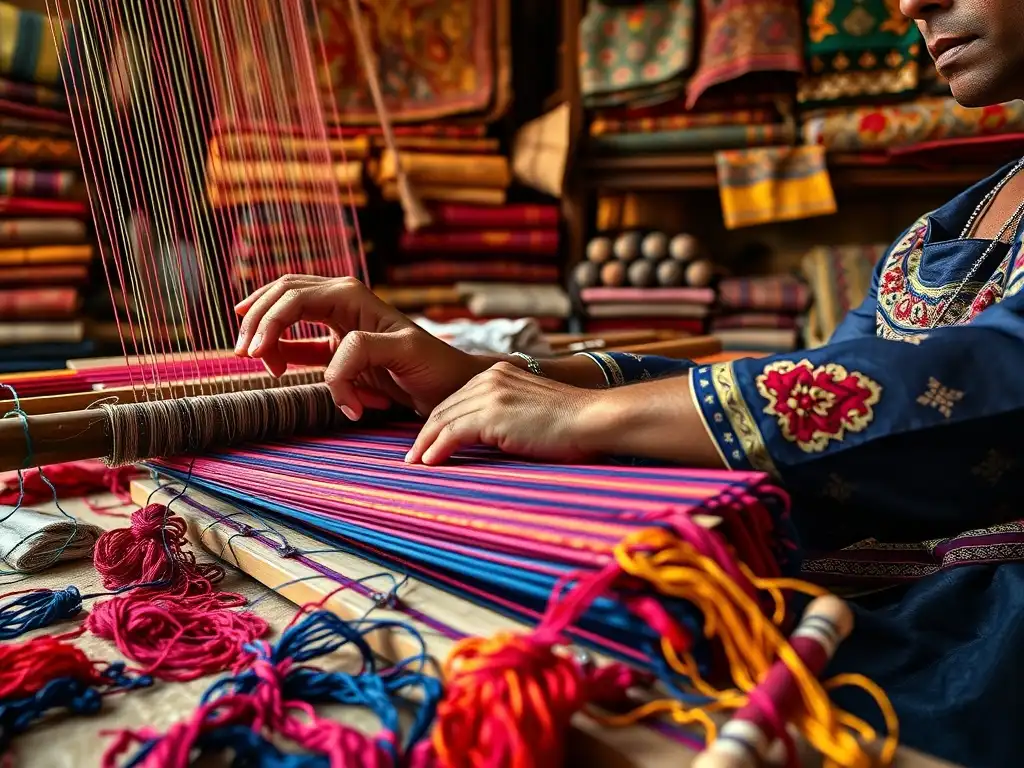
Welcome to Ancient India History, where we invite you on a journey through time to uncover the rich tapestry of ancient Indian civilizations. In this captivating exploration, we delve into the allure of Ancient Indian textile craftsmanship, a remarkable art form that not only reflects the intricate skills of our ancestors but also narrates tales of culture, trade, and innovation. Join us as we unravel the mystique surrounding these luxurious textiles, and discover how they shaped the social and economic landscapes of their time. Prepare to be inspired and intrigued—your adventure into the vibrant history of India begins here!
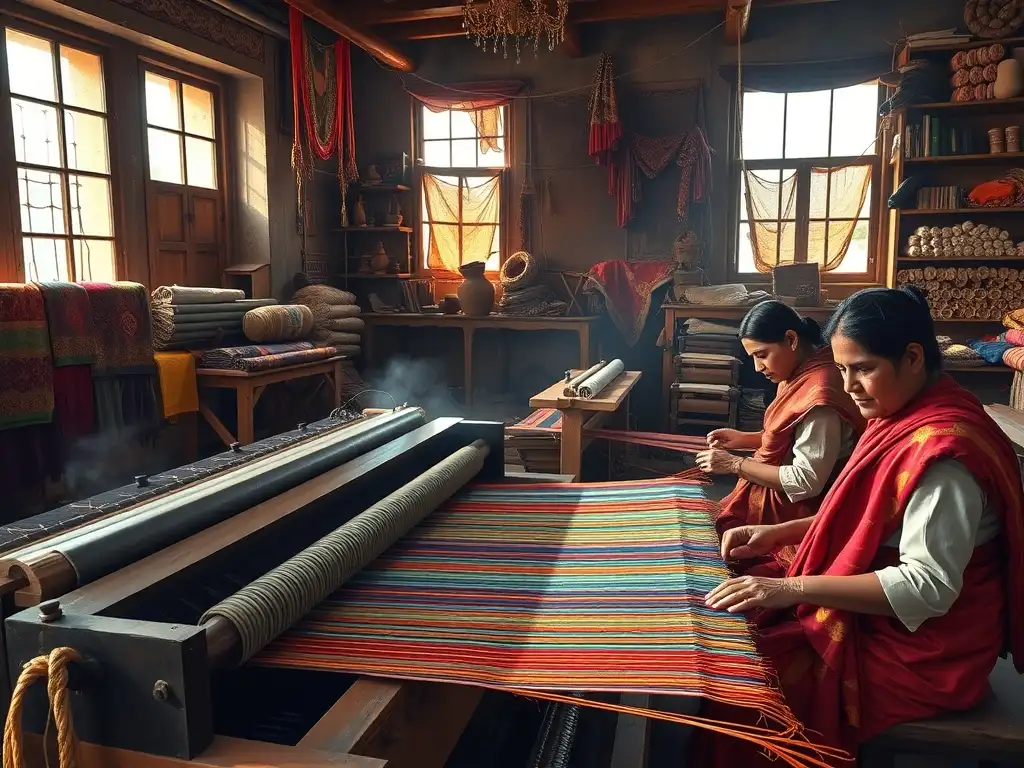
Exploring the rich tapestry of ancient Indian textiles offers a fascinating glimpse into a world where craftsmanship intertwined with culture, tradition, and artistry. Ancient Indian textile craftsmanship is not just a form of artistry; it is a legacy that reflects the socio-economic, religious, and cultural nuances of its time.
From the intricate patterns of woven fabrics to the vibrant dyes derived from natural sources, the textiles of ancient India tell stories of innovation and mastery that have transcended generations. This article seeks to embark on a heritage tour that showcases the significance of these textiles, the historical context in which they flourished, and the key regions that became renowned for their textile artistry.
Introduction to Ancient Indian Textile Craftsmanship
The art of textile craftsmanship in ancient India is a testament to the ingenuity and creativity of its artisans. From the Indus Valley civilization, where evidence of early weaving techniques has been found, to the sophisticated textiles of the Gupta Empire, the evolution of textile arts reflects the technological advancements and aesthetic sensibilities of the time. These textiles served not only practical purposes but also held cultural significance, often used in religious ceremonies, royal attire, and everyday life.
- Techniques and Materials:
- Weaving: Techniques varied from simple handlooms to intricate jacquard weaves.
- Dyeing: Natural dyes from plants, minerals, and insects were widely used, producing vibrant colors.
- Embroidery: Various regions developed unique styles, often featuring elaborate motifs and patterns.
- Cultural Significance:
- Textiles played a role in social hierarchy, with certain fabrics reserved for royalty and the elite.
- They were often linked to rituals and traditions, with specific colors and patterns symbolizing different meanings.
Historical Context of Textile Craftsmanship in Ancient India
The roots of textile craftsmanship in ancient India can be traced back thousands of years. The discovery of spinning wheels and loom remnants in archaeological sites indicates that the art of fabric-making was well established by the time of the Indus Valley civilization (c. 3300–1300 BCE).
- Trade and Influence:
- Ancient Indian textiles were highly sought after in global markets, leading to extensive trade networks that connected India with regions such as Mesopotamia, Egypt, and beyond.
- The exchange of textiles facilitated cultural interactions, influencing designs and techniques across borders.
- Patronage and Evolution:
- Various dynasties, including the Mauryas and Guptas, promoted textile arts, resulting in advancements in techniques and styles.
- The establishment of guilds played a crucial role in preserving and passing down skills through generations.
Key Regions Known for Ancient Indian Textile Craftsmanship
Several regions in ancient India became synonymous with textile craftsmanship, each developing unique styles and techniques that are still celebrated today.
- Gujarat:
- Known for its bandhani (tie-dye) and Patola (double ikat) textiles.
- The region's textiles often feature intricate designs that reflect a rich cultural heritage.
- Tamil Nadu:
- Renowned for Kanchipuram silk sarees, characterized by their vibrant colors and rich patterns.
- The weaving techniques here have been perfected over centuries, showcasing the craftsmanship of local artisans.
- West Bengal:
- Famous for its Baluchari and Kantha stitches, which tell stories through embroidery.
- The region’s textiles often incorporate traditional motifs and themes from mythology.
- Punjab:
- Known for phulkari embroidery, which adorns shawls and dupattas with floral patterns.
- This craft has deep cultural roots and is often associated with the region's festivals and celebrations.
- Rajasthan:
- Celebrated for its block printing and mirror work, which add a distinctive flair to textiles.
- The use of vibrant colors and intricate designs captures the essence of Rajasthani culture.
By delving into these regions, one can appreciate the diversity and richness of ancient Indian textile craftsmanship, which continues to inspire modern fashion and artistry.
The Techniques Behind Ancient Indian Textiles
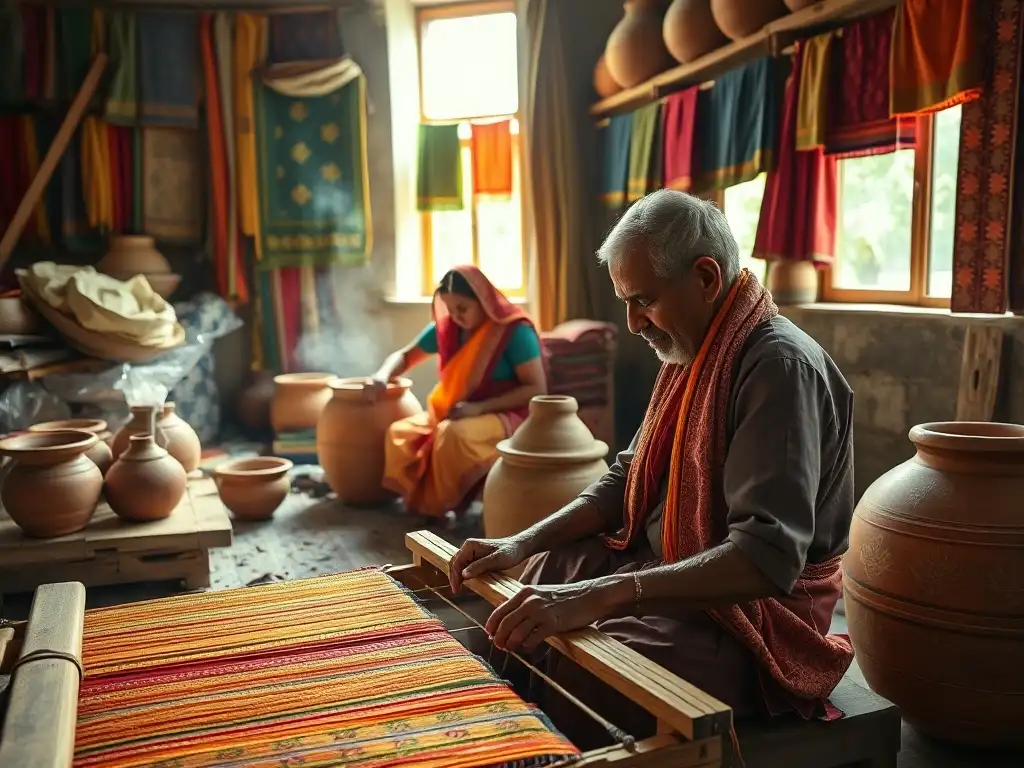
Ancient Indian textile craftsmanship is characterized by a diverse range of techniques that have evolved over millennia, reflecting the ingenuity and creativity of artisans. Key methods include:
- Weaving: This foundational technique involves interlacing threads on a loom to create fabric. Ancient Indian weavers used handlooms, producing intricate patterns and textures, such as the famous brocade of Banaras, known for its luxurious gold and silver thread.
- Dyeing: A vital step in textile production, ancient dyers employed natural dyes derived from plants, minerals, and insects. For example, the indigo plant was widely used to create deep blue shades, while turmeric provided vibrant yellows. These dyes not only imparted color but also contributed to the fabric's aesthetic appeal and cultural significance.
- Embroidery: Decorative stitching techniques added richness to textiles. Styles like Zardozi, which involves intricate gold thread work, and Kantha, a patchwork technique from Bengal, showcased the skill of artisans and often told stories through their designs.
- Printing: Block printing emerged as a popular method, particularly in regions like Rajasthan and Gujarat. Artisans carved intricate designs into wooden blocks, which were then stamped onto fabric, creating stunning patterns that are still celebrated today.
These techniques not only highlight the craftsmanship involved but also the deep connection between textiles and cultural identity in ancient India.
Famous Ancient Indian Textiles and Their Stories
Throughout history, certain textiles from ancient India have become emblematic of the country's rich heritage, each with its own captivating story:
- Kanchipuram Silk: Originating from Tamil Nadu, Kanchipuram silk sarees are crafted using a unique weaving technique that incorporates vibrant colors and intricate designs. Historically worn by royal families, these sarees symbolize elegance and status, often featuring motifs inspired by temple architecture.
- Ikat: This resist-dyeing technique, prevalent in regions like Odisha and Gujarat, involves dyeing the threads before weaving. The result is a striking blurred pattern that tells the story of the artisan's meticulous process. Ikat textiles were traditionally used for clothing and home decor, and they continue to be cherished today.
- Chamba Rumal: Known for its exquisite embroidery, Chamba Rumals are hand-stitched textiles from Himachal Pradesh that depict mythological scenes and folklore. These textiles were historically gifted during weddings and significant celebrations, representing cultural heritage and craftsmanship.
- Banarasi Brocade: Hailing from Varanasi, this luxurious fabric is renowned for its intricate gold and silver brocade work. Traditionally made for special occasions, Banarasi sarees are often associated with weddings and festivals, embodying the opulence of ancient Indian textiles.
Each of these textiles not only serves as a functional item but also narrates the tales of the people, culture, and history of ancient India.
The Role of Ancient Indian Textile Craftsmanship in Modern Luxury Travel
Ancient Indian textile craftsmanship plays a pivotal role in shaping the experiences offered in modern luxury travel. As travelers seek authentic cultural experiences, textile craftsmanship provides a unique lens through which to explore India's rich heritage. This includes:
- Artisan Workshops: Luxury travel itineraries often incorporate visits to traditional workshops where travelers can witness the intricate processes of weaving, dyeing, and embroidery first-hand. Such experiences foster a deeper appreciation of the skills and time invested in creating each piece.
- Cultural Immersion: By engaging with local artisans, travelers gain insights into the historical significance of textiles in Indian culture. This immersion allows for a connection to local traditions, making the journey more meaningful and enriching.
- Sustainable Luxury: The rise of conscious travel has led to an increased demand for sustainable and ethically sourced textiles. Many luxury brands collaborate with artisans to create exclusive collections that honor traditional craftsmanship while promoting fair trade practices.
- Souvenirs and Heritage: Luxurious handcrafted textiles serve as cherished mementos of travels in India. Whether it's a handwoven saree or a beautifully embroidered piece, these textiles encapsulate the spirit of the region and connect travelers to the rich history of ancient Indian craftsmanship.
Ancient Indian textile craftsmanship not only enriches the narrative of luxury travel but also preserves the cultural heritage that continues to inspire artisans and travelers alike.
Challenges Faced by Ancient Textile Craftsmen Today
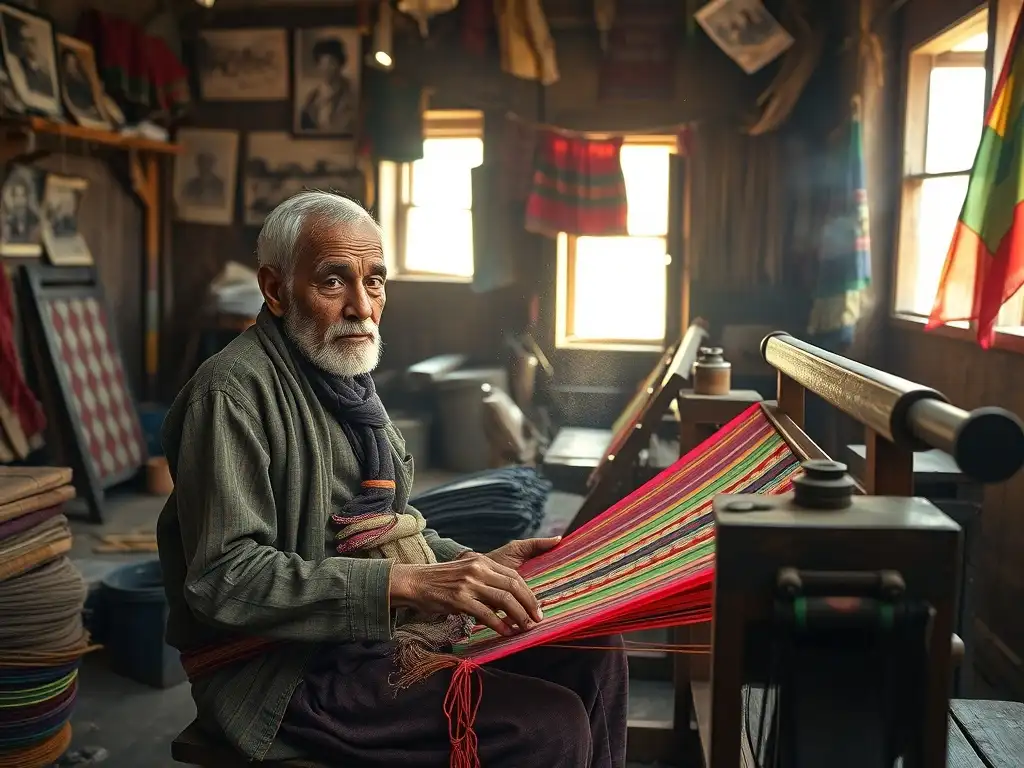
Ancient Indian textile craftsmanship is a venerable art form that has been passed down through generations, yet it faces numerous challenges in the contemporary landscape. One of the primary hurdles is the increasing industrialization and mass production of textiles that undermine the traditional methods. Large-scale manufacturers often prioritize efficiency and profit, leading to a decline in the demand for handcrafted textiles. This shift poses a significant threat to artisans who rely on their skills and cultural heritage for their livelihood.
Another challenge is the lack of awareness and appreciation for traditional crafts among younger generations. Many artisans find it difficult to engage the youth in these age-old techniques, as the allure of modern occupations often overshadows the rich cultural significance of textile craftsmanship. As a result, the transmission of knowledge and skills is at risk, potentially leading to the loss of unique regional styles and practices.
Additionally, artisans often struggle with access to markets and fair pricing for their products. Many craftsmen operate in remote villages, making it difficult to reach broader audiences who appreciate and value their work. Without adequate support from governmental and non-governmental organizations, these artisans face economic instability that threatens their craft.
The preservation of ancient Indian textile craftsmanship is hindered by industrial competition, generational disinterest, and economic challenges. Addressing these issues is crucial to sustaining this vital aspect of India's cultural heritage.
Conclusion: The Future of Ancient Indian Textile Craftsmanship
The future of ancient Indian textile craftsmanship holds both promise and potential pitfalls. As global interest in sustainable and ethically produced goods grows, there is an opportunity for traditional textile artisans to reclaim their place in the market. By emphasizing the unique qualities of handcrafted textiles—such as their cultural significance, intricate techniques, and environmental benefits—artisans can attract consumers who value authenticity and sustainability.
Furthermore, initiatives aimed at reviving traditional crafts and promoting artisans through exhibitions, fairs, and online platforms can significantly enhance their visibility. Collaborations with designers and fashion houses can also bridge the gap between traditional craftsmanship and modern aesthetics, fostering innovation while respecting heritage.
However, for this revitalization to be effective, there must be a concerted effort from all stakeholders—government agencies, NGOs, and the private sector—to provide financial support, training, and resources for these craftsmen. Education about the importance of cultural preservation can help cultivate a new generation of artisans and patrons who appreciate the significance of ancient Indian textile craftsmanship.
Ultimately, the future of this rich artistic tradition depends on a collective commitment to preserving its legacy while adapting to contemporary challenges, ensuring that these skills are not only maintained but also celebrated.
Call to Action: Exploring Ancient Indian Textiles
Are you ready to immerse yourself in the vibrant world of ancient Indian textiles? Join us on a heritage tour that takes you through the heart of India's textile regions, where you can witness first-hand the intricate craftsmanship and dedication of skilled artisans.
- Visit Craft Villages: Experience the charm of local villages where traditional weaving, dyeing, and embroidery techniques are still practiced.
- Participate in Workshops: Engage in hands-on workshops led by master artisans, where you can learn about the methods and materials that define ancient textile craftsmanship.
- Support Local Artisans: By purchasing handcrafted textiles, you not only bring home a piece of history but also contribute to the livelihood of these talented craftsmen.
Don’t miss the opportunity to explore this enchanting aspect of ancient Indian heritage. Whether you are a textile enthusiast or a curious traveler, ancient Indian textiles offer a rich tapestry of culture, history, and artistry waiting to be discovered. Book your tour today and be part of preserving this timeless craft!
- Introduction to Ancient Indian Textile Craftsmanship
- Historical Context of Textile Craftsmanship in Ancient India
- Key Regions Known for Ancient Indian Textile Craftsmanship
- The Techniques Behind Ancient Indian Textiles
- Famous Ancient Indian Textiles and Their Stories
- The Role of Ancient Indian Textile Craftsmanship in Modern Luxury Travel
- Challenges Faced by Ancient Textile Craftsmen Today
- Conclusion: The Future of Ancient Indian Textile Craftsmanship
- Call to Action: Exploring Ancient Indian Textiles
- What is the significance of ancient Indian textile craftsmanship?
- What materials were commonly used in ancient Indian textiles?
- How did the Indus Valley Civilization influence textile production?
- What are some notable textile techniques from ancient India?
- How did the Gupta Empire contribute to the textile industry?
Frequently Asked Questions
What is the significance of ancient Indian textile craftsmanship?
Ancient Indian textile craftsmanship is significant for its diverse techniques and rich cultural heritage, showcasing the artistry and skills that have been passed down through generations.
What materials were commonly used in ancient Indian textiles?
Ancient Indian textiles were primarily made from cotton, silk, and wool, often dyed with natural colors derived from plants and minerals, reflecting the environment and culture of the time.
How did the Indus Valley Civilization influence textile production?
The Indus Valley Civilization was known for its advanced weaving techniques and use of cotton, establishing a foundation for the textile industry that would flourish in later Indian civilizations.
What are some notable textile techniques from ancient India?
Some notable textile techniques include block printing, embroidery, and tie-dye, each with unique regional styles that highlight the diversity of Indian craftsmanship.
How did the Gupta Empire contribute to the textile industry?
During the Gupta Empire, there was a significant advancement in textile production, with the introduction of new patterns and techniques, which helped elevate Indian textiles to international renown.
Final Reflection: The Enduring Legacy of Ancient Indian Textile Craftsmanship
The mystique of ancient Indian textile craftsmanship is not just a relic of the past; it is a vibrant thread woven into the fabric of contemporary culture. As we explore the intricate designs, techniques, and stories behind these textiles, we uncover a rich heritage that continues to inspire and influence modern fashion and art. The beauty and complexity of these crafts remind us that they are not merely products but embodiments of history, culture, and identity that resonate with today's global society.
The influence of ancient Indian textile craftsmanship extends far beyond its aesthetic appeal; it serves as a testament to the ingenuity and resilience of artisans throughout the ages. Today, these crafts are being revived and celebrated, fostering a renewed appreciation for traditional skills in an era dominated by mass production.
As Mahatma Gandhi once said, “The best way to find yourself is to lose yourself in the service of others.” This sentiment echoes in the efforts of contemporary artisans who strive to keep these ancient techniques alive, ensuring that the stories and values embedded in these textiles are passed on to future generations.
As you reflect on the significance of ancient Indian textile craftsmanship, consider how you can engage with and support this heritage in your own life. Whether through purchasing handmade textiles, learning about their history, or sharing their stories, you have the power to contribute to the preservation of this remarkable legacy. Let us embrace the lessons of craftsmanship, creativity, and cultural pride that these textiles offer, and carry them forward into a future where tradition and innovation coexist harmoniously.
Unveil the Timeless Craftsmanship of Ancient Textiles!
Thank you for joining us on this fascinating journey through the world of ancient Indian textiles! We hope you discovered the exquisite craftsmanship and rich heritage they embody. Now, it’s time to take your appreciation further and engage with this vibrant art form.
Here’s how you can continue exploring and celebrating this incredible legacy:
- Dive into a local textile workshop: Experience the art of weaving or dyeing firsthand, and connect with skilled artisans who keep these traditions alive.
- Share your newfound knowledge: Tell your friends and family about the beauty of ancient Indian textiles by sharing this article or posting on social media.
- Visit a museum or exhibition: Explore collections that showcase ancient textiles, deepening your understanding of their historical significance.
What do you find most striking about ancient Indian textiles, and how does it enhance your appreciation of culture and heritage?