
The Mahabharata: A Window into Ancient Indian Warfare and Tactics

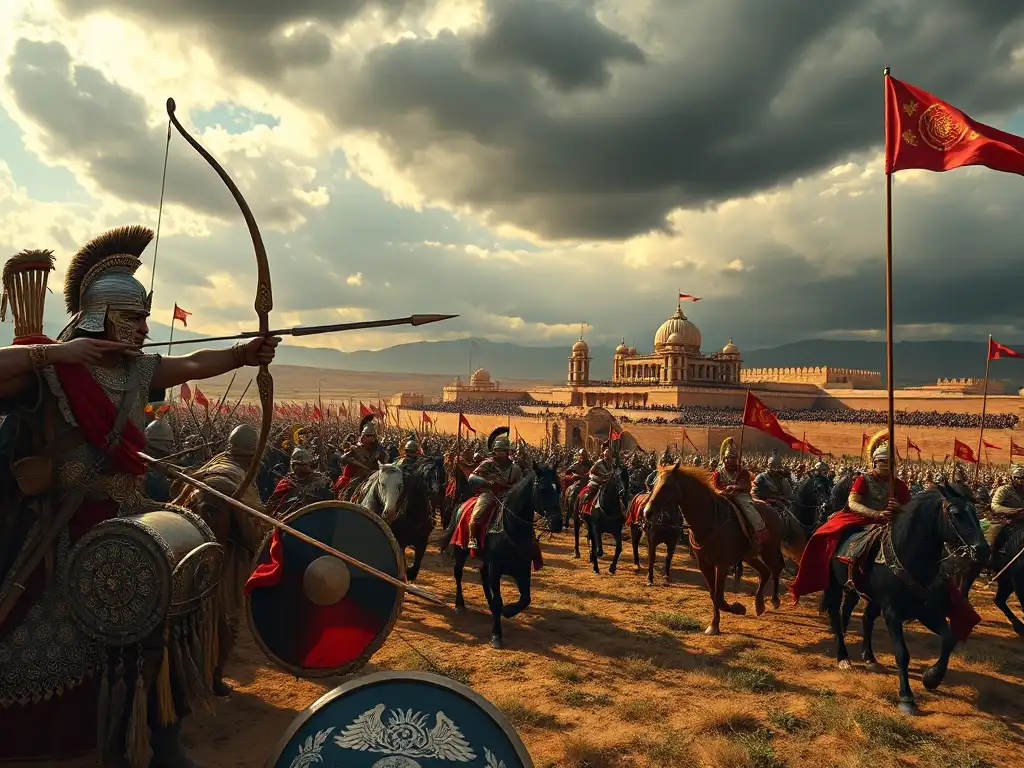
Welcome to Ancient India History, where we embark on a fascinating journey through time to uncover the rich tapestry of ancient Indian civilizations. Dive deep into our latest article, “The Mahabharata: A Window into Ancient Indian Warfare and Tactics,” and discover how the epic not only narrates legendary tales but also serves as a profound insight into the ancient Indian warfare strategies that shaped the course of history.
Prepare to be captivated as we unravel the intricate tactics and philosophies that defined battles of yore, inviting you to explore a world where valor and strategy coalesce. Your adventure into the past begins here—are you ready to uncover the secrets of ancient warfare?
Introduction to the Mahabharata
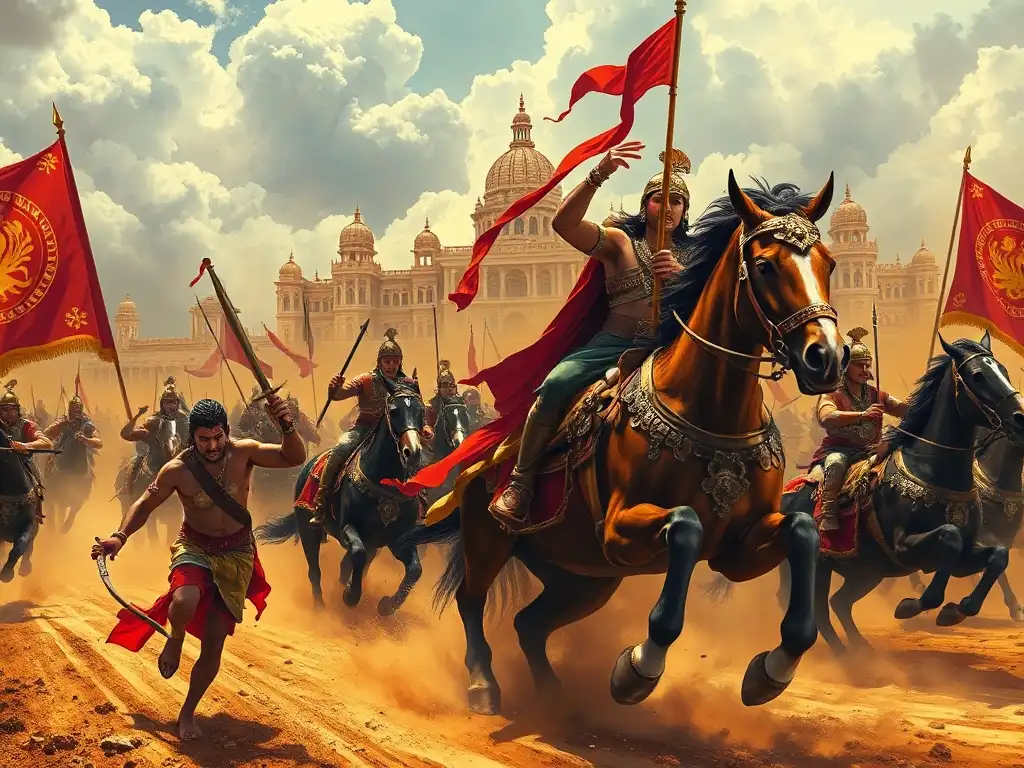
The Mahabharata, one of the longest epic poems in the world, serves as a monumental narrative that encapsulates the complexities of ancient Indian warfare, culture, and philosophy. Composed around 400 BCE to 400 CE, this epic not only recounts the legendary Kurukshetra War between the Pandavas and Kauravas but also offers profound insights into the martial techniques and strategies of ancient Indian civilization. Through its rich tapestry of characters and events, the Mahabharata reveals the intricate relationship between warfare and society, making it an invaluable resource for understanding ancient Indian warfare strategies.
Overview of the Epic
The Mahabharata is traditionally attributed to the sage Vyasa and spans approximately 100,000 shlokas or over 200,000 individual verse lines, organized into 18 books. Central to the epic is the narrative of the Pandavas and Kauravas, two branches of a royal family, whose rivalry culminates in a devastating war. This epic is not merely a story of conflict; it encompasses a wealth of philosophical discourses, moral dilemmas, and the duties of warriors and kings.
Significance in Ancient Indian Culture
The Mahabharata holds a pivotal place in ancient Indian culture, serving as a crucial text for understanding the values, ethics, and social structures of the time. It reflects the dharma (duty/righteousness) that governed the lives of individuals and communities, emphasizing the importance of moral conduct even in the face of war. The teachings of the Bhagavad Gita, a part of the Mahabharata, further enhance its significance, providing philosophical guidance on the nature of duty, righteousness, and the moral complexities involved in warfare.
The Role of Warfare in the Narrative
Warfare is not merely a backdrop in the Mahabharata; it is central to the plot and character development. The epic meticulously details various battles, strategies, and the consequences of war, illustrating how warfare shapes destinies and alters the course of history. Through vivid descriptions of battles and the decisions made by key characters, readers gain insights into the tactics and strategies employed, making the Mahabharata a crucial text for studying ancient Indian warfare.
Ancient Indian Warfare Strategies in the Mahabharata
The Mahabharata serves as a rich source for exploring ancient Indian warfare strategies, illustrating how military tactics were interwoven with philosophical and ethical considerations. As we delve deeper, we uncover key concepts that defined warfare in ancient India and how these were manifested in the epic's narrative.
Key Concepts of Warfare in Ancient India
Ancient Indian warfare strategies were characterized by a combination of tactical ingenuity, psychological warfare, and adherence to dharma. Key concepts include:
- Chakra: The circular formation of troops, allowing for flexibility and rapid response.
- Kautilya's Arthashastra: Strategic principles derived from this ancient treatise on statecraft and military strategy, emphasizing espionage, alliances, and deception.
- Use of Elephants and Chariots: The incorporation of elephants and chariots in warfare, showcasing both brute strength and mobility.
These concepts highlight the sophistication of ancient Indian military strategies and their philosophical underpinnings.
Analysis of Warfare Tactics Depicted in the Mahabharata
The Mahabharata meticulously describes several significant battles, showcasing a variety of tactics employed by both sides. Noteworthy examples include:
- Bhagavad Gita’s Strategic Counsel: Krishna's guidance to Arjuna on the battlefield underscores the importance of moral clarity in warfare.
- Dronacharya’s Military Formations: The use of intricate battle formations, such as the "Makara Dandaka," illustrates the tactical acumen of ancient Indian commanders.
- Psychological Warfare: Instances of deception and surprise attacks, such as the night raids led by the Pandavas, reveal the cunning aspects of ancient warfare.
Through these analyses, the Mahabharata not only recounts a tale of war but also serves as an educational tool for understanding the complexities and strategies of ancient Indian warfare.
In exploring the Mahabharata, we uncover a profound legacy that not only informs us about ancient Indian warfare strategies but also offers timeless lessons on duty, ethics, and the human condition.
Major Battles in the Mahabharata
The Mahabharata is not only a monumental literary work but also a detailed chronicle of ancient Indian warfare strategies, showcasing various battles that highlight the complexities of combat and the moral dilemmas faced by warriors. The epic is replete with discussions on tactics, formations, and the psychological aspects of warfare.
The Kurukshetra War: A Closer Look
The Kurukshetra War stands as the central conflict of the Mahabharata, pitting the Pandavas against the Kauravas in a battle that lasted for 18 days. This war is a profound exploration of ancient Indian warfare strategies, featuring a multitude of tactics, including the use of chariots, infantry, and elephants. The battle was marked by significant events such as:
- Formation Strategies: Various formations like the Chakravyuha and Padmavyuha were employed, showcasing advanced tactical thinking.
- Key Warriors: Prominent figures such as Arjuna, Bhishma, and Drona displayed exceptional skills, each contributing to the dynamic nature of the conflict.
- Divine Interventions: The involvement of divine beings, particularly Krishna, introduced a metaphysical dimension to the warfare, influencing both the strategies and the outcomes.
The Kurukshetra War serves as a critical study of ancient Indian warfare, emphasizing the combination of valor, strategy, and ethics in battle.
Other Notable Conflicts in the Epic
While the Kurukshetra War is the most celebrated battle, the Mahabharata includes several other notable conflicts that contribute to the understanding of ancient Indian warfare strategies. These include:
- The Game of Dice: Though not a battle in the traditional sense, this conflict led to the Pandavas' exile and set the stage for the war, illustrating the importance of strategy and deception.
- The Battle of the Kauravas and the Panchalas: This conflict showcases the shifting alliances and the strategies employed by different factions.
- The Encounter with the Naga Warriors: This episode emphasizes the use of guerrilla tactics and the unpredictability of warfare.
These conflicts, though varying in scale and significance, collectively deepen the understanding of ancient warfare and the strategic mindset of the time.
Philosophical and Ethical Aspects of Warfare
The Mahabharata delves into the philosophical and ethical dimensions of warfare, raising crucial questions about duty, righteousness, and the consequences of violence. It serves as a profound commentary on the moral complexities faced by individuals in the heat of battle.
Dharma and War in the Mahabharata
Dharma, or duty, plays a pivotal role in the context of warfare within the Mahabharata. The epic illustrates the struggles of characters as they navigate their duties as warriors, family members, and leaders. Key aspects include:
- Warrior's Duty: The concept of Kshatriya dharma emphasizes the responsibility of warriors to protect their kingdom and uphold justice, often leading to ethical dilemmas.
- Moral Conflicts: Characters like Arjuna grapple with the implications of fighting against their own kin, reflecting the tension between personal ethics and societal obligations.
- Consequences of War: The epic also addresses the devastating aftermath of warfare, reminding readers that the pursuit of dharma, while noble, can lead to unintended suffering and loss.
The Teachings of Krishna on Warfare
Krishna's teachings in the Bhagavad Gita, which is part of the Mahabharata, are foundational to understanding ancient Indian warfare strategies. His discourses emphasize:
- The Nature of Duty: Krishna advises Arjuna on the importance of performing one's duty without attachment to the results, illustrating a strategic mindset focused on righteousness rather than victory.
- Detachment and Focus: The principle of detachment is crucial; warriors are encouraged to remain focused on their actions and not be swayed by personal emotions or desires.
- Strategic Use of Resources: Krishna highlights the importance of using one's resources wisely and adapting to changing circumstances on the battlefield.
These teachings provide a philosophical framework that not only guides warriors in their conduct but also shapes the broader understanding of warfare in ancient Indian culture.
The Impact of Warfare on Society and Morality
The Mahabharata illustrates that warfare extends beyond the battlefield, impacting society's moral fabric and structure. Key points include:
- Social Hierarchy and Class: The outcomes of battles influence social structures, often leading to shifts in power dynamics and the roles of different classes within society.
- Cultural Reflection: The epic reflects the values and beliefs of ancient Indian society, showcasing how warfare was intertwined with notions of honor, valor, and morality.
- Long-term Consequences: The aftermath of the Kurukshetra War leads to reflections on the futility of violence, prompting discussions on peace, reconciliation, and the lessons learned from conflict.
Overall, the Mahabharata serves as a multifaceted exploration of ancient Indian warfare strategies, intertwining tactical analysis with deep philosophical inquiry, ultimately contributing to a rich narrative on the complexities of human conflict.
Legacy of Ancient Indian Warfare Strategies
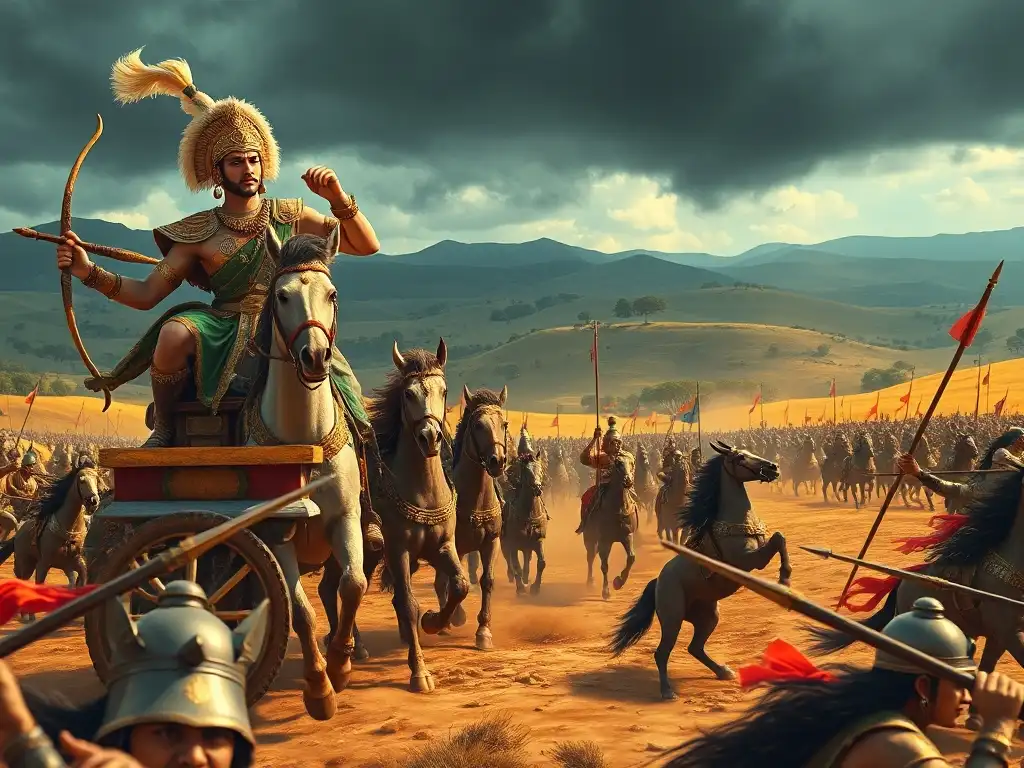
The legacy of ancient Indian warfare strategies, particularly as depicted in the Mahabharata, is profound and multifaceted. This epic not only provides a narrative of the great Kurukshetra War but also serves as a rich source of military tactics, ethical dilemmas, and strategic principles. The strategies outlined in the Mahabharata reflect a deep understanding of human psychology, terrain utilization, and the importance of morale in warfare. Through its characters and their decisions, the epic illustrates the consequences of war, emphasizing the need for wisdom and foresight in military leadership.
The Mahabharata's insights extend beyond mere battlefield tactics to encompass broader concepts of dharma (duty) and the moral complexities of warfare. These aspects have influenced not only military leaders in ancient India but also the philosophical underpinnings of warfare in various cultures. The text’s teachings have been revered and analyzed over centuries, making it a cornerstone in the study of ancient Indian military thought.
Influence on Subsequent Military Practices
The strategies and tactics presented in the Mahabharata have left a lasting imprint on subsequent military practices in India and beyond. Historical figures such as Chandragupta Maurya and Ashoka the Great drew inspiration from the epic, applying its principles to their military campaigns. The emphasis on strategic planning, intelligence gathering, and the psychological dimensions of warfare can be traced back to the teachings within the Mahabharata.
Additionally, the concepts of formation and maneuvering found in the epic have been echoed in later Indian military treatises. For instance, the use of the “Chakra” (wheel) formation can be seen as an adaptation of the strategies outlined in the Mahabharata. Similarly, the principles of deception and surprise—exemplified by characters like Krishna—have been integrated into the military doctrines of various dynasties throughout Indian history.
The Mahabharata's Impact on Modern Interpretations of Warfare
In modern times, the Mahabharata continues to be a pivotal text for understanding warfare strategies. Military scholars and strategists often reference its teachings to draw parallels with contemporary military operations. The text's analysis of conflict resolution, negotiation, and the ethics of war provides valuable insights that remain relevant in today’s geopolitical landscape.
Moreover, the Mahabharata has inspired numerous works in literature, film, and military strategy discussions. Contemporary military leaders and analysts utilize the epic to explore the psychological aspects of warfare, particularly in addressing the moral ambiguities faced during conflicts. This ongoing dialogue between ancient text and modern practice underscores the Mahabharata’s role as a timeless resource for understanding the complexities of warfare.
Comparisons with Other Ancient Civilizations’ Warfare Tactics
When comparing the warfare strategies depicted in the Mahabharata with those of other ancient civilizations, several key distinctions and similarities emerge. For example, the tactical maneuvers of the ancient Greeks, particularly those documented by historians like Xenophon and Thucydides, emphasize the significance of hoplite formations and phalanx tactics. Conversely, the Mahabharata highlights the use of chariots, elephants, and cavalry, showcasing the unique aspects of Indian warfare.
Additionally, while both the Mahabharata and ancient Roman military texts, such as those by Julius Caesar, discuss the importance of discipline and training, the Indian epic places a greater emphasis on the moral and ethical implications of warfare. The characters in the Mahabharata grapple with the weight of their choices and the consequences of their actions, adding a philosophical layer absent in many Western military narratives.
Conclusion
Summary of Ancient Indian Warfare Strategies in the Mahabharata
The ancient Indian warfare strategies illustrated in the Mahabharata encompass a blend of tactical brilliance, ethical considerations, and psychological insights. The epic serves as a comprehensive guide to understanding the complexities of war, offering lessons on everything from formation tactics to the moral dilemmas faced by warriors. These strategies not only shaped ancient Indian military practices but also provided a framework that continues to influence modern military thought.
The Mahabharata's Enduring Legacy in Understanding Warfare
The enduring legacy of the Mahabharata in understanding warfare is evident in its continued relevance across cultures and eras. The epic transcends its narrative to serve as a philosophical treatise on the nature of conflict and the human experience in warfare. Its teachings resonate with military leaders and scholars alike, emphasizing the need for strategic foresight and ethical considerations in the conduct of war.
Final Thoughts on the Importance of Studying Ancient Warfare Tactics
Studying ancient warfare tactics, particularly those found in the Mahabharata, is vital for comprehending not only historical conflicts but also the evolution of military thought. As we navigate the complexities of modern warfare, the lessons from this ancient text remind us of the timeless nature of strategic thinking and the importance of ethical responsibility. Engaging with these historical narratives enriches our understanding of warfare, providing valuable perspectives that inform both military strategy and broader societal reflections on conflict.
Call to Action
Dive deeper into the fascinating world of Ancient Indian warfare strategies by exploring the intricacies of the Mahabharata. This epic not only offers a rich narrative but also serves as a profound study of military tactics, ethics, and the art of war. Whether you're a history enthusiast, a student of literature, or someone intrigued by strategic warfare, the lessons embedded in this epic are invaluable.
Consider reading the full text or scholarly analyses to gain a comprehensive understanding of its themes and implications. Join the journey to uncover the wisdom of the ancients and appreciate how their strategies have influenced modern military thought.
Further Reading on Ancient Indian Warfare and Literature
To enhance your understanding of ancient Indian warfare and the literature surrounding it, consider delving into the following resources:
- The Art of War in Ancient India: Explore how strategic principles were articulated by ancient scholars and how they influenced military practices.
- War and Politics in Ancient India: This book examines the complex relationship between warfare and governance, offering insights into how military strategies shaped political landscapes.
- Epic Narratives and Military Tactics: Analyze various epics, including the Mahabharata and Ramayana, highlighting their portrayal of warfare and heroism.
- Historical Context of the Mahabharata: Investigate the socio-political environment during the time of the Mahabharata’s composition, providing a backdrop to its military strategies.
Explore Related Topics in Epic Literature and History
In addition to the Mahabharata, there are numerous related topics within epic literature and ancient history that you might find intriguing:
- The Ramayana: Another significant epic that explores themes of duty, honor, and warfare.
- Ancient Indian Political Philosophy: Delve into how texts like Arthashastra address governance and military ethics.
- The Role of Women in Epic Warfare: Investigate how female characters in these epics contributed to and influenced warfare tactics and strategies.
- Comparative Studies of Epics: Examine how the Mahabharata compares with other global epics regarding warfare and strategy.
By engaging with these topics, you will gain a broader perspective on the rich tapestry of ancient Indian history and literature, enriching your understanding of their cultural and strategic significance.
- Introduction to the Mahabharata
- Ancient Indian Warfare Strategies in the Mahabharata
- Major Battles in the Mahabharata
- Philosophical and Ethical Aspects of Warfare
- Legacy of Ancient Indian Warfare Strategies
- Conclusion
- Call to Action
- What is the significance of the Mahabharata in understanding ancient Indian warfare?
- How did ancient Indian warfare strategies differ from those of other civilizations?
- What role did chariots play in ancient Indian battles?
- How does the Mahabharata illustrate the concept of Dharma in warfare?
- What contributions did the Gupta Empire make to warfare strategies?
Frequently Asked Questions
What is the significance of the Mahabharata in understanding ancient Indian warfare?
The Mahabharata serves as a crucial text that reveals the strategies and tactics employed in ancient Indian warfare, reflecting the philosophical and moral complexities of battle.
How did ancient Indian warfare strategies differ from those of other civilizations?
Ancient Indian warfare strategies were often characterized by the use of diplomacy, psychological tactics, and chariot warfare, setting them apart from more direct approaches used by other civilizations.
What role did chariots play in ancient Indian battles?
Chariots were a vital component of ancient Indian warfare, used for mobility, speed, and command, allowing warriors to swiftly navigate the battlefield and execute strategic maneuvers.
How does the Mahabharata illustrate the concept of Dharma in warfare?
The Mahabharata illustrates that warfare should adhere to Dharma, or righteousness, emphasizing the importance of ethical considerations and moral dilemmas faced by warriors in combat.
What contributions did the Gupta Empire make to warfare strategies?
The Gupta Empire advanced ancient Indian warfare through improved military organization, innovative tactics, and the development of fortifications, greatly influencing subsequent military practices.
Final Reflection: The Enduring Legacy of Ancient Indian Warfare Strategies
The exploration of ancient Indian warfare strategies through the lens of the Mahabharata reveals not only the tactical brilliance of the time but also its profound relevance in today's world. As we navigate complex global conflicts and power dynamics, the lessons from this epic remind us that strategy is not merely about brute force but also about wisdom, ethics, and the art of negotiation. The Mahabharata teaches us that understanding one's adversary and the terrain—both physical and psychological—can lead to victory, a lesson that resonates deeply in our contemporary geopolitical landscape.
The impact of the Mahabharata extends beyond the battlefield; it has shaped cultural narratives and social structures throughout history. The intricate interplay of duty, honor, and moral dilemmas faced by its characters continues to influence our understanding of leadership and conflict resolution. In the midst of chaos, there is also opportunity.
This quote encapsulates the essence of the strategies depicted in the Mahabharata, reminding us that even in the most challenging circumstances, there lies a chance for growth and understanding. The epic serves as a mirror reflecting our own struggles with ethics and decision-making in times of conflict, urging us to consider the broader implications of our actions.
As you reflect on the themes presented in this article, I invite you to consider how the ancient strategies of the Mahabharata can inform your own approach to challenges in life. Whether in personal relationships, professional endeavors, or community engagements, think about the importance of strategy, empathy, and ethical considerations in your decision-making processes. Embrace the wisdom of the past as you forge your path into the future, and remember that every conflict holds the potential for resolution and understanding.
Unveil the Secrets of Ancient Warfare!
Thank you for exploring the fascinating world of the Mahabharata and its rich tapestry of ancient Indian warfare and tactics! You've gained insights into a time when strategy and valor reshaped history. Now, it’s time to take your newfound knowledge further and engage with this captivating subject.
Here’s how you can dive deeper:
- Join a local or online discussion group focused on the Mahabharata or the study of warfare in ancient cultures. Share your thoughts and learn from others!
- Read more about various war strategies and the philosophical teachings that influenced tactics, exploring ancient texts and scholarly articles to broaden your understanding!
- Create a quiz or infographic based on your insights, and share it on social media to spark engaging conversations with friends and followers.
What aspect of ancient warfare from the Mahabharata intrigues you the most, and how do you think these strategies could be relevant in today's world?