
The Vedas: Unlocking the Sacred Wisdom of Ancient Hindu Scriptures


Welcome to Ancient India History, where we embark on a fascinating journey through time to uncover the rich tapestry of ancient Indian civilizations. From the majestic Indus Valley to the enlightened Gupta Empire, each era holds secrets waiting to be discovered. In our featured article, "The Vedas: Unlocking the Sacred Wisdom of Ancient Hindu Scriptures," we delve into the profound significance of ancient Hindu scriptures that have shaped spiritual thought and cultural identity.
Are you ready to explore the depths of this sacred knowledge and understand its lasting impact on our world today? Join us as we unlock the doors to history, culture, and wisdom that define the essence of ancient India!
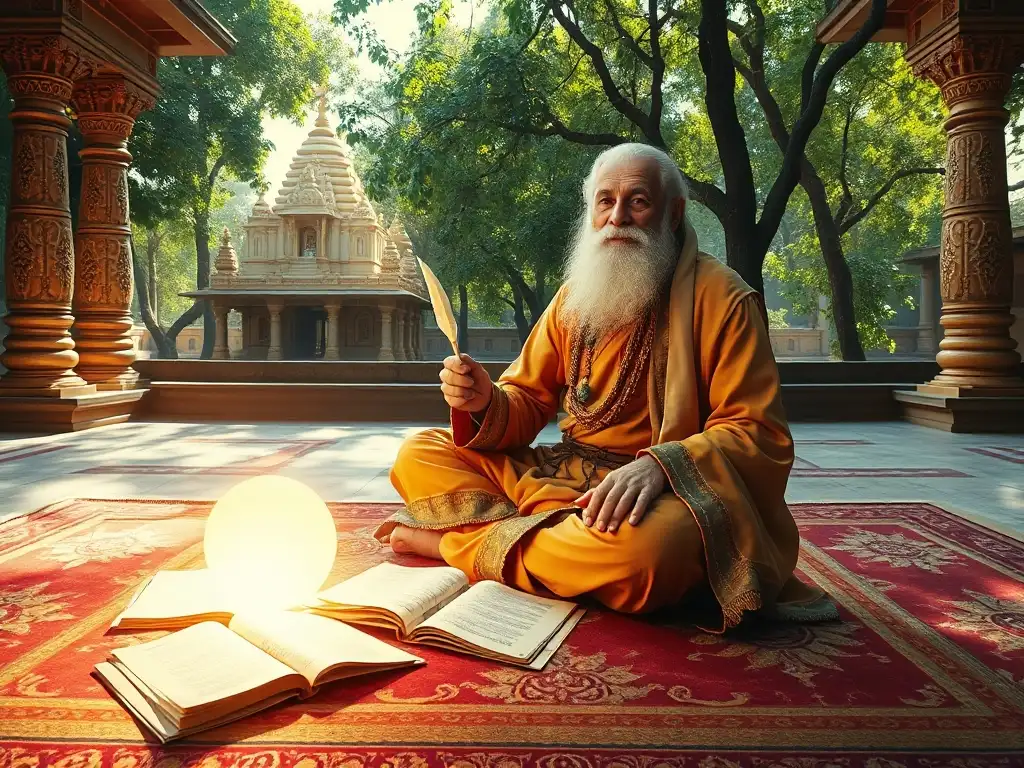
Introduction to Ancient Hindu Scriptures
The Vedas stand as one of the most foundational and revered texts in ancient Indian history, encapsulating a wealth of knowledge, philosophy, and spiritual wisdom. Composed in Sanskrit, these ancient Hindu scriptures are not merely religious texts; they represent the very essence of India's cultural and intellectual heritage. Their significance extends beyond the realms of spirituality, influencing various aspects of life, governance, art, and science throughout the ages. In this article, we will explore the profound impact of the Vedas and unveil their enduring significance in shaping ancient Indian civilization.
Overview of the Vedas
The Vedas are a collection of four primary texts: the Rigveda, Yajurveda, Samaveda, and Atharvaveda. Each of these scriptures serves a unique purpose, containing hymns, rituals, and philosophical inquiries that illustrate the complexities of life and spirituality. The Vedas are considered śruti, meaning "that which is heard," emphasizing their divine origin as revelations received by ancient sages. The intricate poetic structure and profound themes within the Vedas have made them the cornerstone of Hindu thought and practice, influencing various other religious and philosophical traditions.
Importance of Ancient Hindu Scriptures in Indian Culture
Ancient Hindu scriptures, particularly the Vedas, hold immense significance in Indian culture. They provide insights into the values, beliefs, and practices that shaped the lives of millions over centuries. The teachings found within the Vedas have laid the groundwork for social and moral frameworks, influencing everything from family structures to societal norms. Moreover, they have inspired countless commentaries, philosophies, and movements, making them a vital component of India's spiritual landscape.
Understanding the Vedas
Definition and Composition of the Vedas
The Vedas are divided into four distinct texts, each with its own focus and style. Their composition reflects a blend of hymns, ritual instructions, and philosophical discourses. The Rigveda is primarily a collection of hymns dedicated to various deities, while the Yajurveda serves as a guide for rituals and sacrifices. The Samaveda is known for its musical chants, and the Atharvaveda encompasses a broader range of topics, including spells and practical wisdom.
Historical Context of the Vedas in Ancient India
Emerging around 1500 BCE, the Vedas are believed to have been composed during the Vedic Period, a time marked by the arrival of the Indo-Aryans in the Indian subcontinent. This period was crucial in shaping the foundational framework of Hindu society, as the Vedas codified various aspects of life, including worship, ethics, and governance. The historical context of the Vedas is essential for understanding their influence on the evolution of Hinduism and the broader cultural tapestry of ancient India.
Structure of the Vedas: Samhitas, Brahmanas, Aranyakas, and Upanishads
The Vedas are structured into four main categories:
- Samhitas: Collections of hymns and mantras used in rituals.
- Brahmanas: Texts that explain the rituals and provide instructions for their performance.
- Aranyakas: Works that serve as transitional texts between ritualistic practices and philosophical inquiry.
- Upanishads: Philosophical treatises that explore the nature of reality, the self, and the ultimate truth (Brahman).
This multifaceted structure illustrates the depth and breadth of the Vedas, highlighting their role in both practical and philosophical dimensions of ancient Hindu thought. Through this exploration, we can better appreciate the significance of ancient Hindu scriptures in shaping the spiritual and cultural identity of India.
The Significance of Ancient Hindu Scriptures
The ancient Hindu scriptures, particularly the Vedas, hold immense significance in the spiritual and cultural fabric of India. Comprising four main texts—Rigveda, Samaveda, Yajurveda, and Atharvaveda—the Vedas are considered the oldest sacred texts of Hinduism. They are revered as the ultimate authority in matters of spirituality, philosophy, and ritualistic practices. The significance of these scriptures extends beyond mere religious texts; they encapsulate profound philosophical insights that have shaped the moral and ethical dimensions of Indian society for millennia.
The Vedas serve as a foundational source of knowledge, providing guidance on various aspects of life, including ethics, cosmology, and human existence. Their teachings encourage individuals to seek truth, engage in self-reflection, and understand the interconnectedness of all beings. As a result, the Vedas have played a crucial role in nurturing a spiritual consciousness that transcends generations, making them a vital part of ancient Indian heritage.
Spiritual and Philosophical Insights from the Vedas
The Vedas offer rich spiritual and philosophical insights that delve into the core of human existence and the nature of the universe. One of the most significant contributions of the Vedas is the concept of Brahman, the ultimate reality that underlies all existence. This idea encourages a deep exploration of the self and the cosmos, urging individuals to recognize their connection to a greater whole.
Additionally, the Vedas articulate the principles of Atman (the individual soul) and its relationship with Brahman, fostering a profound understanding of the self. The texts emphasize meditation, yoga, and various paths to realization, thus providing practical methodologies for spiritual growth. Through hymns, mantras, and philosophical discourses, the Vedas inspire seekers to attain liberation ( moksha) through knowledge and self-realization.
The Role of Vedas in Shaping Hindu Beliefs and Practices
The Vedas are instrumental in shaping the core beliefs and practices of Hinduism. They establish the foundational tenets of dharma, righteousness, and the moral order of the universe. Rituals and ceremonies delineated in the Vedas form an essential component of Hindu religious practice, guiding followers in their daily lives and spiritual endeavors.
Moreover, the Vedas provide the framework for various rites of passage, including birth, marriage, and death, reinforcing the significance of rituals in marking important life stages. The teachings within the Vedas continue to influence contemporary Hindu practices, ensuring their relevance in modern society. As a result, they not only preserve ancient traditions but also adapt to the evolving spiritual landscape of Hinduism.
Influence of Vedic Literature on Indian Society and Culture
The influence of Vedic literature permeates various aspects of Indian society and culture. The texts have inspired numerous philosophical schools and spiritual movements, contributing to the rich tapestry of Indian thought. They have also significantly impacted art, music, and literature, as many cultural expressions draw from Vedic themes and concepts.
Furthermore, the social structure of ancient India, characterized by the varna system (the classification of society into four groups), was influenced by the teachings found in the Vedas. This framework has shaped societal interactions and roles throughout history. The moral and ethical guidelines derived from Vedic texts continue to resonate today, promoting values such as compassion, truthfulness, and respect for all beings.
Major Themes in the Vedas
The Vedas encompass a wide array of themes that reflect the complexities of life, nature, and spirituality. These themes are woven throughout the texts, providing a comprehensive understanding of the ancient Hindu worldview.
Cosmology and Creation in Vedic Texts
Cosmology and creation are central themes in Vedic literature, exploring the origins of the universe and the fundamental forces at play. The Nasadiya Sukta (Hymn of Creation) in the Rigveda presents a contemplative inquiry into the nature of creation, expressing uncertainty and wonder about the beginnings of existence. This hymn suggests that the universe emerged from a primordial void, highlighting the mystery surrounding creation.
Additionally, the Vedas describe the cyclical nature of time and the concepts of Yugas (ages), illustrating the belief in a perpetual cycle of creation, preservation, and dissolution. These cosmological insights have profound implications for understanding the temporal and eternal aspects of life, influencing both philosophical thought and religious practices in Hinduism.
The Concept of Dharma and Righteousness
The concept of dharma, or righteousness, is a cornerstone of Vedic philosophy. The Vedas outline various duties and responsibilities for individuals based on their roles in society, emphasizing the importance of ethical conduct and moral integrity. Dharma encompasses not only individual responsibilities but also the greater cosmic order, underscoring the interconnectedness of actions and their consequences.
Through the exploration of dharma, the Vedas encourage adherence to societal norms and values, promoting harmony and stability within communities. The teachings of dharma have been instrumental in shaping the moral compass of Hindu society, guiding individuals in their pursuit of righteousness and justice.
Rituals and Sacrifices: Understanding Vedic Practices
Rituals and sacrifices form a vital aspect of Vedic practices, serving as a means to connect with the divine and uphold cosmic order. The Vedas provide detailed instructions for various rituals (known as yajnas), which often involve offerings to deities, chanting of mantras, and communal participation. These rituals are believed to foster harmony between humans and the cosmos, ensuring the sustenance of life and prosperity.
The significance of sacrifices extends beyond mere ceremonial practices; they embody the principles of selflessness and devotion. By engaging in rituals, practitioners express their gratitude to the divine and seek blessings for themselves and their communities. This rich tradition of Vedic rituals continues to be an integral part of Hindu worship, reflecting the enduring legacy of ancient Hindu scriptures in contemporary spiritual life.
The Vedas and Their Impact on Later Philosophical Texts

The Vedas, composed around 1500–500 BCE, serve as the foundational texts of Hinduism and have significantly influenced various philosophical schools and religious practices that emerged in ancient India. Their impact is profound, providing a framework for understanding the universe, the nature of existence, and the relationship between the individual (Atman) and the universal (Brahman). The intricate hymns, rituals, and philosophical inquiries found within the Vedas laid the groundwork for later philosophical texts, particularly the Upanishads, which delve deeper into metaphysical and ethical questions.
The Vedas are divided into four primary texts: Rigveda, Samaveda, Yajurveda, and Atharvaveda, each contributing uniquely to the corpus of Hindu thought. Philosophers and theologians have drawn upon Vedic principles to articulate various concepts, including dharma (duty), karma (action), and moksha (liberation). These concepts have been further explored and expanded upon in post-Vedic literature, including the Puranas and the epics, thereby cementing the Vedas' role as a cornerstone of Indian philosophy. Scholars recognize that the Vedas not only shaped religious practices but also inspired critical thinking and discourse, influencing diverse aspects of life in ancient India.
Connection Between the Vedas and Upanishads
The Upanishads, often considered the culmination of Vedic thought, emerge as philosophical commentaries on the earlier Vedic texts. While the Vedas primarily focus on rituals, hymns, and societal duties, the Upanishads shift towards introspective spirituality, exploring the nature of reality and the self. This transition marks a significant evolution in ancient Hindu spirituality, where the abstract concepts of the Vedas are elaborated upon with profound philosophical inquiry.
The Upanishads reflect the dialogue between the individual and the cosmic, emphasizing the ultimate unity of Atman and Brahman. This key philosophical stance, derived from Vedic teachings, encourages seekers to look inward for knowledge and enlightenment. As such, the connection between the Vedas and Upanishads is not merely historical; it represents a continuous intellectual tradition that has shaped Hindu philosophy and spirituality for millennia. The themes of meditation, self-realization, and the pursuit of truth found in the Upanishads are deeply rooted in Vedic thought, illustrating the integral relationship between these sacred texts.
The Vedas' Influence on Hindu Philosophy: From Vedanta to Yoga
The profound insights of the Vedas have permeated various philosophical systems within Hinduism, most notably Vedanta and Yoga. Vedanta, one of the six orthodox schools of Hindu philosophy, derives its core principles from the Upanishads, which themselves are rooted in Vedic wisdom. This philosophical system emphasizes the nature of reality and the pursuit of liberation through knowledge and meditation. The Vedas provide the foundational texts from which Vedantic scholars like Adi Shankaracharya articulated the concepts of non-dualism and the ultimate reality of Brahman.
Similarly, the practice of Yoga, as delineated in the Yoga Sutras of Patanjali, draws heavily on Vedic principles concerning self-discipline, meditation, and ethical living. The Vedas introduce the idea of achieving higher states of consciousness through disciplined practice, which is further refined in later texts. The synthesis of Vedic thought with philosophical inquiry and practical application has resulted in a rich tapestry of spiritual practices that continue to influence millions globally. Thus, the significance of the Vedas extends beyond religious rituals, positioning them as pivotal texts that helped shape a diverse range of philosophical and spiritual pursuits in Hinduism.
Preservation and Transmission of Vedic Knowledge
The preservation and transmission of Vedic knowledge is a remarkable aspect of ancient Indian culture. The meticulous care with which these texts were transmitted over millennia has ensured that the teachings of the Vedas continue to inform spiritual and philosophical discourse today. This preservation can be attributed to the oral tradition, which was the primary mode of transmission before the advent of written texts. Vedic scholars dedicated themselves to memorizing vast portions of the scriptures, employing sophisticated mnemonic techniques to ensure accuracy and fidelity in recitation.
The role of the Brahmin community was crucial in this process, as they were entrusted with the responsibility of maintaining the integrity of the Vedic texts. This oral tradition fostered a deep sense of reverence for the scriptures, allowing them to evolve while staying true to their original meanings. The transition to written forms in later centuries, while expanding accessibility, further solidified the Vedas' status as sacred texts in Hinduism.
Oral Tradition and the Role of Gurus in Vedic Education
Central to the preservation of Vedic knowledge was the oral tradition, which emphasized direct transmission from teacher (guru) to student (shishya). This system of education involved rigorous training, where students would reside with their gurus in ashrams, immersing themselves in the study of the Vedas. The guru's role extended beyond mere instruction; they acted as spiritual guides, imparting wisdom and ensuring that students grasped the deeper meanings of the texts.
The relationship between guru and shishya was based on mutual respect, commitment, and a shared pursuit of knowledge. This method of learning not only maintained the accuracy of Vedic texts but also fostered a community of scholars dedicated to the exploration of spiritual truths. The emphasis on mentorship and personal guidance in Vedic education underscores the holistic nature of learning in ancient India, where knowledge was seen as a sacred trust passed down through generations.
Manuscript Preservation and the Study of Vedic Texts
With the onset of written language, the preservation of Vedic texts transitioned from oral recitation to manuscript documentation. The earliest manuscripts were written on birch bark, palm leaves, and later on paper, ensuring their longevity and accessibility. Scholars engaged in the meticulous task of copying and commenting on these texts, contributing to a robust tradition of Vedic scholarship.
The study of Vedic manuscripts has revealed a wealth of insights into ancient Indian culture, language, and thought. Institutions such as the Benares Hindu University and various research centers have dedicated efforts to cataloging and preserving these invaluable texts. Moreover, advancements in technology have enabled the digital preservation of Vedic manuscripts, allowing scholars and enthusiasts worldwide to access and study these ancient scriptures. The ongoing efforts to preserve and study Vedic texts underscore their significance not only in the context of Hinduism but also in the broader landscape of world philosophy and spirituality.
Modern Interpretations of the Vedas
The Vedas, as ancient Hindu scriptures, have undergone various interpretations over the centuries, particularly in the context of modernity. Scholars, practitioners, and spiritual leaders have sought to understand and apply the teachings of the Vedas to contemporary life, addressing the challenges and complexities of the modern world. These modern interpretations often highlight the philosophical, ethical, and spiritual dimensions of the Vedic texts, making them accessible and relevant to a diverse audience.
One significant aspect of modern interpretations is the emphasis on the universal values and principles found within the Vedas. Themes such as harmony with nature, the pursuit of truth, and the importance of ethical living resonate strongly in today's context, where environmental concerns and social justice are paramount. By focusing on these core values, modern scholars aim to bridge the ancient wisdom of the Vedas with current global challenges, promoting a holistic view of human existence.
Additionally, the application of modern linguistic and textual analysis has enriched the understanding of the Vedic texts. Contemporary scholars leverage advancements in philology and comparative studies to uncover deeper meanings and connections within the scriptures. This analytical approach not only sheds light on the historical context of the Vedas but also encourages a dynamic interpretation that can adapt to the evolving needs of society.
Contemporary Scholars' Perspectives on Ancient Hindu Scriptures
Contemporary scholars play a crucial role in re-evaluating the significance of ancient Hindu scriptures, particularly the Vedas. Many scholars advocate for a contextual understanding of these texts, arguing that their teachings must be interpreted through the lens of modern philosophical thought and scientific advancements. This approach has led to a revival of interest in the Vedas, as scholars seek to align their teachings with contemporary issues such as gender equality, sustainability, and social justice.
For instance, feminist scholars have examined the Vedas to challenge traditional patriarchal interpretations, highlighting the contributions of female sages and the empowerment of women within Vedic texts. This perspective not only enriches the discourse surrounding the Vedas but also opens avenues for inclusive interpretations that resonate with modern sensibilities.
Moreover, interdisciplinary studies that incorporate insights from anthropology, psychology, and sociology have provided fresh perspectives on the Vedas. These studies highlight the relevance of Vedic teachings in understanding human behavior, social structures, and cultural evolution. The collaborative efforts of scholars from various fields ensure that the Vedas are not viewed in isolation but as integral to the broader tapestry of human thought and experience.
The Vedas in the Context of Modern Hinduism
In the context of modern Hinduism, the Vedas remain a foundational element that shapes religious practices and beliefs. Various Hindu sects and communities draw upon Vedic teachings to inform their rituals, philosophy, and ethical frameworks. The resurgence of interest in Vedic studies is also evident in contemporary spiritual movements that emphasize the importance of these ancient texts.
Modern Hindu movements, such as the Arya Samaj and the International Society for Krishna Consciousness (ISKCON), have embraced the Vedas as key texts that guide their teachings and practices. These movements often reinterpret Vedic principles to align with contemporary values, making them more accessible to a global audience. For instance, the emphasis on devotional practices and personal spirituality in these movements reflects a modern understanding of the Vedas that transcends traditional boundaries.
The Vedas also play a significant role in shaping educational curricula within Hindu communities. Many institutions emphasize the study of Vedic texts as a means of fostering spiritual growth and cultural identity among younger generations. By integrating Vedic wisdom into modern education, these communities aim to cultivate a sense of pride in their heritage and instill values that promote ethical living in today’s world.
Conclusion: The Lasting Legacy of the Vedas
The Vedas, as ancient Hindu scriptures, hold a profound legacy that continues to influence various aspects of life, thought, and culture. Their teachings, rich in philosophical insights and practical wisdom, have transcended time, offering guidance to countless generations. The ongoing exploration and reinterpretation of the Vedas underscore the enduring relevance of these texts in a rapidly changing world.
The Ongoing Relevance of Ancient Hindu Scriptures in Today's World
The relevance of ancient Hindu scriptures like the Vedas in today's world is evident in various domains, including spirituality, ethics, and environmentalism. As contemporary society grapples with issues such as climate change, social inequality, and mental health, the principles embedded in the Vedic texts provide valuable insights. The emphasis on Dharma (righteousness) and Ahimsa (non-violence) resonates deeply with movements advocating for peace and sustainability.
Furthermore, the Vedas encourage a holistic approach to personal well-being, integrating physical, mental, and spiritual health. Modern interpretations of practices such as yoga and meditation are rooted in Vedic philosophy, promoting wellness that aligns with the needs of individuals today. This connection to ancient wisdom highlights the Vedas' capacity to inform and enrich contemporary life.
Encouraging Exploration of Vedic Wisdom in Contemporary Society
Encouraging the exploration of Vedic wisdom in contemporary society involves fostering a dialogue between ancient teachings and modern experiences. Educational institutions, spiritual organizations, and community groups can play pivotal roles in this endeavor by providing platforms for discussion, study, and practice of Vedic principles.
Workshops, lectures, and online resources can facilitate deeper understanding and appreciation of the Vedas, inviting individuals from diverse backgrounds to engage with this ancient wisdom. By creating inclusive spaces for exploration, society can rediscover the relevance of Vedic teachings, fostering a sense of connection to the past while navigating the complexities of the present.
The Vedas are not just relics of ancient history; they are living texts that continue to inspire, guide, and challenge individuals and societies. Their significance in the modern world is undeniable, offering a rich source of wisdom for those seeking to understand themselves and their place in the universe. Embracing the teachings of the Vedas can lead to profound personal and collective transformation, ensuring that their legacy endures for generations to come.
- Introduction to Ancient Hindu Scriptures
- Understanding the Vedas
- The Significance of Ancient Hindu Scriptures
- Major Themes in the Vedas
- The Vedas and Their Impact on Later Philosophical Texts
- Preservation and Transmission of Vedic Knowledge
- Modern Interpretations of the Vedas
- Conclusion: The Lasting Legacy of the Vedas
Frequently Asked Questions
What are the Vedas?
The Vedas are the oldest sacred texts of Hinduism, composed in Sanskrit, and consist of four main collections: Rigveda, Samaveda, Yajurveda, and Atharvaveda.
Why are the Vedas significant in ancient Indian history?
The significance of the Vedas lies in their role as foundational texts that shaped Indian philosophy, rituals, and societal norms, influencing various aspects of ancient and modern Hindu culture.
How do the Vedas contribute to our understanding of ancient civilizations?
The Vedas provide insights into the social structure, religious beliefs, and cultural practices of ancient Indian civilizations, revealing the complexities of their historical development.
What themes do the Vedas address?
The Vedas cover a range of themes, including rituals, philosophy, poetry, and hymns to deities, emphasizing the interconnectedness of spiritual and mundane life in ancient Indian society.
How are the Vedas relevant today?
The teachings and wisdom contained in the Vedas continue to influence contemporary Hindu practices and provide a framework for understanding spirituality and ethics in modern society.
Final Reflection: Embracing the Significance of Ancient Hindu Scriptures
The exploration of the Vedas reveals their profound relevance in today's world, as they offer timeless wisdom that transcends the ages. In a rapidly changing society, the teachings of these ancient Hindu scriptures provide a foundation for understanding our place in the universe, guiding us toward a more harmonious existence. The significance of the Vedas lies not only in their historical context but also in their ability to inspire contemporary thought and action.
Cultural and social landscapes are continually shaped by the wisdom embedded in the Vedas, influencing everything from philosophy to ethics. The teachings encourage introspection and a deeper connection with the self and the cosmos. As we navigate modern challenges, the insights from these scriptures remind us of the importance of balance, mindfulness, and respect for all forms of life. The Vedas are not just texts; they are a living tradition that guides us toward enlightenment.
As you reflect on the lessons of the Vedas, consider how their teachings can be woven into your daily life. Embrace the opportunity to explore these ancient texts, allowing their wisdom to inspire your journey toward personal growth and understanding. Let the significance of ancient Hindu scriptures resonate within you, prompting a commitment to live with intention, compassion, and a deeper appreciation for the interconnectedness of all beings.
Unveil the Timeless Wisdom of the Vedas!
Thank you for diving into the exploration of the Vedas and their ancient wisdom! By understanding these sacred texts, you've taken a significant step towards enriching your spiritual and philosophical journey. Now, let's transform that knowledge into action!
Here are a few ways you can deepen your connection with the Vedas:
- Dive Deeper: Select a specific Vedic text to study—consider starting with the Rigveda or the Upanishads. Dedicate a few moments daily to reflect on its teachings and apply them to your life.
- Share Your Insights: Engage in discussions about what you've learned with friends or family. You might even consider creating a book club focused on ancient philosophies and their relevance in the modern world.
- Engage with Community: Participate in online forums or local study groups where enthusiasts gather to share interpretations and perspectives on Vedic wisdom, deepening your understanding through collaborative learning.
As you embark on this enlightening journey, reflect on which aspects of Vedic knowledge resonate most with you and consider how you can integrate them into your everyday life.