
Ancient Inscriptions: The Key to Unlocking India’s Past

Welcome to Ancient India History, where we embark on a captivating journey through the rich tapestry of India's past. Here, we delve into the intriguing world of ancient Indian inscriptions history, revealing how these timeless artifacts serve as the keys to unlocking the secrets of our ancestors. From the sophisticated scripts of the Indus Valley to the profound messages of the Gupta Empire, each inscription tells a story that shapes our understanding of culture, society, and innovation. Prepare to be inspired as you explore the profound contributions of ancient Indian civilizations—your adventure into history begins now!
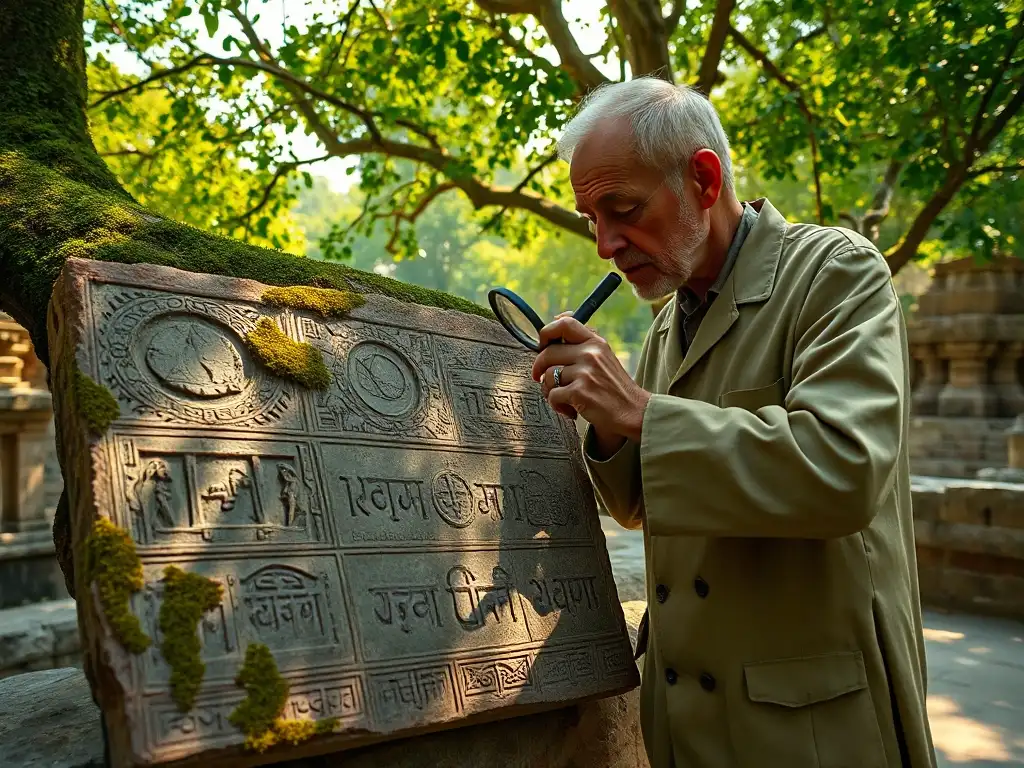
Ancient inscriptions serve as invaluable artifacts that illuminate the rich tapestry of India's historical narrative. These inscriptions, etched in various scripts and languages, provide a glimpse into the socio-cultural, religious, and political life of ancient Indian civilizations.
From the intricate seals of the Indus Valley Civilization to the grand edicts of the Mauryan Empire, each inscription offers unique insights that help historians and archaeologists piece together the complexities of ancient Indian history. In this exploration, we will delve into the significance of these inscriptions, their role in understanding ancient cultures, and how they have shaped our knowledge of India's past.
Introduction to Ancient Indian Inscriptions History
The history of ancient Indian inscriptions is a fascinating journey that spans several millennia and encompasses a multitude of civilizations. Inscriptions found on stone, metal, clay, and other materials serve not only as records of historical events but also reflect the languages, scripts, and artistic expressions of the time. The study of these inscriptions has evolved into a specialized field known as epigraphy, which aids researchers in deciphering ancient texts and understanding their contexts.
Understanding the Importance of Inscriptions in Ancient India
Inscriptions are crucial for several reasons:
- Historical Documentation: They provide direct evidence of historical events, governance, and social structures.
- Cultural Insights: Inscriptions often reveal religious practices, customs, and daily life, offering a window into the values and beliefs of ancient societies.
- Linguistic Evolution: They showcase the development of languages and scripts over time, reflecting linguistic diversity across regions.
- Artistic Expression: The craftsmanship involved in creating inscriptions often reflects the artistic styles prevalent during the period.
Overview of Major Civilizations Contributing to Indian Inscriptions
Several ancient Indian civilizations contributed significantly to the corpus of inscriptions. Key players include:
- Indus Valley Civilization: Known for its enigmatic seals and scripts.
- Mauryan Empire: Famous for the edicts of Ashoka, which propagated Buddhism and moral governance.
- Gupta Empire: Renowned for its flourishing arts and literature, with inscriptions celebrating achievements in various fields.
The Indus Valley Civilization and Its Inscriptions
The Indus Valley Civilization, one of the world's earliest urban cultures, thrived around 2500 BCE in what is now Pakistan and northwest India. This civilization is notable for its advanced city planning and trade networks, and its inscriptions are among the first known examples of writing in South Asia.
Key Features of Indus Valley Script
The Indus Valley script remains largely undeciphered, but its key features include:
- Pictorial Symbols: The script comprises a series of symbols, many of which appear to be pictographs.
- Short Length: Most inscriptions are brief, often consisting of a few characters, suggesting they may have served specific purposes, such as labeling goods or identifying individuals.
- Seals: Many inscriptions are found on seals, which were likely used for trade and administrative functions.
Significance of Seals and Tablets in Understanding Early Culture
The seals and tablets from the Indus Valley provide vital clues about the civilization's trade practices, religious beliefs, and societal organization. Their significance includes:
- Trade Indicators: Seals often feature animals and motifs that may have held symbolic meanings or served as identifiers for merchants.
- Religious Symbolism: Some seals depict figures that suggest the presence of ritualistic practices or deities, indicating the civilization's spiritual life.
- Administrative Functions: The standardized nature of seals points to a sophisticated level of governance and commerce.
Ancient inscriptions are a treasure trove of information that plays a pivotal role in unlocking the mysteries of India's past. Through careful study and interpretation, these inscriptions continue to enrich our understanding of ancient Indian civilizations and their enduring legacies.
The Vedic Period: Texts and Inscriptions
The Vedic Period, which spans from approximately 1500 BCE to 500 BCE, marks a significant era in ancient Indian history characterized by profound cultural and religious developments. During this time, the foundations of Hindu philosophy, rituals, and societal norms were laid down through a rich corpus of texts known as the Vedas. While the Vedas themselves were primarily transmitted through oral tradition, the gradual transition to written records began to emerge towards the latter part of this period.
Transition from Oral Tradition to Written Records
The transition from oral tradition to written records in ancient India was a gradual and complex process. Initially, the Vedas were preserved through meticulous oral recitation, a practice that ensured the accuracy and sanctity of these texts. However, as societies evolved and the need for documentation grew, particularly for administrative and cultural purposes, the use of writing began to take hold.
This shift is evident in the emergence of inscriptions on pottery, metal, and stone, which served as a medium to record and communicate religious and philosophical ideas. The invention of scripts, such as Brahmi and Kharosthi, provided a formalized system for documenting these texts. This transition not only facilitated the preservation of Vedic literature but also laid the groundwork for subsequent literary and historical developments in India.
Notable Inscriptions and Their Cultural Implications
Several inscriptions from the Vedic period have been discovered, shedding light on the social, political, and religious dynamics of the time. One notable example is the inscriptions found in the archaeological site of Kalibangan, which provide evidence of early urban planning and agricultural practices, highlighting the advanced societal organization.
Moreover, inscriptions discovered in various regions depict the reverence for deities, rituals performed, and the socio-economic conditions. These inscriptions often reflect the cultural values and beliefs that permeated Vedic society, emphasizing the importance of rituals, sacrifices, and the role of priests.
The existence of these inscriptions indicates that the Vedic society had begun to document significant events and practices, thus bridging the gap between oral traditions and written history. This development played a crucial role in preserving the ancient Indian heritage and laid the groundwork for future literary contributions.
Mauryan Empire: Inscriptions as Historical Documents
The Mauryan Empire, which flourished from 322 BCE to 185 BCE, is renowned for its political and cultural achievements. One of its most remarkable contributions to ancient Indian history is the extensive use of inscriptions as historical documents. These inscriptions not only served to convey messages but also played a crucial role in the governance and administration of the vast empire.
Ashoka's Edicts: A Turning Point in Indian History
One of the most significant figures of the Mauryan Empire was Emperor Ashoka, whose edicts are among the earliest examples of written inscriptions in India. After his conversion to Buddhism following the Kalinga War, Ashoka initiated a series of edicts inscribed on pillars and rocks throughout his empire. These edicts articulated his principles of governance, emphasizing non-violence, compassion, and moral conduct.
Ashoka's edicts are pivotal in understanding the historical context of ancient India as they provide insights into the socio-political climate of the time. They represent a clear shift in governance, where a ruler sought to connect with the populace through ethical and moral teachings rather than mere military power. This transformation marked a turning point in Indian history, reflecting a blend of political and spiritual authority.
The Role of Inscriptions in Promoting Buddhism
The inscriptions from the Mauryan period, particularly those of Ashoka, played a significant role in the spread and promotion of Buddhism across India and beyond. By inscribing his edicts in multiple languages, including Prakrit and Greek, Ashoka aimed to reach a broader audience, thus facilitating the dissemination of Buddhist principles.
The edicts often included messages encouraging respect for all living beings, the importance of community welfare, and the need for ethical living. This strategic use of inscriptions not only served as a tool for governance but also acted as a medium for cultural exchange, fostering a sense of unity among diverse populations within the empire.
The inscriptions from the Mauryan Empire, especially those attributed to Ashoka, are invaluable historical documents that provide a window into the socio-political landscape of ancient India while simultaneously promoting the tenets of Buddhism, illustrating the powerful intersection of governance and spirituality in shaping India's historical narrative.
Gupta Empire: Flourishing of Inscriptions
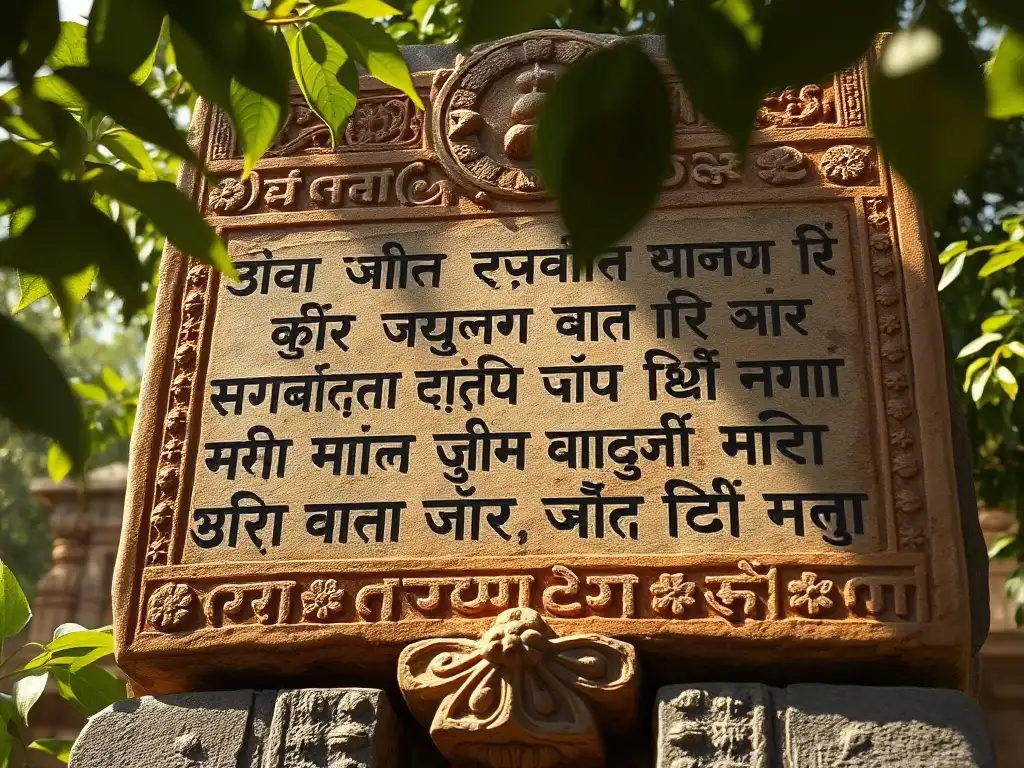
The Gupta Empire, which thrived from approximately 320 to 550 CE, is often referred to as the Golden Age of India. This period witnessed a remarkable proliferation of inscriptions that served various purposes, including commemorative, religious, and administrative functions. The Gupta rulers, notably Chandragupta I and Samudragupta, were keen patrons of arts and literature, which is reflected in the inscriptions of this era. The Gupta inscriptions are characterized by their sophisticated language, often written in Sanskrit, and showcase a blend of artistic and literary excellence.
Inscriptions from the Gupta period were typically engraved on stone or metal, indicating the significance of the messages they carried. They provide valuable insights into the socio-political landscape of the time, detailing royal achievements, land grants, and donations to temples. Notable examples include the Allahabad Pillar Inscription of Samudragupta, which celebrates his conquests and prowess, and the inscriptions found in the Ajanta Caves, which highlight the intersection of art and religion during the Gupta era. These inscriptions not only serve as historical records but also as a testament to the flourishing culture and administration of the Gupta Empire.
The Literary and Artistic Contributions of Gupta Inscriptions
The Gupta period is renowned for its literary and artistic contributions, with inscriptions playing a pivotal role in this cultural renaissance. Many inscriptions were crafted with a keen eye for aesthetics, employing ornate scripts and intricate designs. The use of Sanskrit in these inscriptions reflects the linguistic sophistication of the time, as it was the language of scholars and poets.
In addition to religious texts, inscriptions often included poetic verses that celebrated the achievements of the rulers and their patronage of the arts. For instance, the inscriptions from the Udayagiri Caves not only narrate the accomplishments of King Chandragupta II but also exhibit a poetic elegance that captures the essence of Gupta literature. The artistic elements found in these inscriptions, such as floral motifs and elaborate borders, further emphasize the period's emphasis on beauty and craftsmanship.
Moreover, many inscriptions were instrumental in documenting the contributions of scholars and poets, such as Kalidasa, whose works continue to influence Indian literature. These literary and artistic contributions underscore the Gupta Empire's role in shaping the cultural landscape of ancient India, making it a significant period in the history of ancient Indian inscriptions.
Inscriptions as a Reflection of Political and Social Life
Inscriptions from the Gupta Empire serve as a mirror reflecting the political and social dynamics of the time. They provide a wealth of information about governance, land grants, and the relationship between rulers and subjects. For instance, royal edicts inscribed on stone often outlined policies, administrative reforms, and laws, showcasing the bureaucratic sophistication of the Gupta administration.
Socially, inscriptions reveal the hierarchical structure of society, including the roles of various classes and communities. Many inscriptions detail land grants made to Brahmins and temples, highlighting the importance of religion in governance and the patronage of the arts. Additionally, inscriptions found in public spaces often celebrated festivals and communal activities, illustrating the social fabric of Gupta society.
Furthermore, the inscriptions also reflect the military achievements of the Gupta rulers. They often recount victories in battle and territorial expansions, reinforcing the rulers' authority and legitimacy. By studying these inscriptions, historians can glean insights into the political ideologies and social customs of the Gupta Empire, making them invaluable resources for understanding ancient Indian history.
Techniques in Deciphering Ancient Indian Inscriptions
Deciphering ancient Indian inscriptions is a complex process that requires a multidisciplinary approach, encompassing linguistics, archaeology, and history. Scholars utilize various techniques to unravel the meanings and contexts of these inscriptions, which are often written in different scripts and languages, including Brahmi, Kharosthi, and Sanskrit.
The first step in the deciphering process typically involves identifying the script used in the inscription. For example, the Brahmi script, one of the earliest writing systems in India, presents unique challenges due to its varied styles and regional adaptations. Once the script is identified, linguists analyze the language for phonetic values, grammar, and vocabulary, often consulting comparative texts and dictionaries to establish meanings.
In addition, scholars employ techniques such as epigraphical analysis, which involves examining the physical characteristics of the inscription, including the material, tools used, and stylistic features. This analysis can provide clues about the period, location, and purpose of the inscription. By combining these techniques, researchers can piece together the historical narratives and cultural contexts embedded in ancient Indian inscriptions.
Epigraphy: The Study of Inscriptions
Epigraphy, the study of inscriptions, plays a crucial role in understanding ancient civilizations, including that of India. This discipline encompasses the analysis and interpretation of inscriptions found on various materials, such as stone, metal, wood, and pottery. Epigraphers focus on deciphering the texts, understanding their historical significance, and contextualizing them within the broader tapestry of ancient history.
The practice of epigraphy in India dates back to ancient times, with inscriptions serving as primary sources of information about political, religious, and social life. Epigraphers not only decode the language and script but also study the physical aspects of the inscriptions, such as their placement, size, and style. These factors can provide insights into the patronage and audience of the inscriptions, as well as the technological advancements of the time.
Furthermore, epigraphy contributes to the preservation of cultural heritage by documenting historical narratives that might otherwise be lost. By meticulously cataloging inscriptions, epigraphers help maintain a record of ancient Indian civilization, allowing future generations to access and learn from this rich history.
Challenges in Decoding Ancient Scripts and Languages
Decoding ancient scripts and languages presents numerous challenges for scholars and researchers. One of the primary difficulties lies in the incomplete or damaged inscriptions, which may obscure crucial parts of the text. Many inscriptions have weathered the test of time, leading to erosion or loss of material, making it challenging to reconstruct the original message.
Additionally, the variation in scripts and languages across different regions and periods complicates the deciphering process. For instance, scripts such as Brahmi and Kharosthi evolved over time and exhibited regional differences, necessitating a deep understanding of historical linguistics. Moreover, the presence of multiple languages in inscriptions, including Sanskrit, Prakrit, and regional dialects, adds another layer of complexity.
Furthermore, contextual knowledge is vital for accurately interpreting inscriptions. Understanding the historical, cultural, and social background of the period is necessary to grasp the significance of the content fully. Scholars must often rely on supplementary sources, such as historical texts and archaeological findings, to piece together the broader narrative surrounding the inscriptions.
The challenges of decoding ancient scripts and languages underscore the importance of interdisciplinary approaches in the field of epigraphy, allowing researchers to unlock the rich history encapsulated in ancient Indian inscriptions.
Case Studies of Significant Ancient Indian Inscriptions
Ancient Indian inscriptions serve as invaluable artifacts that provide insights into the social, political, and cultural dynamics of their time. Among the plethora of inscriptions, certain examples stand out due to their historical significance and the depth of information they reveal. This section delves into two pivotal case studies: the Pillars of Ashoka and the inscriptions from the Gupta Dynasty.
The Pillars of Ashoka: A Closer Look
The Pillars of Ashoka, erected during the reign of Emperor Ashoka (c. 268–232 BCE), are among the most notable examples of ancient Indian inscriptions. These pillars, crafted from finely polished sandstone, are adorned with inscriptions in Brahmi script and are scattered across the Indian subcontinent.
The inscriptions primarily propagate the principles of Dharma, emphasizing moral conduct, non-violence, and the welfare of the people. For instance, the edicts at Lumbini, where Buddha was born, emphasize Ashoka's commitment to Buddhist values and his efforts to promote peace and harmony.
Ashoka's edicts also provide insights into the administration of his vast empire, including details on governance, public welfare, and the importance of maintaining ethical standards among officials. The inscriptions not only reflect Ashoka's personal beliefs but also serve as a medium for state communication, illustrating how inscriptions functioned as tools of governance and societal instruction.
The Inscriptions of the Gupta Dynasty: Their Legacy
The Gupta period (c. 320–550 CE) is often referred to as the Golden Age of India, marked by significant advancements in arts, sciences, and literature. Inscriptions from this era, primarily found on temple walls and copper plates, provide a rich tapestry of information regarding the political lineage, economic transactions, and cultural patronage.
One of the most significant inscriptions is the Allahabad Pillar Inscription of Samudragupta, which details his military conquests and the territories he annexed. This inscription not only highlights the military prowess of the Gupta rulers but also showcases their administrative capabilities in integrating diverse regions into a cohesive empire.
Additionally, inscriptions from this period often commemorate donations made by wealthy patrons to temples, reflecting the flourishing of religious life and the socio-economic fabric of Gupta society. The legacy of these inscriptions is profound, as they have shaped modern understandings of India's historical narrative, providing a lens through which the complexities of ancient Indian civilization can be examined.
The Impact of Ancient Inscriptions on Modern Understanding of Indian History
Ancient inscriptions are crucial for reconstructing the narratives of India’s past. They offer a direct link to the thoughts, beliefs, and events that shaped historical developments. The study of these inscriptions has significantly influenced how historians interpret ancient Indian history and culture.
How Inscriptions Shape Historical Narratives
Inscriptions serve as primary sources that illuminate various aspects of ancient life, including religious practices, political structures, and social norms. They help historians establish timelines and understand the context of historical events. For instance, the detailed records of trade and commerce found in inscriptions reveal the economic interactions between different regions, while religious inscriptions provide insights into the spiritual life of ancient communities.
The narratives shaped by these inscriptions are not just limited to the political history of rulers; they also encapsulate the experiences of ordinary people, thereby offering a more comprehensive view of ancient Indian society. Through careful analysis, historians can weave together a narrative that reflects the diversity and complexity of life in ancient India.
The Role of Archaeology in Uncovering Inscriptions
Archaeology plays a vital role in the discovery and preservation of ancient inscriptions. Excavations often lead to the uncovering of inscriptions that were previously unknown, expanding the scope of historical knowledge. Archaeologists meticulously document these findings, ensuring that inscriptions are preserved for future generations.
Moreover, advances in technology, such as digital imaging and 3D scanning, have enhanced the ability to read and interpret inscriptions that may have been damaged over time. This intersection of archaeology and epigraphy has opened new avenues for understanding ancient Indian history, allowing scholars to engage with inscriptions in ways that were not possible before.
The study of ancient Indian inscriptions is essential for unlocking the rich history of the subcontinent. These inscriptions not only provide a glimpse into the past but also continue to inform and shape our understanding of ancient Indian civilization today.
Conclusion: The Lasting Legacy of Ancient Indian Inscriptions
Ancient Indian inscriptions serve as a powerful testament to the rich tapestry of India's past, revealing insights into the social, political, and cultural dimensions of ancient civilizations. From the early Indus Valley seals to the stone edicts of Ashoka, these inscriptions not only illustrate the linguistic evolution in India but also reflect the ethos and values of their times. They encapsulate a wealth of information regarding trade, religion, governance, and daily life, bridging the gap between past and present.
The legacy of these inscriptions continues to resonate today, informing contemporary understanding of historical narratives and contributing to the formation of national identity. As scholars and enthusiasts delve into the study of ancient Indian inscriptions, they uncover layers of meaning that enhance our appreciation for the complex history of the subcontinent. This legacy, therefore, is not merely historical; it is a living dialogue that engages with modern society, prompting ongoing reflections on culture and heritage.
Future Directions in the Study of Inscriptions
The future of inscription studies in ancient Indian history promises to be dynamic and multifaceted. As technology advances, researchers are increasingly employing digital tools like 3D scanning and imaging techniques to document inscriptions more thoroughly. These technologies enable clearer visualization of inscriptions, even those that are weathered or damaged, potentially leading to new discoveries and interpretations.
Furthermore, interdisciplinary approaches are gaining traction, where historians collaborate with linguists, archaeologists, and conservationists to create a more comprehensive understanding of inscriptions. This holistic perspective can yield insights into the socio-political contexts of inscriptions and their impact on contemporary cultures.
In addition, the exploration of lesser-known inscriptions, particularly those from regional languages and dialects, is poised to enrich the narrative of ancient Indian history. By focusing on inscriptions from diverse geographical areas, researchers can uncover local histories that have been overshadowed by more prominent narratives, thereby providing a more inclusive understanding of India's past.
The Importance of Preserving Ancient Inscriptions for Future Generations
Preserving ancient Indian inscriptions is crucial not only for historical scholarship but also for cultural heritage. These inscriptions encapsulate the thoughts, beliefs, and practices of civilizations that shaped the Indian subcontinent. As custodians of this heritage, it is our responsibility to protect these artifacts from the ravages of time and environmental factors.
Efforts to preserve inscriptions can take many forms, including restoration projects and the implementation of protective measures in situ. Additionally, public awareness campaigns and educational programs can foster appreciation among younger generations, ensuring that the significance of these inscriptions is recognized and valued.
By investing in preservation initiatives, we safeguard the stories embedded within these artifacts for future generations to explore. This commitment to preservation not only honors those who came before us but also enriches our understanding of the present, allowing us to draw lessons from the past as we navigate the complexities of modern society. Ultimately, the preservation of ancient inscriptions is an investment in cultural continuity and a bridge to the collective memory of humanity.
- Introduction to Ancient Indian Inscriptions History
- The Indus Valley Civilization and Its Inscriptions
- The Vedic Period: Texts and Inscriptions
- Mauryan Empire: Inscriptions as Historical Documents
- Gupta Empire: Flourishing of Inscriptions
- Techniques in Deciphering Ancient Indian Inscriptions
- Case Studies of Significant Ancient Indian Inscriptions
- The Impact of Ancient Inscriptions on Modern Understanding of Indian History
- Conclusion: The Lasting Legacy of Ancient Indian Inscriptions
- Future Directions in the Study of Inscriptions
- The Importance of Preserving Ancient Inscriptions for Future Generations
- What are ancient Indian inscriptions?
- Why are ancient inscriptions important for history?
- Where can ancient Indian inscriptions be found?
- How do ancient inscriptions contribute to our understanding of ancient Indian culture?
- What challenges do researchers face in studying ancient Indian inscriptions?
Frequently Asked Questions
What are ancient Indian inscriptions?
Ancient Indian inscriptions are writings etched on materials like stone, metal, and pottery, providing invaluable insights into historical events, languages, and cultural practices of ancient civilizations.
Why are ancient inscriptions important for history?
Ancient inscriptions serve as primary sources that help historians understand the political, social, and religious aspects of ancient Indian societies, thus playing a crucial role in reconstructing the past.
Where can ancient Indian inscriptions be found?
These inscriptions can be found in various locations across India, particularly in archaeological sites, temples, and monuments, with notable examples like the Ashoka Edicts and inscriptions from the Gupta Empire.
How do ancient inscriptions contribute to our understanding of ancient Indian culture?
They reveal information about languages, scripts, artistic styles, and literature, thus helping researchers uncover the cultural diversity and intellectual achievements of ancient Indian civilizations.
What challenges do researchers face in studying ancient Indian inscriptions?
Researchers often encounter challenges such as weathering, illegibility, and damaged texts, which can complicate the interpretation and dating of these inscriptions, making the study of ancient Indian inscriptions history a complex task.
Final Reflection: Unlocking the Secrets of Ancient Indian Inscriptions
In our fast-paced modern world, the significance of ancient Indian inscriptions history resonates more than ever. These inscriptions are not merely relics of the past; they are vital keys that unlock the rich tapestry of India's cultural heritage and identity. As we navigate through a time of rapid globalization and technological advancement, understanding our roots becomes essential. The stories etched in stone remind us of our shared history and the lessons it imparts, urging us to appreciate the depth of our civilization.
The influence of ancient inscriptions extends beyond academia; they shape our cultural and social landscape, fostering a sense of belonging and continuity. By studying these inscriptions, we connect with the thoughts, beliefs, and aspirations of our ancestors. The echoes of their voices resonate in our contemporary society, guiding us in our quest for identity and understanding. History is not just about the past; it is a bridge to our future.
This quote encapsulates the ongoing relevance of these inscriptions, as they serve as a reminder that our past informs our present and future.
As you reflect on the insights gained from this exploration of ancient Indian inscriptions, I invite you to consider how you can engage with this rich history in your own life. Take a moment to appreciate the stories that have shaped your identity and culture.
Whether through visiting historical sites, reading about ancient texts, or sharing these narratives with others, let the lessons of the past inspire you to forge a deeper connection with your heritage. In doing so, you not only honor the legacy of those who came before you but also contribute to the ongoing dialogue of history that shapes our collective future.
Unlock the Secrets of India's Ancient Inscriptions!
Thank you for diving into the fascinating world of ancient India! By exploring the significance of inscriptions, you’ve taken the first step in uncovering the rich tapestry of our history. Now, let’s put that inspiration into action!
- Start your own research journey: Visit your local library or explore online databases to discover ancient texts or inscriptions that intrigue you. What stories could they reveal?
- Join a community of history enthusiasts: Engage with online forums or local history groups to share your findings and learn from others who are passionate about ancient India.
- Share what you’ve learned: Post about your favorite inscription on social media and encourage others to explore the wonders of ancient history. You never know who might be inspired!
What inscription or ancient text resonates with you the most, and how do you think it can reshape our understanding of history?