
The Intersection of Language and Art in Ancient Indian Inscriptions

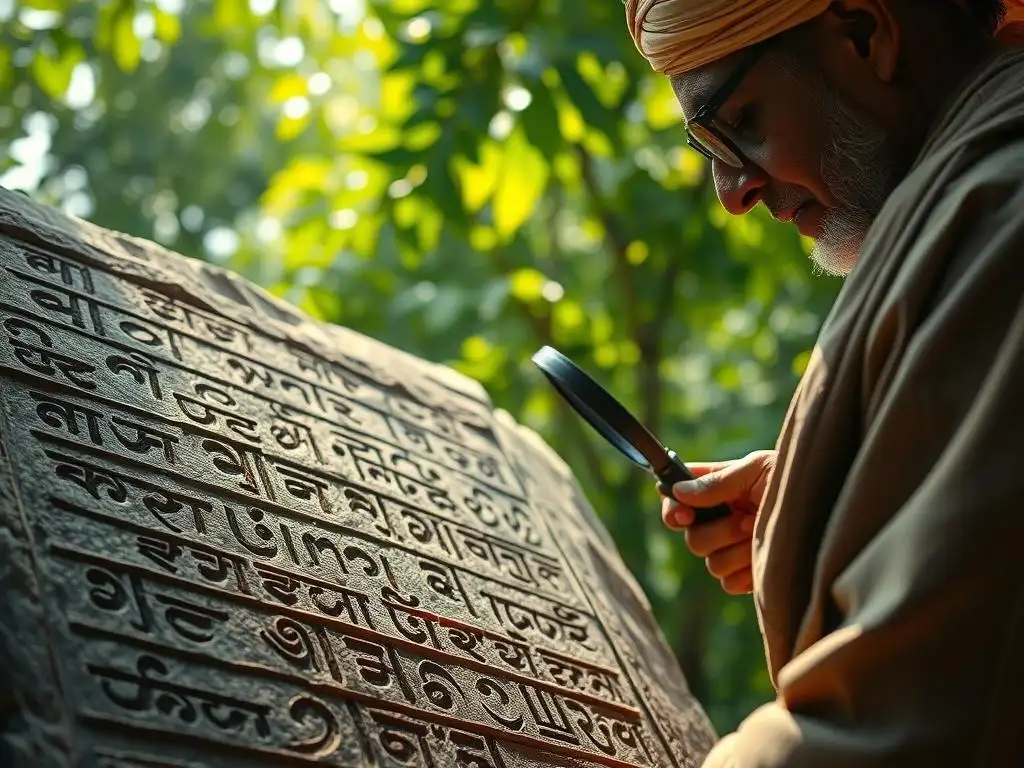
Welcome to Ancient India History, where we journey through the remarkable tapestry of India's past, uncovering the profound narratives etched in time. Delve into our featured article, "The Intersection of Language and Art in Ancient Indian Inscriptions," and discover the significance of ancient Indian inscriptions that not only reveal the linguistic prowess of bygone eras but also the artistic brilliance that accompanied them. Prepare to be captivated by the stories these inscriptions tell, and let your curiosity guide you deeper into the rich cultural legacy of ancient Indian civilizations.
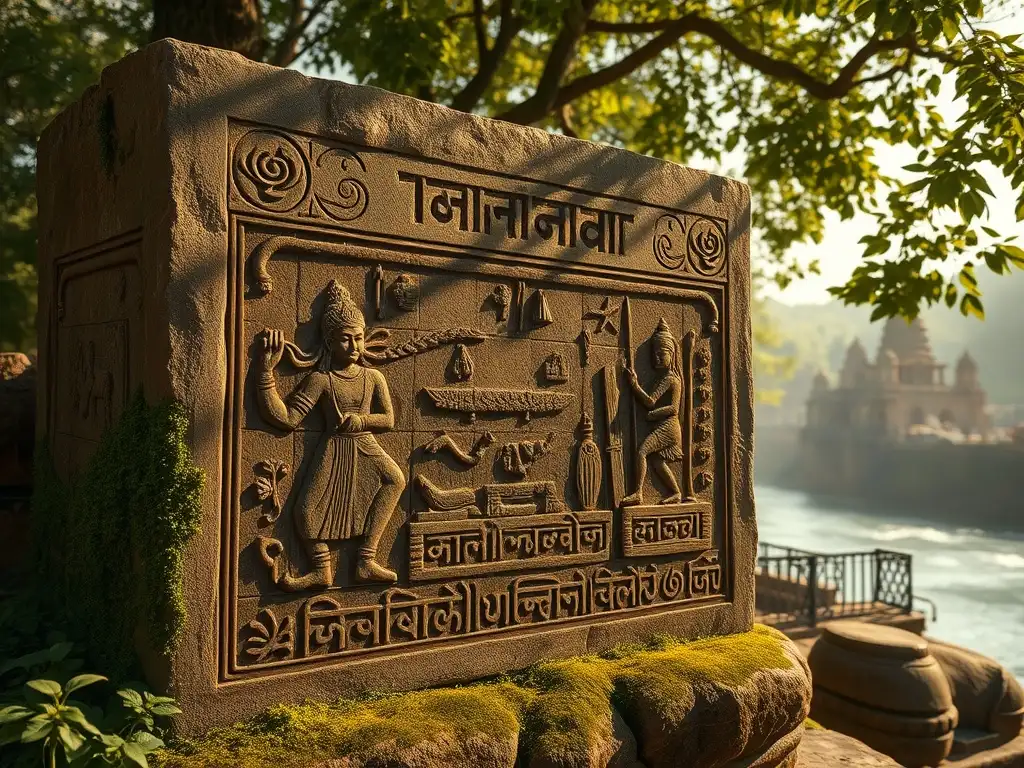
Ancient Indian inscriptions serve as a fascinating window into the rich tapestry of India's past, revealing the interplay between language and art that defined the civilizations of the subcontinent. From the intricate carvings of the Indus Valley Civilization to the ornate scripts of the Gupta Empire, these inscriptions not only convey historical information but also reflect the cultural, religious, and artistic values of their time.
Understanding the significance of ancient Indian inscriptions provides insight into how language and art coalesce to express identity, beliefs, and societal norms. In this article, we will explore the multifaceted dimensions of these inscriptions, delving into their historical context, the languages used, and their broader significance in ancient Indian culture.
Understanding Ancient Indian Inscriptions
Definition of Ancient Indian Inscriptions
Ancient Indian inscriptions refer to texts that have been carved, engraved, or painted onto various surfaces such as stone, metal, and pottery. These inscriptions serve a multitude of purposes, including religious dedications, royal edicts, commemorative messages, and everyday transactions. They are invaluable artifacts that provide scholars and historians with crucial evidence of the languages, scripts, and cultural practices prevalent in ancient India.
Historical Context of Inscriptions in Ancient India
The practice of inscribing messages dates back to the early civilizations of India, with the Indus Valley Civilization (c. 2600–1900 BCE) showcasing some of the earliest known examples. As time progressed, inscriptions became more sophisticated, evolving in both form and content. During the Maurya and Gupta periods, inscriptions often reflected political power and religious devotion, serving as tools for rulers to communicate with their subjects and to immortalize their legacies. The historical context of these inscriptions helps us understand the socio-political landscape of ancient India.
Overview of Major Inscriptions and Their Locations
Several significant inscriptions have been discovered throughout the Indian subcontinent, each offering insights into specific regions and periods. Notable examples include:
- Ashoka's Edicts: Found across the Indian subcontinent, these inscriptions reflect the moral and ethical teachings of Emperor Ashoka and his support for Buddhism.
- The Allahabad Pillar Inscription: This inscription commemorates the achievements of Samudragupta, a prominent ruler of the Gupta Empire, and is located in Allahabad.
- The Junagadh Rock Edicts: Situated in Gujarat, these inscriptions provide crucial information about the local administration and religious practices during the Mauryan period.
The Significance of Language in Ancient Indian Inscriptions
Role of Language in Conveying Cultural Identity
Language is a powerful medium through which cultural identity is expressed. In ancient Indian inscriptions, the choice of language often reflected the social and political dynamics of the time. For instance, the use of Sanskrit in royal inscriptions indicated a connection to the elite, while vernacular languages were employed to reach broader audiences. This linguistic strategy highlights how language served as a tool for cultural assertion and communal identity.
Analysis of Scripts Used in Ancient Indian Inscriptions
Ancient Indian inscriptions showcase a variety of scripts, each with its unique characteristics and historical significance. Prominent scripts include:
- Brahmi: One of the earliest scripts used in India, it is the precursor to many modern Indian scripts.
- Kharosthi: Primarily used in the northwest regions, this script reflects the influence of Persian and Central Asian cultures.
- Devanagari: Evolved from Brahmi, this script is widely used today for several languages, including Hindi and Sanskrit.
Each script not only serves as a means of communication but also reflects the artistic sensibilities of the time.
Linguistic Diversity: Sanskrit, Prakrit, and Regional Languages
Ancient Indian inscriptions exhibit a remarkable linguistic diversity, encompassing languages such as Sanskrit, Prakrit, and various regional dialects. Sanskrit, often regarded as the language of the elite and scholarly discourse, features prominently in religious and philosophical texts. In contrast, Prakrit languages were more accessible to the common populace, as seen in many inscriptions from the Mauryan and post-Mauryan periods. The presence of regional languages further illustrates the local cultures and identities that flourished alongside the dominant languages, enriching the linguistic landscape of ancient India.
Ancient Indian inscriptions are not merely historical records; they are intricate expressions of language and art that illuminate the cultural and social fabric of their time. Their study offers profound insights into the significance of language in shaping identity and preserving history.
Artistic Elements in Ancient Indian Inscriptions
Ancient Indian inscriptions are not only significant for their linguistic content but also for their artistic elements, which reflect the cultural and aesthetic sensibilities of the time. These inscriptions serve as a bridge between language and art, showcasing how the two can coexist and enhance each other. The artistic features present in these inscriptions reveal much about the civilization that produced them and offer insights into their values, beliefs, and practices.
Artistic elements in inscriptions include the use of intricate designs, decorative motifs, and a variety of materials that contribute to their visual appeal. The skillful combination of script and artistry in these inscriptions underscores the craftsmanship of the artisans and their understanding of both language and art forms.
Visual Aesthetics: The Art of Inscriptions
The visual aesthetics of ancient Indian inscriptions are characterized by a harmonious blend of textual and visual elements. The inscriptions often feature elaborate borders, ornamental patterns, and stylized lettering that contribute to their beauty. The use of different types of scripts, such as Brahmi and Kharosthi, adds a unique dimension to the visual presentation, allowing the viewer to appreciate the artistry involved in their creation.
In many cases, inscriptions were not merely functional; they were designed to be aesthetically pleasing. This is evident in the inscriptions found in temples and monuments, where the artistic presentation was as significant as the message conveyed. The placement of inscriptions, the choice of stone, and the overall composition are all elements that reflect a deep understanding of art principles, such as balance, symmetry, and proportion.
Iconography and Symbolism in Ancient Inscriptions
Iconography plays a crucial role in the interpretation of ancient Indian inscriptions. The symbols and images depicted alongside the text often have profound meanings, reflecting the religious, cultural, and social contexts of the time. For instance, inscriptions may feature deities, animals, or natural elements that convey specific ideologies or beliefs.
The use of iconography in inscriptions is not random; it is a deliberate choice that enhances the message being communicated. Each symbol carries its own significance, and when combined with the written word, it creates a richer narrative. This interplay between iconography and language allows for a deeper understanding of the historical and cultural landscapes of ancient India.
Techniques Used in Carving and Craftsmanship
The techniques employed in the carving of ancient Indian inscriptions are a testament to the exceptional craftsmanship of the artisans. Various methods, such as chiseling and engraving, were used to create inscriptions on different materials, including stone, metal, and clay.
Different regions and periods showcased distinct styles of carving. For instance, the inscriptions from the Mauryan period often exhibit a bold and straightforward design, while later inscriptions may feature more intricate and delicate carvings. The choice of tools, the skill of the artisans, and the intended purpose of the inscription all influenced the techniques used.
The craftsmanship involved in these inscriptions not only reflects the artistic capabilities of the period but also the technological advancements in tools and materials. Remarkably, many of these inscriptions have withstood the test of time, allowing modern scholars to appreciate and study their intricate details.
The Interplay of Language and Art in Ancient Indian Inscriptions
The relationship between language and art in ancient Indian inscriptions is a dynamic one. While language serves as a medium of communication, art enhances this communication by providing visual context and emotional depth. This interplay creates a multifaceted experience for the viewer, as the artistic elements draw attention to the textual content and vice versa.
Language and art in inscriptions are often intertwined, where the choice of script, the style of writing, and the accompanying artistic features work together to convey a unified message. This synergy not only enriches the understanding of the inscriptions but also highlights the cultural values and beliefs of ancient Indian societies.
Case Studies of Notable Inscriptions
Examining notable inscriptions can provide valuable insights into the interplay of language and art. For example, the Ashoka Edicts, inscribed by Emperor Ashoka in the 3rd century BCE, showcase a blend of meaningful messages and artistic presentation. The inscriptions are characterized by their clear script and the use of symbols, such as the lion, which represents power and authority.
Another significant example is the inscriptions found at the Ajanta Caves, where the scripts are intricately carved into the rock alongside beautiful frescoes. These inscriptions not only convey religious teachings but also serve as a testament to the artistic excellence of the period.
Such case studies highlight how specific inscriptions encapsulate the essence of their time, demonstrating the rich interplay between linguistic expression and artistic representation.
How Language Enhances Artistic Expression in Inscriptions
Language plays a pivotal role in enhancing artistic expression in ancient Indian inscriptions. The choice of words, the structuring of phrases, and the poetic elements embedded within the text contribute significantly to the overall impact of the artwork.
Inscriptions often employed rhetorical devices, such as alliteration and metaphors, which not only beautified the language but also engaged the viewer on an emotional level. This poetic quality of the language can elevate the artistic experience, making the inscriptions not just a means of communication but also a form of artistic expression in their own right.
Moreover, the use of language in inscriptions often reflects the socio-political context, allowing the viewer to connect with the cultural narratives of the time. By understanding the language used in these inscriptions, one gains a deeper appreciation of the artistry involved and the historical significance of the messages conveyed.
The Importance of Ancient Indian Inscriptions in Historical Research
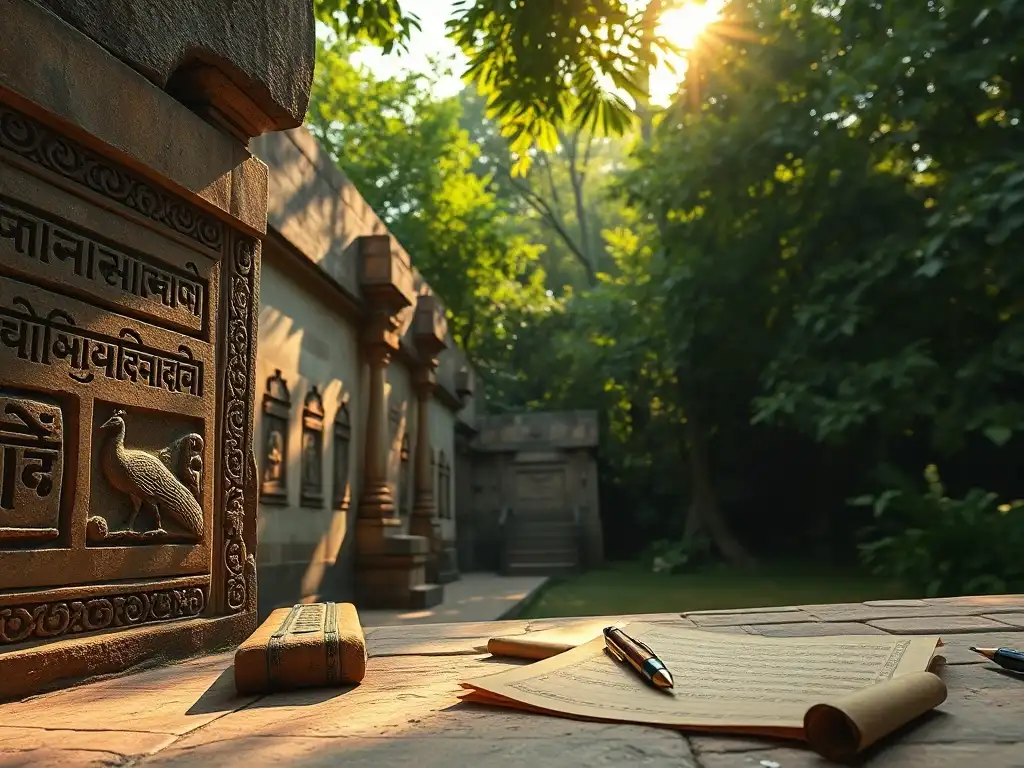
Ancient Indian inscriptions play a crucial role in understanding the historical and cultural tapestry of the subcontinent. These inscriptions, often etched in stone, metal, and other materials, serve as invaluable primary sources that offer insights into the socio-political, economic, and religious landscapes of ancient civilizations. By examining these texts, historians and archaeologists can reconstruct narratives that fill gaps left by other historical records, such as texts and oral traditions, thereby enriching our understanding of ancient Indian societies.
The significance of these inscriptions extends beyond mere documentation; they encapsulate the linguistic diversity and artistic expression prevalent in ancient India. The intersection of language and art in these inscriptions not only reflects the communicative purpose of the texts but also highlights the aesthetic sensibilities of the cultures that produced them. As such, inscriptions are pivotal in both historical research and the appreciation of ancient Indian art forms.
Inscriptions as Primary Sources for Understanding Ancient Civilizations
Inscriptions represent some of the earliest forms of written communication in ancient India, dating back to the Indus Valley Civilization and continuing through various dynasties, including the Maurya and Gupta empires. They encompass a wide range of subjects, including royal edicts, religious texts, and commemorative inscriptions. As primary sources, these artifacts provide direct evidence of the thoughts, beliefs, and practices of ancient people, offering a window into their daily lives and societal structures.
For instance, the Edicts of Ashoka, inscribed on pillars and rocks across the Indian subcontinent, reveal the Mauryan emperor's commitment to Dharma (righteousness) and social welfare. Such inscriptions not only document political governance but also illustrate the spread of Buddhism and its ethical teachings. Similarly, inscriptions from the Gupta period reflect advancements in science, mathematics, and the arts, showcasing the intellectual achievements of that era.
Contributions of Inscriptions to Deciphering Historical Events
The study of ancient Indian inscriptions has significantly contributed to our understanding of key historical events and transitions. Inscriptions often commemorate victories, alliances, and treaties, which can be cross-referenced with archaeological findings and historical texts to create a more comprehensive picture of past events. For example, the inscriptions detailing the conquests of the Chola dynasty provide crucial information about their military campaigns and territorial expansions, revealing how they influenced trade and cultural exchanges across Southeast Asia.
Moreover, inscriptions can also shed light on socio-political changes, such as the rise and fall of dynasties, shifts in religious practices, and the movement of peoples. As scholars continue to decipher and analyze these texts, they uncover layers of history that inform our understanding of ancient Indian civilization's dynamics, resilience, and evolution.
The Role of Epigraphy in Cultural Heritage Preservation
Epigraphy—the study of inscriptions—plays a vital role in the preservation of cultural heritage. Ancient inscriptions are not merely artifacts; they are carriers of cultural identity and continuity. As such, the preservation and study of these inscriptions contribute to safeguarding the legacy of ancient civilizations. Efforts to document and conserve inscriptions ensure that future generations can access and appreciate the rich history they embody.
In recent years, advancements in technology, such as 3D imaging and digital archiving, have revolutionized epigraphical studies. These technologies enable researchers to analyze inscriptions without causing damage and facilitate wider dissemination of knowledge about ancient scripts and languages. By bridging the gap between past and present, epigraphy fosters a deeper appreciation for the cultural heritage of ancient India.
Conclusion: The Lasting Impact of Language and Art in Ancient Indian Inscriptions
The intersection of language and art in ancient Indian inscriptions has left an indelible mark on the historical landscape. These inscriptions serve as both linguistic records and artistic expressions, illustrating the sophisticated communication methods and aesthetic values of ancient Indian civilizations. Their significance extends beyond academic research; they are a testament to the creativity, intellect, and spiritual depth of a diverse cultural heritage.
Reflection on the Significance of Ancient Indian Inscriptions Today
Today, ancient Indian inscriptions are more than historical artifacts; they are symbols of cultural identity and continuity. Their study invites reflection on the complexities of language, art, and heritage in shaping societal values and beliefs. As contemporary society grapples with issues of identity and cultural preservation, these inscriptions remind us of the importance of acknowledging and celebrating our diverse past.
Moreover, the ongoing research and public interest in ancient inscriptions highlight their relevance in understanding contemporary issues, such as multilingualism and cultural interchange. By exploring these ancient texts, we can draw valuable lessons that resonate with modern societal challenges and promote cultural understanding and appreciation.
Future Directions in the Study of Inscriptions and Epigraphy
The future of inscription studies and epigraphy looks promising, with several avenues for exploration. As new inscriptions are discovered and existing texts are reevaluated through modern techniques, scholars are poised to uncover fresh insights into ancient Indian history. Interdisciplinary approaches combining archaeology, linguistics, and digital humanities will enhance our understanding of inscriptions and their broader cultural implications.
Additionally, increased collaboration among researchers, institutions, and communities can facilitate public engagement and education about ancient inscriptions. By fostering a global dialogue on the significance of these artifacts, we can ensure that the legacies of ancient Indian civilizations continue to inspire and inform future generations.
References
The study of ancient Indian inscriptions is rich and multifaceted, drawing from various disciplines including archaeology, philology, and art history. Understanding the significance of these inscriptions requires a comprehensive look at both primary texts and scholarly analyses. Below are key references that provide valuable insights into the intricate relationship between language and art in ancient Indian inscriptions.
Notable Works on Ancient Indian Inscriptions
-
"The Inscriptions of Ashoka" by Richard McKeon
This seminal work delves into the edicts of Emperor Ashoka, examining their linguistic features, historical context, and artistic representations. McKeon's analysis highlights how these inscriptions reflect the sociopolitical landscape of the Mauryan Empire.
-
"Epigraphy and Archaeology in India" by S. R. Rao
Rao presents an extensive overview of the evolution of epigraphy in India, focusing on major inscriptions from different periods. The book discusses how artistry is interwoven with language in conveying religious and cultural narratives.
-
"Ancient Indian Inscriptions: A Study of the Scripts" by T. A. Gopinath Rao
This work offers a detailed examination of various scripts found in ancient Indian inscriptions, discussing their development and significance in the broader scope of Indian history and culture.
-
"The Language of the Gods: Sanskrit in the Indian Tradition" by Robert P. Goldman
Goldman explores the use of Sanskrit in inscriptions, emphasizing its role in artistic expressions and the transmission of religious ideas throughout ancient India.
-
"Art and Inscriptions of the Gupta Period" by Alok Bansal
Bansal's research focuses on the Gupta Empire's inscriptions, analyzing how language and art during this period reflect the empire's cultural and intellectual achievements.
Further Reading on Language and Art in Ancient Civilizations
-
"Writing and Society: An Introduction to Writing and Its Impact on Society" by David R. Olson
This book provides a broader context for understanding how writing systems, including ancient Indian inscriptions, influenced societal structures and artistic expression across civilizations.
-
"The Art of Ancient India: Buddhist, Hindu, Jain" by Susan Huntington
Huntington's work examines the confluence of language and visual arts within the context of ancient Indian religions, highlighting how inscriptions served as a medium for both spiritual and artistic communication.
-
"Deciphering Ancient Scripts: A Comparative Study" by John E. Wills
Wills' comparative analysis of various ancient scripts, including Brahmi and Kharosthi, offers insights into their linguistic features and artistic styles, providing a deeper understanding of their significance in ancient cultures.
-
"The Origins of Writing: A Comparative Study" by Walter S. McNair
This book explores the development of writing systems across different civilizations, including ancient India, and discusses the implications of these systems on artistic practices and cultural exchanges.
-
"The Language of Art: Perception as a Basis for Design" by Barbara Tversky
Tversky’s exploration of visual language in art complements the study of inscriptions by examining how visual representation and language interact to create meaning in ancient artworks.
By engaging with these works, readers can gain a deeper appreciation of the multifaceted significance of ancient Indian inscriptions, particularly in their roles as vessels of culture, history, and artistic expression.
- Understanding Ancient Indian Inscriptions
- The Significance of Language in Ancient Indian Inscriptions
- Artistic Elements in Ancient Indian Inscriptions
- The Interplay of Language and Art in Ancient Indian Inscriptions
- The Importance of Ancient Indian Inscriptions in Historical Research
- Conclusion: The Lasting Impact of Language and Art in Ancient Indian Inscriptions
- References
Frequently Asked Questions
What are ancient Indian inscriptions?
Ancient Indian inscriptions are written records found on various materials like stone, metal, or pottery, reflecting the language, culture, and historical events of ancient Indian civilizations.
Why are ancient Indian inscriptions significant?
These inscriptions hold great significance as they provide insights into historical narratives, social structures, and cultural practices of ancient India, helping us understand the evolution of language and art.
What languages are commonly found in ancient Indian inscriptions?
Common languages include Sanskrit, Prakrit, and Tamil, each representing different regions and dynasties throughout ancient Indian history.
How do ancient Indian inscriptions contribute to our understanding of art?
They illustrate the intersection of language and art, showcasing the stylistic elements and symbolic representations used in ancient Indian culture, enriching our appreciation of their artistic achievements.
Are there any notable examples of ancient Indian inscriptions?
Yes, significant examples include the Ashoka Edicts, which promote Buddhism and moral governance, and the inscriptions of the Gupta Empire, which highlight advancements in science, mathematics, and literature.
Final Reflection: The Enduring Significance of Ancient Indian Inscriptions
The exploration of ancient Indian inscriptions reveals a profound connection between language and art that resonates with our contemporary understanding of cultural heritage. Today, as we navigate a world increasingly defined by globalization and digital communication, the significance of these inscriptions serves as a reminder of the rich tapestry of human expression. The intricate interplay between language and visual artistry in these inscriptions not only reflects the historical context of ancient India but also underscores the timeless nature of storytelling through diverse mediums.
The influence of ancient Indian inscriptions extends far beyond their historical context; they continue to shape our cultural landscape and inspire modern artistic endeavors. The ability of these inscriptions to convey complex ideas through a blend of linguistic and artistic elements invites us to appreciate the depth of human creativity. As noted by art historian Dr. R. S. Sharma, Inscriptions are not just records of the past; they are living dialogues that connect us to our ancestors and their thoughts.
This perspective encourages us to recognize the ongoing dialogue between past and present, urging us to engage with our cultural roots.
As we reflect on the lessons gleaned from the study of ancient Indian inscriptions, I invite you to consider how these insights can enrich your own life. Embrace the power of language and art in your personal expression, whether through writing, visual arts, or other creative outlets. Let the significance of these ancient texts inspire you to explore your own narrative, fostering a deeper connection to your heritage and the world around you. Remember, every inscription tells a story, and your story is just as valuable—so share it boldly and creatively.
Unveil the Beauty of Ancient Languages and Art Today!
Thank you for journeying through the intricate tapestry of language and art in ancient Indian inscriptions! Your interest in this fascinating intersection enriches our understanding of history and culture. Now, let’s take those insights further and bring them into your world.
Here are a few ways you can immerse yourself in this captivating subject:
- Explore local museums or exhibitions showcasing ancient Indian art and inscription replicas to experience their beauty firsthand.
- Join or start a discussion group focused on linguistics and ancient art to share insights and ignite new ideas with fellow enthusiasts.
- Uncover hidden treasures in your library or online resources that delve into ancient scripts and their artistic significance — you might stumble upon something surprising!
What aspect of ancient inscriptions resonates with you the most, and how do you plan to explore it further?