
How Ancient Indian Philosophers Approached the Concept of Time

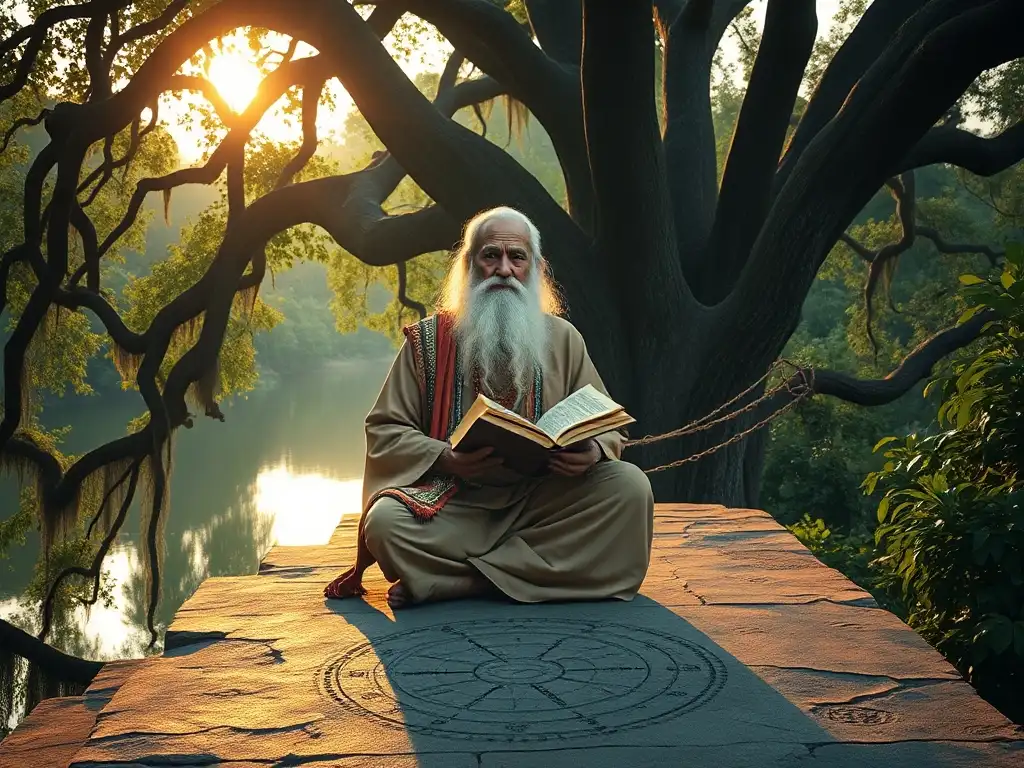
Welcome to Ancient India History, where we delve into the rich tapestry of ancient Indian civilizations that have shaped our world today. In this exploration, we invite you to uncover the fascinating ancient Indian philosophy of time—a concept that not only mirrors the complexities of existence but also reveals the profound insights of thinkers from the Indus Valley to the Gupta Empire. What if time is not just a linear progression, but a cyclical journey?
Join us as we unravel the wisdom of our ancestors and discover how their perspectives continue to influence contemporary thought. Dive deeper to expand your understanding of this captivating topic!
- Introduction to Ancient Indian Philosophy of Time
- Key Concepts in Ancient Indian Philosophy of Time
- Prominent Ancient Indian Philosophers and Their Views on Time
- Time in Ancient Indian Texts and Literature
- Comparative Analysis: Ancient Indian Philosophy of Time and Other Philosophies
- Conclusion: The Legacy of Ancient Indian Philosophy of Time
- References and Further Reading
-
Frequently Asked Questions
- What is the significance of ancient Indian philosophy of time?
- How did ancient Indian philosophers perceive the nature of time?
- What contributions did the Indus Valley Civilization make to the understanding of time?
- How did the Gupta Empire influence the discourse on time?
- Are there any key texts that discuss the philosophy of time in ancient India?
- Final Reflection: Embracing the Eternal Wisdom of Ancient Indian Philosophy of Time
- Embrace the Wisdom of Time: Take Action Today!
Introduction to Ancient Indian Philosophy of Time
The concept of time has long fascinated thinkers across the globe, and ancient Indian philosophers offered profound insights that continue to resonate today. In the realm of ancient Indian philosophy of time, various schools of thought approached this elusive concept with unique perspectives, intertwining it with metaphysics, cosmology, and ethics.
This exploration is not merely academic; it delves into the very fabric of Indian culture, reflecting the civilization's understanding of existence, change, and the cyclical nature of life. From the early contemplations in the Vedic texts to the intricate philosophies of the Gupta Empire, the discourse on time reveals how deeply it influenced spiritual practices, scientific inquiry, and daily life in ancient India.
Overview of Ancient Indian Philosophical Traditions
Ancient Indian philosophy is marked by a rich tapestry of diverse schools, each contributing to the understanding of time in distinctive ways. Major traditions include:
- Vedic Philosophy: The earliest texts, such as the Rigveda, present time as an infinite cycle, emphasizing the importance of rituals that align with cosmic rhythms.
- Sankhya and Yoga: These schools propose a dualistic view of reality, where time is seen as a linear progression that facilitates the evolution of consciousness and the soul's journey.
- Buddhism: Offers a unique perspective, viewing time as impermanent and stressing the importance of living in the present moment to attain enlightenment.
- Advaita Vedanta: Emphasizes the illusion of time (Maya) and proposes that true reality exists beyond temporal constraints.
These traditions collectively contribute to a comprehensive understanding of time, revealing its significance beyond mere measurement.
Importance of Time in Indian Culture and Thought
In ancient Indian culture, time was not just a physical dimension but a crucial element woven into the spiritual and philosophical fabric. The importance of time manifests in several key aspects:
- Cyclical Nature: Unlike the linear perception prevalent in many Western philosophies, ancient Indian thought often embraced a cyclical view of time, illustrated by concepts such as Kalachakra (the Wheel of Time). This perspective influenced various practices, including agriculture, festivals, and rituals.
- Rituals and Cosmology: Time's measurement was deeply tied to religious observances. The alignment of rituals with cosmic time was essential for maintaining harmony with the universe, reflecting a belief that actions performed at the right moment could yield greater spiritual benefits.
- Philosophical Discourses: Major texts such as the Bhagavad Gita and Upanishads discuss time in the context of life and death, influencing ethical considerations and existential inquiries.
Understanding these dimensions of time in ancient Indian philosophy enriches our appreciation of its cultural significance, showcasing how intertwined it is with the very essence of existence and consciousness.
Key Concepts in Ancient Indian Philosophy of Time

The Notion of Cyclical Time in Ancient Indian Thought
In ancient Indian philosophy, time is predominantly viewed as cyclical, a concept deeply rooted in several philosophical and spiritual traditions. This cyclical understanding is largely derived from the teachings of Hinduism, Buddhism, and Jainism. The notion emphasizes the repetitive nature of existence, where time is perceived as a series of cycles rather than a linear progression.
Key Features of Cyclical Time:
- Yugas: In Hindu cosmology, time is divided into four distinct epochs known as Yugas—Satya Yuga, Treta Yuga, Dvapara Yuga, and Kali Yuga. Each Yuga represents a different phase of moral and spiritual decline, culminating in the end of the current cycle, followed by the renewal of creation.
- Samsara: This concept refers to the continuous cycle of birth, life, death, and rebirth. It reflects the belief that souls traverse through various lives in a cyclic pattern, affected by their past actions (karma).
- Kalachakra: In Buddhism, the term “Kalachakra” means "wheel of time," symbolizing the intricate interplay of time and existence. It highlights the idea that time is not only cyclical but also interconnected with the cosmos and individual experiences.
The philosophical implications of cyclical time suggest that existence is not a unidirectional path but rather a repeated journey, where one engages in personal and collective evolution through various cycles of life.
Linear Time vs. Cyclical Time: Philosophical Perspectives
The contrast between linear and cyclical conceptions of time is a significant discussion in ancient Indian philosophy. While linear time is often associated with Western philosophical traditions, ancient Indian thought presents a more nuanced understanding.
Linear Time:
- Western Influence: Linear time is characterized by a forward-moving perspective, where events are seen as a progression from past to present to future. This view is prevalent in many Western philosophies and religions, where time is often associated with a definitive beginning and end.
- Philosophical Implications: It emphasizes the uniqueness of events and the notion of historical progress, suggesting that each moment builds upon the last toward a specific goal or end.
Cyclical Time:
- Philosophical Implications: In contrast, cyclical time presents a view that emphasizes the repetitive nature of existence and the interconnectedness of all events. This perspective offers a more holistic understanding of life, where time is not merely a sequence of events but a dynamic process of renewal and transformation.
- Integration in Philosophy: Ancient Indian philosophers, such as those in the Upanishads and the Bhagavad Gita, often reconciled these two views, acknowledging the practical linear progression of life while emphasizing the underlying cyclical nature of existence.
This philosophical duality reflects a comprehensive approach to understanding time, providing insights into the human experience and the universe's rhythm.
The Role of Karma and Rebirth in Understanding Time
Karma and rebirth are fundamental concepts in ancient Indian philosophy that intricately tie into the understanding of time. These ideas illustrate the ethical and moral dimensions of time, emphasizing how actions influence the cycle of life.
Karma:
- Definition: Karma refers to the law of cause and effect, where every action has consequences that influence future experiences. In the context of time, it suggests that past actions shape present circumstances and future outcomes.
- Philosophical Implications: This belief reinforces the cyclical view of time, where individuals are accountable for their actions across different lifetimes, creating a continuous loop of moral and spiritual development.
Rebirth:
- Concept: Rebirth is the process through which a soul is reborn into a new body after death, influenced by the accumulated karma from previous lives.
- Philosophical Implications: This cyclical process underlines the notion that time is not merely a linear path but a journey of the soul through various existences, perpetually learning and evolving.
The ancient Indian philosophy of time is a rich tapestry woven with concepts of cyclical time, the interplay of karma, and the process of rebirth. These elements collectively offer a profound understanding of existence, encouraging individuals to reflect on their actions and their place within the broader cosmic cycle.
Prominent Ancient Indian Philosophers and Their Views on Time
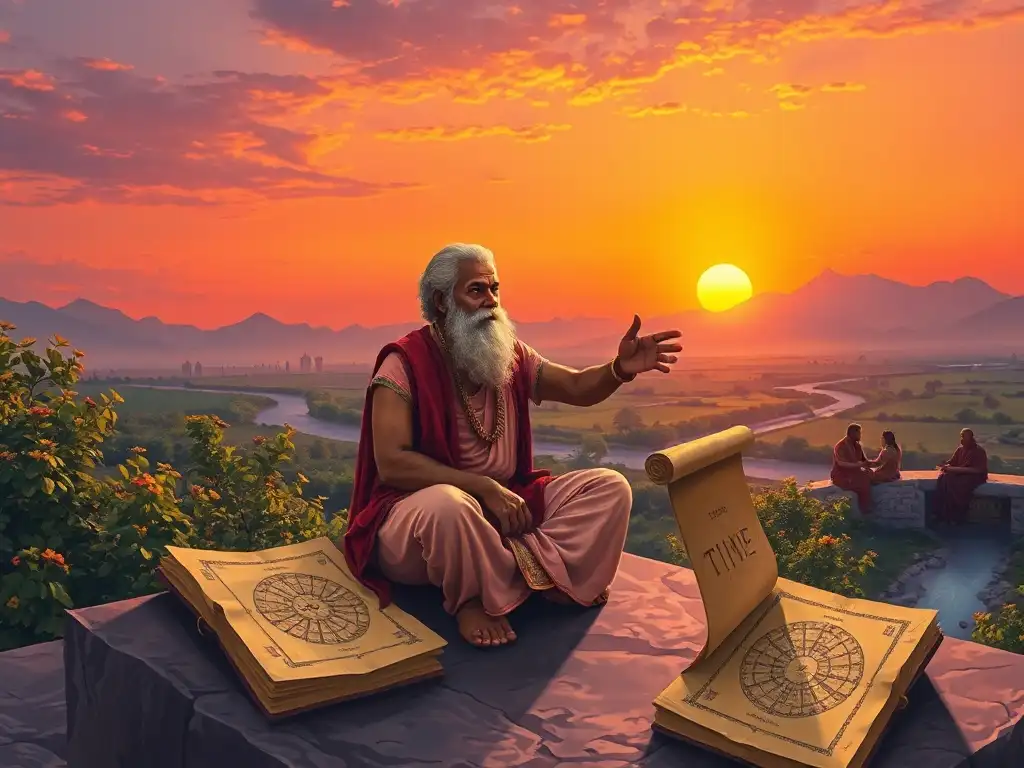
In the realm of ancient Indian philosophy, several prominent philosophers have made significant contributions to the understanding of time. Their diverse perspectives reflect a rich tapestry of thought that encompasses not just the measurement of time, but also its metaphysical and existential implications. Key figures include Vedic scholars, Upanishadic thinkers, and classical philosophers such as Gautama Buddha and Adi Shankaracharya. Each of these philosophers approached the concept of time with unique insights, weaving together the philosophical, spiritual, and practical dimensions.
The Contributions of Vedic Philosophers
The Vedic texts, foundational to ancient Indian philosophy, provide some of the earliest insights into the nature of time. Vedic philosophers conceptualized time as a cyclical phenomenon, intertwined with cosmic rhythms. They viewed time not merely as a linear progression but as a cosmic cycle that reflects the order of the universe.
Time in the Vedas: A Cosmic Perspective
In the Vedas, time is often associated with the divine and cosmic order. The concept of Yugas—Great Ages—illustrates this cyclical nature of time. The four Yugas (Satya, Treta, Dvapara, and Kali) represent a gradual decline in virtue and dharma, with each age lasting for vast cycles of time. This cyclical understanding of time contrasts sharply with the linear perspectives found in other traditions.
- Key Points about Time in the Vedas:
- Cyclical Nature: The belief that time is repetitive, governed by cosmic laws.
- Yugas: Each Yuga represents a stage in the cosmic order, reflecting changes in human morality and spirituality.
- Rituals and Timing: The timing of rituals was crucial, with specific moments deemed auspicious, reflecting the alignment of cosmic energies.
This perspective emphasizes the interconnectedness of all existence, suggesting that the past, present, and future are interwoven in a grand cosmic tapestry.
The Insights of Classical Philosophers
As philosophy evolved, classical philosophers built upon Vedic ideas, further refining the understanding of time. They introduced more sophisticated interpretations that blended metaphysical inquiry with practical considerations.
The Concept of Time in the Upanishads
The Upanishads, philosophical texts that follow the Vedic period, delve deeper into the nature of reality and the self, offering profound insights into the concept of time.
- Key Themes in the Upanishadic View of Time:
- Eternal Now: The Upanishads emphasize the idea of the eternal present, suggesting that true existence transcends temporal limitations.
- Atman and Time: The relationship between the individual self (Atman) and the universal self (Brahman) reflects a non-linear understanding of time, where the essence of the self is eternal and unchanging.
- Meditation and Timelessness: Practices such as meditation aim to transcend the confines of time, allowing individuals to experience a state of timeless awareness.
This philosophical inquiry leads to the conclusion that time, while perceived as a series of moments, ultimately serves as a bridge to a deeper understanding of the self and the cosmos. The insights from the Upanishads highlight the profound connection between the individual's experience of time and the universal truths of existence.
The ancient Indian philosophy of time, as explored by both Vedic and classical philosophers, presents a rich and complex understanding that continues to influence contemporary thought. Through their explorations, we glimpse the intricate relationship between time, existence, and the cosmos, affirming that ancient ideas remain relevant in our quest to comprehend the nature of reality.
Contributions of Jain Philosophers
Jain philosophy has made significant contributions to the understanding of time, particularly through its unique perspectives on the cyclical nature of existence. Jain thinkers such as Mahavira and later philosophers like Kundakunda have explored the concept of time in relation to the universe, emphasizing its eternal and cyclical characteristics. In Jainism, time is not viewed as a linear progression but rather as an infinite cycle of creation and destruction, which aligns with the broader metaphysical framework of the religion.
Jain philosophers categorize time into two distinct aspects: “samaya” (moment) and “kala” (period). While “samaya” refers to an individual moment, “kala” encompasses longer intervals characterized by both cosmic and terrestrial events. This duality reflects the comprehensive understanding of time in Jain philosophy, where every moment is significant yet part of a larger, cyclical framework.
The Jain approach also highlights the role of karma in the perception of time, suggesting that the karmic actions of individuals influence their experiences across different lifetimes. As such, understanding the nature of time is essential for achieving liberation (moksha) from the cycle of birth and rebirth (samsara). This perspective encourages adherents to live ethically, as their actions resonate through time and affect their future existence.
The Jain Perspective on Time: An Eternal Cycle
The Jain perspective on time is rooted in the belief that time is eternal and operates in a cyclical manner. This view contrasts with many Western philosophies that often perceive time as linear and progressively moving toward an end. According to Jainism, time is divided into two vast cycles: “utsarpini” and “avasarpini.”
- Utsarpini: This is the ascending cycle, characterized by improvement and growth. In this phase, human beings experience increased happiness, wisdom, and longevity. The world progresses towards a state of higher consciousness and moral virtue.
- Avasarpini: In contrast, this is the descending cycle, marked by a deterioration in human conditions. Here, people experience a decline in morality, wisdom, and happiness. The world gradually descends into chaos and ignorance.
These cycles alternate indefinitely, emphasizing that time is not confined to a beginning or an end but is a continuous loop. This eternal cycle of time is interwoven with the Jain doctrines of samsara and karma, reinforcing the idea that every action has consequences that transcend individual lifetimes. Consequently, the Jain approach to time serves as a philosophical framework that encourages mindfulness in actions, as individuals navigate through their karmic journeys across these eternal cycles.
The Jain philosophy of time presents a profound understanding of existence, urging adherents to recognize the implications of their actions in the eternal cycles of life, death, and rebirth. This perspective not only enriches the discourse on ancient Indian philosophy but also offers valuable insights into the human experience within the timeless flow of existence.
Time in Ancient Indian Texts and Literature
Examination of Key Texts on Time
Ancient Indian philosophy of time is richly explored in various texts, each offering unique perspectives and interpretations. Key texts such as the Vedas, Upanishads, Mahabharata, and Puranas provide a deep examination of time's nature, significance, and its implications on life and philosophy.
- The Vedas: The earliest scriptures of Hinduism, the Vedas articulate a cyclical view of time, emphasizing the eternal nature of the universe. They introduce the concept of Yugas, which are epochs that define cosmic time.
- The Upanishads: These philosophical texts delve into metaphysical discussions about time, often linking it with concepts like Brahman (the ultimate reality) and Atman (the soul). They discuss the idea of time as an illusion ( Maya) and explore how understanding time can lead to enlightenment.
- The Mahabharata: This epic not only narrates historical events but also philosophically engages with the concept of time. It presents time as a force that governs fate and human actions, intertwining with ethical dilemmas faced by its characters.
- The Puranas: These texts elaborate on the cyclical nature of time, detailing vast cosmic cycles known as Kalpas. They describe the creation and destruction of the universe and the significance of time in Hindu cosmology.
The Mahabharata and Its Philosophical Insights on Time
The Mahabharata stands out as a monumental text that intricately weaves philosophical insights with narrative. One of its central themes is the transient nature of life, emphasizing that time is relentless and all-consuming.
- Karma and Time: The epic illustrates the concept of Karma—the law of cause and effect—and its relation to time. Actions taken in one moment reverberate through time, influencing future outcomes. This emphasizes the importance of ethical behavior, as choices echo across lifetimes.
- Time as a Teacher: Characters like Yudhishthira often reflect on their experiences, suggesting that time serves as a teacher, imparting wisdom through suffering and joy. The notion that every moment is an opportunity for growth permeates the narrative.
- The Role of Destiny: Time is portrayed as a framework within which destiny unfurls. The inevitability of events, such as the Kurukshetra War, underscores the idea that certain outcomes are preordained, prompting reflections on free will versus determinism.
The Puranas: Cosmic Cycles and Time
The Puranas offer a profound exploration of the cosmic dimensions of time, portraying it as a grand cycle rather than a linear progression.
- Kalpas and Yugas: The concept of Kalpas refers to vast cosmic epochs, each lasting billions of years. Within these, the four Yugas—Satya, Treta, Dvapara, and Kali—represent the gradual decline of virtue and the cyclical nature of existence.
- Creation and Destruction: The Puranas narrate the cycles of creation and destruction, suggesting that time is not merely a measure of change but an integral part of a divine cosmic order. This cyclical view promotes the idea of rebirth and the eternal return.
- Time and Deities: Time is often personified and associated with deities such as Kali and Shiva, who embody the destructive and transformative aspects of time. These representations reinforce the belief that time is both a creator and destroyer, inherent to the cosmic dance of existence.
The Influence of Time on Spiritual Practices
The ancient Indian philosophy of time deeply influenced various spiritual practices, particularly in meditation and rituals. Understanding time is crucial for practitioners seeking enlightenment or spiritual insights.
Meditation and the Experience of Time
Meditation practices in ancient India often reflect a nuanced understanding of time, emphasizing the subjective experience over the objective measurement of time.
- Timelessness in Meditation: Many meditators report experiences of timelessness, where the boundaries of past, present, and future dissolve. This aligns with the Upanishadic view of time as an illusion, allowing practitioners to transcend ordinary temporal constraints.
- Mindfulness and Presence: Ancient texts advocate for mindfulness, encouraging individuals to be fully present in the moment. This practice fosters a deeper connection with the self and the universe, aligning with the cyclical nature of time as described in the Puranas.
- Ritual Timing: The timing of rituals and ceremonies is also significant, as specific moments are believed to be more auspicious for spiritual practices. This reflects an awareness of cosmic time cycles and their influence on human endeavors.
Ancient Indian philosophy provides a profound understanding of time, interlinking it with ethics, spirituality, and cosmic cycles. The rich tapestry woven by texts like the Mahabharata and the Puranas continues to influence contemporary interpretations of time and existence.
Comparative Analysis: Ancient Indian Philosophy of Time and Other Philosophies
Similarities with Ancient Greek Philosophies of Time
The ancient Indian philosophy of time shares several intriguing similarities with ancient Greek philosophies, particularly in its exploration of the nature of time, causality, and existence. Both traditions grappled with profound questions regarding the essence of time and its relation to the universe.
- Cyclical vs. Linear Time:
- Both Indian and Greek philosophies examined the cyclical nature of time. In Indian thought, the concept of Kalachakra (Wheel of Time) emphasizes the endless cycles of creation and destruction. Similarly, the Greek philosopher Heraclitus suggested that change is the fundamental essence of life, echoing the cyclical patterns observed in nature.
- Philosophical Inquiry:
- Philosophers from both traditions engaged in rigorous dialectics to explore time. For instance, Plato's theory of forms parallels the Indian idea of Brahman, where the ultimate reality transcends temporal limitations. Both sought to understand time's relationship to the eternal.
- Metaphysical Interpretations:
- The metaphysical underpinnings in both philosophies reveal a shared recognition of time as more than mere measurement. The Greek notion of Aion (eternal time) resonates with the Indian philosophical view that time has spiritual dimensions, linking the cosmos to human consciousness.
Contrasts with Modern Western Concepts of Time
While ancient Indian philosophy shares some foundational ideas with ancient Greek thought, it starkly contrasts with modern Western concepts of time, particularly in its understanding of time's linearity and its implications for human existence.
- Linear vs. Cyclical Perception:
- Modern Western philosophy often views time as a linear progression from past to future, emphasizing a chronological sequence. In contrast, ancient Indian philosophy advocates for a cyclical understanding where time is not a straight line but rather a continuous loop of Yugas (ages), reflecting the eternal nature of existence.
- Quantitative vs. Qualitative Time:
- In contemporary Western thought, time is frequently quantified (seconds, minutes, hours) and viewed as a resource to be managed. Conversely, the ancient Indian perspective emphasizes qualitative experiences of time, where moments are valued based on spiritual significance and personal growth rather than mere measurement.
- Existential Implications:
- Modern Western philosophies often focus on time's impact on individual existentialism, leading to a sense of urgency and pressure. Ancient Indian philosophy, on the other hand, promotes a more contemplative approach, encouraging individuals to transcend the confines of time through practices such as meditation and yoga, fostering a connection with the eternal.
The comparative analysis of the ancient Indian philosophy of time with other philosophical traditions unveils a rich tapestry of thought that has shaped humanity's understanding of existence, continuity, and the cosmos.
Conclusion: The Legacy of Ancient Indian Philosophy of Time
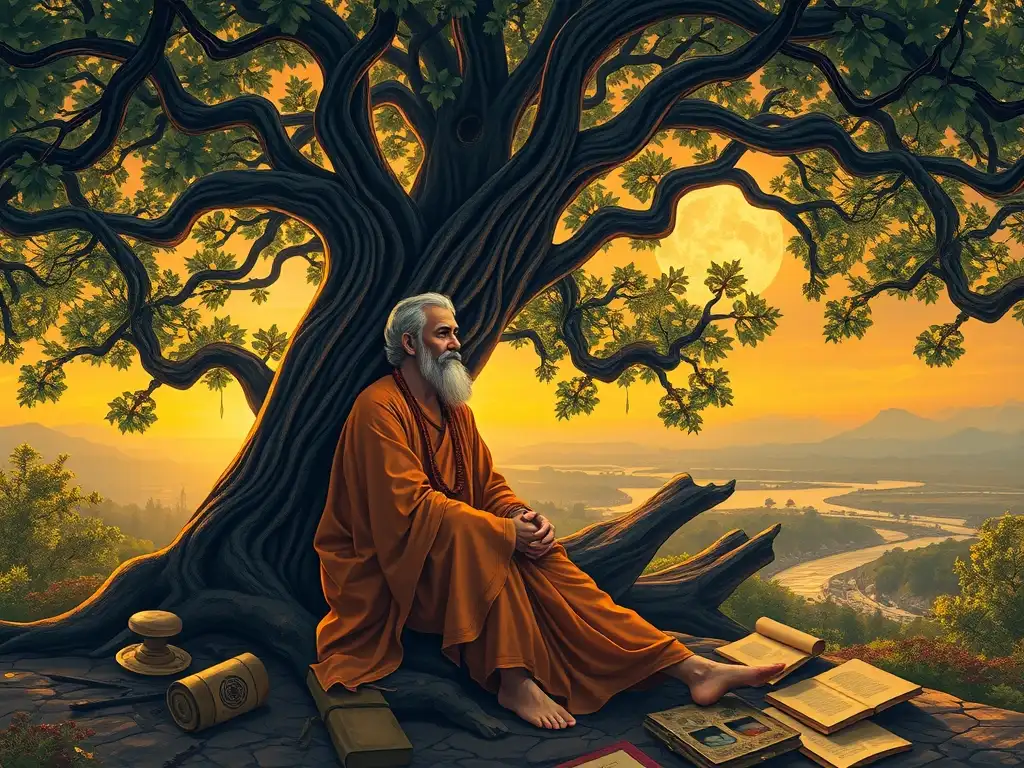
The legacy of ancient Indian philosophy of time is profound and multifaceted, influencing not only local traditions but also contributing to a global discourse on the nature and perception of time. Philosophers from the Vedic period through to the Gupta Empire engaged deeply with the concepts of time, weaving intricate ideas into the fabric of their broader philosophical inquiries. This legacy can be observed in various philosophies, spiritual practices, and scientific interpretations that emerged in subsequent eras.
The ancient Indian perspective on time often emphasized its cyclical nature, contrasting with the linear understanding prevalent in many Western philosophies. This cyclical view, illustrated through concepts like Kalachakra (the wheel of time), posits that time is not merely a sequence of events but a continuous cycle of creation, preservation, and dissolution. Such a viewpoint invites a deeper reflection on existence, urging individuals to consider their actions within the broader cosmic rhythm.
Lasting Impact on Contemporary Thought
The contributions of ancient Indian philosophers to the concept of time have left an indelible mark on contemporary thought. The discussions surrounding time in ancient texts, such as the Upanishads and Brahmanas, provide a foundation for modern thinkers to explore the metaphysical implications of time.
- Interconnectedness of Time and Space: The ancient Indian philosophy of time posits a profound interconnectedness between time and space, which resonates in contemporary theories of physics, particularly in the realms of relativity and quantum mechanics. The idea that events are interdependent and not isolated aligns with modern scientific explorations, bridging ancient wisdom and contemporary inquiry.
- Mindfulness and Temporal Awareness: The practices of mindfulness and meditation in modern spirituality can trace roots back to ancient Indian philosophies. The emphasis on being present and aware of the moment reflects the ancient understanding of how time influences consciousness and existential experience.
- Cyclical Time in Environmental Ethics: The cyclical concept of time has also influenced contemporary environmental ethics. Recognizing that human actions have long-term effects on the environment echoes the ancient Indian view of interconnectedness and responsibility, prompting a more sustainable approach to living.
Relevance to Modern Philosophical Discussions on Time
Ancient Indian philosophy of time is increasingly relevant in modern philosophical discussions. As contemporary thinkers grapple with the nature of time, its perception, and its implications for human existence, the insights from ancient Indian traditions provide valuable perspectives.
- Philosophical Paradoxes: The paradoxes of time, such as the nature of past, present, and future, are topics that ancient Indian philosophers addressed extensively. Their dialogues contribute to ongoing debates about the nature of reality and existence. For instance, the notion of Anadi (beginningless) time challenges the conventional understanding of a temporal beginning, prompting a reevaluation of cause and effect in philosophical discourse.
- Cultural Exchange: As globalization fosters the exchange of ideas, the ancient Indian philosophy of time enriches modern philosophical frameworks. Cross-cultural dialogues that incorporate these ancient perspectives encourage a more holistic understanding of time, inviting scholars from various backgrounds to collaborate and explore shared philosophical inquiries.
The ancient Indian philosophy of time not only offers a rich tapestry of ideas from the past but also serves as a vital resource for contemporary thought. Engaging with these ancient perspectives allows for a deeper understanding of time's complexities, ultimately enriching philosophical discussions across disciplines.
References and Further Reading
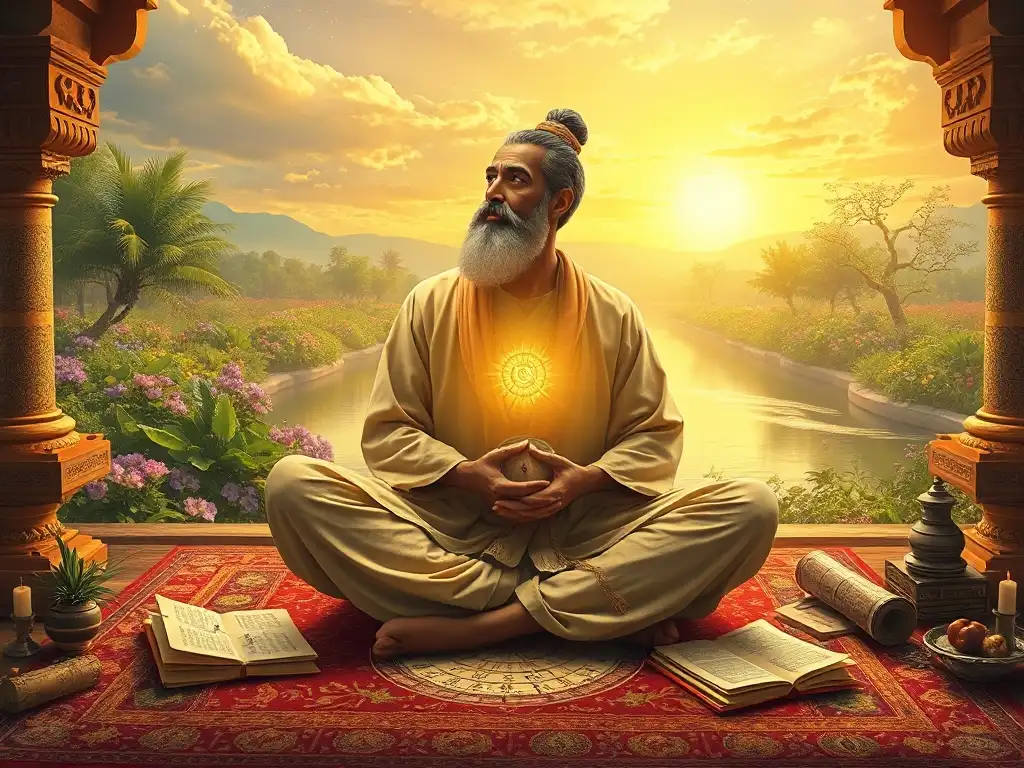
Suggested Texts for Understanding Ancient Indian Philosophy
To delve deeper into the ancient Indian philosophy of time, several key texts offer extensive insights into the philosophical discourse surrounding this concept. Here are some recommended readings:
-
"The Bhagavad Gita"
A foundational text in Hindu philosophy, the Gita discusses the nature of time in relation to duty (dharma) and the eternal soul (atman). It provides a philosophical framework that contrasts the transient (prakriti) with the eternal (purusha).
-
"The Upanishads"
These ancient texts explore various metaphysical themes, including the nature of reality and time. The Upanishads introduce concepts like cyclical time and the eternal now, which are crucial for understanding ancient Indian thought.
-
"Time and Eternity in the Philosophy of the Upanishads" by E. B. K. Schenk
This work specifically investigates the Upanishadic views on time, contrasting them with Western philosophical perspectives. It highlights the unique interpretations of time within ancient Indian philosophy.
-
"The Philosophy of Time: A History" by Richard M. Gale
While not exclusively focused on Indian philosophy, this text provides a comprehensive overview of philosophical ideas about time throughout history, including significant mentions of ancient Indian perspectives.
-
"Indian Philosophy: A Very Short Introduction" by Sue Hamilton
This concise volume offers an overview of Indian philosophical traditions, including discussions on time, helping readers contextualize ancient Indian views within broader philosophical debates.
Recommended Academic Sources for In-Depth Study
For those seeking a more scholarly examination of the ancient Indian philosophy of time, the following academic sources are invaluable:
-
"Time in Indian Philosophy" by A. K. Ramanujan
This article provides an academic exploration of how time is conceptualized in various Indian philosophical traditions, making it a crucial resource for understanding differing views.
-
"Cyclic Time and Linear Time: A Comparison of Indian and Western Concepts" by R. K. Gupta
This paper contrasts the cyclical nature of time in Indian philosophy with the linear concept prevalent in Western thought, offering a detailed analysis of both perspectives.
-
"Indian Philosophy and the Concept of Time" by V. Raghavan
This comprehensive study details the evolution of time concepts in Indian philosophy, from Vedic texts to modern interpretations, making it a cornerstone for anyone researching the topic.
-
"Philosophical Issues in Ancient Indian Thought" by K. K. Bhan
This book discusses various philosophical problems, including time, arising in ancient Indian thought, providing a thorough examination of the philosophical landscape.
-
Journal of Indian Philosophy
This academic journal publishes articles on various aspects of Indian philosophy, including discussions on time. It's an excellent source for current research and debates in the field.
Each of these texts and sources will deepen your understanding of how ancient Indian philosophers approached the concept of time, illustrating the richness and complexity of their insights.
Frequently Asked Questions
What is the significance of ancient Indian philosophy of time?
The ancient Indian philosophy of time offers a unique perspective that emphasizes the cyclical nature of time, contrasting with linear views prevalent in many other cultures.
How did ancient Indian philosophers perceive the nature of time?
Ancient Indian philosophers viewed time as both eternal and transitory, often exploring concepts of Karma and reincarnation that relate to the cyclical experience of existence.
What contributions did the Indus Valley Civilization make to the understanding of time?
The Indus Valley Civilization demonstrated advanced urban planning and timekeeping practices, indicating an early awareness of time's organization in daily life and agriculture.
How did the Gupta Empire influence the discourse on time?
During the Gupta Empire, scholars made significant advancements in mathematics and astronomy, which helped refine the understanding of time measurement and its philosophical implications.
Are there any key texts that discuss the philosophy of time in ancient India?
Yes, texts like the Vedas, Upanishads, and Bhagavad Gita explore various dimensions of time, integrating it with concepts of cosmic cycles and metaphysical existence.
Final Reflection: Embracing the Eternal Wisdom of Ancient Indian Philosophy of Time
The exploration of the ancient Indian philosophy of time reveals profound insights that remain strikingly relevant in our fast-paced modern world. As we navigate the complexities of life, the teachings of ancient philosophers remind us that time is not merely a linear progression but a cyclical experience that invites us to reflect on our existence and purpose. This perspective challenges the conventional notions of time as a relentless march forward, urging us to embrace the present moment with mindfulness and intention.
The influence of ancient Indian philosophy of time extends beyond academic discourse; it permeates our cultural and social landscapes, shaping our understanding of life itself. By recognizing the interconnectedness of all beings and the cyclical nature of existence, we cultivate a deeper appreciation for the rhythms of life. As Mahatma Gandhi once said, "> The future depends on what you do today." This wisdom echoes the teachings of ancient philosophers, reminding us that our actions in the present moment have the power to shape the future we desire.
As we conclude this exploration, I invite you to reflect on the lessons imparted by ancient Indian thinkers and consider how their insights can enrich your own life. Take a moment to pause, breathe, and engage with the present, allowing the wisdom of the past to guide your journey forward. In doing so, you not only honor the legacy of ancient philosophy but also empower yourself to live more fully in each moment, weaving the timeless teachings of the past into the fabric of your daily existence.
Embrace the Wisdom of Time: Take Action Today!
Thank you for exploring the fascinating insights into how ancient Indian philosophers approached the concept of time! By delving into their profound understanding, you've uncovered valuable lessons that can enrich your perspective on life. Now, let’s transform that knowledge into actionable steps.
- Dive deeper into the philosophies discussed by exploring texts from these thinkers. Consider starting with the Bhagavad Gita to gain a deeper understanding of cycles and responsibilities.
- Share your newfound knowledge! Discuss these ideas with friends or family, helping to enhance their understanding of time and existence through the lens of ancient wisdom.
- Join a community dedicated to ancient philosophies—search for online forums or local groups that focus on discussing historical concepts and their relevance in today's world.
What resonates most with you about these ancient views on time, and how might they influence your approach to the present?