
Women’s Contributions to Ancient Indian Science and Mathematics


Welcome to Ancient India History, where we embark on an enthralling journey through the rich tapestry of ancient Indian civilizations. Here, we delve into the remarkable contributions of women, often overlooked, who played pivotal roles in the realms of science and mathematics. Our featured article, “Women’s Contributions to Ancient Indian Science and Mathematics,” uncovers the extraordinary achievements of ancient Indian women in science, revealing how their ingenuity and intellect shaped the foundation of knowledge that resonates even today.
As you explore these compelling stories, you'll discover the profound impact these trailblazers had on the scientific advancements of their time. Prepare to be inspired and intrigued—your adventure into the forgotten legacies of ancient Indian women begins now!
- Introduction to Ancient Indian Women in Science and Mathematics
- Historical Context of Women in Ancient Indian Society
- Prominent Ancient Indian Women Scientists and Mathematicians
- Key Contributions of Women to Science and Mathematics
- The Influence of Ancient Indian Women on Future Generations
- Challenges Faced by Women in the Scientific Fields
- Conclusion: The Lasting Impact of Ancient Indian Women in Science
-
Frequently Asked Questions
- What roles did women play in ancient Indian science and mathematics?
- Were there any notable women scientists in ancient India?
- How did ancient Indian culture view women in science?
- What were the primary fields of study for women in ancient India?
- How can we learn more about ancient Indian women in science today?
- Final Reflection: Celebrating the Legacy of Ancient Indian Women in Science
- Celebrate and Elevate Women in Ancient Science!
Introduction to Ancient Indian Women in Science and Mathematics
The contributions of women to science and mathematics in ancient India are often overlooked, yet they played a pivotal role in shaping the intellectual landscape of the time. From the sophisticated urban planning of the Indus Valley Civilization to the astronomical advancements during the Gupta Empire, women contributed significantly to various fields of knowledge.
This article delves into the lives and achievements of these remarkable women, highlighting their roles in ancient Indian science and mathematics. By exploring their contributions, we aim to bring to light the often-neglected narratives of ancient Indian women in science, fostering a deeper understanding of their impact on society and the advancement of knowledge.
Overview of Ancient Indian Science
Ancient India was a cradle of scientific and mathematical innovation, characterized by a rich tapestry of knowledge that spanned various fields. Key areas of advancement included:
- Mathematics: The ancient Indians developed concepts such as zero, the decimal system, and advanced geometry. Mathematicians like Aryabhata and Brahmagupta laid the groundwork for future developments.
- Astronomy: Ancient Indian astronomers made significant contributions, including the calculation of planetary positions and the understanding of eclipses. Texts like the "Surya Siddhanta" provide evidence of this advanced knowledge.
- Medicine: The practice of Ayurveda flourished, with women physicians often being instrumental in the development of herbal remedies and medical literature.
- Metallurgy: Techniques in metallurgy, such as the creation of high-quality steel (Wootz steel), were advanced by ancient civilizations, showcasing their expertise in this area.
These fields not only reflect the scientific acumen of ancient Indian society but also demonstrate the collaborative efforts of both men and women in the pursuit of knowledge.
Importance of Women’s Contributions in Ancient India
The contributions of women to science and mathematics in ancient India are crucial for several reasons:
- Cultural Significance: Women's involvement in scientific endeavors challenged the traditional gender roles of the time, showcasing that intellect and creativity were not bound by gender.
- Preservation of Knowledge: Women often played a key role in preserving ancient texts and knowledge, ensuring that vital information was passed down through generations.
- Role Models: The achievements of women in ancient India serve as inspiring examples for future generations, emphasizing the importance of inclusivity in scientific discourse.
- Interdisciplinary Influence: Women contributed to various fields, demonstrating the interconnectedness of different areas of study and how their insights enhanced scientific understanding.
Understanding the contributions of women to ancient Indian science and mathematics not only enriches our comprehension of history but also highlights the importance of recognizing diverse voices in the narrative of human advancement.
Historical Context of Women in Ancient Indian Society
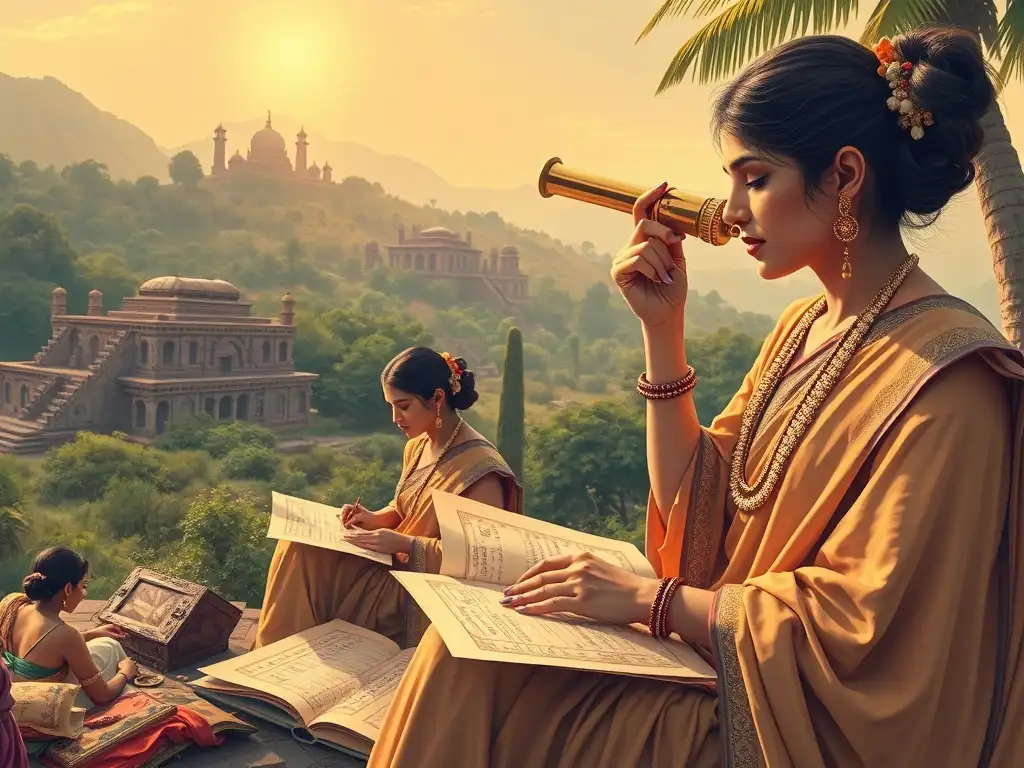
The social structure of ancient India was predominantly hierarchical, characterized by the caste system which played a significant role in determining the roles and responsibilities of individuals based on their birth. Women, while often relegated to subordinate roles within this structure, also held positions of influence and respect in certain contexts. The Vedic texts, dating back to around 1500 BCE, indicate that women were not only integral to family life but also participated in spiritual and intellectual pursuits.
In many ancient texts, we see a duality in the representation of women. On one hand, texts like the Manusmriti prescribed strict codes of conduct for women, emphasizing their roles as obedient daughters, wives, and mothers. However, there are also records of women engaging in scholarly activities and contributing to various fields, including science and mathematics. For example, Gargi Vachaknavi, a renowned philosopher, was known for her participation in debates and discussions alongside male scholars.
Key Points about Gender Roles:
- Patriarchal Society: Women were primarily seen as caretakers, with limited autonomy.
- Influential Figures: Some women, like Gargi and Maitreyi, challenged norms and contributed to philosophical discourse.
- Religious Roles: Women often held important roles in religious ceremonies, which provided them some degree of respect and visibility.
Despite the prevalent patriarchal norms, there were instances where women defied societal constraints, particularly in the realms of knowledge and spirituality. Their contributions, though often overlooked, were foundational in shaping the intellectual landscape of ancient India.
Education and Opportunities for Women in Science
Education for women in ancient India varied significantly based on regional and cultural contexts. In certain areas, particularly during the Vedic and post-Vedic periods, women had access to education and were encouraged to pursue studies in various disciplines, including mathematics and the sciences. Nalanda University, established in the 5th century CE, is one of the prominent institutions that welcomed women scholars, although this was more the exception than the rule.
The curriculum at the time included subjects such as mathematics, astronomy, and medicine, and women who excelled in these fields made significant contributions. The Aryabhata system of mathematics, for instance, was influenced by female mathematicians who worked alongside their male counterparts. Although their names may not have always been recorded, their impact on ancient Indian science is undeniable.
Opportunities for Women in Science:
- Vedic Education: Women like Gargi and Maitreyi were educated in philosophy and science, showcasing their intellectual capabilities.
- Institutional Learning: Institutions like Nalanda provided platforms for women to study advanced subjects.
- Mathematical Contributions: Women contributed to early mathematical concepts, although many remain anonymous in historical records.
The recognition of women's contributions to ancient Indian science is crucial for understanding the broader narrative of Indian history. These women not only participated in the scientific discourse of their time but also laid the groundwork for future advancements, illustrating that the legacy of ancient Indian women in science is both rich and significant.
Prominent Ancient Indian Women Scientists and Mathematicians
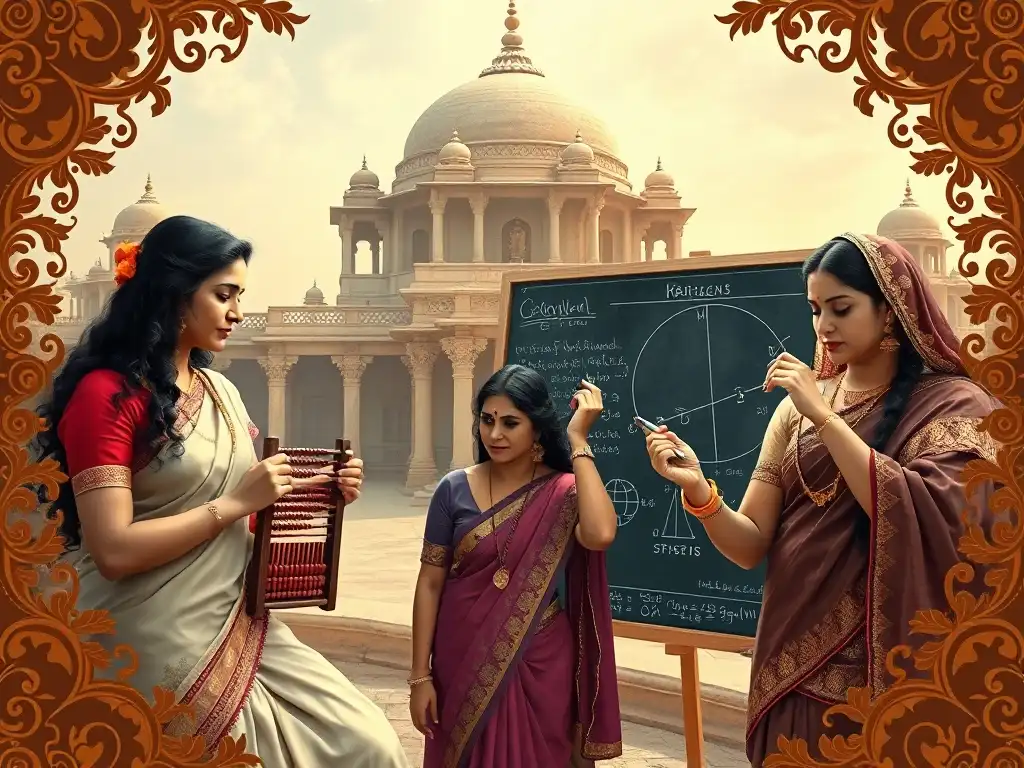
The contributions of women to science and mathematics in ancient India are often overlooked in the broader discourse on history. However, several notable figures not only made significant advancements in their fields but also shaped the intellectual landscape of their time. This section highlights some of the most prominent ancient Indian women who contributed to science and mathematics.
Hypatia: A Look at Her Influence in Ancient India
While Hypatia of Alexandria is primarily associated with Hellenistic scholarship, her influence extended to the realms of ancient Indian thought. Hypatia, a mathematician and philosopher, was known for her work in mathematics and astronomy, which resonated with intellectual circles across cultures.
- Mathematical Contributions: Hypatia's mathematical endeavors included significant advancements in algebra and geometry, which were later referenced by Indian mathematicians.
- Cultural Exchange: The interactions between the Hellenistic world and ancient India facilitated a flow of ideas and knowledge. This exchange helped to shape the scientific discourse in India, influencing thinkers like Aryabhata and Brahmagupta.
Her legacy serves as a reminder of the interconnectedness of civilizations and highlights the role of women in fostering scientific inquiry across cultures.
Gargi Vachaknavi stands out as one of the earliest female scholars in ancient India, celebrated for her profound contributions to philosophy and astronomy.
- Philosophical Insights: Gargi is best known for her participation in the philosophical debates of the Vedic period, particularly in the Brahadaranyaka Upanishad. Her inquiries into the nature of reality and the cosmos reflect a deep understanding of metaphysics and epistemology.
- Astronomical Knowledge: In addition to her philosophical work, Gargi is credited with advancements in astronomy. She posed questions about the movements of celestial bodies and the nature of the universe, showcasing a scientific approach to understanding the cosmos.
Gargi Vachaknavi's legacy not only underscores the intellectual prowess of ancient Indian women but also highlights their significant role in the development of early scientific thought.
Aryabhata's Collaborators: The Role of Women in His Work
Aryabhata, one of the most renowned mathematicians and astronomers of ancient India, did not work in isolation. While specific names may be less documented, it is essential to acknowledge the collaborative environment that surrounded him, which included contributions from women.
- Mathematical Collaboration: Women likely played crucial roles in the transmission of mathematical knowledge and techniques during Aryabhata's time. They may have engaged in the study of mathematics at home or in educational settings, supporting their male counterparts.
- Cultural Context: The cultural fabric of ancient India allowed for women's participation in scholarly pursuits, albeit often in the shadows of their male peers. The contributions of women in Aryabhata's era, directly or indirectly, enriched the scientific advancements that emerged.
Recognizing the contributions of women in Aryabhata's work sheds light on the collaborative nature of science and encourages a broader understanding of ancient Indian women in science.
The exploration of ancient Indian women in science reveals a rich tapestry of contributions that have often been marginalized in historical narratives. These women not only advanced their fields but also laid the groundwork for future generations of scholars and scientists.
Key Contributions of Women to Science and Mathematics
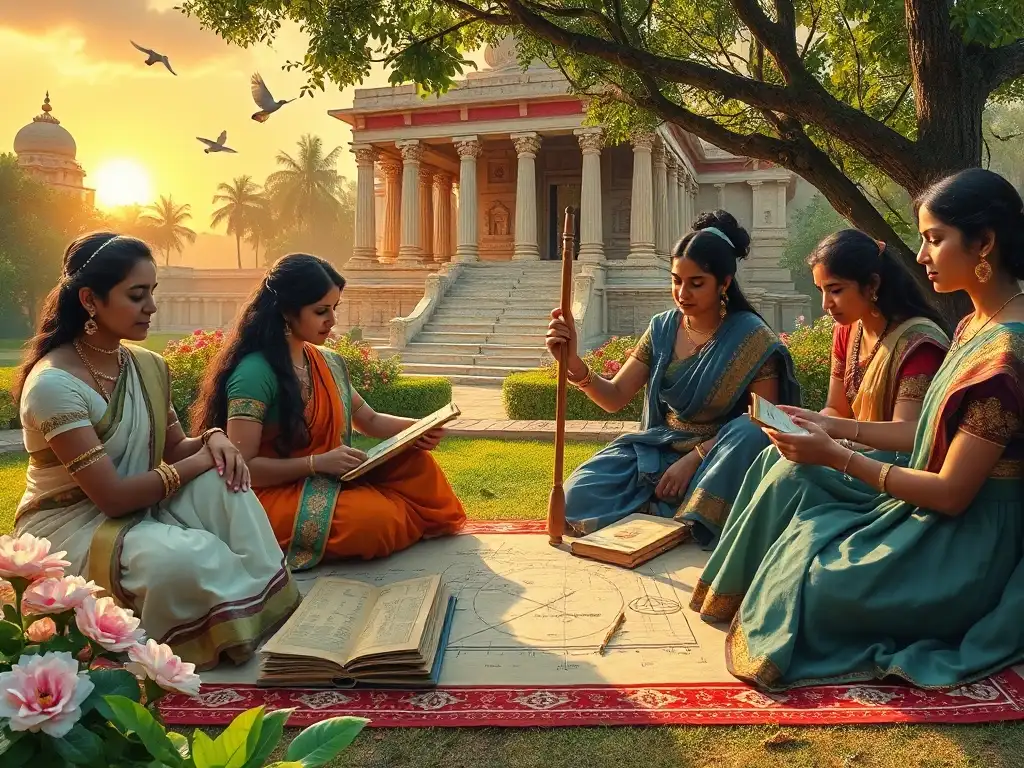
Ancient Indian women made significant strides in the fields of science and mathematics, leaving an indelible mark on the intellectual landscape of their time. Despite the patriarchal constraints often imposed on women in ancient societies, many women emerged as influential figures who contributed to various scientific disciplines. Their legacies, while not always prominently recorded in historical texts, showcase the depth of their knowledge and creativity.
Innovations in Astronomy by Ancient Indian Women
Ancient Indian astronomy was marked by meticulous observations and groundbreaking theories, some of which were contributed by women. Notable figures like Brahmagupta’s sister, who reportedly assisted in his astronomical calculations, exemplify the role women played in this field.
- Key Innovations:
- Calculation of Lunar Eclipses: Some texts attribute the accuracy of lunar eclipse predictions to women astronomers who meticulously observed celestial patterns.
- Star Cataloging: Women participated in the compilation of star catalogs, contributing to the understanding of celestial navigation.
Women were involved in various roles, from observation to theoretical contributions, often working alongside male astronomers or in familial contexts. Their insights were crucial in developing early astronomical tools and methodologies.
Mathematical Achievements and Their Impact on Society
The contributions of ancient Indian women to mathematics were profound, influencing various branches of mathematical thought and practice. The works of women mathematicians often revolved around practical applications, such as trade, agriculture, and architecture.
- Noteworthy Contributions:
- Geometry and Measurement: Women were instrumental in applying geometric principles to land measurement and architecture, which played a vital role in urban planning.
- Numerical Systems: The development of numerical systems, including the concept of zero, benefited from the collaborative efforts of women mathematicians who helped in teaching and disseminating knowledge.
These mathematical achievements were not only theoretical but had tangible impacts on society, enhancing economic activities and improving agricultural practices. The dissemination of mathematical knowledge through oral traditions and community practices often included women, highlighting their integral role in shaping mathematical discourse.
Contributions to Medicine and Health Sciences
Ancient Indian women significantly contributed to the fields of medicine and health sciences, often functioning as healers, herbalists, and scholars. They played a pivotal role in the practice of Ayurveda, the traditional system of medicine in India.
- Key Areas of Influence:
- Herbal Medicine: Women were known for their extensive knowledge of medicinal plants and herbs, formulating treatments that were crucial for community health.
- Surgical Techniques: Some texts suggest that women participated in surgical practices, contributing to early medical procedures and techniques.
The emphasis on holistic health in ancient Indian medicine reflects the contributions of women who understood the interplay between body, mind, and spirit. Their roles in health care not only impacted individual well-being but also contributed to the overall health of communities, emphasizing the importance of women's contributions to ancient Indian science.
The Influence of Ancient Indian Women on Future Generations
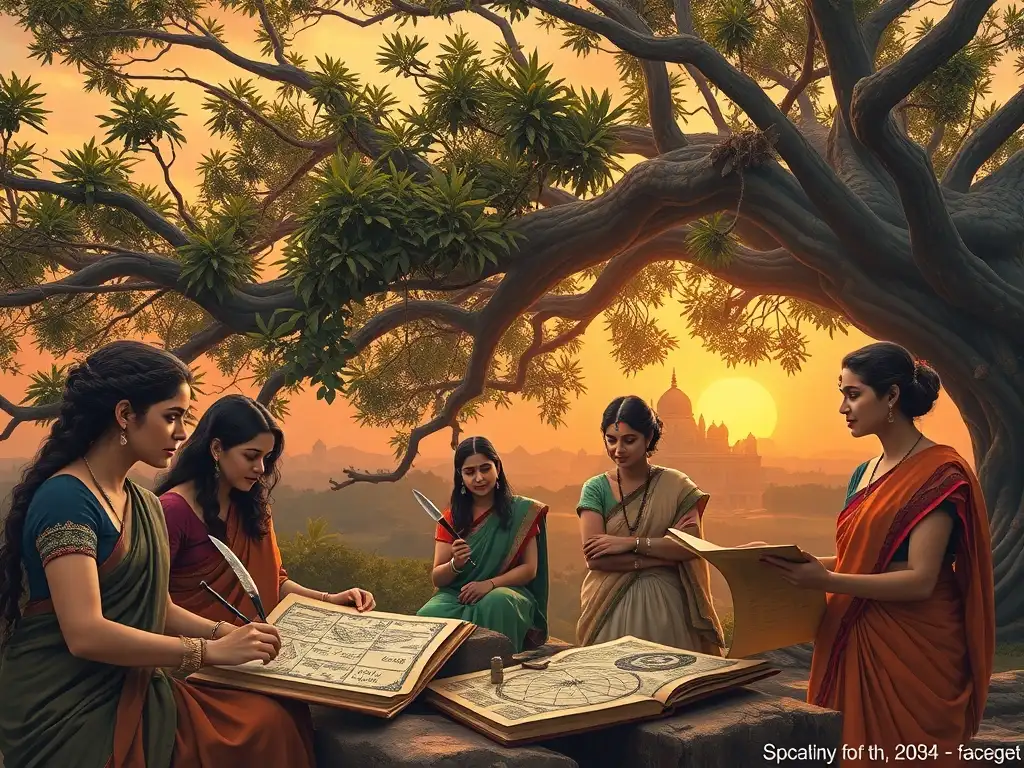
Legacy of Ancient Indian Women in Science
The contributions of ancient Indian women in science are often overlooked, yet they played a pivotal role in shaping the scientific landscape of their time. Women such as Aryabhata’s mother and others from various ancient civilizational contexts contributed significantly to mathematical and astronomical knowledge. Gargi Vachaknavi, a renowned philosopher and scholar, is often celebrated for her profound understanding of astronomy and mathematics, which she articulated in philosophical debates of her time.
- Mathematics and Astronomy:
- Women were involved in the early formulations of mathematics, with evidence suggesting that they contributed to the development of the decimal system and the concept of zero.
- Lilavati, a 12th-century mathematician, authored a treatise on arithmetic that is still referenced today.
- Medicine and Herbal Science:
- Ancient texts like the Sushruta Samhita and Charaka Samhita showcase the contributions of women in medicinal practices and the use of herbs. Women were not only healers but also researchers who documented their findings.
- Philosophy and Science:
- The philosophical works of women like Gargi and Maitreyi laid the groundwork for scientific inquiry, integrating logical reasoning with empirical observation.
These legacies reflect a sophisticated understanding of the natural world, which ancient Indian women meticulously documented and passed down through generations. Their achievements have inspired not only their contemporaries but also future generations of scientists, both male and female.
How Their Work Inspired Future Female Scientists
The influence of ancient Indian women in science resonates through the ages, inspiring countless female scientists in India and around the world. Their pioneering work laid the groundwork for future advancements and provided a model of intellectual rigor and resilience.
- Role Models:
- The achievements of figures like Lilavati and Gargi serve as powerful role models for modern female scientists. Their ability to navigate a male-dominated field while making significant contributions encourages contemporary women to pursue careers in science and mathematics.
- Modern Education:
- The resurgence of interest in ancient texts and the teachings of these women has led to revamped curricula in schools and universities, emphasizing the importance of female contributions in STEM (Science, Technology, Engineering, and Mathematics) fields.
- Cultural Recognition:
- Celebrating the scientific contributions of women in ancient India has led to greater cultural recognition, which is essential in combating stereotypes and encouraging young women to enter scientific fields. Initiatives that highlight the achievements of historical figures help to instill a sense of pride and belonging among aspiring scientists.
- Inspirational Stories:
- Contemporary female scientists often draw inspiration from the stories of their ancient counterparts, using their legacies to advocate for greater inclusion and representation of women in science today.
The enduring impact of ancient Indian women in science demonstrates that their contributions are not just relics of the past but living legacies that continue to inspire and shape the future of science and mathematics globally. Their influence is a testament to the vital role of women in the history of scientific advancement, emphasizing the need for continued recognition and support of women in these fields.
Challenges Faced by Women in the Scientific Fields
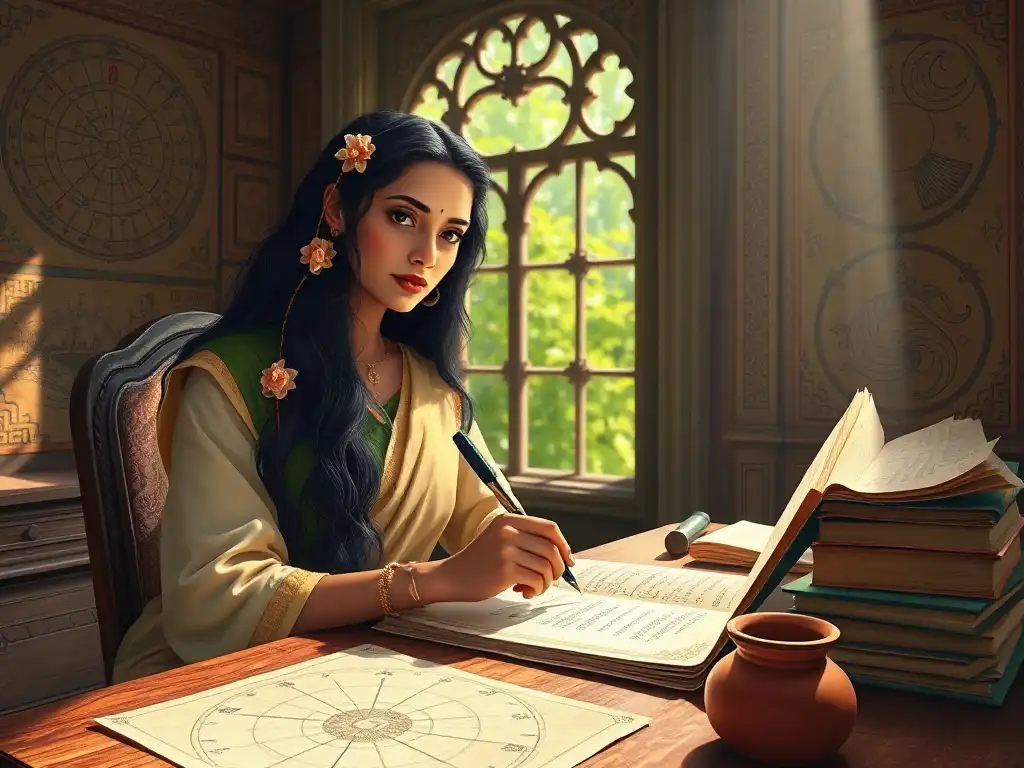
Women in ancient India made significant contributions to science and mathematics, yet they faced numerous challenges that hindered their full participation in these fields. The obstacles they encountered were deeply rooted in the societal norms and cultural practices of the time. Understanding these challenges is crucial to appreciating the impact of ancient Indian women in science.
Cultural Barriers and Societal Limitations
Cultural norms in ancient India often placed women in subordinate roles, limiting their access to education and professional opportunities. The following factors exemplify these cultural barriers:
- Patriarchal Society: Ancient Indian society was predominantly patriarchal, where the male members of the family held authority over women. This system often dictated that women focus on domestic responsibilities rather than pursue intellectual endeavors.
- Limited Access to Education: Educational institutions were primarily male-dominated. Women had restricted access to formal education, which significantly reduced their opportunities to engage in scientific inquiry. Some women, particularly from affluent families, could gain knowledge through private tutors, but this was not the norm.
- Social Norms and Gender Roles: The expectation for women to marry early and manage household duties curtailed their ability to pursue careers in science or mathematics. The societal belief that women's primary role was within the home discouraged many from seeking knowledge in these fields.
- Religious Restrictions: Certain religious practices and texts reinforced the notion that women should remain submissive and refrain from engaging in scholarly pursuits. As a result, women's intellectual contributions were often overlooked or undervalued.
The combination of these cultural barriers created an environment where the potential of ancient Indian women in science was largely untapped.
The Struggle for Recognition and Equal Opportunities
Even when women managed to break through the cultural barriers and engage in scientific pursuits, they faced significant challenges in gaining recognition and equal opportunities. The following points highlight their struggle:
- Marginalization of Contributions: Women's scientific achievements were frequently overshadowed by their male counterparts. Even when women contributed to significant discoveries or advancements, their names were often omitted from historical records, leading to a lack of acknowledgment in the annals of science.
- Lack of Institutional Support: Unlike their male peers, women often lacked support from educational and scientific institutions. This absence of mentorship and resources made it difficult for them to advance in their fields or gain visibility for their work.
- Resistance to Female Scholars: The prevailing mindset that women were unsuitable for scientific roles led to resistance from male scholars and institutions. This resistance not only stifled individual women’s ambitions but also perpetuated the stereotype that women were less capable in scientific endeavors.
- Limited Networks: The networks that facilitated collaboration and knowledge sharing among scientists were often inaccessible to women. The absence of female role models further isolated women in scientific fields, making it challenging for them to find support and encouragement.
The combination of these factors not only impeded the recognition of women's contributions to ancient Indian science but also created a legacy of underrepresentation that persisted through the ages. Understanding these challenges helps illuminate the resilience and determination of ancient Indian women who strove to make their mark in the fields of science and mathematics despite the odds stacked against them.
Conclusion: The Lasting Impact of Ancient Indian Women in Science
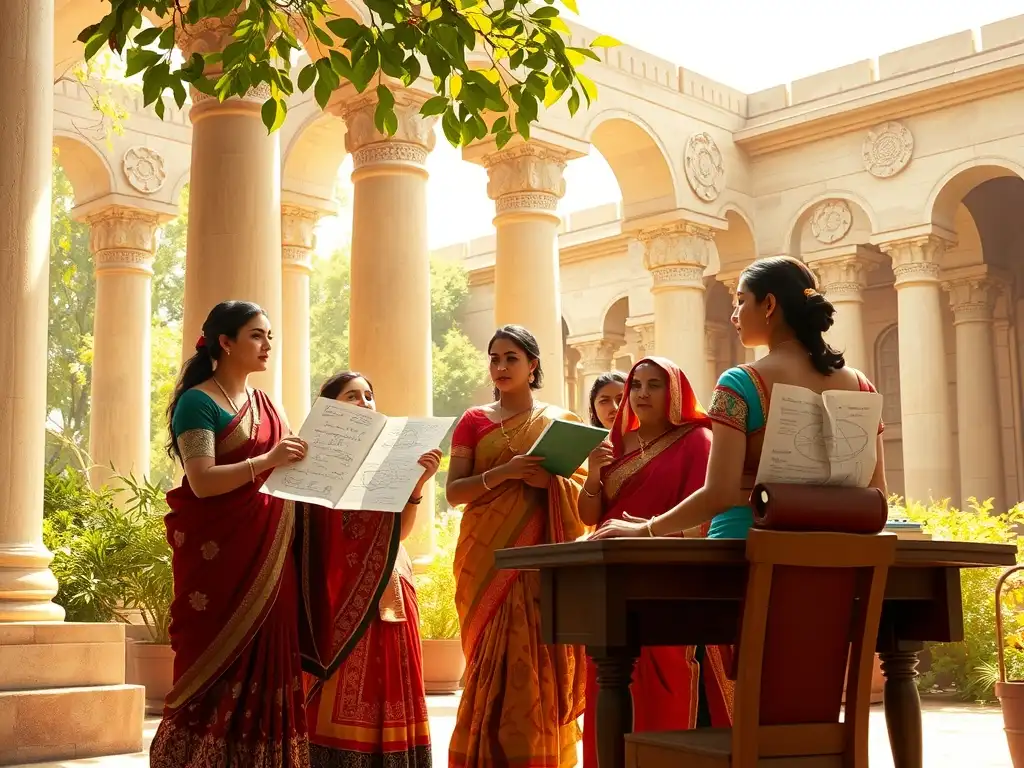
Reflection on Their Contributions and Historical Significance
The contributions of ancient Indian women in science and mathematics are an essential yet often overlooked aspect of history. Women such as Aryabhata's mother, who is frequently credited with influencing his work, exemplify the significant, albeit indirect, roles women played in advancing scientific knowledge. Additionally, the presence of women in the Brahmagupta’s time, where they were known to have engaged in astronomical studies, indicates a culture that valued women’s intellectual contributions.
Furthermore, evidence from ancient texts suggests that women were not only participants but also innovators in various scientific fields. For example, Lilavati, a renowned mathematician from the 12th century, is celebrated for her work in mathematics, which provides insights into arithmetic, geometry, and algebra. Her contributions are not merely historical footnotes but foundational elements of Indian mathematics that have influenced generations.
The acknowledgment of these contributions sheds light on the societal structures of ancient India, where women, despite the constraints of their time, managed to carve out significant roles in the scientific discourse. Their work laid groundwork that would influence not only Indian civilization but also the broader field of science globally.
The Importance of Recognizing Women’s Roles in Ancient Science
Recognizing the roles of ancient Indian women in science is crucial for several reasons. Firstly, it provides a more comprehensive understanding of history that includes diverse perspectives and contributions beyond the male-dominated narrative. By highlighting these women's achievements, we foster a more inclusive historical discourse that celebrates the multifaceted nature of scientific advancement.
Moreover, acknowledging these contributions can inspire current and future generations of women in STEM (Science, Technology, Engineering, and Mathematics) fields. It serves to remind us that women have always played vital roles in science, even in eras when their contributions were often minimized or ignored. The stories of figures like Vasanta, a mathematician, and Brahmagupta's sister, who contributed to astronomical calculations, empower young women to pursue their interests in science, demonstrating that their predecessors have paved the way for their success.
Lastly, the recognition of ancient Indian women in science contributes to the broader feminist discourse by challenging stereotypes and societal norms that have historically marginalized women's contributions. By reclaiming these narratives, we not only honor the past but also advocate for a future where women’s contributions in all fields, including science, are celebrated and valued equally.
The legacy of ancient Indian women in science is an integral part of our understanding of history. Their contributions deserve to be remembered and acknowledged, not just as historical facts but as narratives that inspire future generations in the pursuit of knowledge and equality in all fields.
Frequently Asked Questions
What roles did women play in ancient Indian science and mathematics?
Women in ancient India played significant roles in various scientific fields, often contributing to mathematics, astronomy, and medicine. Many were respected scholars and teachers, fostering knowledge and innovation.
Were there any notable women scientists in ancient India?
Yes, notable women like Gargi and Aryabhata's disciple, Bhāskara II's mother, contributed to scientific discourse. Their work often went undocumented but had a lasting impact on Indian intellectual traditions.
How did ancient Indian culture view women in science?
Ancient Indian culture had a complex view of women, where they were often celebrated as scholars and thinkers in some texts, while facing societal restrictions in others. Despite challenges, many women made significant contributions.
What were the primary fields of study for women in ancient India?
Women primarily engaged in astronomy, mathematics, and medicine. They often utilized their knowledge to influence cultural practices and improve societal welfare.
How can we learn more about ancient Indian women in science today?
Researching historical texts, academic papers, and modern analyses can provide insights into the contributions of ancient Indian women in science. Museums and educational institutions are also valuable resources for this exploration.
Final Reflection: Celebrating the Legacy of Ancient Indian Women in Science
The contributions of ancient Indian women in science and mathematics remain profoundly relevant today, as they challenge the prevailing narratives of history that often overlook female brilliance. By recognizing the achievements of these remarkable women, we not only honor their legacy but also inspire future generations to pursue knowledge and innovation, regardless of gender. Their stories remind us that the pursuit of science is a universal endeavor, transcending time and societal constraints.
The impact of these ancient women extends far beyond their era, influencing contemporary discussions around gender equality in STEM fields. Their pioneering work in mathematics and astronomy serves as a testament to the vital role women have played in shaping scientific thought. As we reflect on their contributions, we are reminded of the words of the mathematician Ada Lovelace: That brain of mine is something more than merely mortal; as time will show.
This sentiment resonates with the spirit of ancient Indian women who, despite facing societal limitations, contributed significantly to the intellectual heritage of their time.
As we conclude our exploration of the remarkable achievements of ancient Indian women in science, I invite you to reflect on their legacy and consider how you can contribute to fostering an inclusive environment in your own pursuits. Let their stories inspire you to break barriers, challenge norms, and champion diversity in all fields of knowledge. Together, we can ensure that the contributions of women in science are recognized, celebrated, and built upon for generations to come.
Celebrate and Elevate Women in Ancient Science!
Thank you for joining us on this enlightening journey through the remarkable contributions of women in ancient Indian science and mathematics. By exploring these groundbreaking achievements, you've gained insight into the powerful legacy and innovation that women have brought to the world of knowledge.
Now, let’s take action and honor this legacy together! Here’s how you can dive deeper and contribute to spreading awareness:
- Share this article with friends and family to inspire a greater appreciation for women's roles in history. Social media is an excellent platform to spark conversations!
- Explore further: Read books or articles that highlight the lives of remarkable women in ancient sciences. You might enjoy exploring works about the contemporaries of Aryabhata or other influential ancient scholars.
- Join the conversation: Participate in local or online groups that focus on historical research or women's achievements in science. Engagement is key to amplifying these important stories!
Which woman from ancient history inspires you the most, and why do you believe her contributions are significant today? Let's discuss in the comments below!