
The Dual Nature of Sankhya: Philosophical Insights into the MindBody Problem


Welcome to Ancient India History, where we embark on a fascinating journey through the rich tapestry of India’s past. In our exploration today, we delve into the profound realms of Sankhya philosophy, uncovering its insights into the mind-body problem that have shaped philosophical discourse for centuries. What secrets lie within this ancient wisdom? Join us as we unravel the complexities of existence and consciousness, and discover how the dual nature of Sankhya can illuminate our understanding of the human experience. Let your curiosity guide you through the depths of India's extraordinary heritage!
- Introduction to Sankhya Philosophy and Mind-Body Problem
- The Dual Nature of Reality in Sankhya
- Key Concepts of Sankhya Philosophy Related to Mind-Body
- Philosophical Insights into the Mind-Body Problem
- Critiques and Challenges of Sankhya Philosophy
- Conclusion: The Legacy of Sankhya Philosophy on Mind-Body Understanding
- Frequently Asked Questions
- Final Reflection: Embracing the Dual Nature of Sankhya Philosophy
- Unveil Your Inner Understanding of Mind and Matter!
Introduction to Sankhya Philosophy and Mind-Body Problem
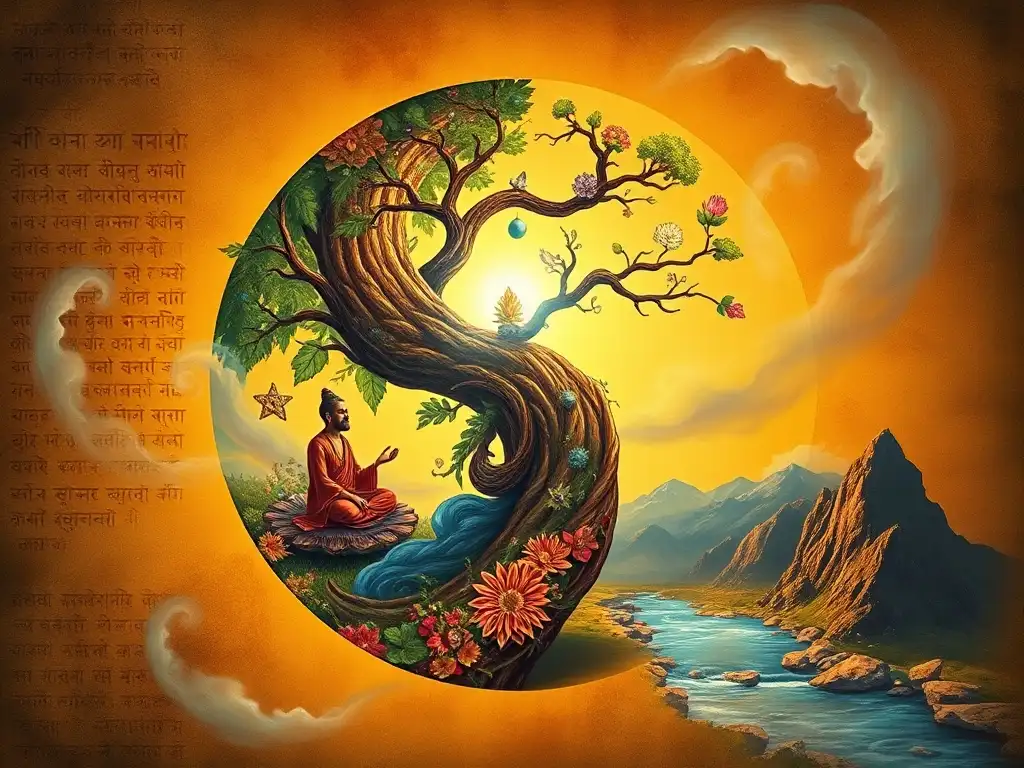
The exploration of Sankhya philosophy offers profound insights into one of the most intriguing dilemmas in philosophy: the mind-body problem. Originating in ancient India, Sankhya is a dualistic system of thought that seeks to explain the relationship between the mind and the body, presenting a unique framework that has influenced various philosophical traditions.
This article delves into the core principles of Sankhya philosophy, its historical context, and its significance in addressing the complexities surrounding the mind-body problem. By understanding the dual nature of reality as posited by Sankhya, we can gain a deeper appreciation for how ancient Indian thinkers approached the intersection of consciousness and physical existence, providing a foundation for modern philosophical discourse.
Overview of Sankhya Philosophy
Sankhya philosophy, attributed to the sage Kapila, is one of the six orthodox schools of Indian philosophy. It is characterized by its systematic categorization and analysis of existence, positing two primary realities: Purusha (consciousness) and Prakriti (matter). This dualistic framework suggests that:
- Purusha: The eternal, unchanging self that is pure consciousness.
- Prakriti: The dynamic, ever-changing material world that is governed by three gunas (qualities): Sattva (purity), Rajas (activity), and Tamas (inertia).
This distinction is crucial in understanding the Sankhya view of reality and consciousness. The interplay between Purusha and Prakriti lays the groundwork for discussions surrounding the mind-body problem, as it emphasizes the separation yet interdependence of mental and physical states.
Historical Context of Sankhya in Ancient India
The roots of Sankhya philosophy can be traced back to ancient Indian texts, particularly the Sankhya Karika, composed by Ishvara Krishna in the 4th century CE. This foundational text systematically outlines the principles of Sankhya and engages in dialogue with other philosophical schools, such as Nyaya and Vaisheshika. The historical significance of Sankhya lies in its role as a precursor to later philosophical developments, including Yoga and Advaita Vedanta.
Key historical points include:
- The interaction between Sankhya and other orthodox schools, contributing to a rich philosophical discourse.
- The influence of Sankhya on early Buddhist thought, particularly in understanding the nature of reality and perception.
- The continued relevance of Sankhya in contemporary discussions around consciousness studies and metaphysics.
Importance of Mind-Body Problem in Philosophy
The mind-body problem is a central theme in philosophy that addresses the relationship between mental states (thoughts, emotions, consciousness) and physical states (the body, brain, and behavior). In the context of Sankhya philosophy, this problem is approached through the lens of dualism, which asserts that mental and physical substances are fundamentally different.
The significance of the mind-body problem is highlighted by:
- Philosophical Inquiry: It challenges philosophers to consider how mental phenomena can arise from physical processes.
- Psychological Understanding: The interplay between mind and body has implications for psychology, especially in understanding mental health and well-being.
- Ethical Considerations: Discussions surrounding consciousness raise ethical questions about identity, responsibility, and the nature of existence.
By examining the twin aspects of the mind and body, Sankhya philosophy not only provides a framework for understanding existence but also invites ongoing dialogue about the nature of consciousness and its implications for various fields of study.
The Dual Nature of Reality in Sankhya
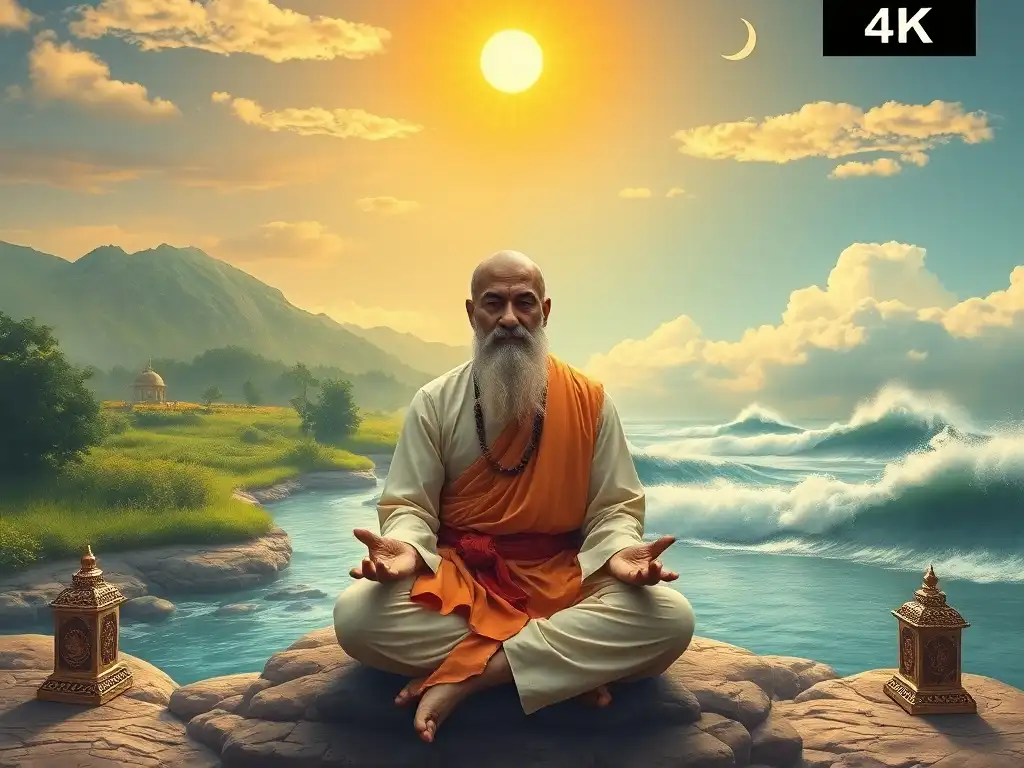
Sankhya philosophy, one of the six orthodox schools of Indian philosophy, presents a dualistic framework that distinguishes two fundamental realities: Purusha (the conscious spirit) and Prakriti (the material world). This duality is central to understanding the mind-body problem as it offers profound insights into the relationship between consciousness and the physical realm.
Explanation of Purusha and Prakriti
Purusha is often described as the eternal, unchanging consciousness, which transcends the physical world. It represents the true self, devoid of any attributes or modifications. In contrast, Prakriti is the dynamic, ever-changing matter that constitutes the universe, embodying the principles of evolution and transformation. This dualism can be summarized as follows:
- Purusha:
- Eternal: Exists beyond time and space.
- Consciousness: The essence of awareness and perception.
- Unchanging: Remains unaffected by the fluctuations of the material world.
- Prakriti:
- Temporal: Subject to the laws of time and change.
- Material: Comprises the physical and psychological elements of existence.
- Dynamic: Involves constant transformation and interaction.
The interplay between Purusha and Prakriti forms the basis of Sankhya's understanding of existence, where the former observes and experiences the latter. This relationship is crucial for exploring the Sankhya philosophy and mind-body connection, as it delineates how consciousness interacts with the physical realm.
The Interaction Between Mind and Body
In Sankhya, the mind (manas) is viewed as a subset of Prakriti and functions as an intermediary between Purusha and the physical body. This interaction is essential for comprehending the mind-body problem, as it illustrates how mental states influence bodily actions and vice versa. Key points regarding this interaction include:
-
Causal Relationship: The mind processes sensory information from the external world (Prakriti) and relays it to Purusha, allowing for self-awareness and decision-making.
-
Three Gunas: Prakriti is characterized by three fundamental qualities or gunas:
- Sattva: Represents purity and harmony, fostering clarity and understanding.
- Rajas: Signifies activity and restlessness, driving desires and motivations.
- Tamas: Embodies inertia and ignorance, leading to confusion and lethargy.
The interplay of these gunas influences mental states and behavioral patterns, further complicating the mind-body relationship.
-
Liberation (Moksha): The ultimate goal in Sankhya philosophy is the realization of Purusha's true nature, leading to liberation from the cycles of birth and death. This realization requires a deep understanding of how the mind and body interact, allowing individuals to transcend the limitations of Prakriti.
Implications for Understanding Consciousness
The dual nature of reality in Sankhya philosophy carries significant implications for our understanding of consciousness. By distinguishing between Purusha and Prakriti, Sankhya offers a framework to explore the following concepts:
- Nature of Consciousness: Consciousness is viewed as separate from the material world, suggesting that true understanding lies in recognizing the limitations of sensory experience.
- Mind-Body Dualism: The separation of Purusha and Prakriti reinforces the idea that consciousness can exist independently of the physical body, offering a philosophical perspective on issues such as identity, self-awareness, and perception.
- Holistic Approach: Understanding the interaction between mind and body encourages a holistic approach to well-being, emphasizing the importance of mental clarity and emotional balance in achieving harmony.
Sankhya philosophy provides profound insights into the dual nature of reality, offering a comprehensive understanding of the mind-body problem that continues to resonate in contemporary philosophical discourse. By exploring the intricate relationship between Purusha and Prakriti, we can better appreciate the complexities of consciousness and its role in shaping human experience.
The Five Elements and Their Role in Physical Existence
In Sankhya philosophy, the concept of the five elements, known as Pancha Mahabhuta, plays a pivotal role in understanding the nature of physical existence and its relationship to the mind-body problem. These elements— earth (prithvi), water (apāna), fire (tejas), air (vāyu), and ether (ākāśa)—are the foundational substances of the material world. Each element is associated with specific qualities and functions that contribute to the formation of the physical universe.
- Earth (Prithvi): Represents solidity and stability, providing structure to the physical body. It is linked to the sense of touch and the physical form.
- Water (Apāna): Symbolizes fluidity and cohesion, essential for biological functions such as circulation and digestion. It corresponds to the sense of taste.
- Fire (Tejas): Embodies transformation and energy, crucial for metabolism and the body's warmth. It is associated with the sense of sight.
- Air (Vāyu): Denotes movement and mobility, facilitating respiration and communication. This element connects with the sense of hearing.
- Ether (Ākāśa): Represents space and acoustics, allowing for the manifestation of all other elements. It is related to the sense of sound, serving as a medium for communication.
These five elements are not only physical substances but also metaphysical principles that illustrate how the material world interacts with consciousness. In Sankhya, the interplay of these elements reflects the complexity of the mind-body relationship, as they form the basis for understanding how the physical body (prakriti) and the conscious self (purusha) coexist.
The Three Gunas: Sattva, Rajas, and Tamas
The Sankhya philosophy further elucidates the mind-body connection through the concept of the three gunas: Sattva, Rajas, and Tamas. These qualities characterize the nature of both physical matter and mental states, influencing behavior and experience.
- Sattva: Representing purity, harmony, and knowledge, Sattva is associated with clarity and enlightenment. It fosters a calm and balanced mind, leading to higher states of consciousness and refined perceptions. Individuals dominated by Sattva tend to engage in selfless acts, seek wisdom, and maintain a healthy body-mind connection.
- Rajas: Characterized by activity, passion, and restlessness, Rajas drives movement and change. While it can spur creativity and ambition, excessive Rajas may lead to agitation and instability. This guna often produces desires and attachments that can distract from the true self, complicating the mind-body dynamic.
- Tamas: Representing inertia, darkness, and ignorance, Tamas is associated with lethargy and confusion. It can obstruct mental clarity and physical activity, resulting in a disconnect between the mind and body. When Tamas predominates, individuals may experience apathy and an inability to engage meaningfully with their surroundings.
Understanding these three gunas provides insight into how mental and physical states influence one another. In the Sankhya framework, achieving a balance among the gunas is essential for attaining moksha (liberation) and realizing the true nature of the self beyond the mind-body dualism.
The Role of Buddhi and Ahamkara in the Mind-Body Relationship
In the context of Sankhya philosophy, Buddhi (intellect) and Ahamkara (ego) are crucial components that shape the mind-body relationship. They serve as intermediaries between the pure consciousness (purusha) and the physical reality (prakriti).
- Buddhi: This is the faculty of discernment and wisdom, responsible for making decisions and judgments. Buddhi allows individuals to perceive reality accurately and engage in rational thought. It plays a significant role in the mind-body dynamic by guiding how one interacts with the physical world. A well-developed Buddhi fosters clarity and insight, enabling individuals to transcend mere sensory experiences and move towards higher understanding.
- Ahamkara: Often translated as the "I-maker," Ahamkara is the sense of individual identity or ego. It creates a separation between the self and the external world, leading to the perception of duality. While Ahamkara is essential for functioning in daily life, an overemphasis on the ego can result in attachment and suffering. Understanding the role of Ahamkara helps individuals recognize the constructs of their identity, allowing for a more profound realization of the unity between mind and body.
By examining Buddhi and Ahamkara within the framework of Sankhya philosophy, one can better grasp how individual consciousness interacts with the physical realm. This understanding is vital for addressing the mind-body problem, facilitating a deeper exploration of the self and its relationship to the universe.
Philosophical Insights into the Mind-Body Problem
The mind-body problem has been a central theme in philosophy, particularly within the realm of metaphysics and epistemology. In ancient Indian philosophy, particularly in Sankhya philosophy, this problem is approached with a unique perspective that diverges significantly from Western traditions. Sankhya posits a dualistic framework where the mind (purusha) and body (prakriti) are seen as distinct entities, leading to an intricate exploration of their interactions and implications.
Comparison with Western Philosophical Perspectives
In the Western philosophical tradition, the mind-body problem has been famously articulated by René Descartes, who proposed a clear distinction between the thinking substance (mind) and the extended substance (body). This dualism raises questions about how these two realms interact, often leading to metaphysical dilemmas.
Contrastingly, Sankhya philosophy presents a more integrated view. It categorizes reality into two fundamental principles: purusha (consciousness) and prakriti (matter). While purusha is eternal and unchanging, prakriti is characterized by change and evolution. This dualism does not imply an interaction problem as seen in Cartesian dualism; rather, Sankhya suggests that the mind and body operate in complementary yet different domains.
Here’s a concise comparison summarizing these views:
| Aspect | Sankhya Philosophy | Western Philosophy (Cartesian) |
|---|---|---|
| Nature of Reality | Dualism of purusha and prakriti | Dualism of mind and body |
| Interaction | No interaction dilemma | Interaction problematic |
| Focus | Liberation through knowledge of dualism | Cogito ergo sum (I think, therefore I am) |
| Change | Prakriti is subject to change; purusha is not | Both mind and body can change |
The Uniqueness of Sankhya's Approach to Mind and Body
Sankhya's exploration of the mind-body relationship emphasizes the significance of gunas, or qualities, that manifest in prakriti. These three qualities— sattva (purity), rajas (activity), and tamas (inertia)—influence both mental and physical states. The interplay of these gunas determines the nature of one's experiences and consciousness.
Key Concepts:
- Purusha: The observer, the true self, which is detached and eternal.
- Prakriti: The material aspect of existence, which includes the mind and body.
- Gunas: The three fundamental qualities that interplay to shape reality and influence experiences.
Sankhya philosophy provides a framework for understanding psychological phenomena through this lens of dualism, where mental processes are seen as distinct from physical processes yet interdependent. This perspective allows for a nuanced understanding of psychological health, emphasizing the need for balance among the gunas.
Practical Implications of Sankhya Philosophy in Modern Context
In contemporary discussions surrounding the mind-body problem, Sankhya philosophy offers valuable insights, particularly in fields such as psychology, health, and wellness. The recognition of the interplay between mental and physical states can inform therapeutic practices. For instance, mindfulness and meditation, rooted in Sankhya thought, promote mental clarity and emotional balance, aligning with the sattva quality that fosters well-being.
Practical Applications:
- Mindfulness Practices: Techniques derived from Sankhya promote awareness of the mind's role in influencing bodily health.
- Holistic Health Approaches: Understanding the dual nature of mind and body encourages holistic treatment methodologies that address both mental and physical health.
- Psychological Resilience: The emphasis on self-awareness and the distinction between the true self and transient thoughts can empower individuals in overcoming mental challenges.
By integrating the philosophical insights of Sankhya into modern contexts, we can foster a deeper understanding of the mind-body relationship, leading to more effective approaches in both personal development and therapeutic practices. This dualistic perspective not only enriches philosophical discourse but also provides practical tools for navigating the complexities of human experience.
Critiques and Challenges of Sankhya Philosophy
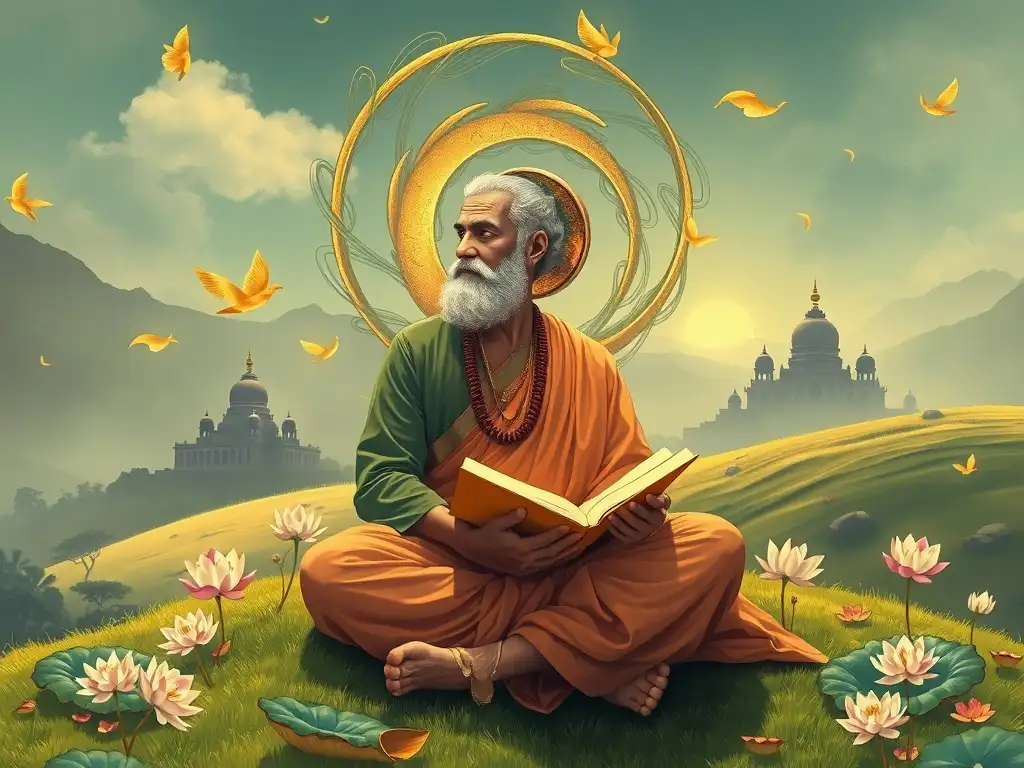
Sankhya philosophy, with its dualistic framework, has faced various critiques and challenges over the centuries. While it remains a foundational school of thought in Indian philosophy, understanding its limitations and the critiques it has encountered is essential for a comprehensive view of its impact on philosophical discourse. This section explores common misconceptions about Sankhya, responses to critiques, and its relevance today.
Common Misconceptions About Sankhya and Dualism
One of the primary misconceptions surrounding Sankhya philosophy is the oversimplification of its dualistic nature. Critics often equate Sankhya's dualism with a rigid separation between the mind and body, which can lead to misunderstandings of its intricate teachings.
- Misunderstanding of Purusha and Prakriti: In Sankhya, Purusha (the conscious self) and Prakriti (the material world) are not entirely separate entities. Instead, they represent different aspects of existence. Critics may assert that Sankhya promotes an absolute separation, neglecting the interdependent nature of these concepts.
- Static Nature of Sankhya: Another misconception is that Sankhya posits a static view of reality. Some interpretations suggest that the philosophy implies an unchanging Purusha. However, Sankhya acknowledges the dynamic interplay between Purusha and Prakriti, emphasizing a continuous process of evolution and change.
- Reductionism: There is a tendency to perceive Sankhya as reductionist, in that it simplifies the complex nature of consciousness and existence into mere categories of Purusha and Prakriti. However, proponents argue that this categorization is a means to understand the complexities of reality rather than a reduction of its essence.
Responses to Critiques on Mind-Body Dualism
In response to critiques regarding mind-body dualism, advocates of Sankhya philosophy present several arguments to clarify its position within the broader context of philosophical inquiry.
- Interdependence of Mind and Body: Proponents argue that Sankhya does not advocate for a complete division between the mind and body. Instead, it recognizes their interdependence, asserting that the material world influences consciousness and vice versa. This relationship is vital for understanding human experience and behavior.
- Experiential Evidence: Sankhya emphasizes empirical observation and personal experience as valid sources of knowledge. Advocates point to the subjective experience of consciousness as evidence for the dualistic aspects of Sankhya, arguing that personal awareness and introspection validate the distinction between Purusha and Prakriti.
- Philosophical Coherence: Supporters contend that the dualistic framework of Sankhya offers a coherent explanation for various phenomena, such as the nature of suffering and the pursuit of liberation ( moksha). By framing the individual as a conscious entity distinct from physical existence, Sankhya provides a robust philosophical foundation for understanding existential challenges.
The Relevance of Sankhya in Contemporary Philosophical Discourse
Despite its ancient origins, Sankhya philosophy continues to resonate within contemporary philosophical discourse, particularly in discussions concerning the mind-body problem.
- Integration with Modern Psychology: The dualistic approach of Sankhya has found parallels in modern psychological theories, particularly those addressing consciousness and the self. Concepts of subjective experience and the interplay between mental states and physical processes echo Sankhya's core tenets.
- Influence on Eastern and Western Thought: Sankhya has significantly influenced both Eastern and Western philosophical traditions. Its insights into the nature of consciousness, reality, and the self contribute to ongoing debates in metaphysics, philosophy of mind, and cognitive science.
- Interdisciplinary Dialogue: The resurgence of interest in mindfulness and holistic approaches to well-being highlights the contemporary relevance of Sankhya. Its emphasis on understanding the self in relation to the material world encourages interdisciplinary dialogue, bridging philosophy, psychology, and health practices.
While Sankhya philosophy faces critiques and challenges, its nuanced understanding of the mind-body relationship and its relevance in contemporary philosophical discussions demonstrate its enduring significance. By addressing misconceptions and engaging with critiques, Sankhya remains a vital component of philosophical inquiry, inviting further exploration and dialogue.
Conclusion: The Legacy of Sankhya Philosophy on Mind-Body Understanding

Sankhya philosophy has played a pivotal role in shaping the discourse around the mind-body problem, offering profound insights that resonate even today. This ancient philosophical framework, attributed to the sage Kapila, delineates a dualistic approach to understanding existence, where the interplay between purusha (consciousness) and prakriti (matter) is central. By establishing a clear distinction between the two, Sankhya provides a foundational perspective that enriches contemporary discussions on the mind-body relationship.
The legacy of Sankhya philosophy is evident in various aspects of modern philosophical inquiry and psychological studies. Its emphasis on the nature of reality and the distinction between the observer and the observed has influenced numerous fields, including cognitive science and psychotherapy. The insights from Sankhya continue to inspire scholars and practitioners exploring the complexities of consciousness and its interaction with the physical body.
Summary of Key Insights from Sankhya Philosophy
Sankhya philosophy introduces several critical concepts that are essential for understanding the mind-body problem:
- Dualism of Purusha and Prakriti:
- Purusha: Represents the eternal, unchanging consciousness. It is the true self that experiences reality.
- Prakriti: Refers to the material world, encompassing everything physical, including the body and mind.
- Evolution of Consciousness:
- Sankhya posits that the interaction between purusha and prakriti leads to the evolution of consciousness. This process influences how individuals experience emotions, thoughts, and sensations.
- The Role of Gunas:
- The three gunas (sattva, rajas, and tamas) are essential in understanding the mind's functioning.
- Sattva: Represents purity and knowledge.
- Rajas: Signifies activity and passion.
- Tamas: Denotes inertia and ignorance.
- These qualities influence behavior, mental states, and overall well-being.
- The three gunas (sattva, rajas, and tamas) are essential in understanding the mind's functioning.
- Path to Liberation:
- Sankhya advocates for self-realization through discernment, enabling individuals to understand their true nature beyond the physical body. This understanding is seen as a pathway to liberation (moksha).
These insights not only contribute to the philosophical discourse but also provide practical frameworks for psychological and therapeutic practices aimed at achieving mental clarity and emotional balance.
Future Directions for Research and Exploration in Mind-Body Studies
The exploration of Sankhya philosophy and its implications for the mind-body problem opens several avenues for future research:
- Interdisciplinary Approaches:
- Encouraging collaboration between philosophers, psychologists, neuroscientists, and practitioners of traditional Indian medicine (Ayurveda) can lead to a comprehensive understanding of mental health and well-being.
- Empirical Studies:
- Conducting empirical research to validate concepts from Sankhya, such as the impact of the gunas on mental health, could provide evidence-based insights into ancient wisdom and its relevance to modern psychology.
- Integrative Therapies:
- Developing integrative therapeutic modalities that incorporate Sankhya principles may enhance mental health treatments, addressing not only symptoms but also the fundamental nature of consciousness.
- Mindfulness and Meditation:
- Exploring the connections between Sankhya philosophy and contemporary mindfulness practices can lead to innovative approaches in achieving mental clarity and emotional regulation.
By delving deeper into the insights offered by Sankhya philosophy, researchers and practitioners can foster a richer understanding of the mind-body relationship, ultimately benefiting both philosophical inquiry and practical applications in mental health.
Frequently Asked Questions
What is Sankhya philosophy?
Sankhya is an ancient Indian philosophical system that explores the nature of reality, focusing on the dualism between consciousness and matter.
How does Sankhya relate to the mind-body problem?
Sankhya philosophy addresses the mind-body problem by proposing a dualistic framework that distinguishes between Purusha (consciousness) and Prakriti (matter), explaining their interactions.
What are the main tenets of Sankhya philosophy?
The primary tenets include the existence of two realities (Purusha and Prakriti), the evolution of the universe, and the process of liberation through understanding one's true nature.
How has Sankhya influenced modern philosophy?
Sankhya has significantly impacted Indian thought and has influenced various philosophical discussions on consciousness, particularly in understanding the relationship between mind and body.
Can Sankhya philosophy be applied in contemporary contexts?
Yes, Sankhya's insights into the mind-body relationship have applications in modern psychology, yoga, and holistic health practices, promoting a better understanding of mental well-being and physical health.
Final Reflection: Embracing the Dual Nature of Sankhya Philosophy
The exploration of Sankhya philosophy and its insights into the mind-body problem is more relevant today than ever, as we navigate a world increasingly focused on the intersection of mental and physical health. The dual nature of existence, as articulated by Sankhya, invites us to reconsider how we perceive our own identities and the intricate relationship between our thoughts and our physical selves. In a time when mental health awareness is on the rise, understanding this philosophical framework can empower individuals to seek harmony within themselves.
Sankhya philosophy has profoundly influenced not only Eastern thought but also contemporary discussions around psychology and wellness. Its teachings encourage us to recognize the distinction between the mind and body, fostering a deeper understanding of our experiences. As the philosopher Jiddu Krishnamurti once said, The observer is the observed.
This perspective resonates with the Sankhya view, reminding us that our consciousness shapes our reality, and by understanding this interplay, we can cultivate a more balanced existence.
As we reflect on the lessons of Sankhya, let us embrace the call to integrate these insights into our daily lives. Consider how the dual nature of your own existence influences your well-being and relationships. Take a moment to meditate on the connection between your thoughts and your physical state, and allow this awareness to guide you toward a more harmonious life. The journey of understanding the mind-body relationship is not merely an academic pursuit; it is a path to personal transformation and holistic health.
Unveil Your Inner Understanding of Mind and Matter!
Thank you for diving deep into the intriguing philosophy of Sankhya! Your exploration of the mind-body problem helps unlock essential insights into human existence and consciousness. Now, let’s take the next step on this intellectual journey together.
Here are some actionable suggestions to deepen your understanding and connection:
- Engage in reflection: Take a moment to journal about how the principles of Sankhya influence your perception of reality and personal experiences.
- Join the conversation: Share your thoughts on social media or in the comments section — let’s explore these ideas together!
- Seek out a community: Find a local or online group focused on philosophy or Eastern thought to exchange perspectives and learn from others.
What aspects of the Sankhya philosophy do you find most applicable to your life today? We invite you to share your insights in the comments below!