
The Use of Color in Ancient Indian Temples: A Visual Journey

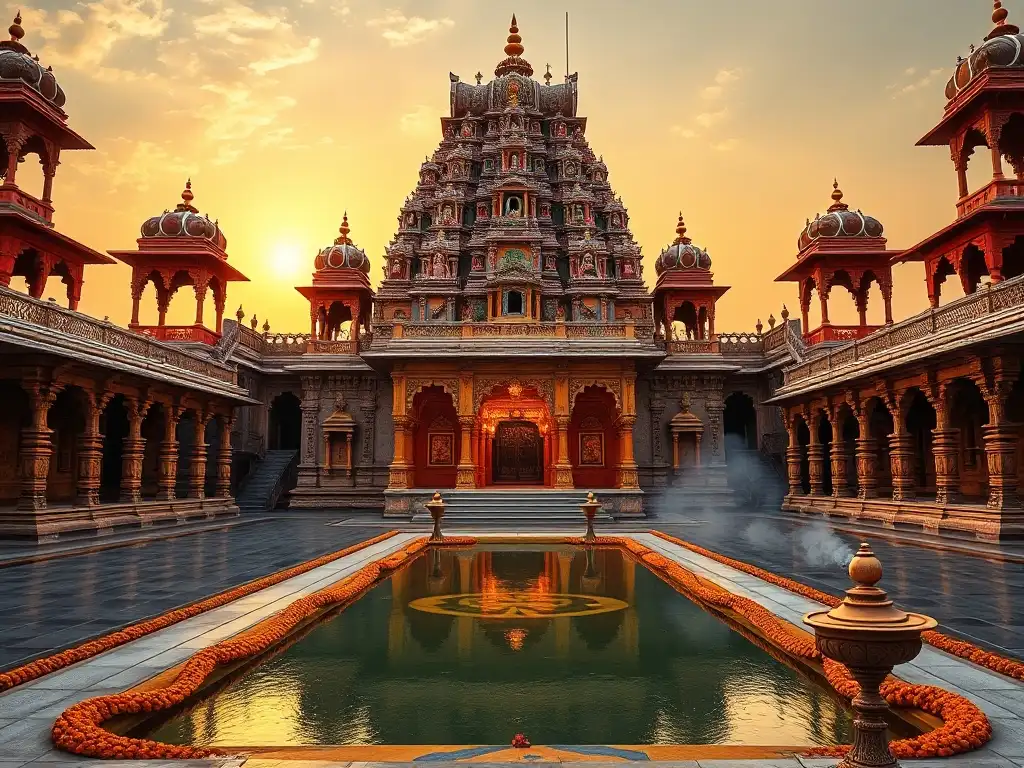
Welcome to Ancient India History, where we embark on a captivating journey through the vibrant tapestry of India's past. In this exploration, we delve into the profound color symbolism in ancient Indian temples, revealing how hues and shades whispered stories of spirituality, culture, and philosophy. What secrets do these colors hold?
Why did artisans choose specific palettes to adorn sacred spaces? Join us as we unravel the significance behind this visual language and uncover the artistic brilliance that shaped the sanctuaries of ancient civilizations. Dive deeper to discover how every stroke of color tells a tale waiting to be uncovered!
Color has played a pivotal role in the architecture and artistry of ancient Indian temples, serving not only as a means of aesthetic enhancement but also as a profound method of conveying deeper symbolic meanings. From the earliest structures of the Indus Valley Civilization to the grandiose temples of the Gupta Empire, the application of color reflects the cultural, spiritual, and philosophical beliefs of the time. The vibrant hues used in temple architecture are not merely decorative; they are imbued with significance, representing various aspects of life, spirituality, and the divine.
In this exploration, we will delve into the color symbolism in ancient Indian temples, uncovering how different colors were employed to express theological concepts, enhance the spiritual experience of worshippers, and convey the narratives of deities and cosmology. Through a detailed examination of historical examples and artistic expressions, we will embark on a visual journey that highlights the integral role of color in the architectural marvels of ancient India.
The Historical Context of Color in Ancient Indian Architecture
The use of color in ancient Indian temples is deeply rooted in the historical context of the civilizations that created them. Various dynasties, such as the Mauryas, Guptas, and Cholas, contributed to the evolution of temple architecture, each leaving its unique mark on the use of color.
- Indus Valley Civilization: Early examples of color usage can be traced back to this civilization, where terracotta objects and seals exhibited rich pigments.
- Mauryan Empire: With the advent of the Mauryan dynasty, the use of color became more sophisticated, particularly in rock-cut architecture.
- Gupta Period: This era is celebrated for its artistic achievements, where temples like those in Khajuraho and Ajanta showcased vibrant frescoes and intricate sculptures.
Significance of Color in Religious Symbolism
In ancient Indian temples, colors served as powerful symbols within religious contexts. Each hue was associated with specific deities and concepts, enhancing the spiritual atmosphere of the environment.
- Red: Often symbolizes energy, passion, and power. It is frequently associated with goddess worship.
- Yellow: Represents knowledge, learning, and purity, often linked to deities like Saraswati.
- Blue: Symbolizes infinity and the divine, commonly associated with Lord Krishna.
The careful selection of colors not only beautified the structures but also established a connection between the worshippers and the divine.
The Artistic Techniques Involved in Color Application
The application of colors in ancient Indian temples was a meticulous process, involving various artistic techniques that have withstood the test of time.
- Natural Pigments: Artists utilized minerals and plants to create vibrant, long-lasting colors.
- Fresco Painting: Techniques like fresco were employed to apply color directly onto wet plaster, ensuring the longevity of the artwork.
- Carving and Inlay: Many temples featured intricate carvings that were painted or inlaid with colored stones, adding depth and dimension.
Conclusion: The Lasting Legacy of Color in Ancient Temples
The vibrant colors of ancient Indian temples are more than mere decoration; they encapsulate the rich tapestry of cultural and spiritual beliefs that defined ancient Indian civilization. By understanding the symbolism behind these colors, we gain insight into the values, traditions, and artistic innovations that continue to inspire awe and reverence in contemporary society. As we further explore this captivating topic, we invite readers to appreciate the profound impact of color on the architectural marvels of ancient India.
- The Historical Context of Color in Ancient Indian Architecture
- Significance of Color in Religious Symbolism
- The Artistic Techniques Involved in Color Application
- Conclusion: The Lasting Legacy of Color in Ancient Temples
- What is the significance of color symbolism in ancient Indian temples?
- How did ancient Indian civilizations choose colors for their temples?
- What are some common colors found in ancient Indian temples?
- How does the use of color enhance the overall experience of visiting a temple?
- Are there any regional variations in the use of color in ancient Indian temples?
Introduction to Color Symbolism in Ancient Indian Temples
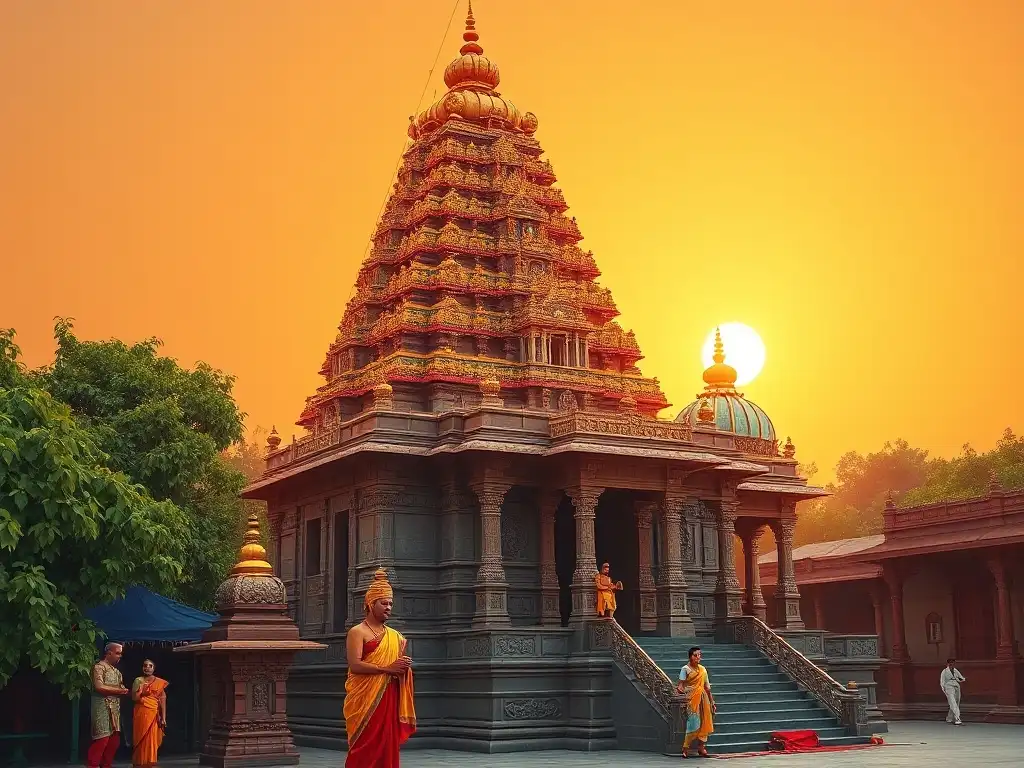
Color symbolism in ancient Indian temples plays a significant role in conveying spiritual and cultural narratives through visual artistry. Temples, as epicenters of worship and community gatherings, employed various colors not just for aesthetic appeal but also to represent deeper philosophical meanings. The use of color in these sacred spaces is intertwined with the beliefs, rituals, and traditions of ancient Indian civilizations, creating a rich tapestry of visual storytelling that continues to captivate scholars and visitors alike.
Overview of Color in Indian Culture
In ancient India, colors were more than mere visual elements; they were imbued with profound meanings and cultural significance. Each color resonated with specific emotions, deities, and aspects of life. Here’s a brief overview of some key colors and their symbolism in Indian culture:
- Red: Often associated with passion, power, and auspiciousness, red is frequently used in temple decor. It symbolizes the divine feminine and is commonly seen in rituals, representing the goddess Shakti.
- Yellow: This color signifies knowledge, learning, and purity. It is often linked to deities such as Saraswati, the goddess of knowledge, and is used during festivals like Vasant Panchami.
- Blue: A color of tranquility and infinity, blue is associated with Lord Krishna, who is often depicted with blue skin. It represents the divine and the cosmic.
- Green: Symbolizing life, fertility, and nature, green is a reminder of the earth's abundance and is often used in temple gardens and surroundings.
- White: Representing purity and peace, white is frequently used in temple interiors and is associated with various deities, embodying spiritual transcendence.
The symbolism of these colors can be seen in the intricate frescoes and sculptures adorning temple walls, where each hue plays a role in the narrative being presented.
Importance of Color in Religious Contexts
The use of color in ancient Indian temples goes beyond aesthetics; it reflects the complex relationship between spirituality, divinity, and the sensory experience of worshippers. Here’s how color plays a vital role in religious contexts:
- Enhancing Devotional Experience: Colorful decorations create an immersive environment that enhances the emotional experience of devotees. Temples often utilize bright colors to evoke feelings of joy, devotion, and reverence during rituals and ceremonies.
- Symbolizing Divine Attributes: Different deities are often depicted with specific colors that symbolize their attributes. For example, the vibrant colors of Lord Ganesha often represent the joy of removal of obstacles, while the serene blue of Lord Rama reflects his calmness and virtue.
- Guiding Ritual Practices: Colors are intricately tied to various rituals and festivals. For instance, during festivals like Holi, the use of vibrant colors symbolizes the arrival of spring and the victory of good over evil. In temple rituals, specific colors may be used for offerings, aligning them with the deity's qualities.
- Cultural Identity: The colors used in temple architecture also reflect regional identities and cultural diversity within India. Temples in different regions may display unique color palettes that signify local traditions, artistic styles, and historical influences.
Color symbolism in ancient Indian temples serves as a visual language that communicates spiritual beliefs and cultural values, enriching the architectural marvels of India's religious heritage.
Historical Context of Color Usage in Indian Temples
The use of color in ancient Indian temples is deeply intertwined with the cultural, religious, and artistic expressions of the time. From the early days of the Indus Valley Civilization to the grandeur of the Gupta Empire, color played a significant role in temple architecture and iconography.
Evolution of Color Symbolism Through the Ages
Color symbolism in ancient Indian temples evolved significantly over time, reflecting the socio-political and religious dynamics of different periods.
- Indus Valley Civilization (c. 3300–1300 BCE): The earliest known urban culture in India showcased a preference for earthy tones derived from natural pigments. Colors like red, ochre, and black were commonly used in pottery and seals, suggesting a rudimentary understanding of color's symbolic potential.
- Maurya Period (c. 322–185 BCE): With the rise of Buddhism and Jainism, colors began to take on more spiritual meanings. The use of white, symbolizing purity and peace, became prominent in stupas and monastic complexes.
- Gupta Period (c. 320–550 CE): The Gupta Empire marked a zenith in artistic expression, where vibrant colors like blue, green, and gold were used extensively. Temples from this era, such as those at Khajuraho, depict deities adorned in colorful attire, highlighting the connection between color and divine attributes.
- Medieval Period (c. 600–1200 CE): The advent of regional styles led to diverse interpretations of color. The Chola temples in Tamil Nadu favored bright hues, using red and yellow to convey vitality and strength, while the Indo-Islamic architecture introduced intricate tile work with a palette that included azure, turquoise, and deep reds.
This evolution reflects not just aesthetic choices but also shifts in philosophical thought, where colors began to represent deeper spiritual meanings, thereby enriching the visual narratives in temple art.
Influence of Regional Styles on Color Choices
The diversity of regional styles in ancient Indian temple architecture significantly influenced color choices, resulting in a rich tapestry of visual language across the subcontinent.
- North India: Temples built in the Nagara style often employed a palette of bright reds and yellows, symbolizing energy and auspiciousness. The intricate carvings on these temples were often highlighted with these vibrant colors to attract devotees.
- South India: In the Dravidian style, temples like the Brihadeeswarar Temple in Thanjavur showcased elaborate gopurams (gateway towers) adorned with multi-colored sculptures. The use of shades such as green and blue here often represented fertility and prosperity, resonating with local agricultural practices and deities.
- East India: The temples of Odisha, particularly the Sun Temple at Konark, used rich colors to celebrate the sun god Surya. The interplay of light and color was carefully considered, with the temple's orientation allowing sunlight to reflect off various surfaces, creating a dynamic visual experience.
- West India: The Jain temples in Gujarat and Rajasthan are known for their exquisite marble work, often inlaid with colorful stones. These colors were not only decorative but also carried meanings related to the virtues of Jainism, such as compassion and non-attachment.
The regional variations in color choices across ancient Indian temples reveal a complex interplay of local traditions, religious practices, and artistic innovations, demonstrating that the use of color was anything but arbitrary. Each hue and shade carried significance, contributing to the overarching narrative of devotion and divine presence in these architectural marvels.
Key Colors and Their Symbolic Meanings in Ancient Indian Temples
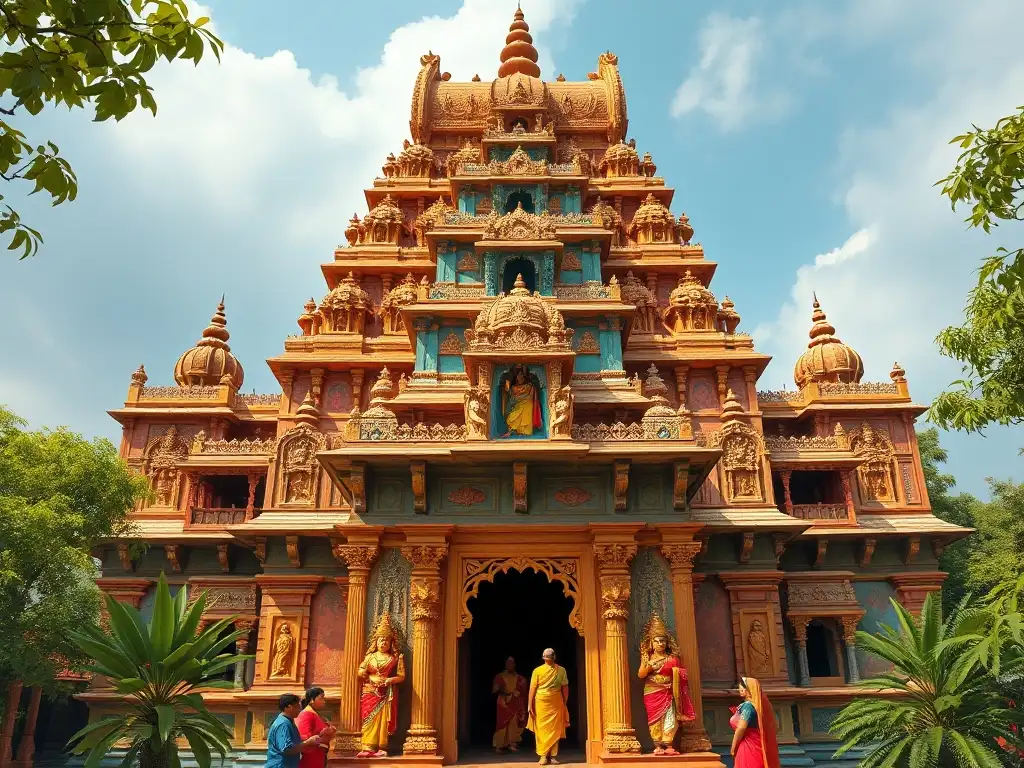
Red: Power and Passion
In ancient Indian temples, red is a dominant color, often associated with power, passion, and vitality. This vibrant hue is frequently used in the decorative motifs and frescoes that adorn temple walls. The significance of red can be traced back to its connection with various deities, particularly Durga and Kali, who embody fierce strength and dynamic energy.
- Symbolism: Red signifies not only physical power but also emotional intensity. In rituals, red is often used in offerings and decorations to invoke the presence of divine energy.
- Usage: The application of red in temple architecture can be seen in the use of red sandstone in structures like the Red Fort and numerous temples across Rajasthan.
"Red is the color of the cosmos in its purest form, representing the primal energy that fuels creation."
Yellow: Knowledge and Learning
The color yellow in ancient Indian temples symbolizes knowledge, wisdom, and learning. This hue is often associated with the deity Saraswati, the goddess of knowledge and arts. In the context of temple architecture, yellow is used in the decorative elements and paintings that express the importance of enlightenment.
- Symbolism: Yellow is also seen as a color of auspiciousness, signifying clarity and the brightness of the intellect. It often appears in the attire of deities in temple sculptures.
- Usage: Many temples, such as the Brihadeeswarar Temple, incorporate yellow in their murals and decorative motifs, emphasizing the pursuit of wisdom.
Green: Nature and Life
Green, the color of nature and life, plays a significant role in the artistic expressions found within ancient Indian temples. This color embodies growth, fertility, and the beauty of the natural world. Temples often depict lush landscapes and vibrant flora, highlighting the connection between spirituality and the environment.
- Symbolism: Green represents renewal and the life-giving aspects of nature. It is associated with deities who govern fertility and prosperity, such as Parvati and Krishna.
- Usage: The presence of green in temple art can be observed in the intricate carvings and paintings that feature trees, plants, and animals, reinforcing the idea of harmony between the divine and the natural world.
By understanding the color symbolism in ancient Indian temples, we gain insight into the cultural values and spiritual beliefs that shaped the architectural landscape of India. Each color serves as a visual language, communicating the profound connections between the sacred, the natural, and the human experience.
Blue: Divine Protection
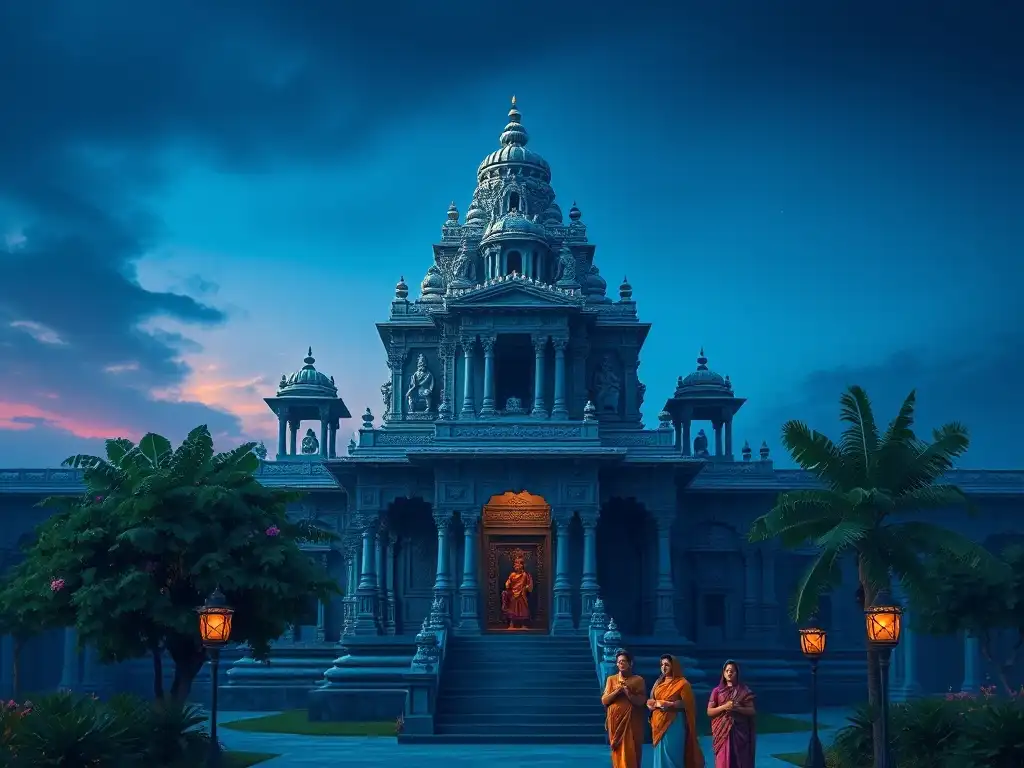
In ancient Indian temples, the color blue holds a significant place, often symbolizing divine protection and the vastness of the sky and ocean. Blue is frequently associated with various deities, most notably Lord Krishna, who is depicted with blue skin, representing his divine nature and connection to the infinite. The use of blue in temple frescoes and sculptures is intended to evoke feelings of safety and serenity, inviting worshippers to seek refuge in the divine.
The representation of blue can also be seen in the architecture of temples, particularly in the intricate tile work and paintings that adorn temple walls. This color creates an atmosphere of tranquility, encouraging meditation and reflection among devotees. Additionally, blue is thought to ward off negative energies and malevolent forces, reinforcing the sanctuary of the temple as a sacred space. The strategic incorporation of blue into temple design not only enhances aesthetic appeal but also reinforces the spiritual significance of divine protection.
White: Purity and Peace
White in ancient Indian temples symbolizes purity, peace, and spiritual enlightenment. This color is often used in the construction of temples, particularly in the materials chosen, such as white marble, which reflects light and creates a serene environment conducive to worship and contemplation. The purity associated with white is fundamental to its use in rituals and ceremonies, as it embodies the essence of cleanliness and spiritual clarity.
In addition to its architectural significance, white is prevalent in the attire of priests and devotees, emphasizing the importance of purity during religious observances. This practice underscores the belief that purity of mind and body is essential for spiritual progress. The calming presence of white within temple spaces fosters a sense of peace, encouraging visitors to engage in introspection and connect more deeply with the divine. The color's association with peace extends beyond the temple walls, promoting harmony and tranquility within the community.
Artistic Techniques for Color Application in Temples
The application of color in ancient Indian temples is not merely decorative; it reflects a profound connection to spirituality, symbolism, and the artistic traditions of the time. Various artistic techniques were employed to achieve vibrant hues and intricate designs, creating an atmosphere that enhances the spiritual experience of the devotees. This section will delve into the methods of coloring and the architectural elements that prominently feature color in these magnificent structures.
Methods of Coloring: Natural Pigments vs. Synthetic Dyes
In ancient India, artisans predominantly used two types of coloring materials: natural pigments and synthetic dyes. Each of these had distinct properties and applications in temple art.
- Natural Pigments:
- Derived from minerals, plants, and other organic materials, natural pigments were the primary source of color in temple art.
- Commonly used natural pigments included:
- Red ochre (iron oxide) for its earthy red tones.
- Indigo sourced from the indigo plant, providing deep blue hues.
- Yellow ochre and cinnabar for vibrant yellows and reds, respectively.
- The use of natural pigments not only provided a wide color palette but also ensured the longevity of the colors, allowing them to withstand the test of time.
- Synthetic Dyes:
- Although less common, synthetic dyes were occasionally used, especially during later periods as trade routes expanded and new materials became available.
- These dyes, often derived from chemical processes, could produce more vibrant and varied colors than natural sources.
- The introduction of synthetic dyes allowed artisans to experiment with bolder designs and intricate color combinations.
The choice between natural pigments and synthetic dyes often depended on the intended effect and the specific architectural elements being decorated.
Architectural Elements Featuring Color: Murals, Statues, and Frescoes
Color played an integral role in various architectural elements of ancient Indian temples, enhancing their aesthetic appeal and spiritual significance. Key features include:
- Murals:
- Large wall paintings, or murals, adorned the interiors and exteriors of temples, often depicting mythological stories, deities, and scenes from epics like the Ramayana and Mahabharata.
- Murals not only added vibrancy but also served an educational purpose, conveying religious narratives to the illiterate masses.
- Statues:
- Sculptures of deities and mythological figures were often painted in bright colors, enhancing their lifelike appearance.
- The use of color in statues was symbolic; for instance, the blue of Krishna represented his divine nature, while the red of Durga symbolized power and strength.
- Frescoes:
- Frescoes, painted on freshly laid plaster, allowed for intricate designs that became an integral part of the temple's architecture.
- The technique used in frescoes involved applying natural pigments to wet plaster, resulting in a durable finish that retained its vibrancy for centuries.
These elements combined to create a sensory experience that was both visually stunning and spiritually uplifting, solidifying the importance of color symbolism in ancient Indian temples. The interplay of colors, materials, and artistic techniques showcases the remarkable skill of ancient artisans and their understanding of the symbolic meanings behind their work.
The use of color in ancient Indian temples is a testament to the rich artistic heritage and deep cultural significance inherent in these architectural marvels. Through the use of natural pigments and synthetic dyes, coupled with various architectural elements, ancient Indian civilizations created a vibrant visual language that continues to inspire awe and reverence today.
Case Studies of Iconic Temples and Their Color Schemes
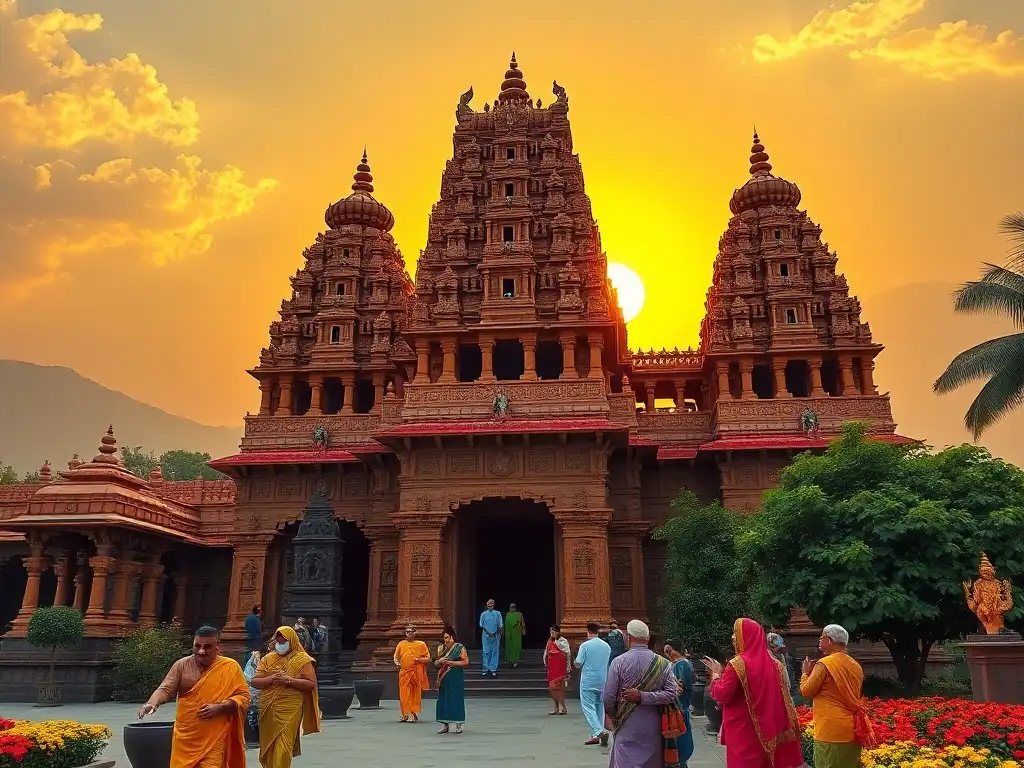
The Brihadeeswarar Temple: A Study in Red and Gold
The Brihadeeswarar Temple, located in Thanjavur, Tamil Nadu, is a monumental example of Dravidian architecture and showcases the profound use of color symbolism in ancient Indian temples. Constructed during the reign of Raja Raja Chola I in the 11th century, this temple is not only a UNESCO World Heritage site but also a testament to the artistic expression of its time.
The primary colors used in the temple's design are red and gold, each carrying significant meaning. The vibrant red symbolizes the divine power and energy of Lord Shiva, the presiding deity of the temple. It is also representative of strength and passion, reflecting the Chola dynasty's ambitions and achievements.
The gold used in the temple, particularly in its towering vimana (the temple tower), signifies purity, wealth, and prosperity. Gold, often associated with the divine, enhances the spiritual aura of the temple, inviting devotees to experience a connection with the celestial.
- Architectural Elements:
- Gopuram: The temple’s towering entrance gate is adorned with intricate carvings painted in bright colors, adding to the visual impact.
- Inner Sanctum: The sanctum sanctorum, where the main idol resides, is often illuminated with golden hues, creating a divine ambiance.
The use of red and gold in the Brihadeeswarar Temple is a reflection of the temple's grandeur and spiritual significance, embodying the essence of color symbolism in ancient Indian temples.
The Sun Temple at Konark: Vibrant Colors and Symbolism
The Sun Temple at Konark, Odisha, is renowned for its exquisite architecture and intricate sculptures, dedicated to Surya, the Sun God. Completed in the 13th century, this temple is a prime example of how color plays a pivotal role in enhancing the narrative of religious devotion through art.
The temple originally showcased a kaleidoscope of colors, from the vibrant blues and greens of the surrounding landscape to the intricate carvings that were once painted in vivid hues. Each color choice was deliberate, aimed at evoking specific emotions and spiritual states.
- Symbolism of Colors:
- Blue represents the celestial realm and the infinite sky, invoking a sense of tranquility and peace.
- Green, often associated with nature and fertility, symbolizes growth and the life-giving force of the sun.
The temple's layout resembles a giant chariot, with twelve pairs of intricately carved wheels symbolizing the twenty-four hours of the day. This design is not only architecturally stunning but also serves as a metaphor for the daily journey of the sun across the sky, further emphasizing the significance of color in representing time and cosmic cycles.
In essence, the vibrant colors and their symbolism at the Sun Temple provide a deep insight into the ancient Indian worldview, highlighting the interconnection between nature, divinity, and human existence.
The Meenakshi Temple: A Palette of Spiritual Colors
The Meenakshi Temple in Madurai, Tamil Nadu, is a vibrant hub of spiritual activity and artistic expression. Dedicated to Goddess Meenakshi, this temple is famous for its stunning sculptures and richly painted gopurams (gateway towers). The use of color in this temple is both extensive and deeply symbolic, illustrating the diverse aspects of worship and devotion.
The color palette of the Meenakshi Temple predominantly features bright greens, blues, yellows, and reds, each color contributing to the overall spiritual atmosphere.
- Color Interpretations:
- Green symbolizes fertility and the goddess's nurturing aspects.
- Blue represents the divine and the infinite, reflecting the sky and the ocean, which are often associated with the goddess's grace.
- Yellow signifies auspiciousness and prosperity, invoking a sense of warmth and welcome for devotees.
- Red represents power and strength, embodying the goddess's fierce protective nature.
The temple's walls are adorned with over 1,000 sculptures of various deities, animals, and mythological figures, all painted in vibrant colors. This not only enhances the visual appeal but also serves to educate devotees on various aspects of Hindu mythology and philosophy.
The color symbolism in the Meenakshi Temple is integral to its identity, creating a rich tapestry of spiritual narratives and communal engagement. The interplay of colors in this sacred space invites visitors to explore their meanings, fostering a deeper connection with the divine.
Case studies of iconic temples like the Brihadeeswarar, Sun Temple at Konark, and Meenakshi Temple vividly illustrate the profound impact of color symbolism in ancient Indian temples. Each temple's unique palette serves to enhance its spiritual significance and reflects the intricate relationship between art, architecture, and religious devotion in ancient Indian culture.
The Role of Color in Rituals and Festivals at Temples
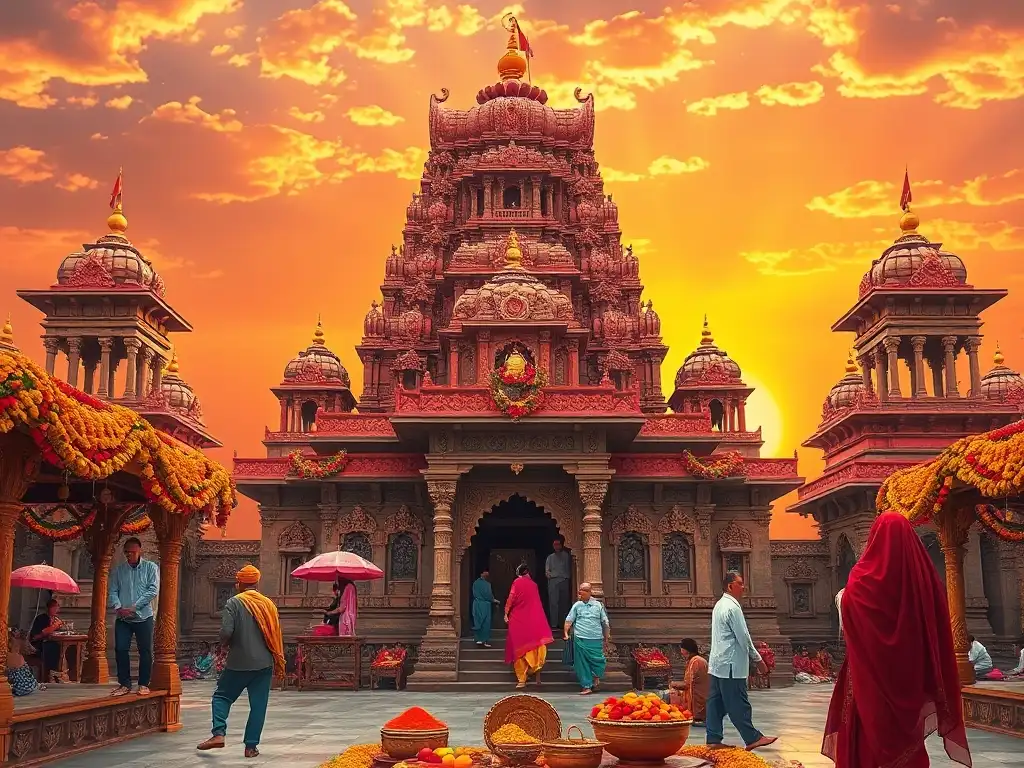
The use of color in ancient Indian temples transcends mere aesthetics; it plays a significant role in rituals and festivals that are integral to the spiritual and cultural fabric of society. The vibrant hues found in temple architecture and decorations are not only visually appealing but also rich in symbolism, embodying various spiritual meanings and connections to deities.
Seasonal Celebrations and Color Utilization
Throughout the calendar year, temples in India serve as focal points for a multitude of seasonal celebrations, each infused with specific colors that resonate with the themes of the festivities. For instance:
- Spring Festivals: The festival of Holi, celebrated in spring, is a riot of colors, symbolizing the arrival of new life and the triumph of good over evil. During this time, temples are adorned with bright powders (gulal) and flowers, creating a kaleidoscope of hues that enhance the celebratory atmosphere.
- Monsoon Celebrations: The onset of the monsoon brings about festivals like Teej, where green is a prominent color, symbolizing fertility and growth. Temples are often decorated with fresh foliage and vibrant green fabrics to honor the rejuvenating forces of nature.
- Winter Festivals: In winter, festivals such as Diwali illuminate temples with golds and yellows, signifying prosperity and joy. The lighting of lamps (diyas) further enhances the use of warm colors, creating a spiritual ambiance that draws devotees closer to the divine.
This seasonal interplay of colors not only beautifies the temples but also deepens the connection between the community and their cultural heritage, reinforcing the significance of nature's cycles in religious observance.
Color in Religious Processions and Decorations
In addition to festivals, color plays a crucial role in religious processions and the decoration of temples. Each color bears specific symbolism, often associated with particular deities or spiritual concepts. Here are some notable examples:
- Red: Often associated with Shakti (the divine feminine), red is prominently used in decorations for festivals dedicated to goddesses like Durga and Kali. Red cloths are draped over the idols, and vibrant red flowers adorn the temple, signifying power and auspiciousness.
- Yellow: This color symbolizes knowledge and learning, associated with deities like Saraswati. During her festival, yellow marigold flowers and saffron fabrics are used extensively, representing purity and wisdom.
- Blue: Associated with Lord Krishna, the color blue is frequently used in temple decorations, particularly during celebrations like Janmashtami. Temples may feature blue-painted walls or fabrics, symbolizing divine love and joy.
- White: Representing peace and purity, white flowers and fabrics are used in various rituals, especially for offerings to deities. The use of white enhances the spiritual environment, promoting tranquility and reflection.
These color choices in temple decor are not arbitrary; they are deeply rooted in the symbolism that resonates with the spiritual beliefs of the devotees. The meticulous planning of colors in processions and temple decorations ensures that each element contributes to a profound sensory experience, reinforcing the connection between the divine and the community.
The symbolism of color in ancient Indian temples is a vibrant tapestry that enriches rituals and festivals. It reflects the diverse cultural heritage of India, where each hue is imbued with meaning, fostering a sense of belonging and reverence among devotees.
Comparative Analysis of Color Symbolism in Other Cultures
The exploration of color symbolism in ancient Indian temples reveals not only the aesthetic choices made by artisans but also the profound meanings attributed to colors in various cultures. To gain a deeper insight, it is valuable to conduct a comparative analysis with other prominent civilizations, particularly the ancient Egyptians and Greeks. This section will delve into the similarities and contrasts in the use of color in ancient Indian temples compared to these remarkable cultures.
Similarities with Ancient Egyptian Color Use
Ancient Egypt, much like ancient India, utilized color as a powerful symbol imbued with meaning. Both cultures employed color to convey spiritual beliefs, social status, and the natural world.
- Color Palette:
- Rich Use of Colors: Both civilizations favored a vibrant palette, incorporating hues like red, blue, and yellow. For instance, the use of blue in Egyptian art was often associated with the sky and the Nile, paralleling the use of blue in Indian temples to symbolize the divine.
- Symbolic Associations: The ancient Egyptians linked green to fertility and rebirth, akin to the use of green in Indian temple architecture, which often represents growth and vitality.
- Spiritual Significance:
- Divine Representation: Just as the Egyptians used colors to depict gods and goddesses—often incorporating specific colors tied to their attributes—Indian temples similarly used color to depict deities and convey their divine characteristics. For example, the goddess Durga is often portrayed with a red backdrop, symbolizing strength and power, akin to the red used in Egyptian representations of the goddess Sekhmet, who embodied war and power.
- Ritualistic Use:
- Ceremonial Importance: Both cultures incorporated color into rituals. In ancient Egypt, the application of color in tombs was intended to guide the dead in the afterlife, while in ancient India, colors were integral to festivals and rituals conducted at temples, enhancing the spiritual atmosphere.
Contrasts with Greek Architectural Colors
While there are notable similarities between ancient Indian and Egyptian color symbolism, contrasts arise when comparing them with the Greeks.
- Color Application:
- Aesthetic Preference: The ancient Greeks often preferred a more restrained color palette, focusing on white marble and subdued tones. In contrast, ancient Indian temples boasted a riot of colors, with intricate carvings painted in vivid hues. This divergence in aesthetic preferences highlights different cultural values regarding beauty and expression.
- Symbolic Meanings:
- Philosophical Underpinnings: In Greek architecture, colors were often tied to ideas of harmony and proportion, reflecting their philosophical leanings towards order and rationality. Conversely, Indian temples embraced a more mystical approach, where colors embodied various layers of meaning, from the earthly to the divine, revealing a more complex relationship between the material and spiritual realms.
- Temporal Usage:
- Durability of Color: Greeks often believed in the endurance of their materials, leading to a preference for unpainted stone that would weather the ages, while Indian temple architecture actively incorporated color as a dynamic element. Many temples, such as those in Khajuraho, were originally vibrant and lively, showcasing a conscious effort to integrate color into the architectural narrative.
While color symbolism in ancient Indian temples shares certain similarities with that of ancient Egypt, it stands in stark contrast to the more austere application of color in Greek architecture. These comparisons illuminate not only the aesthetic choices of each civilization but also their underlying cultural philosophies and spiritual beliefs. Understanding these relationships enriches our appreciation of the vibrant tapestry that is ancient Indian history.
The Legacy of Color Symbolism in Modern Indian Architecture
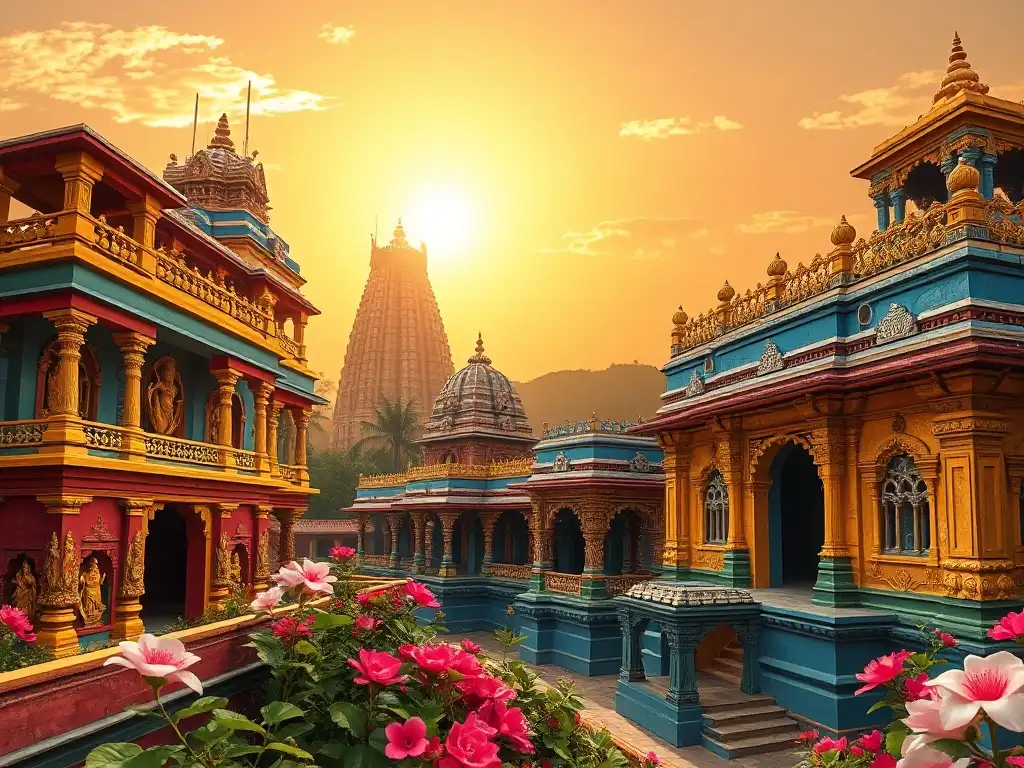
The legacy of color symbolism in ancient Indian temples extends far beyond their historical context, continuing to influence modern architectural practices in India. The vibrant hues used in ancient temples were not merely decorative; they conveyed deep spiritual meanings and cultural narratives. As contemporary architects draw inspiration from this rich heritage, they integrate these color traditions into their designs, ensuring that the essence of ancient symbolism remains alive.
Continuation of Traditions in Contemporary Designs
Modern Indian architecture often reflects the traditional use of color, maintaining the cultural significance that these hues held in ancient structures. Architects today are increasingly aware of the psychological and emotional impacts of color, employing palettes that resonate with the spiritual and aesthetic values of their predecessors.
- Color Palette Choices:
- Red symbolizes strength and power, often used in the facades of temples to evoke vitality.
- Yellow signifies knowledge and purity, frequently incorporated in spaces designed for learning and meditation.
- Green represents nature and harmony, aligning with the growing emphasis on sustainability in contemporary architecture.
The careful selection of colors not only pays homage to ancient practices but also enhances the overall experience of the space. For instance, many modern temples feature murals and motifs that echo the intricate designs found in ancient temples, using colors that have specific meanings within the cultural context.
Influence of Ancient Color Symbolism on Modern Temples
The influence of ancient color symbolism is particularly notable in the design of new temples, where architects consciously echo the visual language of the past. This can be seen in several prominent examples across India, where the integration of color serves both functional and aesthetic purposes.
- Architectural Features:
- Domes and Shikharas: Many contemporary temples incorporate vibrant colors in their domes and shikharas, reminiscent of the brightly painted spires of ancient temples. These features often use gold and bright reds to symbolize divinity and auspiciousness.
- Interior Spaces: The interiors of modern temples often draw from ancient motifs, using color to create a serene atmosphere conducive to worship and reflection.
- Community Engagement:
- Festivals and Rituals: The use of color during religious festivals in modern temples often mirrors ancient practices, where specific colors are associated with particular deities and rituals. This continuity fosters a sense of community and shared cultural identity.
By understanding and embracing the color symbolism inherent in ancient temples, modern architects not only honor their historical roots but also enhance the spiritual experience of worshippers. This blending of past and present creates spaces that are both visually stunning and deeply meaningful, ensuring that the legacy of color in Indian architecture continues to thrive.
Conclusion: The Lasting Impact of Color in Ancient Indian Temples
The use of color in ancient Indian temples is not merely an aesthetic choice; it embodies profound meanings and cultural significance that persist through time. The vibrant hues found in temple architecture reflect a deep connection with spiritual beliefs, societal values, and artistic expressions of the civilizations that created them.
The legacy of color symbolism in ancient Indian temples continues to influence contemporary architecture and artistic practices. Temples like the Brihadeeswarar Temple in Thanjavur and the Sun Temple in Konark showcase how colors were strategically employed to convey divine narratives, celebrate festivals, and enhance the spiritual ambiance. This lasting impact can be seen in modern interpretations of traditional Indian art, where vivid colors still play a crucial role in expressing cultural identity.
Reflection on Cultural Heritage and Identity
The color symbolism in ancient Indian temples serves as a mirror reflecting the cultural heritage and identity of the civilizations that flourished in the subcontinent. Each color used in temple architecture carries specific meanings, often intertwined with religious significance.
- Red symbolizes fertility and auspiciousness, frequently found in temple interiors and exteriors to invoke blessings.
- Yellow is associated with knowledge and learning, representing the divine wisdom of deities like Saraswati.
- Green signifies nature and harmony, often used in depictions of verdant landscapes in temple murals.
These color choices are not random; they are deeply rooted in the philosophical and spiritual paradigms of the time. The vibrant colors utilized in the temples create an immersive experience for devotees, fostering a sense of connection with the divine and reinforcing community identity.
Moreover, the rituals and festivals associated with these temples often involve colorful decorations, further showcasing the integral role of color in cultural practices. As such, the colors of ancient temples are not just visual elements but vital components of an enduring legacy that shapes the cultural identity of communities even today.
Future Research Directions on Color in Ancient Indian Architecture
The exploration of color symbolism in ancient Indian temples opens up numerous avenues for future research. Scholars and researchers can delve into various aspects to enrich our understanding of this topic further:
- Comparative Studies: Examining the use of color in temples across different regions of India can shed light on regional variations and shared cultural motifs. For instance, contrasting the colors used in South Indian temples with those in North Indian architecture may reveal insights into historical trade routes and cultural exchanges.
- Material Analysis: Investigating the materials and pigments used in ancient times can provide valuable information about the technological advancements of the period. This includes studying the sources of natural pigments and their application techniques, which can inform modern conservation efforts.
- Cultural Narratives: Analyzing the narratives depicted through colors in temple art can enhance our understanding of the socio-political context of ancient civilizations. This can involve studying how colors were used to represent stories from epics like the Mahabharata and Ramayana.
- Impact of Modernity: Researching the influence of modern architectural practices on traditional color use in temples can help assess how contemporary interpretations are preserving or transforming ancient symbolism.
- Community Engagement: Engaging with local communities to understand their perceptions of color in temples can provide practical insights into the cultural relevance of these practices today.
While the historical significance of color in ancient Indian temples is well-documented, the potential for further exploration remains vast, promising to enrich our understanding of this vibrant aspect of ancient Indian architecture.
Frequently Asked Questions
What is the significance of color symbolism in ancient Indian temples?
Color symbolism in ancient Indian temples serves as a visual representation of various spiritual concepts and deities, reflecting cultural beliefs and values.
How did ancient Indian civilizations choose colors for their temples?
Ancient Indian civilizations selected colors based on cultural meanings, seasonal changes, and the symbolic representation of various elements and gods associated with their architecture.
What are some common colors found in ancient Indian temples?
Common colors include red for power, yellow for knowledge, green for life, and blue for divinity, each chosen for their symbolic importance in Hinduism and other religions.
How does the use of color enhance the overall experience of visiting a temple?
The use of color enhances the experience by creating a vibrant atmosphere, inviting spiritual reflection, and guiding visitors' emotional responses through the aesthetic appeal of the temple's architecture.
Are there any regional variations in the use of color in ancient Indian temples?
Yes, regional variations exist, as different cultures and traditions influenced color choices, leading to unique artistic expressions that reflect local beliefs and historical contexts.
Final Reflection: The Enduring Legacy of Color Symbolism in Ancient Indian Temples
The vibrant hues and intricate designs of ancient Indian temples serve as a testament to the profound significance of color symbolism in our cultural heritage. Today, as we navigate a world increasingly dominated by monochrome aesthetics, the lessons embedded in these sacred spaces remind us of the power of color to convey meaning, evoke emotion, and connect us to our spiritual roots. The use of color in these temples is not merely decorative; it is a language that speaks to the soul, inviting us to explore the deeper layers of our existence.
The impact of color symbolism in ancient Indian temples extends far beyond their architectural beauty; it shapes our understanding of identity, spirituality, and community. As we reflect on the vibrant palettes that adorn these sacred sites, we recognize their role in fostering a sense of belonging and continuity within our cultural narratives. Color is the keyboard, the eyes are the harmonies, the soul is the piano with many strings.
This quote by Wassily Kandinsky beautifully encapsulates the idea that color resonates with our inner selves, echoing the sentiments expressed in the art and architecture of ancient India.
As you contemplate the rich tapestry of color symbolism in ancient Indian temples, I invite you to consider how these lessons can be woven into your own life. Embrace the colors around you, not just as mere aesthetics but as powerful symbols that can inspire, heal, and transform. Let the vibrant legacy of these temples encourage you to explore your own relationship with color, allowing it to guide you on a journey of self-discovery and connection to the world. In doing so, you honor the timeless wisdom of our ancestors while enriching your own life with meaning and purpose.
Unleash Your Creativity: Explore Color in Ancient Indian Temples!
Thank you for taking the time to journey through the vibrant world of color in ancient Indian temples! We hope you’ve gained valuable insights into how colors not only beautified these sacred sites but also conveyed deep spiritual meanings.
Now, it's your turn to apply what you've learned and dive deeper into this fascinating topic. Here are a few actions to consider:
- Visit a local gallery or museum that features Indian art, paying attention to how the colors resonate with you and reflect their cultural significance.
- Start a creative project—such as painting or digital art—that showcases your interpretation of the colors and symbols found in ancient Indian temples.
- Share this article with friends or on social media to inspire others to appreciate the beauty and history of color in architecture.
What color most resonates with you in the context of ancient Indian temples, and how does it inspire your own creativity? We’d love to hear your thoughts!