
The Evolution of Palace Architecture in Ancient India

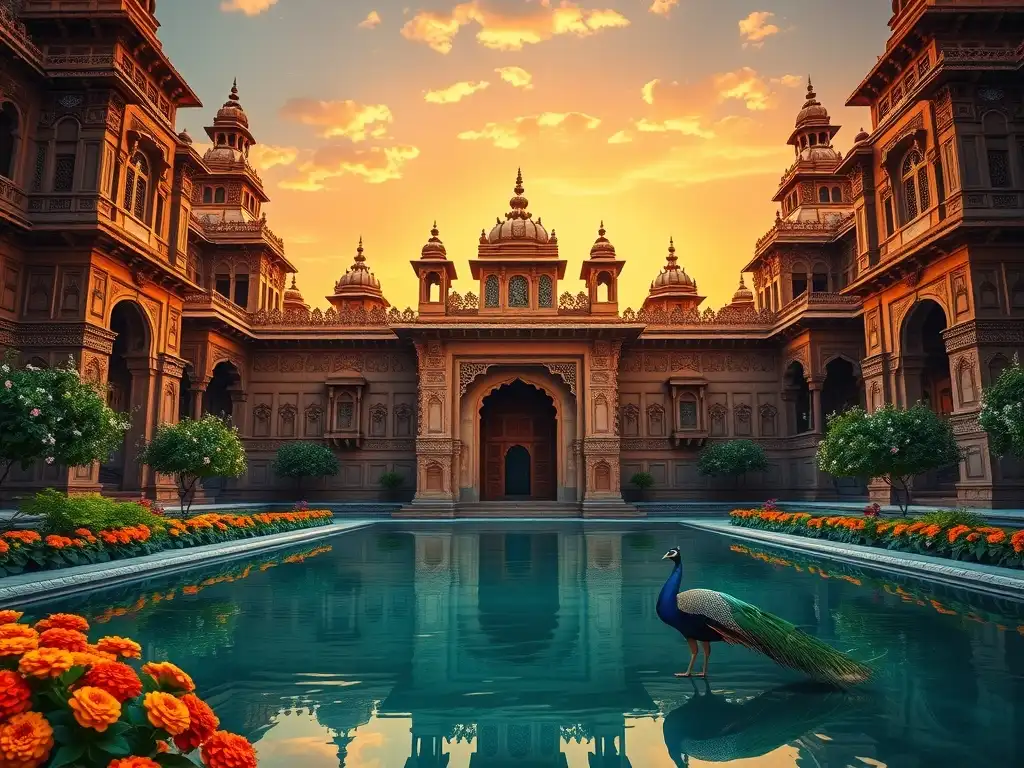
Welcome to Ancient India History, where we embark on a captivating journey through the vibrant tapestry of India’s past. Prepare to delve into the evolution of palace architecture in ancient India, a fascinating exploration of grandeur and innovation that reflects the cultural richness of civilizations from the Indus Valley to the Gupta Empire. What secrets do these majestic structures hold? As you navigate through our insights, you’ll uncover the artistry and philosophy behind these architectural marvels, igniting your curiosity and inspiring a deeper appreciation for this extraordinary heritage. Let’s begin this enlightening adventure together!
Introduction to Ancient Indian Palace Architecture
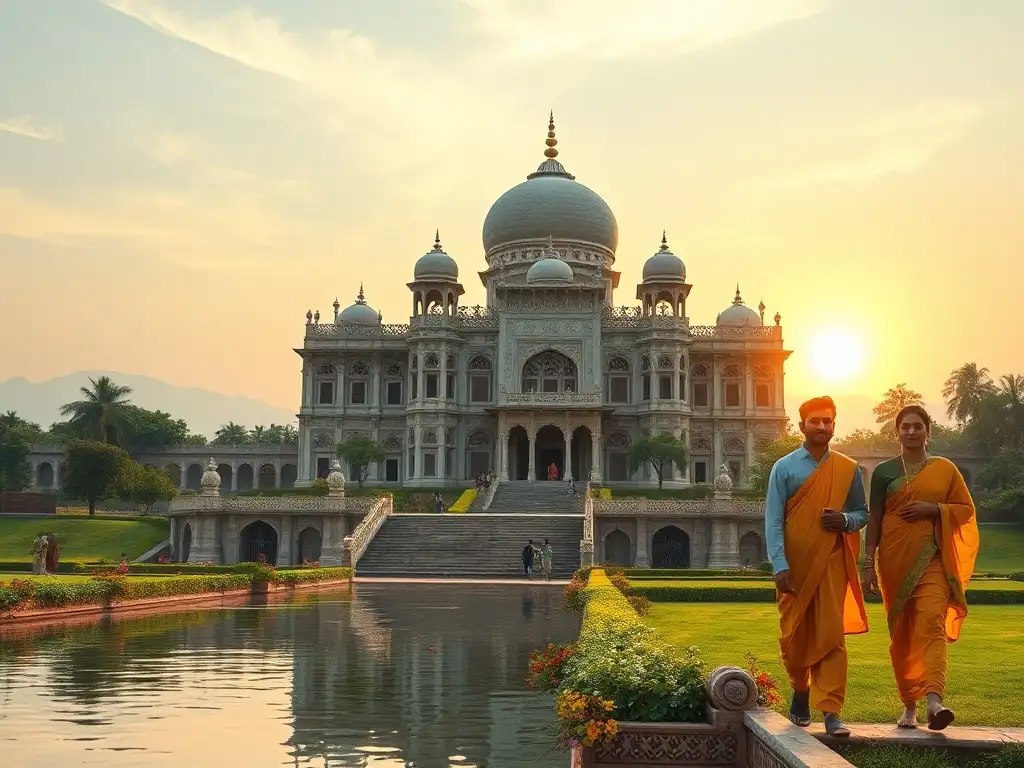
The evolution of palace architecture in ancient India encapsulates a vibrant narrative of cultural significance, artistic expression, and architectural innovation. From the grandiose structures of the Indus Valley Civilization to the intricate designs of the Gupta Empire, ancient Indian palaces are not merely residences of royalty but are profound reflections of the socio-political dynamics and spiritual ethos of their time. This article will delve into the distinctive features, historical context, and the enduring legacy of these architectural marvels, highlighting how they shaped the cultural landscape of ancient India.
Overview of Ancient Indian Architecture
Ancient Indian architecture is characterized by a diverse range of styles and techniques, influenced by various factors, including geography, religion, and social structure. Key features of ancient Indian architecture include:
- Material Use: Predominantly stone, brick, and wood, reflecting availability and regional preferences.
- Architectural Styles: Various styles emerged, such as Nagara, Dravidian, and Islamic influences, each contributing unique aesthetics to palace designs.
- Symbolism: Architectural elements often held symbolic meanings, representing cosmic and spiritual beliefs.
Palaces, as a significant subset of this architectural tradition, embody the grandeur and complexity of ancient Indian civilization, showcasing the craftsmanship and artistic skills of their time.
Significance of Palaces in Indian Culture
Palaces in ancient India served multifaceted roles beyond mere habitation. They were:
- Centers of Power: Acting as political hubs where rulers exercised authority and governance.
- Cultural Hubs: Hosting significant events, festivals, and ceremonies that shaped the cultural fabric of society.
- Artistic Showcases: Representing the pinnacle of artistic expression, with intricate carvings, frescoes, and sculptures adorning their walls.
The significance of these palaces extends into contemporary culture, where they symbolize the rich heritage and history of India, attracting scholars and tourists alike.
Historical Context of Palace Architecture
The historical context of palace architecture in ancient India reveals the evolution of design principles influenced by various factors, including geography, climate, and sociopolitical dynamics.
Early Influences on Palace Design
The earliest palatial structures can be traced back to the Indus Valley Civilization, where urban planning and architecture laid foundational principles. Key features include:
- Planned Layouts: The cities of Mohenjo-Daro and Harappa exhibited advanced engineering with grid-like layouts, suggesting a sophisticated understanding of urban design.
- Use of Water: Innovative drainage systems and water management techniques highlighted the importance of sanitation in residential architecture.
As civilizations progressed, influences from indigenous practices and interactions with neighboring cultures led to the evolution of palace designs, integrating elements from various traditions.
The Role of Dynasties in Shaping Palace Architecture
Different dynasties played a pivotal role in shaping palace architecture throughout ancient India. Notable contributions include:
- Maurya Dynasty: The construction of lavish palaces, such as the one at Pataliputra, displaying grandeur and scale.
- Gupta Empire: The introduction of intricate carvings and ornamental designs, reflecting the artistic zenith of ancient Indian architecture.
Each dynasty's architectural legacy is a testament to its cultural ideals, technological advancements, and artistic endeavors, collectively enriching the tapestry of ancient Indian palace architecture.
Key Features of Ancient Indian Palace Architecture
Ancient Indian palace architecture is characterized by a blend of grandeur, intricate craftsmanship, and cultural symbolism. These palaces were not merely residences for royalty; they served as centers of administration, culture, and art. The key features include:
- Symmetry and Layout: Many palaces were designed with a symmetrical layout, often incorporating gardens and courtyards that reflected the principles of Vastu Shastra, a traditional Indian architectural philosophy.
- Intricate Carvings and Reliefs: The walls of these palaces were often adorned with elaborate carvings depicting mythological scenes, floral motifs, and geometric patterns. This artistry served both aesthetic and narrative purposes, conveying stories and cultural values.
- Domes and Arches: Architectural elements like domes and arches were commonly used, particularly in later periods. These features not only added to the aesthetic appeal but also provided structural stability.
- Water Management: Many palaces incorporated sophisticated water management systems, including pools, fountains, and channels that not only enhanced the beauty of the surroundings but also provided essential water supply for the residents.
Architectural Styles and Elements
The architectural styles of ancient Indian palaces evolved over time, reflecting the diverse cultural influences and regional variations.
- Rock-Cut Architecture: Early palaces, particularly during the Mauryan period, often featured rock-cut designs, where structures were carved directly into the rock faces. This method not only showcased the skill of artisans but also provided natural insulation.
- Hindu and Buddhist Influences: The influence of religious architecture is evident in palace designs, particularly during the Gupta Empire, where elements from Hindu and Buddhist temples were integrated into palace structures.
- Islamic Influences: With the advent of Islamic rule in the later centuries, palace architecture began to incorporate elements such as large courtyards, elaborate tile work, and intricate jali screens, marking a significant shift in design aesthetics.
Materials Used in Palace Construction
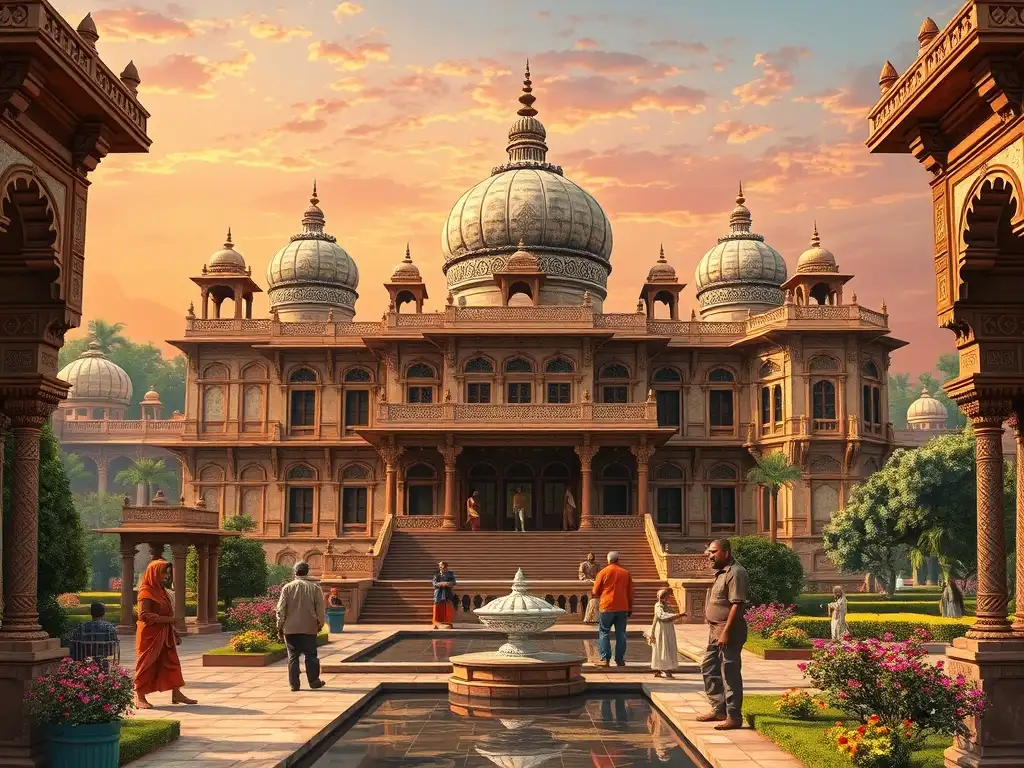
The choice of materials in ancient Indian palace construction varied based on availability, climate, and cultural significance.
- Stone: Many prominent palaces were constructed using locally sourced stone, such as sandstone and granite, known for their durability and ability to withstand the test of time. For instance, the use of red sandstone became prominent in the Mughal palaces.
- Brick and Mortar: The Indus Valley Civilization utilized baked bricks as a primary construction material, allowing for uniformity and strength in their architectural designs.
- Wood: Timber was an essential material, especially in regions where stone was scarce. Wooden beams and decorative elements were often used to enhance the palatial interiors.
Major Examples of Ancient Indian Palaces
Ancient India is home to several remarkable palaces that reflect the evolution of architectural styles and cultural influences over time.
The Palaces of the Indus Valley Civilization
The palaces of the Indus Valley Civilization, such as those found in Harappa and Mohenjo-Daro, were characterized by their impressive planning and organization. Features included:
- Granaries and Assembly Halls: Large granaries were often central to these sites, indicating the importance of agriculture and storage. Assembly halls suggest a form of governance or communal gatherings.
- Advanced Drainage Systems: The palatial complexes demonstrated sophisticated drainage and sanitation systems, showcasing an understanding of urban planning.
Mauryan Period Palaces
During the Mauryan period, palaces, such as those in Pataliputra, were notable for their:
- Rock-Cut Architecture: Many structures were intricately carved from rock, with the use of pillars and elaborate gateways.
- Political Significance: These palaces served as administrative centers, reflecting the power and organization of the Mauryan Empire.
Gupta Empire Architectural Innovations
The Gupta Empire marked a golden age of Indian architecture, with palaces that featured:
- Harmonious Proportions: The design principles of the Gupta period emphasized balance and harmony, leading to elegant and aesthetically pleasing structures.
- Integration of Religious Motifs: Palaces often incorporated motifs and elements from contemporary temple architecture, highlighting the intertwining of spiritual and royal authority.
Regional Variations in Palace Architecture
Ancient Indian palace architecture also exhibited significant regional variations, influenced by local customs, materials, and climatic conditions.
- Southern Indian Palaces: Palaces in Southern India, such as those in the Vijayanagara Empire, showcased elaborate gopurams (gateway towers) and intricate carvings, reflecting Dravidian architectural styles.
- Rajasthani Palaces: The palaces of Rajasthan, like the City Palace in Udaipur, are known for their fusion of Mughal and Rajput architectural styles, featuring ornate frescoes, courtyards, and extensive use of mirrors and glass.
The evolution of palace architecture in ancient India is a testament to the rich cultural heritage and architectural ingenuity that has shaped the subcontinent's historical landscape. The blend of various styles and materials across different periods and regions highlights the adaptability and creativity of ancient Indian civilizations.
Cultural Significance of Palace Architecture
Palace architecture in ancient India serves as a profound reflection of the civilization's socio-political dynamics, artistic achievements, and cultural values. These grand structures were more than mere residences; they were symbols of authority, cultural hubs, and religious sanctuaries. The intricate designs and elaborate decorations of palaces displayed the craftsmanship and artistic sensibilities of their times, while also serving as a canvas for the rulers to express their power and cultural identity.
The evolution of palace architecture can be traced through various dynasties, each contributing unique elements that showcased their values and aspirations. For instance, the opulence of the Mauryan palaces reflected the authority of the Chandragupta Maurya, while the later Gupta period palaces emphasized simplicity and functionality, aligning with their philosophical beliefs. This adaptability illustrates how palace architecture not only evolved with changing governance but also embodied the prevailing cultural currents.
Palaces as Centers of Power and Governance
In ancient India, palaces played a crucial role as centers of power and governance. They were the administrative heart of kingdoms, where rulers held court, made significant decisions, and hosted dignitaries. The layout of these palaces often included audience halls and administrative chambers designed to facilitate governance and reinforce the ruler's authority.
For example, the magnificent palaces of the Mughal Empire, such as the Red Fort in Delhi, were strategically constructed to reflect the emperor's grandeur and authority. These structures often featured complex layouts, fortified walls, and elaborate gates, symbolizing the power dynamics of their time. The architectural features were not merely aesthetic; they served practical purposes in terms of security and administration, reflecting the importance of palaces in the governance of ancient kingdoms.
The Role of Palaces in Art and Culture
Palaces in ancient India were not only political centers but also vital hubs for art and culture. They fostered the development of various art forms, including painting, sculpture, and music. The walls of these palaces often adorned with frescoes and intricate carvings depicted mythological stories, royal lineage, and significant historical events, celebrating the cultural heritage of the kingdom.
The Rajput palaces, for instance, are renowned for their exquisite murals and detailed stonework, which reflect the rich cultural tapestry of the region. Festivals and cultural events often took place within these opulent settings, further solidifying their role as cultural epicenters. Through the patronage of art and culture, palaces became symbols of the rulers' commitment to fostering and preserving their cultural legacy.
Religious and Spiritual Aspects of Palace Design
The design of ancient Indian palaces was also influenced by religious and spiritual beliefs. Many palaces incorporated elements of vastu shastra, the traditional Indian architectural science that emphasizes harmony with nature and the cosmos. This practice ensured that the spatial arrangement and orientation of the palace aligned with spiritual principles, promoting well-being and prosperity.
Additionally, many palaces featured temples or shrines dedicated to deities, reflecting the rulers' devotion and the intertwining of governance with spirituality. The incorporation of sacred spaces within palace complexes highlighted the significance of religion in the lives of the rulers and their subjects. The spiritual dimension of palace architecture served to reinforce the legitimacy of the rulers by associating them with divine authority.
The Decline and Transformation of Palace Architecture
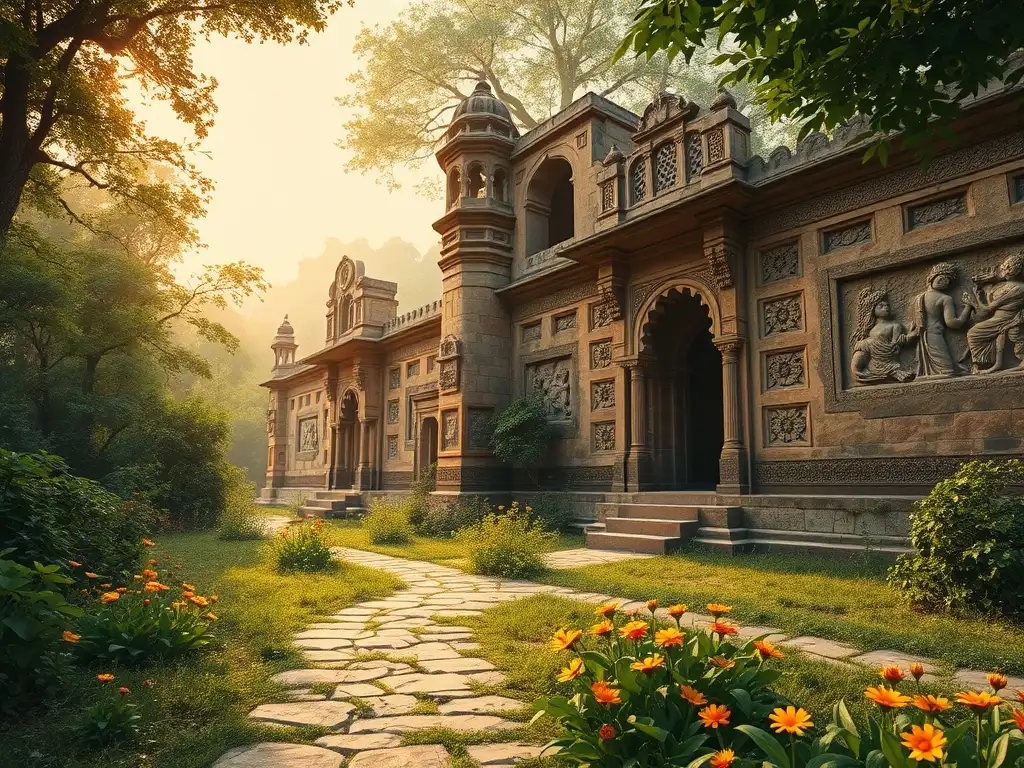
As dynasties rose and fell, palace architecture in ancient India underwent significant transformations. Various factors contributed to this decline, including political instability, economic shifts, and changing cultural values. The architectural styles evolved, reflecting the dynamic socio-political landscape of the time.
Factors Leading to Changes in Architectural Styles
Several factors influenced the changes in palace architecture across different periods. Political upheaval, such as invasions and the rise of new powers, often led to the destruction or repurposing of existing palaces. For instance, the invasions of the Delhi Sultanate introduced new architectural styles, blending Islamic influences with indigenous designs.
Additionally, the shift towards more decentralized forms of governance during certain periods prompted the construction of smaller, regional palaces. These structures often prioritized functionality over grandeur, adapting to the changing needs of the ruling class and their subjects. Economic factors, such as trade dynamics and resource availability, also played a role in determining the materials and methods used in palace construction.
Influence of Foreign Cultures on Indian Palaces
The interaction between ancient Indian civilizations and foreign cultures significantly impacted palace architecture. The arrival of various invaders and traders brought new architectural ideas and techniques that were integrated into local styles. For example, the Mughal Empire is known for its synthesis of Persian, Central Asian, and Indian architectural elements, resulting in stunning structures like the Taj Mahal, which embodies a fusion of beauty and intricate design.
The exchange of ideas and techniques not only enriched the architectural landscape but also influenced cultural practices and artistic expressions within the palaces. This blending of styles underscores the adaptability of ancient Indian palace architecture, showcasing its ability to evolve while preserving its unique identity.
Conclusion: Legacy of Ancient Indian Palace Architecture
The legacy of ancient Indian palace architecture is a testament to the ingenuity and artistic brilliance of past civilizations. These architectural marvels not only served as royal residences but also as cultural hubs that reflected the socio-political dynamics of their time. The intricate carvings, expansive courtyards, and harmonious integration with nature exemplify the aesthetic values and technological advancements of ancient India.
These palaces, from the grandeur of the Indus Valley structures to the opulence of Mughal fortresses, showcase a blend of functionality and beauty. They continue to inspire modern architects and historians alike, who study their designs for insights into sustainable building practices and cultural representation. Furthermore, the architectural styles influenced various regions of India, leading to a rich tapestry of local interpretations that remain evident in contemporary structures.
Lasting Impact on Modern Architecture
The principles of ancient Indian palace architecture have permeated modern architectural practices in several ways. Key features such as open spaces, natural ventilation, and the use of local materials are increasingly being recognized for their sustainability and efficiency. For instance, contemporary architects often draw inspiration from the intricate jali work (lattice screens) found in palaces, which not only adds aesthetic value but also provides privacy and regulates temperature.
Moreover, the spatial organization seen in palatial complexes, where different functional areas are thoughtfully arranged, is mirrored in modern urban planning. The use of gardens and water features, reminiscent of the Mughal gardens, emphasizes the importance of nature in design, promoting a sense of tranquility in urban settings. As the world faces challenges related to climate change and urbanization, revisiting the wisdom embedded in ancient Indian architecture could lead to innovative solutions that honor both heritage and environmental sustainability.
Preservation and Restoration Efforts of Ancient Palaces
Preserving the ancient palaces of India is crucial for maintaining cultural heritage and history. Various organizations and government bodies are engaged in restoration projects aimed at safeguarding these structures from deterioration caused by time, environmental factors, and urban encroachment. Initiatives often involve a combination of traditional techniques and modern conservation methods, ensuring that the original craftsmanship is respected while also making the buildings functional for contemporary use.
In addition to technical restoration, there is a growing emphasis on promoting awareness about the historical significance of these palaces among local communities and tourists. Educational programs and guided tours help foster a sense of ownership and pride, encouraging collective efforts to protect these architectural treasures. As a result, many ancient palaces have been repurposed as museums, cultural centers, or heritage hotels, providing economic benefits while preserving their historical essence.
Further Reading on Ancient Indian Architecture
For those interested in delving deeper into the fascinating world of ancient Indian architecture, a variety of resources are available that explore its intricacies, styles, and historical significance.
Recommended Books and Resources
-
"The Architecture of Ancient India: Buddhist, Hindu, Jain" by Adam Hardy
This comprehensive work delves into the diverse architectural styles of ancient India, providing insights into their cultural contexts and spiritual significance.
-
"Indian Architecture: Buddhist and Hindu Periods" by Percy Brown
A classic text that explores the evolution of architecture in India, focusing on its religious and cultural roots.
-
"The Mughal Empire: A Very Short Introduction" by Francis Robinson
While not exclusively about architecture, this book offers a concise overview of the Mughal period, highlighting its architectural achievements.
-
"Heritage and Conservation in India" by S. K. Sharma
This resource discusses the importance of conserving India's architectural heritage and the challenges faced in preservation efforts.
Notable Websites and Archives
-
Archaeological Survey of India (ASI)
The ASI website provides valuable information on various archaeological sites, including ancient palaces, along with ongoing conservation efforts.
-
Indian National Trust for Art and Cultural Heritage (INTACH)
INTACH focuses on protecting and promoting India’s cultural heritage, offering resources and updates on restoration projects.
-
Digital South Asia Library
A rich resource for historical maps, photographs, and texts related to South Asian architecture, including palatial structures.
These resources not only augment understanding of ancient Indian palace architecture but also encourage a broader appreciation for the cultural heritage that shaped India's architectural landscape.
- Introduction to Ancient Indian Palace Architecture
- Historical Context of Palace Architecture
- Key Features of Ancient Indian Palace Architecture
- Architectural Styles and Elements
- Materials Used in Palace Construction
- Major Examples of Ancient Indian Palaces
- Cultural Significance of Palace Architecture
- The Decline and Transformation of Palace Architecture
- Conclusion: Legacy of Ancient Indian Palace Architecture
- Further Reading on Ancient Indian Architecture
- What are the key features of Ancient Indian palace architecture?
- Which civilizations are known for their palace architecture in ancient India?
- How did religion influence palace architecture in ancient India?
- What materials were commonly used in ancient Indian palaces?
- How does ancient Indian palace architecture compare to that of other cultures?
Frequently Asked Questions
What are the key features of Ancient Indian palace architecture?
Ancient Indian palace architecture is characterized by its intricate carvings, grand courtyards, and elaborate entrances. These features reflect the cultural and artistic flair of the era.
Which civilizations are known for their palace architecture in ancient India?
The Indus Valley Civilization, the Maurya Empire, and the Gupta Empire are notable for their contributions to palace architecture, showcasing advancements in design and construction techniques.
How did religion influence palace architecture in ancient India?
Religion played a crucial role in shaping palace architecture, with many structures featuring temples and shrines that embodied the spiritual beliefs and practices of the time.
What materials were commonly used in ancient Indian palaces?
Ancient Indian palaces were primarily constructed using stone, brick, and wood, with each material chosen for its durability and aesthetic appeal, reflecting the region's resources.
How does ancient Indian palace architecture compare to that of other cultures?
While ancient Indian palace architecture shares similarities with other cultures, it is unique in its use of symmetry, ornamental designs, and integration of natural elements, showcasing a distinct architectural identity.
Final Reflection: The Timeless Legacy of Ancient Indian Palace Architecture
The evolution of ancient Indian palace architecture is not merely a historical narrative; it is a testament to the ingenuity and cultural richness that continues to resonate in contemporary society. As we explore the intricate designs, monumental structures, and the stories they tell, we realize that these palaces are more than just buildings; they are symbols of identity, power, and artistry that have shaped the very fabric of Indian heritage. The grandeur of these architectural marvels reminds us of the enduring legacy that influences modern architecture and cultural expressions today.
The impact of ancient Indian palace architecture extends far beyond its physical structures; it has woven itself into the cultural and social tapestry of our lives. From the intricate carvings to the majestic courtyards, these palaces reflect a deep connection to our history and a celebration of artistic excellence. As we admire these creations, we are reminded of the words of renowned architect Charles Correa: Architecture is the art of reconciliation between ourselves and the world, and this is what ancient Indian palaces embody.
The ongoing appreciation and preservation of these sites underscore their significance in fostering a sense of belonging and continuity in our rapidly changing world.
As we conclude our exploration of ancient Indian palace architecture, I invite you to reflect on how these magnificent structures can inspire us in our own lives. Consider the lessons of creativity, resilience, and cultural pride that these palaces impart. Let us carry forward the spirit of innovation and beauty that they represent, applying these principles to our personal and communal endeavors. In doing so, we not only honor our past but also pave the way for a future that embraces the richness of our heritage while fostering new expressions of art and architecture.
Explore the Majestic World of Ancient Indian Palaces!
Thank you for journeying with us through the fascinating evolution of palace architecture in ancient India. We hope you’ve uncovered a wealth of knowledge about how these magnificent structures shaped culture and history. Now, let’s transform that newfound insight into action!
- Dive Deeper: Visit nearby museums or cultural heritage sites that showcase the rich history of ancient architecture and learn more about their unique stories.
- Share the Knowledge: Engage in discussions with friends or share your thoughts on social media. You never know; your enthusiasm might inspire others to explore and appreciate these architectural wonders!
- Get Creative: Sketch or design your own palace inspired by the grandeur of ancient Indian architecture. Let your imagination recreate the past!
What aspect of ancient Indian palaces do you find most captivating, and how do you believe it influences contemporary architecture today?