
The Maurya Empire's Contribution to Medicine: Key Figures in Healthcare

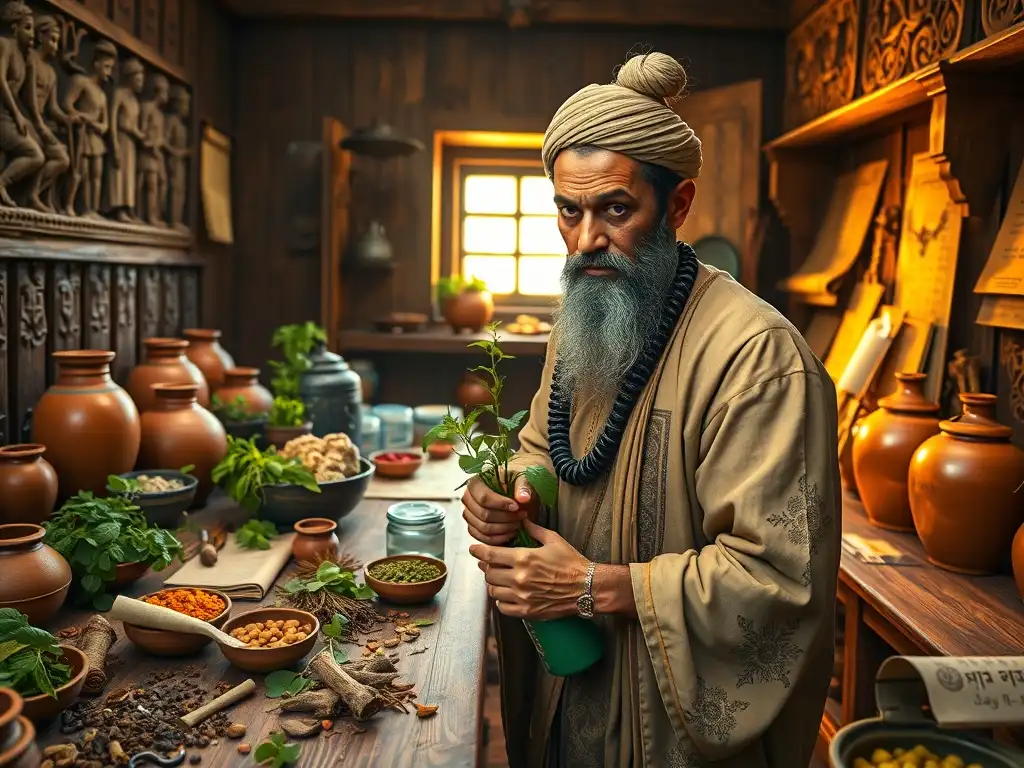
Welcome to Ancient India History, where we delve into the rich tapestry of civilizations that shaped one of the world's oldest cultures. In this exploration, we invite you to uncover the fascinating contributions of the Maurya Empire to medicine, a pivotal chapter that illustrates the ingenuity and advancements of ancient healthcare practices. As you journey through this article, you'll meet key figures who revolutionized medical knowledge and laid the groundwork for future discoveries.
Ready to embark on a captivating voyage through time? Let’s dive deeper into the remarkable legacy of the Maurya Empire and unveil the secrets of its medicinal prowess!

Introduction to the Maurya Empire and Its Influence on Medicine
The Maurya Empire, which thrived from approximately 322 to 185 BCE, stands as a beacon of ancient Indian civilization, renowned for its remarkable contributions across various fields, including governance, philosophy, and notably, medicine. This vast empire, founded by Chandragupta Maurya, marked a significant turning point in the history of healthcare in India.
The contributions of the Maurya Empire to medicine not only reflect the advanced understanding of health and wellness during that era but also laid the groundwork for future medical practices in the Indian subcontinent. As we explore the key figures and innovations from this period, we gain insight into how the Maurya Empire shaped the landscape of ancient medicine and its lasting impacts on society.
Overview of the Maurya Empire’s Historical Context
The Maurya Empire emerged during a time of significant political and social upheaval in northern India. Following the decline of the Nanda dynasty, Chandragupta Maurya united various smaller kingdoms, establishing a centralized authority that facilitated advancements in multiple domains. Under the reign of Ashoka, Chandragupta's grandson, the empire expanded to its greatest extent, encompassing large parts of the Indian subcontinent. This era fostered a rich cultural exchange that contributed to the evolution of various practices, including those related to health and medicine.
The Mauryan rulers were known for their patronage of scholars and advancements in various sciences, including medicine. The establishment of a structured administration allowed for the promotion of healthcare practices, and the emphasis on public welfare introduced several medical innovations.
Importance of Medicine in Ancient Indian Civilizations
In ancient Indian civilizations, medicine was not merely a means to treat ailments; it was deeply intertwined with spirituality, philosophy, and the understanding of the human body. The concepts of Ayurveda, which emphasizes the balance of bodily systems and the use of natural remedies, were prevalent during this period. The Maurya Empire played a crucial role in the codification and dissemination of medical knowledge, integrating it with ethical and moral principles derived from Buddhist teachings, especially under Ashoka's reign.
Healthcare was viewed as a vital aspect of societal well-being, leading to the establishment of hospitals and the promotion of practices aimed at enhancing public health. The Maurya Empire's contributions to medicine reflect a holistic approach, recognizing the importance of both physical and mental health.
Key Contributions of the Maurya Empire to Medicine
The Maurya Empire is celebrated for several key contributions to the field of medicine, which were instrumental in shaping healthcare practices in ancient India.
Innovations in Medical Practices During the Maurya Period
During the Maurya period, significant innovations in medical practices emerged, characterized by a systematic approach to health care. One of the notable advancements was the establishment of hospitals, known as "Shalya Shalas," which provided care for the sick. These institutions not only treated patients but also served as centers for medical education and research.
Additionally, surgical practices saw remarkable development, with skilled surgeons utilizing advanced techniques for various procedures. Texts from this period highlight the use of anesthesia and surgical instruments, indicating a sophisticated understanding of human anatomy and patient care. The emphasis on cleanliness and sanitation in hospitals also marked a progressive step in public health.
Development of Herbal Medicine and Treatments
Herbal medicine flourished under the Maurya Empire, with practitioners extensively using plants and natural substances for therapeutic purposes. The knowledge of medicinal herbs was widespread, and texts from this time reflect an understanding of their properties and applications.
Key figures, such as Charaka and Sushruta, who are often associated with the period, made significant contributions to the field of herbal treatments. Charaka's text, the "Charaka Samhita," is regarded as a foundational work in Ayurveda, detailing various herbs, their uses, and the philosophy behind holistic healing.
The integration of herbal medicine with surgical practices distinguished the Maurya Empire's contributions, providing a comprehensive healthcare system that addressed a wide range of ailments and conditions.
As we delve deeper into the contributions of the Maurya Empire to medicine, it becomes evident that the legacy of this ancient civilization continues to influence modern healthcare practices in India and beyond. The key figures and innovations from this remarkable period provide essential insights into the evolution of medical knowledge that remains relevant today.
Prominent Figures in Maurya Empire Healthcare
The Maurya Empire, flourishing from around 322 to 185 BCE, was not only a significant political entity but also a beacon of advancements in various fields, including medicine. Several key figures emerged during this period, whose contributions laid the groundwork for healthcare practices that resonate even today. These individuals were instrumental in developing medical knowledge, surgical techniques, and holistic health approaches, drawing from a rich tradition of ancient Indian practices and beliefs.
Charaka: The Father of Medicine
Charaka is often hailed as the "Father of Medicine" in ancient India. His seminal work, the Charaka Samhita, is one of the foundational texts of Ayurveda, detailing various aspects of medicine, including diagnosis, treatment, and the importance of diet and lifestyle in health. Charaka emphasized the concept of balance in the body, proposing that health is maintained through the equilibrium of the three doshas: Vata, Pitta, and Kapha.
His contributions also included:
- Clinical Examination: Charaka introduced systematic methods for observing patients, which formed the basis for clinical diagnosis.
- Pharmacology: He cataloged numerous medicinal plants and their effects, underscoring the importance of herbal remedies in treatment.
- Holistic Approach: Charaka advocated for a holistic view of health that integrated physical, mental, and spiritual well-being, which is a cornerstone of Ayurvedic practice today.
Sushruta: Pioneer of Surgical Techniques
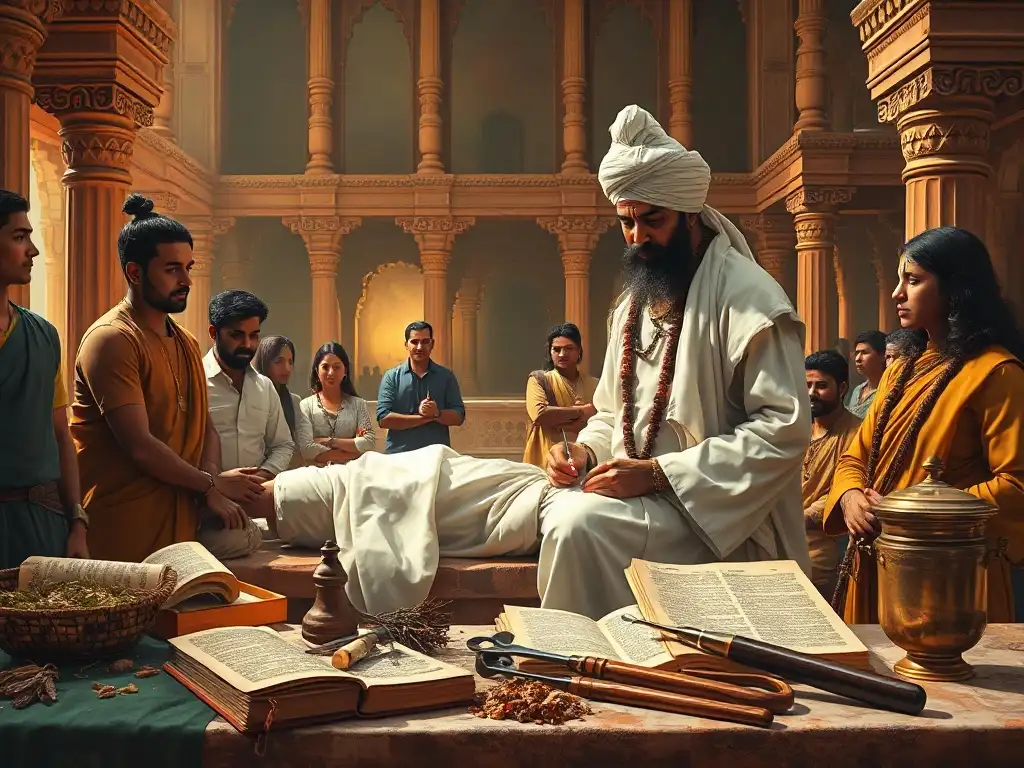
Sushruta, another monumental figure in ancient Indian medicine, is widely regarded as the pioneer of surgical techniques. His work, the Sushruta Samhita, is a comprehensive text that outlines surgical procedures and instruments, marking significant advancements in the field of surgery.
Key contributions of Sushruta include:
- Surgical Techniques: He described various surgical procedures, including rhinoplasty (reconstruction of the nose), cataract surgery, and the removal of tumors, showcasing an understanding of anatomy and surgical precision.
- Instruments: Sushruta is credited with the invention of numerous surgical instruments, many of which are still relevant in modern surgery.
- Anesthesia: He explored methods of anesthesia using herbal concoctions, highlighting an early understanding of pain management during surgical procedures.
Dhanvantari: The God of Ayurveda
Dhanvantari is revered in Indian tradition as the god of Ayurveda and is often associated with healing and medicinal practices. Though historical details about Dhanvantari are intertwined with mythology, his representation reflects the rich cultural significance of medicine in ancient Indian society.
His notable contributions include:
- Ayurvedic Texts: Dhanvantari is often credited with the knowledge of medicine and healing, which laid the groundwork for various Ayurvedic texts that followed.
- Symbol of Healing: He is depicted holding a pot of nectar, symbolizing the importance of health and wellness in ancient Indian philosophy.
- Cultural Influence: Dhanvantari's legacy continues to influence contemporary Ayurvedic practices and the perception of health in Indian culture.
The Role of Education and Institutions in Medical Advancements
The Maurya Empire placed significant emphasis on education and the establishment of institutions that fostered medical advancements. These institutions were pivotal in disseminating knowledge and training future generations of physicians and surgeons.
Establishment of Medical Schools and Training Centers
During the Maurya Empire, several medical schools and training centers were established, which played a crucial role in the education of aspiring healthcare practitioners. These institutions provided structured curricula that included:
- Theoretical Knowledge: Students were taught foundational concepts of medicine, anatomy, and the principles of Ayurveda.
- Practical Training: Hands-on experience was integral, with opportunities for students to practice surgeries and treatments under the guidance of experienced physicians.
- Research and Innovation: These centers encouraged research, leading to innovations in medical practices and the development of new treatment methodologies.
Influence of Royal Patronage on Medical Research
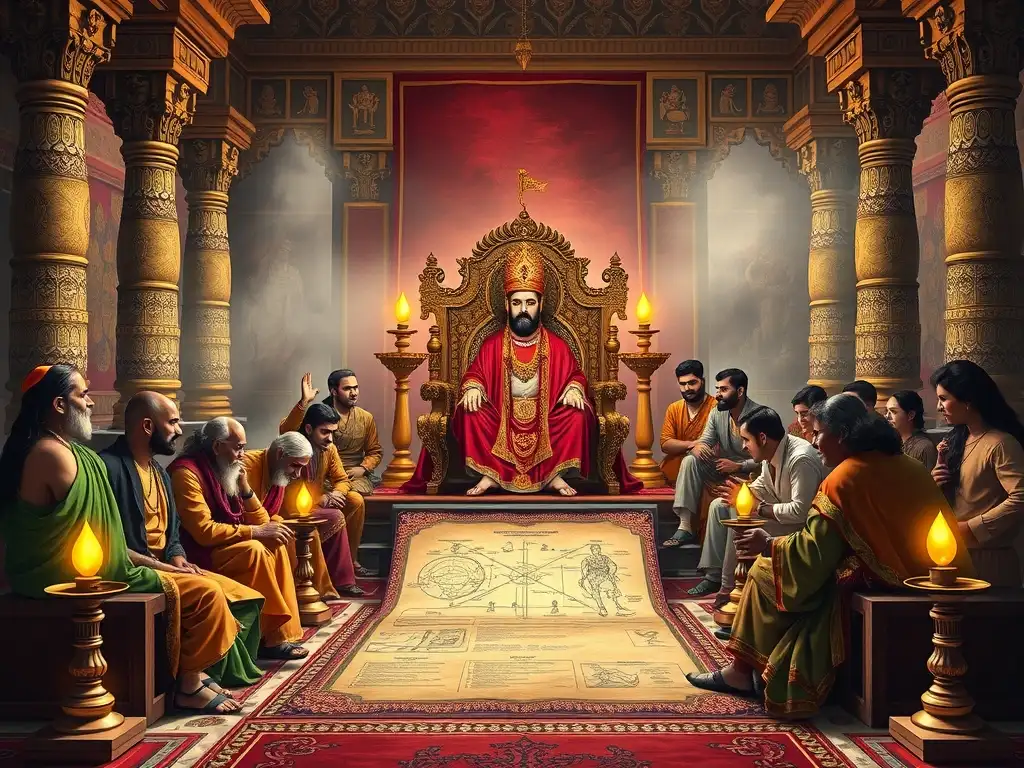
Royal patronage was a significant driving force behind the advancements in medical research during the Maurya Empire. Emperors like Ashoka supported the establishment of hospitals and funded medical research, which included:
- Financial Support: Generous funding allowed scholars and physicians to pursue extensive research and develop new medical texts.
- Promotion of Ayurveda: The royal endorsement of Ayurveda led to its widespread acceptance and practice throughout the empire.
- Public Health Initiatives: The Mauryan rulers initiated public health measures, including the construction of hospitals and the promotion of hygiene practices, which improved overall health standards in society.
Through these efforts, the Maurya Empire made remarkable contributions to medicine, shaping the healthcare landscape that would influence generations to come.
The Legacy of the Maurya Empire in Modern Medicine
The Maurya Empire, which thrived from approximately 322 to 185 BCE, laid foundational stones for various fields, including medicine. Central to its legacy is the establishment of a structured medical system that emphasized ethics, holistic treatment, and the integration of herbal medicines. These practices not only influenced subsequent Indian medical traditions but also resonated through time, contributing to the healthcare frameworks seen in modern India and beyond.
Key figures such as Charaka and Sushruta emerged during this period, whose writings and teachings continue to be referenced in contemporary medical discourse. The Maurya Empire's emphasis on practical and evidence-based approaches to health laid the groundwork for the systematic study of medicine, which is evident in modern healthcare practices. Furthermore, the establishment of hospitals and care for the sick reflects an early understanding of public health that resonates with today’s healthcare systems.
How Ancient Practices Influence Contemporary Healthcare
Many practices from the Maurya Empire have been integrated into modern healthcare, particularly in the realm of Ayurveda. The holistic approach championed during this time emphasizes balance among physical, mental, and spiritual health, a principle that continues to guide many contemporary wellness practices.
- Herbal Medicine: The use of herbs for medicinal purposes, a cornerstone of ancient Indian medicine, remains prevalent today. Many pharmaceutical companies are revisiting these ancient remedies, exploring their efficacy and potential applications in modern treatments.
- Surgical Techniques: The surgical techniques documented by Sushruta, including methods for cataract surgery and plastic surgery, are echoed in today’s medical practices. His meticulous approach to anatomy and surgery laid a foundation that is still relevant in medical education today.
- Patient-Centered Care: The Maurya Empire's emphasis on ethical treatment and the patient’s overall well-being influences contemporary patient-centered care models. Healthcare providers today strive to consider the psychological and emotional aspects of patient care, paralleling ancient practices.
Recognition of Ancient Indian Medical Texts in Modern Research
The ancient texts produced during the Maurya Empire, including the Charaka Samhita and the Sushruta Samhita, have garnered attention in modern academic and medical research. These texts provide detailed insights into ancient healthcare practices, surgical techniques, and medicinal formulations.
- Interdisciplinary Studies: Modern researchers often conduct interdisciplinary studies that connect ancient practices with current medical knowledge. This research not only validates ancient wisdom but also emphasizes the importance of integrating diverse medical traditions into global healthcare systems.
- Global Collaborations: Institutions worldwide are recognizing the significance of these texts, leading to collaborations that aim to explore and revive ancient methodologies. For example, studies on Ayurvedic principles are being integrated into curriculums of medical schools, highlighting the relevance of ancient Indian medicine.
Conclusion: The Lasting Impact of the Maurya Empire on Medicine
The contributions of the Maurya Empire to medicine have had a profound and lasting impact on both Indian and global healthcare systems. By establishing a model that combined ethics, thoroughness, and practical application, the Maurya Empire set the stage for future innovations in the medical field.
Summary of Key Contributions and Figures
The empire is primarily recognized for its key figures—Charaka and Sushruta—whose works have laid the groundwork for Ayurveda and surgical practices. Their contributions to anatomy, diagnostics, and treatment methodologies are still studied and revered today. The establishment of hospitals and the care for the sick also highlight the empire's commitment to public health, a principle that remains crucial in contemporary medicine.
Reflection on the Importance of Ancient Indian Medicine in Global History
Ancient Indian medicine, particularly during the Maurya Empire, holds a significant place in global history. It serves as a testament to the advanced understanding of health and wellness that existed thousands of years ago. The practices and philosophies established during this period not only influenced the Indian subcontinent but also contributed to global medical discourse. Recognizing and valuing these contributions is essential to appreciating the rich tapestry of medical history and its evolution throughout time.
In a world increasingly focused on holistic and integrative health approaches, the Maurya Empire's legacy in medicine remains vital, showcasing how ancient practices can inform and enhance modern healthcare paradigms.
- Introduction to the Maurya Empire and Its Influence on Medicine
- Key Contributions of the Maurya Empire to Medicine
- Prominent Figures in Maurya Empire Healthcare
- Charaka: The Father of Medicine
- Sushruta: Pioneer of Surgical Techniques
- Dhanvantari: The God of Ayurveda
- The Role of Education and Institutions in Medical Advancements
- Establishment of Medical Schools and Training Centers
- Influence of Royal Patronage on Medical Research
- The Legacy of the Maurya Empire in Modern Medicine
- Conclusion: The Lasting Impact of the Maurya Empire on Medicine
- What were the major contributions of the Maurya Empire to medicine?
- Who were the key figures in Maurya Empire medicine?
- How did the Maurya Empire influence healthcare practices?
- What role did herbal medicine play in the Maurya Empire?
- How did the contributions to medicine during the Maurya Empire impact later civilizations?
Frequently Asked Questions
What were the major contributions of the Maurya Empire to medicine?
The Maurya Empire made significant contributions to medicine, including advancements in surgery, the use of herbal remedies, and the establishment of healthcare systems that emphasized public health and hygiene.
Who were the key figures in Maurya Empire medicine?
Key figures included Charaka, known for his work in Ayurveda, and Sushruta, often referred to as the "father of surgery," who authored texts that laid the foundation for surgical practices.
How did the Maurya Empire influence healthcare practices?
The Maurya Empire influenced healthcare by promoting medical education, ensuring the availability of medicinal plants, and establishing hospitals that provided care to the public, which advanced the overall healthcare system.
What role did herbal medicine play in the Maurya Empire?
Herbal medicine was pivotal in the Maurya Empire, with practitioners utilizing a wide range of plants and natural substances to treat various ailments, which highlighted their understanding of botanical healing.
How did the contributions to medicine during the Maurya Empire impact later civilizations?
The medical practices and texts from the Maurya Empire laid the groundwork for future Indian and even global medical systems, influencing both Ayurvedic traditions and the development of modern medicine.
Final Reflection: The Enduring Legacy of the Maurya Empire in Medicine
The contributions of the Maurya Empire to medicine remain profoundly relevant today, as they laid the groundwork for many practices and principles that continue to shape healthcare. The insights and innovations from this ancient civilization not only advanced medical knowledge but also emphasized the importance of holistic approaches to health and well-being. The legacy of figures like Charaka and Sushruta serves as a reminder that the quest for healing and understanding the human body transcends time and culture.
The influence of the Maurya Empire on modern medicine is palpable, as their teachings resonate in contemporary practices and philosophies. The emphasis on surgical techniques and the ethical practice of medicine can be seen in today's healthcare systems. As noted by historian Dr. R. N. Sharma, "> The Maurya Empire's medical advancements were not just revolutionary for their time; they set a precedent for future generations to build upon." This ongoing impact highlights the importance of recognizing and valuing historical contributions to our current understanding of health and medicine.
As we reflect on the remarkable achievements of the Maurya Empire, I invite you to consider how these lessons can be applied in your own life. Take a moment to appreciate the interconnectedness of past and present in the field of medicine, and recognize the importance of learning from history to inform our future practices. Whether through advocating for holistic health approaches or engaging with the rich tapestry of medical history, let us honor the legacy of the Maurya Empire by fostering a deeper understanding of health that transcends time and culture.
Unveil the Legacy: Take Action in Honoring Ancient Wisdom!
Thank you for exploring the remarkable contributions of the Maurya Empire to medicine! Your interest in how these ancient figures shaped healthcare reflects a deep connection to history and its invaluable lessons. Now, let's turn that knowledge into meaningful action!
Here are some steps you can take to further engage with this incredible legacy:
- Research and Share: Delve deeper into the works of influential figures like Charaka and Sushruta. Consider writing a blog post or creating a social media update to share their transformative ideas with your audience.
- Engage with the Community: Join local or online forums that focus on ancient medicine or historical studies. Share your insights and learn from others who are passionate about these topics.
- Explore Modern Applications: Reflect on how lessons from ancient healthcare can be integrated into today's practices. Challenge yourself to incorporate one traditional method into your daily routine and evaluate its impact.
Which aspects of the Maurya Empire’s medical contributions resonate with you the most, and how can you incorporate them into your everyday life?