
The Gupta Empire and Trade: A Golden Age of Economic Prosperity


Welcome to Ancient India History, where we delve into the profound tapestry of India’s past, rich with vibrant cultures and groundbreaking contributions. In our featured article, “The Gupta Empire and Trade: A Golden Age of Economic Prosperity,” we uncover the intricate web of commerce that flourished during this remarkable era.
Did you know that the Gupta Empire not only revolutionized trade but also laid the foundations for economic practices still relevant today? Join us on this journey to explore the thriving trade routes and economic innovations that marked a pinnacle of prosperity in ancient India, and ignite your curiosity about the legacies that continue to shape our world.

Introduction to the Gupta Empire Trade and Economy
The Gupta Empire, which flourished between approximately 320 and 550 CE, is often heralded as a golden age of Indian civilization, marked by significant advancements in culture, science, and economics. This period saw the emergence of a vibrant trade network that not only enhanced economic prosperity within the empire but also established strong connections with far-reaching regions, including Central Asia, the Middle East, and beyond.
The Gupta Empire's trade and economy were characterized by flourishing markets, skilled artisans, and extensive trade routes, which facilitated the exchange of goods, ideas, and cultures. In this article, we will explore the multifaceted aspects of the Gupta Empire's trade and economy, examining its historical context, key factors contributing to its success, and the overall impact on ancient Indian civilization.
Overview of the Gupta Empire
The Gupta Empire is renowned for its remarkable contributions to Indian art, literature, and governance. Founded by Chandragupta I, the empire expanded under his successors, most notably Samudragupta and Chandragupta II. This era was marked by a centralized administration that promoted stability and security, fostering an environment conducive to trade.
The empire's strategic location allowed it to become a crucial player in regional and international trade networks, attracting merchants and traders from various parts of the world. Notably, the Gupta rulers implemented policies that encouraged commerce, such as lowering taxes and improving infrastructure, which played a vital role in enhancing economic activities.
Importance of Trade during the Gupta Period
Trade was an essential component of the Gupta Empire's economy, contributing significantly to its wealth and prosperity. The empire was well-connected through a myriad of trade routes, including famous paths like the Silk Road and maritime routes to Southeast Asia. The exchange of goods such as textiles, spices, metals, and gems not only enriched the empire but also allowed for cultural exchanges that influenced art, religion, and philosophy. The flourishing trade environment led to the establishment of bustling urban centers, where artisans and merchants thrived, further enhancing the empire's economic landscape.
Historical Context of Gupta Trade
The Rise of the Gupta Empire
The rise of the Gupta Empire can be attributed to a combination of military conquests, strategic alliances, and effective governance. Following the decline of the Maurya Empire, the Guptas capitalized on the fragmented political landscape of northern India. Through a series of military campaigns and diplomatic efforts, they expanded their territory and influence, establishing a vast empire that encompassed key trade centers. This expansion not only solidified their political power but also integrated diverse cultures and economic practices, creating a robust foundation for trade.
Key Factors Contributing to Economic Prosperity
Several key factors contributed to the economic prosperity of the Gupta Empire:
- Infrastructure Development: The construction of roads, ports, and caravanserais facilitated easier movement of goods and people, enhancing trade efficiency.
- Cultural Exchange: The Gupta period saw increased interaction with other civilizations, leading to the exchange of ideas and innovations that further stimulated economic growth.
- Artisan Production: The rise of skilled artisans who produced high-quality goods, such as textiles and metalwork, attracted trade and enhanced the empire's reputation in international markets.
- Stable Governance: The Gupta rulers maintained a stable government that ensured security and supported trade activities, fostering a conducive environment for economic growth.
The Gupta Empire's trade and economy were instrumental in establishing it as a formidable power in ancient India and beyond. The integration of various cultural and economic practices, alongside effective governance, laid the groundwork for a prosperous and influential civilization.
Major Trade Routes of the Gupta Empire
The Gupta Empire, which flourished from approximately 320 to 550 CE, was a pivotal period in ancient Indian history marked by significant advancements in art, science, and trade. Trade routes during this era were crucial for economic prosperity, connecting the empire to various regions across Asia and beyond. These routes facilitated not only the exchange of goods but also the dissemination of ideas, cultures, and technologies.
Overview of Trade Routes in Ancient India
Ancient India was crisscrossed by numerous trade routes that linked it to neighboring regions and distant lands. The Gupta Empire capitalized on these existing networks, enhancing their complexity and reach. Major land routes included the northwestern pathways leading to Central Asia and the Silk Road, while southern routes connected to maritime trade networks in the Indian Ocean.
The well-established Grand Trunk Road, which linked eastern and western India, served as a significant artery for trade. Additionally, the Deccan Plateau routes facilitated trade between the northern plains and the southern regions, allowing for the movement of goods such as spices, textiles, and precious stones. The Gupta period saw the flourishing of these routes, which were crucial for economic exchanges and cultural interactions.
The Role of the Silk Road in Gupta Trade
The Silk Road was a monumental trade network that connected the East and West, providing a conduit for the exchange of silk, spices, and other valuable commodities. During the Gupta Empire, Indian merchants actively participated in this vibrant trade, exporting textiles, metalwork, and gemstones to markets in Persia, Rome, and beyond.
Indian goods were highly sought after, and the presence of Indian traders along the Silk Road contributed to the economic prosperity of the Gupta Empire. The trade routes facilitated not only the exchange of physical goods but also ideas, philosophies, and technologies, enriching Gupta society. Notably, Buddhism spread along these routes, influencing cultures across Asia.
Maritime Trade Networks
In addition to overland routes, maritime trade networks played a vital role in the economy of the Gupta Empire. The Indian Ocean trade routes connected India to regions in Southeast Asia, Africa, and the Middle East. This network enabled the exchange of goods such as spices, textiles, and precious metals.
Ports along the western coast of India, such as Kalyan and Chaul, became bustling centers of trade, where merchant ships docked to exchange goods. Indian artisans and merchants were known for their shipbuilding skills, further enhancing maritime trade. The Gupta Empire's strategic location along these routes allowed it to thrive economically, as it served as a hub for international trade.
Goods Traded during the Gupta Empire

The economic landscape of the Gupta Empire was characterized by a diverse array of goods that were both exported and imported. The trade not only contributed to wealth but also played an integral role in shaping the cultural and social dynamics of the empire.
Key Commodities and Exports
Among the key commodities exported from the Gupta Empire were:
- Textiles: Indian cotton and silk textiles were highly prized in international markets. The quality and craftsmanship of Indian textiles made them a staple export.
- Spices: With India's rich array of spices, including black pepper, cardamom, and cloves, the empire became a major supplier to various regions, enhancing its trade value.
- Metals and Gems: The Gupta Empire was known for its metallurgical skills, exporting gold, silver, and precious stones, which were sought after by traders across the globe.
- Medicinal Herbs: Ayurveda, the ancient Indian system of medicine, contributed to the trading of medicinal herbs and practices that gained popularity in other cultures.
These exports not only bolstered the empire's economy but also established its reputation as a center of craftsmanship and luxury.
Imports that Influenced Gupta Economy
The Gupta Empire also engaged in significant imports that enriched its economy and culture. Notable imports included:
- Silk: Although India produced its own silk, the demand for high-quality silk from China was prevalent, leading to imports that influenced local textile production.
- Glassware: The import of glass and glassware from regions like Persia and Rome contributed to advancements in local craftsmanship and artistry.
- Precious Metals: Gold and silver from regions such as Africa and the Middle East were crucial for minting coins and supporting trade.
- Cultural Artifacts: The exchange of cultural artifacts and knowledge through trade led to the enrichment of Gupta arts and sciences.
These imports played a vital role in stimulating the economy, promoting innovation, and enhancing cultural exchanges within the empire.
Cultural Exchanges through Trade
Trade during the Gupta Empire was not merely an economic endeavor; it served as a catalyst for cultural exchanges. The interactions between Indian merchants and foreign traders fostered the transmission of ideas, religions, and artistic expressions.
- Buddhism and Hinduism: As Indian traders traveled along trade routes, they spread religious beliefs, particularly Buddhism, which gained followers beyond Indian borders, influencing cultures in Central Asia and Southeast Asia.
- Art and Literature: The Gupta period is known for its remarkable achievements in art and literature. Trade facilitated the exchange of artistic styles and literary works, leading to a rich cultural tapestry.
- Technological Innovations: The exchange of knowledge regarding shipbuilding, agriculture, and metallurgy contributed to advancements that had lasting impacts on Indian society.
Overall, the Gupta Empire's trade networks not only bolstered economic prosperity but also fostered a rich environment for cultural interactions and exchanges, marking the era as a golden age in Indian history.
Economic Policies of the Gupta Empire
The Gupta Empire, often referred to as a golden age in Indian history, was characterized by robust economic policies that facilitated trade and commerce. The empire's strategic geographic position, combined with its innovative economic practices, played a crucial role in establishing a thriving market. The Guptas implemented a range of policies designed to enhance economic stability, attract traders, and promote prosperity among its citizens. These policies not only fostered internal trade but also integrated the Gupta Empire into extensive regional and international trade networks.
Taxation and Revenue Generation
One of the key aspects of the Gupta Empire's economic policy was its taxation system. The Gupta rulers adopted a balanced approach to taxation that ensured a steady flow of revenue while avoiding excessive burdens on the populace. Taxes were collected on agricultural produce, trade goods, and land ownership, which allowed the state to fund essential services, infrastructure, and military expenditures.
- Types of Taxes: The Gupta state imposed various types of taxes, including land tax (kharaj), trade tax (sulka), and income tax (adhikaran).
- Tax Rates: While specific rates varied, the state aimed for a reasonable level to encourage production and trade. Historical sources suggest that the land tax could be as low as 1/6th of the produce.
- Use of Revenue: The revenue generated was utilized for public welfare, maintaining law and order, and supporting cultural and educational institutions.
By ensuring that taxation was perceived as fair, the Gupta Empire managed to maintain a stable economy that encouraged economic activity.
State Control of Trade and Commerce
The Gupta Empire exercised significant control over trade and commerce, which was essential for maintaining order and maximizing economic benefits. The state implemented a series of regulations and incentives that structured trade within the empire and beyond.
- Market Regulations: The Gupta rulers established laws to regulate prices and ensure fair trade practices. This helped prevent fraud and exploitation, fostering a trustworthy marketplace.
- Infrastructure Development: The construction of roads and ports facilitated easier movement of goods and people. The Grand Trunk Road, for example, became a vital artery for trade, linking major cities and regions.
- Trade Guilds: The state supported the formation of trade guilds (shrenis), which organized merchants and craftsmen, providing them with a collective bargaining power and a framework for collaboration.
These measures not only promoted economic growth but also provided a sense of security for traders, enhancing the overall trade environment.
Support for Artisans and Merchants
The Gupta Empire recognized the importance of artisans and merchants in driving economic prosperity. As a result, the empire implemented various policies aimed at supporting these groups.
- Skill Development: Training programs were established to enhance the skills of artisans, ensuring high-quality production of goods that appealed to both domestic and international markets.
- Market Access: The government provided artisans with access to markets, helping them reach customers more effectively and boosting their incomes.
- Patronage of Crafts: The Gupta rulers actively promoted the arts, leading to the production of exquisite crafts, textiles, and metalwork. This patronage not only enhanced the economic status of artisans but also contributed to the cultural richness of the empire.
By investing in the well-being of these sectors, the Gupta Empire created a vibrant economy that thrived on creativity and trade.
The Impact of Trade on Society and Culture
The extensive trade networks established during the Gupta Empire had a profound impact on society and culture. Trade not only facilitated the exchange of goods but also resulted in the movement of ideas, cultural practices, and religious beliefs.
Influence of Trade on Gupta Society
Trade played a significant role in shaping Gupta society, leading to demographic changes and the rise of urban centers. The influx of wealth from trade contributed to a more stratified society with distinct social classes.
- Urbanization: Major trading hubs such as Pataliputra and Ujjain flourished, attracting people from diverse backgrounds, which fostered a cosmopolitan culture.
- Social Mobility: Opportunities in trade allowed individuals from lower social strata to rise economically, leading to increased social mobility and a more dynamic social structure.
- Cultural Exchange: The interaction between traders from various regions facilitated cultural exchange, enriching Gupta society with new ideas and practices.
These influences significantly reshaped the fabric of Gupta society, creating a vibrant and dynamic community.
Artistic and Cultural Developments Spurred by Trade
The economic prosperity brought about by trade during the Gupta Empire also stimulated artistic and cultural developments. The demand for luxury goods and artistic expressions led to significant advancements in various fields.
- Art and Architecture: The wealth generated from trade funded the construction of magnificent temples and monuments. Notable examples include the rock-cut caves at Ajanta and Ellora, which showcase intricate carvings and paintings.
- Literature and Learning: The flourishing trade environment supported scholars and poets, leading to the creation of significant literary works, including those by Kalidasa and Varahamihira.
- Technological Innovations: Trade necessitated advancements in technology, particularly in navigation and transportation, enhancing the efficiency of trade routes.
These artistic and cultural developments highlight the profound influence of trade on Gupta civilization.
The Role of Trade in Religious Exchanges
Trade routes during the Gupta Empire served as conduits for religious exchanges, facilitating the spread of various beliefs and practices across regions.
- Buddhism and Hinduism: Merchants and traders played a crucial role in the dissemination of Buddhism and Hinduism, with trade routes connecting the Gupta Empire to regions in Southeast Asia, such as modern-day Thailand and Indonesia.
- Cultural Syncretism: The interaction between diverse religious groups through trade led to a blending of beliefs and practices, enriching the religious landscape of the Gupta Empire.
- Pilgrimage Routes: Trade routes often doubled as pilgrimage routes, allowing devotees to travel to sacred sites, further enhancing the spiritual and cultural significance of these pathways.
The role of trade in facilitating religious exchanges underscores its importance in shaping the cultural and spiritual identity of the Gupta Empire.
Decline of the Gupta Empire Trade
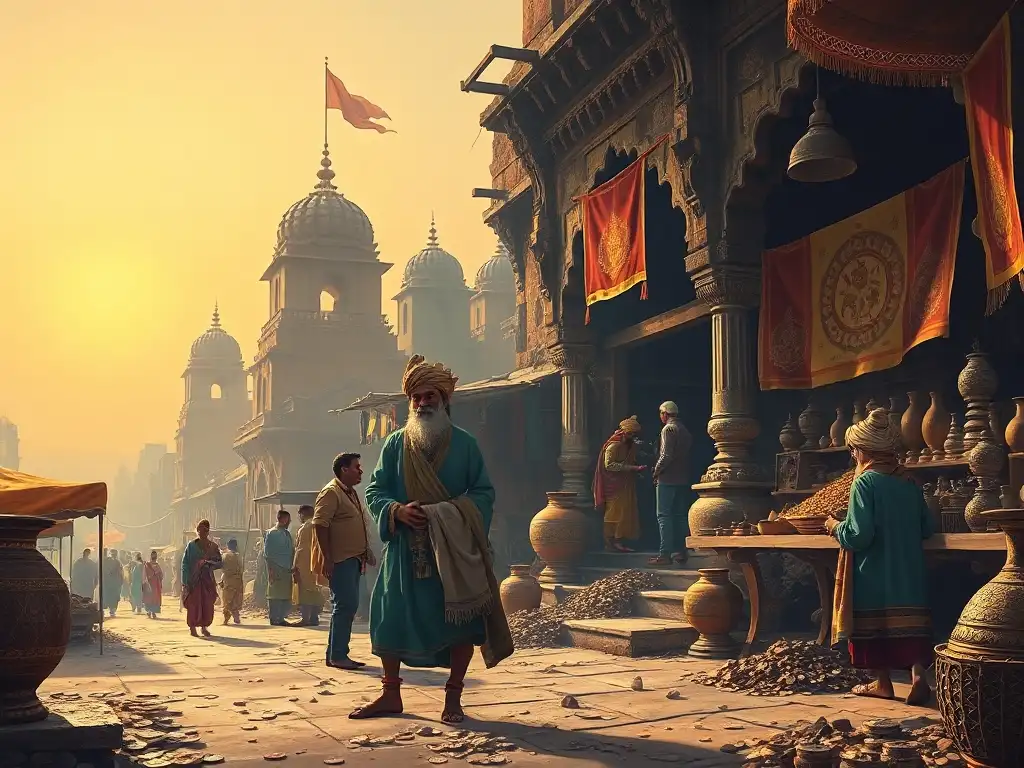
The decline of the Gupta Empire trade can be attributed to a combination of internal strife and external pressures that disrupted the once-thriving economic landscape. The Gupta period, often hailed as a golden age of prosperity, witnessed significant advancements in trade and commerce. However, beginning in the late 5th century, various factors contributed to a downturn in trade activities, leading to economic instability and a gradual decline of the empire itself.
Factors Leading to Economic Decline
- Invasions and Raids: One of the primary factors contributing to the decline of Gupta trade was the series of invasions by foreign forces, notably the Huns. These incursions not only destabilized the political landscape but also posed direct threats to trade routes, making them perilous for merchants and traders.
- Political Fragmentation: The Gupta Empire, once unified under strong leadership, experienced fragmentation as regional powers began to assert their independence. This division undermined central authority and led to conflicts between local rulers, creating an atmosphere of uncertainty that dissuaded trade.
- Decline of Urban Centers: Key urban centers that facilitated trade, such as Pataliputra and Ujjain, began to decline due to political instability and violence. With the reduction of urban populations and the deterioration of infrastructure, the bustling marketplaces that once thrived became less vibrant.
- Shift in Trade Routes: As new empires rose, such as the Chalukyas and later the rise of regional kingdoms, trade routes began to shift towards different areas, diminishing the economic significance of the Gupta Empire's established trade pathways.
Consequences of Trade Disruptions
The disruptions in trade during the decline of the Gupta Empire had profound consequences that reverberated through the economy and society:
- Economic Decline: The reduction in trade volume led to a decrease in wealth accumulation for both the state and local economies. This decline hindered public spending and investment in infrastructure, further exacerbating economic stagnation.
- Cultural and Intellectual Stagnation: The decline in trade also impacted cultural exchanges that were pivotal during the Gupta period. The movement of goods and ideas slowed, leading to a relative stagnation in the vibrant cultural and intellectual advancements that characterized earlier times.
- Increased Localism: With the decline of larger trade networks, local economies became more self-sufficient, resulting in a shift toward agrarianism. While this provided short-term stability, it hindered the development of a more interconnected economic system.
Conclusion: Legacy of the Gupta Empire Trade and Economy
The Gupta Empire's trade and economy left a lasting legacy that continues to influence Indian economic practices and cultural exchanges to this day. Despite its decline, the foundations laid during this period provided crucial insights into trade dynamics in ancient India.
Lasting Impacts on Indian Trade Practices
The economic practices and trade routes established during the Gupta Empire had significant long-term effects on Indian trade:
- Cultural Exchange: The Gupta era facilitated the exchange of goods, ideas, and cultural practices, creating a template for future trade relationships. This legacy of cultural interaction continued to shape Indian society, fostering a diverse and rich cultural tapestry.
- Trade Networks: The trade routes established during the Gupta period laid the groundwork for later trade developments in India, influencing subsequent empires and regional powers. The understanding of trade logistics and the management of commerce became essential aspects of Indian economic practices.
The Gupta Empire’s Role in Shaping Economic History
The Gupta Empire played a pivotal role in shaping the economic history of India, serving as a bridge between ancient trade practices and the economic systems that would follow.
- Innovation in Commerce: The Gupta period saw advancements in coinage, banking, and trade regulations, which contributed to more sophisticated economic systems. These innovations laid the foundation for the development of commerce in subsequent centuries.
- Influence on Regional Economies: The Gupta Empire's trade practices influenced neighboring regions, promoting economic interdependence and cultural exchange. The legacy of this interconnectedness is still evident in modern trade practices across the Indian subcontinent.
While the Gupta Empire experienced a decline in trade and economic vitality, the impacts of its flourishing trade practices and economic structures continue to resonate throughout Indian history.
References for Further Reading on Gupta Empire Trade
Exploring the trade and economy of the Gupta Empire offers valuable insights into this significant period of ancient Indian history. For those interested in delving deeper, the following resources provide comprehensive information on the subject.
Recommended Books and Articles
-
"The Gupta Empire: A Comprehensive Study" by R.C. Sharma
This book offers an in-depth analysis of the Gupta Empire, focusing on its economic structures, trade practices, and the role of merchants in society. Sharma examines both primary and secondary sources, providing a clear picture of the economic prosperity during this golden age.
-
"Trade and Trade Routes in Ancient India" by D.N. Jha
Jha’s work is essential for understanding the various trade routes that flourished during the Gupta period. It covers crucial aspects of trade commodities, merchant guilds, and the impact of these trade dynamics on the economy.
-
"The Economic History of India from 1200 to 1700" by Tapan Raychaudhuri
While this book spans a broader timeline, it provides valuable context about the Gupta Empire’s place in the economic history of India. The analysis of trade practices and economic policies during the Gupta period is particularly significant.
-
"The Gupta Age: A Historical and Cultural Study" by K. S. Shukla
This study focuses on the cultural aspects of the Gupta Empire but also addresses the economic systems in place, including trade relations with neighboring regions and the influence of commerce on cultural exchanges.
Online Resources on Ancient Indian Trade and Economy
-
Ancient India Economy: Gupta Empire Trade
This online resource offers a detailed overview of the economic principles, trade routes, and commodities that defined the Gupta Empire. It includes interactive maps and timelines that help visualize trade patterns.
-
The Silk Road and the Gupta Empire
An informative website dedicated to the exploration of the Silk Road, detailing how it linked the Gupta Empire with other civilizations. This resource highlights key trade goods, cultural exchanges, and economic impacts.
-
India's Trade History – Gupta Period
This digital archive features various articles and papers on the trade practices of the Gupta Empire, focusing on its influence on both local and international trade. It also provides access to scholarly journals and publications.
-
Gupta Empire and Economic Prosperity
A dedicated blog that discusses various facets of the Gupta Empire, including trade and economy. It features guest posts from historians and archaeologists, offering new insights and interpretations of ancient trade practices.
These resources will provide a solid foundation for anyone looking to understand the intricate web of trade and economy during the Gupta Empire, contributing to the larger narrative of ancient Indian history.
- Introduction to the Gupta Empire Trade and Economy
- Historical Context of Gupta Trade
- Major Trade Routes of the Gupta Empire
- Goods Traded during the Gupta Empire
- Economic Policies of the Gupta Empire
- The Impact of Trade on Society and Culture
- Decline of the Gupta Empire Trade
- Conclusion: Legacy of the Gupta Empire Trade and Economy
- References for Further Reading on Gupta Empire Trade
- What was the significance of the Gupta Empire in trade and economy?
- How did the Gupta Empire influence trade routes?
- What were the primary goods traded during the Gupta period?
- How did the economy of the Gupta Empire contribute to its cultural advancements?
- What role did agriculture play in the Gupta Empire's economy?
Frequently Asked Questions
What was the significance of the Gupta Empire in trade and economy?
The Gupta Empire marked a golden age of economic prosperity, facilitating extensive trade networks that promoted cultural exchange and enriched its economy.
How did the Gupta Empire influence trade routes?
The Gupta Empire established and expanded trade routes, connecting India with regions like Southeast Asia, which helped in the exchange of goods, culture, and ideas.
What were the primary goods traded during the Gupta period?
During the Gupta Empire, goods such as textiles, spices, and precious stones were commonly traded, showcasing the empire's rich resources and craftsmanship.
How did the economy of the Gupta Empire contribute to its cultural advancements?
The prosperous economy of the Gupta Empire funded various cultural and intellectual pursuits, leading to advancements in art, literature, and science that are still celebrated today.
What role did agriculture play in the Gupta Empire's economy?
Agriculture was the backbone of the Gupta Empire's economy, providing not only sustenance but also surplus for trade, which was crucial for its economic stability and growth.
Final Reflection: The Enduring Legacy of the Gupta Empire's Trade and Economy
The Gupta Empire's trade and economy were not merely historical phenomena; they are timeless examples of how commerce can drive cultural and societal advancement. Today, as we navigate an increasingly interconnected world, the lessons of the Gupta Empire resonate more than ever. The empire’s flourishing trade networks and economic strategies remind us that prosperity is often rooted in collaboration and innovation, shaping the foundations of civilizations for generations to come.
The influence of the Gupta Empire extends far beyond its geographical boundaries and time period. Its legacy can be seen in modern economic practices and cultural exchanges that continue to thrive.
The principles of trade established during this golden age have laid the groundwork for contemporary economic systems, highlighting the importance of trade routes and cultural interactions. As Mahatma Gandhi once said, “The best way to find yourself is to lose yourself in the service of others.” This sentiment echoes the spirit of the Gupta Empire, where trade fostered not just wealth, but also a rich tapestry of shared knowledge and cultural appreciation.
As we reflect on the Gupta Empire's remarkable achievements, let us embrace the call to action: consider how we can apply these historical lessons in our own lives and communities. Whether it’s through fostering economic partnerships, promoting cultural understanding, or simply engaging in local commerce, we have the power to create our own golden age of prosperity. Take a moment to reflect on the interconnectedness of our world and how you can contribute to a thriving economy that honors the legacy of those who came before us.
Explore the Riches of the Gupta Era Today!
Thank you for delving into the fascinating world of the Gupta Empire! You've uncovered the incredible wealth and trade dynamics that flourished during this golden age. Now, let’s take a step beyond knowledge and apply what you’ve learned!
- Dive deeper into the topic by exploring the intricate trade routes and cultural exchanges that defined the Gupta period.
- Engage with your community by sharing this article on social media—inspire others to discover India’s historical prosperity!
- Consider visiting a local museum or an exhibit that features artifacts from ancient India to connect even more with this vibrant history.
In your view, how has the legacy of trade during the Gupta Empire shaped modern economic practices?