
The Relationship Between Ancient Indian Scripts and Oral Traditions

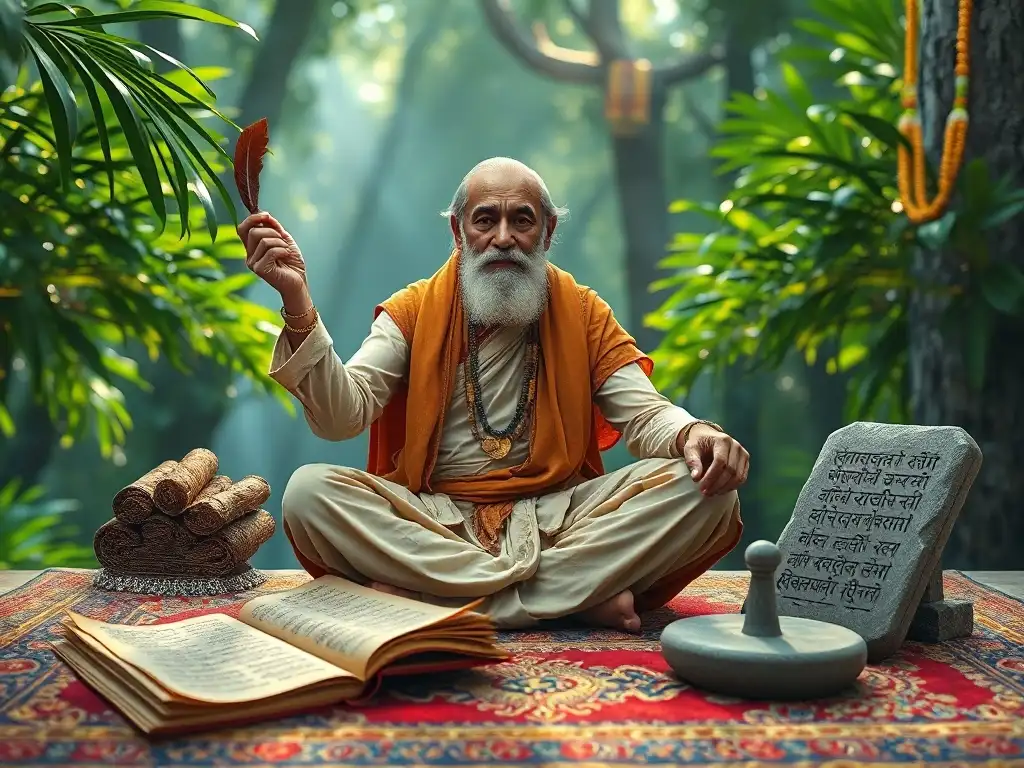
Welcome to Ancient India History, where we delve into the captivating tapestry of ancient Indian civilizations. Here, we invite you to explore the profound relationship between ancient Indian scripts and oral traditions, a dynamic interplay that shaped the very essence of communication and culture in this vibrant era. What secrets do these ancient texts and spoken narratives hold?
As we uncover the layers of linguistic heritage and storytelling artistry, prepare to embark on a journey that will spark your curiosity and deepen your appreciation for the rich contributions of the past. Continue reading to discover how the echoes of history resonate through words and tales, bridging generations and enriching our understanding of a remarkable civilization.
Introduction to Ancient Indian Scripts and Oral Traditions
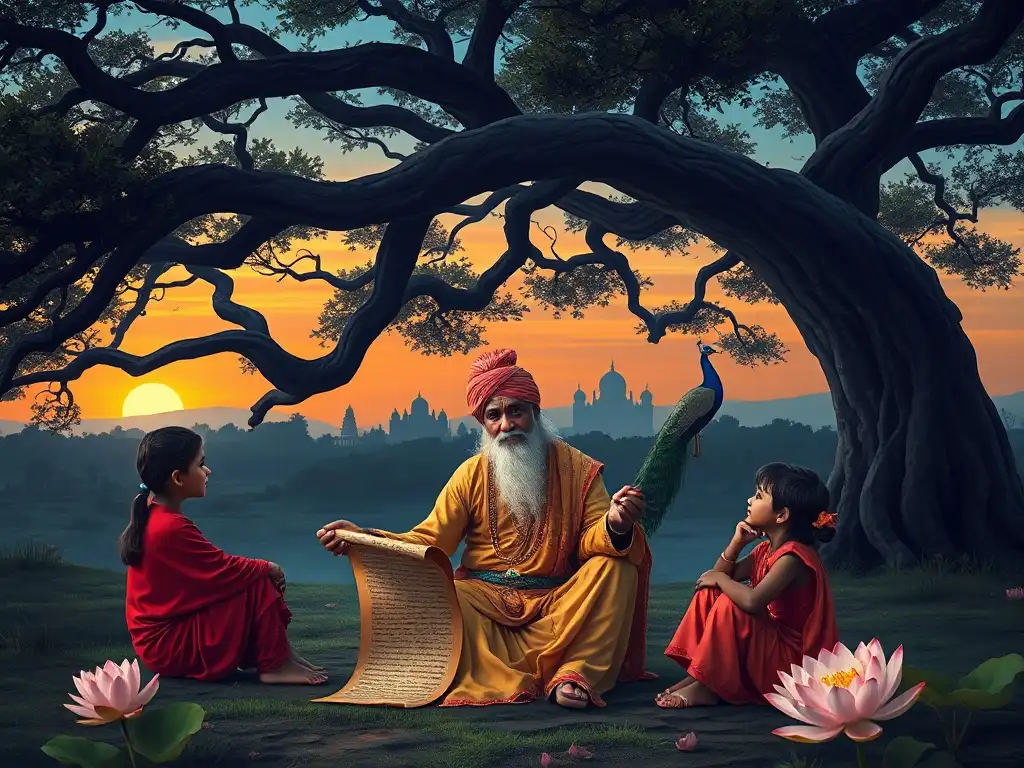
The relationship between ancient Indian scripts and oral traditions is a fascinating exploration into how knowledge, culture, and heritage were preserved and transmitted across generations. In a land where storytelling and oral recitation have been foundational to cultural identity, the development of writing systems provided a complementary means of recording and disseminating information.
This article delves into the intricate interplay between ancient Indian scripts and oral traditions, highlighting their significance in shaping the historical narrative of the subcontinent. By understanding this relationship, we can better appreciate the complex tapestry of ancient Indian civilization, where the spoken word met the written form to create a rich cultural legacy that resonates even today.
Overview of Ancient Indian Scripts
Ancient Indian scripts are a collection of writing systems that emerged in various regions of the subcontinent, each reflecting unique linguistic and cultural influences. The earliest evidence of writing in India can be traced back to the Indus Valley Civilization (circa 2500-1900 BCE), where symbols were inscribed on seals made of steatite. Although the script remains undeciphered, it is thought to have served administrative or trade purposes.
As time progressed, several notable scripts emerged, including:
- Brahmi: One of the earliest scripts, dating back to the 3rd century BCE, which is the ancestor of most Indian writing systems.
- Kharosthi: Another ancient script used primarily in the northwest regions of India, coexisting with Brahmi.
- Devanagari: The script that evolved from Brahmi and is widely used in modern languages like Hindi and Sanskrit.
These scripts not only facilitated the written transmission of language but also played a crucial role in the documentation of religious texts, literature, and scientific knowledge.
Significance of Oral Traditions in Ancient India
Oral traditions in ancient India were vital for the preservation and transmission of cultural narratives, moral teachings, and historical accounts. Before the advent of writing, societies relied heavily on oral storytelling, which was often enhanced by music, rhythm, and performance. This method of knowledge transfer ensured that information was memorized and shared within communities, shaping their collective identity.
Key aspects of oral traditions include:
- Preservation of Myths and Legends: Oral narratives often conveyed the ideologies and beliefs of ancient societies, providing insights into their values and worldviews.
- Educational Tool: Oral traditions served as an informal educational system, where knowledge was passed down through generations, teaching ethics, history, and social norms.
- Community Cohesion: Storytelling fostered a sense of belonging and unity among community members, reinforcing cultural ties and shared experiences.
As writing systems developed, the oral tradition continued to thrive, often coexisting with written texts, which enriched the cultural landscape of ancient India.
Historical Context of Ancient Indian Scripts
The historical context of ancient Indian scripts reveals a dynamic interplay between various cultures, languages, and social structures. The evolution of writing systems in India was influenced by trade, conquests, and the spread of religions, all of which contributed to the adoption and adaptation of scripts.
Development of Writing Systems in Ancient India
The development of writing systems in ancient India was a gradual process influenced by various factors:
- Cultural Exchange: Interaction with neighboring civilizations, such as the Persians and Greeks, facilitated the exchange of ideas and writing methods.
- Political Needs: The establishment of empires, such as the Maurya and Gupta, necessitated more sophisticated means of administration and record-keeping.
- Religious Influence: The spread of Buddhism and Jainism contributed to the proliferation of writing, as religious texts required preservation and dissemination.
This evolution led to the creation of diverse scripts that catered to different languages and dialects across the Indian subcontinent.
Major Scripts and Their Evolution
The evolution of major scripts in ancient India reflects the linguistic diversity and cultural richness of the region. Some of the key scripts include:
| Script | Origin | Use | Notable Features |
|---|---|---|---|
| Brahmi | 3rd century BCE | Administrative texts, inscriptions | Basis for many Indian scripts |
| Kharosthi | 3rd century BCE | Northwest India, Buddhist texts | Right-to-left writing direction |
| Devanagari | Evolved from Brahmi | Sanskrit, Hindi, and others | Indic script with horizontal line |
These scripts not only reflect the linguistic evolution but also the socio-political context in which they thrived, showcasing the adaptability of ancient Indian civilizations in their pursuit of knowledge and expression.
The relationship between ancient Indian scripts and oral traditions is a testament to the ingenuity and resilience of a civilization that cherished its heritage and sought to preserve it for future generations. The interplay of these two forms of communication laid the foundation for India's rich historical narrative.
The Role of Oral Traditions in Ancient Indian Society
Oral traditions played a crucial role in the social, cultural, and historical fabric of ancient Indian society. These traditions encompassed storytelling, songs, chants, and rituals that were passed down through generations, serving as a means of communication, education, and cultural identity. In a society where literacy was not widespread, oral traditions acted as the primary vehicle for knowledge transmission.
Definition and Characteristics of Oral Traditions
Oral traditions refer to the collective body of knowledge, beliefs, and practices that are transmitted verbally from one generation to another. Key characteristics of oral traditions include:
- Dynamic Nature: Oral traditions are not static; they evolve over time, adapting to the context and audience.
- Community Involvement: These traditions often involve the participation of the entire community, fostering a sense of belonging and shared identity.
- Performance Aspect: Many oral traditions are performed, incorporating elements of drama, music, and dance, which enhance their memorability and impact.
Importance of Oral Traditions in Preserving History
Oral traditions serve as a vital means of preserving history in ancient Indian societies. They offer insights into historical events, cultural practices, and social norms that may not be documented in written records. These traditions provide a rich tapestry of narratives that encapsulate the collective memory of communities, ensuring that the past is remembered and honored.
- Cultural Continuity: By recounting stories of ancestors, heroes, and deities, oral traditions help to maintain cultural identity and continuity across generations.
- Historical Context: Oral narratives often provide context to historical events, allowing for a deeper understanding of societal values and beliefs during particular periods.
Oral Traditions as a Complement to Written Records
While written records are essential for documenting history, oral traditions complement these records by filling in gaps and providing alternative perspectives. In ancient India, many texts were originally based on oral traditions before being inscribed in script. This interplay between oral and written forms creates a more comprehensive understanding of history and culture.
- Richness of Detail: Oral traditions often contain vivid imagery and emotional depth that may be absent in written texts, providing a fuller picture of historical events and cultural practices.
- Accessibility: For many communities, oral traditions were more accessible than written texts, allowing a wider audience to engage with cultural heritage.
Interconnection Between Ancient Indian Scripts and Oral Traditions
The relationship between ancient Indian scripts and oral traditions is intricate and multifaceted. These two forms of communication not only coexisted but also influenced one another in significant ways throughout history.
How Oral Traditions Influenced Script Development
The development of ancient Indian scripts was significantly influenced by oral traditions. Many scripts, such as Brahmi and Kharosthi, were created to transcribe the spoken language, reflecting the phonetic and rhythmic qualities of oral storytelling. This connection ensured that the written form remained closely tied to the spoken word, preserving the nuances of pronunciation and style.
- Phonetic Representation: The need to accurately represent sounds in oral traditions led to the creation of scripts that could capture the subtleties of spoken language.
- Cultural Influences: Oral narratives often served as the source material for texts, shaping the themes and styles that would later be inscribed.
The Transition from Oral to Written Culture
The transition from an oral to a written culture in ancient India marked a significant shift in how knowledge was stored and transmitted. As literacy rates began to rise, the importance of written texts increased, leading to the establishment of a more formalized literary tradition.
- Documentation of Knowledge: Written texts allowed for the systematic documentation of knowledge, beliefs, and practices, which were previously reliant on memory.
- Preservation of Texts: The advent of writing facilitated the preservation of texts over time, reducing the risk of loss or distortion that can occur with oral transmission.
Case Studies: Notable Texts and Their Oral Origins
Several notable ancient Indian texts have clear roots in oral traditions, demonstrating the profound connection between spoken and written forms. Examples include:
- The Vedas: These sacred texts were originally transmitted orally before being written down, reflecting centuries of rich oral tradition in their structure and content.
- The Mahabharata and Ramayana: These epic narratives are steeped in oral storytelling traditions, showcasing the cultural values and moral lessons of ancient Indian society.
By examining these texts and their origins, we can better understand the critical role that oral traditions played in shaping the literary landscape of ancient India.
The Impact of Ancient Indian Scripts on Oral Traditions
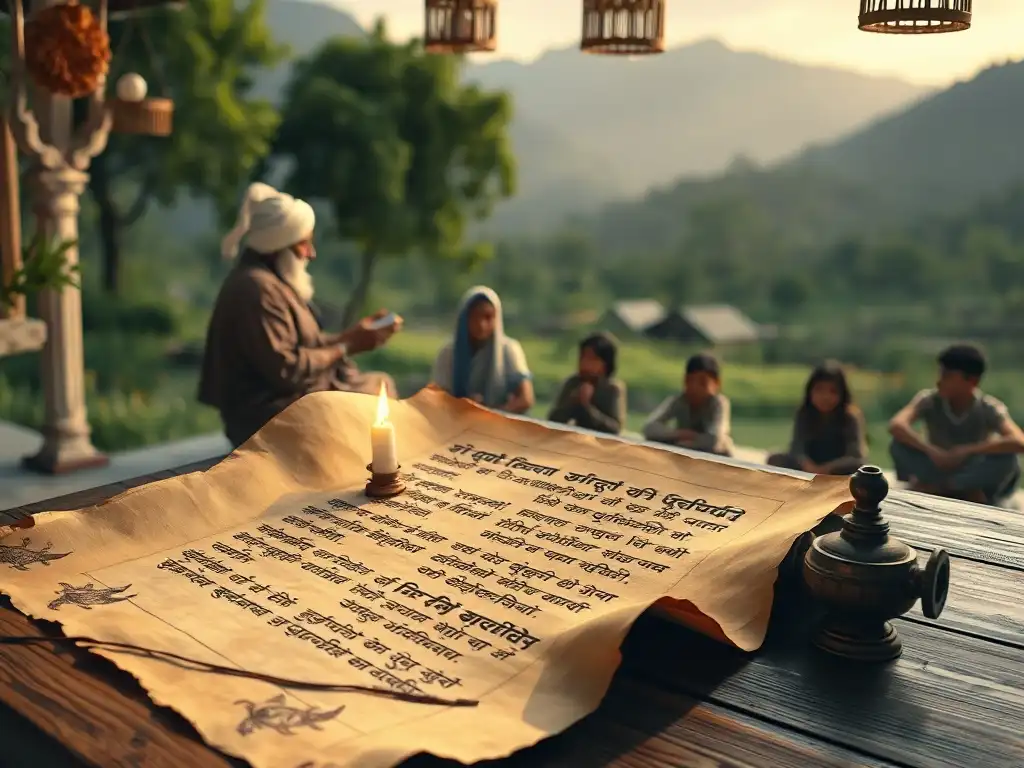
The relationship between ancient Indian scripts and oral traditions is profound and multifaceted. Ancient Indian scripts, such as Brahmi and Kharosthi, played a crucial role in the preservation and evolution of oral traditions. As these scripts began to be utilized, they provided a means of recording spoken narratives that were previously transmitted solely through oral means.
This transition not only helped in maintaining the integrity of these narratives but also facilitated their dissemination across various regions and cultures. Consequently, the scripts became instrumental in bridging the gap between oral and written forms of knowledge, enabling future generations to engage with their cultural heritage in a more structured manner.
Preservation and Transmission of Oral Literature through Scripts
One of the most significant contributions of ancient Indian scripts is their ability to preserve oral literature. Prior to the advent of writing, oral traditions were susceptible to change, distortion, and loss over generations. However, with the introduction of scripts, many oral epics, myths, and folklore were transcribed, allowing for their preservation in a more consistent form. For instance, texts like the Mahabharata and Ramayana were initially passed down orally but later recorded in written form, ensuring their survival and accessibility.
The act of writing also facilitated the transmission of these narratives beyond their original cultural contexts. Scripts allowed for the sharing of oral traditions with different communities, enabling a cross-pollination of ideas and stories. This democratization of knowledge not only enriched the cultural landscape of ancient India but also fostered a sense of unity among diverse groups.
The Role of Scripts in Standardizing Oral Narratives
Ancient Indian scripts played a pivotal role in standardizing oral narratives. Through writing, variations of stories could be compared and reconciled, leading to a more uniform version of the narratives. This standardization was essential for the codification of religious texts, such as the Vedas and Upanishads, where precision in language and meaning was crucial for spiritual practice and philosophical discourse.
Moreover, scripts allowed for the establishment of authoritative texts, which became references for teaching and recitation in religious and cultural contexts. The written word thus gained a certain level of prestige, often overshadowing oral versions, and became the authoritative source for many traditions. This shift had lasting implications for the relationship between oral and written forms of knowledge, influencing how stories were perceived and valued in society.
Examples of Recorded Oral Traditions in Ancient Texts
Several ancient texts serve as prime examples of recorded oral traditions in India. The Mahabharata, attributed to the sage Vyasa, is one of the longest epic poems in the world and was initially conveyed orally. Its written form allowed for the preservation of intricate narratives, character development, and philosophical teachings that were integral to the original oral tradition.
Similarly, the Puranas, a genre of ancient Indian literature, encapsulate a wealth of oral traditions about gods, goddesses, and cosmic events. These texts were compiled over centuries, demonstrating how oral narratives evolved as they were transcribed. The Jataka Tales, recounting the previous lives of the Buddha, also illustrate how oral folklore was transformed into written stories, preserving cultural morals and teachings for posterity.
Challenges and Limitations in Studying Ancient Indian Scripts and Oral Traditions
Despite their significance, studying ancient Indian scripts and oral traditions presents several challenges. The complexities of deciphering ancient scripts, coupled with the loss of many original manuscripts, complicate our understanding of how these narratives were originally conveyed and recorded. Furthermore, the interplay between oral and written traditions creates a layered narrative that can be difficult to untangle.
Issues of Preservation and Documentation
The preservation of ancient scripts and oral traditions has been fraught with challenges. Many texts have been damaged, lost, or destroyed over time due to environmental factors, wars, and neglect. Additionally, the transition from oral to written forms may have led to the loss of nuances inherent in spoken narratives, as certain elements, such as tone and performance, are difficult to capture in writing.
The documentation of oral traditions has also been inconsistent, with many communities lacking the resources or motivation to transcribe their rich oral heritage. This has resulted in a significant gap in the historical record, making it challenging for researchers to piece together a complete picture of ancient Indian culture and its oral traditions.
The Overlap and Conflicts between Oral and Written Narratives
The overlap between oral and written narratives presents both opportunities and conflicts in the study of ancient Indian scripts. Often, oral traditions evolve over time, leading to multiple versions of the same story. When these narratives are recorded in writing, discrepancies may arise between the oral and written forms, creating tension between different interpretations.
Additionally, the advent of written texts has sometimes led to the marginalization of oral traditions, as written narratives gain authority and legitimacy. This dynamic can create a hierarchy where the written word is viewed as superior, potentially diminishing the value of oral storytelling practices. Understanding this complex relationship is essential for appreciating the full scope of ancient Indian cultural heritage and the ways in which scripts and oral traditions have influenced each other throughout history.
Conclusion: The Enduring Legacy of Ancient Indian Scripts and Oral Traditions
The rich tapestry of ancient Indian scripts and oral traditions forms an integral part of India's historical and cultural heritage. These systems of communication not only served as vehicles for recording history, literature, and philosophy but also played a crucial role in preserving the diverse languages and dialects that enriched the subcontinent.
The relationship between these scripts and oral traditions is characterized by a dynamic interchange, where each has influenced and complemented the other over millennia. This enduring legacy continues to impact contemporary cultural practices, language development, and educational frameworks, underscoring the importance of both written and spoken forms of communication in shaping identity and continuity within Indian society.
Summary of Key Insights
- Interdependence: Ancient Indian scripts, such as Brahmi and Kharosthi, were often developed alongside rich oral traditions, which facilitated the transmission of knowledge, culture, and values across generations.
- Cultural Transmission: Oral traditions allowed for the fluidity and adaptability of narratives, while written scripts provided a means for permanent record-keeping, thus preserving essential cultural narratives that might otherwise be lost.
- Literary Contributions: The synthesis of oral and written forms has led to the creation of vast literary works, including epics like the Mahabharata and Ramayana, which were initially transmitted orally before being inscribed.
- Linguistic Diversity: The evolution of scripts and their interrelationship with oral traditions reflects the linguistic diversity of ancient India, showcasing the various languages and dialects that emerged and flourished.
- Modern Relevance: Understanding ancient scripts and their oral roots can enhance the appreciation of modern Indian languages and literature, fostering a greater connection to cultural identity and historical consciousness.
The Continuing Influence on Modern Indian Culture
The influence of ancient Indian scripts and oral traditions continues to resonate in modern Indian culture. From folk tales and traditional storytelling to contemporary literature and cinema, the themes and narratives established in ancient times remain relevant.
- Cultural Festivals: Many festivals celebrate oral traditions through performances that incorporate traditional storytelling, dance, and music, highlighting the significance of these practices in communal identity and heritage.
- Educational Systems: Aspects of oral traditions are integrated into educational curricula, emphasizing the importance of storytelling as a pedagogical tool, which helps in nurturing creativity and critical thinking among students.
- Language Revival: Efforts to revive and promote ancient scripts and dialects are visible in various cultural initiatives, research projects, and community efforts, reflecting a growing recognition of their historical and cultural value.
- Art and Craft: Various art forms, including painting, sculpture, and textiles, often draw inspiration from narratives rooted in ancient texts and oral traditions, demonstrating a continued dialogue between the past and present.
References for Further Reading on Ancient Indian Scripts and Oral Traditions
Suggested Books and Articles
-
"The History of Indian Literature" by Sisir Kumar Das
This comprehensive work explores the evolution of literature in India, emphasizing the interplay between oral traditions and written texts.
-
"Orality and Literacy in Ancient India" by A. K. Ramanujan
This book delves into the significance of oral traditions in shaping Indian culture and literature, providing insights into their historical context.
-
"Ancient Scripts of India: Their Development and Influence" by R. N. Sharma
This text examines various ancient Indian scripts and their relationship with oral traditions, focusing on cultural implications and historical development.
Important Scholarly Journals in the Field
-
Journal of South Asian Studies
This journal publishes peer-reviewed articles that cover all aspects of South Asian history, including the study of scripts and oral traditions.
-
Indian Journal of History of Science
A scholarly platform that discusses the history and development of science in India, often exploring the role of language and scripts in scientific literature.
-
The Journal of Asian Studies
This journal includes research on various aspects of Asian cultures, including linguistic studies that address the relationship between oral and written traditions in ancient India.
- Introduction to Ancient Indian Scripts and Oral Traditions
- Historical Context of Ancient Indian Scripts
- The Role of Oral Traditions in Ancient Indian Society
- Interconnection Between Ancient Indian Scripts and Oral Traditions
- The Impact of Ancient Indian Scripts on Oral Traditions
- Challenges and Limitations in Studying Ancient Indian Scripts and Oral Traditions
- Conclusion: The Enduring Legacy of Ancient Indian Scripts and Oral Traditions
- References for Further Reading on Ancient Indian Scripts and Oral Traditions
- What are ancient Indian scripts?
- How do oral traditions complement ancient Indian scripts?
- What is the significance of the Brahmi script in ancient Indian history?
- How did oral traditions influence the development of ancient Indian literature?
- What role did religion play in the evolution of ancient Indian scripts and oral traditions?
Frequently Asked Questions
What are ancient Indian scripts?
Ancient Indian scripts refer to writing systems used in India, such as Brahmi and Kharosthi, which played a crucial role in documenting history, literature, and religious texts.
How do oral traditions complement ancient Indian scripts?
Oral traditions preserve stories, rituals, and knowledge, often providing context and meaning to what is recorded in ancient Indian scripts, ensuring cultural continuity.
What is the significance of the Brahmi script in ancient Indian history?
The Brahmi script is one of the earliest writing systems in India, serving as a foundation for many subsequent scripts, and is vital for understanding ancient Indian literature and inscriptions.
How did oral traditions influence the development of ancient Indian literature?
Oral traditions enriched ancient Indian literature by passing down epics, folklore, and teachings, which were later transcribed, allowing for a dynamic interplay between spoken and written forms.
What role did religion play in the evolution of ancient Indian scripts and oral traditions?
Religion significantly influenced the creation and use of ancient Indian scripts and oral traditions, as sacred texts and teachings were often transmitted orally before being documented, reflecting the spiritual and cultural heritage of the time.
Final Reflection: The Enduring Legacy of Ancient Indian Scripts and Oral Traditions
The relationship between ancient Indian scripts and oral traditions is not merely a historical curiosity; it is a vital thread that continues to weave through the fabric of contemporary culture. Today, as we navigate a world increasingly dominated by digital communication, the wisdom embedded in these ancient practices serves as a reminder of the power of storytelling and the importance of preserving cultural heritage. The interplay between written and oral forms of expression highlights the richness of human experience and the necessity of understanding our roots.
The influence of ancient Indian scripts and oral traditions extends beyond academia; it resonates deeply within our social and cultural landscapes. These traditions have shaped identities, fostered community bonds, and provided a means of transmitting knowledge across generations. As we reflect on this enduring legacy, we are reminded of the words of the renowned scholar A.K. Ramanujan: A poem is a way of remembering the past, of making it present.
This encapsulates the essence of how oral traditions breathe life into ancient scripts, allowing us to connect with our ancestors and their stories in meaningful ways.
As we move forward, let us take a moment to reflect on our own narratives and the ways we share them with others. Consider how you can honor the ancient practices of storytelling in your life, whether through writing, speaking, or listening. Embrace the lessons of the past and recognize the power of your voice in shaping the future. By engaging with these traditions, we not only preserve history but also enrich our own lives and the lives of those around us.
Thank you for delving into the intriguing relationships between ancient Indian scripts and oral traditions. Your exploration of this rich history illuminates the cultural tapestry that has shaped modern India. Now, it’s time to transform that insight into action!
- Visit a local library or archive to uncover original texts and share your discoveries with friends and family.
- Join a community group dedicated to oral storytelling, allowing you to connect with others who share your passion for ancient narratives.
- Start a blog or social media series to document your journey through ancient Indian history, encouraging meaningful discussions about these traditions.
What is one captivating story from the oral tradition that you believe deserves to be told and shared?