
Ancient Indian Scripts: The Key to Understanding Historical Events

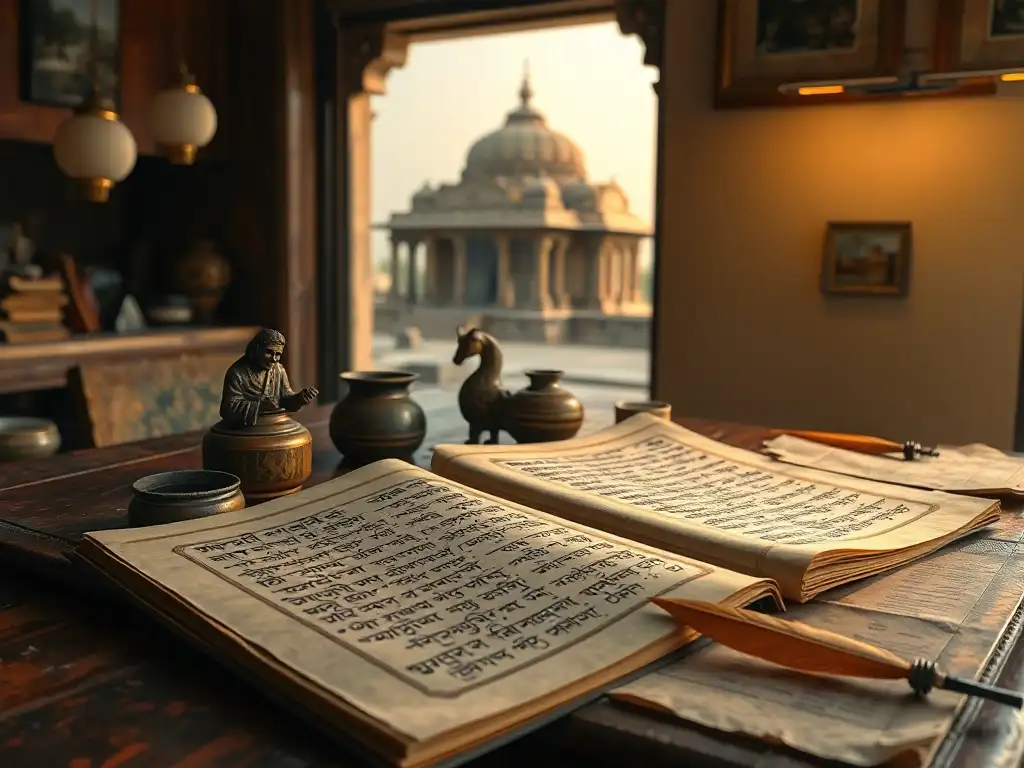
Welcome to Ancient India History, where we embark on a captivating journey through time to unveil the rich tapestry of ancient Indian civilizations. Here, we delve into the ancient Indian scripts history, the intricate symbols and writings that serve as keys to unlocking significant historical events. As we explore how these scripts shaped communication and culture, you'll discover the profound impact they had on our understanding of the past. Are you ready to unearth the secrets written in stone and ink? Let’s dive deeper into this fascinating chapter of history together!
Introduction to Ancient Indian Scripts History
The history of ancient Indian scripts is a fascinating journey that reveals the complexities of communication, culture, and governance in one of the world's oldest civilizations. From the sophisticated symbols of the Indus Valley Civilization to the intricate letters of the Gupta Empire, ancient Indian scripts provide invaluable insights into the social, political, and economic fabric of their times.
Understanding these scripts is essential for historians and linguists alike, as they not only document historical events but also reflect the evolution of thought, culture, and identity in ancient India. As we delve into the significance of these scripts, we uncover the pivotal role they played in shaping the region's history and their lasting legacy on modern languages.
The Evolution of Ancient Indian Scripts
Early Writing Systems in Ancient India
The roots of ancient Indian writing systems can be traced back to the Indus Valley Civilization (circa 3300–1300 BCE), where an undeciphered script was utilized. This script, consisting of various symbols and signs, remains a mystery; however, it suggests a sophisticated level of communication. The transition from these early forms of writing paved the way for more structured scripts, reflecting the socio-political changes in the region.
Major Ancient Indian Scripts: Brahmi and Kharosthi
Among the most significant scripts that emerged are Brahmi and Kharosthi, which were instrumental during the Mauryan and post-Mauryan periods.
- Brahmi is often regarded as the mother of most Indian scripts, laying the foundation for scripts used across South Asia. It was characterized by its syllabic nature and adaptability, influencing languages like Sanskrit, Pali, and Prakrit.
- Kharosthi, predominantly used in the northwest regions of India, is another ancient script that played a crucial role in the dissemination of Buddhism. Its unique right-to-left writing direction distinguishes it from Brahmi and highlights the regional diversity of ancient Indian scripts.
These scripts were not merely tools for recording information; they were essential in the administration, trade, and religious practices of ancient societies.
Influence of Scripts on Regional Languages
The impact of ancient Indian scripts extends far beyond their initial use. As regional languages evolved, they absorbed elements from Brahmi and Kharosthi, leading to the development of scripts like Devanagari, Tamil, and Bengali. This linguistic evolution underscores the dynamic nature of language in ancient India, where scripts acted as bridges connecting various cultures and communities. The legacy of these scripts is evident today, as they continue to shape the linguistic landscape of modern India, illustrating the enduring influence of ancient Indian culture on contemporary society.
The Role of Ancient Indian Scripts in Historical Documentation
Ancient Indian scripts serve as vital tools that illuminate the history, culture, and societal structure of various Indian civilizations. These scripts were not merely means of communication; they were instrumental in documenting historical events, religious beliefs, and administrative practices. The evolution of these scripts reflects the dynamic nature of ancient Indian society and its interactions with neighboring cultures.
Inscriptions found on monuments, coins, and pottery offer invaluable insights into the political landscape and social dynamics of the time. By analyzing these texts, historians can reconstruct timelines, understand governance, and explore cultural exchanges. The use of scripts such as Brahmi and Kharosthi has enabled scholars to piece together the narrative of ancient India, revealing a rich tapestry of human experience.
Inscriptions and Their Significance
Inscriptions are among the most significant sources of historical information in ancient India. They provide direct evidence of events, decrees, and societal norms, often etched in stone or metal for posterity. These inscriptions were typically created for various purposes, including commemorating victories, establishing legal frameworks, and promoting religious ideologies.
One notable example is the rock edicts of Emperor Ashoka, which articulate his governance principles and moral philosophy. Inscriptions also serve as timestamps that mark the socio-political climate of their era, allowing historians to trace the evolution of languages, dialects, and even script styles. The careful study of these inscriptions can reveal shifts in power, trade relationships, and cultural assimilation.
Key Discoveries: Ashoka's Edicts
Emperor Ashoka, who ruled during the 3rd century BCE, is known for his extensive use of inscriptions to disseminate his policies and ethical guidelines. The Ashoka edicts, inscribed on rocks and pillars across the Indian subcontinent, represent a pioneering example of using script for widespread communication.
These edicts cover a range of topics, including the promotion of non-violence, the importance of dharma (moral law), and social welfare initiatives. The language used in these inscriptions, primarily in Brahmi script, offers insight into the administrative practices of the Mauryan Empire and the emperor's vision for society. The discovery of these edicts has not only enriched our understanding of Ashoka's reign but also provided a foundation for the study of ancient Indian governance and philosophy.
The Impact of Scripts on Historical Narratives
The development and spread of ancient Indian scripts significantly influenced historical narratives. Scripts like Brahmi and Kharosthi were foundational for written communication, enabling the documentation of events and ideas that shaped Indian civilization. The ability to record information allowed for the preservation of cultural heritage and the establishment of historical records.
As scripts evolved, so did the narratives they conveyed. The transition from oral traditions to written documentation marked a turning point in how history was recorded and perceived. This transition facilitated a more systematic understanding of past events, leading to the emergence of written histories that could be referenced and analyzed. Consequently, the study of ancient Indian scripts is crucial for reconstructing the complexities of historical narratives and understanding the socio-political contexts of ancient India.
Analyzing Ancient Indian Scripts: Techniques and Methods
The analysis of ancient Indian scripts requires a multidisciplinary approach, combining linguistic expertise, historical context, and paleographic techniques. Scholars utilize various methods to decipher and interpret these scripts, contributing to a deeper understanding of the civilizations they represent.
Paleography and Its Importance in Ancient Indian Scripts History
Paleography, the study of ancient writings, is essential for understanding the evolution of ancient Indian scripts. It involves examining the forms and styles of letters, the materials used, and the contexts in which the scripts were employed. By analyzing these elements, paleographers can identify dating patterns and regional variations, providing insights into the historical significance of different inscriptions.
Paleography also aids in the classification of scripts, allowing scholars to trace their development over time. This understanding is critical for reconstructing historical timelines and understanding the cultural exchanges between ancient Indian civilizations and their neighbors. The meticulous work of paleographers has significantly enriched the historical narratives surrounding ancient Indian scripts.
Deciphering Techniques Used by Scholars
The process of deciphering ancient Indian scripts involves various techniques that have been developed and refined over decades. Scholars employ methods such as comparative analysis, where they compare inscriptions with known texts to identify patterns and meanings. They also use contextual analysis, examining the historical and cultural background of inscriptions to gain insights into their significance.
Additionally, advancements in technology, such as digital imaging and 3D modeling, have revolutionized the way inscriptions are studied. These tools allow for a more detailed examination of the physical characteristics of inscriptions, revealing nuances that may not be visible to the naked eye. The combination of traditional and modern techniques enhances the accuracy and depth of understanding in the field of ancient Indian scripts.
Case Studies of Notable Inscriptions
Several notable inscriptions have significantly contributed to our understanding of ancient Indian history. For instance, the Junagadh Inscription of King Rudradaman I, dated to the 2nd century CE, provides crucial insights into the political landscape of the Western Indian region and the influence of the Western Kshatrapas.
Another significant example is the Brahmi inscriptions from the cave complexes at Ajanta, which date back to the 2nd century BCE. These inscriptions not only reflect the artistic and cultural practices of the period but also provide information about the patrons and the religious affiliations of the caves.
Through the study of such case studies, scholars can extract a wealth of information that enhances our understanding of ancient Indian scripts and their historical contexts. Each inscription serves as a window into the past, revealing the thoughts, beliefs, and practices of ancient Indian civilizations.
The Cultural Impact of Ancient Indian Scripts
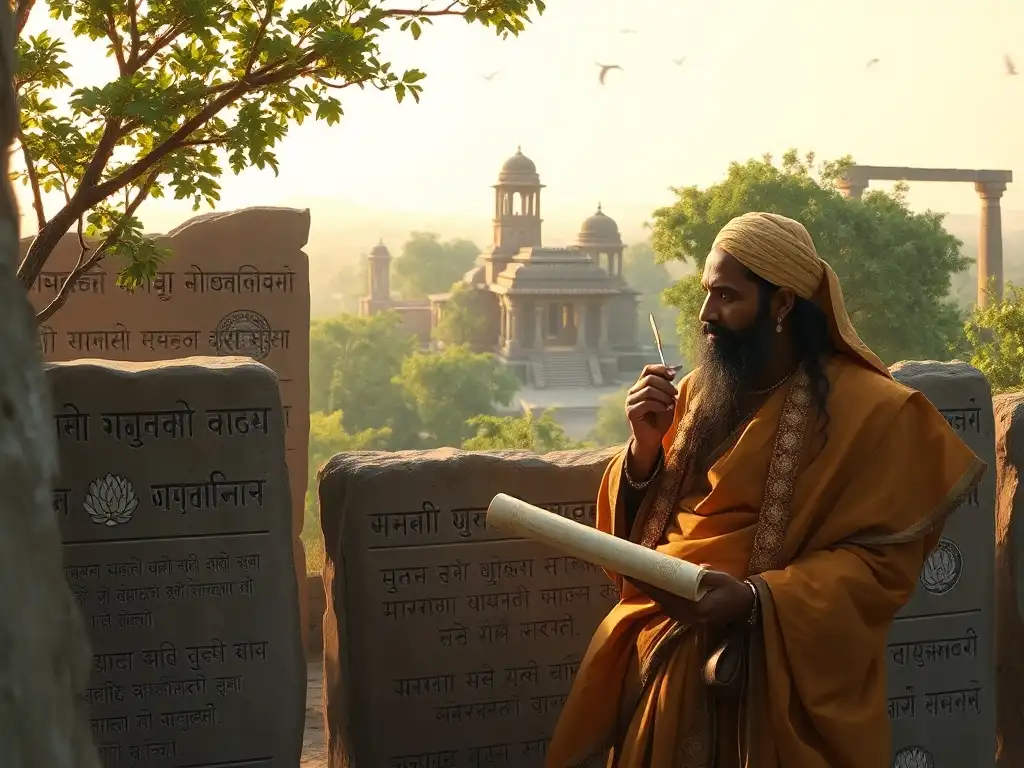
The cultural impact of ancient Indian scripts extends far beyond their role as mere tools for communication. These scripts serve as vital repositories of the diverse thoughts, beliefs, and practices that characterized ancient Indian societies. By studying these scripts, historians and scholars can glean insights into the social structures, religious ideologies, and artistic expressions of the time. The scripts are not only linguistic artifacts but also cultural records that reflect the evolution of Indian civilization over thousands of years.
The development of various scripts such as Brahmi, Kharosthi, and Devanagari signifies the adaptability and innovation of ancient Indian cultures. Each script embodies unique regional characteristics and influences, showcasing the interconnectedness of different communities. Furthermore, ancient inscriptions found on stone, metal, and pottery provide invaluable information about the political history, economic transactions, and social norms of various epochs, enriching our understanding of historical events and cultural dynamics.
Scripts as a Reflection of Society and Culture
Ancient Indian scripts are deeply intertwined with the society and culture of their times. For instance, the Brahmi script, one of the oldest writing systems in India, emerged around the 3rd century BCE. It reflects the administrative and trade practices of the Mauryan Empire, as evidenced by inscriptions like the Edicts of Ashoka. These edicts not only convey administrative directives but also highlight the ethical and philosophical values propagated by Ashoka, emphasizing non-violence and social welfare.
Additionally, the evolution of scripts mirrors societal changes. The emergence of regional scripts, such as Tamil and Telugu, illustrates the linguistic diversification that accompanied the rise of regional kingdoms. These scripts became vehicles for regional literature, folklore, and traditions, thereby fostering a sense of identity among communities. By analyzing the content of ancient texts written in these scripts, researchers can uncover the cultural narratives and societal values that shaped the lives of ancient Indians.
Contributions of Ancient Indian Scripts to Literature and Philosophy
Ancient Indian scripts have made significant contributions to literature and philosophy, serving as the medium through which profound ideas and artistic expressions were transmitted. The vast body of Sanskrit literature, particularly the Vedas, Upanishads, and epics like the Mahabharata and Ramayana, was preserved in scripts such as Devanagari and Brahmi. These texts encompass not only religious doctrines but also philosophical inquiries that explore the nature of existence, ethics, and the cosmos.
Moreover, the use of scripts in ancient Indian inscriptions facilitated the documentation of various philosophical schools, such as Buddhism and Jainism. Texts like the Dhammapada and the Tattvartha Sutra reveal the rich intellectual debates and spiritual discourses that flourished in ancient Indian society. By analyzing these texts, scholars can trace the evolution of thought and the interplay between different philosophical traditions.
The artistic aspect of ancient Indian scripts also deserves attention. Calligraphy and the ornamental use of scripts in temple architecture and manuscripts demonstrate the aesthetic values of the time. The intricate designs and styles not only enhanced the visual appeal but also symbolized the sacredness of the texts, further intertwining literature, art, and spirituality.
Challenges in Understanding Ancient Indian Scripts
Despite their significance, understanding ancient Indian scripts poses several challenges that historians and linguists must navigate. The complexities arise from various factors, including preservation issues, linguistic evolution, and the socio-political context of the time. These challenges can hinder our ability to fully appreciate the richness of ancient texts and their historical significance.
Issues with Preservation and Degradation
One of the foremost challenges in studying ancient Indian scripts is the condition of the artifacts themselves. Many inscriptions and manuscripts have suffered degradation due to environmental factors, such as humidity, temperature fluctuations, and biological agents like fungi and insects. The deterioration of materials like palm leaves, birch bark, and stone has led to the loss of crucial information, making it difficult to reconstruct complete narratives.
Moreover, the methods used for writing and recording have implications for preservation. For instance, early inscriptions carved into stone are often better preserved than those written on perishable materials. The surviving texts may only represent a fraction of the original body of work, necessitating a cautious approach in interpretation and analysis.
Linguistic Challenges in Interpretation
Interpreting ancient Indian scripts also presents linguistic challenges, as the languages and dialects used have evolved significantly over the millennia. Many ancient texts employ archaic forms of language that can be difficult to decipher, requiring specialized knowledge of historical linguistics. Additionally, the presence of regional variations and dialects complicates the task of establishing a unified understanding of texts.
Furthermore, the context in which the scripts were used is crucial for accurate interpretation. Phrases or terms may carry different meanings depending on cultural, religious, or philosophical contexts. Scholars must consider these nuances to avoid misinterpretations that could distort the intended message of the texts.
While the study of ancient Indian scripts is fraught with challenges, it remains an essential endeavor for unraveling the complexities of India's historical narrative. The insights gained from these scripts are invaluable for understanding the cultural, philosophical, and socio-political fabric of ancient Indian civilizations.
Conclusion: The Legacy of Ancient Indian Scripts
The legacy of ancient Indian scripts is a testament to the rich tapestry of cultural, linguistic, and intellectual heritage that has shaped India over millennia. Scripts like Brahmi and Kharosthi not only facilitated the communication of ideas but also served as vehicles for the preservation of history, religion, and philosophy. Their intricate forms and variations across regions reflect the diversity of thought and expression in ancient Indian society. As we delve into these scripts, we uncover a wealth of information that broadens our understanding of historical events, societal structures, and the evolution of language in the Indian subcontinent.
The significance of these scripts extends beyond mere communication; they embody the philosophies, values, and aspirations of ancient civilizations. By studying these scripts, historians and linguists can connect the dots between different cultures and eras, revealing the interconnectedness of various Indian traditions. This legacy continues to inspire modern scholars, who seek to decode and interpret the profound messages encoded in these ancient writings.
The Continuing Relevance of Ancient Scripts in Modern Research
Ancient Indian scripts remain vital to contemporary research, particularly in fields such as archaeology, linguistics, and history. Scholars utilize these scripts to unlock secrets of the past, providing insights into ancient trade routes, social hierarchies, and religious practices. For instance, inscriptions found on stone pillars and pottery provide valuable data on the socio-economic conditions of ancient civilizations, while inscriptions in temples reveal the religious beliefs and practices that were prevalent.
Moreover, advancements in technology have enhanced the study of ancient scripts. Digital imaging and computational analysis allow researchers to analyze inscriptions with unprecedented precision, enabling them to reconstruct fragmented texts and understand their meanings better. This technological integration not only aids in deciphering ancient languages but also facilitates comparative studies with other ancient scripts worldwide, establishing a broader context for understanding human civilization.
Future Directions for Exploring Ancient Indian Scripts History
The future of exploring ancient Indian scripts history is promising, with several avenues ripe for investigation. One potential direction is the interdisciplinary approach that integrates linguistics, archaeology, and anthropology to create a more comprehensive understanding of these scripts. By collaborating across disciplines, researchers can contextualize the scripts within the broader socio-cultural landscapes of ancient India.
Another area of exploration is the study of lesser-known scripts and dialects that have not yet been fully deciphered. This could lead to significant breakthroughs in our understanding of regional variations and their contributions to the overall narrative of ancient Indian history. Additionally, expanding studies into the influence of ancient Indian scripts on neighboring cultures can provide insights into the diffusion of ideas and the interconnectedness of civilizations.
Finally, the digital humanities field offers exciting possibilities for the preservation and dissemination of ancient texts. Creating digital archives and interactive platforms can make these scripts accessible to a wider audience, fostering greater appreciation and understanding of ancient Indian heritage. As researchers continue to harness technology and collaborative methodologies, the rich history of ancient Indian scripts will undoubtedly yield new discoveries, enriching our understanding of the past.
- Introduction to Ancient Indian Scripts History
- The Evolution of Ancient Indian Scripts
- The Role of Ancient Indian Scripts in Historical Documentation
- Analyzing Ancient Indian Scripts: Techniques and Methods
- The Cultural Impact of Ancient Indian Scripts
- Challenges in Understanding Ancient Indian Scripts
- Conclusion: The Legacy of Ancient Indian Scripts
Frequently Asked Questions
What are ancient Indian scripts?
Ancient Indian scripts refer to the writing systems used in India from various civilizations, including the Indus Valley Civilization and later periods, which are critical for understanding historical events.
How do ancient Indian scripts contribute to our understanding of history?
These scripts provide insight into cultural, social, and economic aspects of ancient Indian life, revealing how societies functioned and interacted through inscriptions and texts.
What are some examples of ancient Indian scripts?
Notable examples include Brahmi, Kharosthi, and Tamil-Brahmi, each playing a significant role in the development of languages and the dissemination of knowledge across regions.
How were ancient Indian scripts decoded?
Scholars utilized a combination of linguistic analysis, comparisons with known languages, and archaeological findings to decode these scripts, enhancing our understanding of ancient civilizations.
Why is the study of ancient Indian scripts important today?
Studying these scripts is essential for grasping the rich history and culture of India, as they serve as keys to unlocking the narratives of past civilizations and their contributions to modern society.
Final Reflection: Unlocking the Past Through Ancient Indian Scripts
The exploration of ancient Indian scripts not only illuminates the rich tapestry of India's history but also serves as a crucial lens through which we can understand the complexities of human civilization. Today, as we navigate an era marked by rapid technological advancements and cultural exchanges, the significance of these scripts becomes even more pronounced.
They are not just relics of the past; they are keys that unlock the narratives of our ancestors, revealing insights into their thoughts, beliefs, and societal structures. Understanding these scripts is essential, as it empowers us to connect with our roots and appreciate the profound wisdom embedded in our history.
The impact of ancient Indian scripts extends far beyond academia; they resonate deeply within our cultural and social landscapes. As we delve into these ancient texts, we uncover the values and philosophies that have shaped our identities. The stories told through these scripts continue to inspire contemporary art, literature, and philosophy, reminding us of the enduring legacy of our forebears. To know the past is to understand the present.
This quote encapsulates the essence of why studying ancient scripts is vital; they provide a framework for understanding the evolution of our societies and the shared human experience.
As we reflect on the importance of ancient Indian scripts, I invite you to consider how these lessons can be applied in your own life. Take a moment to explore your heritage, seek out the stories that have shaped your identity, and engage with the historical narratives that resonate with you. By doing so, you not only honor the past but also enrich your understanding of the present and inspire future generations. Embrace the journey of discovery, for in understanding our history, we pave the way for a more informed and connected future.
Unlock the Secrets of Ancient Wisdom!
Thank you for diving into the fascinating world of ancient Indian scripts with us! You've gained valuable insights into how these scripts unlock the past and enrich our understanding of historical events. Now, it's time to take that knowledge further and engage with this rich heritage!
- Explore more by visiting local museums or exhibitions that showcase ancient manuscripts and artifacts, allowing you to experience these scripts firsthand.
- Join a community of history enthusiasts online to discuss insights and share resources, enhancing your understanding of ancient Indian culture.
- Start your own journal to document your findings and reflect on how ancient scripts continue to influence modern society.
What insights or connections have you discovered regarding the relevance of these ancient scripts in today's world? We invite you to share your thoughts below!