
The Impact of Colonialism on the Study of Ancient Indian Inscriptions

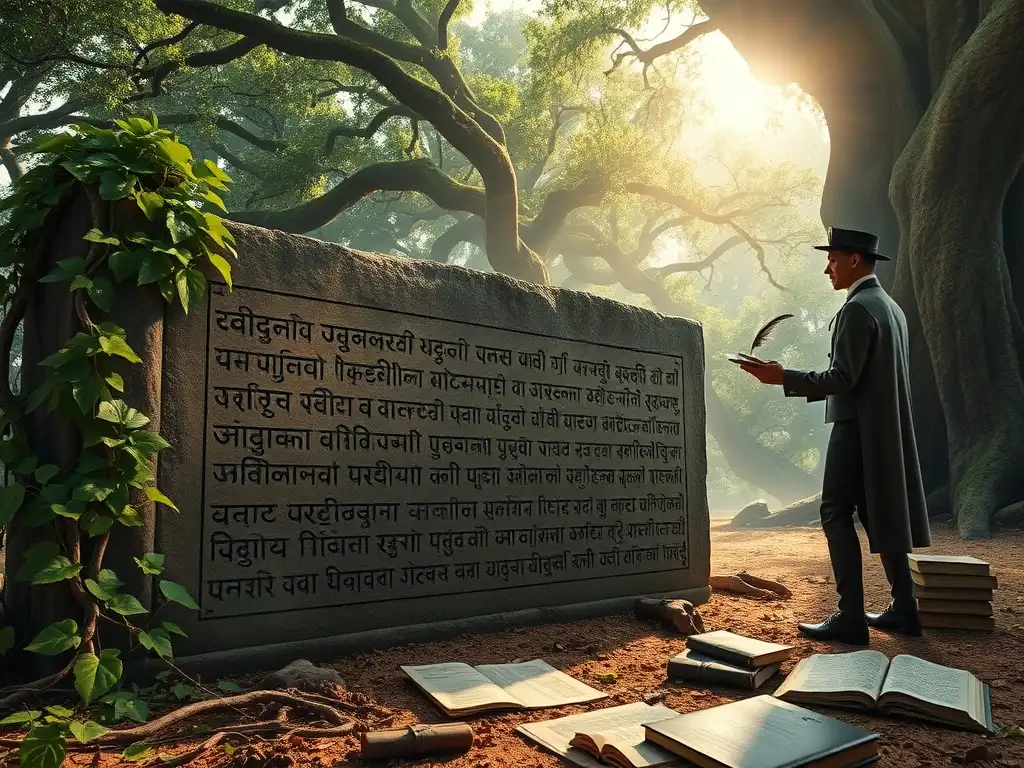
Welcome to Ancient India History, where we embark on a captivating journey through the rich tapestry of time that shaped one of the world's oldest civilizations. In our featured article, "The Impact of Colonialism on the Study of Ancient Indian Inscriptions," we delve into the intricate relationship between colonial influences and the understanding of ancient inscriptions that offer glimpses into a vibrant past. What secrets lie within these inscriptions, and how has colonialism altered our perception of them?
Join us as we unravel the complexities of history, culture, and the enduring legacy of ancient Indian civilizations. Your exploration begins here!
Introduction to Colonialism and Ancient Indian Inscriptions
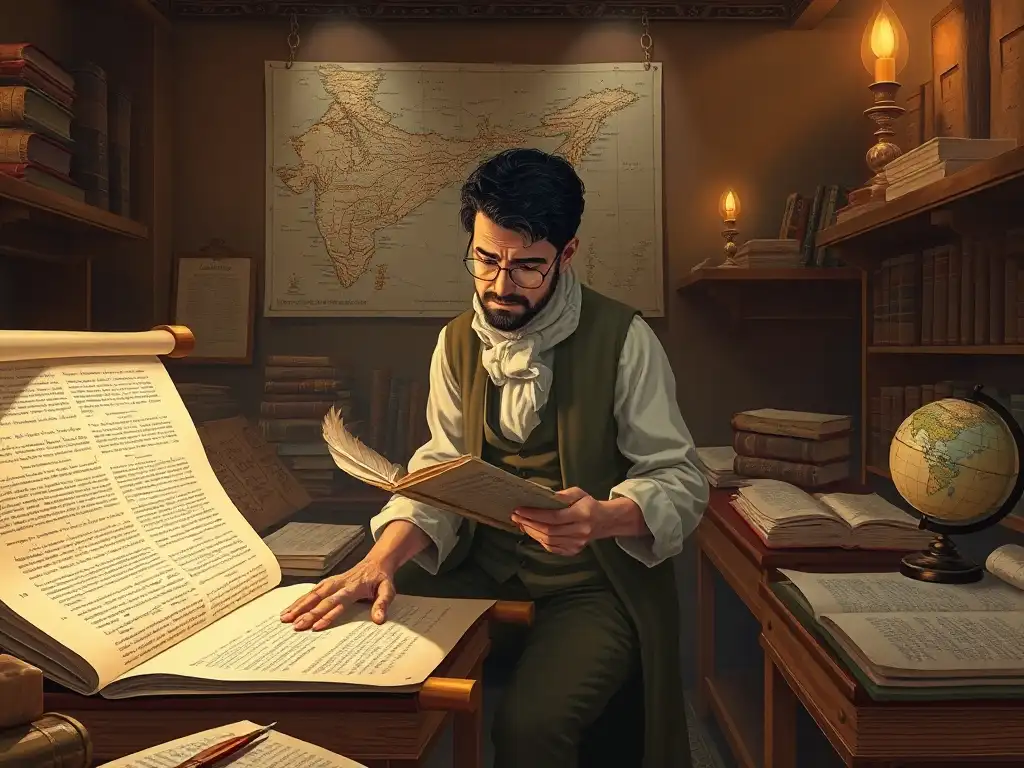
Colonialism has profoundly influenced the way ancient Indian inscriptions are studied, interpreted, and understood. The impact of European colonial powers, particularly the British, reshaped not only the political landscape of India but also the academic frameworks within which its ancient history was examined.
This article delves into the intricate relationship between colonialism and the study of ancient Indian inscriptions, highlighting how colonial agendas and perspectives have both enriched and complicated our understanding of these invaluable historical sources. By exploring the evolution of epigraphy during colonial rule, we can better appreciate the lasting effects of this period on the field of historical studies and the significance of ancient inscriptions in reconstructing India's past.
Overview of Colonialism in India
Colonialism in India began in the early 17th century with the arrival of European trading companies, most notably the British East India Company. This gradually evolved into direct British rule following the Indian Rebellion of 1857, marking a significant shift in governance and cultural dynamics. The colonial period was characterized by a systematic effort to document, classify, and interpret India's extensive historical and cultural heritage under a Western lens.
- Motivations for Study:
- Economic Interests: The British sought to exploit India's resources, leading to an increased interest in its historical documentation.
- Cultural Superiority: A belief in the superiority of Western culture often framed the study of Indian history as a means to 'civilize' the local population.
This context set the stage for significant developments in the study of ancient inscriptions, which were viewed through the prism of colonial ideologies.
Importance of Ancient Indian Inscriptions in Historical Studies
Ancient Indian inscriptions serve as critical primary sources for understanding the socio-political, religious, and cultural aspects of past civilizations. They provide insights into:
- Dynastic Histories: Inscriptions often record the achievements and lineage of rulers, offering invaluable data for reconstructing political histories.
- Cultural Practices: Many inscriptions detail rituals, religious practices, and social norms, shedding light on the everyday lives of people in ancient India.
- Linguistic Development: The evolution of languages and scripts can be traced through inscriptions, highlighting the linguistic diversity of the region.
The study of these inscriptions became crucial during the colonial period, as scholars sought to articulate a narrative of India's past that could align with contemporary academic standards.
The Evolution of Epigraphy During Colonial Rule
Early Epigraphic Studies Prior to Colonialism
Before the advent of colonial rule, the study of inscriptions in India was largely limited to local scholars and historians who understood their cultural significance. The inscriptions were often viewed as sacred texts or as markers of significant events. However, systematic epigraphic studies were minimal, and many inscriptions remained unexamined or poorly understood.
- Local Knowledge: Indigenous scholars contributed to the preservation of inscriptions, although their interpretations often remained within local contexts.
- Limited Documentation: Many inscriptions were not recorded or studied in a manner that would allow for broader historical analysis.
Changes in Methodology Under Colonial Scholars
The colonial period marked a significant shift in the study of ancient Indian inscriptions, as European scholars introduced new methodologies that transformed the field of epigraphy.
- Systematic Documentation: Colonial scholars began to systematically document inscriptions through surveys and cataloging, leading to a more organized body of knowledge.
- Critical Analysis: The application of philological methods allowed for a more nuanced understanding of the language and content of inscriptions.
- Comparative Studies: Scholars began to compare inscriptions across different regions and periods, providing a broader context for understanding their significance.
These changes not only advanced the study of inscriptions but also laid the groundwork for modern epigraphy.
Introduction of New Technologies in Epigraphy
The colonial era also saw the introduction of new technologies that revolutionized the study of inscriptions.
- Photography: The use of photography enabled the accurate documentation of inscriptions, facilitating easier analysis and dissemination of information.
- Printing Press: The printing press allowed for the publication of epigraphic studies, making research more accessible to a wider audience.
- Field Surveys: Colonial expeditions often included detailed surveys of ancient sites, leading to the discovery and preservation of numerous inscriptions.
These technological advancements not only enhanced the study of ancient Indian inscriptions but also contributed to the preservation of India's rich historical heritage, albeit through a colonial lens.
The Influence of Colonial Perspectives on Ancient Inscriptions
Colonialism significantly influenced the study of ancient Indian inscriptions, altering not only how these artifacts were viewed but also the narratives that emerged from them. Colonial powers, particularly the British, approached inscriptions with a mindset shaped by their own cultural and historical contexts. This often led to interpretations that prioritized colonial narratives over indigenous understandings. As a result, inscriptions were frequently seen through a lens of exoticism, leading to a fascination with the 'otherness' of Indian civilization rather than an appreciation of its complexity and richness.
The impact of colonial perspectives can be observed in several key areas, including the selection of inscriptions deemed worthy of study, the methodologies employed in their analysis, and the conclusions drawn from them. Colonial scholars often favored inscriptions that aligned with their interests in governance, trade, and religion, while many inscriptions that spoke to local cultures and vernacular traditions were overlooked. This selective focus not only shaped scholarly discourse but also influenced public perceptions of ancient India, reducing a multifaceted civilization to simplified narratives that served colonial agendas.
Interpretation of Inscriptions through a Colonial Lens
The interpretation of ancient Indian inscriptions through a colonial lens often resulted in a skewed understanding of their significance. Colonial scholars typically imposed their own cultural frameworks and values onto the inscriptions, frequently misapplying concepts that were foreign to ancient Indian society. For instance, many inscriptions were interpreted in ways that emphasized military conquests or political power, reflecting the colonial fascination with dominance and hierarchy.
Moreover, the linguistic challenges inherent in translating ancient texts were often compounded by colonial biases. Scholars sometimes resorted to anachronistic interpretations or applied contemporary political concepts to historical texts, leading to misleading conclusions. This misalignment of understanding hindered a true appreciation of the cultural and historical contexts from which these inscriptions emerged, obscuring the diverse voices and narratives that they encapsulated.
Misinterpretations and Historical Narratives
The misinterpretations of ancient inscriptions have had lasting implications for the historical narratives constructed around ancient India. By framing historical events and figures through a colonial perspective, scholars often created a narrative that emphasized conflict and subjugation while downplaying the rich tapestry of cultural exchange and cooperation that characterized ancient Indian society.
For example, the portrayal of rulers and dynasties in inscriptions was frequently simplified to reflect a binary of conqueror versus conquered, ignoring the complexities of governance, local alliances, and the socio-political dynamics of the time. This reductionist approach not only distorted historical facts but also marginalized the contributions of various communities and cultures within India, reinforcing colonial stereotypes and undermining indigenous histories.
Colonialism's Effects on the Preservation of Inscriptions
The impact of colonialism extended beyond interpretation to the actual preservation of ancient inscriptions. The era of colonial rule saw significant changes in how these artifacts were regarded and managed, with both detrimental and beneficial outcomes.
Damage and Neglect of Ancient Sites
Many ancient sites housing inscriptions suffered from neglect during the colonial period. Prioritization of colonial interests often led to the deterioration of these sites, as resources were diverted to projects that aligned with colonial objectives. Inscriptions were frequently left exposed to the elements, leading to weathering and erosion, while political and military activities further contributed to their damage.
Moreover, the lack of a comprehensive preservation strategy meant that many inscriptions were lost forever due to vandalism, urban development, or simply neglect. This disregard for the cultural heritage of ancient India not only erased valuable historical records but also severed connections to the past for future generations.
Efforts for Preservation and Documentation by Colonial Authorities
Despite the damage inflicted on many ancient sites, there were also efforts by colonial authorities to document and preserve inscriptions. Recognizing their cultural significance, some colonial scholars undertook extensive surveys and recorded inscriptions as part of broader archaeological initiatives. These efforts led to the establishment of systematic documentation practices, which laid the groundwork for modern epigraphy.
Colonial institutions often published works that compiled and analyzed inscriptions, contributing to the field of historical research. However, while these efforts provided crucial data, they were often tainted by the colonial narrative, leading to further misinterpretations of the inscriptions' meanings and contexts.
The Legacy of Colonial Preservation Methods
The legacy of colonial preservation methods continues to influence the study of ancient Indian inscriptions today. While some techniques introduced during the colonial period laid the foundation for modern conservation practices, they also raised ethical questions regarding ownership, representation, and cultural sensitivity. The implementation of colonial methodologies often disregarded local knowledge and practices, which can lead to tensions in contemporary preservation efforts.
Furthermore, the colonial legacy is evident in the ongoing discussions about the repatriation of artifacts and the need for inclusive narratives in the study of ancient inscriptions. As scholars strive to reconcile the colonial past with contemporary scholarship, it remains crucial to engage with the voices and perspectives of local communities to ensure that the rich history of ancient India is represented accurately and respectfully.
Case Studies of Notable Inscriptions Affected by Colonialism

The study of ancient Indian inscriptions has been significantly influenced by colonialism, which reshaped the methodology and interpretation of these texts. Several notable inscriptions serve as prime examples of this impact, revealing how colonial perspectives have colored our understanding of ancient Indian history and culture.
The Ashoka Edicts: Colonial Discoveries and Interpretations
The Ashoka Edicts, a series of inscriptions carved on rocks and pillars during the reign of Emperor Ashoka (circa 268-232 BCE), were rediscovered in the 19th century by British archaeologists, including Alexander Cunningham. These edicts, which promote moral governance and Buddhist principles, were initially interpreted through a colonial lens that emphasized the “civilizing” mission of British rule.
Colonial scholars often viewed Ashoka as a precursor to Western ideals of governance, which led to a romanticized understanding of his policies. For instance, interpretations focused on Ashoka’s promotion of Dharma were often aligned with British notions of justice and morality. This Eurocentric approach sidelined the indigenous contexts of these edicts, neglecting the local traditions and practices that informed Ashoka’s rule. As a result, the original significance and multifaceted nature of the edicts became obscured, limiting our understanding of their role in the sociopolitical landscape of ancient India.
The Role of Colonial Expeditions in Uncovering Inscriptions
Colonial expeditions played a crucial role in uncovering numerous ancient inscriptions across India. These expeditions, often motivated by a quest for knowledge and control, led to significant archaeological discoveries. However, they were also marred by a sense of entitlement and superiority, as colonial authorities often disregarded local knowledge and practices.
One notable expedition was the exploration of the caves at Ajanta and Ellora, where inscriptions and rock-cut architecture revealed rich narratives of Buddhist and Hindu traditions. The British, captivated by these sites, published detailed accounts that introduced these inscriptions to a global audience. Nevertheless, their interpretations were frequently simplistic and failed to consider the intricate cultural and historical contexts in which these inscriptions were created.
The legacy of these colonial expeditions continues to influence modern scholarship, as many inscriptions were cataloged and interpreted without sufficient input from Indian scholars and locals, leading to a gap in authentic representation and understanding.
Analysis of Specific Inscriptions and Their Colonial Impact
Specific inscriptions, such as those found at the site of Hampi or the rock edicts of Kalinga, demonstrate the profound impact of colonialism on their study. The inscriptions at Hampi, which are significant for understanding the Vijayanagara Empire, were often analyzed through a lens that prioritized Western narratives of empire and decline.
Similarly, the rock edicts of Kalinga, which chronicle Ashoka's remorse following the Kalinga War, were interpreted in ways that emphasized colonial narratives of moral leadership and benevolence. These interpretations often stripped the inscriptions of their local significance, focusing instead on how they could serve colonial agendas.
The colonial approach to these inscriptions not only shaped academic discourse but also influenced public perceptions of ancient Indian history, often perpetuating stereotypes and misunderstandings about India's past.
Post-Colonial Perspectives on Ancient Indian Inscriptions
The post-colonial period has seen a significant shift in the approach to ancient Indian inscriptions, as scholars begin to critically re-evaluate the colonial narratives that have shaped their study.
Shifts in Epigraphic Studies After Independence
Following India's independence in 1947, there was a concerted effort to reclaim and reinterpret ancient inscriptions within their cultural and historical contexts. This shift involved a move away from Eurocentric perspectives and a renewed focus on indigenous scholarship.
Scholars such as D. C. Sircar and R. C. Majumdar emphasized the need for a comprehensive understanding of inscriptions as artifacts of local history, culture, and identity. This new approach encouraged the use of methodologies that integrated linguistic, archaeological, and historical analyses, fostering a more nuanced understanding of inscriptions.
Contemporary Approaches to Colonial Legacies
In contemporary scholarship, there is an increasing awareness of the colonial legacies that have shaped the study of ancient inscriptions. Scholars are now more critically analyzing how colonial interpretations have influenced modern understandings and are working to decolonize the field.
This involves not only revisiting colonial texts and interpretations but also incorporating indigenous perspectives and methodologies. Collaborative projects between Indian and international scholars are emerging, aiming to create a more balanced discourse around ancient inscriptions and their meanings.
Re-evaluating Ancient Inscriptions in Modern Scholarship
Modern scholarship is witnessing a re-evaluation of ancient inscriptions, as researchers strive to understand their significance beyond colonial interpretations. By employing interdisciplinary approaches that consider archaeological findings, cultural studies, and linguistic analysis, scholars are uncovering richer narratives associated with these inscriptions.
This re-evaluation process also includes a greater emphasis on the voices and experiences of the local populations who created and interacted with these inscriptions. As a result, contemporary studies not only aim to recover historical truths but also to celebrate the diverse cultural heritage of ancient India, fostering a deeper appreciation for its contributions to global history.
Conclusion: The Lasting Impact of Colonialism on the Study of Ancient Indian Inscriptions
The legacy of colonialism has profoundly influenced the study of ancient Indian inscriptions, shaping both the methodologies adopted by scholars and the narratives constructed around these artifacts. As colonial powers engaged with the subcontinent, they brought with them their own frameworks of understanding history, often overlooking or misinterpreting the indigenous contexts of the inscriptions. This has led to a skewed representation of ancient Indian cultures in academic literature, with a focus that frequently emphasized colonial perspectives at the expense of local interpretations.
The imposition of Western scholarly practices created a dichotomy where indigenous knowledge systems were marginalized or entirely dismissed. As a result, many inscriptions were recorded without their full historical and cultural significance being appreciated. The initial colonial efforts in epigraphy, while pioneering in some respects, often lacked the rigorous contextual analysis that is essential for understanding the nuances of ancient Indian languages, scripts, and cultural references. Consequently, the colonial legacy continues to influence contemporary scholarship, which must critically navigate these historical biases to achieve a more accurate representation of ancient Indian civilizations.
To address these lasting impacts, modern researchers are increasingly emphasizing the importance of decolonizing methodologies in the study of inscriptions. This involves not only re-evaluating historical interpretations but also incorporating indigenous voices and perspectives that were historically sidelined. By doing so, scholars can develop a more nuanced understanding of ancient Indian inscriptions, thereby enriching the broader narrative of India's historical and cultural heritage.
Summary of Key Findings
The study of ancient Indian inscriptions under colonialism has revealed several critical insights:
- Western Interpretative Frameworks: Colonial scholars often employed Western-centric methodologies, which led to misinterpretations and oversimplifications of the inscriptions' meanings.
- Marginalization of Indigenous Knowledge: The contributions of local scholars and traditional knowledge systems were frequently overlooked, resulting in a one-dimensional understanding of ancient cultures.
- Evolving Epigraphic Practices: The colonial era saw the establishment of epigraphy as a formal discipline, yet it was often characterized by a lack of contextual understanding, which continues to affect modern scholarship.
- Decolonization Efforts: Contemporary researchers are increasingly focused on decolonizing epigraphic studies by integrating indigenous perspectives and recognizing the importance of local context.
- Interdisciplinary Approaches: The future of epigraphy lies in interdisciplinary collaborations that fuse archaeology, history, and cultural studies, allowing for a more holistic understanding of inscriptions.
The Importance of Contextual Understanding in Epigraphy
Contextual understanding is paramount in the field of epigraphy, especially when studying ancient Indian inscriptions. Each inscription is not merely a text but a cultural artifact that encapsulates the values, beliefs, and historical circumstances of its time. Without a comprehensive contextual analysis, the significance of these inscriptions can easily be misinterpreted.
- Cultural and Historical Context: Understanding the socio-political dynamics, religious beliefs, and linguistic developments of the period in which an inscription was created is crucial. For example, an inscription that appears to be a simple dedicatory text may reveal deeper insights into patronage, power structures, or religious practices when analyzed within its broader cultural context.
- Linguistic Nuances: Ancient Indian languages and scripts possess unique characteristics that require knowledgeable interpretation. A skilled epigrapher must be attuned to dialectal variations and idiomatic expressions that may not have direct translations, ensuring that the essence of the original text is preserved.
- Archaeological Correlation: The relationship between inscriptions and archaeological findings enhances our understanding of their significance. Contextualizing inscriptions within their physical locations—such as temples, forts, or urban centers—can provide vital clues about their purpose and meaning.
- Indigenous Perspectives: Incorporating local knowledge and interpretations into epigraphic studies allows for a more inclusive understanding of history. Engaging with contemporary communities who may have ancestral ties to the inscriptions can reveal insights that are often absent from academic discourse.
- Critical Analysis of Colonial Narratives: A contextual approach also involves scrutinizing colonial narratives that have shaped our understanding of ancient India. By challenging these perspectives, scholars can work toward a more balanced representation of the past.
The study of ancient Indian inscriptions demands a nuanced approach that prioritizes context. By recognizing the interconnectedness of language, culture, and history, researchers can uncover the rich tapestry of ancient Indian civilizations and contribute to a more accurate and inclusive historical narrative.
- Introduction to Colonialism and Ancient Indian Inscriptions
- The Evolution of Epigraphy During Colonial Rule
- The Influence of Colonial Perspectives on Ancient Inscriptions
- Colonialism's Effects on the Preservation of Inscriptions
- Case Studies of Notable Inscriptions Affected by Colonialism
- Post-Colonial Perspectives on Ancient Indian Inscriptions
- Conclusion: The Lasting Impact of Colonialism on the Study of Ancient Indian Inscriptions
- What is the significance of ancient Indian inscriptions?
- How did colonialism affect the study of ancient Indian inscriptions?
- What role did British scholars play in the study of inscriptions?
- Are there modern approaches to studying ancient Indian inscriptions?
- How can ancient Indian inscriptions inform our understanding of colonialism?
Frequently Asked Questions
What is the significance of ancient Indian inscriptions?
Ancient Indian inscriptions provide valuable insights into the history, culture, and administration of past civilizations, including their languages, scripts, and social structures.
How did colonialism affect the study of ancient Indian inscriptions?
Colonialism often led to a misinterpretation and exploitation of ancient Indian inscriptions, as colonial scholars imposed their own contexts and narratives, overshadowing local interpretations.
What role did British scholars play in the study of inscriptions?
British scholars contributed to the documentation and cataloging of ancient inscriptions, but their work was often biased, focusing on aspects that supported colonial interests rather than local heritage.
Are there modern approaches to studying ancient Indian inscriptions?
Yes, modern scholars are now using interdisciplinary methods, combining archaeology, linguistics, and cultural studies to gain a more nuanced understanding of inscriptions, moving beyond colonial perspectives.
How can ancient Indian inscriptions inform our understanding of colonialism?
Ancient inscriptions can reveal continuities and changes in Indian society through colonial times, helping us understand the impact of colonialism on local traditions and identity.
Final Reflection: Understanding Colonialism's Legacy on Ancient Indian Inscriptions
The exploration of colonialism's impact on the study of ancient Indian inscriptions reveals a complex interplay between historical narratives and cultural identity. Today, as we navigate a world increasingly aware of its colonial past, it is crucial to recognize how these inscriptions serve not only as artifacts of history but also as symbols of resilience and cultural continuity. The lessons learned from this examination remind us that understanding our past is essential for shaping a more equitable future.
The influence of colonialism on the interpretation and preservation of ancient Indian inscriptions continues to resonate in contemporary society. These inscriptions are not merely relics of a bygone era; they are living testimonies that reflect the socio-political dynamics of their time. As we engage with these texts, we must confront the biases that have historically colored their study. History is not a mere record of events; it is a narrative shaped by those who tell it.
This quote encapsulates the ongoing challenge of reclaiming narratives that have been distorted or overlooked due to colonial perspectives.
As we conclude this exploration, I invite you to reflect on your own relationship with history and the narratives that shape your understanding of the world. Consider how the lessons from the study of ancient Indian inscriptions can inspire you to engage critically with your own cultural heritage and the histories that inform your identity. Let us strive to honor the past while actively participating in the creation of a more inclusive and nuanced future, where all voices are recognized and valued.
Unveil the Legacy: Take Action on Ancient Indian Inscriptions!
Thank you for exploring the profound impact of colonialism on the study of ancient Indian inscriptions with us! Your interest not only deepens your understanding but also contributes to the ongoing appreciation of our rich history. Now, it’s time to take meaningful steps toward preserving and celebrating this heritage.
Here are a few ways you can actively engage:
- Dive Deeper: Research an ancient inscription that captivates you. Discover its historical significance and share your findings with friends or family.
- Join the Conversation: Share this article on social media and invite others to discuss how colonial perspectives have shaped our understanding of heritage.
- Contribute to Preservation: Volunteer with local historical societies or museums dedicated to safeguarding Indian history.
What inscription or piece of history has sparked your curiosity, and how do you believe it has been influenced by colonial narratives?