
Ancient Scripts of India: A Journey Through Time and Language

Welcome to Ancient India History, where we embark on a captivating journey through the rich tapestry of ancient Indian civilizations. In this exploration, we delve into the fascinating world of ancient Indian scripts history, uncovering the intricate details of how language evolved and shaped society from the Indus Valley to the Gupta Empire. What secrets lie hidden in the inscriptions and epigraphy of our past?
Join us as we unravel the mysteries of these ancient scripts, inviting you to discover the profound contributions that have shaped India's cultural heritage. Continue reading to ignite your curiosity and deepen your understanding of this remarkable history!
- Ancient Indian Scripts History: An Overview of Time and Language
- Timeline of Ancient Indian Scripts
- Major Ancient Indian Scripts
- The Evolution of Scripts in Ancient India
- Deciphering Ancient Indian Scripts
- The Cultural Impact of Ancient Indian Scripts
- Conclusion: The Legacy of Ancient Indian Scripts
-
Frequently Asked Questions
- What are the major ancient Indian scripts mentioned in the article?
- How did ancient Indian scripts influence modern languages?
- What role did the Indus Valley Civilization play in the history of scripts?
- Can you name a key contribution of the Gupta Empire to ancient Indian scripts?
- Why is the study of ancient Indian scripts history important today?
- Final Reflection: The Enduring Legacy of Ancient Indian Scripts
- Unveil the Rich Tapestry of Ancient Indian Scripts!
Ancient Indian Scripts History: An Overview of Time and Language
The history of ancient Indian scripts is a fascinating journey that reflects the evolution of language, culture, and communication in one of the world's oldest civilizations. From the intricate symbols of the Indus Valley Civilization to the diverse scripts developed during the Maurya and Gupta Empires, ancient Indian scripts provide invaluable insights into the socio-political and cultural dynamics of their time.
This article aims to explore the significance of these scripts, their impact on language and identity, and their enduring legacy in modern India. By delving into the rich tapestry of ancient Indian scripts, we gain a deeper understanding of how language shaped the thoughts and expressions of a civilization that laid the foundation for many aspects of contemporary society.
The Significance of Ancient Indian Scripts
Ancient Indian scripts are not merely historical artifacts; they are vital keys to understanding the past. These scripts served various purposes, from administrative documentation to religious texts, and played a crucial role in the preservation of knowledge and culture.
Understanding the Importance of Scripts in Ancient India
The significance of ancient Indian scripts can be seen in several key areas:
- Cultural Preservation: Scripts such as Brahmi and Kharosthi were essential in documenting religious texts, literature, and scientific knowledge, ensuring that these cultural treasures were passed down through generations.
- Administrative Functions: The use of scripts in governance, trade, and law facilitated effective communication and record-keeping, which were critical for the administration of vast empires.
- Linguistic Development: The evolution of scripts like Devanagari, Tamil, and others reflects the linguistic diversity of the region, showcasing how different communities adapted their written forms to suit their unique languages.
The Role of Language in Cultural Expression
Language is a powerful medium of expression, and ancient Indian scripts played a pivotal role in shaping the cultural identity of the civilization.
- Religious Expression: Many ancient texts, including the Vedas and Upanishads, were written in Sanskrit and recorded in scripts such as Brahmi. These writings not only convey spiritual teachings but also reflect the philosophical underpinnings of ancient Indian thought.
- Literary Flourishment: The emergence of various scripts allowed for a rich literary tradition, including poetry, drama, and prose. Works such as Kalidasa's "Shakuntala" and the epics "Mahabharata" and "Ramayana" highlight the artistic capabilities of ancient Indian writers.
- Cultural Integration: The scripts facilitated the exchange of ideas across different regions and cultures, contributing to a rich tapestry of shared knowledge and tradition that continues to influence modern Indian society.
In exploring the ancient Indian scripts' history, we not only uncover the linguistic heritage of the subcontinent but also gain insights into the lives, beliefs, and aspirations of its people throughout the ages.
Timeline of Ancient Indian Scripts
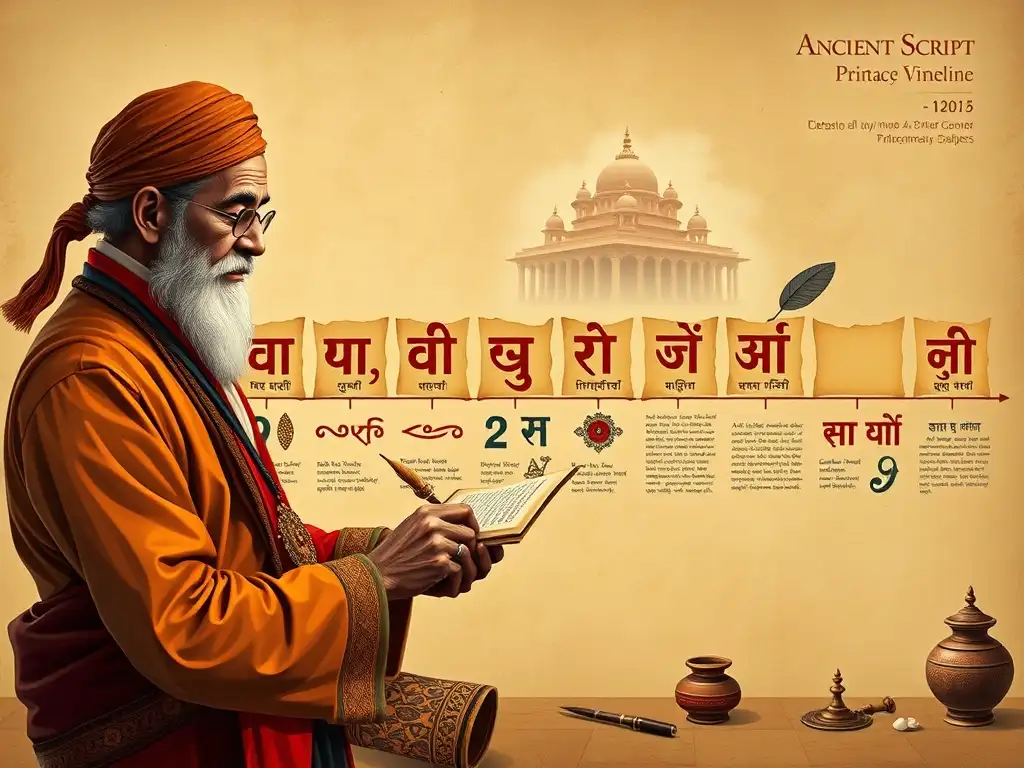
The history of ancient Indian scripts is a fascinating journey that reflects the evolution of language and communication across millennia. Understanding this timeline allows us to appreciate the rich tapestry of cultures and civilizations that have contributed to the development of writing in India. The following sections delve into some of the most significant writing systems that emerged in ancient India, tracing their origins, characteristics, and influence on subsequent scripts.
Early Writing Systems in the Indus Valley Civilization
The Indus Valley Civilization (c. 3300–1300 BCE) is one of the earliest urban cultures in the world, known for its advanced city planning and trade networks. Among its many achievements, the civilization also developed one of the earliest writing systems in the form of seals, symbols, and inscriptions, often referred to as the Indus Script.
- Characteristics of the Indus Script:
- Pictographic elements: The script consists of around 400 unique signs, which include both pictographs and abstract symbols.
- Brevity: Most inscriptions are short, typically comprising just a few symbols, hinting at the possibility of a logographic or syllabic system.
- Material usage: The inscriptions were primarily found on seals made of steatite, pottery, and metal, pointing to their use in trade and administration.
Despite extensive research, the Indus Script remains undeciphered, leading to various theories about its language and purpose. The lack of bilingual inscriptions, such as those found in other ancient scripts, complicates efforts to understand its full significance.
Brahmi Script: The Foundation of Indian Writing
The Brahmi script, dating back to the 3rd century BCE, is widely regarded as the progenitor of most modern Indian scripts. It emerged during the Mauryan Empire and is closely associated with Emperor Ashoka, who used it to inscribe edicts throughout his kingdom.
- Key Features of Brahmi:
- Alphabetic structure: Brahmi is one of the earliest known alphasyllabaries, where each character represents a consonant followed by an implicit vowel sound.
- Influence on other scripts: Brahmi served as the foundation for numerous regional scripts, including Devanagari, Tamil, and Bengali.
- Cultural significance: The script was instrumental in the spread of Buddhism and Jainism, with texts composed in Brahmi contributing significantly to Indian literature and philosophy.
The discovery of Brahmi inscriptions across a wide geographical area highlights its role in unifying diverse linguistic communities under a common script, facilitating communication and cultural exchange.
Kharosthi Script: An Overview of Its Development
Kharosthi, another ancient script contemporaneous with Brahmi, developed in the northwestern regions of India, particularly in present-day Pakistan and Afghanistan. This script played a vital role in the administrative and commercial activities of the region.
- Distinct Characteristics of Kharosthi:
- Direction of writing: Kharosthi is unique in that it is written from right to left, a feature not seen in many other scripts of the time.
- Syllabic nature: Like Brahmi, Kharosthi is an alphasyllabary, with symbols representing consonants and vowels.
- Uses in inscriptions: Kharosthi was predominantly used for official inscriptions, coins, and religious texts, particularly those associated with Buddhism.
The decline of Kharosthi began around the 4th century CE, coinciding with the rise of Brahmi in the region. Despite its eventual overshadowing, Kharosthi's contributions to the history of ancient Indian scripts remain significant, particularly in understanding the cultural exchanges along the Silk Road.
The timeline of ancient Indian scripts showcases a rich history of linguistic development that reflects the complexities of ancient Indian civilizations. From the enigmatic symbols of the Indus Valley to the foundational Brahmi and Kharosthi scripts, each writing system offers a unique glimpse into the cultural and historical context of its time, shaping the future of Indian languages and scripts.
Major Ancient Indian Scripts
Ancient Indian scripts serve as a vital link to understanding the rich tapestry of history, culture, and language in India. Among the most significant scripts are Brahmi and Kharosthi, each contributing uniquely to the evolution of writing in the subcontinent.
Brahmi: The Mother of Many Scripts
Brahmi is often regarded as the foundational script from which many other Indian scripts have evolved. Its emergence can be traced back to around the 3rd century BCE, making it one of the oldest writing systems in India.
Characteristics and Features of Brahmi Script
Brahmi is characterized by its distinctive features:
- Phonetic Nature: Brahmi is an abugida system, where consonants carry an inherent vowel sound that can be modified with diacritics.
- Directional Writing: The script is written from left to right, which is a standard orientation in many modern scripts.
- Varied Shapes: Brahmi letters exhibit a variety of shapes, often resembling rounded forms, which differentiate it from later angular scripts.
These characteristics enabled Brahmi to be adaptable and influential, paving the way for various regional scripts such as Devanagari, Tamil, and Bengali.
Influence on Modern Indian Languages
The impact of Brahmi extends far beyond its time. As the progenitor of several scripts, it has directly influenced modern Indian languages. For instance:
- Devanagari: The script used for Hindi, Sanskrit, and several other languages derives from Brahmi.
- Regional Variations: Scripts like Kannada, Telugu, and Gujarati exhibit traits that trace back to Brahmi, reflecting the script's regional adaptations.
Brahmi's legacy is evident in the linguistic diversity and scriptural richness of India today, embodying a crucial part of the ancient Indian scripts history.
Kharosthi: The Forgotten Script
Kharosthi is another significant yet lesser-known ancient script that flourished in the northwest regions of the Indian subcontinent, particularly in Gandhara (modern-day Pakistan and Afghanistan).
Distinct Features of Kharosthi
Kharosthi possesses distinct characteristics that set it apart from Brahmi:
- Boustrophedon Writing: Kharosthi is often noted for its unique writing style, which allowed for alternating direction (left to right, then right to left) in successive lines.
- Curvilinear Forms: The script is recognized for its more angular and curvilinear letter shapes compared to the rounded forms of Brahmi.
- Syllabic Nature: Like Brahmi, Kharosthi is also an abugida, but it includes more distinct vowel notations.
These features showcase Kharosthi's unique identity in the context of ancient Indian scripts history.
Historical Context and Usage
Kharosthi was predominantly used from the 3rd century BCE to the 4th century CE, primarily for writing Prakrit and other languages of the region.
- Cultural Significance: The script was widely utilized in Buddhist texts and inscriptions, which played a crucial role in spreading Buddhist teachings along trade routes.
- Decline: The decline of Kharosthi coincided with the rise of Brahmi-derived scripts, leading to its eventual obsolescence by the end of the first millennium CE.
The historical trajectory of Kharosthi highlights its role in the cultural exchanges that shaped ancient Indian civilization, offering profound insights into the ancient scripts of India.
The Evolution of Scripts in Ancient India
The history of ancient Indian scripts is a fascinating tapestry woven through time, reflecting the linguistic diversity and cultural richness of the Indian subcontinent. The evolution of these scripts marks significant milestones in the development of written communication, allowing for the preservation of knowledge, literature, and administrative records. From the earliest inscriptions found in the Indus Valley to the sophisticated scripts of the Gupta Empire, the journey of ancient Indian scripts is a testament to the ingenuity and adaptability of its civilizations.
From Brahmi to Devanagari: A Historical Journey
The story of ancient Indian scripts begins with Brahmi, one of the oldest writing systems in the world, dating back to the 3rd century BCE. Brahmi served as the foundation for many later scripts and was used to inscribe the Edicts of Ashoka, which conveyed important messages about governance and moral conduct. The Brahmi script is notable for its unique phonetic structure, which allowed it to represent a wide array of sounds, making it versatile for various languages.
As time progressed, Brahmi evolved into several regional scripts. By the early centuries CE, it had branched into various forms, including Kharosthi, used primarily in the northwest regions of India, and Tamil, which emerged in the southern parts. The Gupta period (circa 4th to 6th centuries CE) witnessed the refinement of these scripts, leading to the emergence of Devanagari. Devanagari became the script of choice for Sanskrit and many modern Indian languages, characterized by its distinctive horizontal line running along the top of the letters.
| Script | Time Period | Key Features |
|---|---|---|
| Brahmi | 3rd century BCE | Phonetic structure, versatile use |
| Kharosthi | 3rd century BCE | Used in northwest India |
| Tamil | 1st century CE | Script for Tamil language |
| Devanagari | 4th-6th century CE | Horizontal line, used for Sanskrit |
Regional Variations of Ancient Scripts
The diversity of languages and cultures across India led to the emergence of distinct regional scripts, each adapted to the phonetic needs of its language.
The Emergence of Scripts in Southern India
In Southern India, the Tamil script is one of the oldest surviving scripts, with inscriptions dating back to the 3rd century BCE. It is known for its unique rounded shapes and is predominantly used for the Tamil language. Additionally, the Grantha script emerged in Tamil Nadu, facilitating the writing of Sanskrit texts in a region where Tamil was the primary language.
Another significant script is Telugu, which evolved from the Brahmi script and became prevalent in Andhra Pradesh. The Telugu script is known for its rounded vowels and consonants, which allows for the accurate representation of the sounds of the Telugu language.
- Key Features of Southern Scripts:
- Tamil: Rounded shapes, historical significance in literature and inscriptions.
- Grantha: Adapted for Sanskrit, used in religious texts.
- Telugu: Rounded characters, phonetic accuracy for Telugu sounds.
Scripts of North-Eastern India
The North-Eastern region of India showcases a rich variety of scripts influenced by both Indian and external cultures. For instance, the Meitei Mayek script is indigenous to Manipur and has its roots in the ancient Brahmi script. It is characterized by its unique, flowing design and is used primarily for the Manipuri language.
Another notable script is the Bodo script, which has seen a resurgence in recent years. Originally derived from the Latin alphabet, it was adapted for the Bodo language, reflecting the ongoing evolution of scripts in response to cultural and political changes in the region.
- Key Features of North-Eastern Scripts:
- Meitei Mayek: Flowing design, used for Manipuri language.
- Bodo: Derived from Latin, adapting to contemporary needs.
The exploration of ancient Indian scripts reveals not only a journey through language but also an insight into the cultural and historical contexts that shaped their evolution. Understanding these scripts offers valuable perspectives on the interconnectedness of India's diverse civilizations and their contributions to the world of written communication.
Deciphering Ancient Indian Scripts
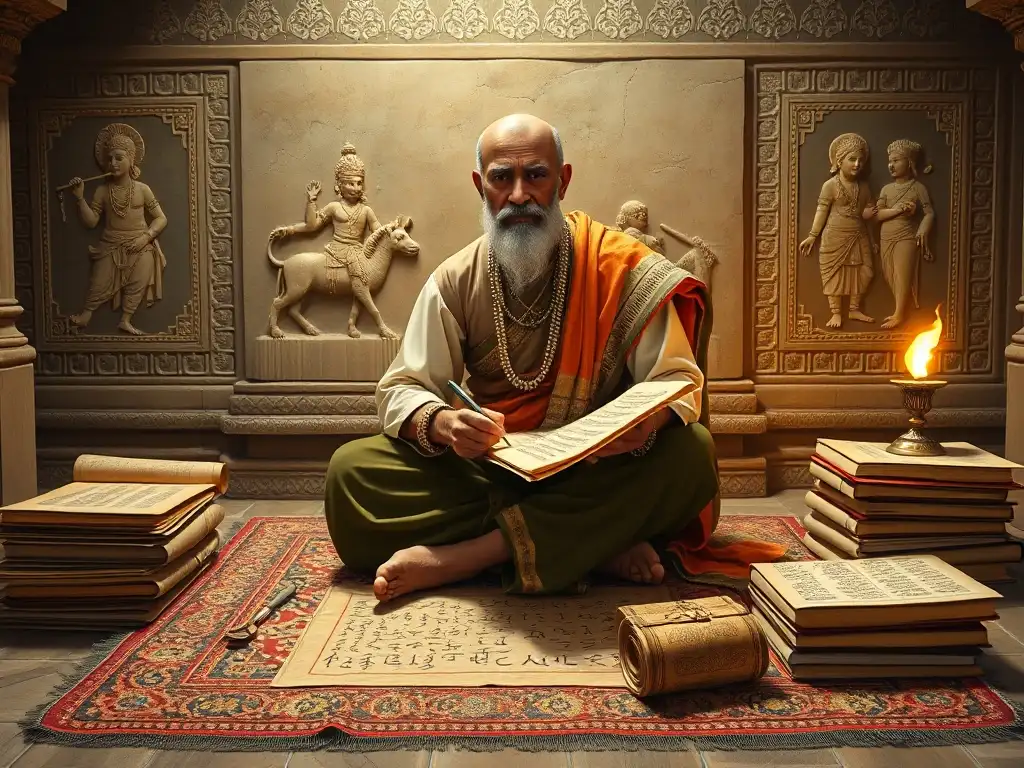
The study of ancient Indian scripts provides a fascinating glimpse into the linguistic and cultural evolution of the subcontinent. From the intricate symbols of the Indus Valley Civilization to the sophisticated alphabets of later periods, deciphering these scripts is crucial for understanding the history of ancient India. The journey to unlock these scripts is fraught with challenges but has also yielded remarkable insights into the lives of those who came before us.
The Challenges in Deciphering Ancient Scripts
The task of deciphering ancient scripts is complex and often hindered by several factors:
- Lack of Contextual Material: Many ancient scripts, such as those from the Indus Valley, have been discovered without accompanying texts or translations, making interpretation difficult.
- Variability in Script Forms: Ancient scripts often evolved over time, leading to variations in symbols and usage. For instance, the Brahmi script shows significant changes from its early forms to later derivatives.
- Limited Linguistic Knowledge: Understanding the language represented by a script is vital. In many cases, the languages have either died out or evolved significantly, complicating the translation efforts.
- Cultural and Historical Gaps: The absence of historical records can create gaps in understanding the cultural context of the scripts, essential for accurate interpretation.
- Interdisciplinary Challenges: Decipherment often requires collaboration between linguists, archaeologists, and historians, each bringing their own methodologies and perspectives.
Key Figures in the Decipherment of Ancient Indian Scripts
The history of deciphering ancient Indian scripts is marked by the contributions of many key scholars who have dedicated their lives to this endeavor. Their discoveries have not only advanced our understanding of ancient languages but have also illuminated the cultural and historical significance of these scripts.
Contributions of Scholars in the Field
- James Prinsep (1799-1840): A British antiquarian who played a pivotal role in deciphering the Brahmi script. His work on the inscriptions of Ashoka laid the groundwork for understanding ancient Indian epigraphy.
- Max Müller (1823-1900): A philologist and orientalist who contributed significantly to the study of Sanskrit and its scripts, helping to establish the connection between language and culture in ancient texts.
- Daniel H. H. Laing: Known for his work on the Kharosthi script, Laing's research provided insight into the script used primarily in the northwest of India and its relationship with the Brahmi script.
- Iravatham Mahadevan: A contemporary scholar who has made substantial contributions to the decipherment of the Indus Valley script, pushing the boundaries of our understanding of this enigmatic writing system.
Breakthrough Discoveries and Their Impact
Several breakthrough discoveries have significantly impacted the field of ancient Indian scripts. These include:
- The Ashoka Edicts: The decipherment of the Brahmi script on these edicts not only revealed the moral and administrative philosophies of Emperor Ashoka but also provided a wealth of historical data about the Mauryan Empire.
- Indus Script Studies: Recent attempts to analyze the Indus script using computational methods have sparked renewed interest, with scholars like Mahadevan proposing possible phonetic values for some symbols, opening new avenues for research.
- The Bakhshali Manuscript: This ancient mathematical text, written in a form of Brahmi, has provided insights into early Indian mathematics and the use of zero, further illustrating the importance of scripts in portraying the intellectual heritage of ancient India.
- Kharosthi Inscriptions: The discovery of Kharosthi inscriptions in regions like Gandhara has shed light on the spread of Buddhism and trade routes, emphasizing the interconnection between language, culture, and commerce in ancient times.
As scholars continue to explore and decipher ancient Indian scripts, the ongoing research promises to unveil even more about the rich tapestry of India’s past, highlighting the importance of these scripts in understanding ancient Indian civilization.
The Cultural Impact of Ancient Indian Scripts
The ancient Indian scripts are not merely a means of communication; they are a profound reflection of the societal structures, cultural practices, and historical contexts of their time. The evolution of these scripts reveals much about the civilizations that used them, showcasing their values, beliefs, and interactions with one another.
Scripts as a Reflection of Society and Culture
Ancient Indian scripts, such as Brahmi and Kharosthi, served as vital instruments for documenting the rich tapestry of daily life, governance, and commerce. These scripts provide crucial insights into various aspects of society, from trade practices to social hierarchies and artistic expressions.
- Trade and Commerce: The use of scripts in trade led to the establishment of standardized weights and measures, which facilitated economic transactions. For example, inscriptions found in trading hubs like Taxila highlight the importance of commerce in ancient Indian society and how scripts were employed to maintain records.
- Cultural Practices: Scripts were often used to transcribe religious texts, poetry, and philosophical treatises, thereby preserving cultural heritage. The Sanskrit language, written in the Brahmi script, became the medium for expressing complex philosophical ideas, while regional scripts like Tamil and Telugu reflected the local dialects and cultural nuances.
- Historical Narratives: Inscriptions on pillars and rocks, such as those from the reign of Ashoka, illustrate how scripts were used to communicate royal edicts and historical events. These inscriptions not only provided a glimpse into governance but also showcased the cultural values of the time, emphasizing concepts such as dharma (moral law) and non-violence.
In essence, the diversity of ancient Indian scripts mirrors the complexity of the societies that utilized them, revealing a multifaceted cultural landscape deeply rooted in historical contexts.
The Influence of Religion on Script Development
Religion played a pivotal role in the development and proliferation of ancient Indian scripts. The intersection of spirituality and linguistic expression led to the creation of scripts that not only served practical purposes but also conveyed profound religious philosophies.
- Buddhism and Jainism: The emergence of Buddhism and Jainism significantly influenced script development. The Brahmi script, used extensively for inscribing the teachings of the Buddha, became a vehicle for disseminating religious texts across the Indian subcontinent. The use of this script in stupas and monastic complexes facilitated the spread of religious ideas and practices.
- Hinduism and Sanskrit: The sacred texts of Hinduism, including the Vedas, Upanishads, and epics like the Mahabharata and Ramayana, were predominantly written in Sanskrit using Brahmi and later Devanagari scripts. This not only solidified Sanskrit's status as a language of worship and scholarly discourse but also contributed to the codification of religious rituals and philosophies.
- Regional Variations: As various religious sects emerged, so did regional scripts that catered to local languages and dialects. For instance, the development of the Grantha script in South India was directly linked to the need for transcribing Sanskrit texts in a region where Dravidian languages predominated. This adaptability of scripts to meet religious demands highlights the dynamic interplay between language and spirituality.
The influence of religion on the development of ancient Indian scripts underscores the importance of these scripts as carriers of cultural and spiritual knowledge, shaping not only the language but also the very identity of ancient Indian civilizations. The ancient Indian scripts history is thus entwined with the religious and cultural fabric of the time, reflecting a legacy that continues to resonate in contemporary India.
Conclusion: The Legacy of Ancient Indian Scripts
The legacy of ancient Indian scripts is deeply interwoven with the cultural, religious, and intellectual history of the subcontinent. These scripts not only served as a medium for communication but also played a crucial role in the preservation and dissemination of knowledge across generations. From the early inscriptions found in the Indus Valley Civilization to the sophisticated scripts of the Gupta Empire, each writing system has contributed uniquely to the tapestry of Indian civilization.
The significance of these scripts extends beyond mere letters and symbols; they encapsulate the philosophical, artistic, and scientific achievements of their time. Understanding these scripts allows us to appreciate the complexities of ancient Indian society, including its trade, governance, and belief systems. As such, they remain a vital area of study for historians, linguists, and archaeologists alike.
The Importance of Preserving Ancient Scripts
Preserving ancient Indian scripts is essential for several reasons:
- Cultural Heritage: Ancient scripts are a reflection of the cultural identity and heritage of India. They carry stories, philosophies, and traditions that define the subcontinent's historical narrative.
- Linguistic Diversity: Documenting and studying these scripts contributes to our understanding of linguistic evolution in India. It highlights how languages have transformed over time and influenced one another.
- Historical Context: Scripts provide insights into the socio-political contexts of their eras. They are often the only records we have of certain events, practices, and ideologies.
- Educational Value: Ancient scripts serve as educational tools, offering a glimpse into the intellectual pursuits of ancient Indian scholars. They can inspire contemporary scholarship and teaching methodologies.
To safeguard these scripts, ongoing efforts must include:
- Digitization Projects: Many ancient texts are fragile and at risk of deterioration. Digitizing these documents can help preserve their content for future generations.
- Research Initiatives: Encouraging interdisciplinary research that combines epigraphy, archaeology, and cultural studies can foster a deeper understanding of ancient scripts.
- Public Awareness Campaigns: Raising awareness about the importance of ancient scripts can encourage public interest and support for their preservation.
The Future of Research in Ancient Indian Scripts History
The future of research in ancient Indian scripts history looks promising, driven by advancements in technology and interdisciplinary collaboration. Several key areas are emerging:
- Technological Innovations: The use of artificial intelligence and machine learning in deciphering ancient scripts can expedite the translation process and reveal previously unreadable texts. For instance, algorithms are being developed to recognize patterns in inscriptions that human researchers might miss.
- Cross-Disciplinary Studies: Combining epigraphy with fields such as archaeology, anthropology, and history will provide a more comprehensive understanding of scripts within their cultural contexts. This holistic approach can uncover new insights into the lives of ancient peoples.
- Global Collaboration: Researchers from around the world are increasingly collaborating on projects related to ancient Indian scripts, fostering a global exchange of knowledge and methodologies. Such partnerships can enhance the scope and impact of research efforts.
- Public Engagement: The rise of digital humanities has opened avenues for public engagement with ancient scripts. Online platforms and virtual exhibitions can enhance accessibility and interest in this field, encouraging participation from a wider audience.
The future of research in ancient Indian scripts history is bright, with the potential to unlock new dimensions of understanding regarding the rich heritage of ancient India. By committing to preservation and embracing innovative research methods, we can ensure that the legacy of these scripts continues to inspire future generations.
Frequently Asked Questions
What are the major ancient Indian scripts mentioned in the article?
The article discusses several ancient Indian scripts, including Brahmi, Kharosthi, and Tamil script, highlighting their significance in the context of cultural and linguistic development.
How did ancient Indian scripts influence modern languages?
Ancient Indian scripts laid the foundation for many modern languages in India and South Asia, showcasing their enduring impact on linguistic evolution and communication.
What role did the Indus Valley Civilization play in the history of scripts?
The Indus Valley Civilization is noted for its mysterious script, which remains undeciphered, hinting at a complex system of communication that underscores the sophistication of this early civilization.
Can you name a key contribution of the Gupta Empire to ancient Indian scripts?
During the Gupta Empire, there was a significant advancement in literature and script development, particularly the establishment and refinement of the Brahmi script, which influenced many regional scripts.
Why is the study of ancient Indian scripts history important today?
Understanding ancient Indian scripts history is crucial for comprehending the cultural heritage of India, as it reveals the evolution of language and the rich tapestry of historical narratives within the subcontinent.
Final Reflection: The Enduring Legacy of Ancient Indian Scripts
The exploration of ancient Indian scripts is not merely a journey through time; it is a profound connection to our cultural heritage that continues to resonate in today's world. As we delve into the intricacies of these scripts, we uncover the rich tapestry of history, philosophy, and artistry that has shaped the Indian subcontinent. The significance of these scripts extends beyond their historical context, reminding us that language is a living entity that evolves while preserving the essence of our identity.
The influence of ancient Indian scripts is palpable in our contemporary society, where the echoes of these languages can be found in literature, art, and even modern communication. The scripts serve as a bridge linking us to our ancestors and their wisdom, highlighting the importance of preserving this knowledge for future generations. Language is the roadmap of a culture. It tells you where its people come from and where they are going.
This quote encapsulates the essence of our exploration, emphasizing that understanding our linguistic roots is crucial for navigating the future.
As you reflect on the journey through ancient Indian scripts, I invite you to consider how these historical treasures can inspire your own life. Take a moment to appreciate the languages you encounter daily and recognize the stories they tell. Embrace the lessons of resilience and creativity that these scripts embody, and let them guide you in your quest for knowledge and connection. In doing so, you not only honor the past but also contribute to the ongoing narrative of our shared human experience.
Unveil the Rich Tapestry of Ancient Indian Scripts!
Thank you for taking this enlightening journey through the ancient scripts of India! We hope you’ve uncovered the beauty and complexity of these remarkable languages that have shaped so much of our history. Now, it’s time to take the next step in exploring this captivating world.
Here are some engaging actions you can take:
- Dive deeper: Explore a local library or online archive to read texts in these ancient scripts. Consider starting with a book that delves into the history of a specific script that caught your interest.
- Join a community: Find or create a discussion group—online or offline—focused on ancient languages and scripts to connect with fellow enthusiasts.
- Share your insights: Write a blog post or social media update about what you learned! Your perspective could inspire others to embark on their own journey into the rich history of ancient India.
As you reflect on the incredible languages of our past, which ancient script resonates with you the most, and why? Let's spark a conversation in the comments!