
Gupta Empire Inscriptions: A Window into the Golden Age of Indian History


Welcome to Ancient India History, where we embark on a captivating journey through time, unraveling the rich tapestry of civilizations that shaped modern India. Delve into the Gupta Empire historical inscriptions, which serve as remarkable windows into a golden age marked by extraordinary achievements in art, science, and culture. What secrets do these inscriptions hold about the lives and legacies of those who lived during this transformative period? Join us as we explore these ancient artifacts and uncover the stories that continue to resonate through the ages. Your adventure into the depths of India's illustrious past begins here!

The Gupta Empire, often heralded as a pinnacle of cultural and intellectual achievement in ancient India, flourished from approximately 320 to 550 CE. This period is commonly referred to as the "Golden Age" of Indian history, characterized by significant advancements in art, science, literature, and philosophy.
One of the most fascinating aspects of this era is its inscriptional legacy, which provides invaluable insights into the socio-political and cultural dynamics of the time. Gupta Empire historical inscriptions serve as critical primary sources that illuminate the achievements, beliefs, and daily life of its people, reflecting both the grandeur of the empire and the intricacies of its governance.
As we explore the historical significance of inscriptions during the Gupta Empire, we uncover not only the methods of documentation employed but also the rich tapestry of themes that these inscriptions encapsulate. This article delves into the characteristics of Gupta inscriptions, examining the materials and techniques used, as well as the common subjects they portray, thereby shedding light on an era that continues to captivate historians and enthusiasts alike.
Introduction to the Gupta Empire Historical Inscriptions
Overview of the Gupta Empire's Historical Context
The Gupta Empire emerged in the early 4th century CE, following the decline of the Maurya Empire. Under the leadership of rulers such as Chandragupta I, Samudragupta, and Chandragupta II, the empire expanded its territory across much of northern India. This period was marked by a resurgence of Hindu culture and the patronage of the arts and sciences. The inscriptions from this time, often carved in stone or metal, served not only as records of royal achievements and donations but also as a means to convey religious and philosophical messages.
Importance of Inscriptions in Ancient Indian History
Inscriptions are fundamental artifacts in the study of ancient Indian history, providing a direct link to the thoughts and practices of past civilizations. They serve several critical purposes:
- Record Keeping: Inscriptions document significant events, such as royal proclamations, land grants, and temple constructions.
- Cultural Reflection: They offer insight into the religious beliefs, societal norms, and artistic expressions of the period.
- Historical Analysis: Researchers utilize these texts to reconstruct timelines, understand political hierarchies, and interpret socio-economic conditions of the time.
Characteristics of Gupta Empire Inscriptions
Materials and Techniques Used in Inscriptions
Gupta inscriptions were typically engraved on durable materials such as:
- Stone: Sandstone and granite were commonly used, providing longevity to the inscriptions.
- Metal: Copper and bronze were also employed, especially for smaller commemorative tablets.
The techniques used in creating these inscriptions varied, including:
- Chisel and Hammer: The most traditional method, where artisans would carve letters and symbols into the surface.
- Casting: For metal inscriptions, molten metal was poured into molds to create detailed designs.
Common Themes and Subjects in Gupta Inscriptions
The content of Gupta inscriptions reveals a wealth of themes and subjects, including:
- Royal Decrees: Many inscriptions celebrate military victories, territorial expansions, and the achievements of rulers.
- Religious Donations: Inscriptions often record donations made to temples, reflecting the era's religious fervor and the patronage of Brahmanism and Buddhism.
- Cultural Contributions: They highlight advancements in art, literature, and philosophy, often acknowledging scholars and poets of the time.
Through these inscriptions, we gain a profound understanding of the Gupta Empire's historical narrative, offering a glimpse into an era that laid the foundation for future Indian civilizations.
Major Gupta Inscriptions and Their Significance
The Gupta Empire, often regarded as the Golden Age of Indian history, is marked by a wealth of inscriptions that provide invaluable insights into its society, culture, and governance. These inscriptions, carved in stone or metal, serve as historical documents that not only record events but also reflect the ideological and administrative frameworks of the time. Understanding these major inscriptions allows historians and researchers to piece together the complex tapestry of Gupta civilization.
The Allahabad Pillar Inscription
The Allahabad Pillar Inscription, created during the reign of Emperor Samudragupta, is one of the most significant inscriptions from the Gupta period. Dating back to the 4th century CE, this inscription is notable for its eloquent portrayal of Samudragupta's military conquests and his consolidation of power. It highlights his campaigns in northern India, emphasizing his prowess as a warrior and a ruler.
The inscription is written in classical Sanskrit and is a testament to the high level of literary sophistication achieved during this era. It not only lauds Samudragupta's victories but also his patronage of the arts and culture, which further contributed to the flourishing of Indian civilization. By documenting such achievements, the Allahabad Pillar Inscription serves as a crucial artifact for understanding the political dynamics and cultural ethos of the Gupta Empire.
The Junagadh Rock Edicts
The Junagadh Rock Edicts, inscribed during the reign of Emperor Ashoka, hold a significant position in the historical narrative of the Gupta period, despite being linked to an earlier dynasty. These edicts, carved in the 3rd century BCE, emphasize the principles of Dharma (moral law) and the importance of ethical governance. They reflect Ashoka's commitment to promoting non-violence, tolerance, and social welfare.
While these inscriptions predate the Gupta Empire, their influence persisted throughout Gupta rule. They set a precedent for the use of inscriptions as a medium for communication between the ruler and the subjects. The Junagadh Rock Edicts not only provide insight into Ashoka's administration but also highlight the continuity of moral governance that characterizes the Gupta period.
The Pillar Inscriptions of Ashoka and Their Influence
The Pillar Inscriptions of Ashoka, which are distributed across various locations in India, are essential for understanding the ideological foundations of governance in ancient India. These inscriptions, crafted in polished stone pillars, convey messages about justice, ethics, and the welfare of the people. They depict Ashoka's transformation after the Kalinga War and his subsequent promotion of Buddhism as a guiding philosophy.
The influence of Ashoka's inscriptions can be seen in the governance style of the Gupta emperors, who also adopted ethical principles in their administration. The Gupta rulers utilized similar formats for their inscriptions, emphasizing moral values and the responsibilities of kingship. The Pillar Inscriptions of Ashoka thus serve as a precursor to the rich tradition of inscriptional literature that flourished during the Gupta Empire.
The Role of Inscriptions in Understanding Gupta Society
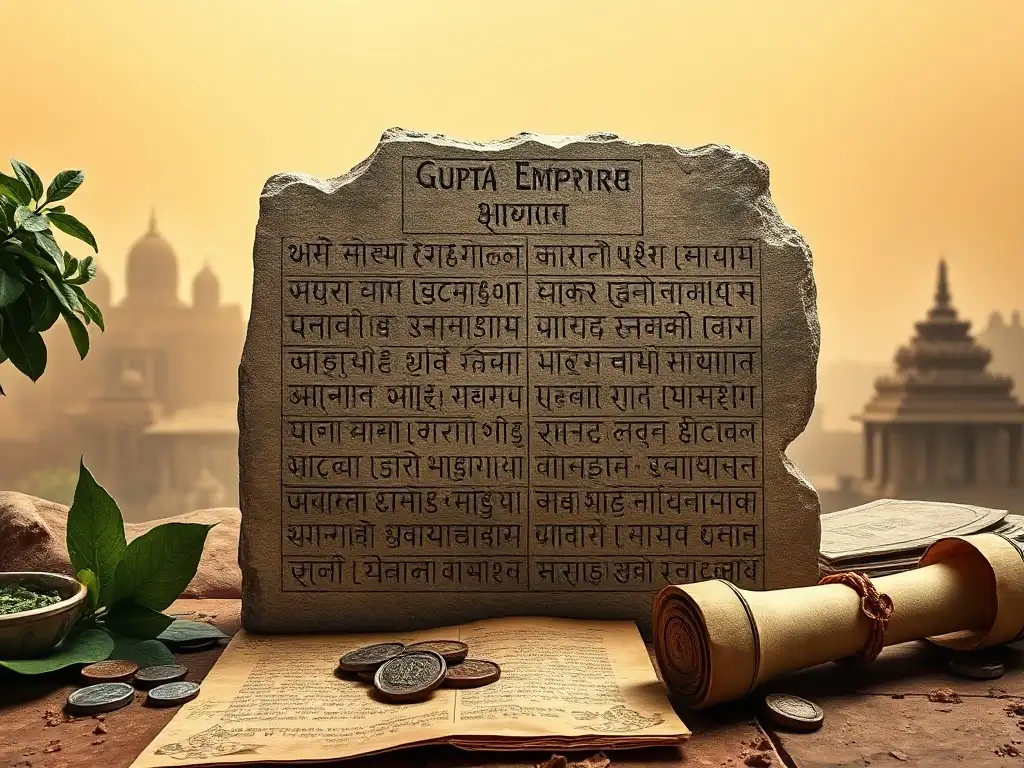
Inscriptions from the Gupta period are not merely historical records; they are vital tools for understanding the intricacies of Gupta society. They provide a glimpse into the political, economic, and cultural landscape of the time, illustrating how inscriptions functioned as a medium of communication and record-keeping.
Inscriptions as a Reflection of Political Structure
Gupta inscriptions often detail the hierarchical structure of governance during the empire. They provide insights into the roles and responsibilities of various officials, the relationship between the king and his subjects, and the system of administration that was in place. For example, many inscriptions mention local governors, military commanders, and the allocation of resources, showcasing a well-organized political system that facilitated efficient governance.
Furthermore, inscriptions such as the Allahabad Pillar Inscription document the achievements of rulers, reinforcing their legitimacy and authority. This aspect highlights the use of inscriptions as a means of political propaganda, shaping public perception and ensuring loyalty among the populace.
Economic Insights from Gupta Inscriptions
Economically, Gupta inscriptions reveal the thriving trade networks and agricultural practices of the time. Many inscriptions record grants of land and the responsibilities of landholders, reflecting a complex system of agrarian economy. They often mention taxes, trade routes, and the flourishing of crafts and commerce, which were vital for the empire's prosperity.
Inscriptions also highlight the importance of guilds and trade associations, which played a crucial role in the economic landscape of the Gupta Empire. By studying these inscriptions, historians can glean information about the economic conditions, trade practices, and overall wealth of the Gupta period, which contributed to its cultural achievements.
Cultural and Religious Aspects Highlighted in Inscriptions
Gupta inscriptions are rich in cultural and religious significance, serving as records of the diverse beliefs and practices that coexisted during this era. Many inscriptions commemorate the construction of temples, monasteries, and other religious structures, underscoring the patronage of both Hinduism and Buddhism by Gupta rulers.
Additionally, inscriptions often include references to artistic endeavors, literary works, and philosophical ideas, showcasing the vibrant cultural milieu of the time. They serve as a testament to the flourishing arts, literature, and education that characterized the Gupta Empire, reflecting its legacy as a center of learning and creativity.
Through these inscriptions, we gain a deeper understanding of how culture and religion shaped the identity of Gupta society, contributing to its enduring legacy in Indian history.
The Impact of Gupta Empire Historical Inscriptions on Modern Scholarship
The historical inscriptions of the Gupta Empire are pivotal in shaping contemporary understanding of ancient Indian history. These inscriptions serve as primary sources that offer insights into the political, social, and economic aspects of the Gupta period, often referred to as the Golden Age of India. Scholars utilize these inscriptions to reconstruct historical events, establish chronological frameworks, and analyze the cultural and religious practices of the time.
Moreover, these inscriptions play a crucial role in bridging gaps in historical narratives by providing evidence that may not be available from other archaeological findings or written texts. The meticulous study of these inscriptions enhances our comprehension of the administrative systems, trade relations, and the patronage of arts and sciences under Gupta rule.
Contributions to Historical Research and Understanding
Gupta Empire historical inscriptions significantly contribute to research by documenting royal edicts, land grants, and religious dedications. These records often highlight the governance styles of notable rulers such as Chandragupta II and Samudragupta, who are known for their patronage of culture and scholarship.
- Political Insights: Inscriptions provide evidence of territorial expansion, diplomatic relations, and military achievements, allowing historians to piece together the political landscape of the time.
- Cultural Dynamics: The inscriptions also reflect the socio-religious environment, revealing the influence of Hinduism, Buddhism, and Jainism. For instance, the inscriptions often commemorate temples and stupas, showcasing the era's architectural advancements and religious fervor.
- Economic Context: Many inscriptions detail land grants and trade regulations, offering a glimpse into the economic practices and the agrarian landscape that underpinned the Gupta Empire’s prosperity.
The Role of Epigraphy in Archaeology and Ancient Studies
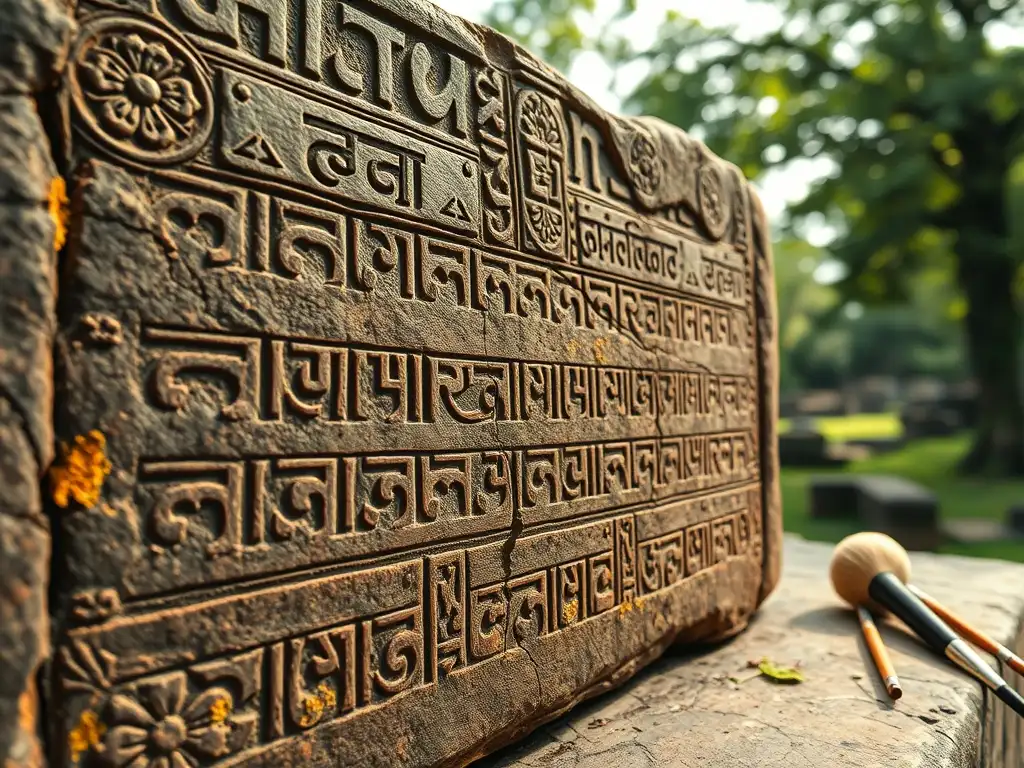
Epigraphy, the study of inscriptions, is an essential tool in archaeology and ancient studies, particularly concerning the Gupta Empire. This field of study not only involves deciphering ancient scripts but also understanding the context in which these inscriptions were created.
- Script Analysis: The Gupta script has evolved into various forms, and the ability to accurately decipher these scripts is paramount for historical accuracy. Modern technologies, including digital imaging and 3D scanning, have enhanced the ability to read worn inscriptions.
- Contextual Framework: Understanding where and how these inscriptions were found—whether in temples, caves, or public spaces—provides context that enriches the interpretation of their meanings. The archaeological context helps scholars ascertain their chronological placement and societal relevance.
Challenges in the Interpretation of Gupta Inscriptions
Despite their significance, interpreting Gupta inscriptions presents several challenges that can hinder historical understanding. These challenges stem from issues related to preservation, deciphering techniques, and contextual ambiguity.
Issues of Preservation and Deciphering
Many Gupta inscriptions have suffered from erosion, vandalism, or wear over time, which complicates their preservation. The condition of the inscriptions can affect the clarity of the text and the readability of the language used.
- Condition of Inscriptions: Inscriptions carved on stone, metal, or other materials may be partially damaged, leading to incomplete readings. This necessitates the use of restoration techniques, which sometimes may not yield fully accurate reconstructions.
- Deciphering Difficulties: The diversity of scripts and languages used during the Gupta period poses additional challenges. Scholars may encounter variations in spelling, syntax, and grammar, complicating the translation and interpretation processes.
The Debate on Authenticity and Contextual Understanding
The authenticity of certain inscriptions is often debated among scholars. Discrepancies in style, content, and historical references can raise questions about their legitimacy.
- Counterfeit Inscriptions: Instances of forgeries have been documented, which can mislead interpretations and historical understanding. The challenge remains to differentiate authentic inscriptions from those that are potentially fabricated.
- Contextual Challenges: Inscriptions found in isolation may lack the broader context needed for interpretation. Without accompanying artifacts or historical records, making definitive conclusions about their significance can be problematic.
While Gupta Empire historical inscriptions are invaluable to modern scholarship, they come with their own set of challenges that require careful consideration and rigorous methodologies in research and interpretation.
Conclusion: The Lasting Legacy of Gupta Empire Historical Inscriptions
The historical inscriptions from the Gupta Empire serve as a profound testament to one of the most remarkable periods in Indian history. These inscriptions not only capture the political and economic dynamics of the time but also illuminate the cultural and intellectual advancements that characterized the Golden Age. With their intricate carvings and eloquent language, these inscriptions provide invaluable insights into the governance, religion, and societal norms that defined the Gupta era.
The legacy of these inscriptions extends beyond their immediate historical context. They have inspired subsequent generations of historians, archaeologists, and epigraphists, shaping our understanding of ancient Indian civilization. As primary sources, they allow us to piece together the socio-political landscape of the Gupta Empire, revealing the complexities of its administration and the sophistication of its cultural contributions.
Moreover, the inscriptions reflect the Gupta rulers' commitment to patronage in arts and education, fostering an environment that allowed for the flourishing of literature, science, and philosophy. The enduring significance of these records lies in their ability to bridge the past with the present, reminding us of the Gupta Empire's role in laying the foundations for future Indian states and cultures.
Reflection on the Golden Age of Indian History
The Gupta Empire, often referred to as the "Golden Age" of Indian history, was marked by remarkable achievements in various fields, including art, literature, mathematics, and science. Inscriptions from this period encapsulate the essence of this flourishing civilization, illustrating the profound impact it had on the evolution of Indian cultural identity.
Reflecting on the Golden Age, one can observe the interplay between political stability and cultural prosperity. The Gupta rulers, such as Chandragupta II and Samudragupta, were not only adept military leaders but also enlightened patrons of the arts. Inscriptions reveal their efforts to promote learning and the arts, leading to significant advancements in fields like astronomy and mathematics, with figures like Aryabhata emerging during this time.
Additionally, the inscriptions provide a window into the religious landscape of the Gupta Empire, showcasing the coexistence of Hinduism, Buddhism, and Jainism. This religious pluralism is evident in the various inscriptions that honor different deities and commemorate significant religious events. By studying these inscriptions, we gain a deeper appreciation of the cultural richness and diversity that characterized the Gupta period, solidifying its place as a pivotal moment in Indian history.
Future Implications for Research in Ancient Indian Inscriptions
The study of Gupta Empire historical inscriptions holds significant implications for future research in ancient Indian inscriptions. As new excavation sites are discovered and technology advances, scholars are increasingly able to analyze inscriptions with greater precision. This ongoing research not only enhances our understanding of the Gupta period but also sheds light on the broader context of ancient Indian civilizations.
Furthermore, interdisciplinary approaches combining epigraphy, archaeology, and history can yield fresh insights into the socio-political structure of the Gupta Empire. By examining the inscriptions in conjunction with archaeological findings, researchers can reconstruct aspects of daily life, trade networks, and cultural exchanges that were integral to this era.
The digital age also presents exciting opportunities for the preservation and dissemination of these inscriptions. Initiatives involving digitization and online databases can facilitate global access to ancient texts, fostering collaboration among scholars worldwide. This democratization of knowledge may lead to innovative interpretations and a more comprehensive understanding of the Gupta Empire's enduring legacy.
The Gupta Empire historical inscriptions not only enrich our understanding of the past but also pave the way for future explorations into the complexities of ancient Indian history, ensuring that this vibrant chapter continues to inspire and educate generations to come.
- Introduction to the Gupta Empire Historical Inscriptions
- Characteristics of Gupta Empire Inscriptions
- Major Gupta Inscriptions and Their Significance
- The Role of Inscriptions in Understanding Gupta Society
- The Impact of Gupta Empire Historical Inscriptions on Modern Scholarship
- Contributions to Historical Research and Understanding
- The Role of Epigraphy in Archaeology and Ancient Studies
- Challenges in the Interpretation of Gupta Inscriptions
- Conclusion: The Lasting Legacy of Gupta Empire Historical Inscriptions
Frequently Asked Questions
What are Gupta Empire historical inscriptions?
Gupta Empire historical inscriptions are carvings and engravings found on stone pillars, temples, and edicts that provide insights into the politics, culture, and society of ancient India during the Gupta period.
Why are these inscriptions important?
These inscriptions are crucial because they serve as primary sources of information about the administration, religion, and daily life in the Gupta Empire, helping historians understand this Golden Age of Indian History.
Where can Gupta Empire inscriptions be found?
Gupta Empire inscriptions can be found in various locations across India, notably in temples, monuments, and archaeological sites such as Sarnath and Uttar Pradesh.
What languages are used in these inscriptions?
The inscriptions from the Gupta Empire are primarily written in Sanskrit and Prakrit, reflecting the linguistic diversity of the period and showcasing the literary achievements of the era.
How do these inscriptions reflect the culture of the Gupta Empire?
These inscriptions highlight aspects of art, religion, and philosophy, revealing how the Gupta Empire fostered an environment of cultural and intellectual growth, marking it as a significant period in Indian history.
Final Reflection: Unearthing the Legacy of the Gupta Empire Through Historical Inscriptions
The Gupta Empire's historical inscriptions serve as a vital link to understanding the cultural and intellectual zenith of ancient India. These inscriptions not only provide a glimpse into the governance, societal norms, and achievements of the time but also resonate with the ongoing quest for identity and heritage in contemporary society. As we navigate through a rapidly changing world, the lessons embedded in these ancient texts remind us of the enduring power of knowledge and the importance of preserving our history.
The influence of Gupta-era inscriptions extends beyond mere historical documentation; they shape our cultural narrative and inspire a sense of pride in our shared heritage. As we reflect on the intricate artistry and profound wisdom captured in these inscriptions, we recognize their role in fostering a collective identity. History is not just what happened; it is how we remember it.
This quote encapsulates the essence of our relationship with the past, highlighting the importance of these inscriptions in shaping our understanding of who we are today.
As we move forward, I invite you to take a moment to reflect on the significance of the Gupta Empire's historical inscriptions in your own life. Consider how the values, achievements, and lessons from this golden age can inspire your actions and decisions today. Let the rich tapestry of history guide you in your pursuit of knowledge, cultural appreciation, and personal growth, reminding you that we are all part of an ongoing story that transcends time.
Unveil the Riches of Ancient India Today!
Thank you for diving into the fascinating world of Gupta Empire inscriptions! You've uncovered a glimpse of the **Golden Age** of Indian history and the legacy left behind in these remarkable artifacts. Now, it's time to take your exploration further and bring history to life!
- Join a local history group or online community to discuss and delve deeper into the Gupta Empire and its profound influence on culture, art, and governance.
- Visit a museum or historical site that showcases ancient Indian culture—experience history firsthand and connect with the past!
- Share this article with your friends and family to spark conversations about the incredible stories and achievements of the Gupta Empire.
What aspect of the Gupta Empire do you find most intriguing, and how do you plan to explore it further?