
The Interconnectedness of Nyaya and Other Philosophical Schools

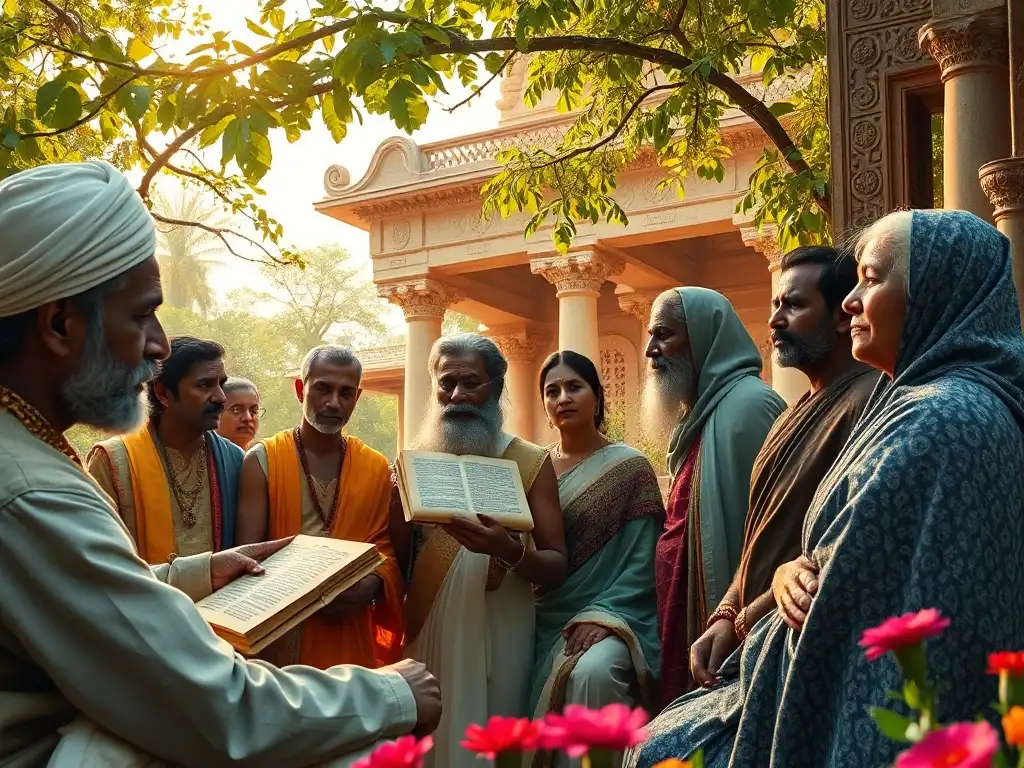
Welcome to Ancient India History, where we embark on a fascinating journey through the rich tapestry of India's past. Dive deep into the world of Nyaya philosophy, a cornerstone of ancient Indian thought, which not only shaped intellectual discourse but also intertwines with various philosophical schools. As we explore the interconnectedness of Nyaya and its contemporaries, you'll uncover how these ancient ideas continue to influence modern perspectives. Prepare to ignite your curiosity and broaden your understanding of India's illustrious heritage—let's delve into the profound realms of thought that have echoed through the ages!
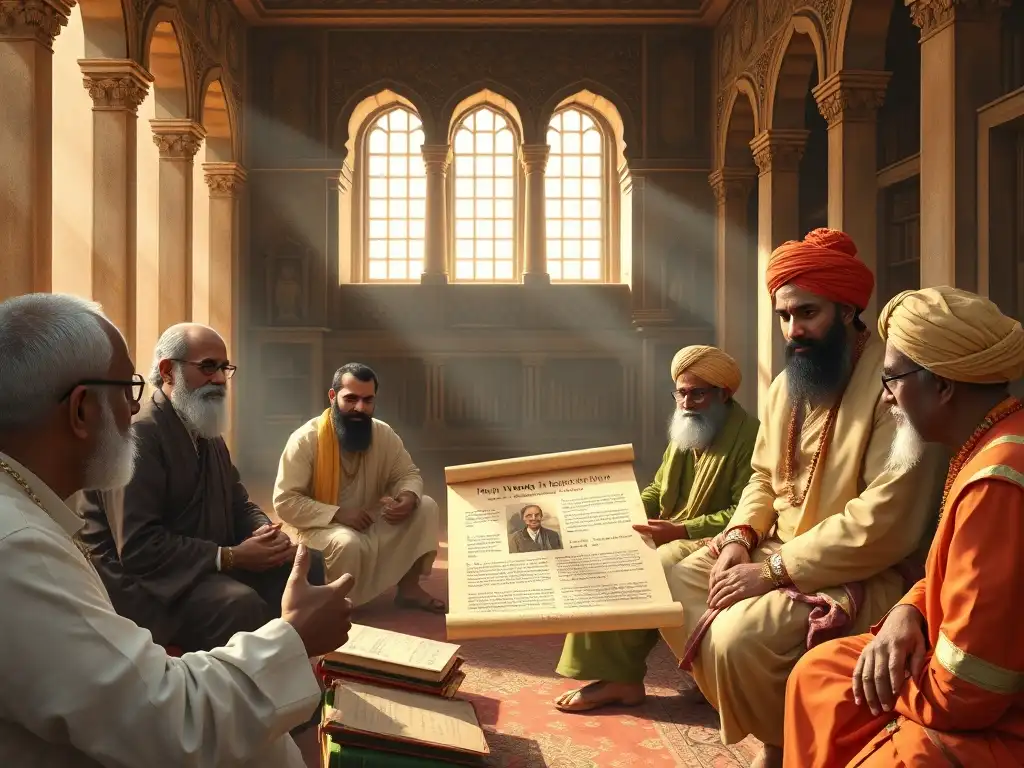
Introduction to Nyaya Philosophy and Ancient India
Nyaya philosophy, one of the six orthodox schools of Indian philosophy, has played a pivotal role in shaping the intellectual landscape of ancient India. The term "Nyaya" translates to "justice" or "rule," and it reflects the school's emphasis on logic and epistemology as essential tools for the pursuit of knowledge and understanding.
This article explores the intricate web of Nyaya philosophy and its connections with other philosophical schools in ancient India, shedding light on its significance in the broader context of Indian thought. By examining Nyaya's foundational principles and its historical development, we aim to provide a comprehensive understanding of how this school has influenced and been influenced by its contemporaries, thereby enriching our appreciation of ancient Indian philosophy.
Overview of Nyaya Philosophy
Nyaya philosophy primarily focuses on the study of logic, reasoning, and the nature of knowledge. Established by the sage Gautama (also known as Akshapada), this school is renowned for its systematic approach to epistemology, which emphasizes the importance of inference and proof. Nyaya is often characterized by its rigorous analytical methods, striving to establish a clear framework for distinguishing valid knowledge from false beliefs. The foundational texts of Nyaya, particularly the "Nyaya Sutras," lay the groundwork for philosophical inquiry, addressing key concepts such as perception, inference, and the validity of knowledge.
Historical Context of Nyaya in Ancient Indian Thought
The emergence of Nyaya philosophy can be traced back to approximately the 2nd century BCE, during a period of vibrant intellectual activity in ancient India. This era witnessed the flourishing of various philosophical traditions, including Buddhism, Jainism, and the other orthodox schools of thought such as Samkhya and Vedanta.
The interactions among these schools fostered a rich tapestry of ideas, allowing Nyaya to evolve while simultaneously influencing and being influenced by its contemporaries. Understanding this historical context is crucial for appreciating how Nyaya philosophy developed its unique methodologies and principles, contributing to the broader discourse on knowledge and reality in ancient Indian thought.
The Core Principles of Nyaya Philosophy
Epistemology in Nyaya: Sources of Knowledge
At the heart of Nyaya philosophy lies its epistemological framework, which identifies four primary sources of knowledge known as "pramanas." These are:
- Pratyaksha (Perception): Direct sensory experience.
- Anumana (Inference): Reasoning based on observation and logical deduction.
- Upamana (Comparison): Knowledge derived from analogy and comparison with known entities.
- Shabda (Testimony): Knowledge obtained through authoritative words or scriptures.
Nyaya philosophers meticulously analyze these sources to ascertain the validity and reliability of knowledge, providing a robust foundation for philosophical discourse that continues to resonate in contemporary discussions on epistemology.
Logic and Reasoning: The Nyaya Method
The Nyaya method is characterized by its systematic approach to logic and reasoning. It employs a structured framework known as the "nyaya" or "logic," which consists of a series of steps to arrive at conclusions based on evidence and sound reasoning. This method not only aids in philosophical inquiry but also serves practical purposes in areas such as law and ethics. Nyaya's emphasis on logical coherence and clarity has had a lasting impact on the development of formal logic and argumentation in Indian philosophy.
The Concept of Pramanas in Nyaya Philosophy
The concept of pramanas is central to Nyaya philosophy, as it delineates the criteria for valid knowledge. Each pramana serves a distinct role in the acquisition of knowledge, enabling philosophers to differentiate between true understanding and mere belief. This nuanced approach to knowledge acquisition underscores Nyaya's commitment to rigorous analysis and logical precision, positioning it as a cornerstone of ancient Indian philosophical thought. Through the lens of pramanas, Nyaya engages with and critiques other philosophical schools, fostering a dynamic dialogue that enriches the overall discourse in ancient Indian philosophy.
The interconnectedness of Nyaya philosophy with other schools of thought illustrates its significance in the rich tapestry of ancient Indian intellectual tradition. By exploring its core principles and historical context, we gain valuable insights into the enduring legacy of Nyaya in the realm of philosophy and beyond.
Comparative Analysis of Nyaya and Other Philosophical Schools
The Nyaya school of thought, one of the six orthodox schools of Indian philosophy, is renowned for its rigorous approach to logic and epistemology. When compared with other philosophical systems, such as Vaisheshika, Samkhya, and Buddhism, Nyaya presents a unique perspective on reality, knowledge, and the nature of existence. Each school, while maintaining its distinct doctrines, reveals deep interconnections that demonstrate the rich tapestry of philosophical inquiry in ancient India.
Nyaya philosophy primarily focuses on the means of acquiring knowledge (pramanas) and uses logical reasoning to establish truths. This emphasis on logic sets it apart but also allows it to engage in fruitful dialogues with its contemporaries. By analyzing the similarities and differences in concepts, methods, and underlying assumptions, we can appreciate how Nyaya both influenced and was influenced by other philosophical traditions.
Nyaya and Vaisheshika: Complementary Philosophical Systems
Nyaya and Vaisheshika are often studied together due to their complementary nature. While Nyaya emphasizes the process of logical reasoning and the validity of knowledge, Vaisheshika focuses on categorizing reality through its theory of substances and their attributes. Both schools accept the existence of an external world and posit that knowledge arises from the interaction between the perceiving subject and the perceived object.
The two philosophies converge on several points, such as their acceptance of a common set of pramanas, including perception (pratyaksha) and inference (anumana). However, they diverge in their metaphysical assertions; Vaisheshika's atomistic view contrasts with Nyaya's more pluralistic approach to reality.
This relationship illustrates how Nyaya’s analytical rigor complements Vaisheshika’s systematic categorization, leading to a more comprehensive understanding of existence, knowledge, and the nature of reality in ancient Indian thought.
Nyaya and Samkhya: Divergent Views on Reality and Knowledge
While Nyaya and Samkhya share some foundational concepts, such as the importance of epistemology, their philosophical underpinnings diverge significantly. Samkhya presents a dualistic framework that distinguishes between purusha (consciousness) and prakriti (matter), positing that liberation (moksha) arises from understanding this distinction.
In contrast, Nyaya does not adhere to such dualism but rather maintains that all forms of knowledge must be validated through logical reasoning. Nyaya critiques Samkhya's reliance on introspection and metaphysical abstractions, arguing for a more empirical approach to knowledge acquisition.
This divergence highlights the philosophical debate surrounding the nature of reality and the means of attaining knowledge in ancient India. While Nyaya seeks to establish a coherent logical structure for understanding existence, Samkhya’s emphasis on dualism and liberation provides a contrasting viewpoint that enriches philosophical discourse.
Nyaya and Buddhism: Dialogues and Disputes
The interaction between Nyaya philosophy and Buddhism is characterized by both dialogues and disputes. Nyaya thinkers engaged with Buddhist epistemologists, particularly in the realms of perception and inference. Both schools place a strong emphasis on pramanas; however, they arrive at different conclusions about the nature of reality and the self.
Buddhism’s doctrine of anatta (no-self) directly challenges Nyaya’s assertion of an enduring self or soul (atman). This fundamental disagreement led to rigorous debates, with Nyaya philosophers arguing for the reality of the self through logical reasoning, while Buddhists maintained that all phenomena are transient and devoid of inherent selfhood.
These dialogues not only highlight the contrasting views on metaphysics and epistemology but also signify the vibrant intellectual environment of ancient India, wherein various philosophical perspectives engaged in critical examination and mutual influence.
The Influence of Nyaya Philosophy on Ancient Indian Culture
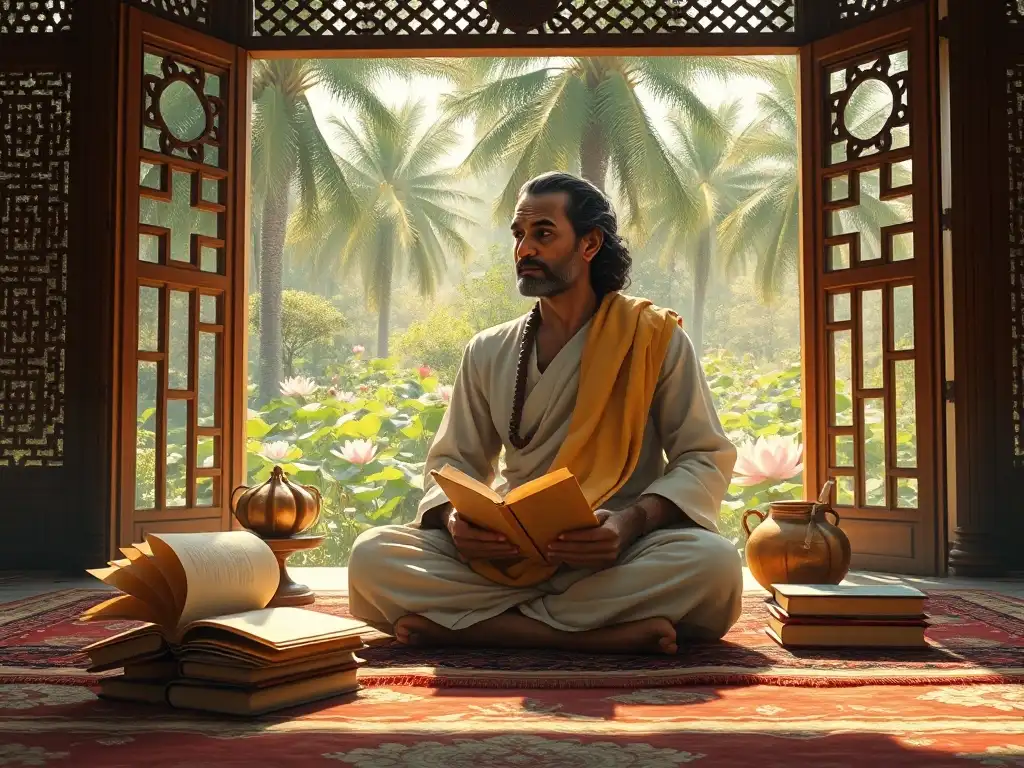
Nyaya philosophy significantly impacted the intellectual, ethical, and cultural landscape of ancient India. Its emphasis on logic and reasoning laid the groundwork for subsequent philosophical developments and contributed to the broader discourse on ethics, morality, and rational thought.
Nyaya's Impact on Ethics and Morality in Ancient India
The principles of Nyaya philosophy deeply influenced ethical and moral considerations in ancient Indian society. By emphasizing the importance of knowledge and logical reasoning, Nyaya provided a framework for evaluating actions and their consequences. The idea that ethical behavior is grounded in rational understanding helped shape moral philosophies across various schools.
Moreover, Nyaya philosophers argued that just actions stem from correct knowledge, which fosters a sense of responsibility and accountability. This integration of logic into ethics contributed to the development of a more nuanced moral discourse, promoting the idea that ethical conduct is not merely a matter of tradition but one of informed decision-making.
Contributions of Nyaya to Indian Logic and Linguistics
Nyaya's rigorous analysis of inference and argumentation established foundational principles in Indian logic. The school developed a systematic approach to syllogism (vyapti), which is pivotal in distinguishing valid arguments from fallacies. This analytical framework influenced not only philosophical debate but also the fields of linguistics and grammar.
The Nyaya emphasis on language as a vehicle of thought led to significant contributions in understanding semantics and the relationship between words and meaning. The exploration of how language conveys knowledge and influences perception became a crucial aspect of philosophical inquiry in ancient India.
Nyaya's Role in the Development of Rational Thought in Ancient India
Nyaya philosophy played a pivotal role in nurturing rational thought in ancient India. By advocating for critical analysis, questioning assumptions, and employing logical reasoning, Nyaya encouraged scholars to explore complex philosophical questions. This rational approach laid the groundwork for later philosophical traditions and scientific inquiry.
The promotion of rationality through Nyaya also permeated various aspects of society, influencing areas such as law, politics, and education. The tradition of debate, rooted in logical reasoning, fostered a culture of intellectual exchange that was vital for the evolution of ideas and philosophies in ancient India.
The interconnectedness of Nyaya with other philosophical schools and its profound influence on various aspects of ancient Indian culture underscore its significance in the philosophical landscape of the time.
Contemporary Relevance of Nyaya Philosophy
Nyaya philosophy, with its rigorous logical framework and emphasis on epistemology, retains significant relevance in contemporary discourse. Its foundational principles provide valuable insights into the nature of knowledge, belief, and justification. In an age characterized by rapid technological advancements and information overload, the analytical methodologies of Nyaya encourage critical thinking and discernment. This philosophy not only addresses existential questions but also fosters an environment where rational discourse can flourish amidst diverse opinions.
In modern contexts, the principles of Nyaya can be observed in various fields such as law, ethics, and science. The emphasis on logical reasoning aligns well with the demands of legal professions, where evidence and argumentation are paramount. Moreover, the philosophical inquiries into the nature of perception and inference in Nyaya offer frameworks that are applicable to scientific methodologies, reinforcing the importance of empirical validation and logical coherence in contemporary research.
Reviving Nyaya Philosophy in Modern Times
Reviving Nyaya philosophy in modern times involves a multifaceted approach that encompasses education, public discourse, and interdisciplinary collaboration. Educational institutions can play a pivotal role by integrating Nyaya principles into curricula, particularly in philosophy, law, and cognitive science. This integration not only enriches students' understanding of Indian philosophical traditions but also enhances their critical thinking skills.
Public discourse can be revitalized through seminars, workshops, and publications that highlight the relevance of Nyaya in addressing contemporary issues. By engaging with scholars and practitioners from various fields, a more robust dialogue can be established, showcasing how Nyaya's analytical techniques can contribute to solving complex problems in society.
Additionally, collaborations between traditional scholars and modern thinkers can foster innovative interpretations of Nyaya that resonate with contemporary audiences. This interdisciplinary approach can help bridge the gap between ancient wisdom and modern challenges, making Nyaya philosophy applicable in diverse contexts.
The Application of Nyaya Principles in Today's Philosophical Discourse
The application of Nyaya principles in today’s philosophical discourse is evident across multiple domains. For instance, the Nyaya system's classification of different types of knowledge—perception (pratyaksha), inference (anumana), and testimony (shabda)—can enhance discussions surrounding epistemology in modern philosophy. These classifications prompt critical evaluations of how knowledge is acquired and validated in contemporary settings, especially in an era dominated by digital information.
Furthermore, Nyaya's focus on logical reasoning and debate informs contemporary ethical discussions, particularly in the realm of applied ethics. The structured argumentation methods of Nyaya can aid in navigating moral dilemmas by providing a clear framework for assessing the implications of various ethical theories. As debates around social justice, environmental ethics, and bioethics become increasingly complex, the principles of Nyaya offer valuable tools for clarification and resolution.
The application of Nyaya principles manifests in various philosophical discussions, enriching the discourse with its emphasis on logical rigor and clarity.
Conclusion: The Legacy of Nyaya Philosophy in Ancient India
Nyaya philosophy stands as a cornerstone of ancient Indian thought, representing an intricate network of ideas that engage with multiple philosophical schools. Its legacy is characterized by a commitment to rational inquiry and the pursuit of knowledge, which has profoundly influenced the development of Indian philosophy.
Summary of Nyaya's Interconnections with Other Philosophical Schools
Throughout its history, Nyaya has interwoven with other philosophical traditions, such as Vaisheshika, Mimamsa, and Vedanta. These interconnections reveal the collaborative nature of philosophical inquiry in ancient India. For example, while Nyaya emphasizes logic and epistemology, Vaisheshika complements it with a focus on metaphysics and the categorization of reality. This synergy fosters a holistic understanding of philosophical concepts, allowing for a richer exploration of existence and knowledge.
Moreover, the dialogues between Nyaya and other schools often led to the refinement of arguments and the development of new ideas, demonstrating the dynamic interplay of thought. Such interconnections not only enriched the philosophical landscape of ancient India but also laid the groundwork for future intellectual pursuits.
The Enduring Influence of Nyaya Philosophy on Indian Civilization
The enduring influence of Nyaya philosophy on Indian civilization is evident in various facets of cultural and intellectual life. Its emphasis on reasoned discourse and empirical validation has permeated educational practices, legal systems, and ethical frameworks throughout history. The analytical rigor established by Nyaya philosophers has fostered a culture of inquiry that values debate and critical thinking.
In contemporary India, the legacy of Nyaya continues to inspire scholars, practitioners, and students alike, encouraging the exploration of philosophical questions with a balanced approach. The principles of Nyaya not only remain relevant in academic circles but also resonate with the broader public, fostering a renewed appreciation for India's rich philosophical heritage. Thus, the legacy of Nyaya philosophy is not merely a historical artifact; it is a living tradition that contributes to the ongoing narrative of Indian civilization.
References and Further Reading on Nyaya Philosophy and Ancient India

The Nyaya philosophy, one of the six orthodox schools of Hindu philosophy, has a rich textual and historical background that offers deep insights into logic, epistemology, and metaphysics. To enhance your understanding of Nyaya and its connections to other philosophical schools in ancient India, the following references and readings are recommended:
- "Nyaya Sutra" by Gautama (Gotama): This foundational text outlines the principles of Nyaya logic and epistemology. It serves as a primary source for understanding the tenets of Nyaya philosophy and its methods of reasoning.
- "The Nyaya Philosophy: A Critical Study" by G. C. Pande: This book offers an in-depth analysis of Nyaya thought and its evolution over time, providing context within the broader framework of Indian philosophy.
- "Indian Philosophy: A Very Short Introduction" by Sue Hamilton: This concise resource introduces the various schools of Indian philosophy, including Nyaya, while contextualizing them within the historical and cultural developments of ancient India.
- "Logic and Epistemology in Nyaya Philosophy" by B. K. Matilal: This text delves into the unique aspects of Nyaya logic and its implications for epistemology, illustrating how Nyaya interacts with other philosophical schools.
- "Philosophy of Nyaya" by Sundar Sarukkai: Sarukkai's work critically examines the philosophical arguments presented by the Nyaya school, discussing its relevance and influence on modern philosophical thought.
Suggested Literature on Nyaya and Other Philosophical Schools
To further explore the interconnectedness of Nyaya with other philosophical traditions, the following literature is suggested:
- "The Six Ways of Knowing: An Introduction to Indian Epistemology" by J. N. Mohanty: This book provides a comprehensive overview of various epistemological frameworks within Indian philosophy, including Nyaya, and compares them with Western thought.
- "Indian Philosophy: An Introduction to Hindu and Buddhist Thought" by Christopher Chapple: This introductory text covers major philosophical schools, with a focus on their interrelations and contributions to the evolution of philosophical thought in India.
- "The Philosophy of the Upanishads" by Paul Deussen: Deussen’s work examines philosophical concepts found in the Upanishads, offering insights into how they relate to and influence Nyaya philosophy.
- "An Introduction to Indian Philosophy" by Satishchandra Chatterjee and Dhirendramohan Datta: This accessible guide discusses the various schools of Indian philosophy, including Nyaya, and their historical significance.
- "The Nyaya and the Vaisheshika: A Comparison" by B. K. Roy: This comparative analysis explores the similarities and differences between the Nyaya and Vaisheshika schools, shedding light on their respective contributions to ancient Indian philosophy.
Online Resources for Exploring Ancient Indian Philosophy
The digital landscape offers a plethora of resources for those interested in exploring Nyaya philosophy and other aspects of ancient Indian thought. Here are some valuable online resources:
- Stanford Encyclopedia of Philosophy: This resource includes comprehensive entries on Nyaya philosophy and its key concepts, providing a scholarly overview that is accessible to both students and researchers.
- Internet Archive: A vast repository of texts, including primary sources and scholarly works related to Nyaya and other philosophical schools, allowing for free access to many ancient texts.
- PhilPapers: A searchable online research database that includes articles and papers on Nyaya philosophy, offering insights from contemporary scholars and researchers.
- Academia.edu: This platform hosts a variety of papers and articles authored by scholars in the field of Indian philosophy, including discussions on Nyaya and its interconnections with other schools.
- YouTube Educational Channels: Various channels provide lectures and discussions on Indian philosophy, including the Nyaya school. Channels such as "The School of Life" and specialized academic institutions often feature content on this topic.
These resources provide a robust foundation for anyone looking to delve deeper into the rich tapestry of Nyaya philosophy and its interrelations with other schools of thought in ancient India.
- Introduction to Nyaya Philosophy and Ancient India
- The Core Principles of Nyaya Philosophy
- Comparative Analysis of Nyaya and Other Philosophical Schools
- The Influence of Nyaya Philosophy on Ancient Indian Culture
- Contemporary Relevance of Nyaya Philosophy
- Conclusion: The Legacy of Nyaya Philosophy in Ancient India
- References and Further Reading on Nyaya Philosophy and Ancient India
- Suggested Literature on Nyaya and Other Philosophical Schools
- Online Resources for Exploring Ancient Indian Philosophy
- What is Nyaya philosophy in ancient India?
- How did Nyaya philosophy influence other philosophical schools?
- What are the main contributions of Nyaya philosophy to Indian thought?
- How does Nyaya philosophy relate to the Indus Valley Civilization?
- Can you explain the interconnectedness of Nyaya philosophy and other schools?
Frequently Asked Questions
What is Nyaya philosophy in ancient India?
Nyaya philosophy is a classical Indian school of thought that focuses on logic, reasoning, and epistemology. It emphasizes the importance of valid arguments and evidence in the pursuit of knowledge.
How did Nyaya philosophy influence other philosophical schools?
Nyaya philosophy significantly influenced other schools, such as Vaisheshika and Mīmāṃsā, by introducing rigorous logical analysis and methods for acquiring knowledge, thus creating a framework for philosophical debates in ancient India.
What are the main contributions of Nyaya philosophy to Indian thought?
The main contributions include the development of formal logic, the theory of inference, and a systematic approach to epistemology, which laid the groundwork for many later philosophical discussions in ancient India.
How does Nyaya philosophy relate to the Indus Valley Civilization?
While there is no direct evidence linking Nyaya philosophy to the Indus Valley Civilization, it is believed that the intellectual traditions that emerged later were influenced by the cultural and societal developments of this early civilization.
Can you explain the interconnectedness of Nyaya philosophy and other schools?
The interconnectedness lies in the way Nyaya engaged with other philosophical traditions, such as Buddhism and Jainism, fostering a rich dialogue that enriched the philosophical landscape of ancient India.
Final Reflection: The Enduring Legacy of Nyaya Philosophy in Ancient India
The interconnectedness of Nyaya philosophy with other philosophical schools is not just a historical curiosity; it is a vital lens through which we can understand the complexities of thought in ancient India. Today, as we navigate a world rife with diverse perspectives and ideologies, the principles of Nyaya remind us of the importance of logical reasoning and critical inquiry. The relevance of these ancient teachings resonates strongly in our contemporary discussions on ethics, justice, and epistemology, urging us to engage thoughtfully with the world around us.
The influence of Nyaya and its philosophical counterparts has shaped not only academic discourse but also the cultural fabric of society. The dialogues between Nyaya and other schools such as Vaisheshika and Mimamsa illustrate a rich tapestry of intellectual exchange that continues to inspire modern thinkers. As philosopher B.K. Matilal aptly stated, The Nyaya system is not merely a theory of knowledge; it is a way of life that emphasizes the pursuit of truth.
This enduring legacy encourages us to seek clarity and understanding in our own lives, fostering a culture of inquiry that transcends time.
As we reflect on the teachings of Nyaya philosophy, let us embrace the challenge of applying its principles in our daily interactions and decision-making processes. I invite you to explore how the values of logical reasoning and critical analysis can enrich your understanding of the world. By engaging with these ancient ideas, we can cultivate a more thoughtful and compassionate society, one that honors the wisdom of the past while forging a path toward a more enlightened future.
Uncover the Wisdom of Ancient Philosophies Today!
Thank you for diving into the rich world of Nyaya and its connections with other philosophical schools! Your engagement helps illuminate the profound ways these ideas shape our understanding today. Now, it's your turn to further explore this interconnected wisdom.
- Delve deeper into the texts of Nyaya and other philosophies by visiting your local library or exploring various online resources— expand your understanding!
- Participate in a discussion group or join an online forum where you can share insights and ponder different interpretations of these philosophies— connect with fellow thinkers.
- Share your knowledge with others by writing a brief article or blog post discussing how Nyaya influences modern thought— inspire curiosity within your community.
As you reflect on the intricate web of philosophical ideas, consider this: How can the principles of Nyaya guide your decision-making in today's complex world? Let's start a conversation in the comments below!