
Chandragupta Maurya: The Emperor Who Inspired Loyalty and Unity

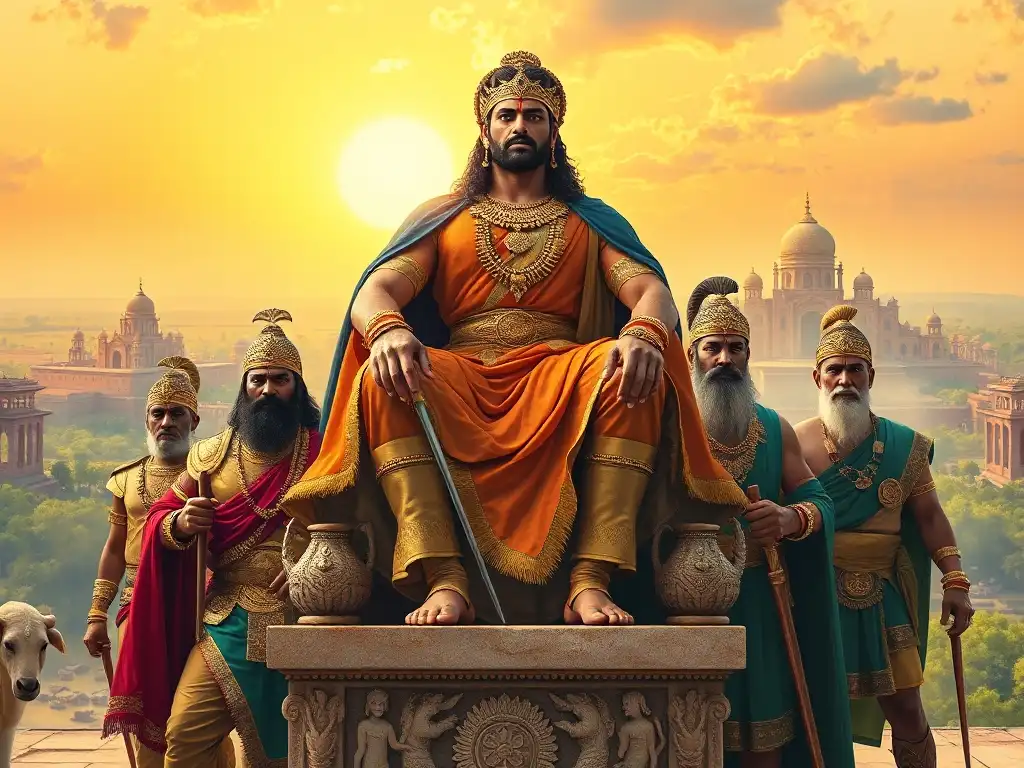
Welcome to Ancient India History, where we embark on a fascinating journey through the rich tapestry of ancient Indian civilizations. From the enigmatic streets of the Indus Valley to the flourishing courts of the Gupta Empire, each era has left an indelible mark on our collective heritage. In this exploration, we delve into the remarkable leadership qualities of Chandragupta Maurya, a figure who not only shaped an empire but also inspired loyalty and unity among his people.
What made his leadership so impactful? Join us as we uncover the secrets behind his extraordinary reign and the profound legacy he left behind.
- Introduction to Chandragupta Maurya
- Early Life of Chandragupta Maurya
- Chandragupta Maurya’s Rise to Power
- Leadership Qualities of Chandragupta Maurya
- The Impact of Chandragupta Maurya’s Leadership
- Chandragupta Maurya’s Legacy
- Conclusion
- References and Further Reading
- Frequently Asked Questions
- Final Reflection: The Enduring Legacy of Chandragupta Maurya's Leadership
- Unveil Your Leadership Potential Today!
Introduction to Chandragupta Maurya
Chandragupta Maurya stands as one of the most significant figures in ancient Indian history, renowned for his remarkable leadership qualities that not only forged an empire but also inspired a sense of loyalty and unity among his followers. Rising from humble beginnings, he established the Maurya Empire in the 4th century BCE, laying the foundation for one of the largest empires in the Indian subcontinent.
His reign marked a pivotal moment in Indian history, characterized by military conquests, political acumen, and a vision for governance that emphasized stability and prosperity. This article delves into the key leadership qualities of Chandragupta Maurya, exploring how his strategic mindset and ability to unite diverse cultures and communities led to the flourishing of a vast empire.
Overview of Chandragupta Maurya’s Reign
Chandragupta Maurya's reign began around 321 BCE, following his successful overthrow of the Nanda Dynasty. His rise to power was not merely a result of military strength; rather, it was his exceptional leadership qualities that were pivotal in rallying support from various factions within society.
- Military Strategy: Chandragupta’s military campaigns were characterized by innovative strategies and a keen understanding of battlefield dynamics. He effectively utilized guerilla tactics and formed alliances, which enabled him to defeat larger forces.
- Administration: Under his leadership, the Maurya Empire implemented a structured administrative system. He appointed capable governors to oversee different regions, ensuring efficient governance and local autonomy. This decentralized approach fostered trust and loyalty among the subjects.
- Diplomacy: Chandragupta was adept at diplomacy, often using marriage alliances and treaties to strengthen his position. His relationship with the famed philosopher Chanakya, who served as his mentor and advisor, further solidified his rule and provided him with strategic insights.
Chandragupta's reign not only expanded the empire's territorial boundaries but also facilitated trade and cultural exchange, which laid the groundwork for the flourishing of Indian civilization.
Importance of Leadership in Ancient India
In ancient India, leadership was a crucial element that determined the stability and prosperity of kingdoms. The qualities exhibited by leaders such as Chandragupta Maurya had profound implications for societal cohesion and governance.
- Unity and Loyalty: Strong leadership inspired loyalty among subjects, which was essential for maintaining order and implementing policies. Chandragupta’s ability to connect with people from various backgrounds fostered a sense of unity that was vital for the empire's growth.
- Cultural Integration: Leaders played a significant role in promoting cultural integration and social harmony. Chandragupta’s reign saw the blending of diverse cultural practices, contributing to a rich and vibrant societal tapestry that celebrated inclusivity.
- Legacy: The leadership qualities of Chandragupta Maurya have left an enduring legacy in Indian history, influencing subsequent rulers and shaping the political landscape for centuries to come. His approach to governance serves as a timeless example of how strong leadership can transcend challenges and inspire future generations.
In exploring the leadership qualities of Chandragupta Maurya, we gain insight into the principles that not only defined his reign but also contributed to the enduring legacy of the Maurya Empire in ancient India.
Early Life of Chandragupta Maurya
Background and Family Heritage
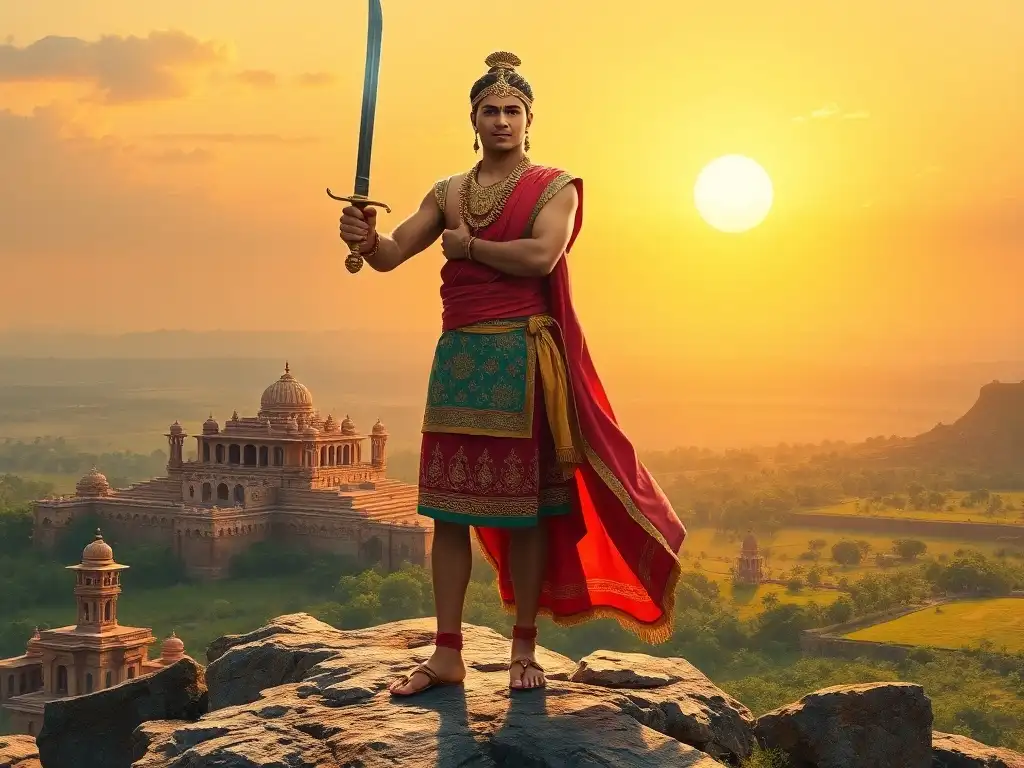
Chandragupta Maurya was born around 340 BCE in the ancient region of Magadha, which is part of present-day Bihar, India. His family background is often a subject of historical debate; however, it is widely believed that he belonged to a humble and possibly Kshatriya lineage. Some accounts suggest that he may have been born into a family of warriors or rulers, which could have inherently influenced his aspirations for leadership.
His early years were marked by significant political instability in the Indian subcontinent, characterized by the fragmentation of power among various regional kingdoms. This tumultuous environment likely instilled in him a desire for unity and strength, which would later define his own reign. The Mauryan Empire, which he founded, would emerge as a response to the disunity and chaos of the time.
Influences on His Leadership Development
Chandragupta's early life was also shaped by his relationship with key figures who played a pivotal role in his leadership development. One of the most notable influences was Chanakya (also known as Kautilya), a brilliant strategist and political theorist. Chanakya recognized Chandragupta's potential and became his mentor, imparting invaluable lessons on governance, military strategy, and statecraft. This mentorship was crucial in molding Chandragupta into a leader capable of uniting the fragmented Indian territories.
Moreover, the socio-political landscape of the time, marked by the decline of the Nanda dynasty, provided Chandragupta with the opportunity to rise. He learned the importance of building alliances, leveraging local discontent against the ruling powers, and the necessity of a strong military presence to assert authority. His experiences during this formative period equipped him with the leadership qualities necessary to inspire loyalty and unity among his followers.
These early influences not only shaped his character but also laid the groundwork for his future achievements, including the establishment of the Mauryan Empire—a testament to his exceptional leadership qualities. Chandragupta's ability to connect with diverse groups, articulate a vision for a unified empire, and strategically navigate the complexities of power dynamics were significant factors in his success as a ruler.
Chandragupta Maurya’s Rise to Power
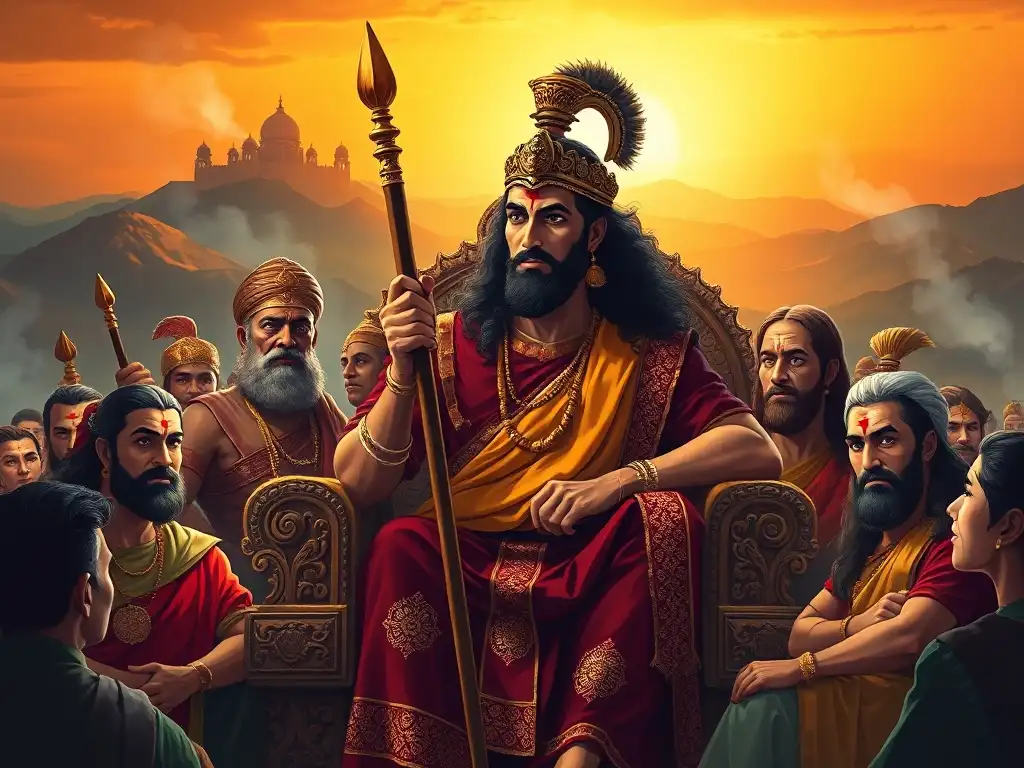
Chandragupta Maurya's ascent to power is a remarkable narrative in ancient Indian history, characterized by strategic brilliance, political acumen, and the ability to unite diverse factions under a single banner. His rise can be traced back to the late 4th century BCE, a tumultuous period marked by the decline of the Nanda dynasty and the weakening of local powers in northern India.
Chandragupta’s early life is shrouded in mystery, but it is widely believed that he was born into a humble family. His encounters with the wise and astute Chanakya would prove transformative, shaping his destiny and the future of the Indian subcontinent. Together, they navigated a landscape fraught with challenges, setting the stage for the establishment of one of the most significant empires in ancient India.
The Role of Chanakya in Chandragupta's Ascension
Chanakya, also known as Kautilya, was a learned Brahmin and a master strategist who played a pivotal role in Chandragupta Maurya's journey to power. His discontent with the Nanda rule catalyzed his involvement with Chandragupta.
- Mentorship and Strategy: Chanakya recognized Chandragupta’s potential and took him under his wing. He provided mentorship, teaching him the intricacies of statecraft, economics, and military strategy. Chanakya’s treatise, the Arthashastra, outlines many principles of governance and warfare that guided their efforts.
- Formation of Alliances: Chanakya’s political savvy enabled them to form crucial alliances. He understood the importance of gathering support from local rulers and influential clans, which was vital to Chandragupta's legitimacy and strength.
- Guerrilla Warfare: Under Chanakya’s guidance, Chandragupta adopted guerrilla warfare tactics to counter the Nandas' superior forces. This unconventional approach allowed them to strike swiftly and retreat, minimizing direct confrontation until they were ready to face their enemies on favorable terms.
- Psychological Warfare: Chanakya also employed psychological strategies to demoralize the Nanda forces. By spreading rumors and creating dissent among enemy ranks, he weakened their resolve, making it easier for Chandragupta to gain ground.
Chandragupta's success as a leader was largely attributable to his relationship with Chanakya, who not only served as a mentor but also as a crucial strategist, ensuring that every move was calculated for maximum impact.
Key Events Leading to the Establishment of the Mauryan Empire
The establishment of the Mauryan Empire was marked by several key events that showcased Chandragupta's leadership qualities and strategic vision:
- Overthrowing the Nandas: The decisive moment came when Chandragupta, bolstered by Chanakya’s counsel, launched a campaign against the Nanda dynasty. After a series of battles, Chandragupta successfully overthrew King Dhana Nanda, marking the end of Nanda rule and the beginning of the Mauryan Empire.
- Consolidation of Power: Following his victory, Chandragupta focused on consolidating his power. He implemented reforms that improved administration and governance, establishing a centralized authority that was crucial for maintaining order in his newly acquired territories.
- Territorial Expansion: Chandragupta's ambitions did not end with the Nandas. He embarked on campaigns to expand his empire, including conflicts with the Greek satraps left in India after Alexander the Great’s invasion. His victory over these forces significantly increased his influence and territory.
- Establishing a Bureaucracy: To efficiently manage his vast empire, Chandragupta instituted a bureaucratic system inspired by Chanakya’s teachings. This system allowed for effective tax collection, law enforcement, and public welfare initiatives, which in turn fostered loyalty among his subjects.
- Diplomatic Relations: Chandragupta also understood the value of diplomacy. He forged alliances with neighboring kingdoms, which not only secured peace but also facilitated trade and cultural exchanges, further enriching his empire.
Through these events, Chandragupta Maurya exemplified strong leadership qualities such as vision, strategic planning, and the ability to inspire loyalty among his subjects. His reign laid the foundation for one of the most powerful and enduring empires in ancient Indian history, influencing subsequent generations.
Leadership Qualities of Chandragupta Maurya
Visionary Leadership and Strategic Thinking
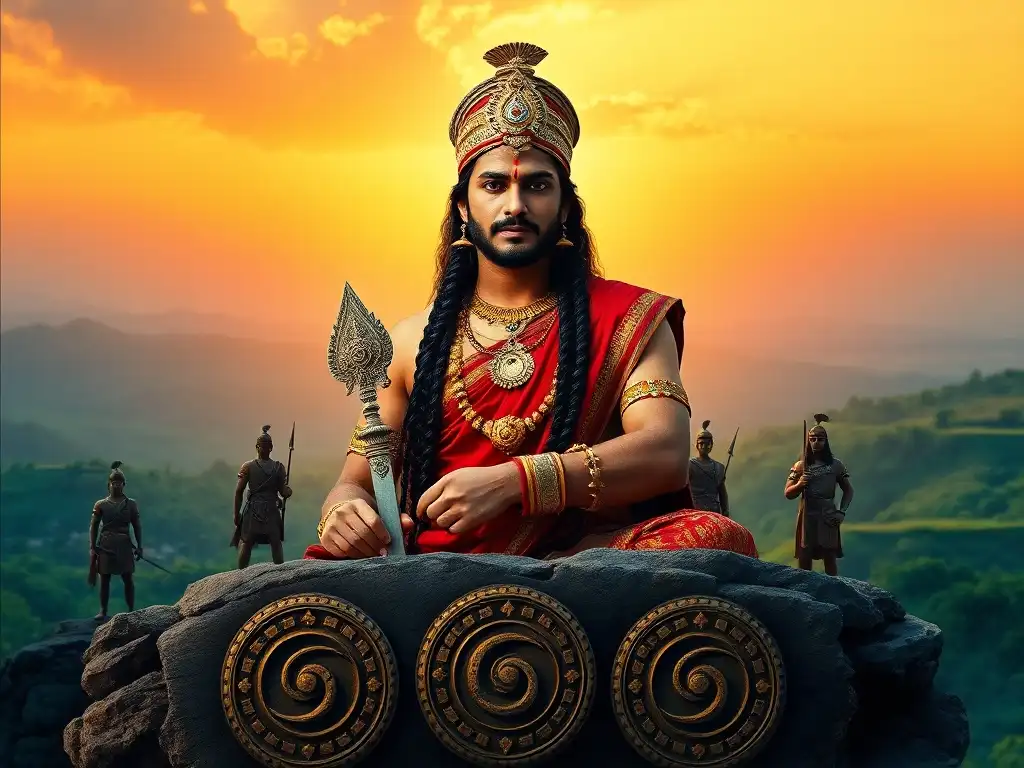
Chandragupta Maurya demonstrated exceptional visionary leadership that laid the foundation for a unified Indian subcontinent. His ability to foresee the potential of a consolidated empire was pivotal in rallying diverse groups under his banner. Chandragupta’s strategic thinking was evident in his approach to governance and military campaigns. He recognized the fragmented nature of the region and sought to unite the various kingdoms.
- Establishment of Alliances: Chandragupta was adept at forming alliances with local rulers, leveraging diplomacy alongside force. This approach not only expanded his influence but also minimized resistance from potential adversaries.
- Inclusivity in Administration: His governance model included representatives from different communities, ensuring that multiple voices were heard in the decision-making process. This fostered a sense of belonging and loyalty among the populace.
By integrating a clear vision with strategic foresight, Chandragupta Maurya exemplified how a leader can catalyze change and inspire unity across a diverse landscape.
Chandragupta’s charismatic authority was integral to his leadership style. His personal magnetism allowed him to forge strong connections with his followers, instilling a deep sense of loyalty.
- Personal Engagement: He often engaged directly with his soldiers and subjects, which not only motivated them but also created a personal bond that transcended mere obligation. His presence on the battlefield and in public forums reinforced his commitment to his people.
- Role of Mentorship: Under the guidance of Chanakya, his mentor, Chandragupta cultivated an aura of strength and wisdom. Chanakya’s teachings emphasized the importance of loyalty and integrity, principles that Chandragupta embodied and promoted among his ranks.
These qualities fostered a culture of loyalty that was essential for maintaining order and cohesion within his vast empire, enabling him to inspire not just fear, but admiration and respect.
Military Prowess and Conquest Strategies
Chandragupta Maurya’s military prowess was a cornerstone of his leadership, enabling him to construct one of ancient India's largest empires. His success in warfare was characterized by innovative strategies and an understanding of battlefield dynamics.
- Guerrilla Tactics: Chandragupta often employed guerrilla tactics, using the element of surprise to outmaneuver larger forces. His ability to adapt to various combat situations demonstrated his strategic acumen.
- Logistical Planning: He meticulously planned his campaigns, ensuring that his armies were well-supplied and supported. This attention to logistics allowed him to sustain prolonged engagements without suffering from resource depletion.
The combination of military skill and strategic insight not only expanded his territory but also solidified his reputation as a formidable leader, capable of inspiring loyalty in both his troops and the citizens of his empire.
Chandragupta Maurya’s leadership qualities—visionary insight, charismatic authority, and military expertise—were integral to his success and the enduring legacy of his reign. His approach to leadership continues to serve as a benchmark for effective governance in complex societies.
The Impact of Chandragupta Maurya’s Leadership
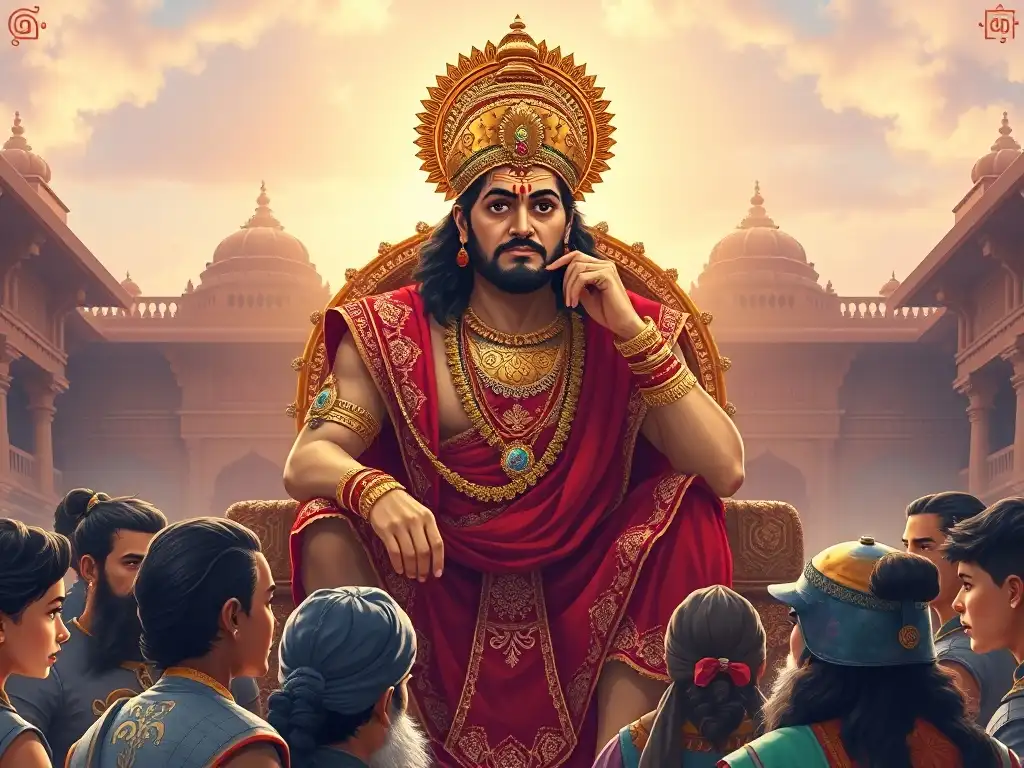
Unification of Diverse Regions and Cultures
Chandragupta Maurya's leadership qualities were pivotal in the unification of a vast and diverse landscape that was ancient India. He inherited a fragmented territory, rife with regional kingdoms, tribal divisions, and cultural differences. Through strategic alliances, military prowess, and diplomatic negotiations, Chandragupta successfully merged these disparate regions into a single empire.
- Military Strategy: Chandragupta's military campaigns were meticulously planned. By employing both conventional warfare and psychological tactics, he was able to conquer significant territories such as Magadha and subdue rival kings. His ability to inspire his troops and maintain morale was essential in these endeavors.
- Cultural Integration: Understanding the importance of cultural cohesion, Chandragupta promoted inter-regional marriages and encouraged the adoption of a common administrative language, Prakrit. This fostered a sense of unity among the diverse populations within his empire, enabling the cultural exchange that enriched the Mauryan civilization.
- Religious Tolerance: Chandragupta recognized the various religious beliefs present within his empire. By practicing religious tolerance and promoting the idea of a unified identity amidst diversity, he laid the groundwork for a stable society. His later conversion to Jainism, while personal, did not hinder his policies of inclusivity.
Establishment of Administrative Systems
One of the most significant leadership qualities of Chandragupta Maurya was his ability to establish sophisticated administrative systems that governed his empire effectively. This infrastructure was crucial for the maintenance and stability of such a vast territory.
- Centralized Governance: Chandragupta centralized authority by creating a robust bureaucratic system. He divided his empire into provinces, each overseen by appointed governors. This hierarchical structure allowed for efficient administration and quick decision-making.
- Legal Framework: He instituted a comprehensive legal framework that codified laws and regulations. This legal system was instrumental in ensuring justice and order, allowing subjects to understand their rights and responsibilities.
- Taxation and Public Welfare: Chandragupta implemented a fair taxation system that funded public works and welfare projects. This not only enhanced the quality of life for citizens but also ensured loyalty to the crown, as people could see tangible benefits from their contributions.
Promotion of Trade and Economic Prosperity
Chandragupta Maurya’s leadership qualities extended to economic foresight, as he understood the importance of trade and economic stability for the prosperity of his empire.
- Trade Routes: Under his rule, the Mauryan Empire became a hub for trade, connecting the Indian subcontinent with regions such as Persia and Central Asia. By securing and improving trade routes, he facilitated commerce, leading to increased wealth and resources.
- Market Regulation: Chandragupta established markets that were regulated to ensure fair trade practices. He understood the necessity of a stable economic environment, which encouraged merchants to thrive and invest in the empire.
- Agricultural Development: Recognizing that agriculture was the backbone of the economy, he promoted agricultural innovations and irrigation projects. This not only increased crop yields but also provided food security for the population, contributing to overall economic stability.
Chandragupta Maurya's leadership qualities were instrumental in shaping the early Mauryan Empire. His ability to unify diverse cultures, establish effective administrative frameworks, and promote economic prosperity laid the foundation for one of the most significant empires in ancient Indian history. Through his visionary leadership, he inspired loyalty and unity among his subjects, leaving a lasting legacy that would influence future generations.
Chandragupta Maurya’s Legacy
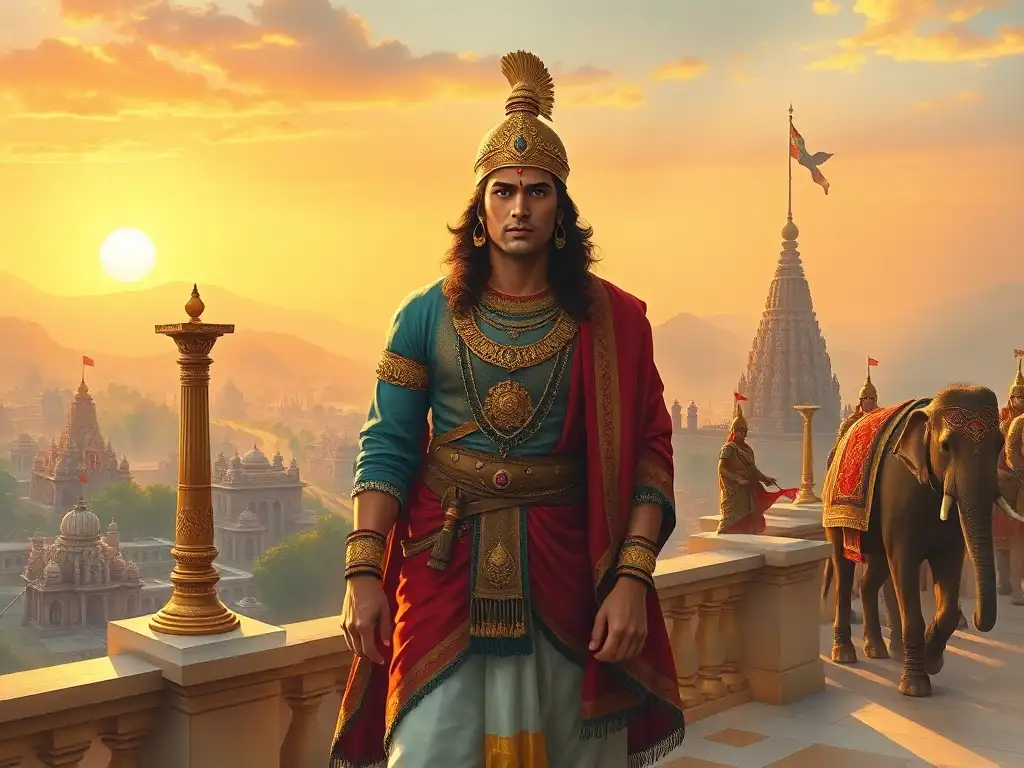
Chandragupta Maurya, the founder of the Maurya Empire, left behind a legacy that not only shaped the political landscape of ancient India but also set a precedent for leadership qualities that resonate through time. His reign, marked by strategic prowess and effective governance, established a unified Indian subcontinent that had previously been fragmented into small kingdoms.
His approach to leadership was characterized by a combination of military ambition, diplomatic skill, and a deep understanding of statecraft. Chandragupta's ability to inspire loyalty among his followers and unify diverse groups under a central authority is a testament to his exceptional leadership qualities. The qualities exhibited by Chandragupta—visionary thinking, decisiveness, and an unwavering commitment to his people's welfare—continue to serve as guiding principles for leaders across various domains today.
Influence on Future Indian Leaders
Chandragupta Maurya’s leadership set a benchmark for subsequent Indian rulers. His ability to consolidate power and implement effective governance influenced notable figures in Indian history, including:
- Ashoka the Great: Chandragupta's grandson, Ashoka, adopted many of his grandfather's strategies in governance. Ashoka’s emphasis on ethical leadership and his commitment to the welfare of his subjects can be traced back to the foundational principles established by Chandragupta.
- Gupta Empire Rulers: The Gupta Empire, known for its cultural and scientific advancements, drew inspiration from the administrative frameworks laid down during the Maurya period. The Gupta rulers implemented policies that ensured stability and prosperity, reflecting Chandragupta's legacy of effective governance.
- Medieval Indian Kings: Leaders like Raja Raja Chola and the kings of the Vijayanagara Empire also mirrored Chandragupta's strategies in statecraft, emphasizing military strength and cultural patronage, which were vital for maintaining their empires.
Chandragupta’s legacy of unity and strength continues to inspire leaders in modern India, reinforcing the importance of strong governance and the welfare of the populace in effective leadership.
Lessons in Leadership for Modern Times
Chandragupta Maurya’s reign offers several lessons in leadership that are applicable even today:
- Visionary Leadership: A clear vision is essential for effective leadership. Chandragupta’s ability to envision a united India paved the way for his strategic actions and decisions.
- Adaptability: Chandragupta adapted to the changing political landscape, demonstrating the importance of flexibility in leadership. Modern leaders can learn from this by being responsive to change and willing to pivot when necessary.
- Building Loyalty: Establishing trust and loyalty among followers is crucial. Chandragupta's approach to fostering loyalty through shared goals and values is a lesson for contemporary leaders who aim to build cohesive teams.
- Empowerment of People: He focused on the welfare of his subjects, which is a vital lesson for today’s leaders. Empowering people and prioritizing their needs can lead to sustainable success.
- Strategic Alliances: Chandragupta skillfully formed alliances, highlighting the significance of collaboration in leadership. Modern leaders can benefit from building networks and partnerships that enhance their influence and reach.
Cultural Contributions and Historical Significance
Chandragupta Maurya’s contributions extended beyond politics into the realms of culture and society. His reign marked a transformative period in Indian history that saw the following advancements:
- Administrative Reforms: The establishment of a centralized administration allowed for more efficient governance. This model influenced future empires and continues to inform modern administrative practices.
- Cultural Integration: Chandragupta promoted cultural integration by encouraging the merging of various traditions across his empire. This led to a rich tapestry of cultural practices that defined subsequent Indian civilization.
- Patronage of Learning: Chandragupta's support for scholars and philosophers, including the famed Chanakya, contributed to the intellectual growth of the period. This patronage laid the groundwork for the flourishing of arts and sciences in the Maurya Empire.
- Spread of Buddhism: Although this was more pronounced during Ashoka's reign, Chandragupta’s initial embrace of Jainism and respect for various philosophies set a tone of religious tolerance that influenced the spiritual landscape of India.
- Economic Prosperity: His reign saw economic advancements through trade and agriculture, establishing a strong foundation for the Mauryan economy, which would thrive under his successors.
Chandragupta Maurya's legacy is a rich tapestry of leadership, cultural integration, and historical significance that continues to be relevant and inspirational in today's world. His exemplary leadership qualities serve as a model for current and future generations of leaders, emphasizing the importance of unity, vision, and cultural appreciation.
Conclusion
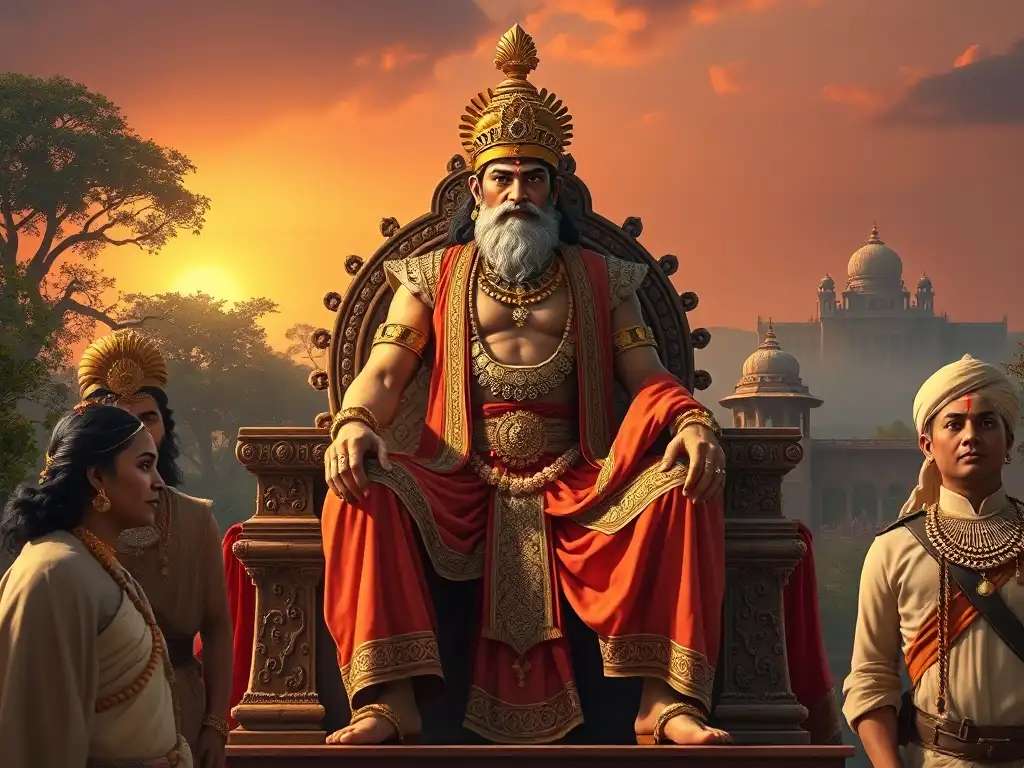
Summary of Chandragupta Maurya’s Leadership Qualities
Chandragupta Maurya's leadership qualities were pivotal in establishing the Maurya Empire, which became one of the largest empires in ancient India. His ability to inspire loyalty and unity among his followers was remarkable and can be attributed to several key traits:
- Visionary Thinking: Chandragupta had a clear vision of unifying the fragmented territories of India. His ambitions extended beyond mere conquest; he sought to create a stable and prosperous empire.
- Strategic Acumen: He was adept at formulating strategies that not only focused on military conquest but also on governance and administration. This strategic mindset enabled him to effectively manage vast territories and diverse populations.
- Charismatic Leadership: Chandragupta's charisma played a crucial role in rallying support. His ability to connect with people from various backgrounds fostered a sense of belonging and loyalty among his subjects.
- Decisive Action: His decisiveness in critical situations ensured swift responses to challenges. Whether it was in battle or governance, his prompt actions instilled confidence in his followers.
- Adaptability: Chandragupta demonstrated a remarkable ability to adapt to changing circumstances. He learned from his experiences, which allowed him to refine his strategies and maintain control over the empire.
These qualities not only contributed to his success as a ruler but also left a lasting legacy that influenced future generations of leaders.
Reflection on Loyalty and Unity in Leadership
The concepts of loyalty and unity are vital in the realm of effective leadership, and Chandragupta Maurya exemplified these principles throughout his reign. His approach to fostering loyalty can be analyzed through various dimensions:
- Inclusiveness: Chandragupta believed in incorporating diverse groups into his administration, which helped to mitigate dissent and foster unity among the populace. By creating a sense of shared purpose, he was able to unify various factions under one banner.
- Rewarding Loyalty: He recognized and rewarded loyal subjects, which not only incentivized others to remain loyal but also created a culture of trust within his empire. This practice reinforced the idea that loyalty was both valued and essential for the prosperity of the state.
- Cultural Integration: Chandragupta promoted cultural integration, which further solidified the bonds among his subjects. By respecting local customs and traditions, he built a sense of community that transcended regional differences.
Chandragupta Maurya’s leadership qualities—visionary thinking, strategic acumen, charismatic influence, decisive action, and adaptability—coupled with his emphasis on loyalty and unity, created a strong foundation for the Maurya Empire. His legacy continues to serve as an inspiration for leaders navigating the complexities of governance and human relationships.
References and Further Reading
Suggested Books on Chandragupta Maurya
- "The Maurya Empire: A Historical Survey" by [Author Name]
- This book offers an in-depth look at the rise and fall of the Maurya Empire, highlighting Chandragupta Maurya's pivotal role in its establishment. The author meticulously documents the political landscape of ancient India and the strategies employed by Chandragupta to unify various regions.
- "Chandragupta Maurya: The King Who Conquered" by [Author Name]
- Focusing specifically on Chandragupta's leadership qualities, this book delves into his military tactics, administrative skills, and the philosophies that guided his rule. The narrative provides rich insights into how his character fostered loyalty and unity among his subjects.
- "Mauryan India: History and Culture" by [Author Name]
- This comprehensive work discusses the cultural and historical implications of the Mauryan Empire, with a special emphasis on Chandragupta's reign. It explores how his leadership laid the foundation for subsequent rulers and influenced Indian civilization.
- "The Art of War in Ancient India" by [Author Name]
- While not solely focused on Chandragupta, this book provides context regarding the military strategies of the time. It illustrates how Chandragupta's approach to warfare was instrumental in establishing his empire and maintaining unity among diverse groups.
Articles and Resources for Deeper Understanding
- "Chandragupta Maurya: Architect of a Unified India"
- This article discusses the various leadership qualities of Chandragupta Maurya, showcasing how he inspired loyalty and unity among his followers. It emphasizes his strategic acumen and vision for a cohesive empire.
- "The Role of Chandragupta Maurya in Indian History"
- A scholarly piece that analyses the historical impact of Chandragupta's reign, providing a detailed examination of his administrative reforms and their lasting effects on Indian governance.
- "Leadership Qualities of Chandragupta Maurya: Lessons for Modern Leaders"
- This resource draws parallels between Chandragupta’s leadership style and contemporary leadership practices. It provides valuable insights into how his qualities can inspire modern leaders facing challenges in unifying diverse groups.
- Online Archives and Databases
- Websites such as [specific database name] offer a wealth of primary sources and research articles related to Chandragupta Maurya. These can be invaluable for scholars and enthusiasts seeking to deepen their understanding of his life and leadership.
By exploring these books and resources, readers can gain a multifaceted understanding of Chandragupta Maurya’s leadership qualities and his significant contributions to ancient Indian history.
Frequently Asked Questions
What were Chandragupta Maurya's key leadership qualities?
Chandragupta Maurya is known for his strategic vision, military prowess, and ability to inspire loyalty among his followers, which helped him establish the Mauryan Empire.
How did Chandragupta Maurya unify India?
He successfully unified India through diplomacy and military conquests, creating a centralized administration that fostered stability and unity across diverse regions.
What impact did Chandragupta Maurya have on ancient Indian culture?
Chandragupta’s reign marked the beginning of a cultural renaissance in ancient India, promoting art, literature, and science, which thrived under his rule.
How did Chandragupta Maurya maintain control over his empire?
He employed a combination of strong governance, effective espionage, and the support of loyal generals to maintain control and address dissent within the empire.
What legacy did Chandragupta Maurya leave behind?
Chandragupta Maurya's legacy includes the establishment of the Mauryan Empire, which set the foundation for future Indian dynasties and influenced political thought in the region.
Final Reflection: The Enduring Legacy of Chandragupta Maurya's Leadership
Chandragupta Maurya's leadership qualities resonate profoundly in today's world, where the need for unity and loyalty is more crucial than ever. In an era marked by division and uncertainty, the principles that guided Chandragupta—vision, resilience, and the ability to inspire—serve as a powerful reminder of what effective leadership can achieve. His ability to unify a fragmented India into a formidable empire stands as a testament to the impact of strong, principled leadership in shaping history and society.
Clearly, the influence of Chandragupta's leadership extends beyond his time, echoing through the corridors of history and into our contemporary cultural landscape. His story inspires leaders across various fields to cultivate loyalty and foster unity among their teams and communities. As Mahatma Gandhi once said, The best way to find yourself is to lose yourself in the service of others.
This sentiment encapsulates the essence of Chandragupta's approach, illustrating how selfless leadership can galvanize collective strength and purpose.
As we reflect on the lessons drawn from Chandragupta Maurya's life, let us embrace the call to action: to embody the qualities of loyalty and unity in our own lives. Whether in our personal relationships, workplaces, or communities, we have the power to inspire those around us by leading with integrity and vision. Take a moment to consider how you can apply these timeless leadership qualities in your daily interactions, fostering a sense of belonging and purpose that echoes the legacy of this remarkable emperor.
Unveil Your Leadership Potential Today!
Thank you for exploring the captivating world of Chandragupta Maurya! Your interest in this remarkable emperor not only reflects your curiosity about history but also emphasizes the valuable lessons of loyalty and unity that remain relevant today. Now, it’s time to channel that inspiration into meaningful action!
- Reflect on your own leadership journey: Consider the qualities of Chandragupta that you can incorporate into your life. Take a moment to identify three traits you admire and think about how they can enhance your leadership style.
- Join our community: Share your insights about Chandragupta’s legacy with others. Engage with us in the comments below or connect with us on social media to discover more about ancient leaders who have shaped our world.
- Explore further: Delve deeper into his era! Research a lesser-known fact about his reign or the Mauryan Empire, and uncover how these historical narratives can enrich your contemporary understanding.
What is one action you can take today to embody the spirit of unity and loyalty in your life?