
The Role of Water Management in the Agricultural Success of Ancient India

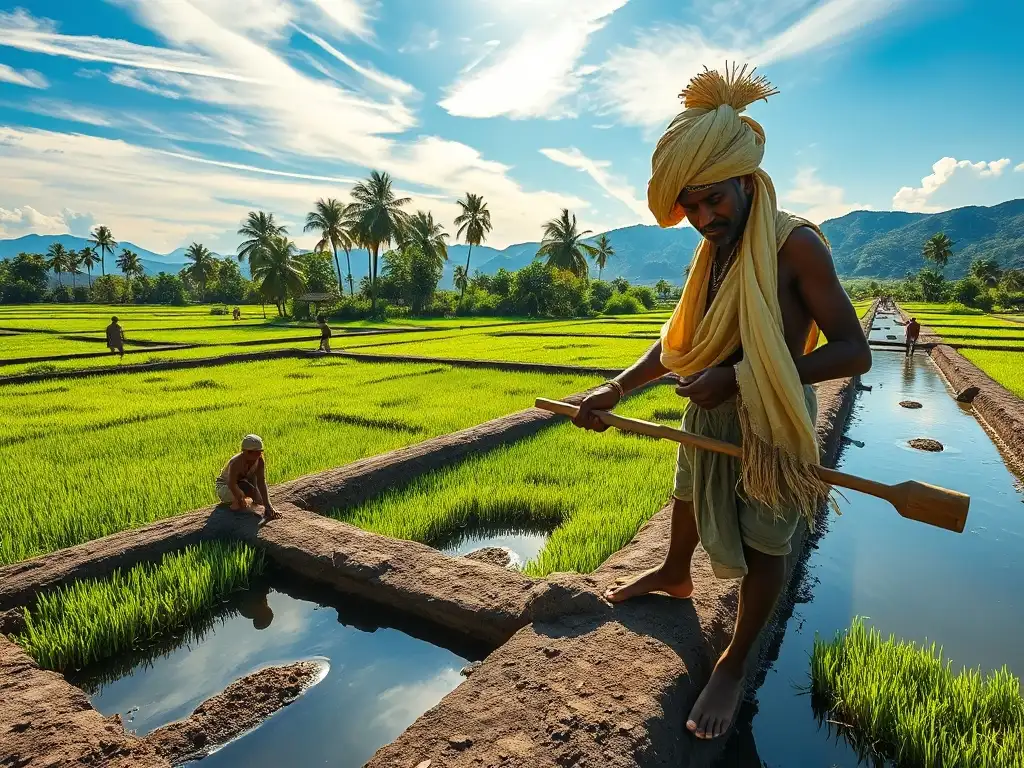
Welcome to Ancient India History, where we embark on a captivating journey through time to uncover the rich tapestry of one of the world's oldest civilizations. Here, we delve into the profound impact of ancient Indian water management on agricultural success, revealing how innovative techniques and sustainable practices laid the groundwork for thriving communities.
As you explore our insights, prepare to be intrigued by the remarkable engineering feats and cultural significance of water systems that supported flourishing economies from the Indus Valley to the Gupta Empire. Join us as we unlock the secrets of the past and discover the enduring legacy of ancient India's contributions to agriculture and beyond!

Introduction to Ancient Indian Water Management
Water management played a pivotal role in shaping the agricultural landscape of ancient India, significantly influencing its economic stability and societal development. With a diverse geography that included fertile river valleys and arid regions, ancient Indian civilizations developed a variety of sophisticated techniques to harness and manage water resources effectively. This article delves into the intricacies of ancient Indian water management, highlighting its significance in agriculture, the innovative practices adopted across different eras, and the profound impact it had on the success of ancient Indian civilizations.
Overview of Water Management in Ancient India
The management of water resources in ancient India was a complex system that integrated natural water bodies, rainwater harvesting, and irrigation techniques. Civilizations like the Indus Valley thrived due to their advanced understanding of hydrology and engineering. Key features of ancient Indian water management included:
- Canals and Irrigation Systems: Extensive canal networks facilitated the distribution of water across agricultural lands, ensuring crops received adequate moisture.
- Reservoirs and Tanks: Construction of reservoirs and water tanks helped in storing rainwater, which was particularly crucial in arid regions.
- Rainwater Harvesting: Techniques were employed to capture and utilize rainwater, thus enhancing agricultural productivity during the monsoon season.
Importance of Water in Agriculture
Water is the lifeblood of agriculture; its availability directly correlates with crop yield and food security. In ancient India, the significance of water management was underscored by:
- Crop Diversity: Different crops required specific water conditions, and effective management allowed for a variety of crops to be cultivated, enhancing food diversity.
- Sustainability: By implementing sustainable practices, ancient civilizations minimized the risk of droughts and floods, creating a more stable agricultural environment.
- Economic Prosperity: Successful water management led to surplus production, which in turn fostered trade and economic growth, contributing to the overall prosperity of ancient Indian societies.
Historical Context of Water Management in Ancient India
The evolution of water management techniques in ancient India can be traced through various historical periods, each contributing unique innovations and practices that shaped agricultural success.
Water Management Practices in the Indus Valley Civilization
The Indus Valley Civilization (c. 3300–1300 BCE) is renowned for its advanced urban planning and sophisticated water management systems. Key practices included:
- Drainage Systems: Well-planned drainage systems ensured sanitation and the effective removal of excess water.
- Irrigation Channels: A network of canals was constructed to irrigate fields, making use of the nearby Indus River.
- Water Storage: The creation of large water reservoirs helped the civilization manage water supply during dry seasons.
Innovations in Water Management during the Vedic Period
The Vedic period (c. 1500–500 BCE) saw significant advancements in water management practices, driven by a deeper understanding of agricultural needs. Notable innovations included:
- Wells and Stepwells: The construction of wells provided reliable water sources for irrigation and domestic use.
- Farming Techniques: The use of traditional farming methods, such as shifting cultivation and crop rotation, was complemented by effective water management strategies.
The Role of Water Management in the Maurya and Gupta Empires
During the Maurya (c. 322–185 BCE) and Gupta (c. 320–550 CE) Empires, water management reached new heights, characterized by:
- Royal Patronage: Rulers invested in large-scale irrigation projects, which included the construction of canals and tanks.
- Agricultural Policies: The establishment of state-sponsored irrigation systems enhanced agricultural productivity and supported growing populations.
- Technological Advances: Innovations in water-lifting devices and irrigation techniques further improved agricultural efficiency, setting a precedent for future practices.
The historical trajectory of ancient Indian water management reveals a sophisticated interplay between culture, innovation, and agriculture, laying the groundwork for understanding the broader economic and social dynamics of ancient Indian civilizations.
Techniques of Water Management in Ancient Agriculture
Ancient Indian civilizations were pioneers in the field of water management, developing sophisticated techniques that significantly enhanced agricultural productivity. The diverse geography of India, with its varying climates and topographies, necessitated the creation of tailored water management systems. These systems not only ensured the efficient use of water resources but also laid the groundwork for sustainable agricultural practices. The primary techniques included irrigation systems, rainwater harvesting methods, and the construction of water storage facilities such as tanks and reservoirs.
Irrigation Systems: Canals and Wells
Irrigation played a crucial role in ensuring the reliability of water supply for agriculture in ancient India. Various irrigation systems were developed, most notably the extensive canal networks and wells. Canals were often constructed to divert water from rivers to agricultural fields, maximizing the area under cultivation. For instance, the ancient Indus Valley Civilization is known for its advanced canal systems that facilitated irrigation across vast tracts of land.
Wells were another common method used to tap underground water sources. They varied in depth and construction, often lined with bricks or stones to prevent collapse. The use of wells allowed farmers to access water even during dry seasons, significantly enhancing crop reliability. The combination of canals and wells exemplifies the ingenuity of ancient Indian water management, enabling farmers to cultivate crops more effectively and sustainably.
Rainwater Harvesting Methods
Rainwater harvesting was a vital technique in ancient Indian agriculture, especially in regions that experienced irregular rainfall. Various methods were employed to capture and store rainwater, ensuring its availability for irrigation during drier months. Simple yet effective practices included the construction of small check dams, bunds, and trenches that directed rainwater into fields or storage systems.
In addition to these methods, ancient texts like the Rigveda and Arthashastra mention the significance of rainwater harvesting and provide guidelines for its implementation. These practices not only optimized water usage but also helped in recharging groundwater levels, promoting a sustainable agricultural ecosystem. The emphasis on rainwater harvesting illustrates the deep understanding ancient Indians had about water cycles and their impact on agriculture.
Storage of Water: Tanks and Reservoirs
The construction of tanks and reservoirs was another cornerstone of ancient Indian water management. These structures served as essential water storage solutions, allowing communities to store excess rainwater for agricultural use. Tanks were often built with earthen embankments and strategically placed to capture runoff from surrounding areas.
Reservoirs, larger than tanks, were constructed to provide a more substantial water supply for irrigation. Historical evidence suggests that these reservoirs were intricate systems, complete with sluice gates and spillways to manage water levels effectively. Notable examples include the Brahmaputra and Ganges river systems, where large-scale reservoirs were integral to supporting the agricultural demands of growing populations. These storage systems not only provided water for irrigation but also played a role in flood management and ecosystem sustainability.
Impact of Water Management on Agricultural Success

The effective management of water resources had a profound impact on the agricultural success of ancient India. It was instrumental in increasing crop yields, promoting sustainable practices, and supporting population growth. By implementing various water management techniques, ancient Indian farmers could cultivate a diverse range of crops, contributing to the overall prosperity of their civilizations.
Crop Yield Improvement through Effective Water Management
Water management strategies directly influenced crop yields in ancient India. The ability to irrigate fields consistently allowed farmers to grow multiple crops per year, increasing overall agricultural output. For example, in regions like the fertile plains of the Ganges, effective irrigation systems enabled the cultivation of rice, wheat, and pulses, which were staple foods.
Moreover, the knowledge of seasonal water availability and its efficient management led to the development of crop rotation practices, optimizing soil fertility and reducing fallow periods. This strategic approach not only improved yields but also ensured food security for burgeoning populations, highlighting the critical role water management played in agricultural success.
Sustainability of Agricultural Practices in Ancient India
Ancient Indian water management practices were inherently sustainable, reflecting a deep understanding of ecological balance. The integration of irrigation, rainwater harvesting, and water storage systems ensured that water was used judiciously, minimizing waste and conserving resources.
The cyclical nature of farming, facilitated by these methods, promoted soil health and biodiversity. Ancient texts emphasize the importance of maintaining soil fertility through organic practices, further enhancing the sustainability of agriculture. This holistic approach to farming ensured that agricultural practices could be sustained over generations, allowing ancient Indian civilizations to thrive.
The Role of Water Management in Supporting Population Growth
The advancements in water management significantly contributed to the population growth of ancient India. As agricultural productivity improved, food surpluses became more common. This increase in food availability supported larger communities and urban centers, laying the foundation for complex societies.
The establishment of trade routes facilitated the distribution of agricultural products, further enhancing economic stability and growth. With a reliable food supply, populations could focus on various aspects of civilization, including arts, sciences, and governance. Thus, effective water management not only bolstered agricultural success but also played a pivotal role in shaping the trajectory of ancient Indian civilization.
Comparative Analysis of Water Management Techniques
In ancient India, water management was pivotal for agricultural success, with various civilizations employing distinct techniques tailored to their specific needs and environmental conditions. A comparative analysis of these techniques reveals the ingenuity and adaptability of ancient Indian societies. From the sophisticated drainage systems of the Indus Valley Civilization to the extensive canal networks established by the Chola dynasty, each civilization’s approach to water management reflects a deep understanding of their geography and climate.
The Indus Valley Civilization (circa 3300–1300 BCE) is renowned for its advanced urban planning, which included well-structured drainage systems. Cities like Mohenjo-Daro and Harappa had covered drains that effectively channeled wastewater away from living areas, showcasing a high degree of engineering skill. In contrast, the Mauryan Empire (circa 322–185 BCE) focused on creating reservoirs and lakes, such as the famous Sudarshana Lake, which not only provided irrigation but also served as a water storage solution during dry spells.
Later, during the Gupta Empire (circa 240–550 CE), the emphasis shifted towards irrigation, with the use of canals becoming more widespread. The technique of rainwater harvesting also gained prominence, allowing farmers to collect and store rainwater for agricultural use. This diversity in water management techniques illustrates the adaptability of ancient Indian civilizations to their unique environments and the significance of water as a critical resource for agriculture.
Comparison of Water Management Strategies Across Different Indian Civilizations
The comparison of water management strategies across different ancient Indian civilizations reveals a rich tapestry of innovation and adaptation. Each civilization developed unique methods to address the challenges posed by their specific geographical and climatic conditions.
- Indus Valley Civilization:
- Techniques: Advanced drainage systems, wells, and reservoirs.
- Impact: Enabled urban sanitation and agricultural irrigation, supporting large populations.
- Mauryan Empire:
- Techniques: Construction of large reservoirs and irrigation canals.
- Impact: Enhanced agricultural productivity and supported trade by ensuring water supply.
- Chola Dynasty:
- Techniques: Extensive canal systems and embankments for flood control.
- Impact: Boosted rice cultivation and facilitated the prosperity of agrarian communities.
- Gupta Empire:
- Techniques: Adoption of rainwater harvesting and maintenance of irrigation networks.
- Impact: Improved agricultural yields and sustained rural economies.
This comparative analysis highlights the evolution of water management techniques across ancient Indian civilizations, emphasizing their contributions to agricultural success and societal advancement.
Influence of Geography on Water Management Practices
Geography played a crucial role in shaping the water management practices of ancient Indian civilizations. The diverse landscapes of India, including mountains, rivers, plains, and deserts, necessitated distinct approaches to harnessing and managing water resources.
- River Valleys: Civilizations like the Indus Valley thrived along riverbanks, where the regular flooding of rivers provided fertile soil. They developed sophisticated irrigation systems to channel river water to the fields, ensuring consistent agricultural output.
- Plateaus and Highlands: In regions like the Deccan Plateau, where rainfall was less predictable, ancient farmers implemented rainwater harvesting techniques. They constructed small dams and reservoirs to capture and store rainwater, allowing them to irrigate their crops during dry spells.
- Coastal Areas: The Chola dynasty, located in the coastal regions, utilized the monsoon rains effectively by creating intricate canal systems. This not only supported agriculture but also facilitated transportation and trade.
- Desert Regions: In arid zones, such as parts of Rajasthan, ancient communities relied on traditional water conservation methods, including stepwells and cisterns, to maximize the utility of scarce water resources.
This geographical influence underscores the innovative spirit of ancient Indian societies in overcoming environmental challenges through tailored water management practices.
Challenges and Limitations of Ancient Water Management
Despite the advancements in water management, ancient Indian civilizations faced numerous challenges and limitations that affected their agricultural success. These challenges often stemmed from environmental factors, socio-economic conditions, and technological constraints.
Environmental Challenges Faced by Ancient Farmers
Ancient farmers in India encountered a variety of environmental challenges that impacted their water management strategies. Key issues included:
- Monsoon Variability: The reliance on monsoon rains for irrigation made agriculture vulnerable to fluctuations in rainfall. Droughts could lead to crop failures, while excessive rains could result in flooding, damaging crops and infrastructure.
- Soil Erosion: In regions with heavy rainfall, soil erosion became a significant problem, reducing soil fertility and affecting agricultural output. Farmers had to implement measures to prevent erosion and maintain soil health.
- Water Scarcity: In arid and semi-arid regions, water scarcity was a persistent challenge. Ancient societies developed various techniques, such as rainwater harvesting, but these were often limited by the availability of suitable land and resources.
These environmental challenges necessitated innovative responses from ancient farmers, showcasing their resilience and adaptability.
Socio-Economic Factors Affecting Water Management
The socio-economic landscape of ancient India also influenced water management practices. Several factors played a role in shaping these practices:
- Population Pressure: Increasing population density in certain regions heightened the demand for water resources. This led to the development of more extensive irrigation systems, but also resulted in competition for water among agricultural communities.
- Land Ownership Systems: The nature of land ownership affected water management strategies. Wealthier landowners often had better access to irrigation technologies and resources, while small farmers faced difficulties in implementing effective water management practices.
- Cultural Beliefs: In many ancient societies, water was not only a vital resource but also held cultural and religious significance. Rituals and practices surrounding water management reflected these beliefs, influencing how communities approached the conservation and utilization of water.
These socio-economic factors contributed to the complexity of ancient water management systems, highlighting the intricate interplay between society and the environment in shaping agricultural practices.
Lessons Learned from Ancient Indian Water Management

Ancient Indian water management techniques were highly advanced and adapted to the diverse climatic and geographical conditions of the region. The Indus Valley Civilization, for instance, showcased sophisticated drainage systems and water storage facilities, which allowed for effective irrigation of crops. These early innovations highlight several critical lessons:
- Integration with Nature: Ancient communities understood the importance of aligning agricultural practices with natural water sources and seasonal patterns. This integration ensured that water was used efficiently, minimizing waste while maximizing crop yield.
- Community Involvement: Water management was often a communal effort, fostering cooperation among farmers. This collective approach not only facilitated the sharing of resources but also strengthened social bonds within communities.
- Diverse Techniques: Ancient Indian civilizations employed various methods, such as rainwater harvesting, reservoir construction, and canal systems, tailored to their specific environments. This adaptability serves as a model for modern agricultural practices facing changing climatic conditions.
Relevance of Ancient Techniques in Modern Agriculture
The relevance of ancient Indian water management techniques extends into contemporary agricultural practices. As modern agriculture grapples with challenges like water scarcity and climate change, these historical methods offer valuable insights.
- Rainwater Harvesting: Techniques such as traditional rainwater harvesting systems are being revisited as sustainable solutions to combat water shortages. These methods, rooted in ancient practices, provide a reliable source of water for irrigation, particularly in arid regions.
- Micro-Irrigation: Innovations like drip and sprinkler irrigation can trace their origins back to ancient methods of targeted water distribution, which helped optimize water usage and reduce evaporation losses.
- Soil Moisture Conservation: Ancient practices of mulching and cover cropping are being recognized for their effectiveness in conserving soil moisture, enhancing fertility, and improving crop resilience against drought.
Sustainable Practices Derived from Historical Water Management
The sustainable practices derived from ancient Indian water management are critical for achieving long-term agricultural success. These practices emphasize the need for ecological balance and resource conservation:
- Agroforestry Systems: Integrating trees with crops, a method used in ancient times, helps maintain soil quality, reduces erosion, and enhances biodiversity. This approach not only supports crop productivity but also promotes ecological sustainability.
- Percolation Tanks and Check Dams: These structures, developed in ancient India, are designed to recharge groundwater and improve water retention. Their revival in modern agricultural settings demonstrates a commitment to sustainable water management.
- Traditional Crop Varieties: Ancient farmers cultivated diverse crop varieties adapted to local conditions, promoting resilience against pests and diseases. Modern agriculture can benefit from this biodiversity, enhancing food security and sustainability.
Conclusion: The Legacy of Ancient Indian Water Management
The legacy of ancient Indian water management is profound and continues to influence agricultural practices today. The methods developed by ancient civilizations were not only effective in their time but also provide a framework for addressing modern challenges.
Summary of Key Contributions to Agricultural Success
Ancient Indian water management contributed significantly to agricultural success through innovative techniques and a deep understanding of local ecosystems. Key contributions include:
- Development of sophisticated irrigation systems that maximized water use.
- Community-based approaches that fostered cooperation and resource sharing.
- Practices that promoted soil health and crop diversity, ensuring sustainable yields.
Reflection on the Importance of Water Management in Historical Context
Reflecting on the importance of water management in ancient India underscores its critical role in shaping agricultural practices and societal development. Effective water management laid the groundwork for thriving civilizations, enabling them to harness the land's potential. As modern society faces pressing environmental challenges, revisiting these historical methods can inspire sustainable practices that honor the legacy of ancient Indian innovation in water management.
References
List of scholarly sources and historical texts on ancient Indian water management and agriculture
- "The Indus Civilization: A Contemporary Perspective"
- Author: Gregory L. Possehl
- This book provides insights into the sophisticated water management systems of the Indus Valley Civilization, highlighting the engineering marvels that supported agriculture.
- "Water Management in Ancient India"
- Author: M. R. Raghunandan
- This scholarly article discusses various water conservation techniques employed in ancient India, including wells, tanks, and canals, and their impact on agricultural productivity.
- "Ancient Indian Agriculture"
- Author: R. S. Sharma
- A comprehensive examination of agricultural practices in ancient India, focusing on the pivotal role of water management in sustaining agricultural activities.
- "The Role of Irrigation in the Development of Ancient Indian Civilization"
- Author: R. C. Sharma
- This research paper explores the historical significance of irrigation systems in ancient India, detailing how they facilitated agricultural expansion and economic stability.
- "Cultural History of Water Management in India"
- Author: R. K. Sharma
- A thorough exploration of the cultural dimensions of water management practices in ancient India, linking them to agricultural success and societal development.
- "Hydraulic Engineering in Ancient India"
- Author: R. P. Tripathi
- This text delves into the engineering achievements of ancient Indian civilizations in constructing reservoirs and irrigation channels, emphasizing their relevance to agriculture.
- "The Legacy of Ancient Indian Water Management"
- Author: D. C. Bhattacharya
- This book outlines the advancements in water management techniques throughout ancient Indian history and their lasting impact on agricultural practices.
- "Irrigation and Agriculture in Ancient India: A Historical Overview"
- Author: K. N. Sharma
- A detailed historical overview of irrigation practices from the Vedic period to the Gupta Empire, discussing their significance in agricultural productivity.
- "Sustainable Agricultural Practices in Ancient India"
- Author: S. P. Gupta
- This article investigates the sustainable practices employed by ancient Indian farmers, including crop rotation and water conservation methods.
- "The Archaeology of Water Management in Ancient India"
- Author: A. S. Rao
- This scholarly work discusses archaeological findings related to water management systems and their implications for understanding ancient agricultural practices.
These sources provide a foundational understanding of how ancient Indian water management practices contributed to agricultural success, reflecting the ingenuity and adaptability of ancient civilizations in harnessing their natural environment.
- Introduction to Ancient Indian Water Management
- Historical Context of Water Management in Ancient India
- Techniques of Water Management in Ancient Agriculture
- Impact of Water Management on Agricultural Success
- Comparative Analysis of Water Management Techniques
- Challenges and Limitations of Ancient Water Management
- Lessons Learned from Ancient Indian Water Management
- Conclusion: The Legacy of Ancient Indian Water Management
- References
- What was the significance of water management in ancient Indian agriculture?
- How did ancient Indian civilizations manage water resources?
- What were some notable water management systems in ancient India?
- How did water management impact ancient Indian society?
- Are there modern examples influenced by ancient Indian water management practices?
Frequently Asked Questions
What was the significance of water management in ancient Indian agriculture?
Water management was crucial for agricultural success in ancient India, enabling the efficient use of water resources for irrigation and crop cultivation.
How did ancient Indian civilizations manage water resources?
Ancient Indian civilizations utilized innovative techniques such as canals, reservoirs, and stepwells to store and distribute water effectively, ensuring sustainable agriculture.
What were some notable water management systems in ancient India?
The Indus Valley Civilization is renowned for its advanced drainage systems, while the Gupta Empire implemented extensive irrigation networks that supported agricultural prosperity.
How did water management impact ancient Indian society?
Effective water management contributed to the growth of agricultural surplus, leading to the development of urban centers and a thriving economy in ancient Indian society.
Are there modern examples influenced by ancient Indian water management practices?
Yes, many modern irrigation techniques and water conservation practices in India draw inspiration from ancient systems, highlighting their lasting legacy in sustainable water use.
Final Reflection: The Enduring Legacy of Ancient Indian Water Management
The intricate systems of water management developed in ancient India are not just relics of the past; they are vital lessons for our contemporary world. As we grapple with the challenges of climate change and water scarcity, the ingenuity and foresight of ancient Indian civilizations remind us that sustainable practices can lead to agricultural success and community resilience. The wisdom embedded in these historical practices resonates with our urgent need to rethink how we manage our precious water resources today.
The influence of ancient Indian water management extends far beyond historical significance; it has shaped cultural values and agricultural practices that continue to thrive in modern India. The reverence for water as a life-giving force is deeply rooted in the traditions and rituals of many communities, highlighting the importance of sustainable practices in agriculture. Water is the source of life, and those who understand its value will always prosper.
This quote encapsulates the essence of how ancient practices can guide us in fostering a harmonious relationship with our environment, ensuring that future generations inherit a world where agriculture and nature coexist sustainably.
As we reflect on the lessons from ancient Indian water management, I invite you to consider how these principles can be applied in your own life and community. What steps can you take to promote sustainable water use and agricultural practices? Whether it’s advocating for water conservation, supporting local farmers, or simply being more mindful of your own water consumption, every action counts. Let us honor the legacy of our ancestors by committing to a future where water is cherished, managed wisely, and used to cultivate not just crops, but also a thriving planet.
Unleash the Secrets of Ancient Water Wisdom!
Thank you for diving into the fascinating world of ancient India's water management techniques. You’ve uncovered how these innovative practices shaped agricultural success and sustainable living. Now, let’s take your newfound knowledge a step further!
Here are some actions you can embrace today:
- Explore local water conservation methods that you can apply in your own garden or community—every drop counts!
- Share this article with friends or on social media to spread awareness about the importance of effective water management.
- Consider joining a local environmental group dedicated to sustainable practices or participating in webinars focused on ancient agricultural techniques.
How can the lessons from ancient India's water management inspire you to make a positive change in your life or community?