
The Legacy of Ancient Indian Agriculture: Insights for Modern Farmers

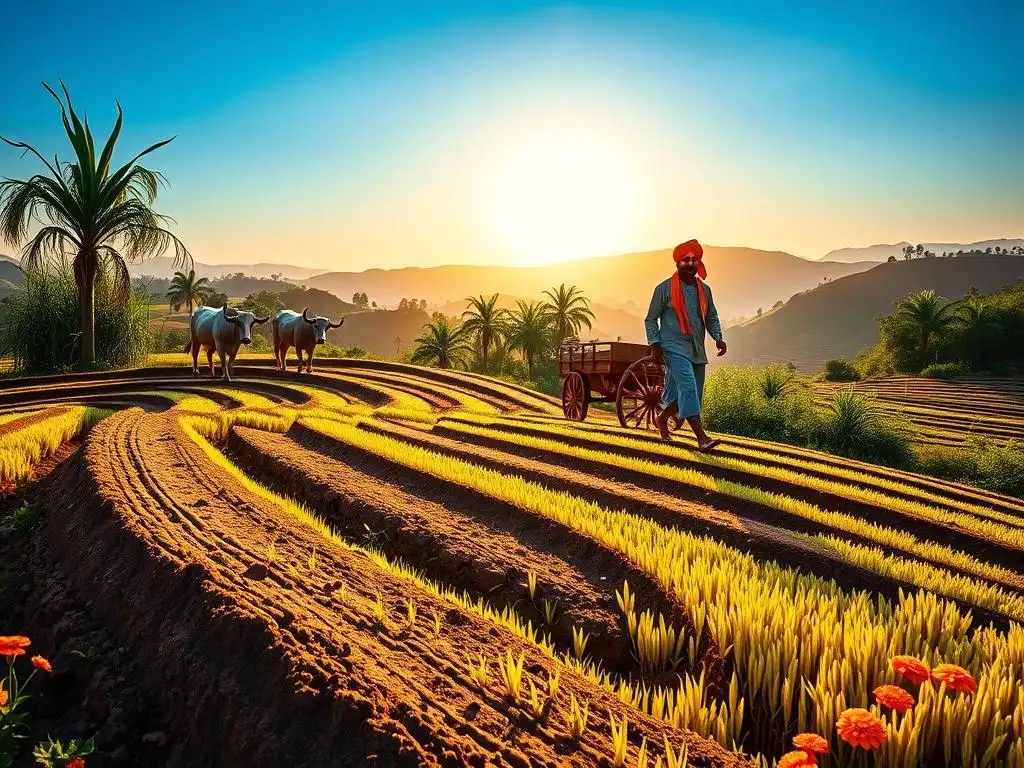
Welcome to Ancient India History, where we embark on a fascinating journey through the rich tapestry of one of the world's oldest civilizations. In this exploration, we unveil the remarkable agriculture techniques that were not only the backbone of ancient Indian society but also hold valuable insights for today's farmers. From the sophisticated irrigation systems of the Indus Valley to the innovative farming practices of the Gupta Empire, the legacy of ancient Indian agriculture continues to influence modern technology and innovations.
Curious about how these time-tested methods can inspire contemporary agricultural practices? Dive into our main article to discover the secrets that shaped a civilization and continue to resonate today!
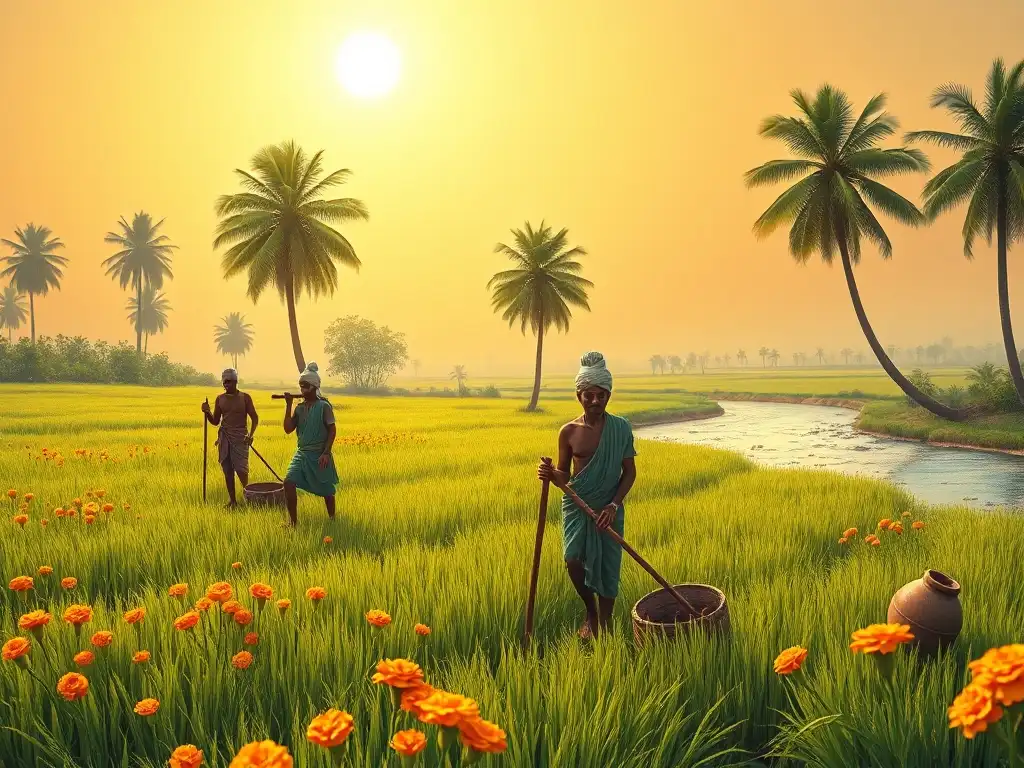
Introduction to Ancient Indian Agriculture Techniques
Agriculture has been a cornerstone of human civilization, serving as the primary source of sustenance and economic stability for societies throughout history. Ancient Indian agriculture techniques, developed over thousands of years, reflect a profound understanding of the land, climate, and ecological balance. From the fertile plains of the Indus Valley to the expansive fields of the Gupta Empire, these ancient practices not only sustained populations but also laid the groundwork for future agricultural innovations. This article explores the rich legacy of ancient Indian agriculture, highlighting its techniques, innovations, and relevance for modern farmers navigating contemporary challenges.
Importance of Agriculture in Ancient Indian Civilizations
The significance of agriculture in ancient Indian civilizations cannot be overstated. It was the bedrock of social structure, economy, and culture. Key points include:
- Sustenance and Economy: Farming ensured food security and supported trade, contributing to the prosperity of various kingdoms.
- Cultural Practices: Agricultural cycles influenced festivals, rituals, and daily life, intertwining farming with spirituality and community bonding.
- Technological Advancements: The need for improved yields and sustainability led to the development of innovative practices that are still relevant today.
Overview of Key Agricultural Innovations in Ancient India
Ancient Indian civilizations were not just consumers of natural resources; they were innovators in agricultural techniques. Some notable innovations include:
- Irrigation Systems: Advanced irrigation methods, such as the use of wells and canals, enabled the cultivation of arid lands.
- Crop Rotation: This technique enhanced soil fertility and prevented pest infestations, leading to increased productivity.
- Organic Farming: Use of natural fertilizers, such as cow dung and compost, showcased a deep understanding of sustainable farming practices.
Historical Context of Ancient Indian Agriculture
To fully appreciate the legacy of ancient Indian agriculture, it's essential to examine its historical context. Each era contributed unique advancements that shaped agricultural practices.
The Indus Valley Civilization: Pioneers of Agricultural Practices
The Indus Valley Civilization (c. 3300–1300 BCE) is often regarded as the cradle of agricultural innovation in ancient India. Key features include:
- Urban Planning: Cities like Harappa and Mohenjo-Daro featured sophisticated granaries and storage systems, ensuring efficient management of agricultural produce.
- Crop Diversity: Evidence suggests that the Indus people cultivated a variety of crops, including wheat, barley, and pulses, showcasing their agricultural versatility.
Agricultural Developments during the Vedic Period
Following the Indus Valley, the Vedic period (c. 1500–500 BCE) saw significant advancements in agriculture:
- Vedic Texts: Ancient texts like the Rigveda highlight the importance of agriculture and the reverence for nature.
- Increased Use of Iron Tools: The introduction of iron plows revolutionized farming, making land preparation more efficient.
Innovations in Agriculture during the Maurya and Gupta Empires
The Maurya (c. 322–185 BCE) and Gupta (c. 240–550 CE) Empires marked a golden age for agricultural practices:
- State Support: Both empires implemented policies to support farmers, improve irrigation, and enhance crop yields.
- Scientific Approaches: Scholars like Kautilya emphasized the economic importance of agriculture, leading to organized farming practices and resource management.
The agricultural techniques of ancient India not only provided sustenance for past civilizations but also hold invaluable lessons for modern farmers. Understanding these techniques can inspire sustainable practices that respect both the environment and the legacy of our ancestors.
Core Techniques of Ancient Indian Agriculture
Ancient Indian agriculture was characterized by a variety of innovative techniques that laid the foundation for sustainable farming practices. These techniques were developed over centuries and were influenced by the geography, climate, and culture of the region. Farmers employed methods that not only increased crop yields but also ensured the sustainability of the land. The core techniques included advanced irrigation systems, meticulous crop rotation, and the use of organic fertilizers, which collectively helped to enhance the productivity of the soil and sustain agricultural practices through generations.
Crop Rotation and Irrigation Systems
Crop rotation was a fundamental practice in ancient Indian agriculture. Farmers would rotate different crops in the same field across seasons to prevent soil depletion and control pests and diseases. This method ensured that the land remained fertile and productive. The ancients understood the benefits of alternating leguminous crops, such as lentils and peas, with cereals like wheat and barley, which helped to naturally replenish nitrogen in the soil.
In addition to crop rotation, sophisticated irrigation systems were developed, particularly in regions like the Indus Valley. These systems included canals, wells, and tank irrigation that effectively managed water distribution for agricultural needs. The use of irrigation not only maximized water usage but also allowed farmers to cultivate multiple crops throughout the year, leading to increased food security and economic stability.
Use of Fertilizers and Natural Soil Enhancements
Ancient Indian farmers utilized various natural fertilizers to enhance soil fertility. They employed organic materials such as compost, animal manure, and crop residues, which contributed to rich, nutrient-dense soil. The importance of soil health was well understood, and farmers often practiced mixed cropping to promote biodiversity and improve the ecosystem.
Additionally, traditional practices included the use of cow dung and urine as fertilizers, which were rich in essential nutrients. These natural enhancers not only improved soil quality but also reduced the reliance on chemical fertilizers, promoting a more sustainable agricultural practice that modern farmers can draw lessons from today.
Traditional Tools and Equipment in Ancient Farming
The agricultural tools and equipment used in ancient India were crafted to suit the diverse farming needs and varied topography. Farmers utilized simple yet effective implements such as the plough, sickle, and hoe, made from locally available materials like wood and iron. The wooden plough, for instance, was essential for tilling the soil and preparing it for sowing.
Moreover, the use of animal power, particularly oxen, for ploughing and transportation was widespread. These traditional tools were not only efficient but also environmentally friendly, paving the way for sustainable farming practices. The knowledge of these tools and their proper usage has been passed down through generations, demonstrating their effectiveness and relevance even in modern agriculture.
Impact of Ancient Indian Agricultural Practices

Ancient Indian agricultural practices have had a profound impact on contemporary farming, providing valuable insights into sustainability, efficiency, and resource management. The methods employed by ancient farmers reflect a deep understanding of ecological balance and resource conservation, which are critical considerations for modern agricultural challenges.
Sustainability and Environmental Considerations
The emphasis on sustainability in ancient Indian agriculture is a critical consideration for today's farmers. Techniques such as crop rotation, organic fertilization, and water conservation methods were designed to protect the environment and maintain soil health. These practices ensured that agricultural activities did not compromise the ability of future generations to meet their food needs.
By utilizing natural resources responsibly, ancient Indian farmers demonstrated that agriculture could be productive without degrading the environment. Modern farming can benefit from adopting similar sustainable practices that prioritize ecological balance, reduce carbon footprints, and enhance biodiversity.
Influence on Modern Agricultural Techniques
The legacy of ancient Indian agriculture continues to influence modern agricultural techniques. The principles of sustainable farming, organic practices, and resource management championed by ancient farmers are increasingly relevant today as the world grapples with climate change and food security issues.
Modern farmers are beginning to recognize the value of integrating traditional methods into contemporary farming systems, such as using organic fertilizers and adopting crop rotation strategies, to improve productivity while safeguarding environmental health. The blending of ancient wisdom with modern technology can lead to innovative solutions that enhance agricultural resilience.
Case Studies of Successful Modern Applications of Ancient Techniques
Several modern initiatives showcase the successful application of ancient Indian agricultural techniques. For instance, in regions of Rajasthan, farmers have revived traditional rainwater harvesting methods to optimize water usage in arid areas. This approach not only improves water availability for crops but also enhances soil moisture retention.
Additionally, organic farming practices inspired by ancient methods have gained popularity, with farmers using indigenous seeds and traditional pest management strategies to cultivate crops sustainably. These case studies illustrate how ancient techniques can be effectively integrated into modern practices, providing a roadmap for sustainable agriculture.
Ancient Indian agriculture offers a wealth of knowledge and techniques that remain relevant today. By embracing these time-tested practices, modern farmers can enhance their productivity while ensuring the sustainability of their farming systems.
Lessons for Modern Farmers from Ancient Indian Agriculture
Ancient Indian agriculture presents a wealth of knowledge and practices that can greatly benefit modern farming. The techniques developed over centuries in the Indian subcontinent were often tailored to the diverse climates and ecosystems, resulting in a rich tapestry of agricultural wisdom. Modern farmers can harness this legacy by adopting sustainable practices that prioritize ecological balance and community well-being. Here are several key lessons drawn from ancient Indian agricultural techniques:
- Sustainability: Ancient practices were inherently sustainable, utilizing crop rotation, intercropping, and organic fertilizers that maintained soil health.
- Water Management: Techniques such as rainwater harvesting and the construction of step wells demonstrate sophisticated methods for conserving water, crucial in today's climate challenges.
- Local Adaptation: Ancient farmers optimized their methods based on local conditions, a principle that modern farmers can apply by selecting crops suited to their specific environmental contexts.
Embracing Organic Farming Practices
The foundations of organic farming can be traced back to ancient Indian agriculture, where the use of natural fertilizers, such as compost and animal manure, was commonplace. This approach not only enhanced soil fertility but also promoted a healthy ecosystem. Key practices include:
- Crop Residue Management: Farmers historically left crop residues on fields to decompose, enriching the soil. This method reduces the need for chemical fertilizers and enhances soil structure.
- Natural Pest Control: Instead of synthetic pesticides, ancient farmers utilized biological control methods, such as introducing beneficial insects and planting pest-repelling crops. This holistic approach minimized chemical use and supported biodiversity.
- Agroforestry: The integration of trees into agricultural landscapes was prevalent, providing shade, improving soil quality, and increasing habitat diversity. Modern farmers can adopt similar strategies to enhance productivity and resilience.
Integrating Traditional Knowledge with Modern Technology
The fusion of traditional agricultural wisdom with modern technology holds great potential for improving farming practices. Ancient Indian techniques were based on empirical knowledge gained through generations, and when combined with contemporary tools, they can lead to innovative solutions. Consider the following:
- Precision Agriculture: Modern tools such as GPS and drones can enhance ancient practices by allowing farmers to monitor soil health and crop performance more accurately.
- Data-Driven Decision Making: Traditional knowledge can inform data collection, helping farmers interpret results and make informed decisions that respect both historical practices and modern advancements.
- Community Engagement: In ancient India, farming was often a communal effort. Encouraging collaborative farming initiatives today can help share knowledge and resources, fostering community resilience.
Importance of Biodiversity in Farming
Biodiversity was a cornerstone of ancient Indian agriculture, with farmers cultivating a variety of crops and livestock. This approach not only ensured food security but also strengthened ecological resilience. Key points include:
- Crop Diversity: Growing multiple crop varieties can reduce the risk of total failure due to pests or diseases, a lesson that is especially relevant as climate change poses new threats to agriculture.
- Soil Health: Diverse plant species contribute to healthier soils by enhancing nutrient cycling and reducing erosion. Ancient farmers understood this, often planting legumes alongside cereals to naturally replenish nitrogen levels.
- Cultural Heritage: The preservation of diverse agricultural practices maintains cultural traditions and knowledge systems, enriching community identity and promoting sustainable practices.
Conclusion: The Relevance of Ancient Indian Agriculture Techniques Today
As modern agriculture grapples with the challenges of sustainability, food security, and climate change, the lessons from ancient Indian agriculture offer valuable insights. Understanding and integrating these historical techniques can lead to more resilient and sustainable farming practices.
Summarizing Key Insights for Contemporary Agriculture
The key insights from ancient Indian agriculture include sustainable practices, the importance of biodiversity, and the value of integrating traditional knowledge with modern technology. By focusing on these areas, modern farmers can improve productivity while ensuring ecological balance and community welfare.
Future Directions for Research and Practice in Agriculture
Future research should explore the practical applications of ancient Indian agricultural techniques in contemporary settings. This includes:
- Field Studies: Conducting field trials that test the efficacy of ancient methods in different modern farming contexts.
- Cultural Preservation: Documenting and preserving traditional knowledge to ensure its application in future agricultural practices.
- Interdisciplinary Approaches: Collaborating across disciplines to create innovative solutions that marry ancient wisdom with cutting-edge technology, ensuring a more sustainable agricultural future.
By embracing the lessons of ancient Indian agriculture, modern farmers can cultivate not only crops but also a more sustainable and resilient agricultural ecosystem.
- Introduction to Ancient Indian Agriculture Techniques
- Historical Context of Ancient Indian Agriculture
- Core Techniques of Ancient Indian Agriculture
- Impact of Ancient Indian Agricultural Practices
- Lessons for Modern Farmers from Ancient Indian Agriculture
- Conclusion: The Relevance of Ancient Indian Agriculture Techniques Today
- What were some key ancient Indian agriculture techniques?
- How did the Indus Valley Civilization contribute to agriculture?
- What crops were primarily cultivated in ancient India?
- How did ancient Indian agriculture influence modern farming practices?
- What role did caste systems play in ancient Indian agriculture?
Frequently Asked Questions
What were some key ancient Indian agriculture techniques?
Ancient Indian civilizations employed innovative techniques such as crop rotation, irrigation systems, and plowing methods that maximized crop yield and sustainability.
How did the Indus Valley Civilization contribute to agriculture?
The Indus Valley Civilization developed advanced drainage and irrigation systems, which allowed for the effective management of water resources, enhancing agricultural productivity.
What crops were primarily cultivated in ancient India?
Farmers in ancient India primarily grew rice, wheat, barley, and millets, which were staples of their diet and played a crucial role in their economy.
How did ancient Indian agriculture influence modern farming practices?
The principles of organic farming and sustainable practices from ancient Indian agriculture are increasingly relevant today, offering insights into biodiversity and soil health management.
What role did caste systems play in ancient Indian agriculture?
The caste system influenced agricultural practices by designating specific roles, where certain castes were responsible for farming, ensuring a structured and organized approach to agricultural production.
Final Reflection: Embracing the Wisdom of Ancient Indian Agriculture
The legacy of ancient Indian agriculture techniques is not just a relic of the past; it is a beacon of hope for modern farmers facing unprecedented challenges today. As we grapple with climate change, soil degradation, and the need for sustainable practices, the insights gleaned from ancient practices offer invaluable guidance. The resilience and ingenuity of these techniques remind us that the solutions to our current dilemmas may lie in the wisdom of those who cultivated the land long before us.
Cultural and social landscapes are continuously shaped by the agricultural practices we adopt. The principles of sustainability, biodiversity, and community engagement found in ancient Indian agriculture resonate deeply in our modern world, encouraging us to rethink our relationship with the land. As Mahatma Gandhi once said, "> The earth provides enough to satisfy every man's needs, but not every man's greed." This quote encapsulates the essence of ancient practices, urging us to prioritize harmony with nature over mere profit, fostering a more equitable and sustainable future for all.
As you reflect on the lessons from ancient Indian agriculture, consider how you can incorporate these timeless techniques into your own life or farming practices. Let the wisdom of the past inspire you to cultivate not just crops, but also a deeper connection to the earth and a commitment to sustainability. Embrace the challenge of modern agriculture with the knowledge that the seeds of change lie within the rich heritage of our ancestors, waiting to be sown in the fertile ground of our future.
Embrace Ancient Wisdom – Cultivate Your Future!
Thank you for diving into the rich legacy of ancient Indian agriculture! You've discovered valuable insights that can transform modern farming practices. Now, it's time to harness this knowledge and put it into action!
- Implement time-tested sustainable practices derived from traditional methods, such as crop rotation and companion planting, which remain relevant today.
- Explore locally adapted heirloom seeds that have been nurtured over generations, offering both resilience and exceptional flavor.
- Share your journey with fellow farmers or on social media using the hashtag #AncientFarmingRevival to inspire a community committed to these practices.
Which ancient agricultural technique do you believe could significantly enhance your farm today?