
How Ancient Indian Art Forms Fostered Community and Belonging

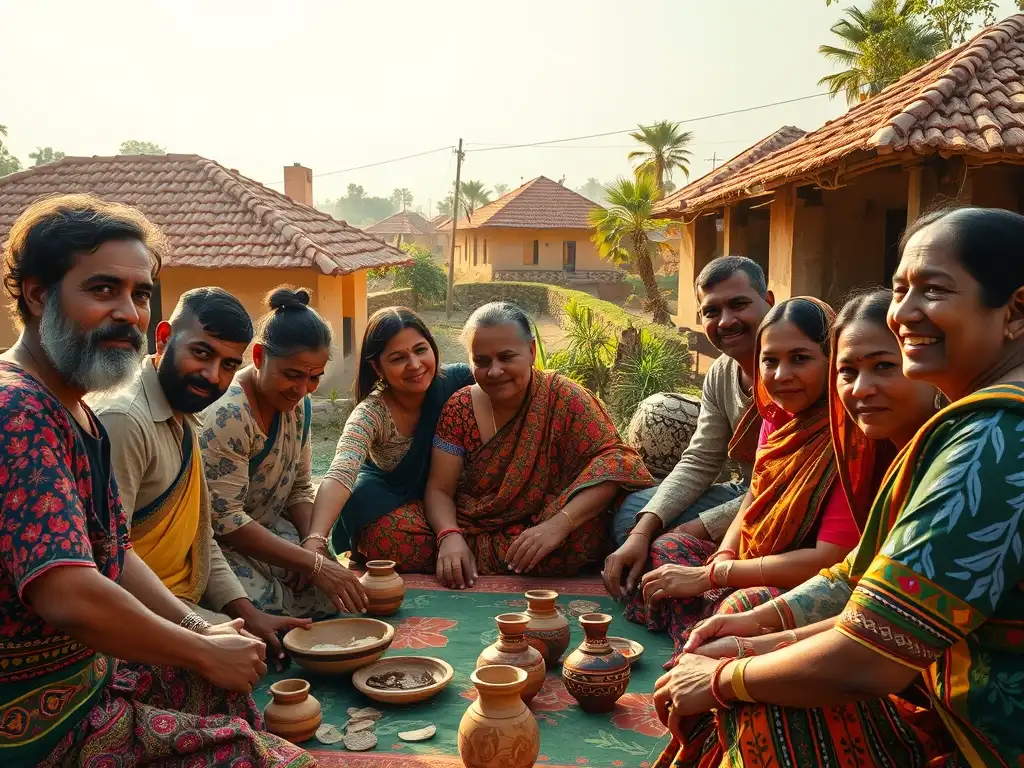
Welcome to Ancient India History, where we embark on a journey through the fascinating tapestry of ancient Indian civilizations. Here, we delve into how ancient Indian art forms fostered community and belonging, weaving connections that transcended time and space. From the intricate carvings of the Indus Valley to the vibrant murals of the Gupta Empire, each art form tells a story of cultural unity and shared identity. Are you ready to explore how these artistic expressions shaped communities and left an indelible mark on history? Dive in to uncover the profound impact of art on society in ancient India!
- Introduction to Ancient Indian Art Forms and Community
- Historical Context of Ancient Indian Art
- Types of Ancient Indian Art Forms
- Rituals and Festivals in Ancient Indian Art
- Architectural Marvels and Community Spaces
- The Influence of Ancient Indian Art on Modern Society
- Conclusion: The Lasting Impact of Ancient Indian Art Forms on Community and Belonging
-
Frequently Asked Questions
- What are the main ancient Indian art forms discussed in the article?
- How did ancient Indian art forms contribute to community belonging?
- What role did religion play in the development of ancient Indian art?
- Can you explain how ancient Indian art forms reflect cultural diversity?
- Why is it important to study ancient Indian art forms today?
- Final Reflection: The Enduring Legacy of Ancient Indian Art Forms in Fostering Community
- Unveil the Power of Ancient Artistry in Your Community!
Introduction to Ancient Indian Art Forms and Community
The intricate tapestry of ancient Indian art forms serves as a vibrant testament to the rich cultural heritage and communal bonds of the civilizations that flourished across the subcontinent. From the awe-inspiring sculptures of the Indus Valley to the delicate frescoes of the Gupta Empire, ancient Indian art not only reflects the aesthetic ideals of its time but also plays a pivotal role in fostering a sense of community and belonging among its people.
This exploration delves into how these art forms served as a medium for expression, storytelling, and collective identity, ultimately shaping the social fabric of ancient Indian society.
Overview of Ancient Indian Art Forms
Ancient Indian art forms encompass a wide variety of mediums and styles, each with its unique characteristics and historical significance.
-
Sculpture:
The art of sculpture in ancient India is exemplified by the intricate carvings found in temples and public spaces. Notable examples include:
- Indus Valley Seals: These seals depict animals and human figures, showcasing early artistic expressions.
- Buddhist Stupas: The Sanchi Stupa features exquisite carvings that narrate the life of Buddha and convey spiritual teachings.
-
Painting:
Painting in ancient India took many forms, with murals and miniatures being prominent. For instance:
- Ajanta Caves: These caves house stunning frescoes that illustrate Buddhist tales and depict the lives of the common people.
- Mughal Miniatures: These small, detailed paintings from later periods blend Persian influences with indigenous techniques.
-
Textiles:
The textile arts thrived in ancient India, with elaborate weavings and dyeing techniques. The famous Brocade and Ikat styles demonstrate the skill and creativity of ancient artisans.
-
Pottery:
Pottery from ancient India showcases a wide range of styles and purposes, from functional vessels to decorative pieces, with notable sites like Harappa yielding artifacts that reflect daily life and rituals.
Each of these art forms not only embodies aesthetic beauty but also serves as a means of communication, helping to convey social values, religious beliefs, and shared histories.
Significance of Community in Ancient Indian Culture
Community played a fundamental role in shaping the artistic expressions of ancient India. The following aspects highlight the significance of community in the context of ancient Indian art forms:
-
Collective Identity:
Art forms were often created with the participation of various community members, reflecting a collective identity. The process of creating murals or sculptures involved collaboration among artisans, which strengthened social ties.
-
Ritual and Celebration:
Many art forms were integral to communal rituals and celebrations. For example, during festivals, local artists would create temporary rangoli designs, fostering a sense of unity and shared joy among community members.
-
Storytelling and Education:
Art served as a storytelling medium, conveying moral lessons and historical narratives. The murals in temples and caves often depicted tales that resonated with communal values, helping to educate and unite the populace.
-
Cultural Preservation:
By engaging in artistic practices, communities preserved their cultural heritage. Techniques and styles passed down through generations not only maintained artistic traditions but also reinforced a sense of belonging and continuity among members.
In essence, ancient Indian art forms were more than mere expressions of creativity; they were vital threads woven into the social fabric, nurturing a sense of community and belonging that defined the lives of those who created and appreciated them.
Historical Context of Ancient Indian Art
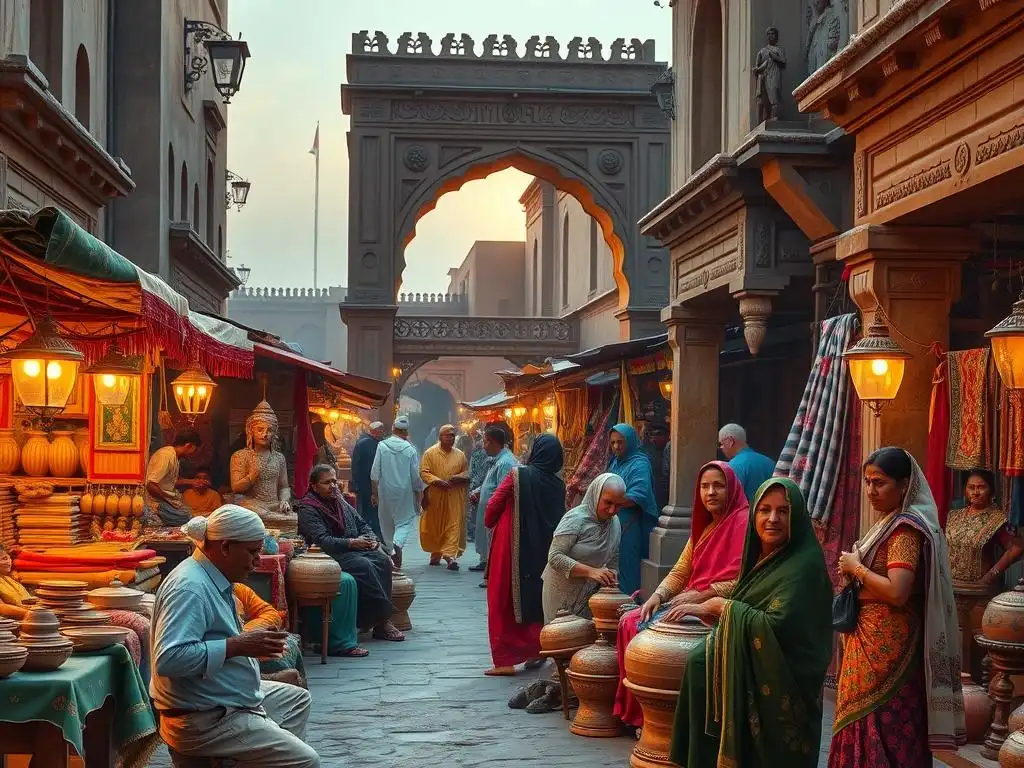
Evolution of Art Forms in Ancient India
The evolution of ancient Indian art forms can be traced back to the prehistoric era, characterized by rock paintings and carvings that reflect the early human experience. As societies became more complex, these art forms evolved in response to various cultural, religious, and social changes.
- Prehistoric Art: The earliest art in India includes cave paintings found in sites like Bhimbetka and Ajanta, showcasing the life and rituals of early humans. These paintings often depicted animals and human figures engaged in hunting and gathering, highlighting the connection between art and daily life.
- Indus Valley Civilization: Around 2500 BCE, the Indus Valley Civilization produced some of the earliest examples of urban planning and craftsmanship. Terracotta figurines, seals, and pottery reflect a sophisticated understanding of aesthetics and functionality. The famous "Dancing Girl" bronze figurine exemplifies the artistry and cultural values of this civilization.
- Buddhist Art: The emergence of Buddhism in the 5th century BCE brought significant changes to Indian art. The creation of stupas and rock-cut caves, such as those at Ajanta and Ellora, featured intricate sculptures and frescoes that conveyed spiritual narratives. The use of symbolism, such as the lotus and the wheel, fostered a sense of community among followers through shared religious imagery.
- Hindu Art: The Gupta period (approximately 320 to 550 CE) is often referred to as the Golden Age of Indian art. This era saw the proliferation of temple architecture, sculptures, and paintings. The art from this period, characterized by grace and beauty, emphasized the divine and the human experience, creating a shared cultural identity among communities.
Major Civilizations and Their Artistic Contributions
Ancient Indian civilizations played a pivotal role in shaping the artistic landscape of the subcontinent. Each civilization contributed unique styles and techniques that fostered a sense of belonging and community among its people.
- Indus Valley Civilization:
- Artistic Techniques: Mastery in terracotta, bead-making, and metallurgy.
- Cultural Significance: Artifacts like seals and pottery were not merely decorative but held social and religious significance, often used in trade and communication.
- Maurya Empire:
- Sculptural Developments: The Mauryan period saw the introduction of the Pillar Edicts of Ashoka, which combined art with governance and conveyed moral messages to the populace.
- Community Impact: These pillars served as a unifying symbol of the empire, promoting Buddhist values and fostering a sense of identity among diverse communities.
- Gupta Empire:
- Temple Architecture: The construction of intricately carved temples, such as those in Khajuraho, highlighted the community's devotion and artistic prowess.
- Influence on Society: The thematic focus on love, spirituality, and mythology in Gupta art promoted communal gatherings and celebrations, reinforcing social bonds.
- Chola Dynasty:
- Bronze Sculptures: The Chola period is renowned for its exquisite bronze sculptures, particularly of deities like Shiva. These artifacts were central to temple rituals, enhancing communal worship experiences.
- Architectural Innovations: The construction of grand temples with detailed carvings served as cultural hubs where communities would gather for festivals and religious observances.
The interplay between ancient Indian art forms and community building is evident across these civilizations, where art served not only as a means of expression but also as a vehicle for cultural continuity and social cohesion. The rich tapestry of artistic traditions in ancient India continues to inspire a sense of belonging, reflecting the enduring legacy of these creative expressions.
Types of Ancient Indian Art Forms
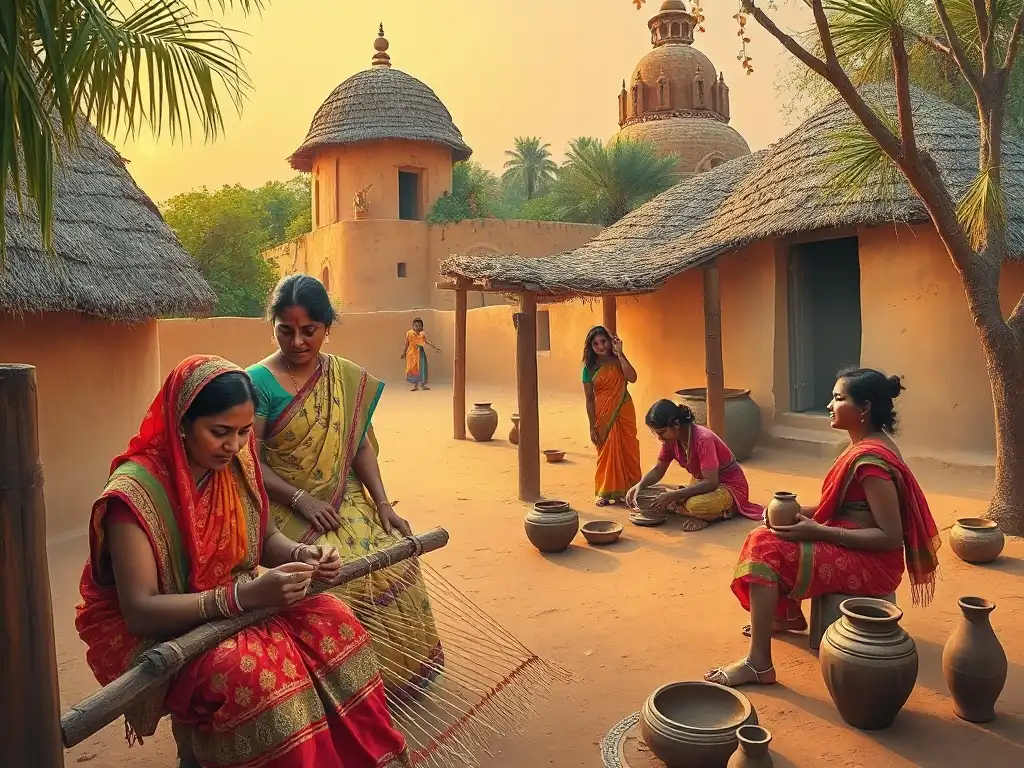
Ancient Indian art forms encompass a myriad of expressions that reflect the cultural and spiritual ethos of the time. These diverse art forms played a pivotal role in fostering a sense of community and belonging among the people, as they often represented collective identities, traditions, and beliefs. Here, we delve into three prominent types of ancient Indian art: sculptural art, painting, and textile arts, highlighting how each contributed to community identity and cohesion.
Sculptural Art and Its Role in Community Identity
Sculptural art in ancient India, characterized by its intricate designs and profound symbolism, served not only as a medium of representation but also as a cornerstone for community identity.
- Religious Influence: Temples and public spaces were adorned with sculptures that depicted deities, mythological narratives, and local legends. These sculptures were not merely decorative; they embodied the spiritual beliefs and practices of the community. For example, the Khajuraho temples feature erotic sculptures that celebrate love and fertility, reflecting the values and norms of the society that created them.
- Cultural Narratives: Sculptures often narrated stories of historical figures and events, creating a shared heritage among community members. The Ajanta and Ellora caves, with their elaborate carvings, tell tales from the Jataka tales and the life of Buddha, fostering a collective memory that reinforced group identity.
- Social Cohesion: The act of creating large-scale sculptures often involved collaboration among artisans, laborers, and community members, promoting a sense of belonging and teamwork. Festivals and rituals surrounding these sculptures further solidified communal bonds, as people gathered to celebrate their cultural heritage.
Painting and Its Significance in Community Life
Painting in ancient India was not only an artistic endeavor but also a vital aspect of community life. It served as a means of expression, storytelling, and social commentary.
- Murals and Frescoes: Ancient murals, such as those found in the Buddhist caves of Ajanta, depicted scenes of daily life, religious narratives, and moral teachings. These works of art were accessible to the community, allowing for shared experiences and discussions that strengthened communal ties.
- Ritualistic Importance: Paintings often played a crucial role in rituals and festivals. For instance, Madhubani art, traditionally created by women in Bihar, is used to adorn homes during festivals, symbolizing prosperity and inviting blessings. This practice fosters a communal spirit as families come together to create and display these works.
- Cultural Transmission: Through generations, paintings have been a method of passing down traditions, stories, and values. The vibrant colors and themes found in ancient Indian paintings continue to inspire modern communities, ensuring that cultural identities remain intact.
Textile Arts and Communal Traditions
Textile arts have long been an integral part of ancient Indian culture, weaving together the threads of community life and identity.
- Traditional Weaving Techniques: Different regions of India developed unique weaving techniques, such as the Banarasi silk and Kanchipuram sarees, each reflecting local customs and styles. These textiles not only served practical purposes but also expressed community pride and identity.
- Ceremonial Significance: Textiles often played a significant role in rituals and ceremonies. For instance, the Rajasthani bandhani (tie-dye) is worn during weddings and festivals, symbolizing joy and togetherness. The act of creating these textiles often involved the participation of entire families or communities, reinforcing social bonds.
- Cultural Identity: The motifs and patterns used in textile arts often carry cultural and religious significance, serving as a visual language that communicates community values. For example, the use of Pattachitra designs, which depict mythological stories, fosters a connection to shared beliefs and heritage, strengthening community ties.
Ancient Indian art forms—whether through sculptural, painting, or textile expressions—played a fundamental role in fostering a sense of community and belonging. By reflecting shared values, histories, and traditions, these art forms continue to resonate with contemporary society, highlighting the enduring legacy of ancient Indian culture.
Rituals and Festivals in Ancient Indian Art
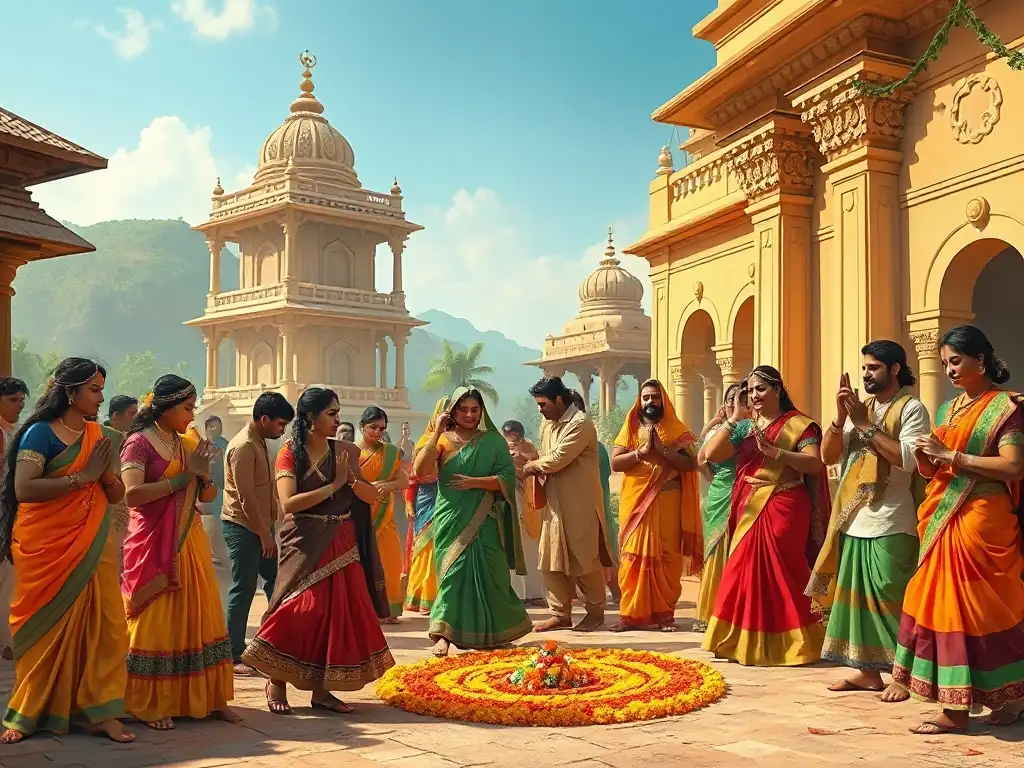
The Role of Art in Religious and Cultural Festivals
Ancient Indian art forms were deeply intertwined with the religious and cultural festivals that marked the lives of communities. These festivals, often celebrated with great zeal, served as a canvas for artistic expressions that reflected the beliefs, values, and traditions of ancient Indian society. The intricate designs, vibrant colors, and symbolic representations found in various art forms played a crucial role in enhancing the spiritual experience during these festivities.
- Sacred Symbols and Motifs: Artworks created for festivals frequently incorporated sacred symbols, such as the lotus, swastika, and peacock, which held significant spiritual meanings. These motifs were prevalent in sculptures, paintings, and decorative items, creating a visual language that resonated with the community's shared beliefs.
- Temporary Installations: During festivals like Diwali and Durga Puja, communities engaged in creating temporary art installations, such as rangoli designs made from colored powders or flower petals. These installations not only beautified the environment but also fostered a sense of collective effort, as families and neighbors collaborated to create these vibrant displays.
- Dance and Performance Art: Festivals often featured traditional dance forms, such as Bharatanatyam and Kathak, which narrated stories from mythology. These performances were not merely entertainment; they served as a means of reinforcing cultural narratives and providing a platform for community participation, enhancing the sense of belonging among participants.
- Music and Art: Music was also a vital component of these celebrations, with songs and instruments complementing the visual art forms. Traditional music played during rituals helped in creating an atmosphere of joy and togetherness, further solidifying community bonds.
Community Bonding through Traditional Art Practices
The creation and appreciation of ancient Indian art forms were vital in fostering community bonding. Traditional art practices were not just individual pursuits; they were communal activities that enhanced social cohesion and shared identity.
- Collaborative Craftsmanship: Many art forms, such as pottery, weaving, and mural painting, involved communal participation. For instance, in rural areas, groups of artisans would come together to create intricate pottery or textiles, sharing techniques and knowledge across generations. This collaboration strengthened relationships among community members and preserved traditional crafts.
- Cultural Knowledge Transmission: The practice of art was a means of passing down cultural knowledge and heritage. Elders often guided younger generations in art-making processes, ensuring that the skills and stories associated with specific art forms were preserved. This mentorship fostered respect and reinforced familial and community ties.
- Public Art Displays: Festivals and public gatherings provided opportunities for showcasing traditional art forms, such as mural paintings or large-scale sculptures. These displays were not only a source of pride for the community but also attracted visitors from neighboring regions, promoting cultural exchange and reinforcing the community's identity.
- Social Narratives and Identity: Art forms also conveyed social narratives that resonated with the community’s identity. For example, folk art often depicted local myths or historical events, allowing community members to connect with their heritage and instill a sense of belonging.
Ancient Indian art forms played an integral role in fostering community and belonging through their association with rituals and festivals. The collaborative nature of traditional art practices, coupled with their cultural significance, reinforced connections among individuals and created a vibrant tapestry of shared experiences that continue to resonate in modern times.
Architectural Marvels and Community Spaces
Temples as Centers of Community Life
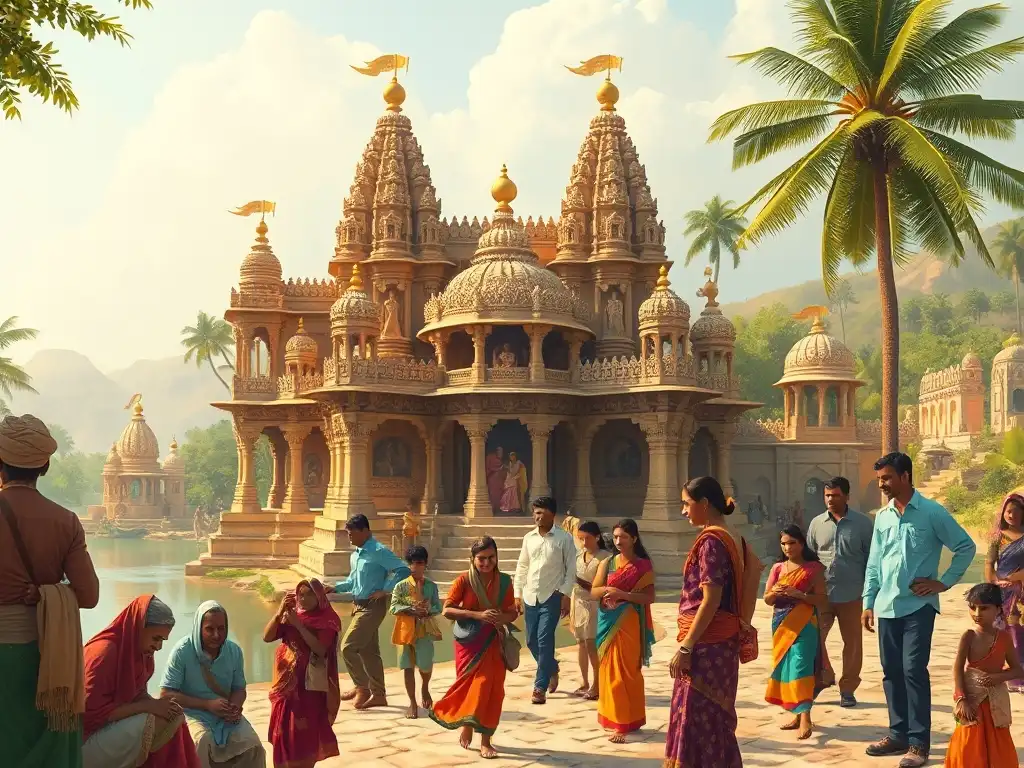
Ancient Indian temples were not merely places of worship; they served as pivotal centers for community life, shaping social interactions and cultural practices. These architectural marvels were meticulously designed not just for religious ceremonies but also as hubs for various community activities. The intricate carvings and sculptures often depicted local legends, historical events, and deities, fostering a shared cultural identity among the inhabitants.
-
Multifunctional Spaces:
Temples often hosted festivals, fairs, and markets, making them lively spaces for interaction. For instance, the famous Brihadeeswarar Temple in Thanjavur was a site for annual festivals that attracted thousands, creating a sense of belonging among diverse groups.
-
Education and Arts:
Many temples incorporated spaces for learning and artistic expression. Schools (Gurukuls) often operated within temple precincts, where students learned various art forms, including music, dance, and sculpture. This blend of education and spirituality reinforced community ties and cultivated a collective cultural heritage.
-
Architectural Design:
The layout of temples often included open courtyards and assembly halls, facilitating gatherings and discussions. The Shikhara (tower) architecture served as a visual reminder of the divine, drawing communities together in shared reverence.
Public art in ancient India played a significant role in fostering community cohesion. From intricate murals to grand sculptures, these art forms often reflected collective values and beliefs, reinforcing social bonds.
-
Murals and Frescoes:
Temples and public spaces adorned with vibrant murals narrated stories from epics like the Ramayana and Mahabharata. These artworks served as visual storytelling tools, allowing communities to connect over shared narratives. For example, the frescoes in the Ajanta Caves depict Buddhist themes that resonate with the local populace, fostering a sense of unity.
-
Street and Festival Art:
During festivals, streets would come alive with colorful rangoli (decorative art) and temporary installations. These practices invited participation from all community members, creating a shared festive atmosphere that deepened social ties.
-
Sculptural Installations:
Public sculptures often depicted deities or historical figures significant to the local culture. The presence of such art encouraged communal gatherings for celebrations and rituals, reinforcing a collective identity. For instance, the statue of the Buddha in Sarnath not only served as a religious symbol but also as a focal point for community gatherings.
Ancient Indian art forms significantly contributed to fostering community and belonging. Temples acted as multifunctional spaces that enriched social life, while public art created shared experiences that strengthened communal ties. By understanding these dynamics, we appreciate the profound impact of ancient Indian art forms on community cohesion, revealing a legacy that continues to resonate in contemporary society.
The Influence of Ancient Indian Art on Modern Society
Legacy of Ancient Art Forms in Contemporary Indian Communities
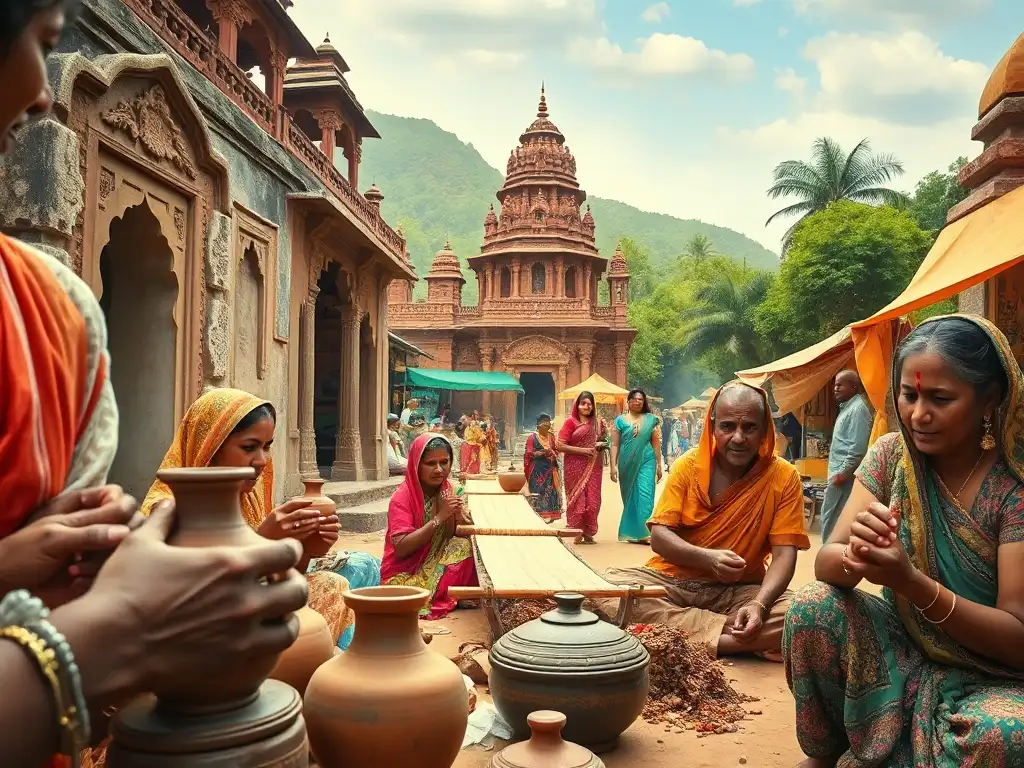
The legacy of ancient Indian art forms continues to resonate within contemporary Indian society, serving as a bridge between the past and the present. Art forms such as Madhubani, Warli, and Tanjore painting are not just aesthetic expressions but also vital components of community identity and cohesion. These art forms reflect the values, beliefs, and traditions of various communities, reinforcing a sense of belonging among the people.
-
Cultural Significance:
Ancient art forms often depict themes central to community life, such as mythology, nature, and daily activities. For instance, Madhubani painting, originating from the Mithila region, often portrays stories from the Ramayana and Mahabharata, fostering a collective cultural consciousness.
-
Art as a Unifying Force:
Many contemporary artists draw inspiration from ancient techniques, creating a dialogue that unites various generations. By participating in workshops and community art projects, individuals can engage with their heritage, thus reinforcing community bonds.
-
Economic Impact:
The revival and promotion of traditional art forms have created sustainable livelihoods for artisans, contributing to the economic fabric of their communities. This economic empowerment reinforces community ties as families and individuals collaborate in preserving their artistic traditions.
Preservation of Community Values through Art
Ancient Indian art forms have played a crucial role in preserving community values, acting as vessels for cultural transmission and collective memory. These art forms encapsulate the ethos of various communities while fostering a sense of unity and identity.
-
Storytelling and Oral Traditions:
Art has traditionally served as a medium for storytelling, allowing communities to pass down their history and values through generations. The use of visual narratives in art forms like Pattachitra not only preserves stories but also reinforces moral lessons and ethical behavior.
-
Ritualistic Significance:
Many ancient art forms are intricately tied to rituals and festivals, which are pivotal in community gatherings. For example, the use of Rangoli during Diwali celebrations encapsulates the spirit of welcome and unity among community members, reinforcing shared values and collective identity.
-
Environmental Awareness:
Ancient art forms often emphasize the relationship between humans and nature, promoting sustainability and respect for the environment. This aspect is increasingly relevant today, as communities look towards their heritage for guidance in sustainable practices.
Ancient Indian art forms are not merely relics of the past; they are vibrant expressions that continue to foster community and belonging in contemporary society. By understanding and valuing these artistic traditions, modern communities can strengthen their identity and preserve the rich tapestry of their cultural heritage.
Conclusion: The Lasting Impact of Ancient Indian Art Forms on Community and Belonging
Reflecting on the Connection Between Art and Community
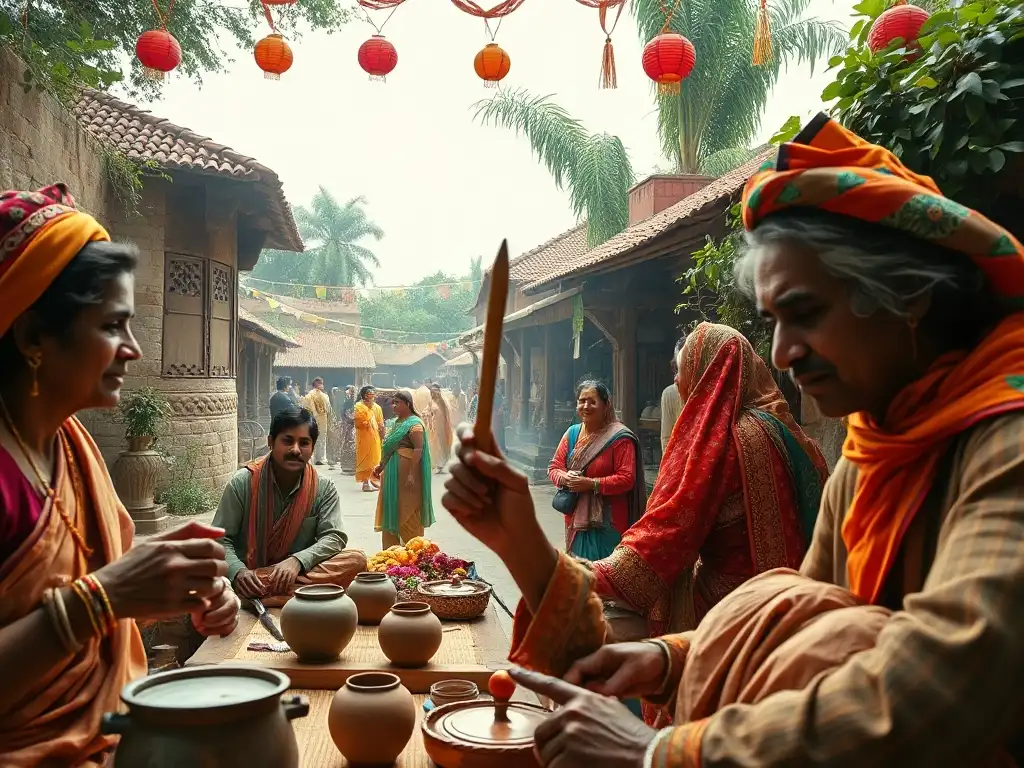
The intricate tapestry of ancient Indian art forms provides a profound insight into the societal structures and community dynamics of its time. These art forms, ranging from sculpture and painting to dance and music, served not just as a means of expression but as a catalyst for community bonding. They were woven into the very fabric of social life, reflecting shared beliefs, values, and experiences among communities.
One striking example is the Madhubani paintings, which originated in the Mithila region of Bihar. Traditionally created by women, these vibrant artworks communicate stories of nature, mythology, and everyday life. The act of painting itself fosters a sense of belonging, as women gather to share knowledge and techniques, reinforcing community ties. Similarly, the Warli art of Maharashtra, which features simple yet expressive figures, is often created during community events and festivals, promoting collective identity and pride.
Moreover, ancient Indian temple architecture, rich in sculptural reliefs, was designed not only to inspire awe but to serve as a communal space for worship and gathering. This architectural style encourages participation and engagement, bringing people together in shared reverence and celebration.
Future of Ancient Indian Art in Promoting Community Engagement
As we look toward the future, the relevance of ancient Indian art forms in fostering community engagement remains significant. Modern initiatives are increasingly recognizing the potential of these art forms to enhance social cohesion and cultural identity.
- Cultural Festivals: Events celebrating ancient art forms can serve as a platform for community members to come together, learn, and appreciate their heritage. For instance, festivals showcasing classical dance performances, such as Kathak or Odissi, not only preserve these traditions but also unite people from diverse backgrounds.
- Educational Workshops: Workshops focusing on ancient Indian art techniques can promote intergenerational learning. By involving younger generations in traditional crafts like block printing or pottery, communities can pass down knowledge and strengthen familial and social bonds.
- Collaborative Projects: Community murals or public installations inspired by ancient Indian motifs can engage local artists and residents alike. These collaborative projects can reflect community narratives, fostering a sense of ownership and pride in local identity.
- Digital Platforms: The rise of digital mediums presents new opportunities to celebrate ancient Indian art forms. Virtual exhibitions and online classes can reach broader audiences, connecting individuals across geographical boundaries and creating a global community of enthusiasts.
The enduring legacy of ancient Indian art forms lies in their ability to foster a sense of community and belonging. By acknowledging and promoting these art forms, we can continue to cultivate social connections and cultural pride for generations to come.
Frequently Asked Questions
What are the main ancient Indian art forms discussed in the article?
The article highlights various art forms such as sculpture, painting, and textiles, emphasizing their role in fostering community and cultural identity.
How did ancient Indian art forms contribute to community belonging?
Ancient Indian art forms served as a medium for social cohesion, helping to express shared values, traditions, and beliefs among different communities, thereby enhancing a sense of belonging.
What role did religion play in the development of ancient Indian art?
Religion was a significant influence, as many art forms were created to honor deities and express spiritual themes, which further united communities through shared rituals and celebrations.
Can you explain how ancient Indian art forms reflect cultural diversity?
The diversity in styles and techniques across regions showcases the varied cultural influences within ancient India, illustrating how different communities expressed their unique identities through art.
Why is it important to study ancient Indian art forms today?
Studying these art forms provides insights into the historical context, social structures, and cultural practices of ancient societies, enriching our understanding of how they fostered community and connectedness.
Final Reflection: The Enduring Legacy of Ancient Indian Art Forms in Fostering Community
Ancient Indian art forms have not only shaped the cultural landscape of their time but continue to resonate with contemporary society, illustrating the profound connection between creativity and community. In an age where individualism often overshadows collective identity, the communal spirit embedded in these art forms serves as a powerful reminder of our shared heritage. The intricate designs, vibrant colors, and storytelling elements of ancient Indian art invite us to reflect on the importance of belonging and togetherness in our increasingly fragmented world.
The influence of these art forms extends beyond mere aesthetics; they are a testament to the values of unity, collaboration, and cultural pride that have persisted through generations. The communal rituals and practices surrounding these art forms foster a sense of identity and belonging that is crucial in today’s diverse society. As the renowned artist and philosopher Ananda Coomaraswamy once said, The artist is not a special kind of man, but every man is a special kind of artist.
This perspective encourages us to recognize our own creative potential and the role it plays in building community, emphasizing that art is a shared language that transcends barriers.
As we reflect on the lessons from ancient Indian art forms, let us embrace the call to nurture our connections with one another. Consider how you might incorporate the spirit of these age-old traditions into your own life, fostering community through creativity and collaboration. Whether through participating in local art initiatives, sharing stories, or simply appreciating the beauty around you, each small action contributes to a larger tapestry of belonging. Together, we can honor the legacy of ancient Indian art forms and cultivate a vibrant community that celebrates our shared humanity.
Unveil the Power of Ancient Artistry in Your Community!
Thank you for immersing yourself in the rich tapestry of ancient Indian art forms. You've discovered how these timeless creations have not only shaped culture but also fostered connections and a sense of belonging within communities. Now, it's time to take action!
Here are some ways you can continue this journey and deepen your understanding:
- Explore Local Art Workshops: Immerse yourself in the practice of traditional art forms by attending local workshops. You could even invite friends to join, creating a shared community experience!
- Share What You’ve Learned: Discuss this article with others. You can ignite a conversation by sharing a compelling story from ancient Indian art and its influence on community dynamics.
- Support Local Artists: Seek out artisans in your area who practice traditional methods, and consider purchasing or promoting their work to help preserve these art forms for future generations.
How do you envision integrating the wisdom of ancient art into your own community initiatives? We invite you to join the conversation!