
From Home to Empire: The Diverse Roles of Women in Ancient Indian Civilizations

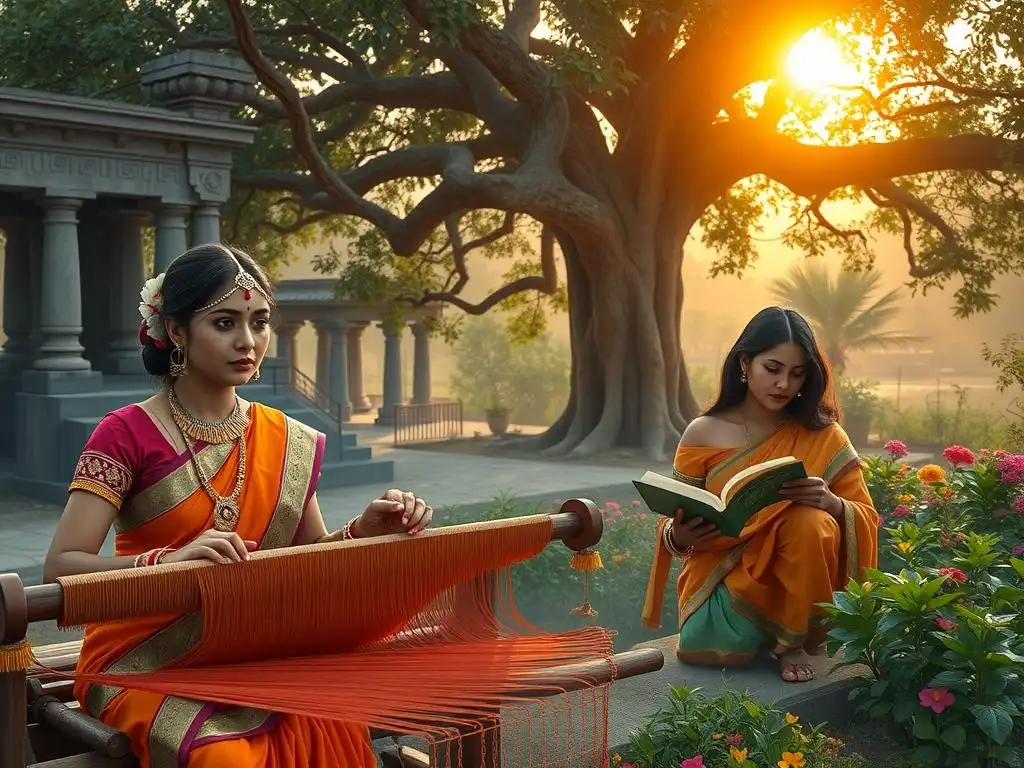
Welcome to Ancient India History, where we embark on a captivating journey through the rich tapestry of ancient Indian civilizations. In this exploration, we delve into a fascinating yet often overlooked aspect: the roles of women in ancient Indian history. Discover how women, from the bustling streets of the Indus Valley to the courts of the Gupta Empire, shaped their societies in profound ways.
Our featured article, "From Home to Empire: The Diverse Roles of Women in Ancient Indian Civilizations," promises to unveil intriguing narratives that challenge conventional perceptions and celebrate their remarkable contributions. Join us as we uncover the untold stories of these influential figures and their lasting impact on history!
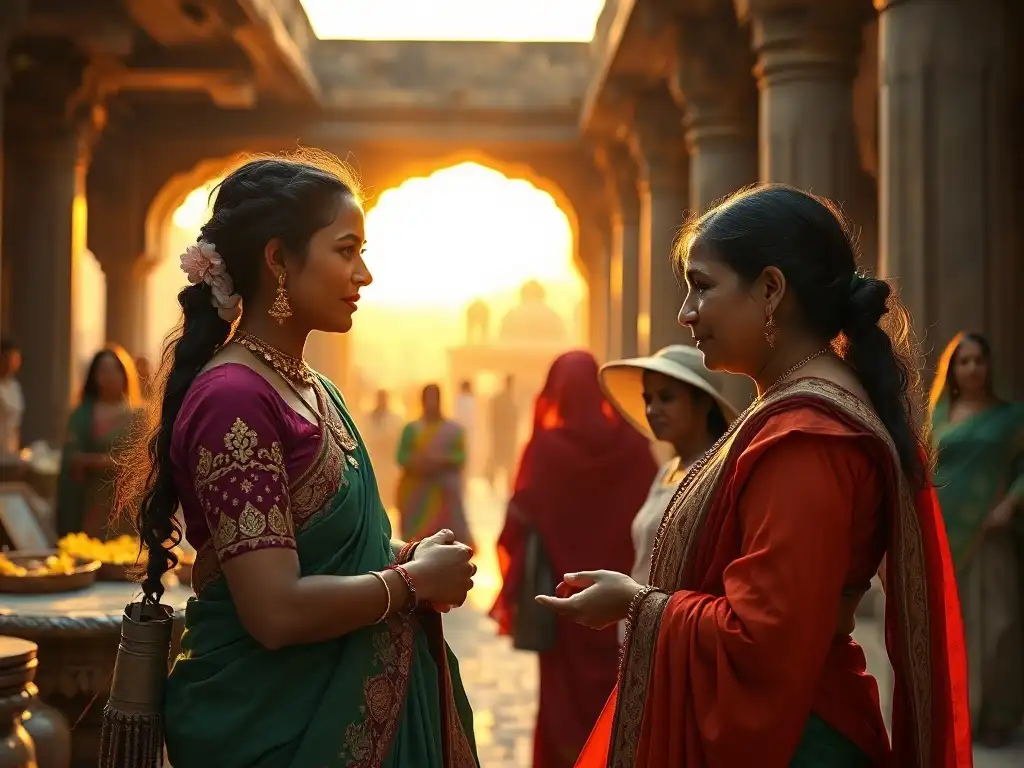
Introduction to Women in Ancient Indian History
The history of women in ancient Indian civilizations is a complex tapestry woven with threads of resilience, creativity, and societal influence. From the early days of the Indus Valley Civilization to the flourishing of the Gupta Empire, women played multifaceted roles that extended beyond the confines of the home.
They were not only caregivers and homemakers but also contributed significantly to various aspects of society, including economics, politics, culture, and spirituality. Understanding the diverse roles of women in ancient Indian history provides insight into the broader social structures and cultural paradigms of the time, illuminating their vital contributions to the development of civilization.
Significance of Women's Roles in Indian Civilizations
The roles of women in ancient Indian societies were pivotal in shaping cultural norms and societal structures. Women were often seen as the backbone of family and community, responsible for maintaining the household and transmitting cultural values. Their influence extended into various domains, including:
- Economics: Women participated in agricultural activities, weaving, and trade, contributing to the economy.
- Politics: In some instances, women held significant power, such as queens and regents, influencing political decisions.
- Education: Women were involved in the education of children, ensuring the continuity of knowledge and traditions.
- Spirituality: Many women were revered as spiritual leaders or goddesses, playing crucial roles in religious practices.
Recognizing these contributions is essential to understanding the historical and cultural evolution of ancient Indian civilizations.
Overview of Historical Context and Time Periods
Women's roles in ancient India varied significantly across different time periods and regions. The following eras are crucial for understanding these dynamics:
- Indus Valley Civilization (c. 3300–1300 BCE): Characterized by urban planning and advanced craftsmanship, women in this era likely held important social and economic roles.
- Vedic Period (c. 1500–500 BCE): This period saw the emergence of texts that documented women's roles in rituals and education, indicating a shift in societal perceptions.
- Maurya and Gupta Empires (c. 322 BCE–550 CE): Women in these empires had varied experiences, with some attaining prominent positions in society and others facing increased restrictions.
By examining these contexts, we gain a clearer picture of how women's roles evolved and adapted over time.
Women in the Indus Valley Civilization
Societal Structure and Gender Roles
The Indus Valley Civilization is one of the earliest urban cultures in the world, and evidence suggests that women played an integral role in its societal structure. Archaeological findings indicate that women were involved in various activities, from domestic chores to craft production. They likely held positions of respect within their communities, participating in trade and possibly in religious ceremonies.
Evidence of Women's Contributions in Daily Life
Artifacts from the Indus Valley, such as pottery, jewelry, and seals, provide valuable insights into the daily lives of women. The presence of female figurines and depictions of women engaging in various activities suggest that they were not only caretakers but also active contributors to economic and social life. For instance, women may have been involved in:
- Textile Production: Evidence of spinning and weaving tools indicates women's participation in this vital industry.
- Pottery and Craftsmanship: Women likely played a role in creating pottery and other crafts, which were essential for trade and everyday life.
Religious and Cultural Significance of Women
Women in the Indus Valley Civilization also held religious significance, as suggested by the presence of female figurines that may represent deities or spiritual figures. This aspect of their roles indicates a deep cultural reverence for femininity and the divine, reflecting the broader spiritual landscape of ancient Indian society. The interplay between daily life and spirituality highlights the multifaceted identity of women during this period, showcasing their importance in both the domestic sphere and the broader cultural context.
Understanding these elements sets the stage for a deeper exploration of the roles women played in other ancient Indian civilizations, revealing a rich history that underscores their vital contributions to society.
The Vedic Period: Evolution of Women's Roles
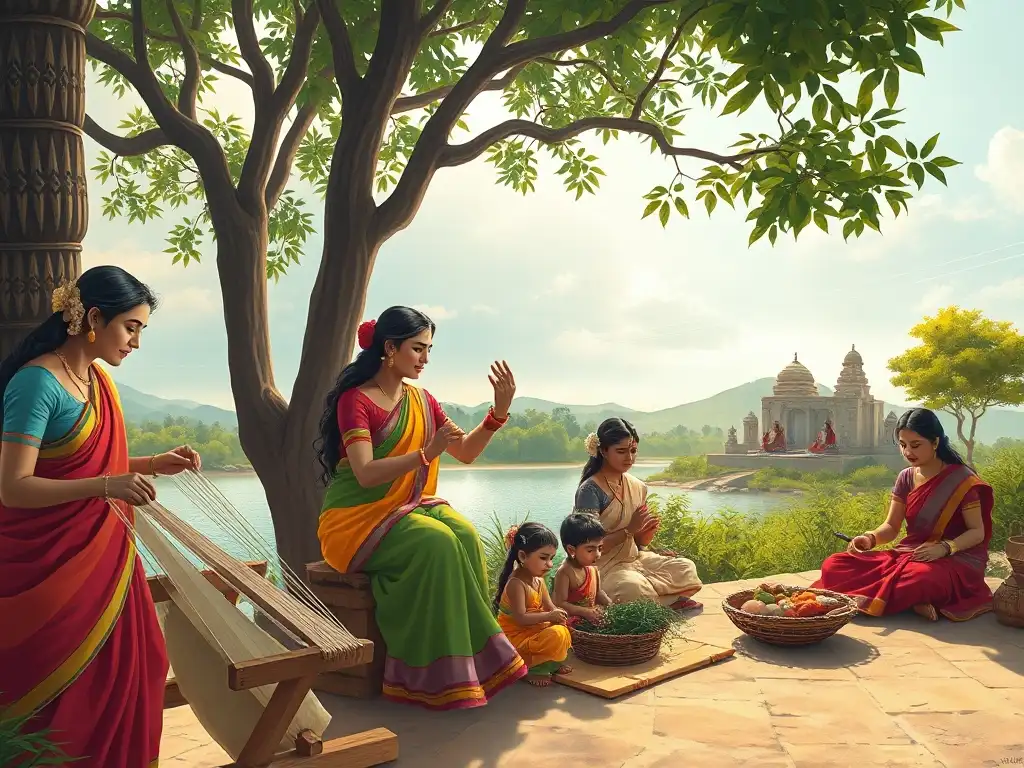
The Vedic Period, which spanned from approximately 1500 BCE to 500 BCE, marked a significant evolution in the roles and status of women in ancient Indian society. During this time, women were not merely confined to domestic duties; they actively participated in various aspects of life, including education, spirituality, and social gatherings. The Vedic texts provide valuable insights into the lives of women, showcasing their multifaceted roles as scholars, ritual performers, and even as leaders in certain circumstances.
The status of women during this period was relatively progressive compared to later eras. They were permitted to attend Vedic classes, engage in philosophical debates, and even compose hymns. While patriarchal structures began to emerge, the Vedic texts reflect a society that recognized the importance of women's contributions both within the household and in the broader community.
Women in Vedic Society and Literature
In Vedic society, women were revered as embodiments of strength and knowledge. The Rigveda, one of the oldest texts, contains hymns composed by women, which illustrates their active involvement in spiritual and intellectual pursuits. Notable figures, such as Gargi and Maitreyi, are mentioned in the Upanishads, engaging in philosophical discourses and questioning the established norms of their time.
Women were typically involved in household management, but they also participated in significant rituals and ceremonies. Their roles extended beyond domesticity, as they were often seen as equal partners in spiritual and social contexts. The literature from this period reflects an appreciation for women's wisdom and capabilities, suggesting a society that valued their contributions.
Education and Knowledge: The Role of Women in Vedic Texts
Education was highly valued in Vedic society, and women had access to learning, particularly in the realms of spiritual and philosophical knowledge. The Vedic texts emphasize the importance of Brahmavadinis, or female scholars, who were known for their intellect and mastery of sacred knowledge. They were often educated at home or in gurukuls (ancient schools) alongside their male counterparts, although societal norms began to restrict access as time progressed.
The emphasis on knowledge for women is evident in the texts, where learning was considered essential for both personal and societal growth. This period saw women engaging in discussions on metaphysics, ethics, and spirituality, challenging the notion that education was solely a male privilege.
Rituals and Religious Practices Involving Women
Women played crucial roles in various rituals and religious practices during the Vedic Period. They were actively involved in yajnas (sacrificial rituals) and other ceremonies, often performing functions that were vital to the success of these rituals. The presence and participation of women in these sacred activities not only highlighted their spiritual significance but also reinforced their status within the community.
Additionally, women were seen as vital to the continuation of family and societal traditions through rituals related to marriage, childbirth, and rites of passage. The texts emphasize the importance of women in maintaining the sanctity of these practices, showcasing their integral roles in preserving cultural heritage.
Women in Mauryan and Post-Mauryan Periods
As Indian civilization progressed into the Mauryan and Post-Mauryan periods (approximately 322 BCE to 185 BCE), the roles of women began to shift in response to changing political, economic, and social structures. Despite these transformations, women continued to play significant roles in various spheres, including politics, economy, and society at large.
Political Influence of Women in Mauryan Empire
The Mauryan Empire was notable for the political influence exerted by women in the royal court. Historical accounts suggest that queens and princesses often played pivotal roles in governance, diplomacy, and advisory capacities. Notable figures such as Chanakya's mother, who was said to have had significant influence on her son, and Durdhara, the wife of Emperor Chandragupta Maurya, illustrate how women could wield power behind the scenes.
Moreover, the presence of women in political narratives, as depicted in texts like the Arthashastra, indicates their involvement in strategic decision-making processes. This era reflects a blend of traditional gender roles and a recognition of women's capabilities in leadership and governance.
Prominent Women Figures and Their Contributions
Several prominent women emerged during the Mauryan and Post-Mauryan periods, contributing significantly to various aspects of society. For example, Vasavadatta, the daughter of a powerful king, played a crucial role in establishing alliances through marriage, thereby impacting political landscapes. Another notable figure was Queen Helena, who was influential in the cultural exchanges between India and the Hellenistic world.
These women not only influenced political affairs but also contributed to the arts and culture of the time. Their stories highlight the complex roles women occupied, often balancing familial duties with public responsibilities, thus shaping the historical narrative of ancient India.
Economic Roles of Women in Trade and Agriculture
In the Mauryan and Post-Mauryan periods, women actively participated in economic activities, particularly in agriculture and trade. Evidence suggests that women were involved in farming, tending to livestock, and managing household economies. They played a crucial role in the agrarian economy, contributing to food production and resource management.
Additionally, women engaged in trade, selling goods in local markets and participating in the economic exchanges that were vital to the empire's prosperity. Their involvement in these activities not only enhanced their economic independence but also underscored their importance in sustaining the family and community.
The diverse roles of women in ancient Indian civilizations, from the Vedic Period to the Mauryan Empire, reveal a rich tapestry of contributions that shaped the historical landscape of the region. Their involvement in education, politics, and the economy illustrates the complexity of women's roles, challenging the simplistic narratives often associated with gender in ancient history.
The Gupta Empire: A Time of Cultural Flourishing
The Gupta Empire, often referred to as the Golden Age of India, spanned from approximately 320 to 550 CE and marked a significant period of cultural, scientific, and artistic advancements. During this era, the status of women saw notable developments, influenced by both social norms and the flourishing cultural environment. Women's roles were diverse, encompassing education, arts, governance, and patronage, reflecting the complexities of their contributions to society.
Under the Gupta dynasty, the emphasis on education led to a gradual increase in literacy rates among women, particularly among the upper classes. This cultural renaissance fostered an environment where women were not only encouraged to pursue knowledge but also to engage in artistic endeavors. Notably, women began to gain recognition in various fields, challenging the traditional norms that had previously confined them to domestic spheres.
Women's Education and Arts in the Gupta Period
In the Gupta period, education became a pivotal aspect of women's lives, particularly in urban centers. The establishment of universities, such as the renowned Nalanda, provided opportunities for women to receive formal education. While access to education was primarily limited to the elite, it nevertheless marked a significant shift in societal attitudes towards female learning.
Women engaged in various artistic pursuits, including music, dance, and poetry. Historical texts and inscriptions indicate that some women were celebrated poets and performers, contributing to the rich tapestry of Gupta culture. The works of female poets, such as the renowned "Vasantika," showcase their talent and creativity. This artistic expression was not only a form of personal fulfillment but also a reflection of their societal significance during this vibrant period.
Roles in Governance and Political Affairs
Women in the Gupta Empire also played essential roles in governance and political affairs, although these roles were often indirect. Elite women, often from influential families, wielded considerable power behind the scenes. Some historical accounts suggest that women served as advisors to kings and had a say in important political decisions.
Prominent figures, such as Durgadevi, who was known to have influenced political matters, exemplify how women could navigate the political landscape despite societal restrictions. Additionally, women were sometimes appointed as regents, particularly during periods of transition or in the absence of male heirs. This involvement signifies that women were not merely passive observers but active participants in shaping the political fabric of their time.
Women as Patrons of Art and Literature
The Gupta period saw women emerge as significant patrons of art and literature. Wealthy women, often from royal families, commissioned works from artists and poets, thereby fostering a thriving cultural scene. Their financial support enabled the creation of exquisite temples, sculptures, and literary works that are still celebrated today.
Women like the queen of Chandragupta II are believed to have played crucial roles in promoting artistic endeavors, influencing the styles and themes of the period. As patrons, they had the power to shape cultural narratives, encouraging the representation of female ideals in art and literature. This patronage not only highlights women's influence in cultural spheres but also reflects their agency in a society that often relegated them to domestic roles.
Regional Variations in Women's Roles Across Ancient India
Women's roles in ancient India were not uniform; they varied significantly across different regions and cultures. These variations were shaped by local customs, socio-economic conditions, and the prevailing religious ideologies. Understanding these regional differences provides a more nuanced perspective on the status of women in ancient Indian history.
Differences in Gender Roles in Northern vs. Southern India
In northern India, particularly during the Gupta period, women's roles were often influenced by prevailing patriarchal structures that emphasized familial duties and domestic responsibilities. However, women in urban centers had more opportunities for education and participation in cultural life compared to their rural counterparts.
Conversely, in southern India, evidence suggests that women enjoyed relatively greater autonomy and social freedom. The Tamil Sangam literature, dating back to the early centuries CE, highlights women's active participation in public life, including poetry and commerce. This regional distinction illustrates how local traditions and cultural practices shaped women's experiences and opportunities.
Impact of Religion on Women's Lives: Hinduism, Buddhism, and Jainism
Religion played a crucial role in shaping women's lives across ancient India. Hinduism, with its complex rituals and social structures, often dictated women's roles within the family and society. While some texts promoted the idea of women's subservience, others, such as the Rigveda, acknowledged women's agency and contributions.
Buddhism and Jainism presented alternative perspectives. Both religions offered women opportunities for spiritual fulfillment and community participation, with Buddhist nuns and Jain female ascetics gaining recognition in their respective traditions. This religious diversity contributed to varying degrees of freedom and status for women, reflecting the broader socio-religious landscape of ancient India.
The Influence of Local Cultures on Women's Status
Local cultures and traditions significantly influenced women's status in ancient India. In regions with matrilineal practices, such as among certain tribal communities in northeastern India, women often enjoyed greater rights and privileges, inheriting property and participating in decision-making processes.
Conversely, in areas where patrilineal customs dominated, women's roles were more restricted, emphasizing marriage and motherhood. The interplay between local customs and broader societal norms created a complex tapestry of women's experiences, with some regions offering more opportunities for empowerment than others. Understanding these local variations is essential for a comprehensive view of women in ancient Indian history, highlighting their resilience and diverse contributions across time and space.
Challenges Faced by Women in Ancient Indian Civilizations
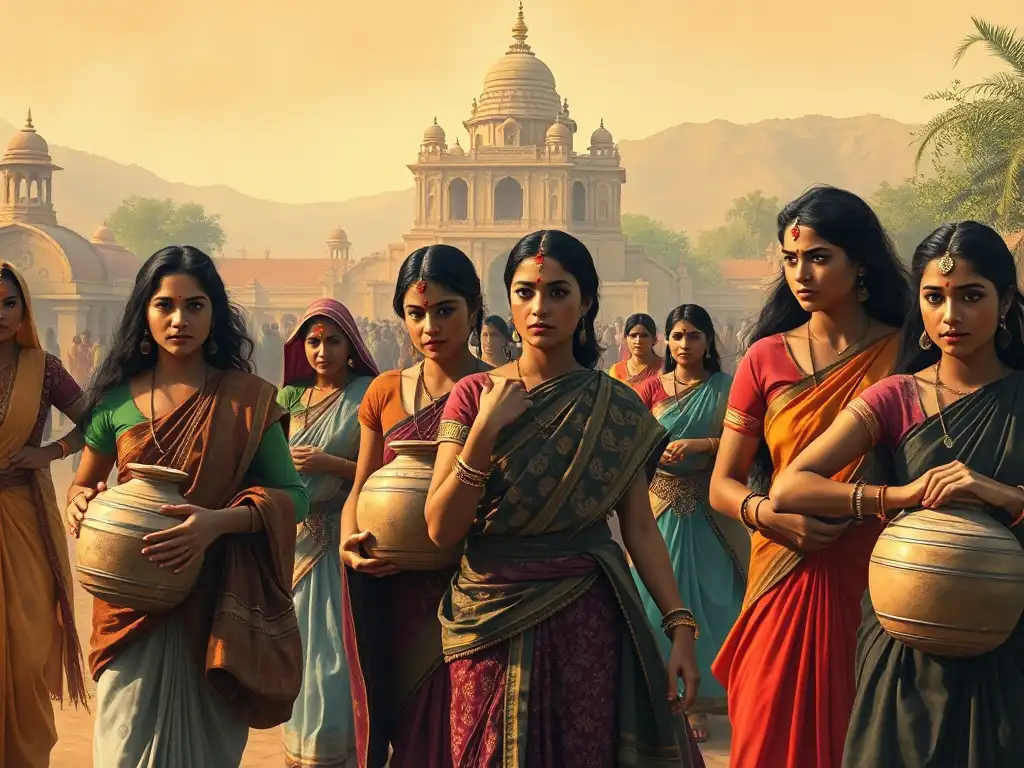
Women in ancient Indian civilizations navigated a complex landscape filled with both opportunities and significant challenges. While some women enjoyed considerable agency in certain periods and regions, many faced systemic barriers that limited their roles and contributions. Understanding these challenges is essential to appreciate the multifaceted lives of women throughout ancient Indian history.
Socio-economic Barriers and Limitations
The socio-economic status of women in ancient India was often dictated by their familial ties and social class. In many cases, women were largely confined to domestic spheres, responsible for managing household tasks and caring for children. Their access to education and professional opportunities was limited, especially in lower socio-economic strata.
- Patriarchal Structure: The patriarchal nature of society meant that women’s identities were often defined in relation to their fathers or husbands. This dependency restricted their autonomy and financial independence.
- Inheritance Rights: Inheritance laws varied greatly, with many women receiving little to no property rights. This economic disadvantage was compounded by dowries, which often placed financial burdens on women and their families.
- Occupational Restrictions: While some women engaged in textile production, pottery, and other crafts, most were barred from participating in formal labor markets. Activities like farming and trade were predominantly male-dominated, further entrenching women’s economic marginalization.
The Impact of Warfare and Political Changes on Women
Warfare and political upheaval had profound effects on the lives of women in ancient India. The shifting dynamics of power and territorial disputes often led to increased vulnerability for women.
- Displacement and Vulnerability: During periods of conflict, many women found themselves displaced as families fled from war-torn regions. This displacement increased their vulnerability to violence and exploitation.
- Political Alliances through Marriage: Marriages were often used as strategic alliances among ruling families. While these alliances could elevate a woman's status, they also stripped her of agency, as marriages were typically arranged without her consent.
- Role in Resistance: Some women took on active roles in resistance movements against invaders, showcasing their resilience and capacity for leadership. Notable examples include Rani Durgavati and Rani Lakshmibai, who fought valiantly to protect their kingdoms.
Struggles for Rights and Recognition in Society
Women in ancient Indian civilizations faced ongoing struggles for rights and recognition. Despite some notable figures who challenged societal norms, the broader context often worked against them.
- Caste System: The rigid caste system imposed additional barriers, particularly for women from lower castes. Their rights were often further restricted, leading to systemic oppression and marginalization.
- Cultural Norms: Cultural practices and religious beliefs often reinforced gender roles that prioritized male authority. Women's voices were frequently silenced in religious texts and philosophical discourses.
- Emerging Feminist Voices: Despite these challenges, there were early movements advocating for women's rights, emphasizing education and social reform. Figures such as Savitribai Phule laid the groundwork for future generations to continue the fight for gender equality.
The Legacy of Women in Ancient Indian History
The legacy of women in ancient Indian history is rich and complex, reflecting their diverse roles and contributions to society. From shaping cultural practices to influencing political landscapes, the impact of women has been profound.
Lasting Contributions to Society and Culture
Women played crucial roles in shaping the cultural and societal fabric of ancient India. Their contributions can be seen in various domains:
- Art and Literature: Many women were talented poets and scholars, contributing to the vast body of literature that emerged during ancient times. Figures like Gargi and Maitreyi are remembered for their philosophical insights and intellectual contributions.
- Religious and Spiritual Influence: Women were integral to religious practices and rituals. The worship of female deities and the role of women as priestesses reflect their spiritual significance.
- Culinary and Craft Traditions: Women preserved and passed down culinary traditions, textiles, and handicrafts, which remain cornerstones of Indian culture today.
Reflections on Women’s Empowerment in Modern India
The historical experiences of women provide important reflections for contemporary discussions on empowerment and gender equality.
- Historical Awareness: Understanding the struggles and achievements of women in ancient times fosters a sense of identity and pride, encouraging modern women to reclaim their narratives.
- Continuity of Struggles: The issues faced by women in ancient India resonate with contemporary challenges, highlighting the need for ongoing advocacy for women's rights in modern society.
Lessons from the Past: Inspiring Future Generations
The history of women in ancient Indian civilizations offers valuable lessons for future generations:
- Resilience and Agency: The stories of women who defied norms and exercised agency serve as powerful examples of resilience. They inspire modern women to pursue their aspirations despite societal challenges.
- Importance of Education: Education emerged as a crucial factor in empowering women historically, reinforcing the need for continued investment in women's education today.
- Collective Action: The success of women who came together to advocate for change illustrates the power of collective action, encouraging current movements for gender equality.
While the challenges faced by women in ancient Indian civilizations were significant, their contributions and legacies continue to resonate today, providing inspiration for ongoing efforts toward equality and empowerment.
Conclusion: The Diverse Roles of Women Shaping Ancient Indian Civilizations
The tapestry of ancient Indian history is woven with the significant threads of women's contributions, illustrating their vital roles across various spheres of life. From the early days of the Indus Valley Civilization, where women engaged in trade and craft, to the profound influences they exerted during the Gupta Empire, women in ancient Indian history were not mere spectators but active participants in shaping societal norms, religious practices, and cultural advancements. Their involvement in agriculture, family governance, education, and spirituality showcases a dynamic presence that defies simplistic narratives of subservience or marginalization.
The multifaceted roles women occupied ranged from homemakers and educators to rulers and warriors, indicating a complex social structure where their status was often defined by regional, cultural, and historical contexts. The revered figures like Gargi and Maitreyi in philosophical discourse, as well as queens like Rani Durgavati, exemplify the leadership and intellectual capabilities of women. Their legacies challenge contemporary perceptions and invite us to explore the nuanced realities of women's experiences in ancient societies.
Summary of Women's Contributions and Significance
Women in ancient Indian civilizations contributed significantly to various aspects of life, enriching the cultural and societal frameworks of their time. In many instances, they held positions of power and influence, from ruling as queens to advising kings. Their roles in education, particularly in imparting knowledge to the next generation, were crucial in preserving and transmitting cultural heritage.
The arts and crafts—spanning textiles, pottery, and jewelry—were often overseen or created by women, reflecting their creativity and innovation. Furthermore, women's involvement in religious rituals and practices underscores their integral role in maintaining spiritual traditions and community cohesion. The presence of women in literary works, both as subjects and creators, illustrates their contributions to the intellectual and artistic spheres.
Overall, women's significance in ancient Indian history is marked by their ability to navigate and shape their environments, leaving indelible marks on the civilization's development and legacy.
Call to Acknowledge and Celebrate Women in History
Recognizing the diverse and impactful roles of women in ancient Indian history is essential for a holistic understanding of our past. It is imperative that we celebrate these contributions not only to honor their legacy but also to inspire future generations. By acknowledging the achievements and struggles of women throughout history, we pave the way for a more inclusive narrative that highlights the richness of our cultural heritage.
Educational institutions, historians, and cultural organizations should actively promote the study of women's roles and contributions in ancient contexts. Engaging discussions, workshops, and research initiatives can foster a deeper appreciation for the complexities surrounding women's experiences. Celebrating figures like Rani Lakshmibai and the countless unnamed women who contributed to society will help ensure that their stories are remembered and valued.
As we explore the intricate dynamics of ancient Indian civilizations, let us commit to recognizing and celebrating the vital roles women played, thus enriching our understanding of history and its continuing relevance today.
- Introduction to Women in Ancient Indian History
- Significance of Women's Roles in Indian Civilizations
- Overview of Historical Context and Time Periods
- Women in the Indus Valley Civilization
- The Vedic Period: Evolution of Women's Roles
- Women in Mauryan and Post-Mauryan Periods
- The Gupta Empire: A Time of Cultural Flourishing
- Regional Variations in Women's Roles Across Ancient India
- Challenges Faced by Women in Ancient Indian Civilizations
- The Legacy of Women in Ancient Indian History
- Conclusion: The Diverse Roles of Women Shaping Ancient Indian Civilizations
Frequently Asked Questions
What roles did women play in ancient Indian civilizations?
Women in ancient Indian civilizations held diverse roles, ranging from homemakers to scholars and leaders. They contributed significantly to both family life and the broader socio-political landscape.
How were women's rights and status perceived in ancient India?
The status of women varied significantly across different periods and regions. While some texts suggest a patriarchal society, others indicate that women enjoyed certain rights, including inheritance and education.
Were there any prominent women in ancient Indian history?
Yes, several women are noted for their influence and leadership. Figures like Rani Durgavati and Goddess Durga symbolize strength and resilience in the face of adversity.
How did the Gupta Empire impact women's roles?
During the Gupta Empire, women's roles became more defined, often emphasizing domestic responsibilities. However, some women still participated in cultural and artistic endeavors, reflecting a complex social structure.
What contributions did women make to ancient Indian culture?
Women contributed to ancient Indian culture through literature, art, and spirituality. Their involvement in various cultural practices enriched the social fabric of their civilizations.
Final Reflection: Empowering Narratives of Women in Ancient Indian History
The exploration of women in ancient Indian history reveals a tapestry of strength, resilience, and multifaceted roles that resonate with contemporary society. As we delve into the past, it becomes clear that the contributions of women were not merely supportive but foundational to the fabric of civilization. This understanding challenges the often one-dimensional narratives that have dominated historical discourse, reminding us that the legacy of women is not just a footnote but a central chapter in the story of human progress.
The influence of women in ancient Indian civilizations continues to echo through time, shaping cultural and social landscapes in profound ways. Their stories of leadership, creativity, and intellect serve as a source of inspiration for generations. The recognition of these roles fosters a deeper appreciation for the diverse experiences of women throughout history. As noted by historian Romila Thapar, The past is not a dead weight but a living entity that informs our present.
This perspective invites us to reflect on how the achievements of women in ancient times can empower modern movements for gender equality and social justice.
As we conclude this exploration, I invite you to reflect on the lessons learned from the lives of these remarkable women. Consider how their resilience and contributions can inspire your own journey. Embrace the call to honor their legacy by advocating for a more inclusive narrative in history, ensuring that the voices of women are heard and celebrated. Let us carry forward the torch of empowerment, recognizing that the past is not just a record of what was, but a guide for what can be achieved in the future.
Empower Your Journey: Channel the Spirit of Ancient Indian Women!
Thank you for taking the time to explore the rich tapestry of women’s roles in ancient Indian civilizations. You’ve uncovered the diverse contributions that have shaped history and continue to inspire us today. Now, it’s time to take that knowledge and transform it into action!
Here are some practical steps to deepen your connection with this inspiring theme:
- Dive deeper: Research and read more about influential women in ancient Indian history. Consider focusing on a specific figure that resonates with you, and share your insights with friends or on social media.
- Engage with your community: Join or start a discussion group dedicated to exploring women's roles in history. This could be an online forum, a book club, or even a community class that celebrates these historical contributions.
- Reflect and create: Write a short story or poem inspired by one of these remarkable women. Let your creativity flow and share your work with others to inspire mutual growth.
How have the stories of these powerful women influenced your perspective on the roles of women today? Share your thoughts and let's spark a vibrant discussion!