
Exploring the Ramayana's Many Versions Across Cultures

Welcome to Ancient India History, where we embark on an enlightening journey through the tapestry of time that weaves together the rich and diverse civilizations of ancient India. As we delve into the fascinating world of epic literature, we invite you to explore the Ramayana—a tale that transcends borders and cultures. Discover the cultural variations and historical significance of this timeless epic as we unveil its many versions and the profound impact it has had across generations.
What secrets lie within its verses, and how do different cultures interpret its teachings? Join us as we unravel the threads of this monumental work, igniting your curiosity and deepening your appreciation for the legacy of ancient Indian narratives.
- Introduction to the Ramayana's Cultural Variations
- Historical Context of the Ramayana
- Major Versions of the Ramayana Across Cultures
- Themes and Motifs in Different Versions of the Ramayana
- The Influence of the Ramayana on Arts and Literature
- Contemporary Relevance of the Ramayana's Cultural Variations
- Conclusion: The Ramayana's Enduring Legacy
-
Frequently Asked Questions
- What is the significance of the Ramayana in ancient Indian culture?
- How do cultural variations of the Ramayana differ from the original text?
- What are some notable adaptations of the Ramayana in other cultures?
- How has the Ramayana influenced modern literature and arts?
- What role did the Ramayana play in the social and political spheres of ancient India?
- Final Reflection: The Timeless Resonance of the Ramayana Across Cultures
- Unveil the Rich Tapestry of the Ramayana!
Introduction to the Ramayana's Cultural Variations
The Ramayana, one of the two great epics of ancient Indian literature, holds a significant place not only in Indian culture but also in the literary traditions of various countries across Asia. This epic, attributed to the sage Valmiki, narrates the life and adventures of Lord Rama, his wife Sita, and his loyal companion Hanuman.
However, what makes the Ramayana particularly fascinating is not just its narrative but the myriad cultural variations that have emerged over centuries. These adaptations reflect the rich tapestry of cultures and traditions that have embraced the epic, providing insights into the values, beliefs, and practices of different societies.
In this article, we will explore the diverse interpretations of the Ramayana, examining how various cultures have reimagined its characters and themes. By delving into these cultural variations, we can appreciate the profound impact the Ramayana has had on literature and society, extending far beyond its Indian origins. The exploration of these adaptations helps us understand the epic's enduring relevance and its ability to transcend geographical and cultural boundaries.
Overview of the Ramayana's Significance in Epic Literature
The Ramayana is often celebrated for its intricate narrative structure, rich character development, and moral teachings. It serves not only as a story of heroism and virtue but also as a philosophical discourse on duty (dharma), righteousness, and the complexities of human relationships.
- Cultural Impact: The Ramayana has influenced various art forms, including dance, theater, and visual arts, making it a cornerstone of cultural expression in many regions.
- Moral Lessons: The epic conveys timeless lessons on morality, duty, and devotion, resonating with audiences across different cultures.
- Literary Forms: Numerous adaptations and retellings have emerged, each adding unique flavors and perspectives, showcasing the versatility of the original narrative.
Through these lenses, the Ramayana stands as a monumental work of epic literature, shaping the moral and ethical frameworks of societies that have embraced it.
Importance of Studying Ramayana Cultural Variations
Studying the cultural variations of the Ramayana is crucial for several reasons:
- Understanding Cultural Identity: Each adaptation reflects the cultural identity and values of the society that produced it, allowing for a deeper understanding of diverse traditions.
- Intercultural Dialogue: The variations foster intercultural dialogue, highlighting common themes and differences that can enrich mutual understanding among cultures.
- Literary Appreciation: Analyzing these adaptations enhances appreciation for the literary genius of the original text, as well as the creativity of those who reinterpreted it.
By exploring the cultural variations of the Ramayana, we not only honor its historical significance but also celebrate the continuous evolution of stories that connect humanity across time and space. This journey through adaptations opens a window into the shared human experience, revealing how a single epic can inspire countless narratives worldwide.
Historical Context of the Ramayana
Origin and Composition of the Ramayana
The Ramayana is one of the two major Sanskrit epics of ancient Indian literature, the other being the Mahabharata. Traditionally attributed to the sage Valmiki, the epic is believed to have been composed around the 5th century BCE, although some scholars suggest it may date back even further. The text is comprised of 24,000 verses and is divided into seven Kandas (books), each detailing different phases of the hero Rama's life and his quest to rescue his wife, Sita, from the demon king Ravana.
The origin of the Ramayana can be traced back to early oral traditions that celebrated the ideals of dharma (righteousness) and the values of duty, honor, and devotion. As these stories were passed down through generations, they were eventually codified into written form. The Sanskrit version served as the foundation for numerous adaptations and retellings across different cultures and languages, reflecting local traditions and beliefs.
The Ramayana in Ancient Indian History
The Ramayana holds significant historical importance as it provides insights into the social, cultural, and political landscapes of ancient India. It not only narrates the story of Rama, Sita, and Ravana, but also serves as a moral guide, embodying the ideals and ethical dilemmas faced by individuals and societies.
- Cultural Influence: The Ramayana has profoundly impacted Indian culture through its themes of heroism, duty, and virtue. These narratives have permeated various aspects of life, including art, dance, theater, and festivals. The epic is often reenacted in traditional performances, such as Ramlila, which brings the story to life, allowing audiences to engage with its moral teachings.
- Religious Significance: The Ramayana is not just a literary work but also a sacred text for millions. It has shaped Hindu religious practices and rituals, particularly in the worship of Lord Rama as an incarnation of the god Vishnu. The epic's teachings are frequently referenced in theological discussions, and its characters are venerated as ideal figures.
- Political Symbolism: Throughout history, the Ramayana has been used as a political symbol, illustrating the values and responsibilities of kingship. Rulers have often invoked the ideals exemplified by Rama to legitimize their authority and promote governance based on dharma. This connection to leadership has allowed the Ramayana to remain relevant in various historical contexts.
- Cultural Variations: As the Ramayana spread across different regions, it adapted to local customs and beliefs. Variations emerged in Southeast Asia, such as the Kakawin Ramayana in Indonesia and the Ramayana in Thailand, demonstrating how the core story can resonate with diverse cultural frameworks while retaining its fundamental themes.
The rich historical context of the Ramayana not only highlights its significance as a literary masterpiece but also underscores its role as a cultural and religious cornerstone in ancient Indian history. Through its various adaptations and interpretations, the Ramayana continues to inspire and influence generations, reflecting the timeless nature of its teachings.
Major Versions of the Ramayana Across Cultures
The Valmiki Ramayana: The Original Epic
The Valmiki Ramayana, composed by the sage Valmiki around the 5th century BCE, serves as the foundational text of the Ramayana tradition. This epic is divided into seven Kandas (books), detailing the life of Lord Rama, his exile, the abduction of his wife Sita by the demon king Ravana, and the subsequent rescue mission supported by the monkey god Hanuman and his army.
- Structure: The Valmiki Ramayana is notable for its poetic form, written in Sloka (verse) and rich with rhythm and meter. It consists of approximately 24,000 verses, making it one of the longest epics in world literature.
- Themes: Core themes include dharma (duty/righteousness), the ideals of kingship, devotion, and the moral complexities of human relationships. It emphasizes the importance of adhering to one’s dharma, even in the face of profound personal loss.
- Cultural Impact: The Valmiki Ramayana has been pivotal in shaping Indian culture, influencing various art forms, literature, and religious practices. Its characters symbolize virtues and vices, making them relatable across generations.
The Ramayana is not merely a story; it is a reflection of life and the moral dilemmas faced within it.
The Ramcharitmanas: Tulsidas's Perspective
The Ramcharitmanas, composed by the poet Tulsidas in the 16th century CE, is a retelling of the Ramayana that has become immensely popular in North India. Written in Awadhi, a dialect of Hindi, this version is accessible to a broader audience, further embedding the story within the cultural fabric of the region.
- Adaptation: Tulsidas emphasizes bhakti (devotion) towards Lord Rama, depicting him as the ultimate divine figure. This perspective encourages a personal and emotional connection to the narrative, differing from Valmiki's more narrative-driven approach.
- Structure and Style: Consisting of seven Kandas similar to Valmiki's text, Tulsidas introduces various Chaupais (quatrains) and Dohas (couplets) that enhance the lyrical quality of the work. His use of local vernacular made the epic more relatable to the common people.
- Cultural Significance: The Ramcharitmanas has played a significant role in the Bhakti movement, inspiring numerous festivals and rituals. It has become a staple in religious recitations and is often sung during devotional gatherings, reflecting its deep-rooted impact on the spiritual landscape of India.
The Kamba Ramayana: The Tamil Interpretation
The Kamba Ramayana, penned by the poet Kambar in the 12th century CE, presents a Tamil version of the Ramayana that is distinct in its artistic expression and cultural context. This adaptation is celebrated for its lyrical beauty and emotional depth.
- Narrative Style: Kambar's retelling incorporates Tamil literary traditions, weaving folk elements into the narrative. His version is characterized by vivid imagery and a focus on the emotions of the characters, transcending mere storytelling.
- Themes and Innovations: While maintaining the core plot, Kambar introduces unique themes such as love, sacrifice, and the divine nature of Rama and Sita. He elevates certain characters, particularly Sita, presenting her with greater agency and depth than in previous versions.
- Cultural Resonance: The Kamba Ramayana holds a revered position in Tamil literature and has influenced various forms of Tamil art, including dance, theatre, and music. It is often performed in traditional Tamil festivals, showcasing its integral role in the cultural identity of Tamil Nadu.
The diverse interpretations of the Ramayana across cultures not only reflect the adaptability of this narrative but also highlight how different societies have shaped and enriched its themes to resonate with their unique cultural contexts.
The Ramayana in Southeast Asia: Variations in Indonesia and Thailand
The Ramayana has transcended its origins in India, influencing various cultures across Southeast Asia. In particular, Indonesia and Thailand have developed distinct adaptations that reflect their local traditions, beliefs, and artistic expressions.
In Indonesia, the Ramayana is most famously represented in the form of the Wayang Kulit shadow puppet theatre. This traditional art form utilizes intricately carved leather puppets to narrate the epic's story. There are several notable variations, such as the Kakawin Ramayana, a poetic rendition written in Old Javanese during the 9th century. This version integrates Hindu themes with local folklore and Islamic influences, showcasing a unique blend of cultural elements. The narrative often emphasizes different characters and events, highlighting local values and moral lessons.
In Thailand, the Ramayana is known as the Ramakien, which translates to "Glory of Rama." The Thai adaptation, dating back to the 18th century, features significant alterations in character names and storylines while preserving the core themes of duty, honor, and loyalty. The Ramakien is celebrated through various forms of art, including dance, theatre, and literature.
One of the most notable differences is the portrayal of Ravana, the demon king, who is sometimes depicted with more complexity and depth, often evoking sympathy from the audience. The epic is also represented in the Grand Palace in Bangkok, where murals illustrate scenes from the Ramakien, showcasing its importance in Thai culture.
Both Indonesian and Thai versions of the Ramayana serve not only as entertainment but also as vehicles for moral education and the transmission of cultural values. Each variation enriches the global tapestry of the Ramayana, demonstrating the epic's adaptability and relevance across different societies. The exploration of these cultural variations offers valuable insights into the shared heritage and distinct identities of Southeast Asian nations.
Themes and Motifs in Different Versions of the Ramayana
The Ramayana, one of the two major Sanskrit epics of ancient Indian literature, is not only a story of heroism and divine play but also a rich tapestry of themes and motifs that vary across cultures. As the epic has traveled beyond its Indian roots, it has been adapted in various forms, each version reflecting the cultural nuances and values of the society which embraced it. This section delves into some of the most prominent themes and motifs found in the diverse versions of the Ramayana.
Heroism and Duty (Dharma) in Diverse Contexts
Heroism and the concept of dharma (duty/righteousness) serve as central pillars in the narrative of the Ramayana. In the original Sanskrit version, Rama embodies the ideal hero, adhering to his dharma as a son, husband, and king, even in the face of tremendous personal loss and hardship.
- Variations in Heroic Ideals:
- In Southeast Asian adaptations, such as the Kakawin Ramayana from Indonesia, the portrayal of Rama often emphasizes different heroic qualities, such as bravery in battle. The valor and martial skills of characters like Hanuman are highlighted, showcasing a different aspect of heroism.
- In the Thai Ramakien, Rama is depicted as a more romantic figure, and the narrative often focuses on his love for Sita and the emotional aspects of their relationship, alongside his responsibilities as a king.
- Cultural Influences:
- The interpretation of dharma can also vary. In some versions, the emphasis is placed on loyalty to family and personal relationships over societal obligations. For example, in certain folk renditions, characters like Sita and Lakshmana are given agency, redefining their roles within the overarching theme of duty.
The Role of Women in Various Adaptations of the Ramayana
The representation of women in the Ramayana varies significantly across cultures, reflecting societal norms and values pertaining to gender roles.
- Sita's Characterization:
- In the original text, Sita is portrayed as an epitome of virtue, loyalty, and sacrifice. However, in modern adaptations, her character often evolves to reflect contemporary views on women's empowerment. For instance, in the Marathi adaptation, Sita takes on a more assertive role, actively participating in her own rescue.
- Diverse Female Figures:
- The character of Surpanakha, Ravana’s sister, often receives varied portrayals. In some versions, she is demonized for her desires, while in others, she is depicted sympathetically, reflecting themes of rejection and vengeance that resonate with female experiences across cultures.
- Folk tales from different regions may also introduce new female characters who influence the plot, thereby enriching the narrative and offering alternative views on femininity and strength.
The Concept of Good vs. Evil Across Cultures
The dichotomy of good versus evil is a foundational theme in the Ramayana, with characters often embodying these opposing forces.
- Rama vs. Ravana:
- The conflict between Rama and Ravana is frequently seen as a cosmic battle between good and evil. In most versions, Rama represents righteousness, while Ravana embodies chaos and moral corruption. However, interpretations of these characters can differ.
- In some Southeast Asian adaptations, Ravana is portrayed with greater complexity, sometimes depicted as a tragic hero with justifiable motives, challenging the black-and-white morality often established in the original epic.
- Cultural Reflections of Morality:
- The narrative often serves as a moral compass for societies, dictating the qualities admired or condemned. For example, the Burmese Ramayana highlights the importance of communal harmony and respect for authority, emphasizing the societal values that resonate within Burmese culture.
- In contrast, some modern adaptations may focus on the relativity of good and evil, prompting audiences to question traditional moral dichotomies, thus providing a platform for critical thinking about ethics in a contemporary context.
Through these themes and motifs, the Ramayana not only entertains but also serves as a cultural mirror, reflecting the values, beliefs, and complexities of the societies that adapt its narrative. The varying interpretations and adaptations across cultures showcase the richness of the Ramayana's influence, making it a timeless epic that continues to evolve.
The Influence of the Ramayana on Arts and Literature
Ramayana in Classical Dance and Theatre
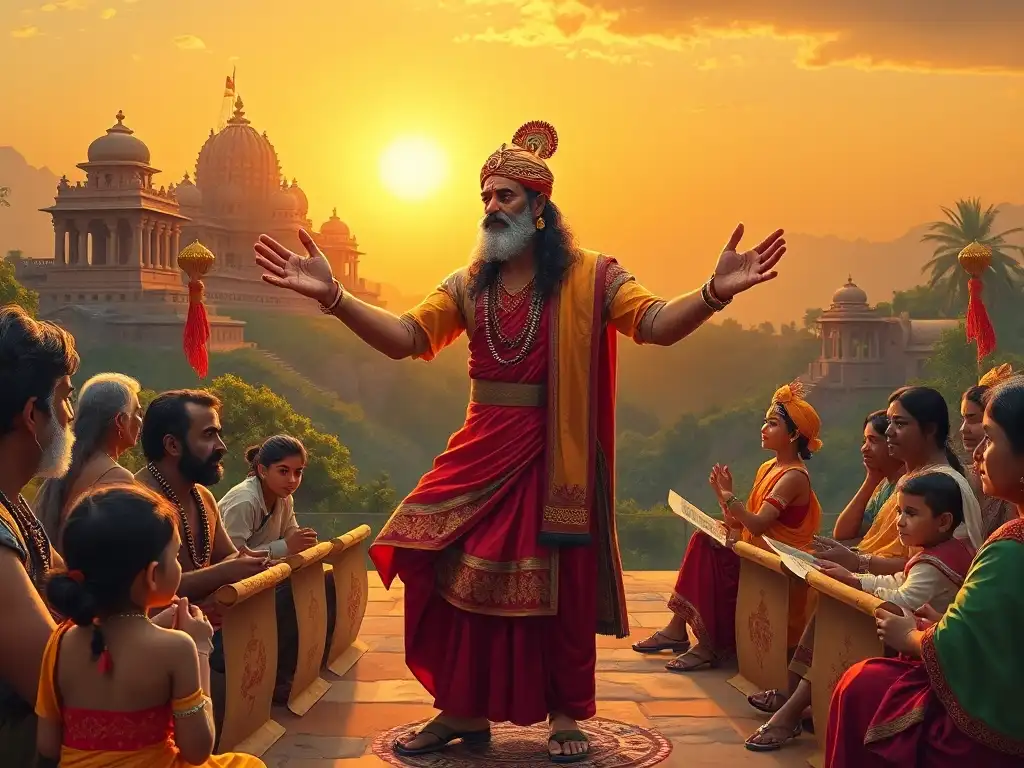
The Ramayana has profoundly influenced classical dance and theatre across various cultures, particularly in South and Southeast Asia. The epic's narrative, rich with emotion, drama, and moral dilemmas, provides a robust foundation for artistic expression.
- India: In India, classical dance forms such as Bharatanatyam, Kathak, and Odissi often incorporate stories from the Ramayana. Performances are characterized by intricate footwork, expressive hand gestures (mudras), and facial expressions (abhinaya) that vividly convey the epic's themes. For instance, the character of Sita is frequently portrayed in Bharatanatyam, emphasizing her strength and virtue.
- Indonesia: In Bali, the Ramayana is a central theme in the traditional Kecak dance, a mesmerizing performance that involves a chorus of chanting men. This unique presentation not only showcases the richness of the Ramayana but also emphasizes communal storytelling through synchronized movements and vocal rhythms.
- Thailand: The Thai version of the Ramayana, known as Ramakien, is prominently featured in traditional Thai dance and shadow puppetry. The Khon dance-drama, which narrates the story of Rama and Ravana, incorporates elaborate costumes and masks, allowing performers to express the epic's grandeur.
Through these artistic expressions, the Ramayana transcends its textual origins, becoming a living tradition that continues to evolve while preserving its core themes of duty, righteousness, and the battle between good and evil.
Artistic Representations of the Ramayana in Various Cultures
The visual arts have also been profoundly influenced by the Ramayana, with numerous artistic representations that reflect cultural interpretations across the globe.
- Sculpture and Architecture: Temples in India, such as the famous Khajuraho and Hampi, feature intricate sculptures depicting scenes from the Ramayana. These carvings serve not only as decoration but also as storytelling devices, illustrating key moments like Rama's exile or the abduction of Sita.
- Painting: In the realm of painting, the Ramayana has inspired exquisite works across various styles. For example, the Persian manuscript illustrations from the 16th century depict the Ramayana with an Indo-Persian aesthetic, blending local artistic elements with traditional narratives.
- Contemporary Art: Modern artists continue to draw inspiration from the Ramayana, reinterpreting its themes in various media, from installations to digital art. This ongoing engagement highlights the epic's relevance in contemporary discourse, allowing new generations to connect with its rich traditions.
The Ramayana's adaptability across different artistic mediums underscores its universal themes, making it a significant cultural artifact that resonates with diverse audiences.
Literary Influences: How the Ramayana Shaped Local Narratives
The Ramayana's impact on literature extends far beyond its original Sanskrit text, inspiring countless adaptations and retellings across cultures.
- Regional Variations: In addition to the original Valmiki Ramayana, many regional versions exist, such as the Ramcharitmanas by Tulsidas in Hindi, which emphasizes devotion and accessibility. Similarly, the Kamba Ramayanam in Tamil literature offers a unique perspective that reflects local customs and values.
- Southeast Asian Adaptations: The Ramayana's narrative has been adapted in various Southeast Asian countries, such as Cambodia and Malaysia. In these cultures, the epic is often infused with local myths and traditions, creating distinct versions that resonate with the local populace. The Ramayana is frequently referenced in local poetry and folklore, illustrating its integral role in shaping regional storytelling.
- Modern Retellings: Contemporary authors have also contributed to the Ramayana's legacy by reinterpreting its characters and themes in new contexts. Works like The Forest of Enchantments by Chitra Banerjee Divakaruni and Asura: Tale of the Vanquished by Anand Neelakantan provide fresh perspectives on the epic, exploring character motivations and moral complexities.
In this way, the Ramayana serves as a timeless source of inspiration, fueling literary creativity while preserving its narrative core across cultures and generations.
Contemporary Relevance of the Ramayana's Cultural Variations
The Ramayana's Role in Modern Indian Society
The Ramayana continues to hold profound significance in contemporary Indian society, serving as a cultural, moral, and spiritual touchstone. Its narratives and values are not merely relics of the past; they actively shape modern Indian life, influencing everything from festivals to political discourse.
- Cultural Practices: The Ramayana is celebrated through various cultural practices, notably during the festival of Dussehra, which commemorates Lord Rama's victory over the demon king Ravana. This event is marked by dramatic reenactments known as Ramlila, where local communities come together to perform and witness the story's various episodes.
- Moral Education: The epic is often referenced in educational contexts, where its characters exemplify virtues like dharma (righteousness), loyalty, and sacrifice. Many schools incorporate Ramayana teachings into their curricula, emphasizing the importance of ethical behavior in personal and social conduct.
- Political Symbolism: Politicians and leaders in India frequently invoke the Ramayana to articulate their visions and values. The narrative of Rama as an ideal king is often used to draw parallels with contemporary governance and leadership ideals. This symbolism can be seen in political campaigns and speeches, where leaders aim to resonate with the cultural sentiments tied to the epic.
How the Ramayana is Interpreted in Different Cultures Today
The Ramayana's influence extends beyond India, permeating various cultures across Southeast Asia and beyond. Each region has its unique interpretation of the epic, reflecting local customs, beliefs, and historical contexts.
- Southeast Asia: In countries such as Indonesia, Thailand, and Cambodia, the Ramayana has been adapted into local art forms, dance, and literature. The Indonesian version, known as the Ramayana Kakawin, is a poetic retelling that integrates local folklore and traditions, highlighting the adaptability of the epic across cultures.
- Diverse Narratives: Each culture often emphasizes different aspects of the Ramayana. For instance, the Thai version, Ramakien, focuses more on the valor of Hanuman, the monkey god, showcasing his adventures and loyalty to Rama. This variant not only illustrates the epic's flexibility but also underscores the cultural values of bravery and devotion prevalent in Thai society.
- Modern Interpretations: Contemporary adaptations of the Ramayana are also emerging in literature and media. Authors and filmmakers are reinterpreting the characters and stories to reflect modern issues, such as gender dynamics and social justice. This ongoing evolution of the Ramayana demonstrates its enduring relevance and the ability to resonate with new generations.
The Ramayana cultural variations history thus illustrates a rich tapestry of interpretations and adaptations that continue to thrive in various forms, ensuring the epic remains a vital part of cultural identity across the globe.
Conclusion: The Ramayana's Enduring Legacy
Summary of Ramayana Cultural Variations and Their Importance
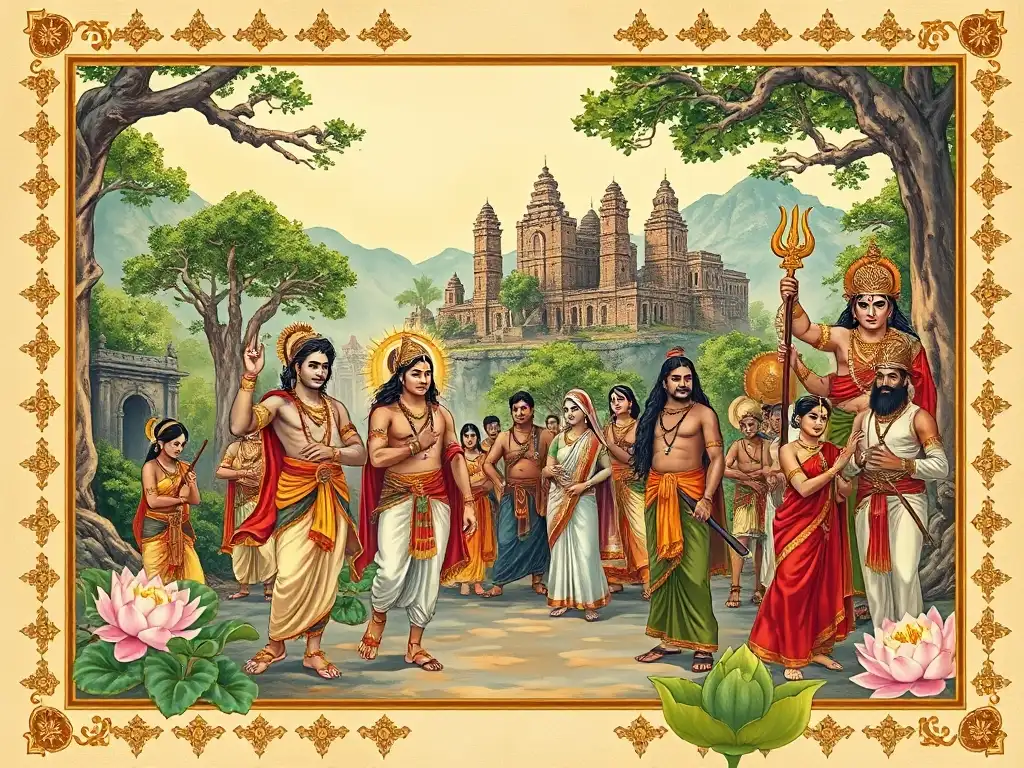
The Ramayana, one of the most significant epics in Indian literature, is not only a story of heroism and virtue but also a reflection of the diverse cultures and societies that have embraced it over time. From its origins in ancient India, the Ramayana has transcended geographical boundaries and evolved into numerous adaptations, each unique in its presentation and interpretation.
The variations of the Ramayana can be categorized broadly into two types: textual variations and performance variations.
- Textual Variations:
- Sanskrit Versions: The original text, attributed to Valmiki, serves as the foundation for many later versions.
- Regional Adaptations: Notable adaptations include the Kamba Ramayanam in Tamil literature, the Ramcharitmanas by Tulsidas in Hindi, and the Adhyatma Ramayana, which incorporates spiritual elements.
- Performance Variations:
- Theatrical Interpretations: Various cultural performances such as Ram Leela and Ramlila bring the epic to life, showcasing local customs and traditions.
- Dance Forms: Classical dance forms like Bharatanatyam and Kathakali often depict scenes from the Ramayana, emphasizing regional artistic expressions.
These variations highlight the importance of the Ramayana in shaping cultural identities and values across different societies. They not only provide insight into the historical and social contexts of the regions they originate from but also foster a sense of unity and shared heritage among diverse populations.
The Future of Ramayana Studies in Cultural Contexts
As global interest in cultural heritage and literature continues to grow, the study of the Ramayana's cultural variations is poised to expand significantly. Future research will likely focus on several key areas:
- Interdisciplinary Approaches: Scholars from fields such as anthropology, sociology, and literature are increasingly collaborating to explore the Ramayana's impact on societal norms and beliefs. This holistic approach can lead to a deeper understanding of the epic's role in shaping cultural narratives.
- Digital Humanities: The integration of technology in the study of ancient texts, including digital archives and online courses, will make the Ramayana more accessible to a global audience. This can foster cross-cultural dialogue and appreciation.
- Comparative Studies: By comparing the Ramayana with similar epics from other cultures, such as the Iliad or Beowulf, researchers can uncover universal themes and motifs, enriching our understanding of human experience across time and space.
- Community Involvement: Engaging local communities in the preservation and performance of their unique Ramayana adaptations can enhance cultural pride and awareness. Programs that encourage storytelling and artistic expression can ensure that these traditions continue to thrive.
The Ramayana is not merely a story; it is a living testament to the rich tapestry of culture and history that defines human civilization. As we continue to explore its many versions, we not only honor its legacy but also ensure its relevance for future generations.
Frequently Asked Questions
What is the significance of the Ramayana in ancient Indian culture?
The Ramayana is a sacred epic that embodies the values, ethics, and traditions of ancient Indian society, influencing literature, art, and spirituality across generations.
How do cultural variations of the Ramayana differ from the original text?
Different cultures interpret the Ramayana through their own mythologies and traditions, leading to unique adaptations that reflect local values and beliefs while retaining the core narrative.
What are some notable adaptations of the Ramayana in other cultures?
The Ramayana has been adapted in various forms, including the Thai Ramakien, the Javanese wayang kulit, and the Bengali Ramayana, showcasing regional storytelling styles and cultural influences.
How has the Ramayana influenced modern literature and arts?
The themes and characters of the Ramayana continue to inspire contemporary writers, filmmakers, and artists, who draw from its rich narrative to explore moral dilemmas and human experiences.
The Ramayana served as both a cultural and political tool, reinforcing social values and guiding rulers by exemplifying the ideal king and the principles of dharma (righteousness) in governance.
Final Reflection: The Timeless Resonance of the Ramayana Across Cultures
The Ramayana's enduring legacy is a testament to its profound ability to transcend cultural boundaries and resonate with diverse audiences. As we explore the various interpretations and adaptations of this epic, we uncover not only the richness of its narrative but also its relevance in today's multicultural society. The stories of Rama, Sita, and their trials continue to inspire and guide us, reminding us of the universal themes of duty, love, and righteousness that remain pertinent in our lives.
Cultural variations of the Ramayana serve as a mirror reflecting the values and beliefs of different societies, showcasing how a single narrative can evolve and adapt to fit unique contexts. The myriad retellings of this epic highlight the importance of storytelling in shaping cultural identity and fostering understanding among diverse groups. As the renowned scholar A.K.
Ramanujan once said, "> The Ramayana is not just a story; it is a living tradition that continues to evolve and adapt." This observation underscores the ongoing influence of the Ramayana in contemporary discourse, as it encourages dialogue and connection among people from various backgrounds.
As we conclude our exploration of the Ramayana's cultural variations, I invite you to reflect on the lessons embedded within these stories and consider how they can inform your own life. Embrace the diversity of narratives that shape our world, and let the timeless wisdom of the Ramayana inspire you to cultivate empathy, understanding, and respect for the myriad cultures that enrich our shared human experience. In doing so, we not only honor the legacy of this epic but also contribute to a more harmonious and interconnected global community.
Unveil the Rich Tapestry of the Ramayana!
Thank you for taking the time to explore the fascinating world of the Ramayana and its diverse interpretations across cultures! You've gained insight into how this timeless epic shapes stories and traditions around the globe. Now, let's keep that curiosity alive and take actionable steps to dive deeper into its rich legacy.
Here are a few ways you can continue your journey:
- Dive Deeper: Explore different retellings of the Ramayana from various cultures, such as the Cambodian or Indonesian versions, and discover the unique elements each narrative contributes to the story.
- Share and Discuss: Participate in online forums or social media groups focused on the Ramayana—sharing insights and perspectives can enhance your understanding and inspire engaging discussions.
- Engage Creatively: Channel your inspiration from the Ramayana into a creative project—whether it's a poem, a piece of art, or a short story, expressing your interpretation can be a fulfilling experience!
As you reflect on these actions, consider this: How does the diversity of the Ramayana's adaptations resonate with your own cultural experiences? We invite you to share your thoughts below!