
Myths and Misconceptions: Debunking Common Beliefs About the Indus Valley Civilization

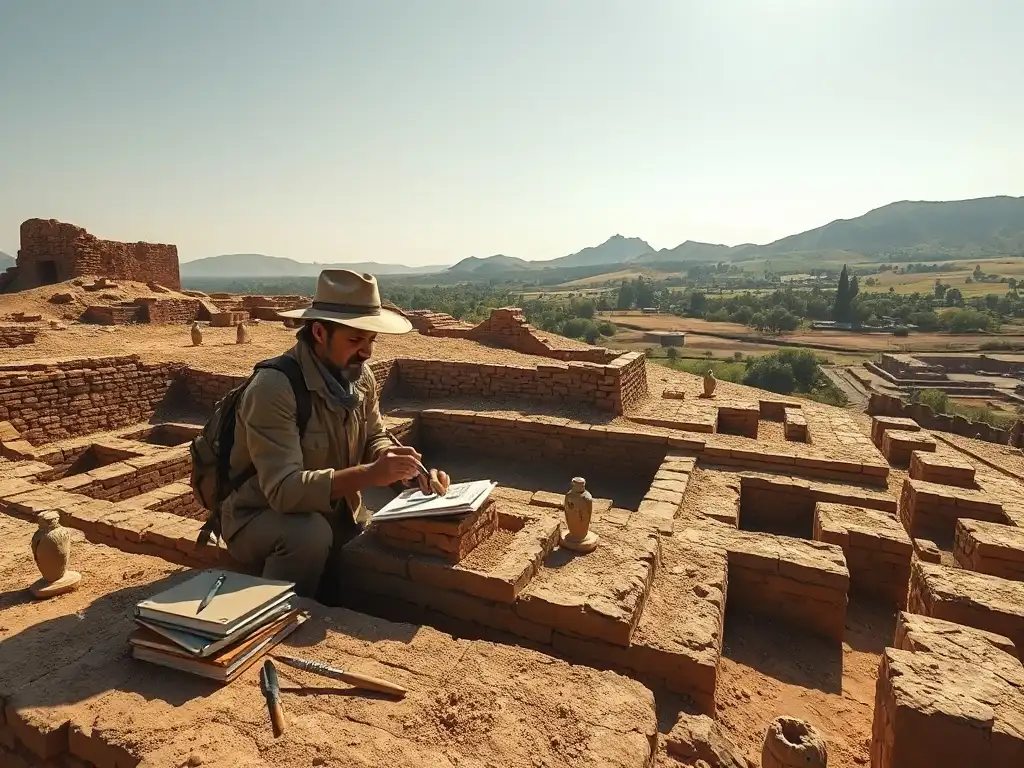
Welcome to Ancient India History, where we embark on a fascinating journey through the rich tapestry of India's past. In this corner of the internet, we delve into the myriad stories, cultures, and innovations that shaped ancient Indian civilizations, from the groundbreaking achievements of the Indus Valley to the intellectual heights of the Gupta Empire. Prepare to challenge your understanding as we explore the myths and misconceptions surrounding the Indus Valley civilization.
What secrets lie behind the stories we've been told? Join us as we unravel these intriguing narratives and discover the truth that awaits just beyond the surface. Your exploration starts now!
Introduction to the Indus Valley Civilization Myths
The Indus Valley Civilization (IVC), one of the world's earliest urban cultures, flourished around 2500 BCE in what is now Pakistan and northwest India. Despite its significance in the annals of ancient history, this remarkable civilization is often shrouded in myths and misconceptions that hinder a true understanding of its achievements and contributions.
As we embark on a journey to debunk these common beliefs, it becomes crucial to explore not only the historical facts but also the societal structures, innovations, and cultural richness that characterized the Indus Valley. By addressing these myths, we can illuminate the complexities of this civilization and appreciate its legacy in shaping human history.
Overview of the Indus Valley Civilization
The Indus Valley Civilization was notable for its advanced urban planning, sophisticated drainage systems, and impressive architecture, including the well-known cities of Harappa and Mohenjo-Daro. Its inhabitants engaged in various economic activities such as trade, agriculture, and craft production, indicating a highly organized society. The civilization spanned across a vast area, highlighting its remarkable diversity in culture and practices.
Key Features of the Indus Valley Civilization:
- Urban Planning: Grid-pattern cities with advanced drainage systems.
- Trade: Extensive trade networks with Mesopotamia and regions beyond.
- Art and Craftsmanship: Skilled artisans produced intricate jewelry, pottery, and seals.
Importance of Debunking Myths
Dispelling myths surrounding the Indus Valley Civilization is vital for several reasons. These misconceptions not only misrepresent the civilization's achievements but also contribute to a skewed understanding of ancient Indian history as a whole. By clarifying these misunderstandings, we can promote a more accurate and nuanced appreciation of the IVC's contributions to human civilization. This understanding fosters respect for cultural diversity and encourages a deeper exploration of historical narratives that shape our world today.
Common Myths About the Indus Valley Civilization
Myth 1: The Indus Valley Civilization Was Primitive
One of the most pervasive myths is that the Indus Valley Civilization was primitive compared to other contemporary cultures. In reality, the IVC showcased remarkable advancements in urban planning, architecture, and technology that rivaled those of ancient Mesopotamia and Egypt.
- Evidence of Sophistication:
- Complex city layouts.
- Advanced water management systems.
- Evidence of standardized weights and measures.
Myth 2: The Indus Valley Civilization Had No Written Language
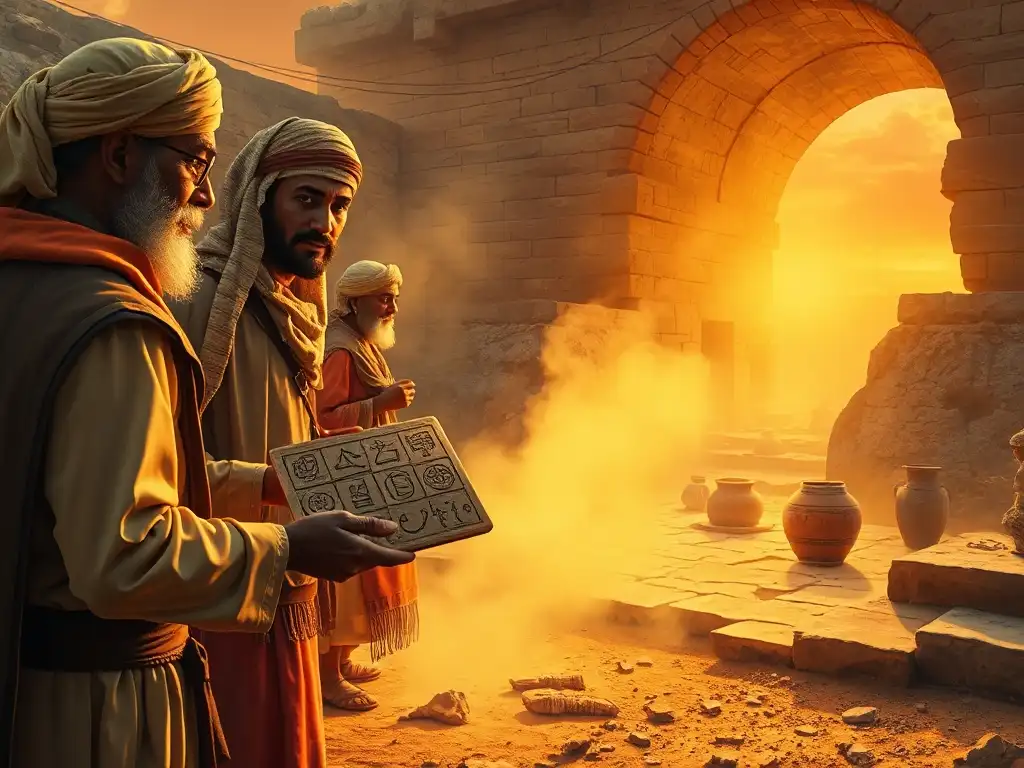
Another common misconception is that the Indus Valley Civilization lacked a written language. While it is true that the script used by the Indus people remains largely undeciphered, numerous seals and inscriptions indicate a form of writing existed. This suggests that they had a complex system of communication that played a role in trade and administration.
- Key Points:
- Over 400 symbols have been identified.
- Seals often depict animals and possibly deities, indicating cultural significance.
Myth 3: The Indus Valley Civilization Was Homogeneous
The belief that the Indus Valley Civilization was a homogeneous society ignores the vast diversity within the civilization. Archaeological evidence supports the idea of a multicultural society with various ethnic groups, languages, and practices coexisting and influencing each other.
- Indicators of Diversity:
- Different pottery styles and artistic expressions found in various regions.
- Varied burial practices suggesting distinct cultural norms.
Myth 4: The Indus Valley Civilization Disappeared Suddenly
Contrary to the notion of a sudden disappearance, the decline of the Indus Valley Civilization was likely a gradual process influenced by multiple factors, including climate change, shifting trade routes, and possibly invasions.
- Factors Contributing to Decline:
- Evidence of changing river patterns leading to agricultural challenges.
- Decline in trade and economic instability.
By addressing these myths, we can foster a deeper understanding of the Indus Valley Civilization's true nature, its complexities, and its enduring legacy in the tapestry of ancient Indian history.
Exploring the Origins of Myths Surrounding the Indus Valley Civilization
The Indus Valley Civilization (IVC), flourishing from approximately 3300 to 1300 BCE, is one of the world's earliest urban cultures, yet it remains shrouded in numerous myths and misconceptions. These misunderstandings often arise from the limited archaeological evidence available, coupled with the civilization's mysterious decline. As researchers attempt to piece together the history of the IVC, they inadvertently contribute to the formation of myths, which can overshadow the factual basis of this remarkable civilization.
The origins of these myths can often be traced back to a combination of factors, including the complexity of the IVC's social structure, its advanced technology, and the enigmatic nature of its script, which remains undeciphered. The lack of written records that can be easily interpreted and the absence of monumental texts or inscriptions further complicate our understanding. As a result, interpretations have often relied on speculation rather than concrete evidence, leading to the development of diverse myths about the civilization's achievements, societal norms, and ultimate fate.
Historical Context of Misconceptions
The historical context surrounding the Indus Valley Civilization is critical in understanding how certain misconceptions have taken root. The IVC was contemporaneous with other great civilizations like Mesopotamia and Ancient Egypt, yet it is often overshadowed by these cultures in historical discourse. This oversight can lead to a belief that the IVC was less significant or advanced.
Moreover, early archaeologists and historians often approached the IVC through a Eurocentric lens, measuring its accomplishments against Western standards of civilization. This perspective led to the downplaying of the IVC's urban planning, trade systems, and technological innovations, which were sophisticated for their time. The lack of monumental architecture, commonly associated with power and civilization in the Western context, further fueled the misconception that the IVC was lesser in stature, leading to the narrative of a 'mysterious collapse' without fully understanding its complexity.
Influence of Colonial Narratives on Indus Valley Civilization Myths
Colonial narratives have significantly influenced the myths surrounding the Indus Valley Civilization. During the British colonial period, the interpretation of ancient Indian history was often skewed in favor of colonial ideologies, which sought to justify their dominance over the region. British scholars tended to emphasize the achievements of Western civilizations while diminishing the historical significance of indigenous cultures, including the IVC.
This perspective led to various misconceptions, such as the belief that the IVC was a derivative culture lacking originality. Furthermore, the exoticization of Indian history by colonial scholars created a narrative that framed the IVC within the context of Western superiority. Such narratives have had a lasting impact, perpetuating myths that distort the understanding of the IVC's role in shaping ancient Indian civilization and its contributions to global history.
The Impact of Myths on Understanding the Indus Valley Civilization
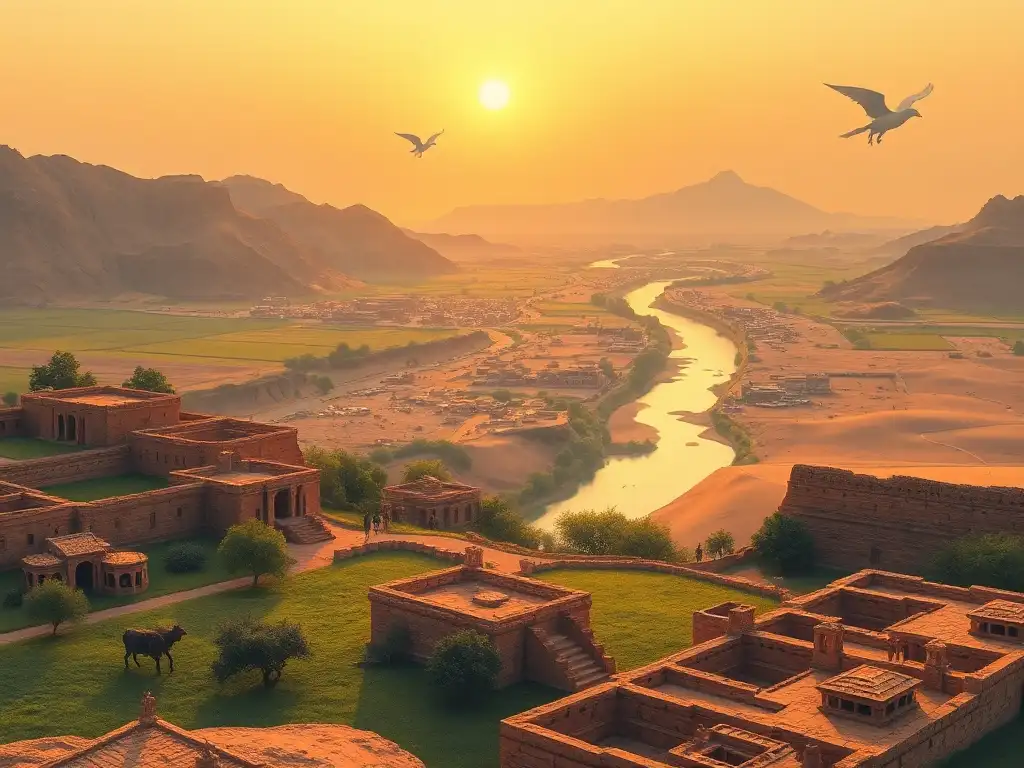
The myths surrounding the Indus Valley Civilization have profound implications for our understanding of its history and contributions. These misconceptions can cloud the interpretation of archaeological findings and hinder the appreciation of the IVC's complexities. As a result, the public and academic discourse often reflects a distorted view of the civilization, leading to a failure to recognize its achievements fully.
Misinterpretations in Academic Research
Misinterpretations in academic research are a direct consequence of the myths surrounding the IVC. Scholars who rely on outdated theories or misconceptions may inadvertently propagate inaccuracies in their work. For example, the idea that the IVC was a homogeneous culture has been challenged by more recent studies suggesting significant regional diversity and complexity.
Moreover, overly simplistic narratives about the civilization's decline, such as environmental determinism or invasion theories, often neglect the multifaceted reasons behind societal changes. These misinterpretations can create a skewed understanding that undermines the sophistication of the IVC's social, economic, and political systems. As research continues, it is essential for academics to critically evaluate prevailing myths and approach the IVC with a fresh perspective rooted in evidence.
Public Perception and Cultural Representations
Public perception of the Indus Valley Civilization is heavily influenced by popular media, educational materials, and cultural representations. Myths often find their way into textbooks, documentaries, and art, which can perpetuate inaccuracies about the civilization. For instance, sensationalized portrayals of the IVC as a lost civilization or a utopian society can overshadow the reality of its complexities and challenges.
Additionally, cultural representations in literature and film may romanticize or trivialize the IVC, further distorting public understanding. This disconnect between scholarly research and public perception can lead to a lack of appreciation for the IVC's contributions to urban planning, trade, and social organization. Addressing these misconceptions through education and accurate representation in media is crucial for fostering a more nuanced understanding of the Indus Valley Civilization and its legacy in ancient Indian history.
Conclusion: The Importance of Accurate Representations of the Indus Valley Civilization
Accurate representations of the Indus Valley Civilization (IVC) are crucial for a comprehensive understanding of ancient Indian history. Misconceptions can lead to a fragmented perception of this sophisticated society, which thrived from approximately 3300 BCE to 1300 BCE. By debunking common myths, we not only honor the legacy of the Indus Valley people but also contribute to a more nuanced appreciation of their achievements in urban planning, trade, and social organization.
The IVC was one of the world's earliest urban civilizations, featuring advanced infrastructure, such as well-planned cities, drainage systems, and standardized weights and measures. Recognizing these accomplishments allows us to understand the complexity and richness of ancient Indian culture, which laid the groundwork for future civilizations. Hence, promoting accurate representations of the IVC serves not only educational purposes but also fosters a sense of pride in India's historical contributions to global civilization.
Encouraging Further Research and Exploration
Fostering a culture of inquiry into the Indus Valley Civilization encourages scholars, students, and enthusiasts alike to explore beyond surface-level understandings. Engaging with archaeological evidence, ancient texts, and modern interpretations can reveal new insights and challenge prevailing misconceptions.
Institutions and scholars should promote interdisciplinary research, combining archaeology, anthropology, and history to construct a holistic picture of the IVC. By encouraging further exploration, we can uncover lesser-known aspects of the civilization, such as its art, spirituality, and interactions with contemporary cultures, thereby enriching the academic discourse surrounding ancient India.
The Role of Education in Dispel Myths
Education plays a pivotal role in dispelling myths about the Indus Valley Civilization. By integrating accurate historical content into school curricula and higher education programs, we can ensure that future generations are equipped with a realistic understanding of this remarkable civilization.
Teachers and educators should emphasize critical thinking skills, encouraging students to question stereotypes and examine historical narratives critically. Workshops, seminars, and community outreach programs can also serve to inform the public about the complexities of the IVC, providing a platform for discussion and engagement that can help dismantle long-held misconceptions.
Additional Resources for Understanding the Indus Valley Civilization
To gain a deeper understanding of the Indus Valley Civilization, a variety of resources are available. These resources encompass books, articles, online courses, and documentaries that offer diverse perspectives and insights into this fascinating civilization.
Recommended Books and Articles
-
"The Indus Valley Civilization: A Historical Overview" by Jane McIntosh
A comprehensive introduction to the IVC that covers its history, culture, and archaeological discoveries.
-
"Indus Valley Civilization: The Lost Cities" by Jonathan Mark Kenoyer
This book delves into the urban planning and architectural achievements of the IVC, supported by archaeological findings.
-
"Ancient India: From the Earliest Times to the Present" by Romila Thapar
An expansive historical account that places the IVC within the broader context of Indian history.
-
Articles in journals such as "Journal of Archaeological Science"
These often include peer-reviewed studies and findings related to the IVC, contributing to ongoing scholarly conversations.
Online Courses and Documentaries
-
Coursera Course: "The Indus Valley Civilization: An Introduction"
This online course offers a structured overview of the IVC, featuring lectures from leading historians and archaeologists.
-
Documentary: "The Lost Civilization of the Indus Valley"
A visually engaging documentary that explores the archaeological sites of the IVC, uncovering its mysteries and examining its contributions to history.
-
YouTube Channels like "History Time" and "The History Guy"
These channels provide accessible video content that covers various aspects of the IVC, presenting both historical facts and myth-busting insights.
By utilizing these resources, individuals can deepen their understanding of the Indus Valley Civilization, appreciate its significance, and actively participate in the discourse surrounding its history.
- Introduction to the Indus Valley Civilization Myths
- Common Myths About the Indus Valley Civilization
- Exploring the Origins of Myths Surrounding the Indus Valley Civilization
- The Impact of Myths on Understanding the Indus Valley Civilization
- Conclusion: The Importance of Accurate Representations of the Indus Valley Civilization
- Additional Resources for Understanding the Indus Valley Civilization
- What are some common myths about the Indus Valley civilization?
- How did the Indus Valley civilization influence later cultures in India?
- What is the significance of the writing system in the Indus Valley civilization?
- Are there any archaeological discoveries that challenge popular beliefs about the Indus Valley civilization?
- How does myth-busting help in understanding the Indus Valley civilization better?
Frequently Asked Questions
What are some common myths about the Indus Valley civilization?
Many people believe that the Indus Valley civilization was a primitive society. In reality, it showcased advanced urban planning, sophisticated drainage systems, and a rich culture.
How did the Indus Valley civilization influence later cultures in India?
The Indus Valley civilization laid the groundwork for later Indian cultures by introducing agriculture, trade, and urbanization, which were crucial for subsequent civilizations like the Vedic culture.
What is the significance of the writing system in the Indus Valley civilization?
The writing system of the Indus Valley remains largely undeciphered, making it a subject of intrigue and leading to misconceptions about their communication and administration.
Are there any archaeological discoveries that challenge popular beliefs about the Indus Valley civilization?
Yes, recent archaeological discoveries have revealed more about their social structure and trade networks, challenging the notion that they were solely focused on agriculture.
How does myth-busting help in understanding the Indus Valley civilization better?
Debunking myths allows historians and researchers to gain a clearer picture of the Indus Valley civilization, fostering a deeper appreciation for its achievements and contributions to human history.
Final Reflection: Unraveling the Truth Behind Indus Valley Civilization Myths
In an age where misinformation spreads rapidly, understanding the Indus Valley civilization myths is more crucial than ever. The misconceptions surrounding this ancient civilization not only distort our historical narrative but also hinder our appreciation of its remarkable achievements. As we delve into the depths of history, it becomes clear that separating fact from fiction is essential for fostering a more informed society.
Clearly, the myths surrounding the Indus Valley civilization have left an indelible mark on our cultural and social landscape. The ongoing dialogue about these misconceptions encourages us to question the narratives we accept and to seek a deeper understanding of our past. As historian Michael Wood once said, History is a story we tell ourselves about who we are.
This highlights the importance of accurate historical representation in shaping our identity and understanding of the world.
As we reflect on the lessons from the Indus Valley civilization, I invite you to challenge your own beliefs and assumptions. Take a moment to explore the rich tapestry of history with an open mind, and let the truths you uncover inspire you to share knowledge and foster curiosity in others. By doing so, we can collectively contribute to a more nuanced understanding of our shared human heritage and ensure that the stories we tell are rooted in truth.
Unveil the Truth: Take Action on Ancient Wisdom!
Thank you for diving into the rich tapestry of the Indus Valley Civilization with us! Now that you've debunked some myths and broadened your understanding, it's time to ignite your curiosity and explore further. Here are a few powerful steps you can take to continue your journey into this fascinating era:
- Delve Deeper: Read our comprehensive articles on lesser-known aspects of the Indus Valley. You might discover intriguing facts that challenge your perceptions!
- Join the Discussion: Share your thoughts and findings on our community forum; engage with fellow enthusiasts who share your passion for ancient Indian history.
- Spread the Knowledge: Share this article with friends or on social media—let’s uncover the truth about our past together!
As you reflect on what you’ve learned, consider this: Which aspect of the Indus Valley Civilization intrigues you the most, and how can you explore it further?