
The Influence of Mauryan Artisans: Key Figures Behind Ancient Craftsmanship

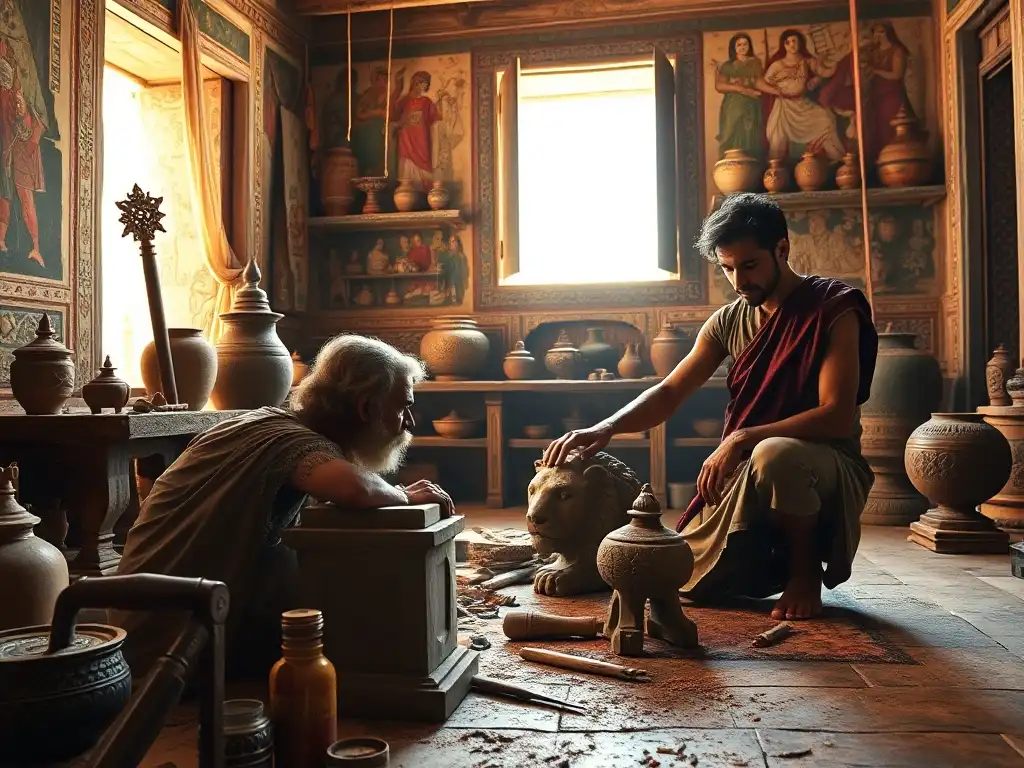
Welcome to Ancient India History, where we embark on a fascinating journey through the rich tapestry of India's past. Here, we delve into the influence of Mauryan craftsmanship, unraveling the stories of key figures who shaped the artistry of ancient civilizations. What secrets do the exquisite creations of the Mauryan Empire hold? As you explore the intricate details of their craftsmanship, prepare to be captivated by the profound impact these artisans had on culture and society. Join us as we uncover the legacy that continues to inspire generations!
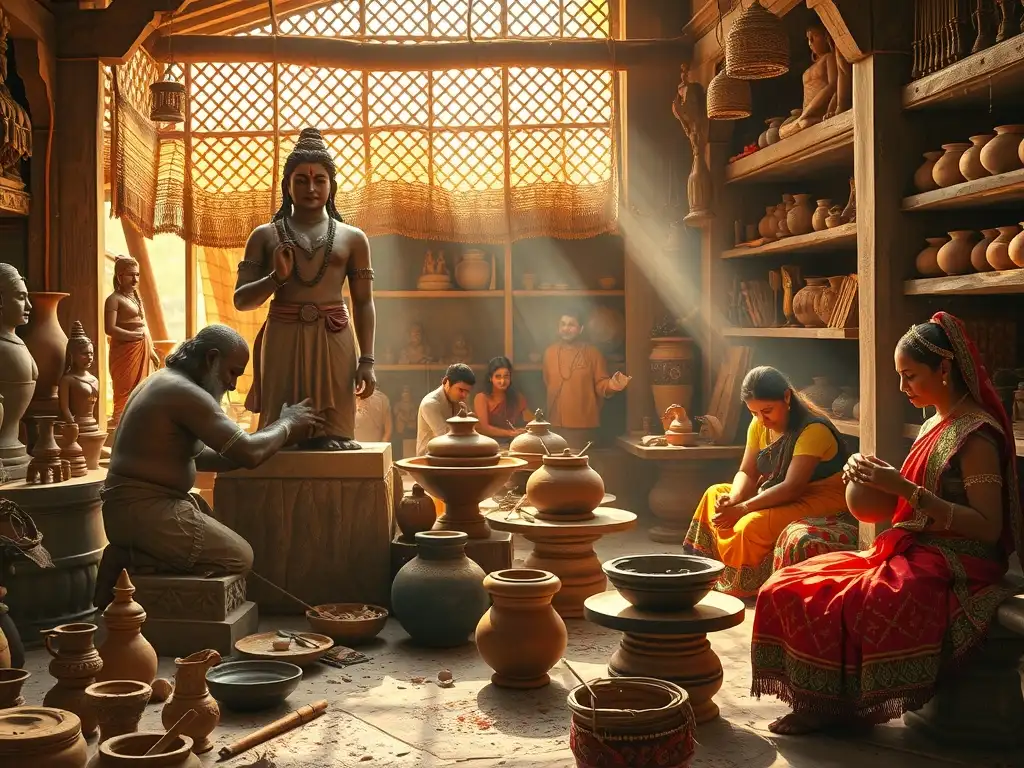
Introduction to Mauryan Craftsmanship
The Influence of Mauryan craftsmanship is a pivotal aspect of ancient Indian history, reflecting the sophisticated skills and artistic expressions that flourished during the Maurya Empire (circa 322-185 BCE). This period was marked by an unprecedented level of artistic achievement, driven by a rich cultural milieu and supported by the patronage of powerful rulers like Chandragupta Maurya and his grandson Ashoka. The artisans of this era were not merely creators; they were integral to the socio-political fabric of their time, influencing not only the aesthetics of their crafts but also the very identity of the Mauryan society.
Overview of the Maurya Empire and Its Cultural Significance
The Maurya Empire was one of the largest empires in ancient India, encompassing vast territories across the subcontinent. Founded by Chandragupta Maurya, it reached its zenith under Ashoka, who is renowned for his promotion of Buddhism and the spread of its teachings. The empire's cultural significance lies in its synthesis of various regional influences, leading to a unique blend of traditions that shaped art, architecture, and philosophy. Key features of this cultural renaissance included:
- Architectural Innovations: The construction of stupas and pillars adorned with intricate carvings.
- Religious Art: The depiction of Buddhist themes and narratives that resonate to this day.
- Trade and Exchange: The flourishing of trade routes that facilitated cultural exchange and the spread of craftsmanship beyond India.
Importance of Artisans in Ancient Indian Society
Artisans played a crucial role in ancient Indian society, serving as the backbone of economic and cultural development. In the Maurya Empire, they were highly respected for their skills in various crafts, including pottery, metallurgy, textiles, and sculpture. Their contributions can be summarized as follows:
- Economic Impact: Artisans contributed to trade and commerce, enhancing the empire's wealth and facilitating interactions with neighboring cultures.
- Cultural Transmission: They helped preserve and transmit cultural values through their art, reflecting societal beliefs and practices.
- Social Status: Skilled artisans often held a higher social status, as their work was essential to the empire's grandeur and identity.
Key Figures in Mauryan Craftsmanship
The realm of Mauryan craftsmanship was not without its prominent figures who significantly influenced the artistic landscape of the time. These artisans left an indelible mark on various forms of art and craftsmanship, shaping the aesthetic sensibilities of the era.
Notable Artisans and Their Contributions
While specific names of Mauryan artisans may not always be documented, certain contributions and styles can be attributed to the period. Some notable aspects include:
- Sculptors: The craftsmen responsible for creating the stunning sculptures of the Ashoka Pillars, which remain iconic representations of Mauryan artistry.
- Stone Carvers: Skilled artists who carved intricate reliefs and motifs that decorated stupas and other architectural structures.
- Potters and Weavers: They produced high-quality pottery and textiles that were not only utilitarian but also exhibited artistic flair, often reflecting the intricate designs typical of Mauryan art.
The influence of Mauryan craftsmanship is a testament to the extraordinary skills and creativity of its artisans. Through their work, they not only enriched their own society but also laid the groundwork for future generations, leaving a legacy that continues to inspire and inform our understanding of ancient Indian civilizations.
The Role of Artisans in the Mauryan Economy
Artisans played a pivotal role in the economy of the Mauryan Empire, which thrived from approximately 322 to 185 BCE. As skilled craftsmen, they were integral to the production of goods that catered to both local and regional markets. The artisans specialized in various crafts, including pottery, textiles, metalwork, and stone carving, contributing significantly to the diversification of economic activities.
The Mauryan state recognized the importance of artisans, offering them support and protection. This facilitated the establishment of guilds, which organized craftsmen into cooperative groups, enhancing their bargaining power in trade and ensuring fair treatment. Such organizations not only provided a platform for artisans to collaborate and refine their skills but also promoted the exchange of ideas and techniques across different crafts.
The influence of Mauryan craftsmanship extended beyond mere economic contributions; artisans also played a crucial role in cultural expression. Their work reflected the empire's values, beliefs, and aesthetics, thus intertwining economic activity with cultural identity. This dual role of artisans in both the economy and culture highlights their significance in the Mauryan Empire.
Economic Impact of Craftsmanship on Mauryan Society
The economic impact of craftsmanship on Mauryan society was profound, as it facilitated not only the creation of goods but also the establishment of a complex trade network. Artisans produced a variety of products, which were essential for daily life and for religious and ceremonial purposes. The quality and diversity of these goods improved the standard of living for many citizens.
Craftsmanship also contributed to wealth generation within the empire. Artisans were able to command prices for their goods based on quality and demand, leading to increased prosperity for both individual craftsmen and the local economies. The wealth generated from craftsmanship funded public projects, such as the construction of stupas and palaces, and provided resources for the Mauryan state to maintain its infrastructure.
Moreover, the artisan class held a unique position in society. Their skills were respected, and successful artisans could attain a level of social status, often commanding the attention of patrons and the elite. This dynamic fostered a culture of innovation, as artisans experimented with new forms and techniques to meet the tastes of their affluent clientele, thus further enriching Mauryan culture and economy.
Trade Networks Facilitated by Artisans
Artisans in the Mauryan Empire were instrumental in developing extensive trade networks that connected various regions. Their ability to produce high-quality goods attracted traders, facilitating the exchange of local products for luxury items from distant lands. Trade routes, such as the famous Silk Road, became conduits for not only economic transactions but also cultural exchanges.
The artisans' craftsmanship was often showcased at local markets and fairs, where goods were bartered and sold. This not only stimulated local economies but also helped in spreading Mauryan artistic styles and techniques to neighboring regions. The demand for Mauryan craftsmanship extended beyond the empire's borders, as traders sought to acquire these goods for export.
Additionally, the Mauryan government supported these trade endeavors by establishing trade policies and protecting trade routes. This governmental endorsement of artisan-led trade further solidified the artisans' role as key figures in the economic infrastructure of the Mauryan Empire, enhancing both their status and their contributions to society.
Techniques and Materials Used by Mauryan Artisans
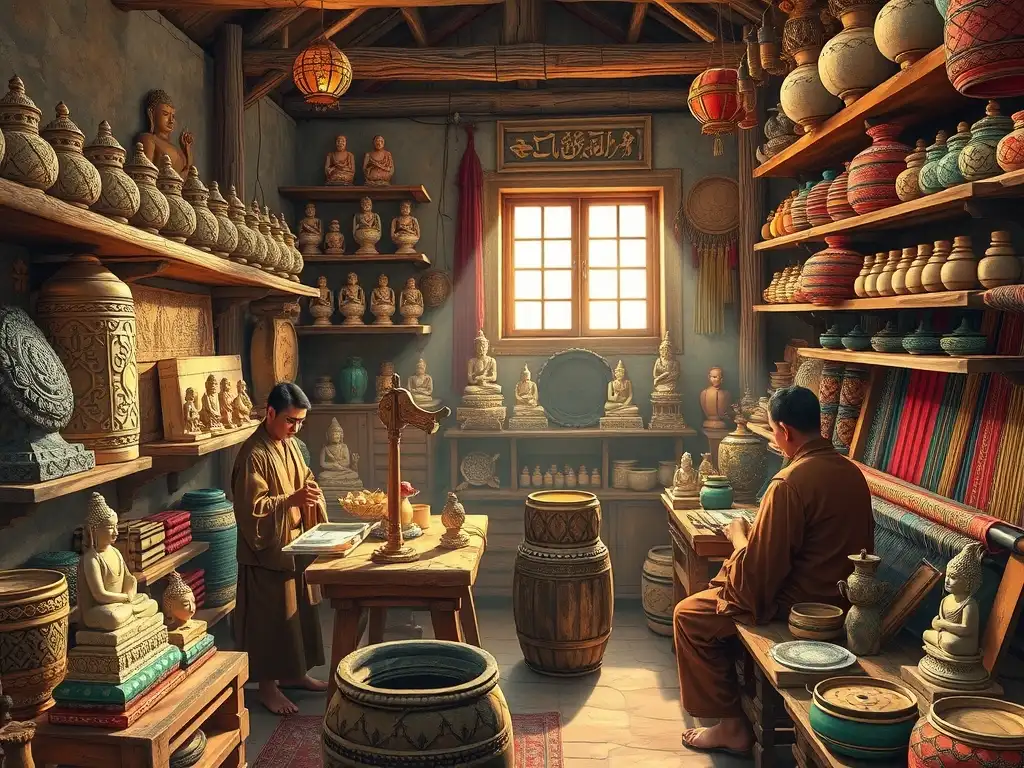
The techniques and materials employed by Mauryan artisans were sophisticated and varied, reflecting the empire's rich cultural heritage. These craftsmen mastered various methods that allowed them to create intricate and durable goods, from textiles to metal objects and stone sculptures. Their expertise was not only a testament to their skills but also a reflection of the technological advancements of the time.
Traditional Crafting Techniques
Mauryan artisans utilized a range of traditional crafting techniques that were passed down through generations. For instance, pottery was shaped using the potter's wheel, allowing for the production of symmetrical and finely finished items. Techniques such as slip decoration and glazing were employed to enhance the aesthetic appeal of pottery, making it both functional and artistic.
In textiles, weaving techniques were highly developed. Artisans used looms to create intricate patterns and designs, often incorporating vibrant dyes derived from natural sources. This not only showcased their technical skill but also reflected the region’s cultural narratives through the stories woven into the fabric.
Metalwork was another area where Mauryan artisans excelled. They employed techniques like lost-wax casting and hammering to create exquisite jewelry, tools, and weapons. The use of alloys, such as bronze and copper, demonstrated their understanding of materials, allowing for the production of durable and ornamental items.
Materials Sourced for Craftsmanship
Mauryan artisans sourced a wide array of materials that were integral to their craft. The availability of local resources greatly influenced the types of products they could create. For instance, clay from riverbanks was abundant, enabling the production of pottery that varied from utilitarian vessels to ornate decorative items.
Textile artisans relied on cotton and silk, which were cultivated and processed within the empire. The trade networks established by the Mauryan Empire also facilitated the importation of exotic materials, such as precious stones and metals, which were essential for jewelry making and metalwork.
Stone, particularly from local quarries, was a primary material for sculpture and architecture. Artisans carved intricate designs into stone, creating not only functional structures but also monumental art that celebrated the empire's achievements and religious beliefs. This diverse sourcing of materials underscored the artisans' adaptability and creativity, allowing them to produce a wide range of goods that showcased the richness of Mauryan craftsmanship.
The Influence of Mauryan Craftsmanship on Later Civilizations
The Mauryan Empire, which thrived from 322 to 185 BCE, was a significant period in ancient Indian history. Its artisans played a pivotal role in shaping the cultural and artistic landscape not only of their time but also for generations to come. The influence of Mauryan craftsmanship can be seen in various aspects of art, architecture, and craftsmanship in subsequent civilizations. Mauryan artisans introduced innovative techniques and styles that laid the groundwork for artistic developments during the later periods, particularly during the Gupta Empire.
The robust trade networks established during the Mauryan era facilitated the exchange of ideas and artistic techniques across regions. As Mauryan craftsmanship spread, it absorbed influences from neighboring cultures while also leaving a lasting imprint on them. This exchange fostered a rich tapestry of artistic expression characterized by intricate designs, improved sculpting methods, and enhanced material use.
Impact on Post-Mauryan Art and Culture
The artistic legacy of the Mauryan Empire significantly shaped post-Mauryan art and culture, especially during the early centuries of the Common Era. Following the decline of the Mauryan Empire, the techniques refined by Mauryan artisans continued to influence various regional styles across India.
One of the most notable impacts was seen in the emergence of the Shunga period (185 BCE – 75 BCE), where the intricate stone carvings and sculptures reminiscent of Mauryan aesthetics were prevalent. The Shunga artisans adapted Mauryan motifs, incorporating them into their works yet adding regional flavors, which led to a diverse range of artistic expressions.
Furthermore, the Buddhist art that flourished during this period drew heavily from Mauryan techniques. The iconic Stupas, adorned with carvings reflecting Mauryan artistry, became central to Buddhist architecture. These structures not only served religious purposes but also acted as cultural repositories, embodying the artistic traditions that originated during the Mauryan era.
Legacy of Mauryan Techniques in Gupta Artisanship
The Gupta Empire (approximately 320 to 550 CE) is often regarded as the Golden Age of India, where art and culture flourished. The legacy of Mauryan craftsmanship played a crucial role in this transformation. Gupta artisans inherited the techniques and styles developed during the Mauryan period, which they further refined and evolved.
One of the standout features of Gupta art is the emphasis on realism and naturalism in sculpture, which can be traced back to Mauryan influences. The intricate carvings found in Gupta temples often echo the stylistic elements of earlier Mauryan works, showcasing a continuity in artistic principles. Moreover, the introduction of new materials, such as terracotta and metal, allowed Gupta artisans to experiment and innovate while remaining rooted in Mauryan traditions.
The fusion of Mauryan craftsmanship with Gupta aesthetics gave rise to a distinctive style that celebrated divine themes and human emotions, exemplified in the exquisite sculptures of deities and intricate frescoes that adorned temples. This artistic synergy not only enriched Gupta art but also set new standards for craftsmanship that would resonate in later Indian art forms.
Conclusion: The Lasting Influence of Mauryan Artisans
The influence of Mauryan artisans extends far beyond their immediate time, shaping the trajectory of Indian art and culture for centuries. Their contributions are a testament to the ingenuity and creativity of ancient Indian craftsmanship, which has left an indelible mark on the fabric of Indian history.
Summary of Key Contributions
The key contributions of Mauryan artisans can be encapsulated as follows:
- Innovative Techniques: The introduction of advanced sculpting methods and architectural designs.
- Cultural Exchange: The establishment of trade routes that facilitated the spread of artistic ideas across regions.
- Religious Impact: The influence on Buddhist art and architecture, particularly in the design of stupas and temples.
- Artistic Legacy: The seamless transition of styles and techniques into post-Mauryan and Gupta art forms, showcasing a rich continuity in craftsmanship.
Reflection on the Importance of Preserving Ancient Craftsmanship
Preserving the legacy of ancient craftsmanship, particularly that of the Mauryan artisans, is vital for understanding the historical and cultural evolution of India. These artisans not only contributed to the artistic landscape of their time but also set the stage for future generations. By studying and preserving these ancient techniques, we ensure that the rich tapestry of Indian heritage continues to inspire and educate.
The preservation of ancient craftsmanship fosters a deeper appreciation for cultural diversity and artistic expression, reinforcing the idea that art transcends time and remains a powerful medium for storytelling and cultural identity.
- Introduction to Mauryan Craftsmanship
- Key Figures in Mauryan Craftsmanship
- The Role of Artisans in the Mauryan Economy
- Techniques and Materials Used by Mauryan Artisans
- The Influence of Mauryan Craftsmanship on Later Civilizations
- Conclusion: The Lasting Influence of Mauryan Artisans
Frequently Asked Questions
What was the significance of Mauryan craftsmanship in ancient India?
Mauryan craftsmanship played a crucial role in shaping the artistic and cultural landscape of ancient India, influencing various forms of art, architecture, and trade.
Who were the key figures behind Mauryan craftsmanship?
Key figures included skilled artisans and craftsmen who specialized in various trades such as sculpture, metalwork, and textiles, contributing to the rich artistic heritage of the Mauryan Empire.
How did Mauryan craftsmanship influence later Indian art?
The innovative techniques and styles developed during the Mauryan period laid the foundation for subsequent artistic movements, impacting the Gupta Empire and beyond.
What materials were commonly used by Mauryan artisans?
Mauryan artisans worked with a variety of materials, including stone, wood, metal, and textiles, showcasing their diverse skills and the resources available during that era.
How did trade impact Mauryan craftsmanship?
The expansion of trade networks during the Mauryan Empire facilitated the exchange of ideas and materials, leading to an enhanced craftsmanship that reflected influences from other cultures and regions.
Final Reflection: The Enduring Legacy of Mauryan Craftsmanship
The influence of Mauryan craftsmanship resonates profoundly in today's world, reminding us of the intricate connections between art, culture, and identity. As we explore the remarkable achievements of Mauryan artisans, we uncover not just their technical prowess but also the enduring impact their work has on contemporary artistic expressions. The craftsmanship of this ancient civilization serves as a testament to the creativity and innovation that transcends time, inspiring modern artisans to draw from their rich heritage.
Cultural landscapes are continually shaped by the echoes of the past, and the legacy of Mauryan artisans is no exception. Their ability to blend functionality with aesthetic beauty has left an indelible mark on various art forms, influencing generations of craftsmen and artists. As we reflect on their contributions, we are reminded of the words of the renowned art historian, John Ruskin: The greatest thing a human soul ever does in this world is to see something and tell what it saw in a way that it can never see it again.
This sentiment encapsulates the essence of Mauryan craftsmanship, where each piece tells a story that continues to inspire and provoke thought in our modern context.
As we conclude this exploration of the influence of Mauryan craftsmanship, I invite you to reflect on how the artistry of the past can inform and enrich your own creative endeavors. Consider the lessons of innovation, dedication, and cultural pride that these artisans embodied. Let their legacy inspire you to appreciate the beauty in craftsmanship and to seek out ways to incorporate these timeless values into your own life and work. Embrace the call to honor the past while forging your unique path forward, for in doing so, you contribute to the ongoing narrative of human creativity and expression.
Unveil the Legacy of Ancient Artisans!
Thank you for exploring the fascinating world of Mauryan artisans with us! You’ve uncovered the significant impact these key figures had on ancient craftsmanship and the cultural heritage they shaped. Now, it’s time to take that inspiration and transform it into action!
Here are a few meaningful steps you can take to honor and support the legacy of these incredible artisans:
- Dive deeper into history: Visit your local museum or explore online exhibitions that showcase ancient Indian art and craftsmanship, providing further insights into the techniques used by Mauryan artisans.
- Share your knowledge: Engage with friends or family by discussing what you've learned about Mauryan artisans and their craftsmanship—your passion might ignite their curiosity!
- Create a community project: Start a group focused on traditional crafts in your area or online. Whether it’s a workshop, a blog, or a social media page, this can be a fantastic way to keep these artisanal skills alive in modern times.
Which aspect of Mauryan craftsmanship inspires you the most, and how do you plan to celebrate it in your life? Let's spark a conversation!