
The Art of War: Depictions of Battles in Ancient Indian Art

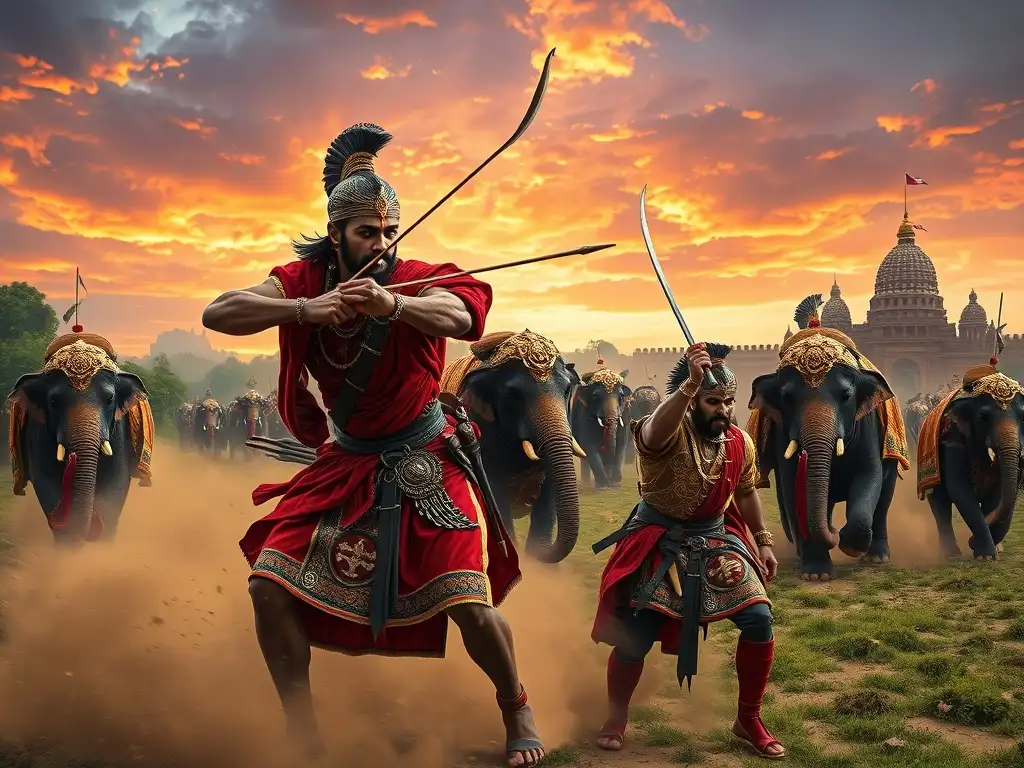
Welcome to Ancient India History, where we take you on a captivating journey through the rich tapestry of ancient Indian civilizations. Dive into the enthralling world of Ancient Indian battle art history and uncover how artistic expressions vividly depicted the valor and strategy of battles that shaped the subcontinent. From the intricate carvings of the Indus Valley to the grand murals of the Gupta Empire, each artwork tells a story of courage and culture.
Prepare to be inspired as we explore the intersection of art, architecture, and philosophy—a realm where every brushstroke carries the weight of history. Are you ready to unlock the secrets behind these remarkable depictions?
Introduction to Ancient Indian Battle Art History
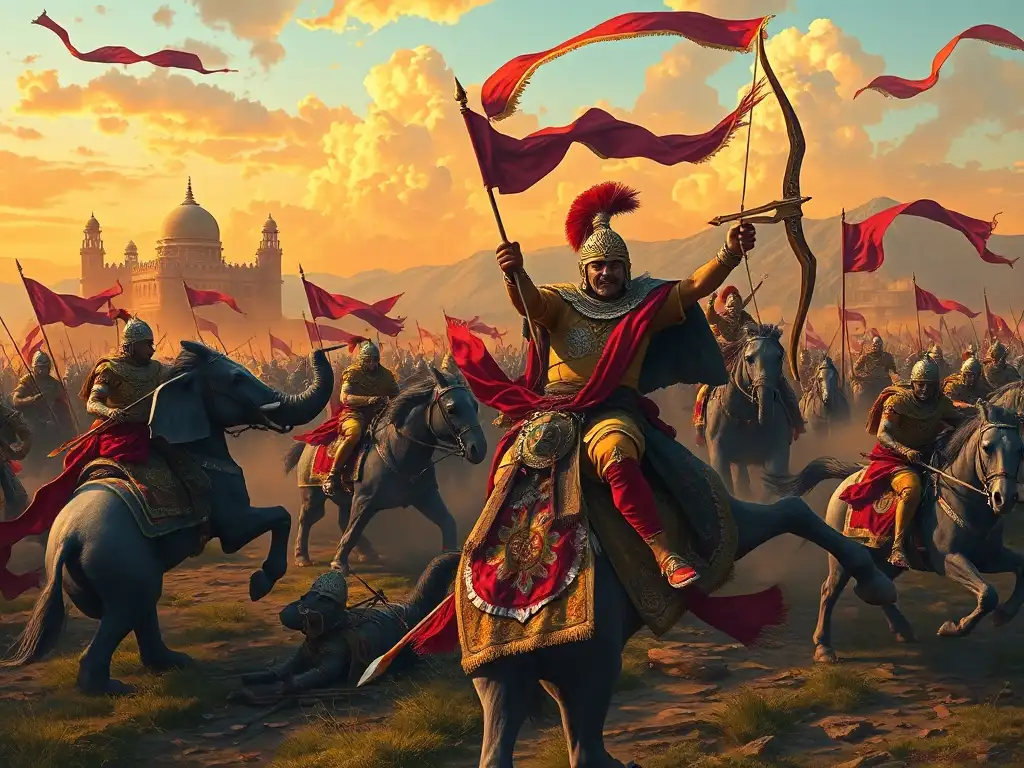
The rich tapestry of ancient Indian battle art history serves as a captivating window into the military ethos, cultural narratives, and artistic expressions of bygone civilizations. From the intricate frescoes of the Ajanta Caves to the detailed miniatures of the Mughal period, the depictions of warfare in ancient Indian art reflect not only the valor and strategy of battles but also the societal values and religious beliefs intertwined with the art forms.
Ancient Indian battle art history captures the essence of heroism, conflict, and the intricate relationship between the warrior and the divine, providing a profound understanding of how battles were perceived and represented across various dynasties. This exploration into the art of war in ancient India not only highlights the aesthetic aspects but also emphasizes the historical significance of these artworks in shaping the identity and legacy of Indian civilization.
Overview of Ancient Indian Art Forms
Ancient Indian art is a diverse and complex field, encompassing a variety of styles and mediums that evolved over millennia. Key art forms include:
- Sculpture: Often found in temples and public spaces, showcasing deities, warriors, and mythological narratives.
- Painting: Ranging from cave paintings in Ajanta and Ellora to the vibrant Rajput and Mughal miniatures, each style has its unique techniques and themes.
- Architecture: The construction of forts, palaces, and temples reflects the military and cultural priorities of various regions.
Each of these art forms plays a crucial role in depicting the military history of ancient India, providing visual narratives that celebrate victories and commemorate the fallen.
Importance of Battle Depictions in Art
Depictions of battles in ancient Indian art serve multiple purposes:
- Cultural Memory: They preserve the memories of significant battles and heroes, ensuring that these narratives endure through generations.
- Moral Lessons: Many artworks convey ethical lessons associated with warfare, such as bravery, sacrifice, and righteousness, often linked to religious beliefs.
- Political Propaganda: Art was used to legitimize rulers' claims to power by illustrating their military successes and divine favor.
Through these depictions, artists not only captured the physicality of war but also conveyed deeper philosophical and spiritual meanings that resonate within the broader context of ancient Indian civilization.
Historical Context of Battles in Ancient India
Understanding the historical context of battles in ancient India is essential to fully grasp the significance of their artistic representations. Battles were not merely conflicts but were deeply embedded within the socio-political fabric of the time.
Major Battles and Wars in Ancient Indian History
Several key battles defined the course of ancient Indian history, including:
- The Battle of the Ten Kings (Dasarajna): A significant conflict mentioned in the Rigveda, symbolizing early tribal warfare.
- The Kurukshetra War: Central to the Mahabharata, this epic battle encapsulates the moral dilemmas of war and dharma.
- The Battle of Kalinga: Fought by Emperor Ashoka, this war profoundly influenced his subsequent commitment to non-violence and Buddhism.
These battles not only shaped political landscapes but also inspired countless artworks that depict valor, strategy, and the human condition in the face of conflict.
The Role of Warfare in Ancient Indian Society
Warfare in ancient Indian society was multifaceted, encompassing various dimensions:
- Social Structure: The warrior class, known as Kshatriyas, held a prestigious position, and valor in battle was essential for maintaining honor and status.
- Religion and Warfare: Many battles were seen as divine mandates, with deities often invoked for victory and protection.
- Economic Factors: Control over territory and resources was a primary motivator for warfare, influencing trade and cultural exchanges.
By examining these aspects, we can appreciate how warfare not only shaped the political landscape but also influenced the artistic expressions that emerged in its wake.
In the ensuing sections, we will delve deeper into specific artistic representations of battles, exploring the styles, themes, and meanings embedded within ancient Indian battle art.
Techniques and Styles in Ancient Indian Battle Art
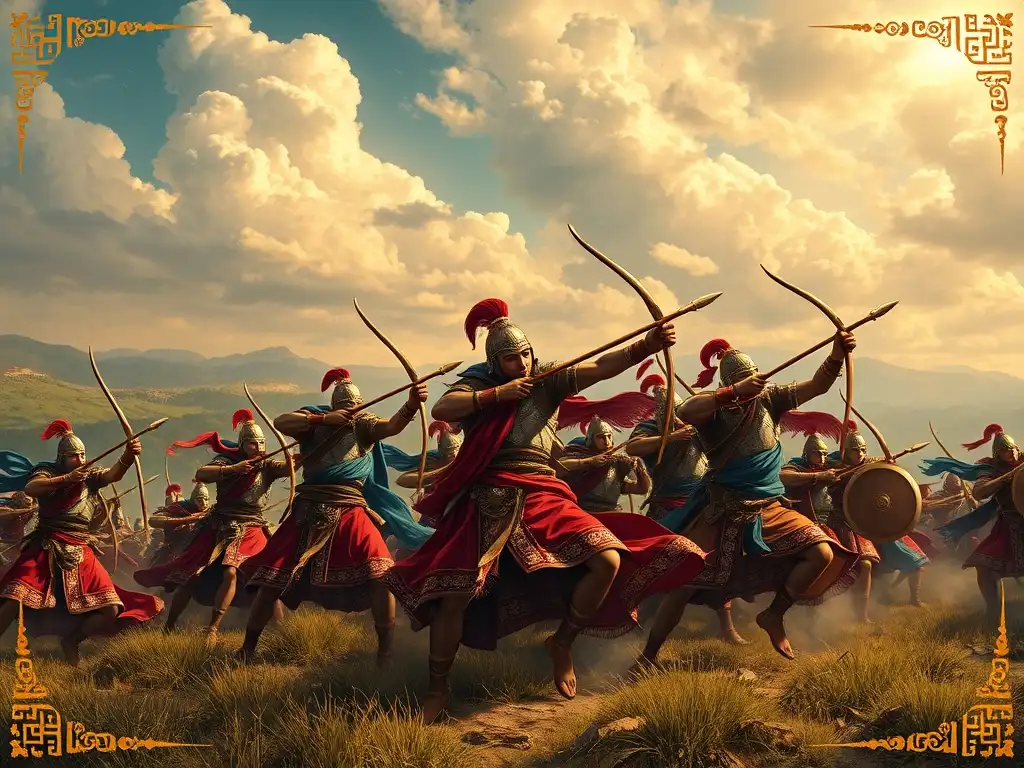
Ancient Indian battle art showcases a variety of techniques and styles that reflect the cultural and historical contexts of the time. Artists employed intricate methods to convey the intensity and chaos of warfare, often using a combination of realism and stylization.
- Naturalism vs. Stylization: Many early depictions emphasized naturalistic forms, particularly during the Maurya period, where figures were portrayed with anatomical accuracy. Conversely, later works, particularly from the Gupta era, leaned towards a more stylized approach, focusing on elaborate motifs and patterns.
- Narrative Techniques: Artists often utilized a sequential narrative style, similar to modern comic strips, where battles were depicted in a series of panels or friezes. This technique allowed viewers to follow the action and understand the progression of events.
- Color and Composition: Vibrant colors played a significant role in battle art, with artists using a rich palette to evoke emotions and highlight important figures. The composition often directed the viewer's gaze towards key moments of conflict, enhancing the dramatic effect.
- Use of Perspective: While ancient Indian artists did not employ linear perspective in the way that later European artists did, they achieved a sense of depth through overlapping figures and varying sizes. This technique created a dynamic visual experience that pulled viewers into the depicted scenes.
Traditional Art Forms Reflecting Warfare
Various traditional art forms in ancient India vividly depict warfare and its associated themes. These representations can be found across different mediums, linking art to the cultural narratives of heroism and valor.
- Miniature Paintings: These intricate artworks often illustrated royal battles, showcasing the grandeur of kings and their armies. Colors and details were meticulously applied to capture the essence of warfare.
- Folk Art: In regions like Rajasthan, folk paintings often depicted scenes of historical battles, portraying valor and bravery. These artworks served both decorative and narrative purposes, reflecting local histories and legends.
- Tanjore Paintings: Originating from Tamil Nadu, these paintings often included themes of warfare, featuring gods and warriors in dynamic battle scenes, embellished with gold foil to enhance their visual impact.
Material and Mediums Used in Battle Art
The choice of materials and mediums played a crucial role in the creation of battle art in ancient India. The techniques and resources varied significantly across regions and periods.
- Stone and Metal: Sculptures and reliefs carved from stone, particularly in temple complexes, were prevalent. Artists used chisels and tools to create detailed representations of battles, often in hard stones like granite.
- Paints and Dyes: Natural pigments derived from minerals, plants, and animal sources were commonly used in paintings. These dyes not only provided vibrant colors but also ensured longevity in artworks, as seen in cave paintings and manuscripts.
- Palm Leaves and Paper: Manuscript illustrations were often created on palm leaves or early forms of paper. Artists would use fine brushes to depict battle scenes, utilizing detailed line work and vibrant colors to bring these moments to life.
Iconography and Symbolism in Battle Representations
Iconography in ancient Indian battle art is rich with symbolism that conveys deeper meanings beyond the physical act of war. Each element is often laden with cultural significance.
- Warriors and Deities: Frequently, deities were depicted alongside warriors, symbolizing divine support in battles. This connection between the divine and the mortal realm underscored the belief in righteousness and dharma guiding warfare.
- Weapons and Chariots: Specific weapons, such as bows, swords, and chariots, carry symbolic meanings, representing power and valor. Their depiction often signifies the importance of martial skill and the glory of battle.
- Animals in Warfare: Elephants and horses were commonly featured in battle scenes, symbolizing strength and nobility. The portrayal of these animals emphasized the grandeur of armies and the majesty of warfare.
Notable Examples of Battle Art in Ancient India
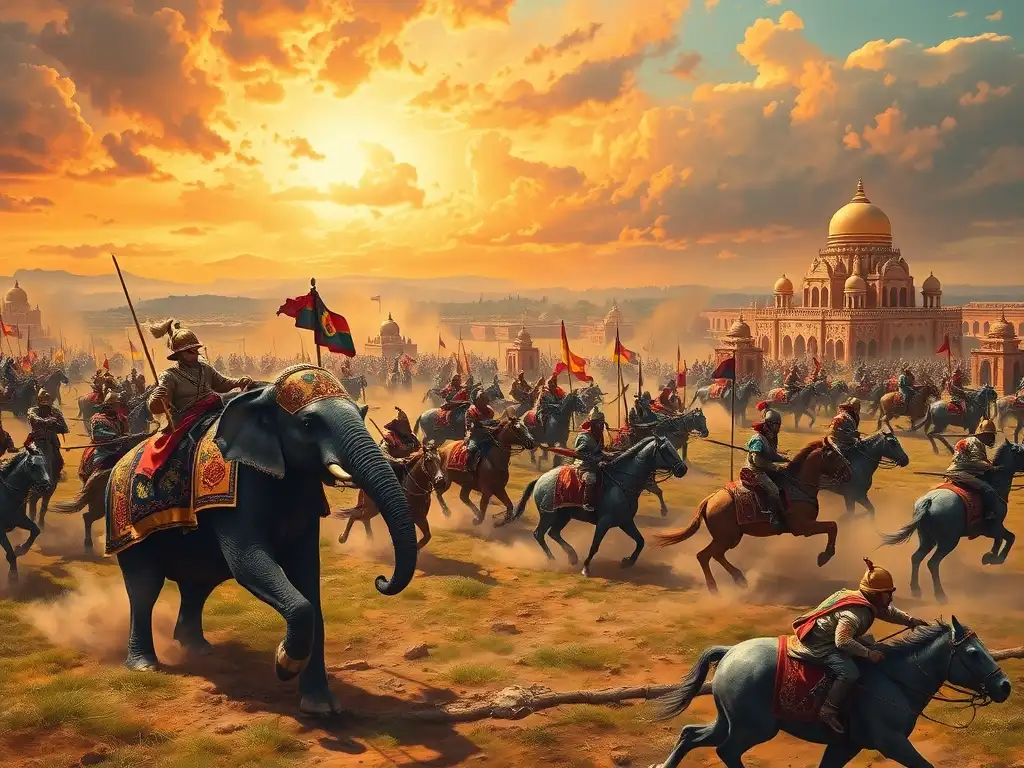
Ancient India is home to remarkable examples of battle art that highlight the rich cultural narratives surrounding warfare. Each of these examples showcases unique artistic techniques and styles.
Cave Paintings and Rock Art Depicting Warfare
Cave paintings, particularly those found in locations like Bhimbetka and Ajanta, provide some of the earliest evidence of battle art in India. These sites reveal scenes of hunting and combat, illustrating the daily lives and struggles of ancient peoples. The use of natural pigments and the dynamic postures of figures reflect the intensity of conflict and the importance of warfare in their societies.
Sculptures and Reliefs from Temples
Temples across India, such as those in Khajuraho and Hampi, are adorned with intricate sculptures and reliefs depicting battles. These works often showcase mythological battles, blending historical events with spiritual narratives. The craftsmanship involved in these sculptures highlights the advanced skills of artisans, who captured both movement and emotion in stone.
Manuscript Illustrations Featuring Battles
Manuscript illustrations, particularly from the Rajput and Mughal periods, depict epic battles with vibrant detail. These artworks often combined poetry with imagery, narrating the tales of valorous kings and their conquests. The meticulous attention to detail in these manuscripts showcases the sophistication of ancient Indian art and literature, preserving the stories of warfare for future generations.
Thematic Exploration of Battles in Ancient Indian Art
Ancient Indian battle art offers a profound insight into the socio-political landscapes, cultural values, and philosophical ideals of the time. Through various artistic expressions, these depictions not only captured the physicality of warfare but also conveyed deeper themes of heroism, divine intervention, and moral dilemmas faced during conflicts. The themes prevalent in these artworks reflect the intricate intertwining of mythology, history, and ethics, highlighting how battles shaped the identity of ancient Indian societies.
In the realm of battle art, the narratives often focus on the valor and heroism of warriors, underscoring their bravery and the importance of dharma (righteousness) in warfare. This thematic exploration is evident in many sculptures, paintings, and manuscripts from different periods, portraying the complexities of human emotions amidst the chaos of battle. The art serves as a narrative tool, weaving stories that resonate with the viewers, fostering a sense of pride and cultural continuity.
Heroism and Valor in Battle Depictions
Heroism is a central theme in the battle art of ancient India, where warriors are often depicted in grandiose forms, exuding strength and courage. These representations serve not only as memorials to individual fighters but also as embodiments of the collective spirit of the society. Sculptures from the Gupta period, for example, illustrate fierce combat scenes with intricate detailing, emphasizing the physical prowess and valor of the heroes.
The valor of warriors is frequently celebrated through the use of idealized forms, where the physical attributes of the figures symbolize their strength and bravery. This is complemented by dynamic poses and elaborate armor, which together enhance the action-oriented narratives of the artworks. The emphasis on heroism is not merely for admiration; it also serves to inspire future generations, instilling a sense of honor and duty towards one's homeland.
The Representation of Deities in Warfare
In ancient Indian battle art, deities are often depicted as divine warriors, playing crucial roles in the outcome of conflicts. This representation underscores the belief in divine intervention during battles, where gods such as Vishnu and Durga are shown leading armies or providing support to their devotees. Such portrayals not only highlight the spiritual dimension of warfare but also reflect the cultural understanding of morality in conflict situations.
The iconography associated with these deities is rich and multifaceted. For instance, Durga is frequently depicted riding a lion and wielding multiple weapons, symbolizing both strength and protection. This fusion of divine power with the mortal experience of war exemplifies the belief that righteousness (dharma) will ultimately prevail over evil (adharma). Artistic renditions of these deities serve as both religious and cultural artifacts, reinforcing the moral narratives associated with the battles they depict.
The Influence of Philosophy on Battle Art
Philosophical concepts deeply influenced the depiction of battles in ancient Indian art. The ideas presented in texts like the Bhagavad Gita and various Upanishads shaped the understanding of warfare as not just a physical struggle but a moral and ethical endeavor. The Gita, for instance, addresses the complexities of duty and righteousness in battle, themes that resonate throughout the artistic representations of conflict.
Artworks often reflect the philosophical dichotomy between duty and desire, showcasing characters caught in the moral quandaries of war. These philosophical underpinnings provide a deeper layer of meaning to the battle scenes, inviting viewers to reflect on the implications of violence, sacrifice, and the pursuit of justice. This interplay between art and philosophy enriches the narrative of ancient Indian battle art, making it a compelling subject for both aesthetic appreciation and intellectual inquiry.
Regional Variations in Ancient Indian Battle Art
The representation of battles in ancient Indian art is not uniform; it varies significantly across different regions, reflecting local traditions, styles, and cultural narratives. These regional variations can be observed in the distinct artistic techniques and thematic focuses of battle depictions throughout India. Each region's unique historical context and spiritual beliefs contributed to the evolution of its battle art forms, creating a rich tapestry of artistic expression.
Distinct Styles from Different Indian States
Different Indian states developed their own distinct styles of battle art, shaped by local customs and historical influences. For example, the battle frescoes of Rajasthan, characterized by vibrant colors and dynamic compositions, emphasize the heroism of Rajput warriors, often portraying them in elaborate battles against invading forces. These artworks not only celebrate valor but also serve as historical records of important conflicts.
In contrast, the battle art from South India, particularly during the Chola dynasty, is known for its intricate bronze sculptures and temple carvings that depict scenes of divine intervention in battles. The use of detailed iconography and the portrayal of epic battles, such as those depicted in the temple of Brihadeeswarar, highlight the spiritual significance of warfare in this region.
Comparative Analysis of Northern and Southern Art Forms
A comparative analysis of Northern and Southern battle art reveals profound differences in style, subject matter, and thematic expression. Northern Indian art forms, particularly during the Mughal period, often featured detailed miniatures that captured the grandeur of courtly life and the intricacies of battle, focusing on the nobility and their chivalric values. These illustrations frequently included elaborate backgrounds and were rich in narrative detail, showcasing the socio-political dynamics of the time.
In contrast, Southern Indian battle art tends to emphasize religious themes alongside warfare, often depicting battles as part of a divine narrative. The Chola and Nayak styles reflect a close association between art and spirituality, where battles are seen through the lens of dharma and cosmic order. This distinction in artistic focus not only illustrates the diverse interpretations of battle within the Indian context but also highlights the cultural richness that characterizes ancient Indian art history as a whole.
The Legacy of Ancient Indian Battle Art
The legacy of ancient Indian battle art is a profound testament to the rich tapestry of cultural and historical narratives that shaped the subcontinent. Ancient Indian battle art, characterized by its intricate depictions of warfare, valor, and heroism, serves not only as a visual representation of conflicts but also as a medium through which social, political, and spiritual values were expressed. From the early Indus Valley seals to the grand murals of the Gupta period, these artworks reflect the societal significance of warfare in ancient India and its impact on civilization.
Artisans of ancient India employed a variety of techniques, materials, and styles to depict battles, often showcasing the technological advancements in weaponry and armor. These artistic expressions were not merely decorative; they were imbued with layers of meaning, often conveying the moral lessons of bravery, loyalty, and sacrifice. The legacy of ancient Indian battle art is preserved in temples, palaces, and manuscripts, showcasing the nuanced relationship between art and history.
Influence on Later Artistic Traditions
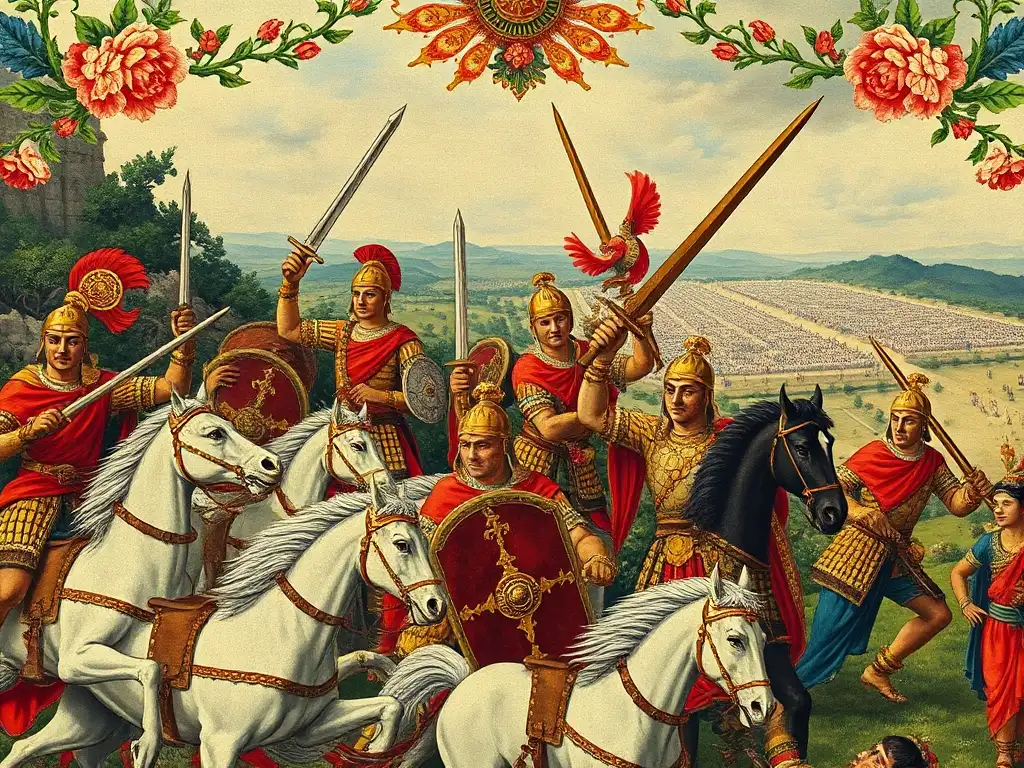
The influence of ancient Indian battle art can be observed in various artistic traditions that followed. The depictions of warfare and heroism laid the groundwork for subsequent art forms, including Mughal miniatures and Rajput paintings, where the themes of valor and martial prowess continued to thrive. The vibrant colors, dynamic compositions, and intricate detailing seen in later works can often be traced back to the foundational styles established in ancient battle art.
Moreover, the narratives encapsulated in these artworks inspired poets, playwrights, and storytellers, contributing to the rich oral and written traditions of India. The fusion of battle art with literature and theater ensured that the stories of ancient warriors and their exploits remained alive, influencing cultural expressions across generations. This continuity highlights the importance of battle art as a cultural cornerstone that transcended time and geography.
Preservation and Restoration of Ancient Battle Artworks
The preservation and restoration of ancient battle artworks is a crucial endeavor that ensures the survival of these historical treasures for future generations. Many ancient pieces, carved in stone or painted on walls, have faced the ravages of time, weather, and human activity. Conservation efforts involve meticulous techniques aimed at stabilizing and restoring these artworks while maintaining their authenticity.
Organizations and institutions dedicated to preserving India's cultural heritage have undertaken significant projects to protect battle art from deterioration. These projects often include research into traditional methods of art-making, enabling restorers to use compatible materials and techniques. The collaboration between archaeologists, art historians, and conservators is essential in this process, as it combines scientific knowledge with artistic appreciation.
Conclusion: The Significance of Ancient Indian Battle Art History
The significance of ancient Indian battle art history lies not only in its artistic merit but also in its ability to provide insights into the socio-political landscapes of ancient civilizations. These artworks serve as historical documents, encapsulating the ideologies, conflicts, and cultural values of their time. They offer a window into the minds of the artists and the society that inspired them, revealing the complexities of warfare beyond mere conquest.
Reflections on Warfare and Culture in Ancient India
Ancient Indian battle art reflects the intricate relationship between warfare and culture, illustrating how conflicts shaped societal norms and values. The portrayal of warriors and battles often included religious and mythical elements, highlighting the belief systems that influenced the conduct of war. These artworks not only depict the physicality of battles but also the spiritual and ethical dilemmas faced by warriors, revealing a culture deeply intertwined with the philosophies of dharma and karma.
The representation of warfare in art also served as a means of glorification, shaping public perception of heroes and their deeds. This glorification played a pivotal role in promoting ideals of bravery and valor, which were crucial to maintaining societal cohesion during turbulent times. Thus, the reflections on warfare in ancient Indian art provide a lens through which we can understand the broader cultural narratives that defined ancient Indian civilization.
The Continued Relevance of Battle Art in Modern Times
The continued relevance of ancient Indian battle art in modern times is evident in various spheres of cultural expression. Contemporary artists often draw inspiration from these historical depictions, reinterpreting themes of conflict, heroism, and sacrifice in the context of current social and political issues. This dialogue between past and present emphasizes the enduring nature of these narratives and their impact on contemporary identity.
Furthermore, the study and appreciation of ancient battle art have found a place in educational curricula and cultural heritage programs, fostering a deeper understanding of India's historical legacy. As society navigates the complexities of modern warfare and conflict, the lessons encapsulated in ancient battle art remain pertinent, offering reflections on the human condition and the perpetual struggle for peace and justice. The legacy of ancient Indian battle art thus continues to resonate, bridging the past and the present in meaningful ways.
- Introduction to Ancient Indian Battle Art History
- Overview of Ancient Indian Art Forms
- Importance of Battle Depictions in Art
- Historical Context of Battles in Ancient India
- Techniques and Styles in Ancient Indian Battle Art
- Traditional Art Forms Reflecting Warfare
- Material and Mediums Used in Battle Art
- Iconography and Symbolism in Battle Representations
- Notable Examples of Battle Art in Ancient India
- Thematic Exploration of Battles in Ancient Indian Art
- Regional Variations in Ancient Indian Battle Art
- The Legacy of Ancient Indian Battle Art
- Influence on Later Artistic Traditions
- Preservation and Restoration of Ancient Battle Artworks
- Conclusion: The Significance of Ancient Indian Battle Art History
- What is the focus of the article "The Art of War: Depictions of Battles in Ancient Indian Art"?
- How did ancient Indian civilizations depict battles in their art?
- What periods of ancient Indian history are covered in the article?
- Why is the study of battle art important in understanding ancient Indian culture?
- How can I learn more about ancient Indian battle art history?
Frequently Asked Questions
What is the focus of the article "The Art of War: Depictions of Battles in Ancient Indian Art"?
The article explores the rich history of ancient Indian battle art, highlighting how various civilizations depicted battles through art. It emphasizes the cultural significance and historical context of these artworks.
How did ancient Indian civilizations depict battles in their art?
Ancient Indian art often used vivid imagery and symbolism to represent battles, showcasing warriors, chariots, and mythological themes. These depictions reflect not only military strategies but also the values and beliefs of the time.
What periods of ancient Indian history are covered in the article?
The article covers significant periods from the Indus Valley Civilization to the Gupta Empire, illustrating how battle art evolved throughout these eras and its impact on cultural identity.
Why is the study of battle art important in understanding ancient Indian culture?
Studying battle art provides insights into the socio-political dynamics, military strategies, and cultural narratives of ancient India, revealing how these elements shaped the collective memory and identity of its people.
How can I learn more about ancient Indian battle art history?
For more information, you can explore additional resources such as academic journals, books, and online databases that focus on ancient Indian history and its artistic expressions, especially those highlighting military themes.
Final Reflection: The Enduring Legacy of Ancient Indian Battle Art
The exploration of Ancient Indian battle art history reveals a profound connection between artistry and the tumultuous narratives of conflict that shaped civilizations. Today, as we navigate a world still rife with discord, the lessons embedded in these ancient depictions resonate more than ever. The intricate details and powerful imagery found in these artworks serve as a reminder of the complexities of war—not just as a series of battles, but as a reflection of human experience, resilience, and the quest for identity.
The influence of ancient battle art extends beyond mere aesthetics; it has woven itself into the very fabric of cultural and social consciousness. These artworks encapsulate the valor, strategy, and emotional weight of warfare, offering insights into the values and beliefs of their time. As we engage with these historical narratives, we are reminded of the words of the philosopher Sun Tzu: In the midst of chaos, there is also opportunity.
This sentiment echoes through the ages, urging us to reflect on the lessons of the past as we confront the challenges of the present.
As we conclude this journey through the lens of ancient Indian battle art, I invite you to take a moment to reflect on the stories these artworks tell. Consider how the themes of courage, sacrifice, and the human condition continue to shape our understanding of conflict today. Embrace the opportunity to learn from history, allowing the powerful imagery of the past to inspire a more peaceful and empathetic future. Let us honor the legacy of these artists by applying their lessons in our own lives, fostering understanding and compassion in a world that desperately needs it.
Unveil the Legacy of Ancient Indian Battles!
Thank you for diving into the captivating world of ancient Indian art and its rich battle depictions! We hope you found inspiration in understanding how these artistic expressions resonate with our heritage. Now, it's time to take action and connect more deeply with this fascinating history.
- Explore more artworks by visiting local museums or online galleries that showcase the brilliance of ancient Indian art.
- Engage with the community! Share this article with friends or on social media, and initiate discussions about how art influences our understanding of historical events.
- Consider starting a blog or journal to document your findings and reflections on how these depictions inspire your views on courage and strategy in contemporary times.
What aspect of ancient battle art resonates most with you, and how do you believe it shapes our current perceptions of conflict?